Facts About Yellowstone National Park
Yellowstone is one of those places that feels almost too good to be true. Geysers shooting water hundreds of feet into the air, colorful hot springs that look like they belong on another planet, and wildlife roaming freely across valleys and forests.
It’s a place where nature does its own thing, and humans just get to watch. So what makes this park so special?
Let’s dive into some of the most interesting things about America’s first national park.
It was the world’s first national park
President Ulysses S. Grant signed the Yellowstone National Park Protection Act in 1872, creating the first national park anywhere on Earth. Before this happened, the idea of setting aside wild land for public enjoyment and preservation didn’t really exist.
The park started a movement that would eventually spread to countries all over the world, protecting natural wonders for future generations.
The park sits on top of a supervolcano
Beneath Yellowstone’s surface lies one of the largest active volcanic systems on the planet. The caldera, which is basically a giant crater formed by past eruptions, measures about 30 by 45 miles across.
Scientists monitor the volcano constantly, though they say an eruption isn’t likely anytime soon. The last major eruption happened around 640,000 years ago, and the heat from the volcano is what powers all those famous geysers and hot springs.
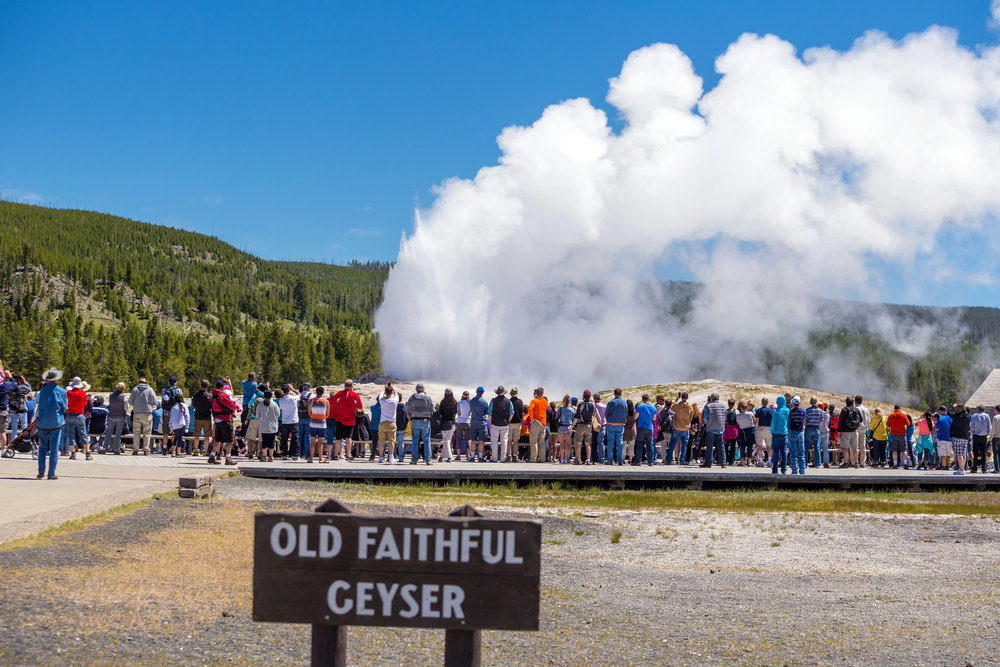
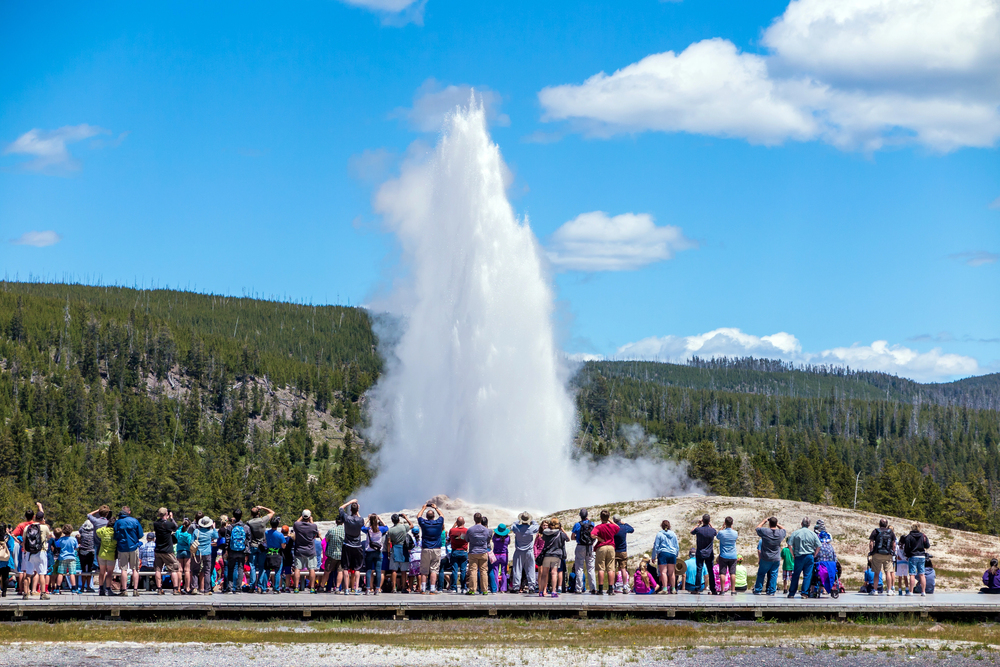
Old Faithful isn’t the tallest geyser in the park
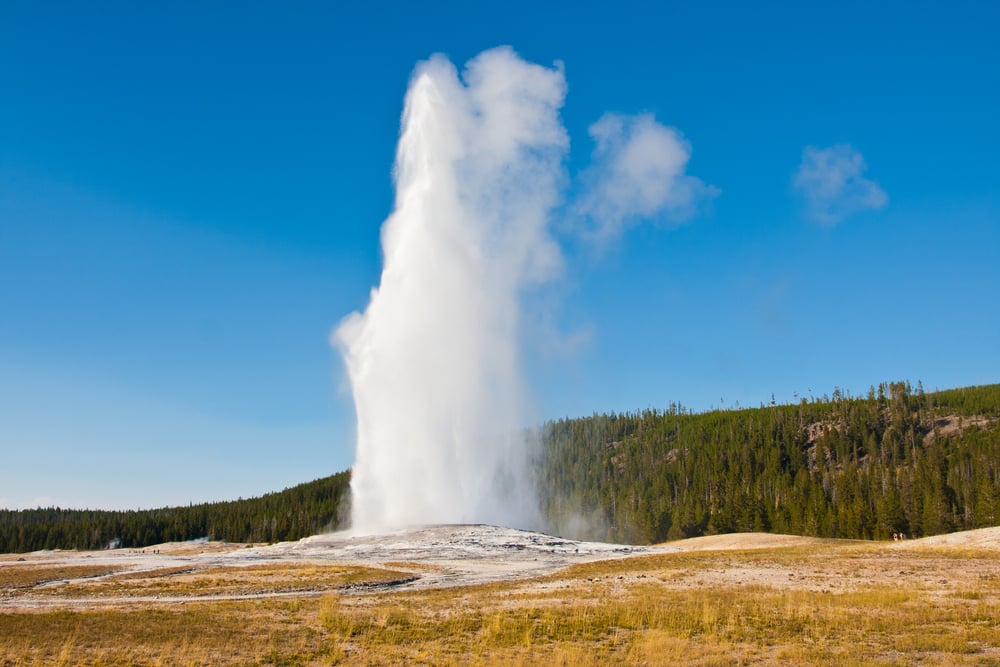
While Old Faithful gets all the attention for its reliable eruptions every 90 minutes or so, Steamboat Geyser holds the record for height. When Steamboat decides to erupt, it can shoot water more than 300 feet into the air, making it the world’s tallest active geyser.
The catch is that Steamboat is unpredictable and can go years without a major eruption, then suddenly erupt multiple times in a single year.
Yellowstone is bigger than Rhode Island and Delaware combined
The park covers 2.2 million acres across three states: Wyoming, Montana, and Idaho. Most of it sits in Wyoming, about 96 percent to be exact.
Driving from the north entrance to the south entrance takes several hours, and that’s without stopping to look at any of the attractions along the way. The massive size means you could visit multiple times and still discover new spots.
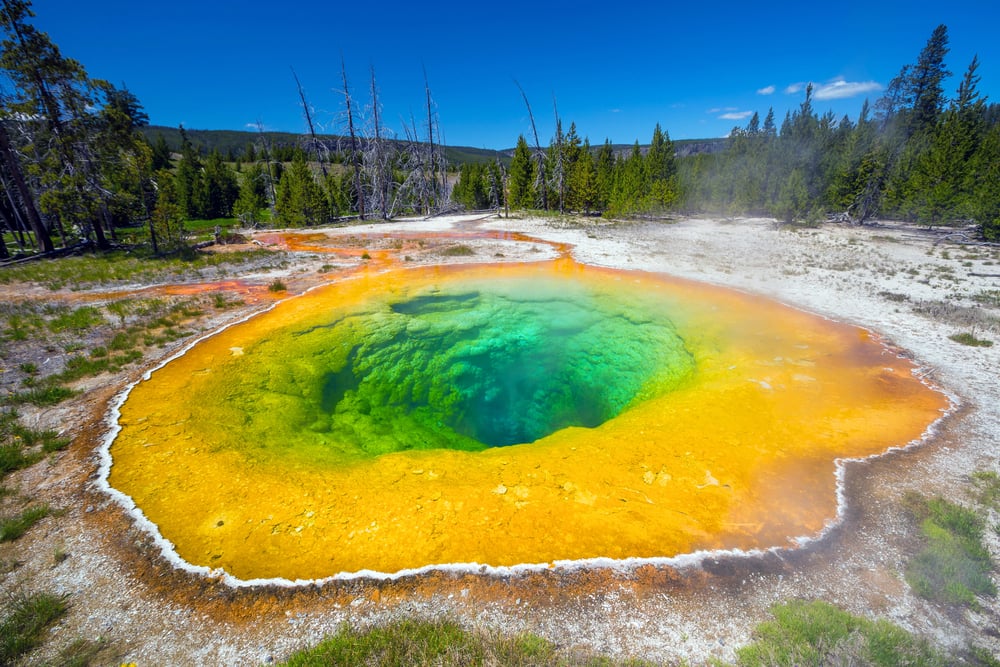
Morning Glory Pool used to be even more beautiful
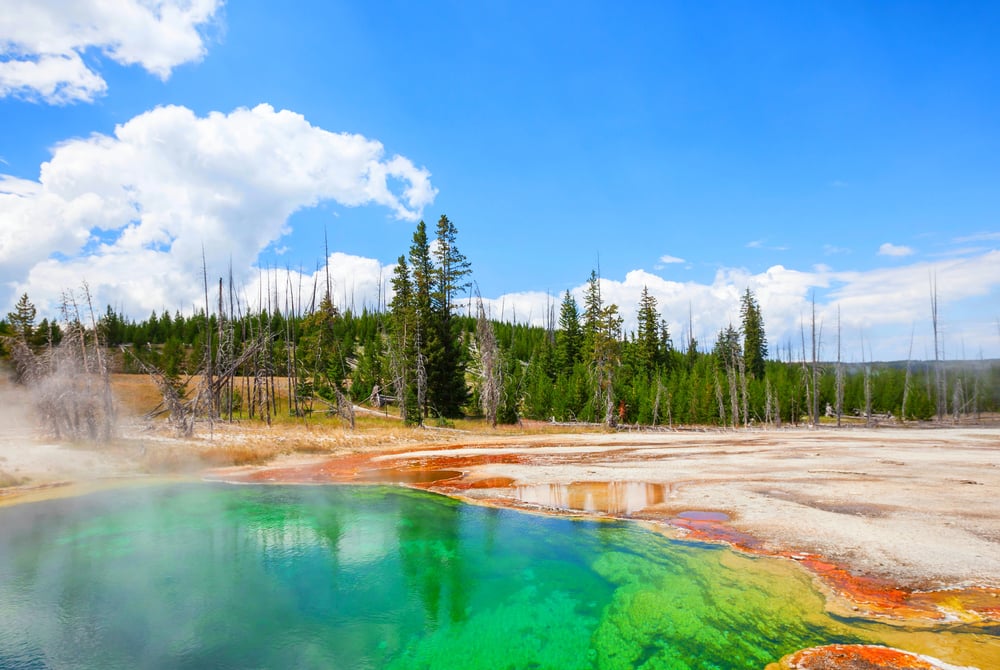
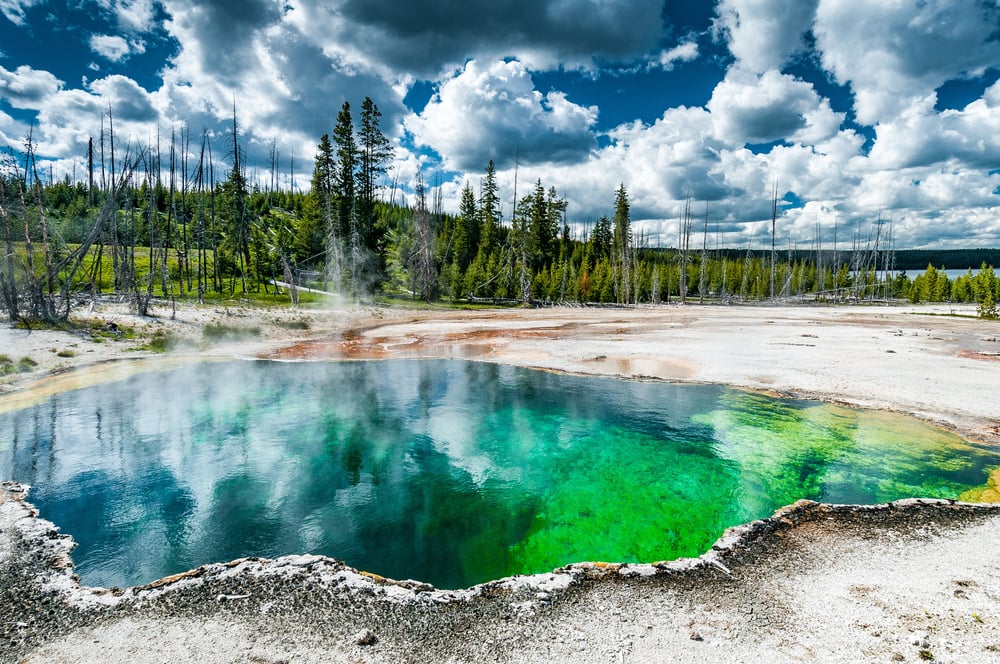
This iconic hot spring once had vibrant blue colors that were even more striking than what visitors see today. Over the years, people threw coins, rocks, and trash into the pool, which clogged its underwater vents and lowered the water temperature.
The cooler water allowed different types of bacteria to grow, changing the pool’s colors from pure blue to the yellow and orange edges visible now. Park officials have tried cleaning it out, but some damage appears permanent.
The park has more than 500 geysers
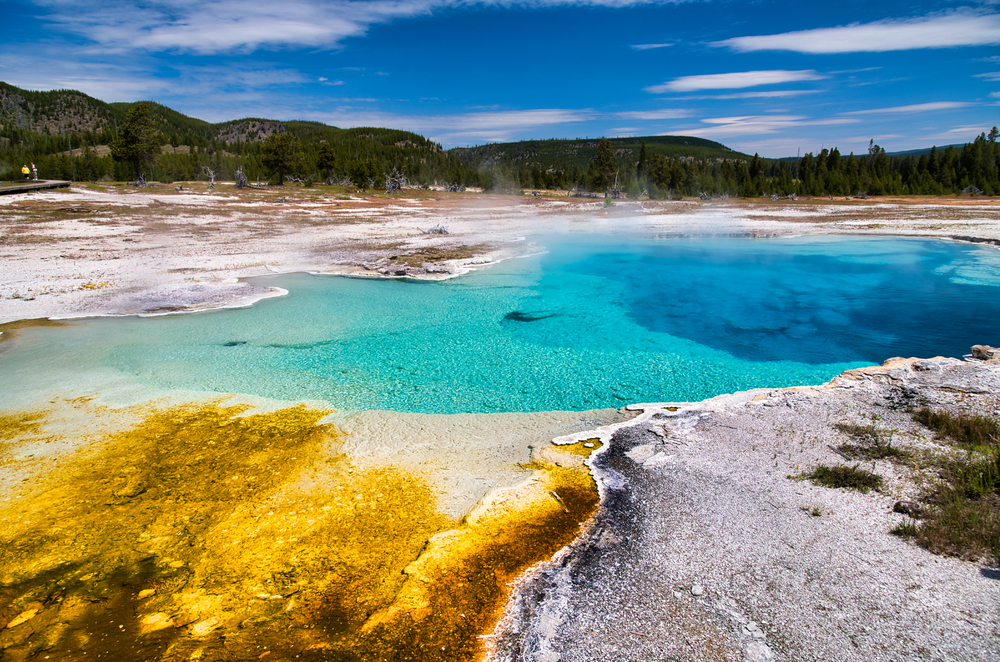
Yellowstone contains about half of all the geysers on Earth. These natural fountains need specific conditions to exist: heat from below, water, and a plumbing system of cracks and channels in the rock.
Most other places with volcanic activity don’t have the right combination of these elements. Some geysers erupt on predictable schedules, while others seem to follow no pattern at all.
Bison cause more injuries than bears
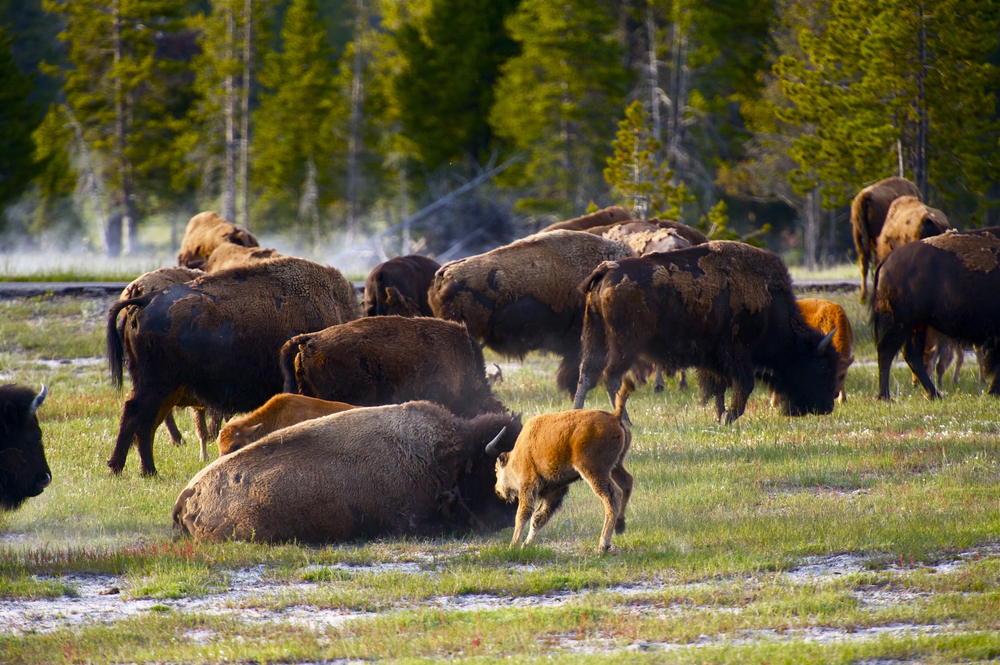
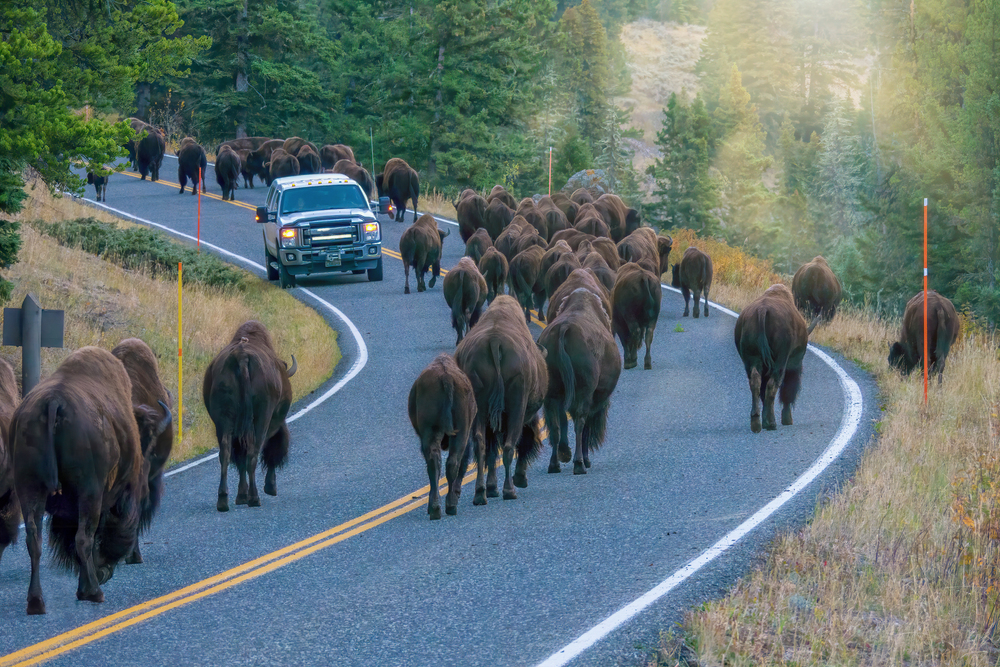
Every year, tourists get hurt because they walk too close to bison to take photos. These animals might look calm and slow, but they can run up to 35 miles per hour and weigh up to 2,000 pounds.
Park rangers recommend staying at least 25 yards away from bison and elk. Despite the warnings, people still try to pose next to them or let their kids approach them, which often ends badly.
Yellowstone Lake is essentially a cold ocean on a mountaintop
At 7,733 feet above sea level, Yellowstone Lake is the largest high-elevation lake in North America. The lake covers 136 square miles and reaches depths of more than 400 feet in some spots.
Water temperatures rarely get above 60 degrees, even in summer, which means falling in could be dangerous. Scientists have discovered hydrothermal vents at the bottom of the lake, proving that volcanic activity continues even underwater.
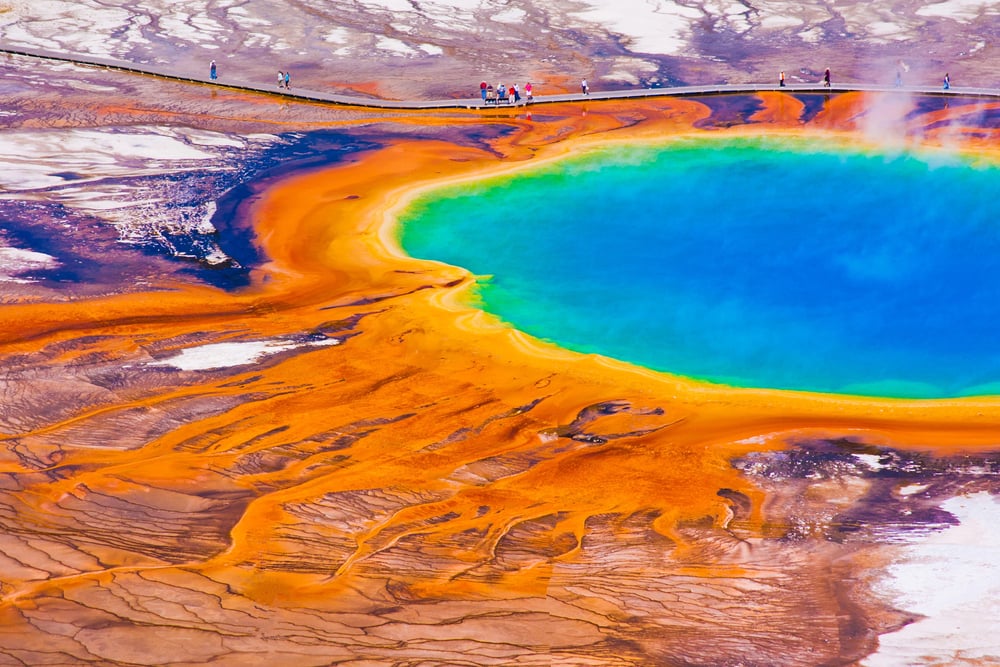
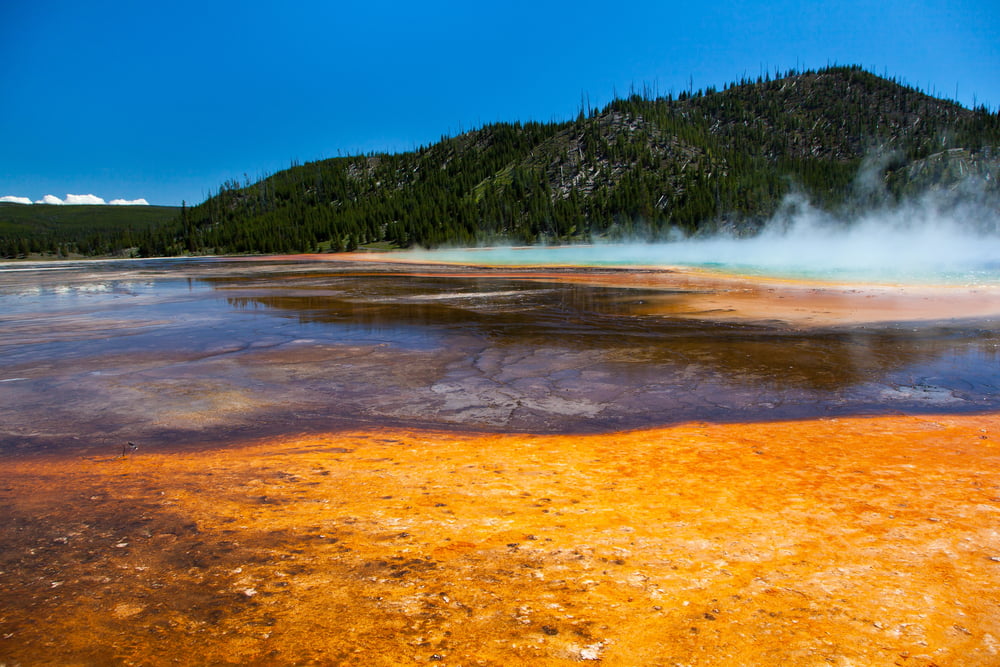
The Grand Prismatic Spring is larger than a football field
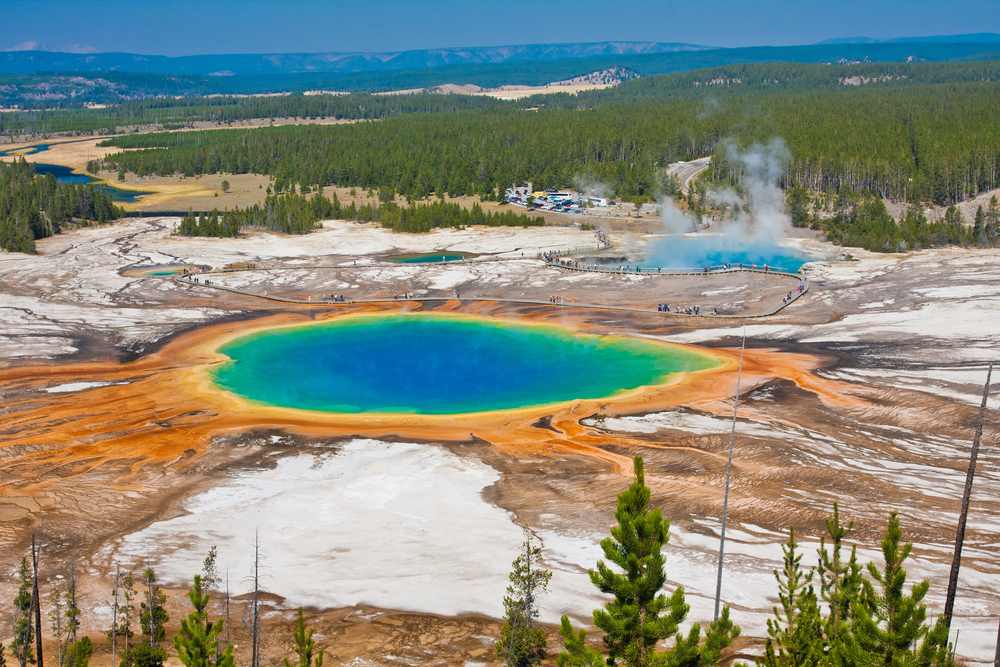
This spring measures about 370 feet across and produces around 560 gallons of water per minute. The rainbow of colors comes from different types of bacteria that thrive at different temperatures around the edges of the spring.
The center stays too hot for most life, which is why it remains deep blue. Seeing it from the ground is impressive, but the view from above shows the full spectrum of colors that give the spring its name.
Wolves were brought back after being gone for 70 years
Yellowstone’s last wolves were killed in 1926 as part of a predator control program. Without wolves, the elk population exploded and overgrazed plants along streams and rivers.
In 1995, wildlife officials reintroduced 31 gray wolves from Canada into the park. The return of wolves changed the entire ecosystem, allowing trees and vegetation to recover and bringing balance back to the food chain.
The park’s thermal features kill people who ignore warnings
Hot springs and geysers can reach temperatures above 200 degrees Fahrenheit, hot enough to cause fatal burns. People have died after falling into thermal features or deliberately leaving the boardwalks to get closer.
In some cases, bodies were completely dissolved by the acidic and superheated water. The colorful, inviting appearance of these features makes them dangerous because people don’t realize how deadly they can be.
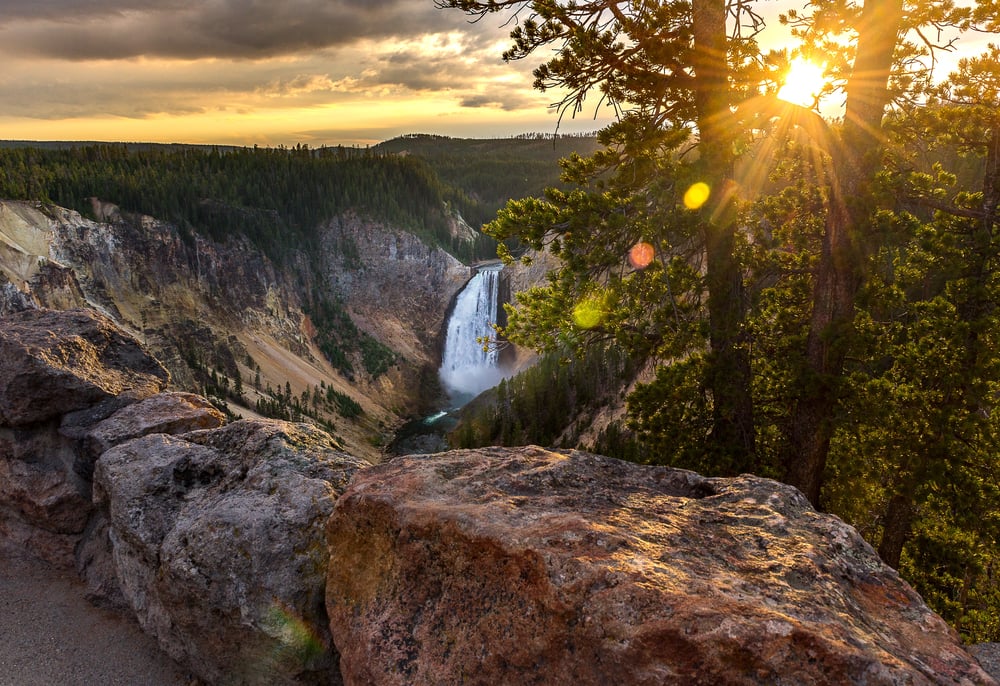
Yellowstone has its own Grand Canyon
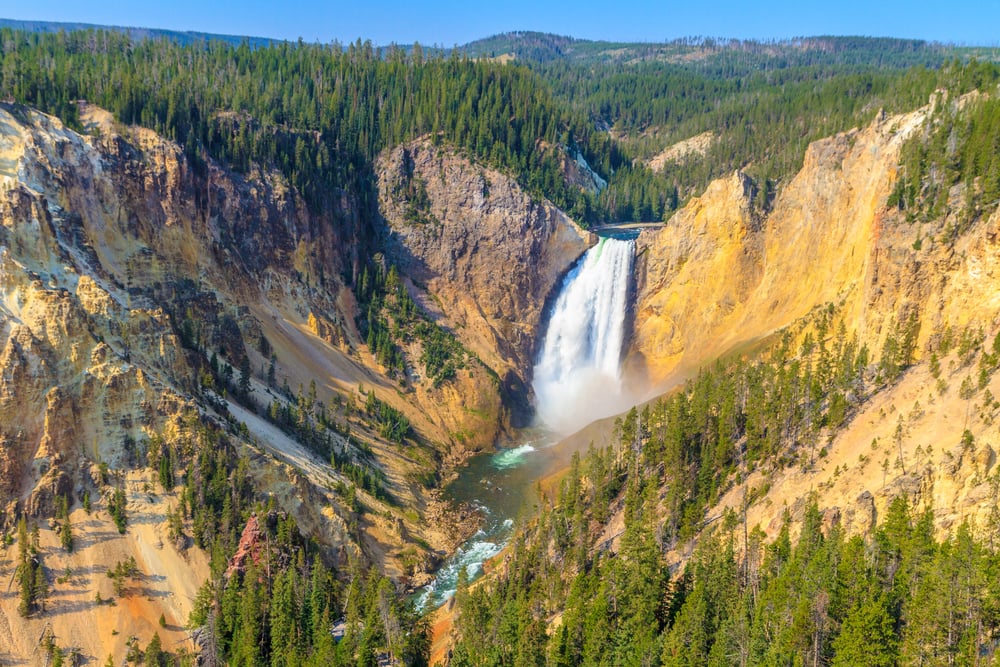
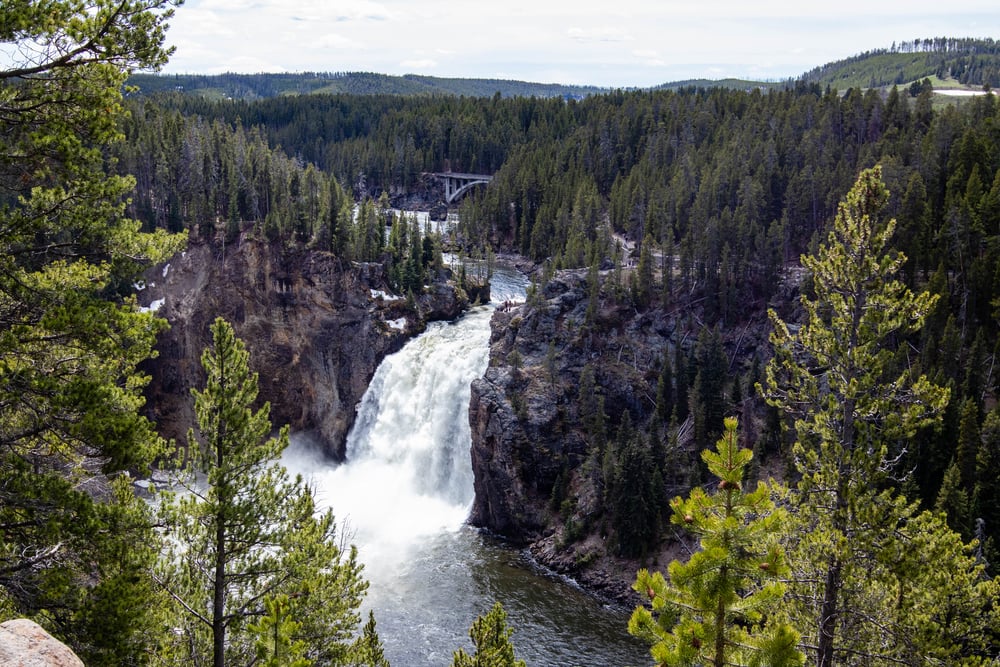
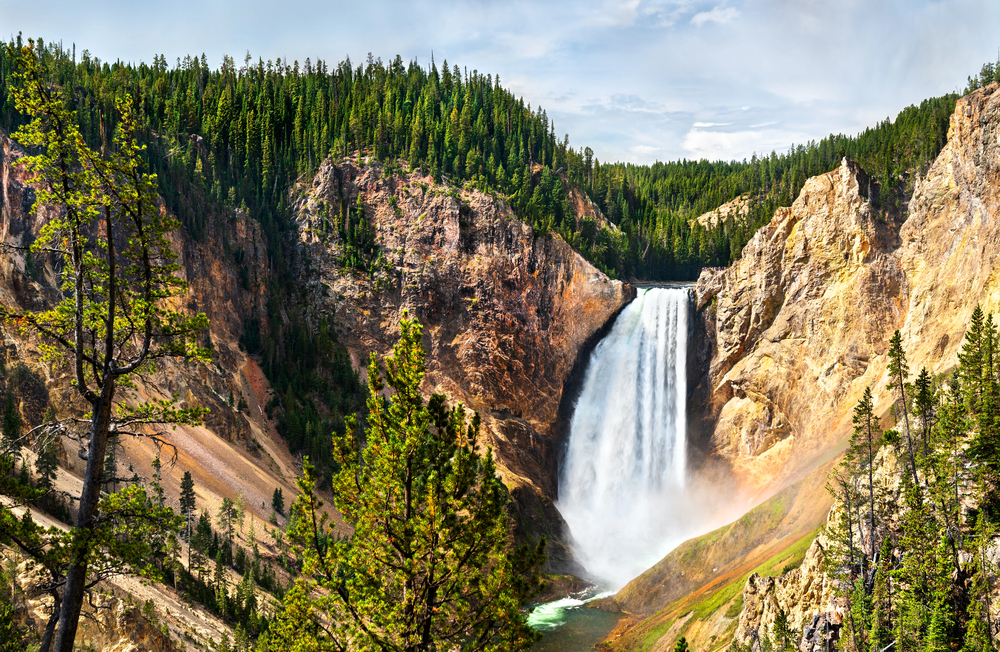
The Yellowstone River carved out a canyon that stretches about 20 miles long and reaches depths of up to 1,200 feet. The canyon’s yellow-colored walls gave the park its name, as French trappers called the river “Roche Jaune” or “Yellow Rock.”
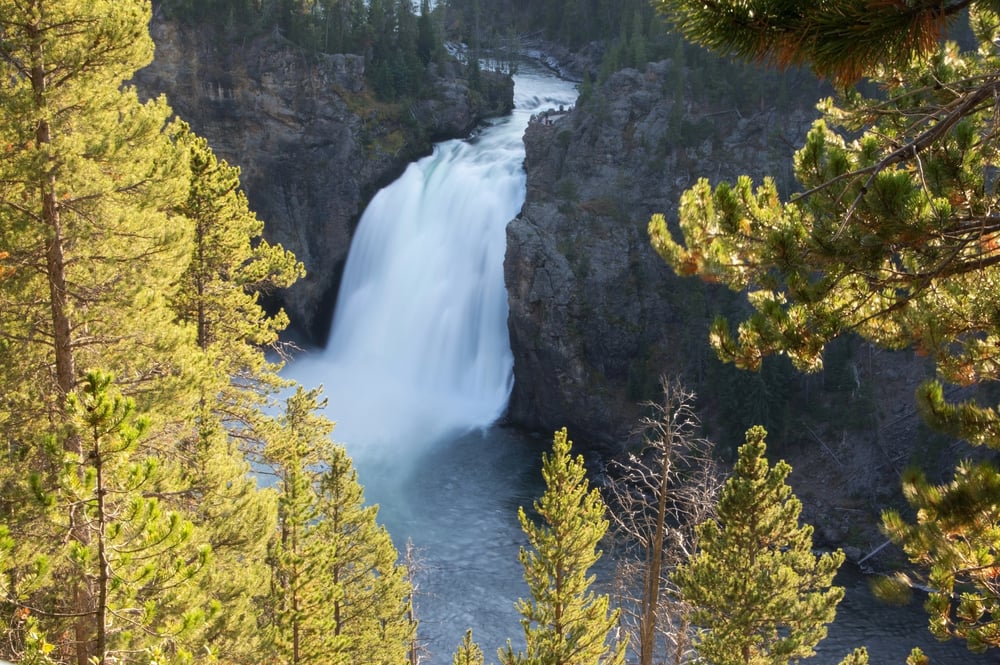
Two major waterfalls, the Upper and Lower Falls, cascade into the canyon. The Lower Falls drops 308 feet, which is almost twice the height of Niagara Falls.
The park experiences up to 3,000 earthquakes per year
Most of these earthquakes are too small for people to feel, but they happen constantly because of the volcanic activity below. Occasionally, larger quakes strike and can change the behavior of geysers and hot springs.
In 1959, a 7.3 magnitude earthquake near the park killed 28 people and created new geysers while destroying others. Seismologists study these quakes to better understand what’s happening deep underground.
Grizzly bears and black bears both live here
Yellowstone provides habitat for both species of bears found in the lower 48 states. The park is home to roughly 150 grizzly bears and around 500 to 650 black bears.
Grizzlies tend to be larger and have a distinctive hump on their shoulders, while black bears are smaller and more common. Both species come out of hibernation in spring hungry and looking for food, which is when most bear encounters with humans happen.
The park’s forests burned massively in 1988
That summer, fires burned through about 800,000 acres of Yellowstone, roughly a third of the park’s total area. The fires were so large that smoke reached cities hundreds of miles away.
Many people thought the park was destroyed, but the fires actually helped renew the forest ecosystem. New growth sprang up quickly, and the mosaic of burned and unburned areas created diverse habitats for wildlife.
Yellowstone has its own petrified forests
Ancient volcanic eruptions buried forests that once grew in the area, and over millions of years, the wood turned to stone. These petrified trees are found on Specimen Ridge and in other parts of the park.
Some of the fossilized wood is more than 50 million years old. Multiple layers of petrified forests exist, showing that the area was buried and regrew several times throughout history.
Northern Lights visible here at times
When the sun gets active, sometimes green ribbons of light dance over Yellowstone after dark. Far from city glare, the park gives a clear window – yet these shows stay fainter than what you’d spot up near Fairbanks or Whitehorse.
Longer darkness and cleaner air during colder months raise your odds without promising anything. Night after quiet night rolls by before one finally glows.
The park’s hot springs created unique ecosystems
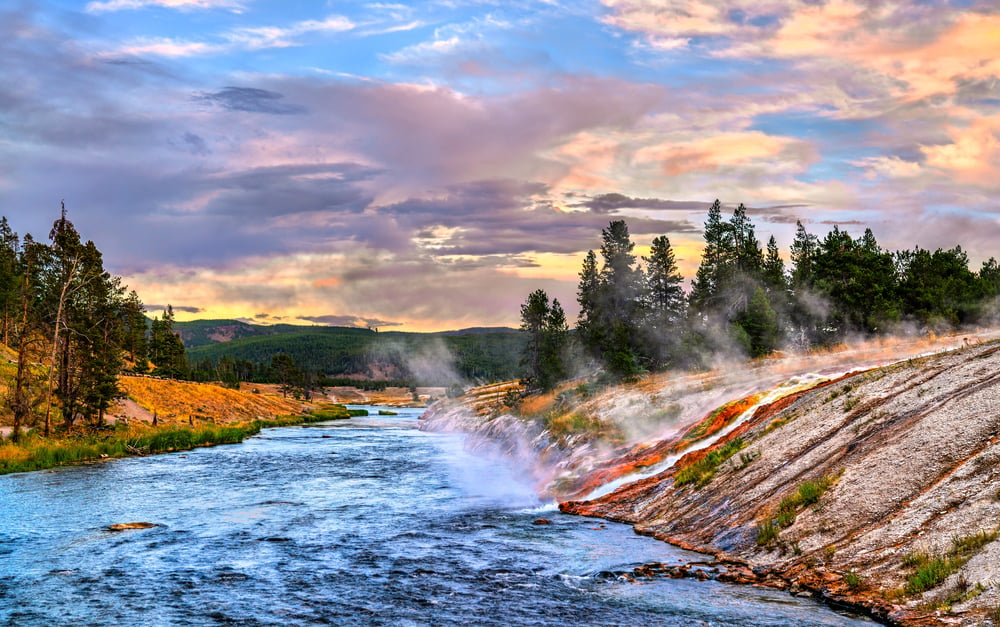
Deep inside Yellowstone’s steaming pools, creatures named thermophiles survive scorching heat deadly to almost everything else. While most living things fail there, these tiny beings keep going without a problem.
Research into their biology reveals surprising possibilities for new medicines and factory processes. One method used during pandemic tests came directly from studying them.
Finding life flourish under such harsh circumstances shifted scientific views about alien worlds. Not everywhere cold and distant needs to be lifeless after all.
Out here, the wild takes charge
Out here, time listens to something older than clocks. Geysers wake up whenever they please.
Across open meadows and hidden valleys, creatures follow paths worn deep by generations. Underfoot, slow fire shifts rock into new shapes over centuries.
To walk this land is to step into a rhythm humans didn’t create. Patience shows up in long lines behind grazing buffalo.
A promised eruption might never come – silence hangs instead. This lack of control?
That’s the point. The raw uncertainty is why people fight to keep it untouched.
Being present when nothing goes as planned still feels like discovery.
More from Go2Tutors!

- The Romanov Crown Jewels and Their Tragic Fate
- 13 Historical Mysteries That Science Still Can’t Solve
- Famous Hoaxes That Fooled the World for Years
- 15 Child Stars with Tragic Adult Lives
- 16 Famous Jewelry Pieces in History
Like Go2Tutors’s content? Follow us on MSN.



