16 Ways the Oasis Of the Seas Dwarfs the Titanic
Back then, in 1912, people saw the Titanic as proof of what machines could do. Biggest thing ever made by humans, they said – a floating city that seemed too grand to fail.
Its size stunned everyone who heard about it. Instead of just carrying passengers, it carried dreams of progress.
Hard to imagine anything larger ruled the seas at that point. This vessel didn’t follow old rules; it set new ones.
Confidence poured into every steel beam. Folks trusted engineering like never before.
No wonder so many thought nothing could stop it. It wasn’t merely a ship.
It became an idea. For a moment, the world paused to admire its own handiwork.
A hundred years on, Royal Caribbean’s Oasis of the Seas sails in a league of its own. Ships that seemed massive back then look modest today.
Instead of simply contrasting sizes, this shift shows changes in design, protection measures, yet also how people relax at sea. While one vessel symbolized progress once, another now defines what’s possible.
Here’s a closer look at the many ways Oasis of the Seas dwarfs the Titanic.
Length
Stretching nearly 882 feet, the Titanic sat like a blade of metal across the water. Back in 1912, people couldn’t believe something so massive floated at the dock.
Workers whispered it looked like steel had swallowed the skyline whole.
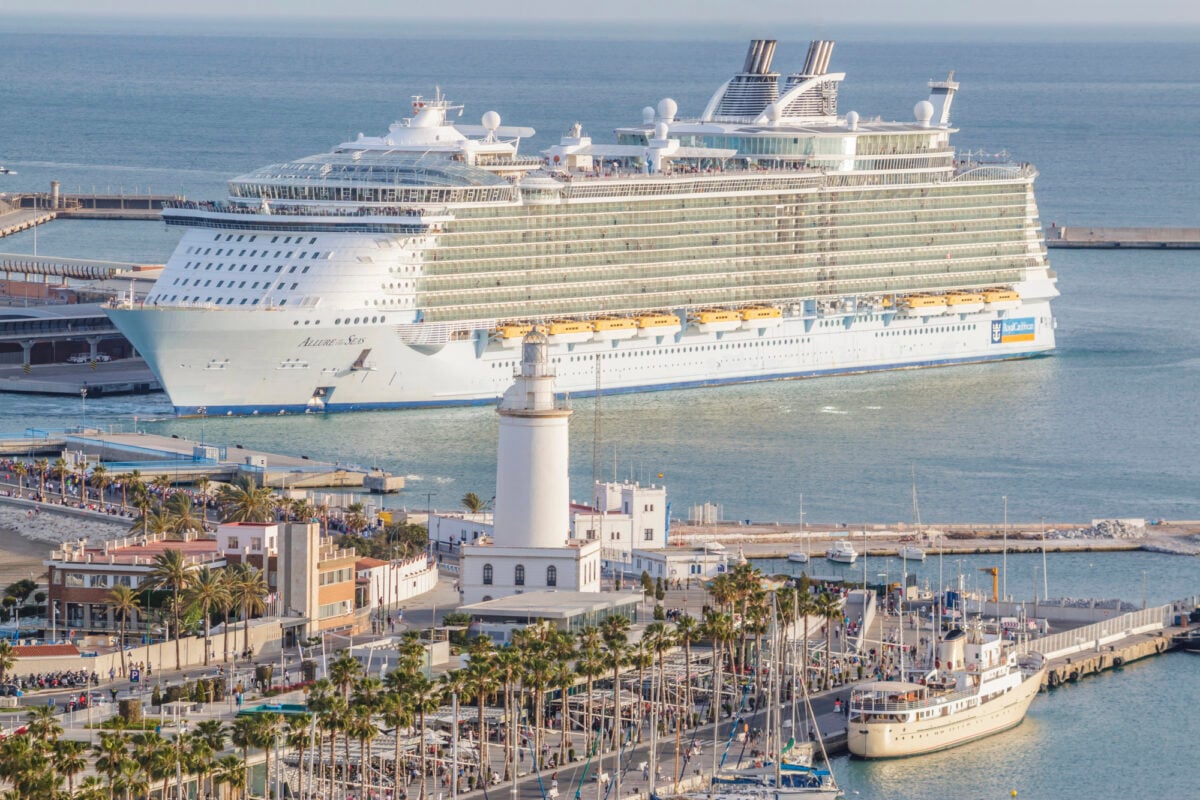
One thousand one hundred eighty seven feet – that’s how long Oasis of the Seas stretches. Not just a bit longer, but three hundred five additional feet come into view.
Almost like laying out a whole football field on top of what was already huge. Place them nose to nose, and the newer ship keeps going well beyond where the old one ends.
The older hull vanishes behind it, almost disappearing.
Gross Tonnage
Gross tonnage measures internal volume rather than weight, and this is where the gap becomes even clearer. Titanic registered about 46,000 gross tons, a staggering figure in the early 20th century.
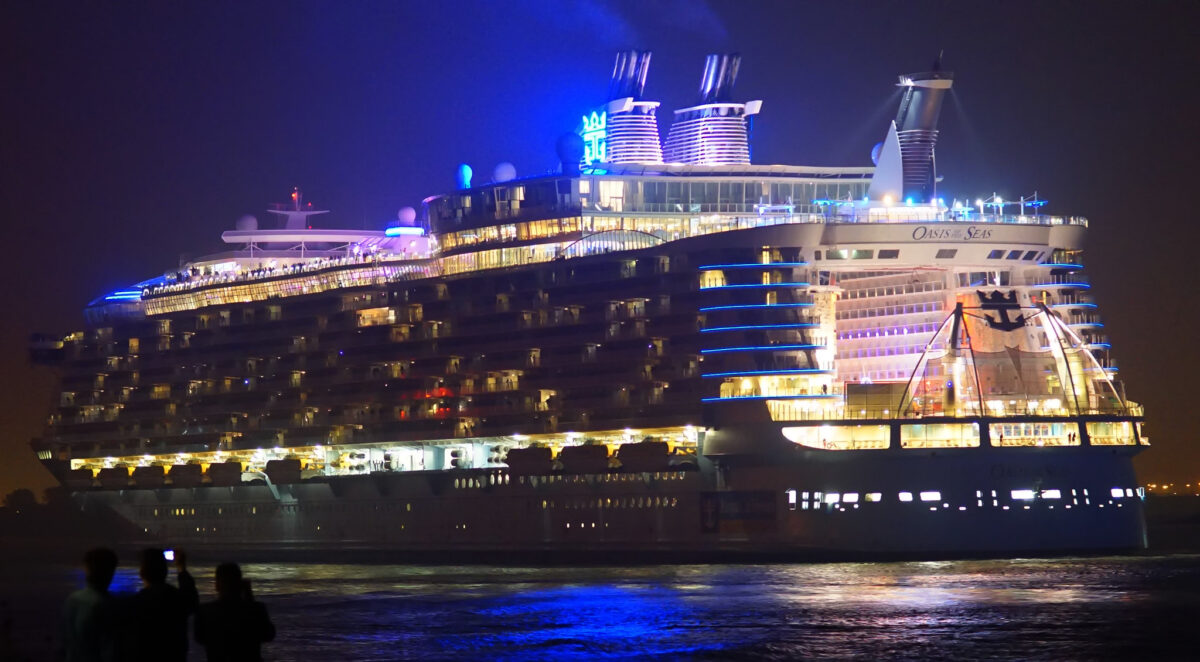
Oasis of the Seas measures roughly 225,000 gross tons. That means its internal volume is nearly five times greater.
The difference reflects a shift in ship design philosophy. Titanic was built to transport passengers across the Atlantic efficiently.
Oasis is built to house, entertain, and sustain thousands of people for days at sea.
Passenger Capacity
The Titanic could carry around 2,435 passengers. With crew included, the total population onboard approached 3,300.
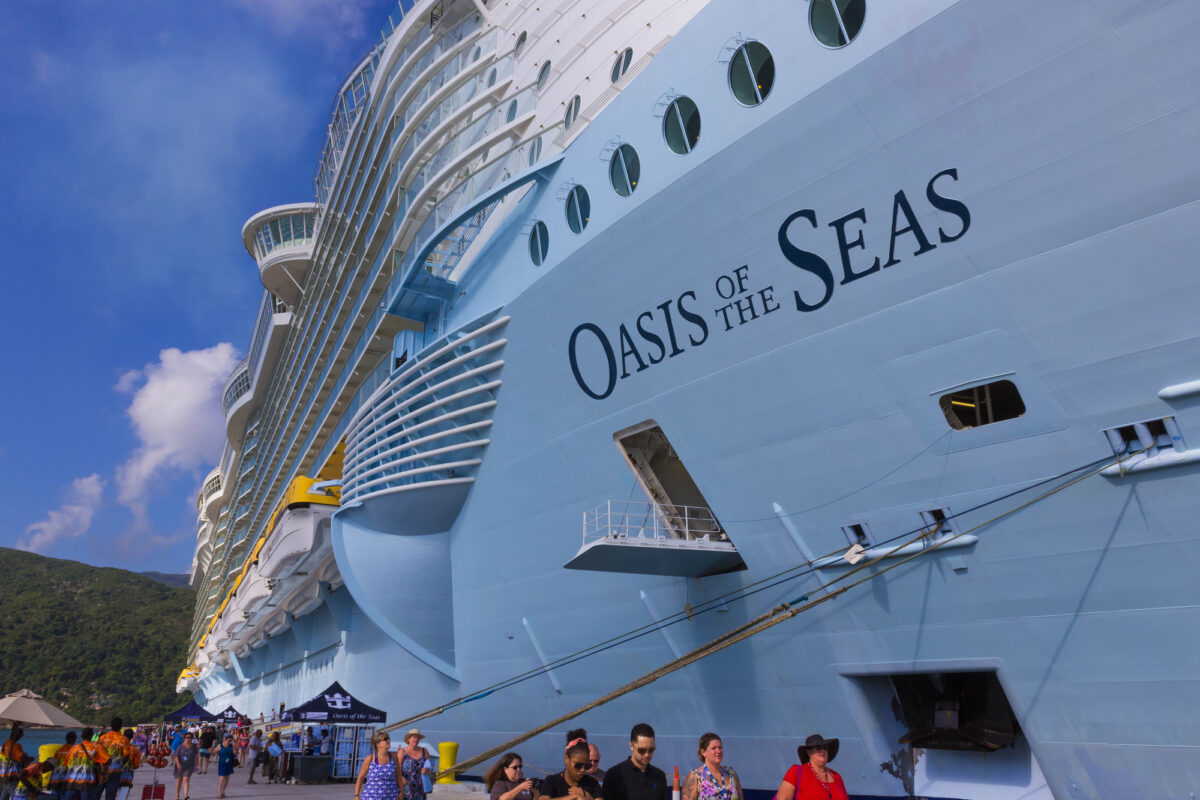
Oasis of the Seas accommodates around 5,400 guests at double occupancy and more than 6,700 at maximum capacity.
Add approximately 2,200 crew members, and the ship can host over 8,000 people. That is the size of a small town floating on open water.
Height Above Water
Titanic rose about 175 feet from keel to top of funnels. It dominated the skyline of Southampton Harbor.
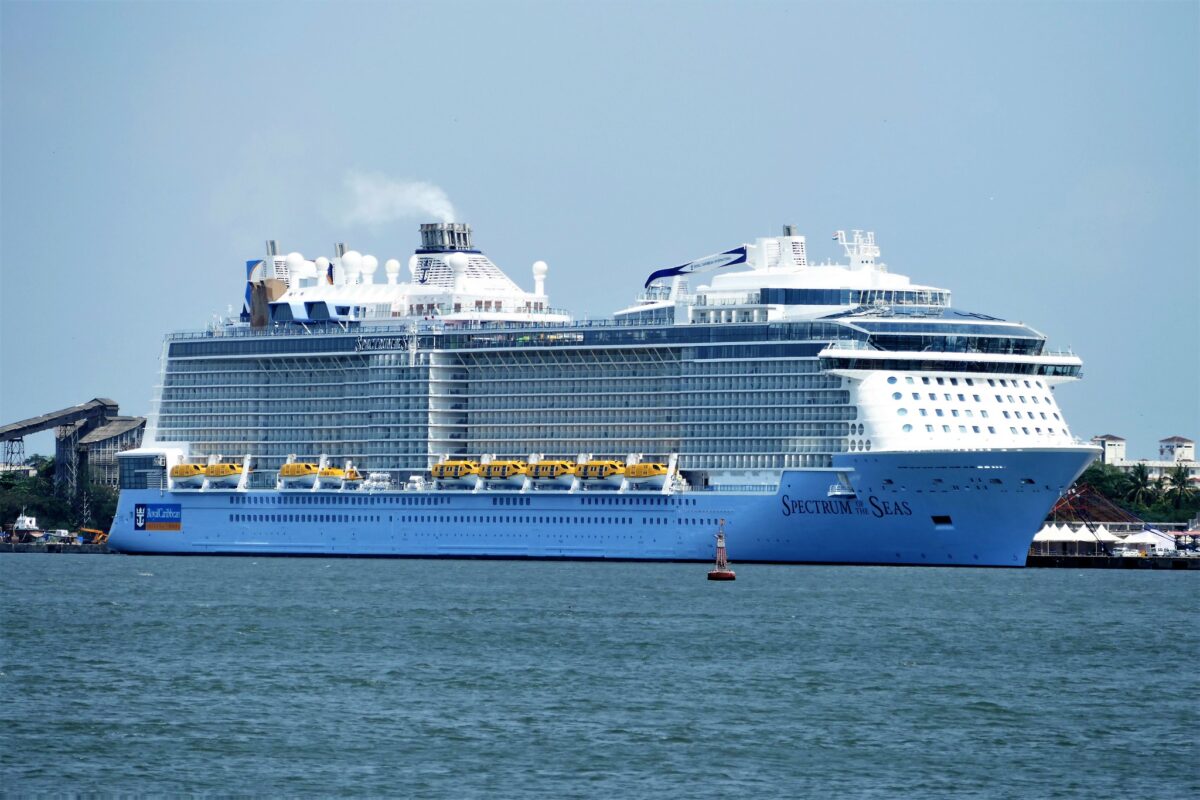
Oasis of the Seas stands roughly 213 feet above the waterline. Its stacked decks resemble a layered resort complex.
Modern cruise ships grow vertically to maximize usable space, creating a structure that feels closer to a high-rise building than a traditional liner.
Deck Count
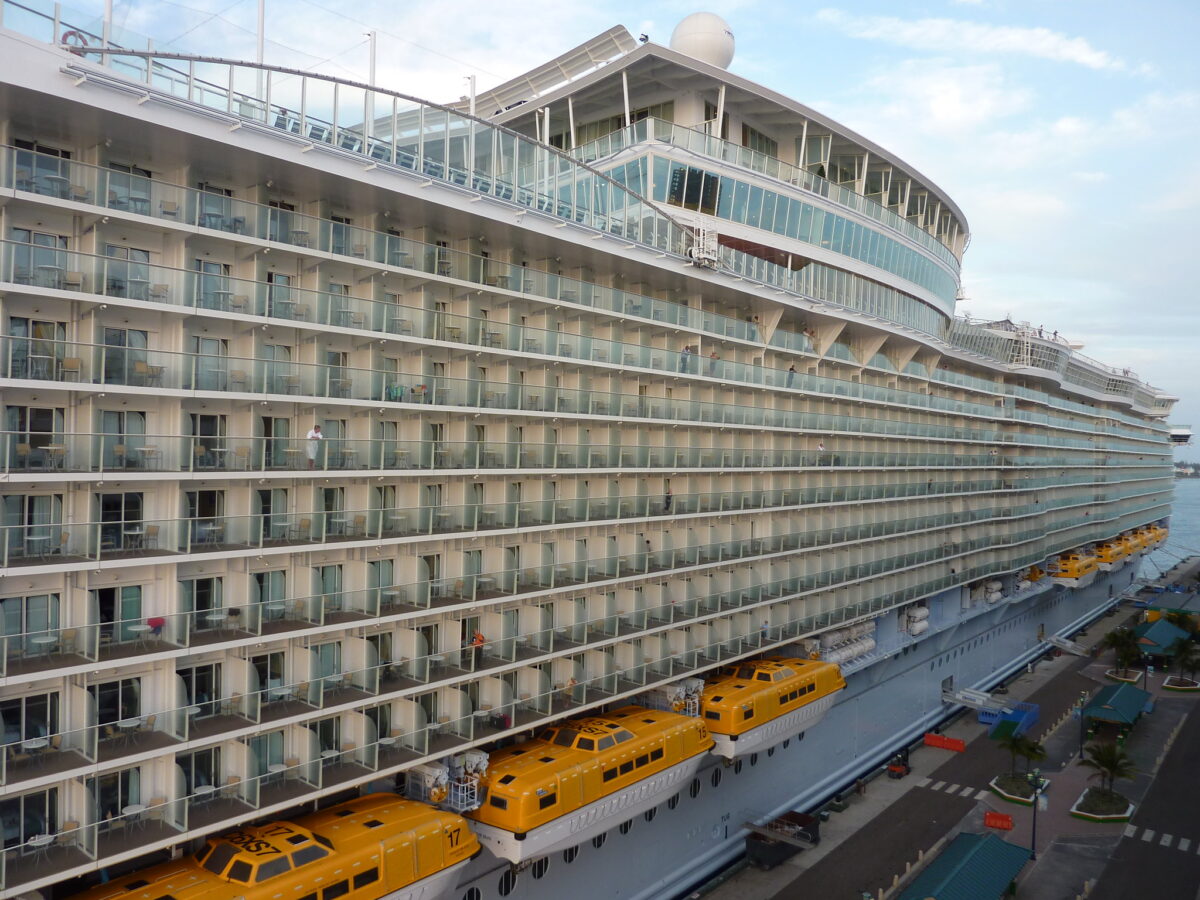
Titanic had 10 decks, though several were partial-length and reserved for crew or cargo.
Oasis of the Seas features 16 passenger decks. Navigating them requires elevators, digital signage, and maps.
The ship is organized into themed ‘neighborhoods,’ each functioning almost like a district within a city. The scale of vertical living alone illustrates how much maritime architecture has changed.
Lifeboat Capacity
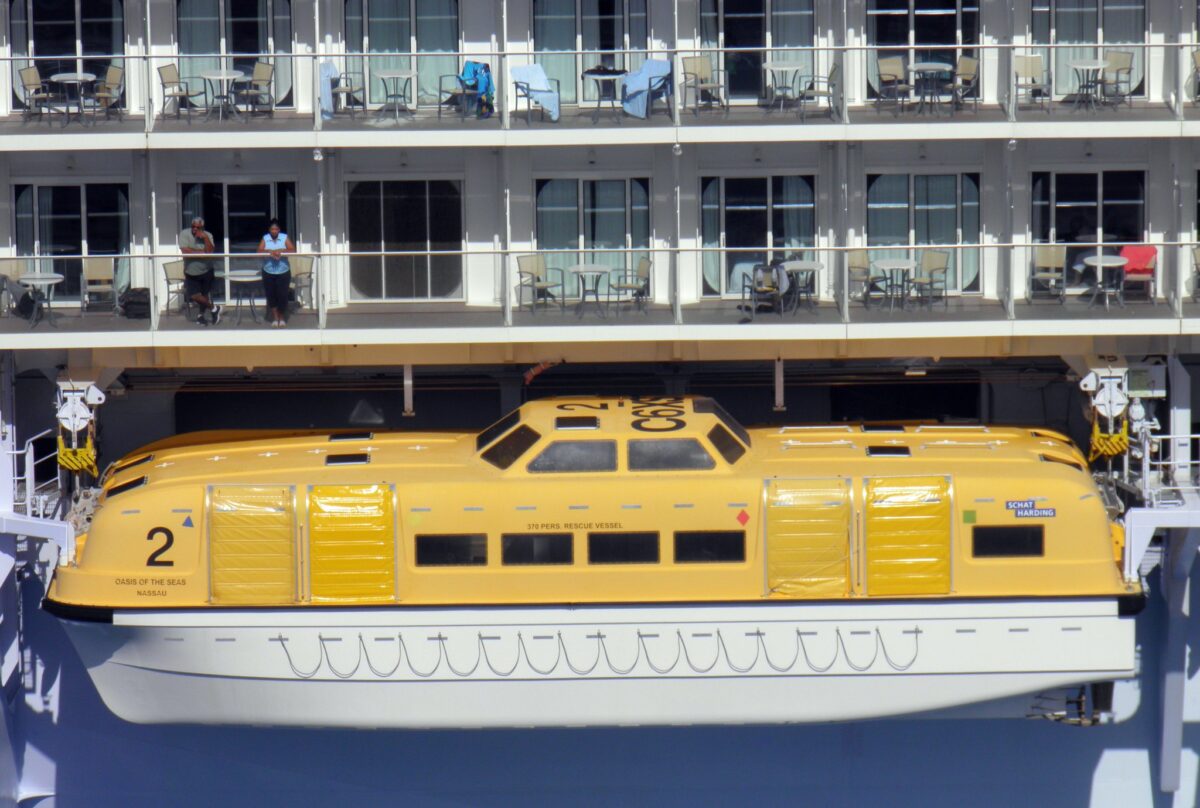
The Titanic carried 20 lifeboats, enough for about 1,178 people. At the time, regulations were based on tonnage rather than total passengers, a flaw that proved devastating.
Oasis of the Seas carries lifeboats and life rafts for every person onboard, exceeding modern international safety requirements.
The SOLAS convention — established after Titanic’s sinking — permanently transformed maritime safety standards. Modern megaships reflect lessons written in history.
Engine Power
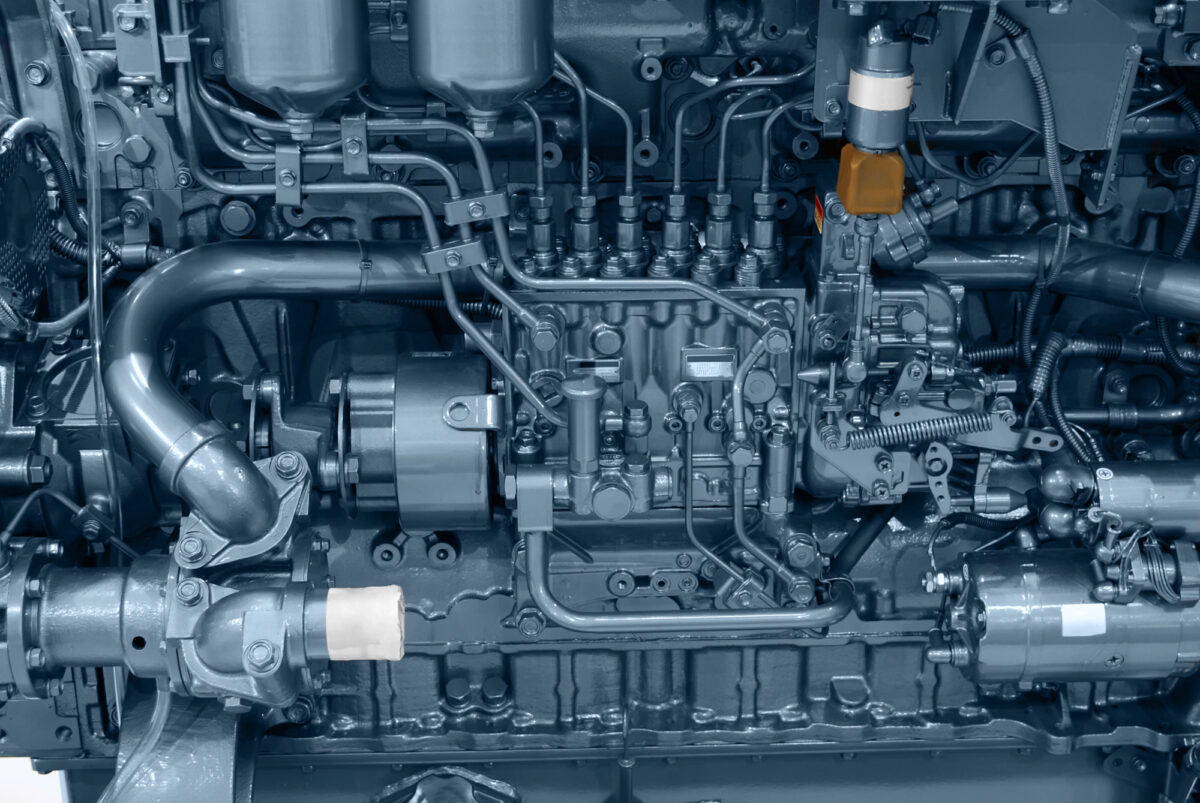
Fuel burned day and night inside massive chambers, powering what became one of the largest machines afloat. Men shoveled load after heavy load just to maintain steady motion across cold Atlantic waves.
Fueled by diesel-electric tech, Oasis of the Seas pushes out around 100,000 horsepower. Computers handle engine tasks once done by hand, adjusting power down to the smallest detail.
Where old-school force used to rule, quiet circuits now take charge.
Propulsion Technology
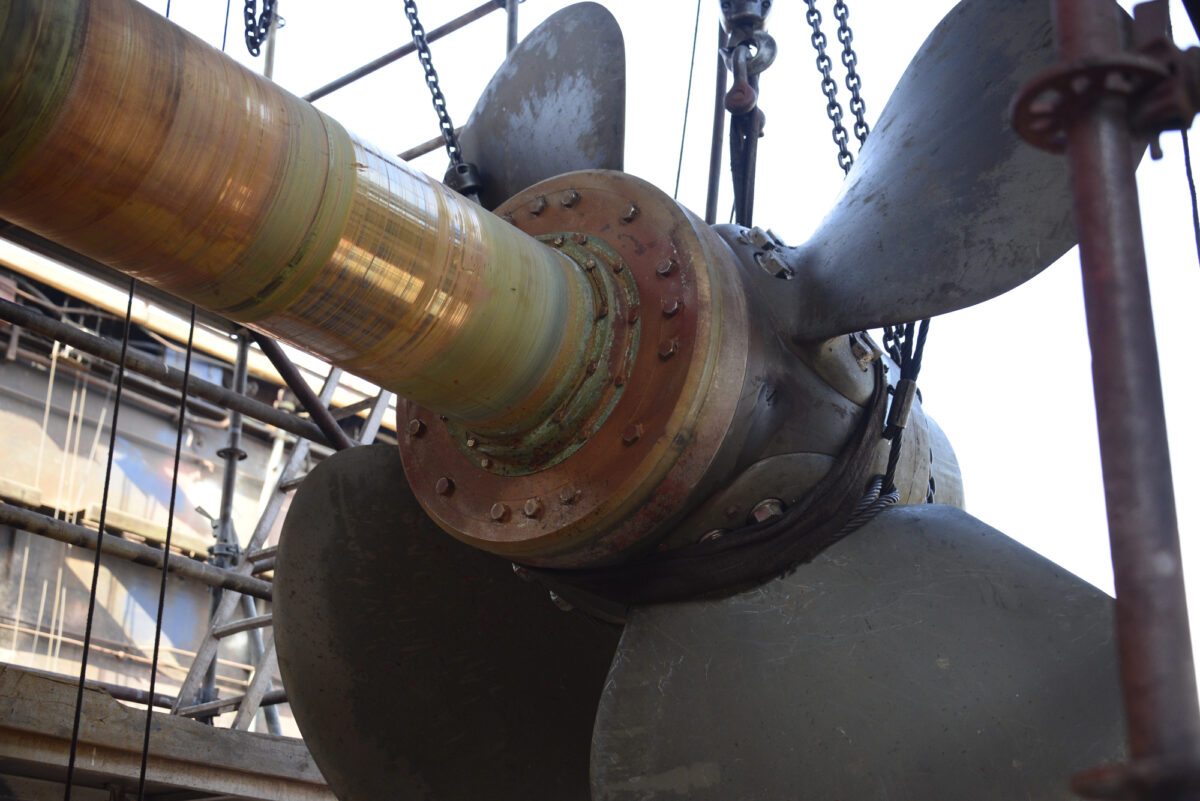
Steam turbines drove the ship’s unchanging propellers. For direction, large rudders responded to wheel inputs.
Heavy metal blades spun without adjustment. Movement depended on shifting those wide fins at the back.
Under the hull, Oasis of the Seas runs on spinning pod drives capable of full-circle movement. Because of this design, steering gets sharper while fuel use drops.
Instead of relying on helper boats like Titanic once did, today’s large cruisers twist through tight port spaces using their own power.
Stabilization Systems
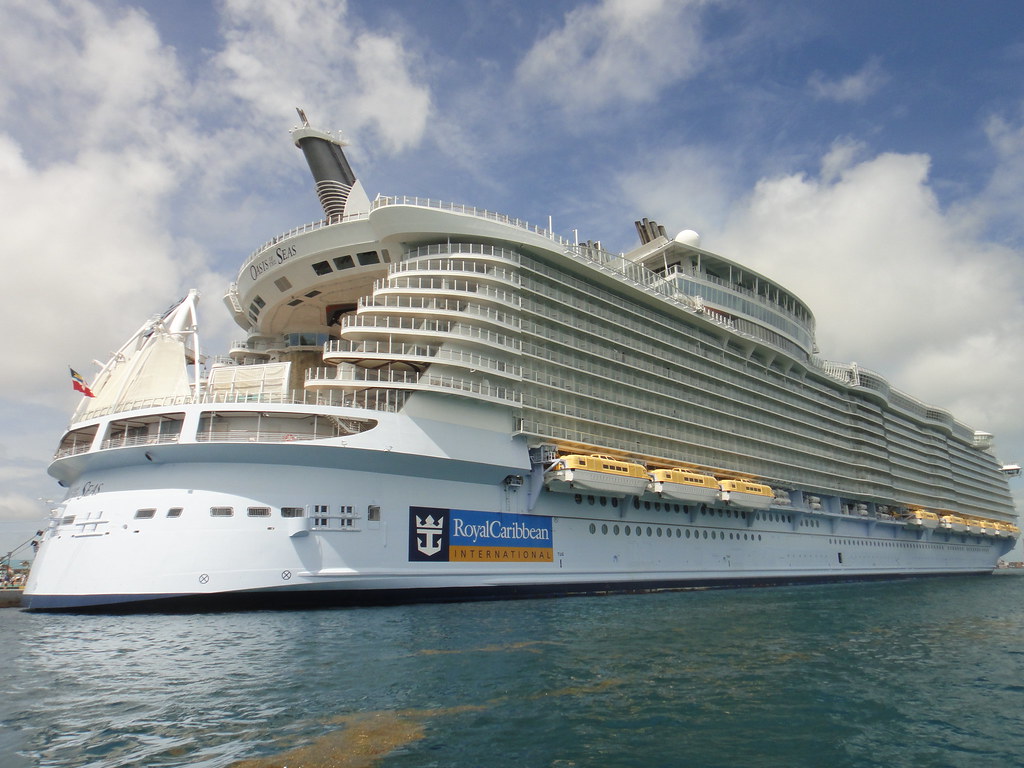
In 1912, stabilization technology was minimal. Passengers aboard the Titanic could feel the motion of the sea, especially in rough weather.
Oasis of the Seas employs advanced stabilizer fins that extend from the hull to counteract rolling. These systems reduce side-to-side movement dramatically.
The result is a smoother experience that feels more like standing in a large building than sailing on waves.
Dining Venues
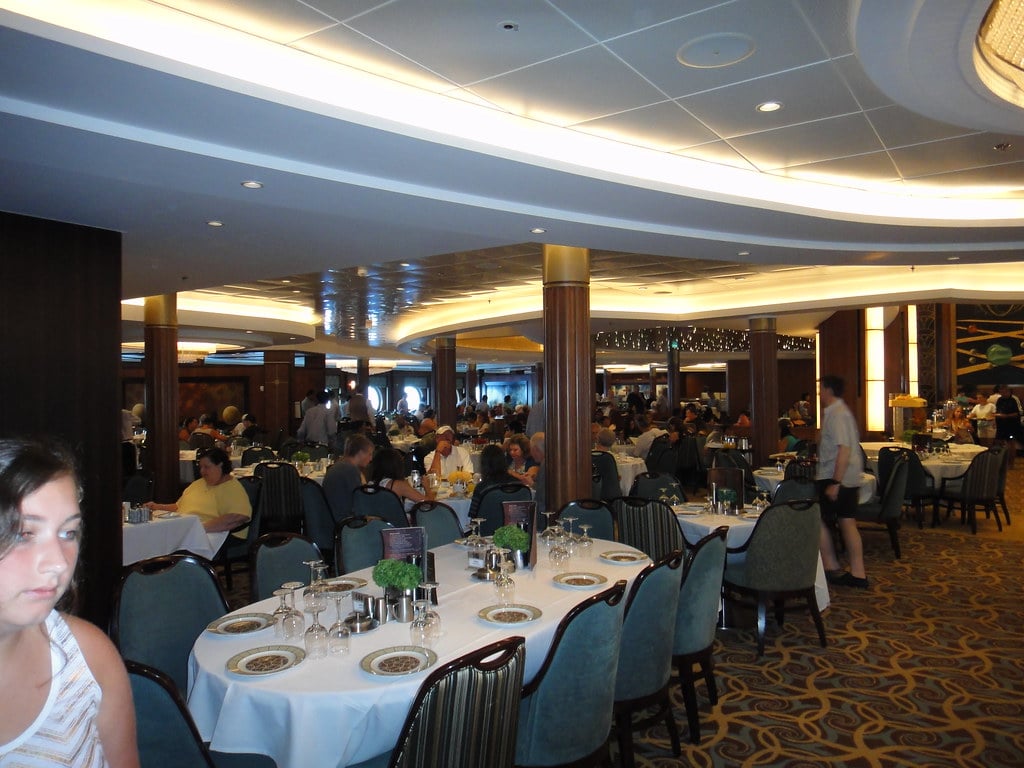
Titanic’s first-class dining room was lavish, with multi-course meals served under chandeliers. It was considered the height of luxury.
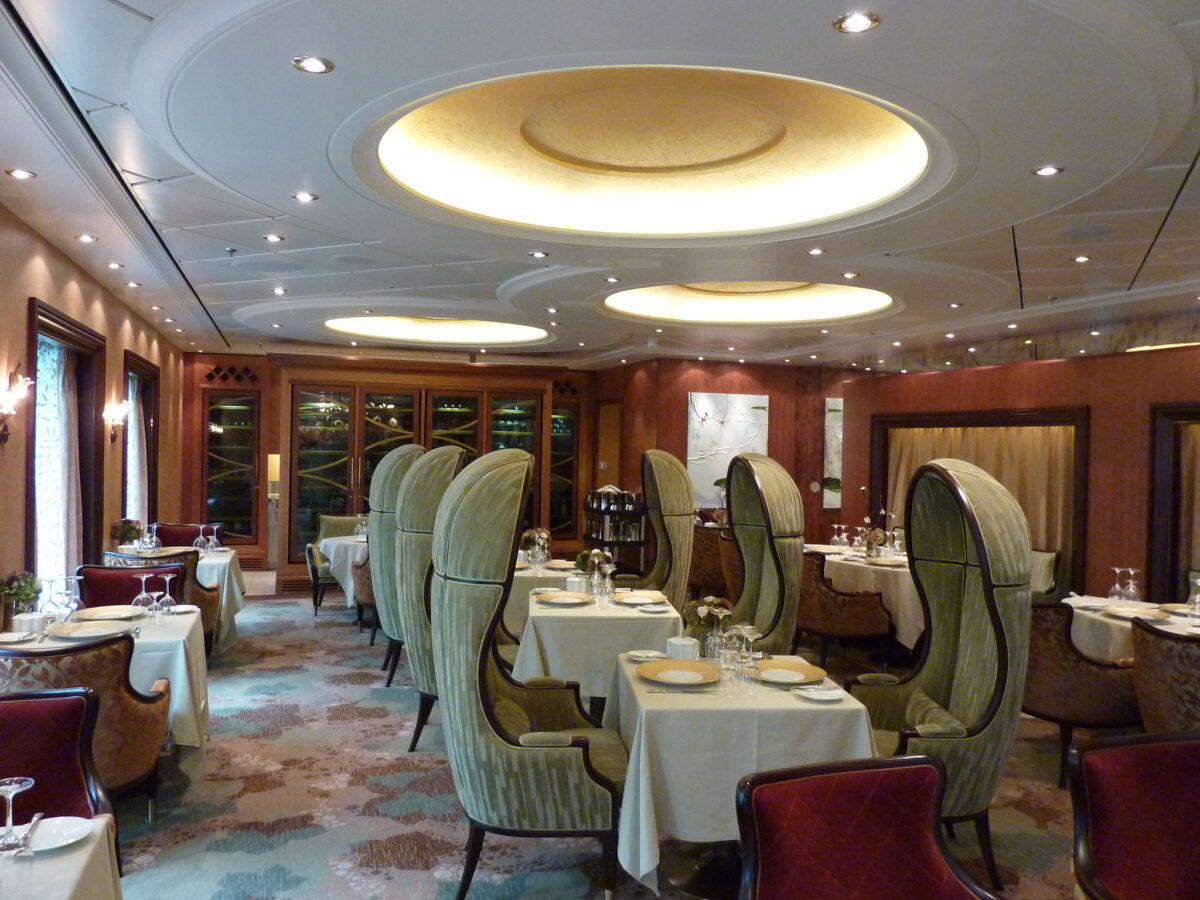
Oasis of the Seas contains more than 20 dining venues, ranging from formal restaurants to casual cafés and international cuisine stations.
Guests can choose sushi one evening and Italian trattoria fare the next. The variety alone dwarfs the curated but limited dining options of 1912.
Entertainment Options
Built into Titanic was a space for swimming, one of few ships then to offer such a feature. Steam rooms followed old traditions but felt brand new here.
A room for hitting orbs with rackets surprised many who boarded. Exercise machines stood ready though few knew how to use them.
People stared at these things like they’d never seen comfort quite this way before.
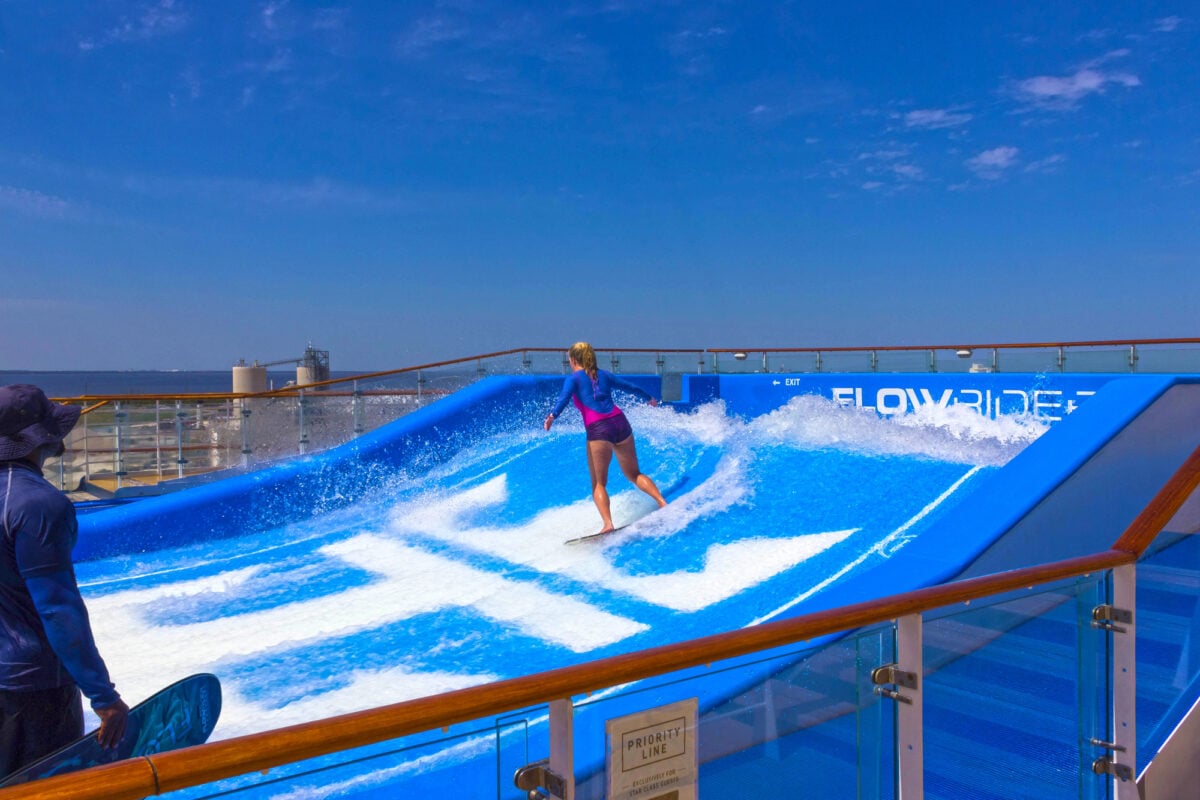
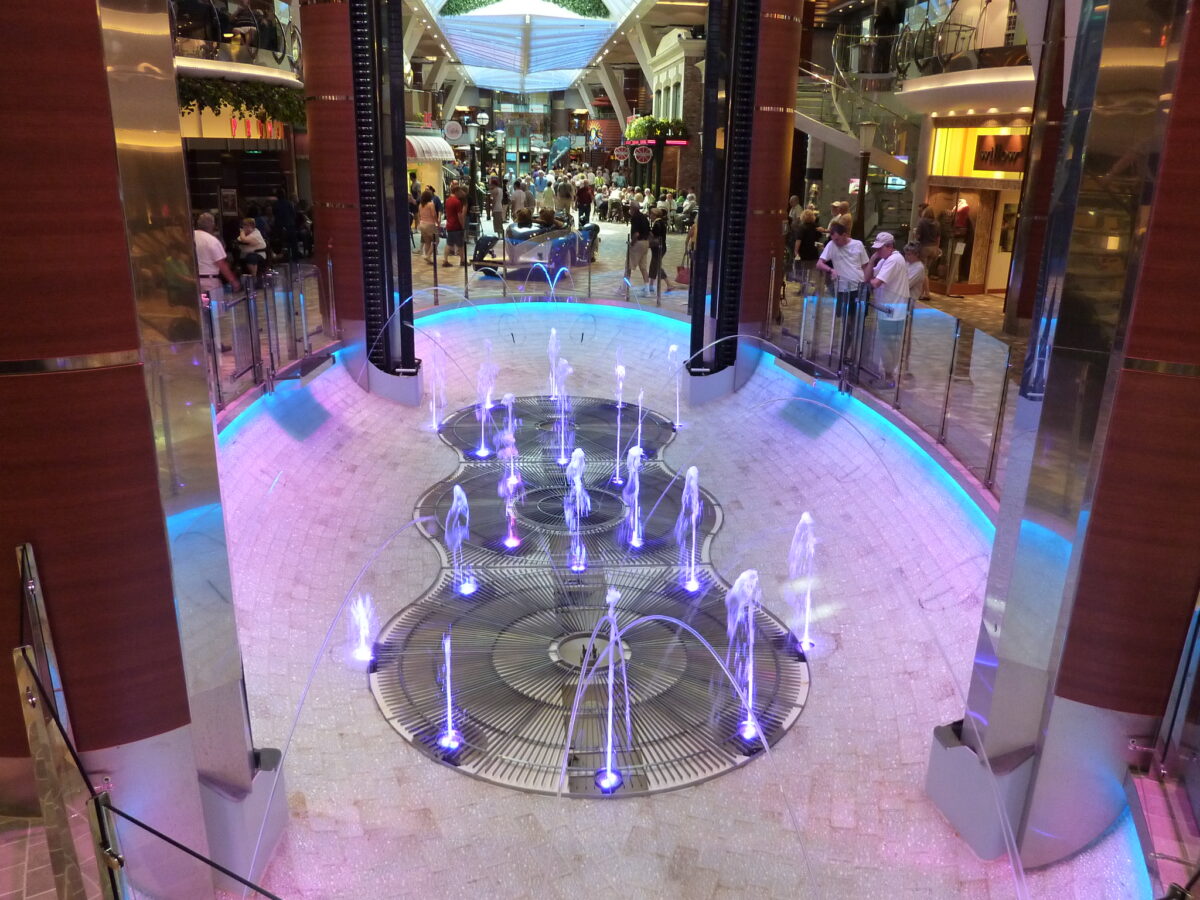
High above the boardwalk on Oasis of the Seas, a zip line stretches across nine decks while surf machines churn nearby. Water slides twist alongside theaters where shows unfold beneath bright lights.
Instead of quiet charm, you get bold displays meant to amaze. Trees grow under open sky in a park built right into the vessel.
Skates glide on ice inside a rink that hums through evening hours. This floating city does not just carry people – it becomes the reason for the journey.
Construction Cost
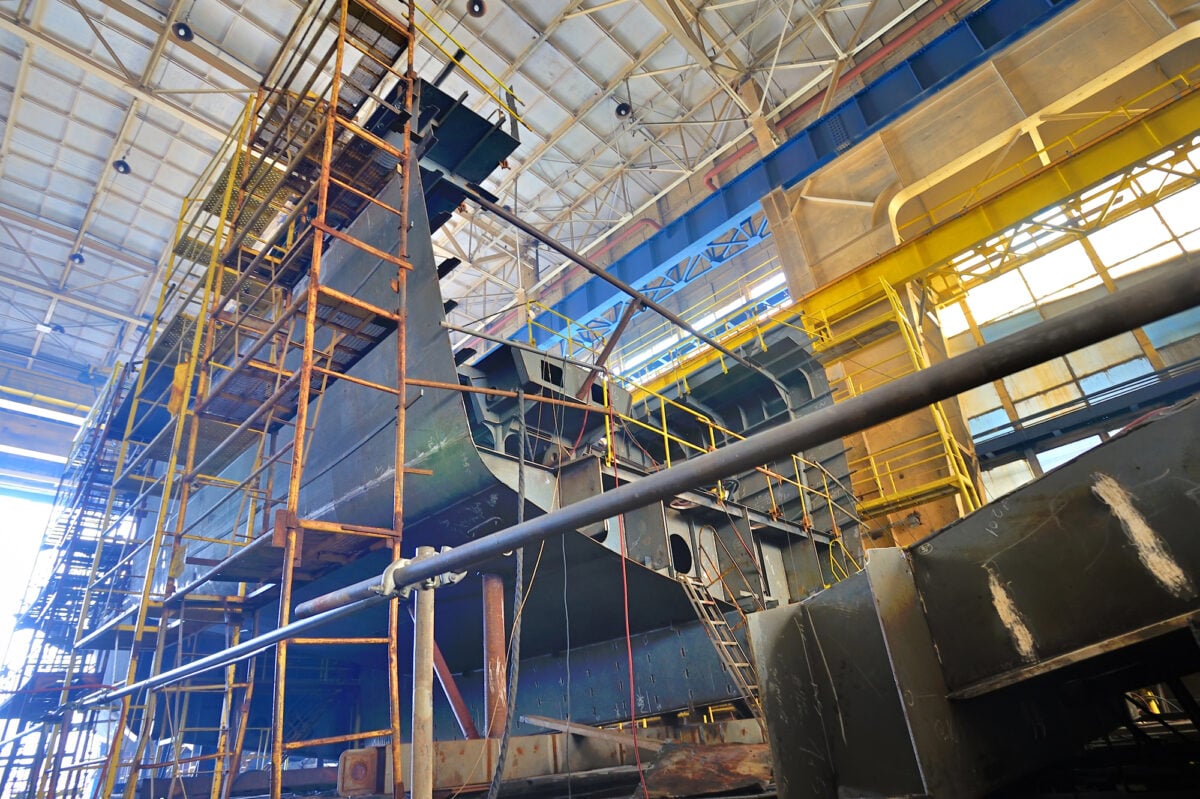
Back when it was built, the Titanic’s price tag sat around $7.5 million. These days, after factoring in rising prices over time, that sum jumps past $200 million.
Floating like a small city, Oasis of the Seas took about 1.4 billion dollars to build. That sum covers more than just how big it is – think high-end materials, layers of safety features, along with intricate internal networks.
Ships today aren’t made in one place; they come together through efforts spread across countries.
Crew Size
Down below deck, nearly nine hundred workers kept the ship running. From sunrise on, hands stoked boilers while others scrubbed floors or set silverware in dining halls.
Some tuned machinery deep inside the hull, their faces lit by flickering lanterns. Meals came together in hot kitchens where pots clanged all day long.
Each role tied into a larger rhythm, unseen but never silent.
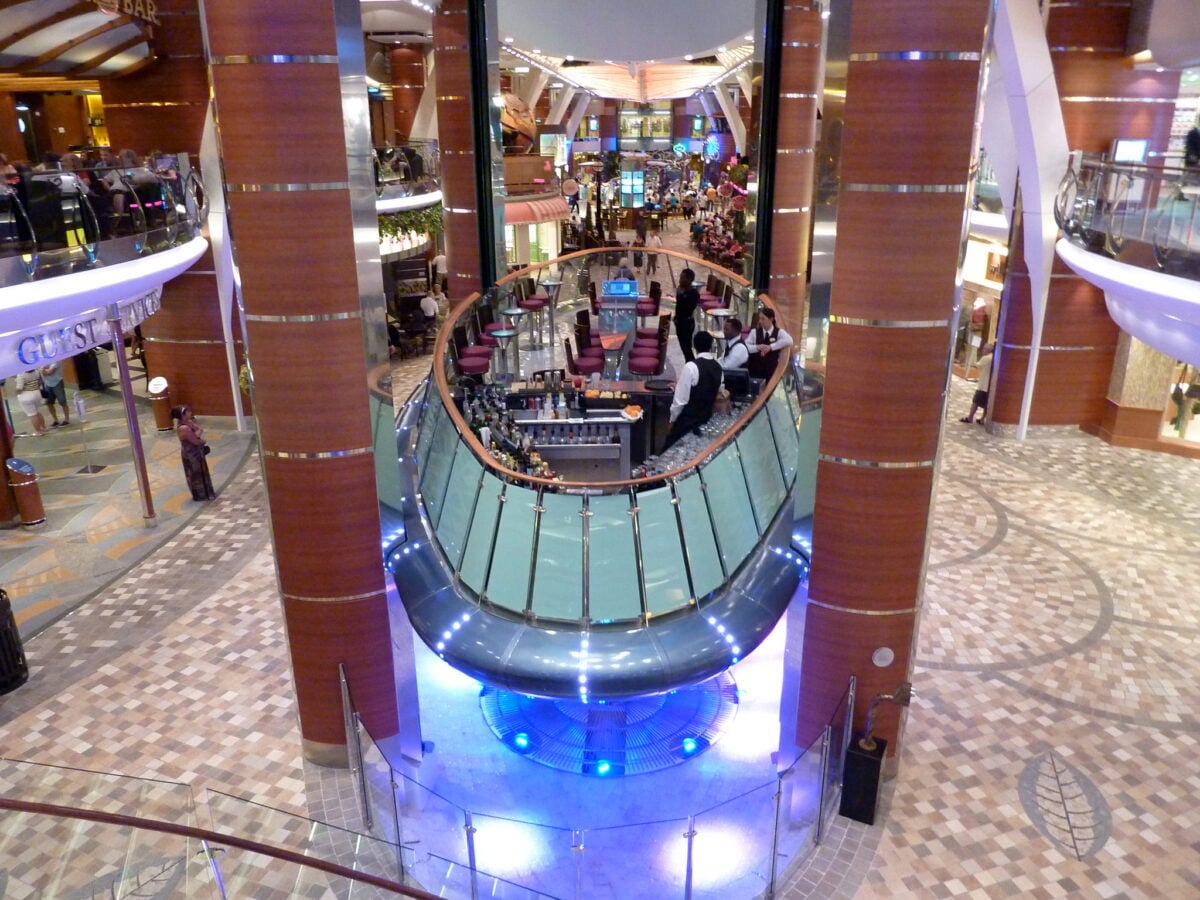
Running a vessel like Oasis of the Seas feels much like operating a large holiday destination. About 2,200 crew work on board, handling far more than just navigation duties.
Instead of only sailors, you’ll find performers, trainers, doctors, plus those who keep systems working behind the scenes. Life at sea here depends on many different skills coming together.
Communication Technology
Titanic relied on Marconi wireless telegraph operators transmitting Morse code messages. Communication was innovative for its time but limited.
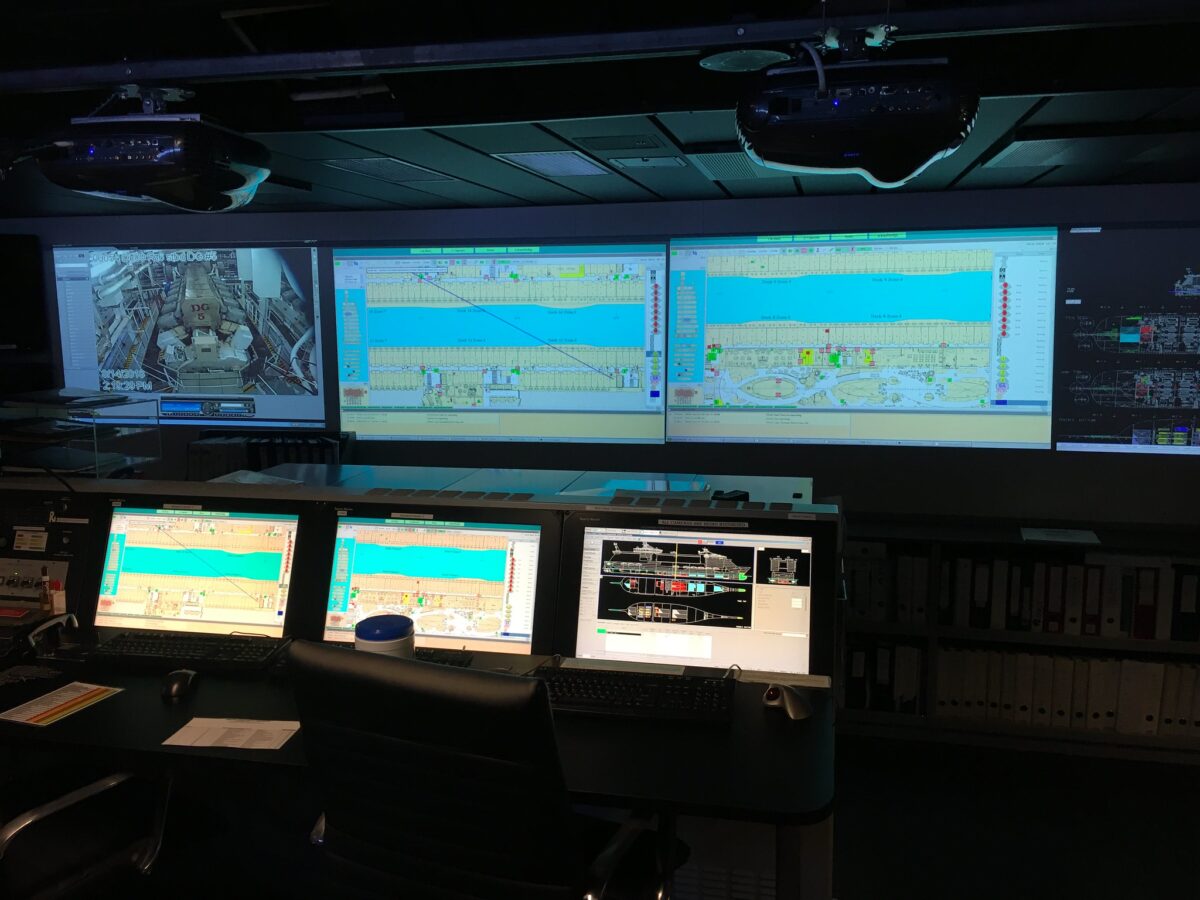
Oasis of the Seas offers satellite internet, real-time GPS tracking, and sophisticated navigation systems. Passengers can stream content and video calls from the middle of the ocean.
Navigation relies on digital mapping rather than celestial observation alone.
Environmental Systems
Fumes rose from a quartet of chimneys while the Titanic burned coal nonstop. At that time, shipmakers gave no thought to pollution regulations during construction.
Out at sea on Oasis of the Seas, treated wastewater heads back into the ocean using today’s advanced systems. Bright lighting keeps decks visible while guzzling far less electricity, matching stricter engine standards that reduce fumes.
Even so, vessels spark debate whenever nature enters the chat. Nobody in 1912 bothered wondering what a ship could do to the sky – now those concerns shape each design from the start.
Interior Space Design
Floating chandeliers lit up the suites where rich guests slept, while spaces nearer the ground made do with bare essentials. Down below, paint stayed thin – just enough to cover cracks, nothing more.
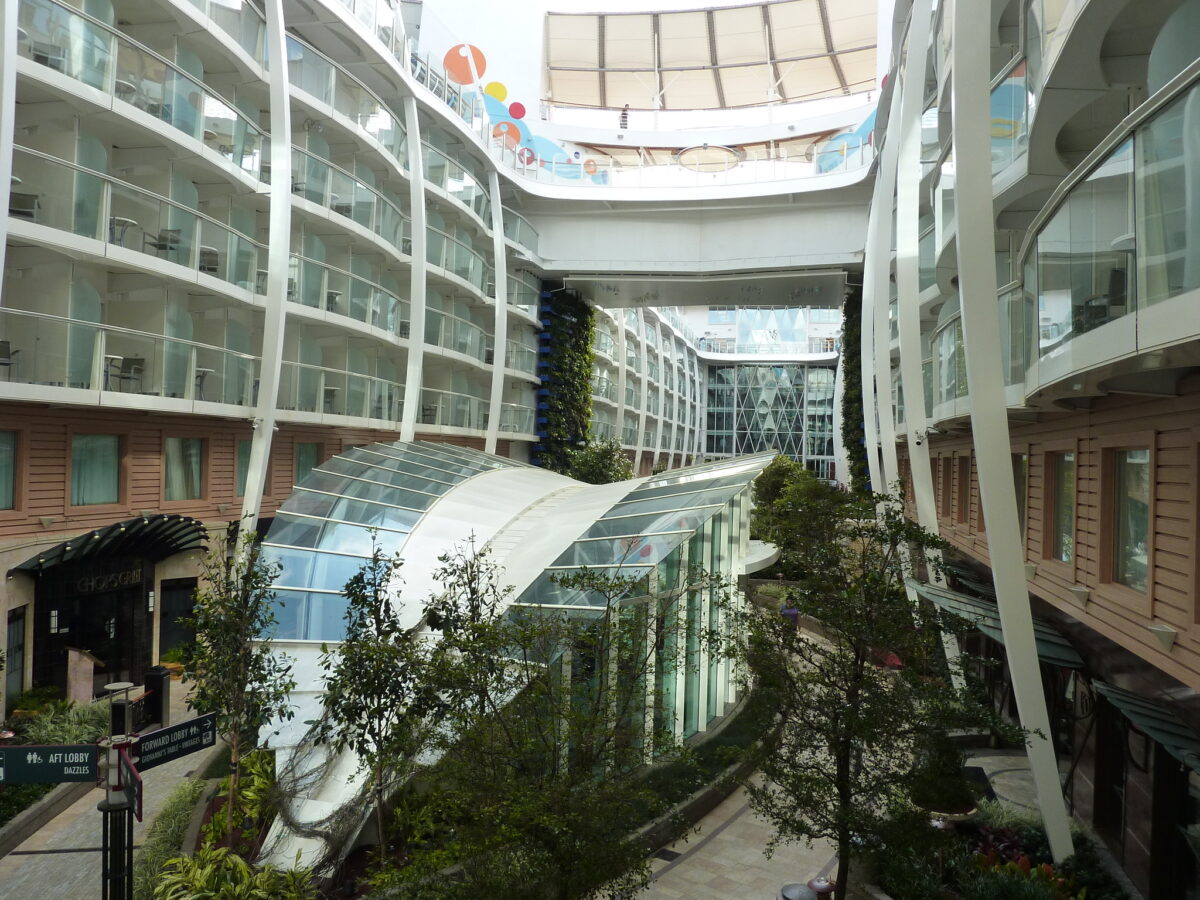
Almost as big as a sports field, Central Park carries loads of living greenery aboard Oasis of the Seas. While different rooms are available, common zones define how the ship flows.
Without strict tiers, travelers pass through richly designed spaces. How people feel along the way matters more than where they sleep.
From Ocean Liner To Floating City
A single voyage marked an era when ocean travel stood as triumph enough. Built to carry people across water, it offered comfort only some could reach.
Because of what happened, new rules took shape – quiet shifts in how ships protect lives. What remains is not just memory, but change written into sea journeys ever since.
What matters now sits within the ship itself. Not where it’s going.
Oasis of the Seas follows that idea closely. Size alone does not tell the full story here.
Instead, priorities changed – over time, quietly. Back then, crossing fast felt essential.
Today, people care how they feel while staying put. These vessels show that they turn clearly.
A single hundred years of change turned boats into floating cities, once just dreams of crossing water. Though the sea stays wild and never tamed, every ship now moving across its surface carries echoes of stubborn progress.
More from Go2Tutors!

- The Romanov Crown Jewels and Their Tragic Fate
- 13 Historical Mysteries That Science Still Can’t Solve
- Famous Hoaxes That Fooled the World for Years
- 15 Child Stars with Tragic Adult Lives
- 16 Famous Jewelry Pieces in History
Like Go2Tutors’s content? Follow us on MSN.