Mysterious Relics That Have Baffled Historians
Throughout history, people have left behind objects that seem to defy explanation. Some artifacts challenge what we think we know about ancient civilizations, while others just don’t fit into any neat category that makes sense.
These items sit in museums and private collections, quietly frustrating experts who can’t quite figure out what they were used for or how they were made with the technology available at the time. Let’s look at some of these puzzling pieces from the past.
Each one has sparked debates, wild theories, and more than a few arguments among people who study history for a living.
The Antikythera Mechanism

Found by divers off the coast of Greece in 1901, this corroded bronze device looked like junk at first. After decades of study using modern scanning technology, researchers discovered it was actually an incredibly sophisticated astronomical calculator from around 100 BC.
The mechanism could predict eclipses, track the Olympic Games cycle, and chart the movements of planets with shocking accuracy. What really throws experts off is that nothing else like it appears in the historical record for another thousand years.
Either the ancient Greeks were way more advanced than anyone thought, or this was a one-off creation by some genius whose knowledge died with them.
The Voynich Manuscript
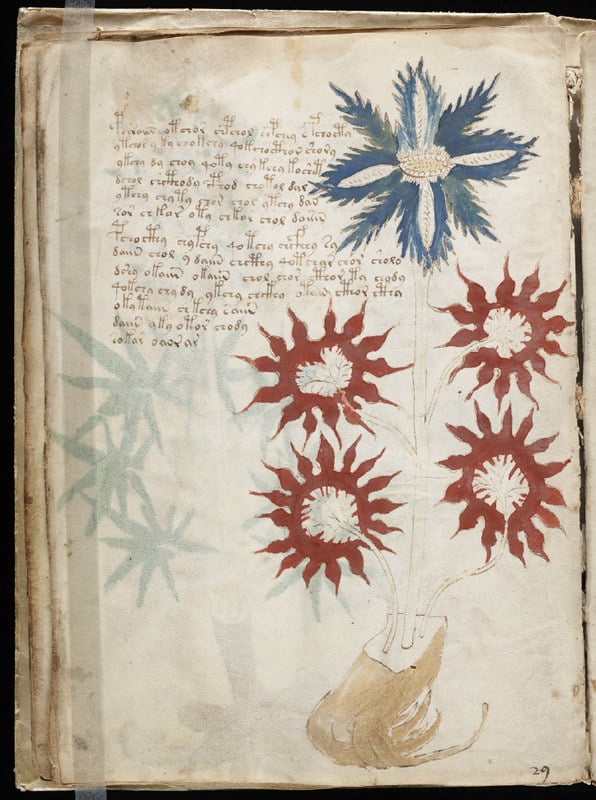
This book has driven cryptographers and linguists absolutely crazy since it showed up in the early 1600s. Written in an unknown script that might be a language or might be complete nonsense, the manuscript is filled with drawings of plants that don’t exist, strange astronomical diagrams, and unclothed women in weird bathtubs.
Carbon dating puts the pages at around 1400 AD, but that’s about all anyone agrees on. Professional codebreakers, including teams from both World Wars, have tried and failed to crack it.
Some think it’s an elaborate hoax, others believe it’s a lost language, and a few wonder if it might be the work of someone with a mental condition that made them see patterns differently.
The Baghdad Battery
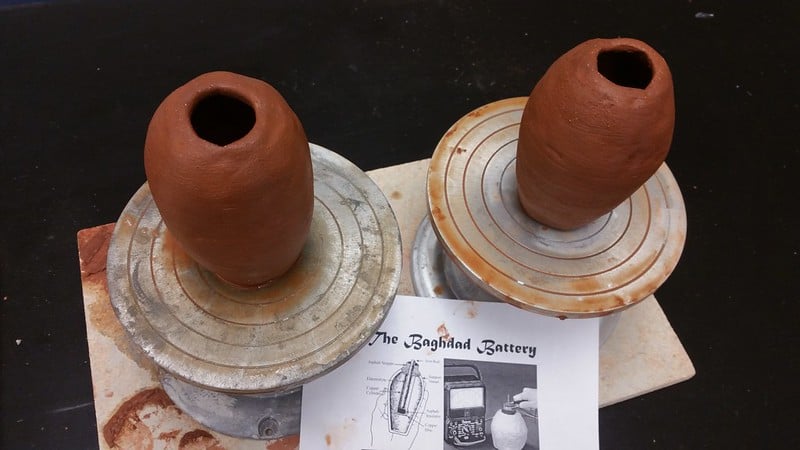
Discovered in Iraq during the 1930s, this clay jar contains a copper cylinder and an iron rod that some researchers think could have been used to generate electricity around 200 BC. If you fill it with vinegar or another acidic liquid, it does produce a small electrical current.
The big question is whether ancient people actually used it for that purpose or if the electrical properties are just a coincidence. Skeptics point out that there’s no evidence of wires, light bulbs, or anything else that would need power.
Supporters suggest it might have been used for electroplating gold onto other metals, but nobody can prove it either way.
The Piri Reis Map

This map, which was made in 1513 by a Turkish admiral by the name of Piri Reis, depicts the Antarctic coastline in remarkable detail. The strange thing is that the ice sheet that covers Antarctica is thousands of years old, and the continent was not formally discovered until 1820.
Some believe the map demonstrates that prehistoric societies had sophisticated means of exploration, including flying machines. More circumspect historians speculate that Piri Reis collected data from lost older maps, perhaps from a period when portions of the coastline were visible.
The accuracy of some features appears to be too good to be the result of pure chance or conjecture, which is why the debate persists.
The Shroud of Turin
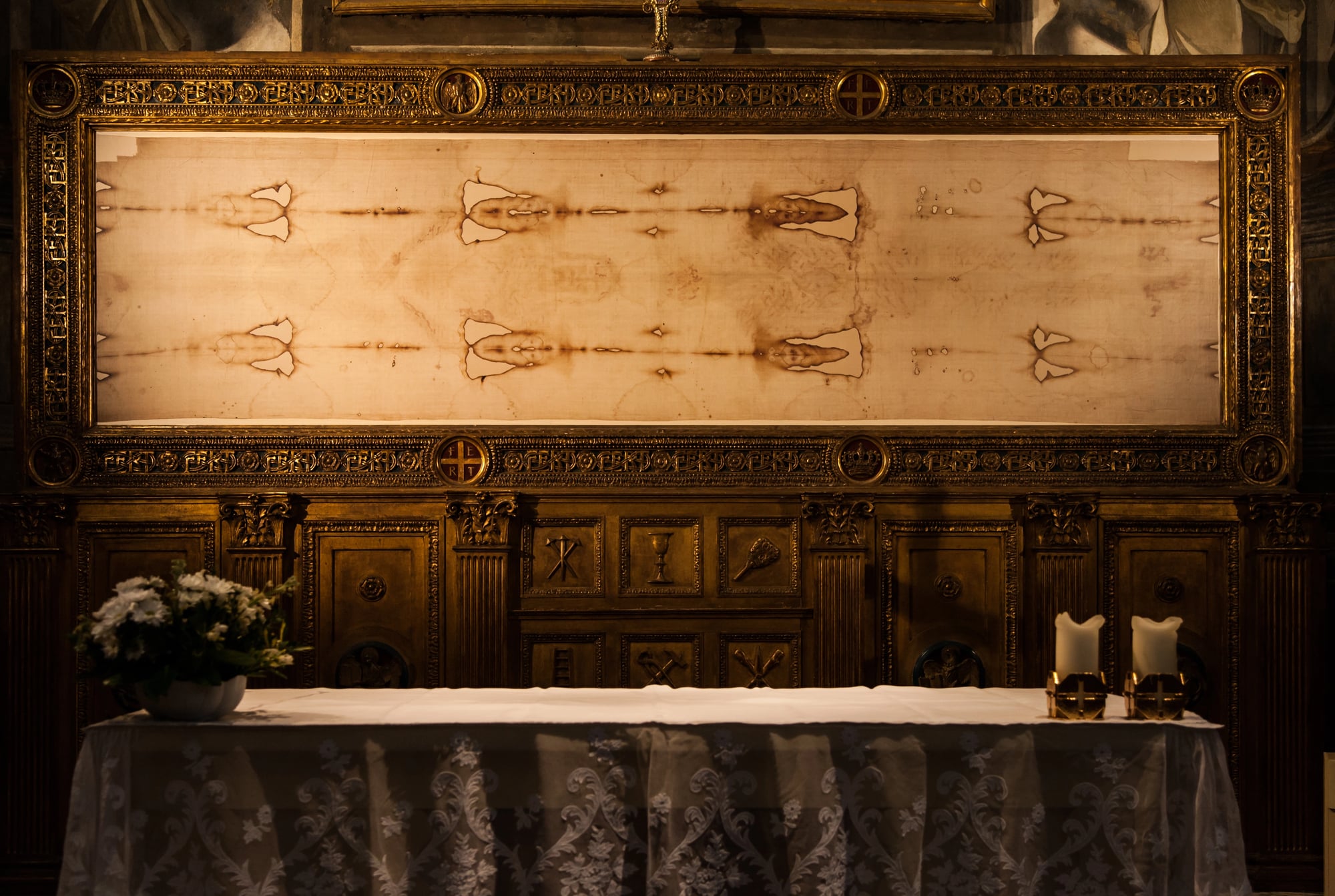
This piece of linen cloth bears the image of a man who appears to have been crucified, and many believe it’s the burial cloth of Jesus Christ. Scientists have studied it extensively, and while carbon dating from the 1980s suggested it was medieval, those results have been challenged repeatedly.
The image itself is strange because it’s like a photographic negative, a concept that wouldn’t exist for centuries after the cloth’s supposed creation. How the image got onto the fabric remains unexplained, whether by natural processes, artistic technique, or something else entirely.
The Catholic Church doesn’t officially say it’s authentic but allows it to be venerated anyway.
The Nazca Lines

Etched into the Peruvian desert sometime between 500 BC and 500 AD, these massive designs show animals, plants, and geometric shapes that can only be fully appreciated from the air. The ancient Nazca people created them by removing reddish pebbles to reveal lighter ground underneath, but why they made them is anyone’s guess.
Some theories suggest they were for religious ceremonies or astronomical purposes, while fringe ideas involve alien landing strips. What’s really impressive is the precision of the lines, which stay remarkably straight for miles despite the uneven terrain.
Modern recreations have shown they’re possible to make with ancient tools, but that doesn’t explain the purpose behind spending so much effort on something you couldn’t even see properly from ground level.
The Phaistos Disc
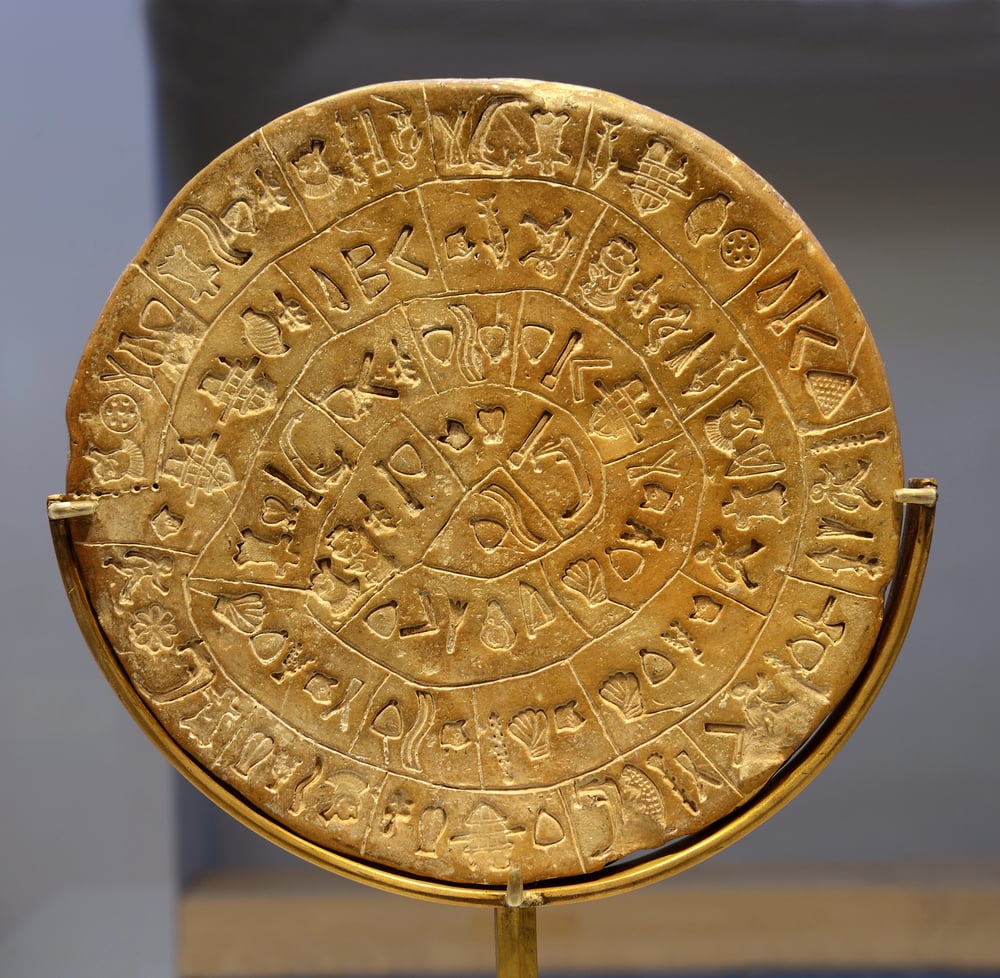
This fired clay disc from ancient Crete, dated to around 1700 BC, is covered with stamped symbols arranged in a spiral pattern. Each symbol was made with a separate stamp, making this possibly one of the earliest examples of movable type printing.
The problem is that nobody knows what the symbols mean, and no other examples of this writing system have ever been found. Some scholars think it’s a prayer or hymn, others suggest it might be a game board, and a few believe it could be a fake created in modern times.
The fact that it’s unique makes it nearly impossible to crack using normal linguistic methods that rely on comparing multiple texts.
The Kensington Runestone
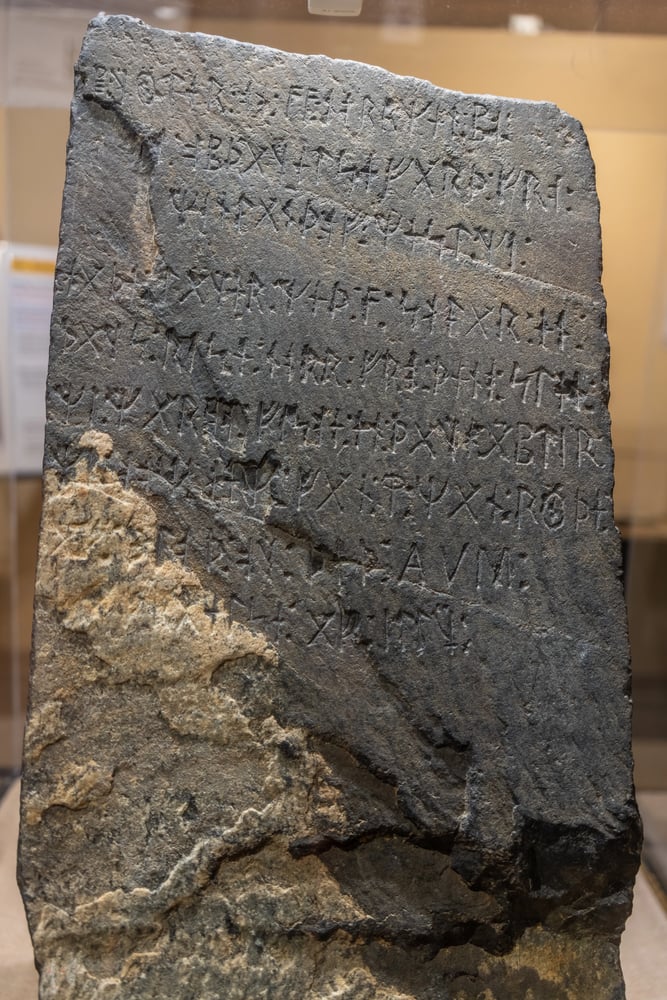
A farmer in Minnesota discovered this large stone in 1898, and it bears runic inscriptions supposedly left by Scandinavian explorers in 1362. If real, it would prove Vikings traveled deep into North America long before Columbus arrived.
Most mainstream historians think it’s a hoax, pointing to linguistic inconsistencies and the convenient timing of its discovery during a period of Scandinavian immigration to the area. Supporters note that it was found tangled in tree roots and that the farmer who found it didn’t seem to benefit from any fame.
Chemical analysis of the weathering on the carved runes has given mixed results, with some experts saying it looks authentically old and others disagreeing.
The Dropa Stones
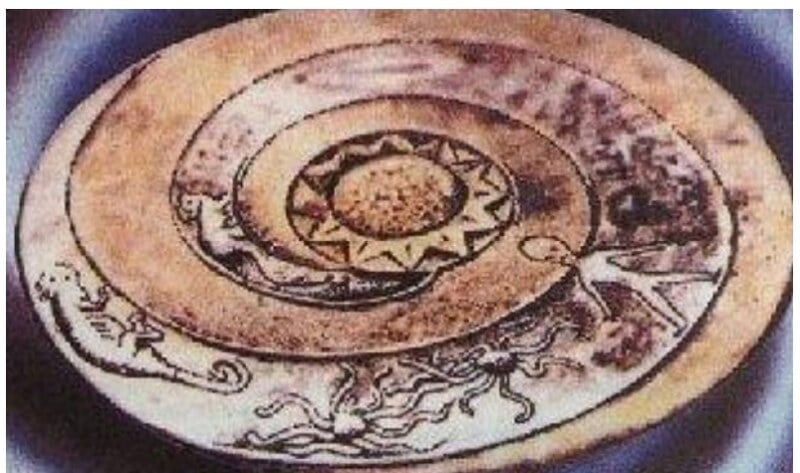
According to reports from China in the 1930s, archaeologists found hundreds of stone discs in caves along the border with Tibet. The discs supposedly had tiny hieroglyphs carved in spiral patterns and told the story of aliens who crashed there 12,000 years ago.
This is where things get messy because nobody can actually find these stones now, and the original reports are questionable at best. Many historians think the whole thing is either a misunderstanding or an outright fabrication.
The story gets repeated in books about ancient aliens, but without physical evidence to examine, it’s impossible to say what, if anything, was really discovered in those caves.
The Longyou Caves
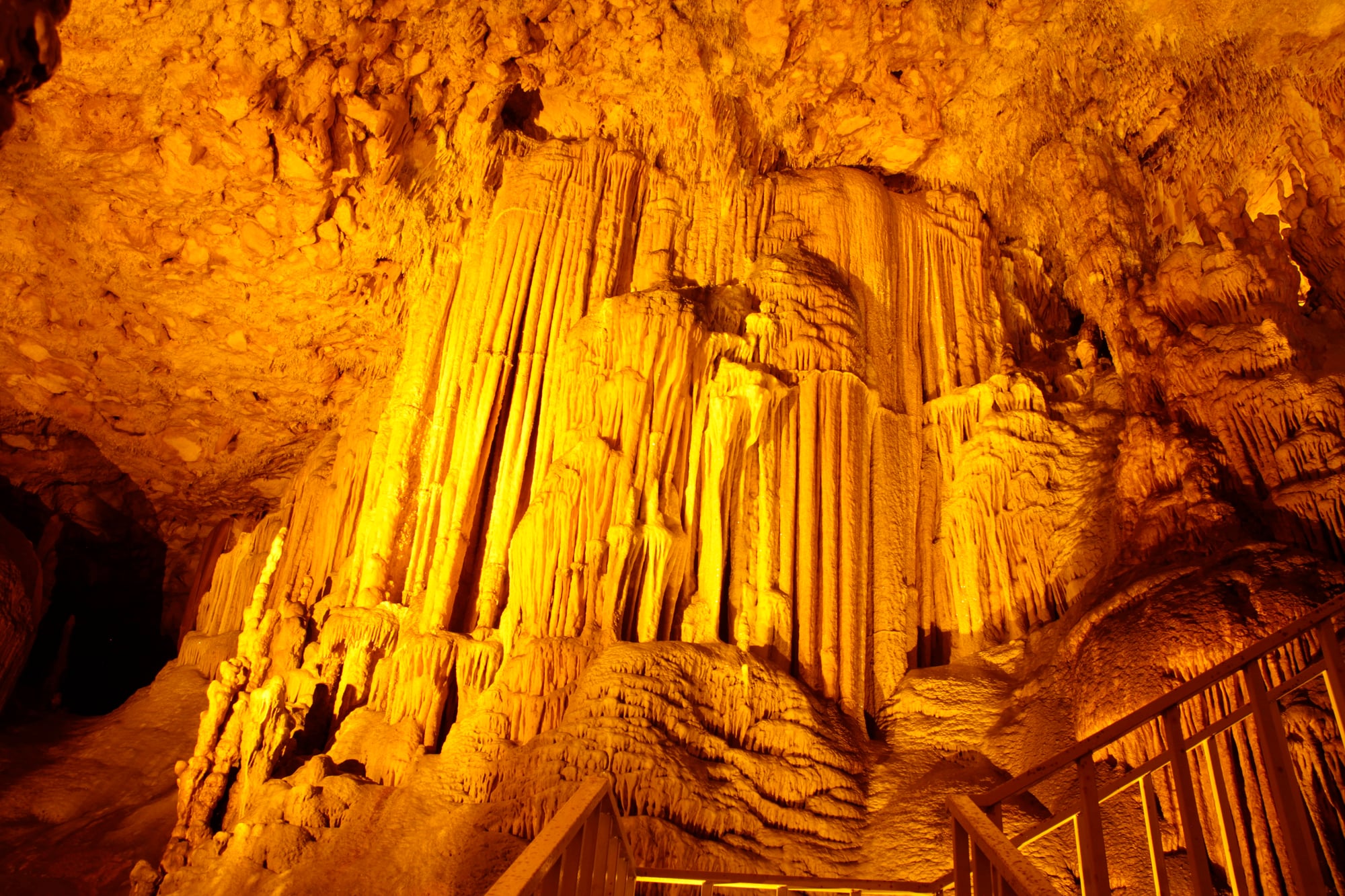
Workers in China’s Zhejiang province stumbled upon these massive underground caverns in 1992 after pumping water out of local ponds. The caves show clear evidence of being hand-carved, with precise angles and decorative elements, but there’s no historical record of their construction or purpose.
The amount of rock that would need to be removed is estimated at nearly a million cubic meters, which would have been an enormous undertaking for ancient workers. Nobody knows where all that stone went or why someone would create such large spaces underground without leaving any written evidence behind.
The even spacing of pillars and the uniform carving marks suggest careful planning, but the reason for it all remains a complete mystery.
The Michigan Relics

During the late 1800s, thousands of clay and copper tablets covered in writing turned up around Michigan, supposedly proving that ancient Mediterranean civilizations had reached North America. The tablets showed a mix of alphabets and religious imagery, leading some to believe they documented early Christian or Jewish communities.
Professional archaeologists quickly declared them fakes, pointing to historical inaccuracies and the suspicious way they kept turning up in convenient locations. The person who ‘discovered’ many of them had financial incentives to keep finding more, which didn’t help his credibility.
Still, private collectors hold onto them, and occasionally someone argues they deserve another look with modern testing methods.
The Genetic Disc
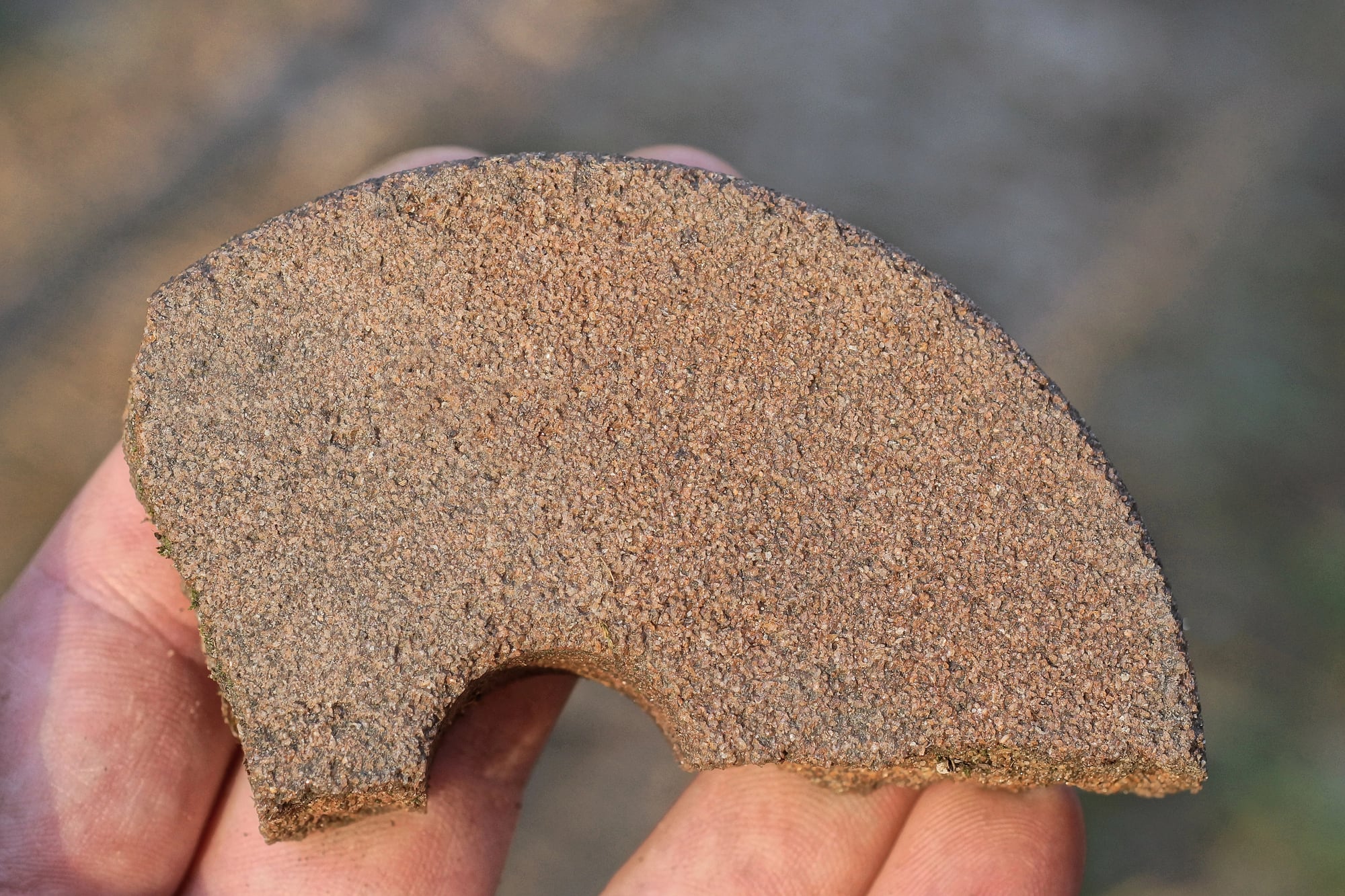
This Colombian stone disc, purportedly discovered in the 1990s, depicts what seem to be several stages of fetal development from conception to birth. If genuine and old, it would imply an understanding of embryology that would not have been possible without microscopes.
The disc’s discovery story is unclear, its archaeological context is unclear, and it could very well be a modern invention. The pictures on it do resemble real developmental stages quite a bit, which is either proof of highly developed ancient knowledge or evidence that someone with a current understanding of biology created it.
The majority of experts won’t even take it seriously without appropriate dating and a confirmed discovery location.
The Takabuti Scrolls
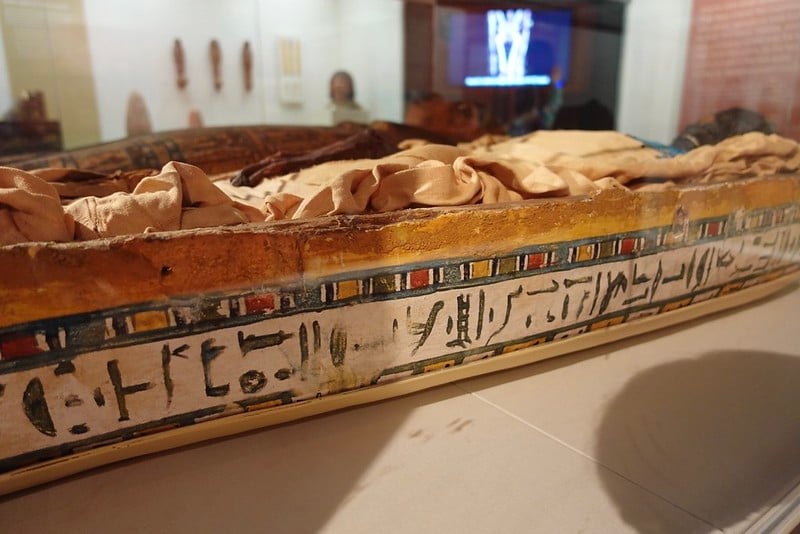
Inside the coffin of an ancient Egyptian woman named Takabuti, researchers found strange metal scrolls that don’t match anything else from that time period. The scrolls are made from an unusual alloy and contain writing that hasn’t been fully deciphered yet.
What makes them particularly odd is that X-rays show the metal was worked in ways that seem beyond the capabilities of Egyptian metalworkers from that era. The scrolls were discovered in the 1800s when archaeological methods weren’t as careful, so some context about their original placement was lost.
Modern researchers want to do more detailed analysis, but the fragile nature of the scrolls makes extensive testing risky.
The Ubaid Lizard Figurines
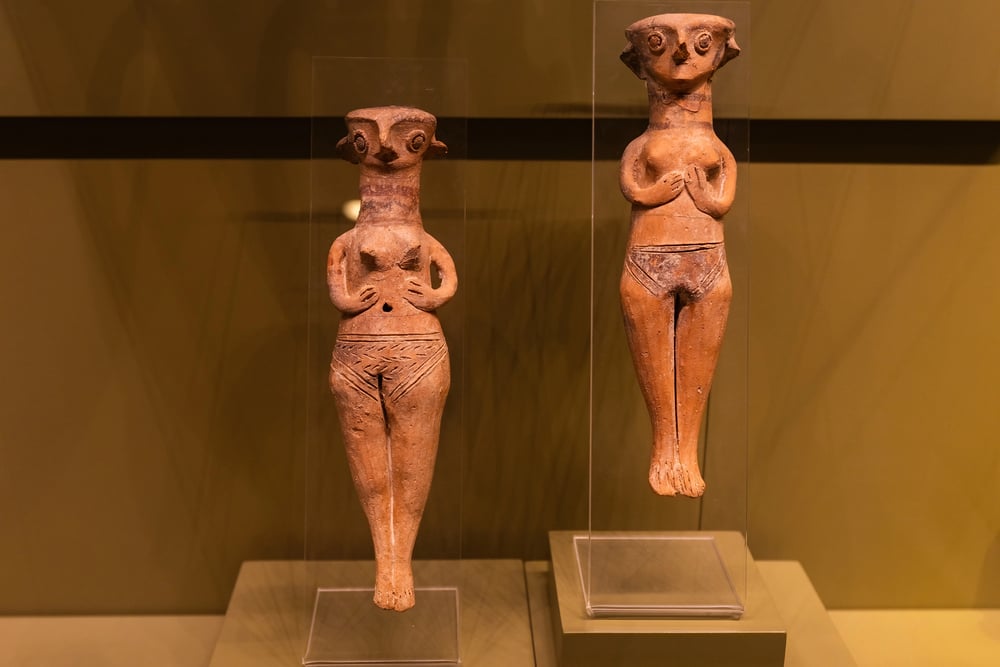
Excavations in ancient Mesopotamia have turned up numerous figurines from the Ubaid period (around 5000 BC) that show humanoid figures with elongated heads and reptilian features. Some were clearly meant to represent women nursing babies, which is even stranger given their non-human appearance.
Mainstream archaeology interprets them as religious figures or representations of gods, possibly from an early snake cult. Alternative theorists love to point at them as evidence of ancient aliens or a lost reptilian race.
The truth is probably more mundane, related to religious symbolism that made sense to people at the time but seems bizarre now because we don’t have their cultural context.
The Roman Dodecahedrons

These twelve-sided bronze or stone objects have been found at Roman sites across Europe, yet nobody knows what they were for. Each one has circular pits of different sizes on each face, and many have small knobs at the corners.
Theories range from practical items like surveying instruments or candle holders to more obscure purposes like religious objects or even toys. The fact that Romans were usually good at documenting things makes the complete silence about these objects in historical texts even stranger.
They were clearly important enough that people made them carefully and kept them, but not important enough to write down what they did with them.
The Stone Spheres of Costa Rica
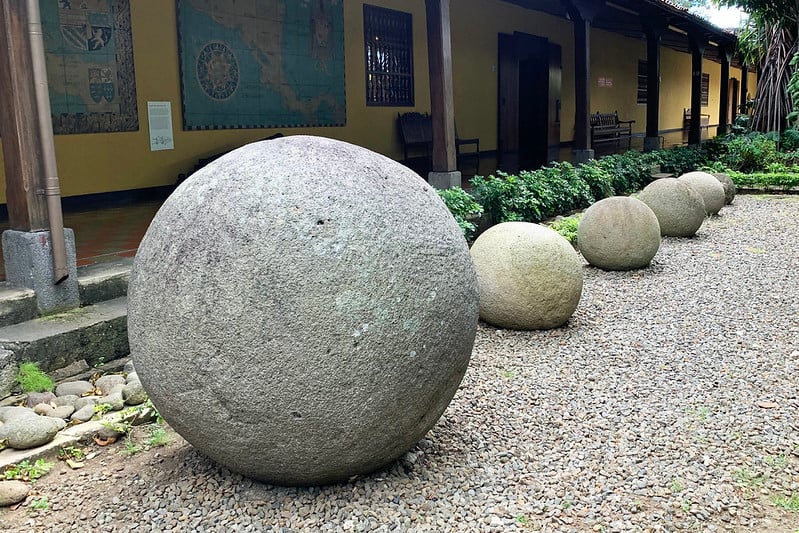
Nearly perfect stone spheres, some weighing up to 15 tons, are strewn all over Costa Rica’s jungle floor. They were made by the Diquis culture sometime between 600 and 1000 AD, but it is still unknown what they were used for.
They vary in diameter from a few centimeters to more than two meters, and considering the tools available, the accuracy with which they were created is astounding. They are said to have astronomical significance or to mark the path to hidden gold in local legends.
It is more difficult to determine whether they were arranged in patterns that could indicate their purpose because many have been moved from their original locations. Regardless of the reason for their desire, the skill needed to create a perfectly round sphere from solid granite using stone tools is impressive.
The Genetic Disc of Colombia Revisited

Because new methods of analysis continue to spark interest in this artifact, it merits another mention. The carvings have levels of detail that would be challenging to achieve even with modern tools, according to high-resolution 3D scanning.
Now, some scholars believe it may be genuinely ancient but misconstrued, possibly representing religious or symbolic ideas rather than actual biological knowledge.
The Fuente Magna Bowl

Found near Lake Titicaca in Bolivia, this ceramic bowl contains what appears to be both proto-Sumerian cuneiform and symbols from the ancient Middle East mixed with local South American designs. If authentic, it would suggest contact between ancient civilizations separated by an entire ocean.
Most archaeologists think it’s either a fake or a modern bowl that someone carved old-looking symbols into as a prank or for profit.
How We Remember the Unknown
These artifacts remind us that history isn’t as neatly understood as textbooks sometimes make it seem. Every generation of researchers brings new technology and fresh perspectives that might crack mysteries the previous generation couldn’t solve.
Some of these objects will probably be explained eventually, while others might stay puzzling forever.
More from Go2Tutors!

- The Romanov Crown Jewels and Their Tragic Fate
- 13 Historical Mysteries That Science Still Can’t Solve
- Famous Hoaxes That Fooled the World for Years
- 15 Child Stars with Tragic Adult Lives
- 16 Famous Jewelry Pieces in History
Like Go2Tutors’s content? Follow us on MSN.