Famous Leaders Known For Odd Daily Rituals
Some of the most influential figures in history have been driven by peculiar habits that would seem bizarre to the rest of us. These weren’t just quirks or temporary phases — they were deeply ingrained rituals that shaped how these leaders approached their days, their decisions, and their legacies.
What’s fascinating isn’t just the strangeness of these practices, but how essential they became to each person’s sense of control and creativity.
The line between eccentricity and genius has always been thin, and these leaders lived right on that edge. Their unusual routines offer a glimpse into minds that refused to operate by conventional rules.
Winston Churchill
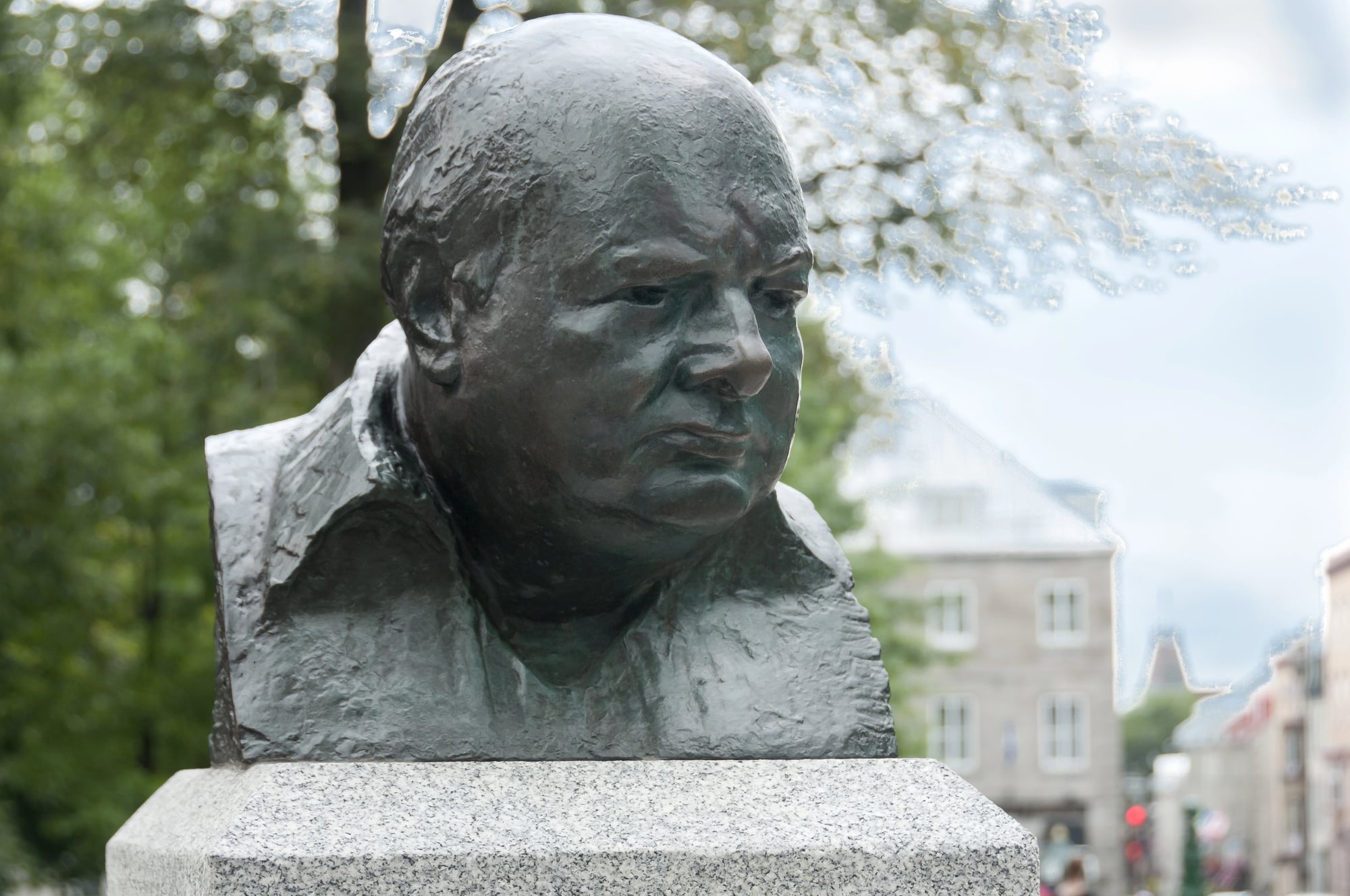
Churchill treated sleep like a negotiable concept. The British Prime Minister worked from bed each morning until 11 AM, dictating correspondence and reviewing documents while still in his pajamas.
His staff learned to conduct serious government business around a man propped up by pillows, often with a cig already lit.
But the real oddity was his approach to bathing. Churchill took two baths daily — a ritual so sacred that during the Tehran Conference in 1943, he insisted on a bathtub being installed in his quarters before he’d agree to stay.
His evening bath lasted precisely one hour, during which he’d continue working, the bathroom filled with secretaries taking dictation as steam rose around them.
Benjamin Franklin
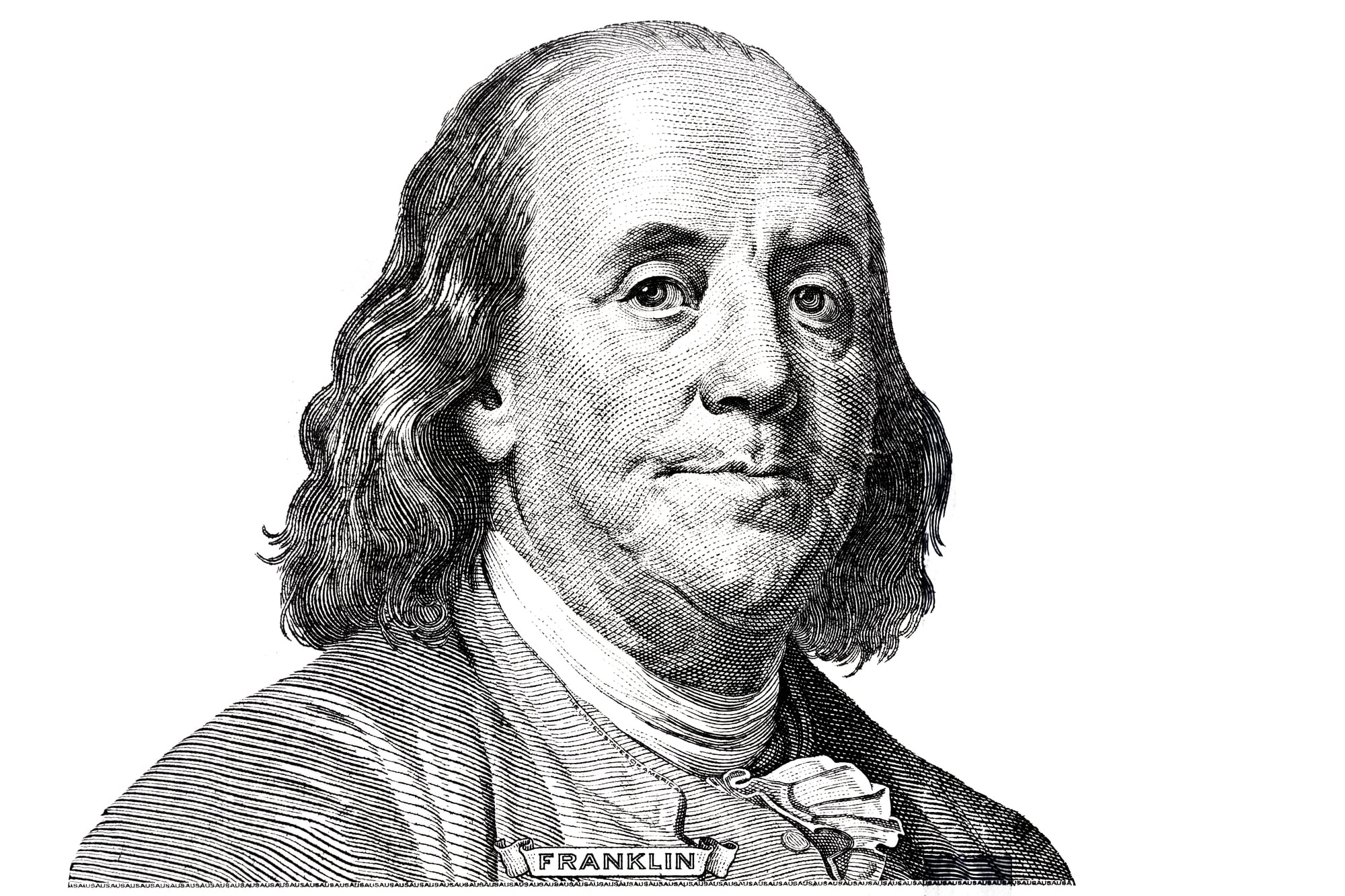
Franklin believed air baths were the secret to longevity, so he spent thirty minutes each morning sitting unclothed by an open window, regardless of the Philadelphia weather. Neighbors learned not to look up at his second-story window during this daily ritual, which he called taking his “air bath” — a practice he maintained well into his seventies.
He also tracked thirteen personal virtues on a chart, marking down each failure with a dot. The chart looked like a school report card, except Franklin was both student and teacher, grading himself on everything from temperance to humility.
The irony wasn’t lost on him that creating a system to track his humility might itself be an act of pride.
Theodore Roosevelt
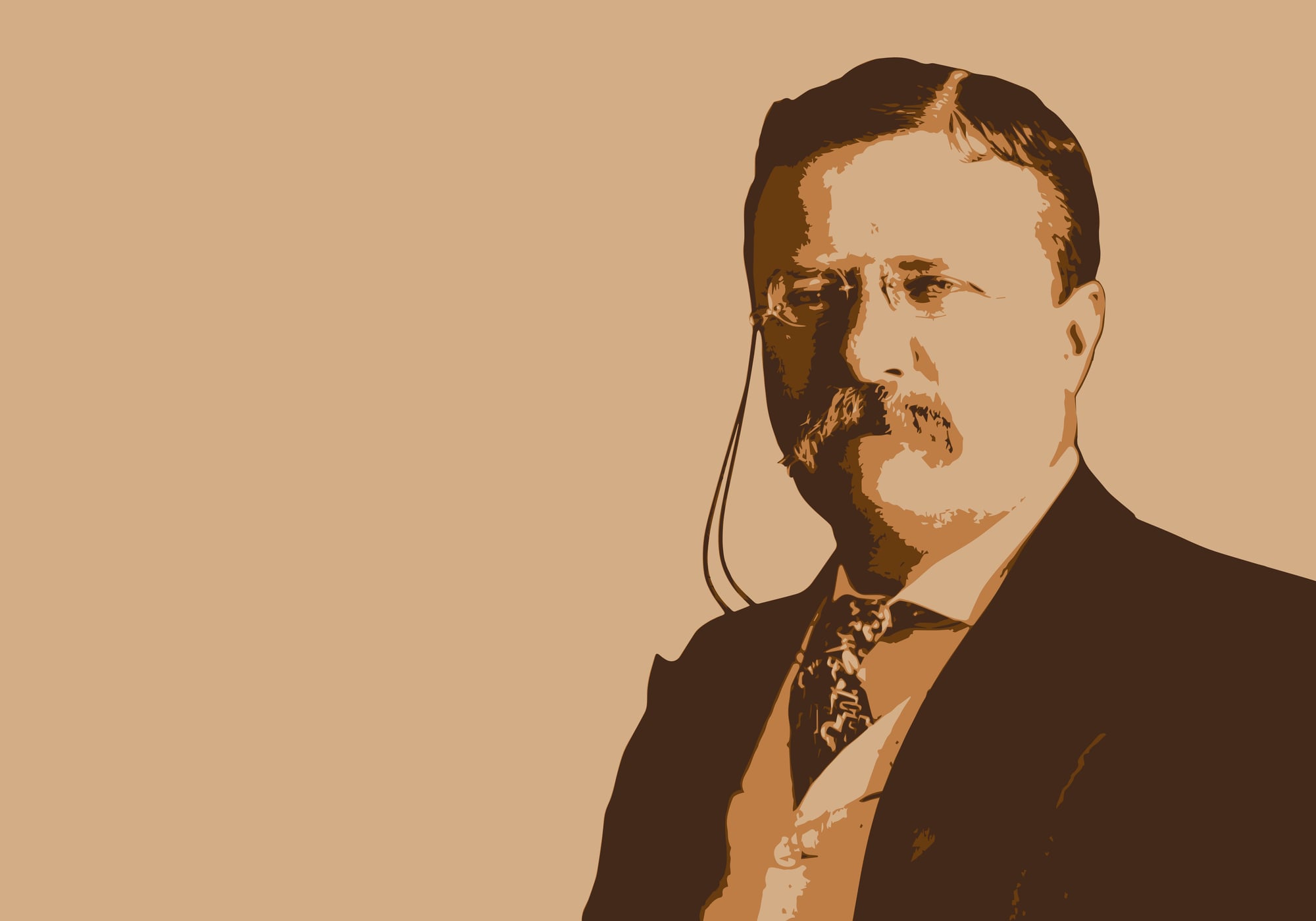
Roosevelt’s morning routine involved reading at least one book before breakfast — not skimming, but genuinely reading cover to cover. (And breakfast was served at 8 AM sharp, regardless of where he was in the book, which explains why he became one of the fastest readers in presidential history.)
Staff would find him at 5 AM, already deep into a biography or scientific treatise, consuming information the way other people consumed coffee.
But the strangest habit was his relationship with physical pain, which he seemed to collect like some people collect stamps. Roosevelt would schedule activities specifically because they were uncomfortable: ice-cold river swims in January, horseback rides during thunderstorms, boxing matches with men half his age.
Pain became his way of proving to himself that he was still alive and capable, a daily test he had to pass.
Maya Angelou
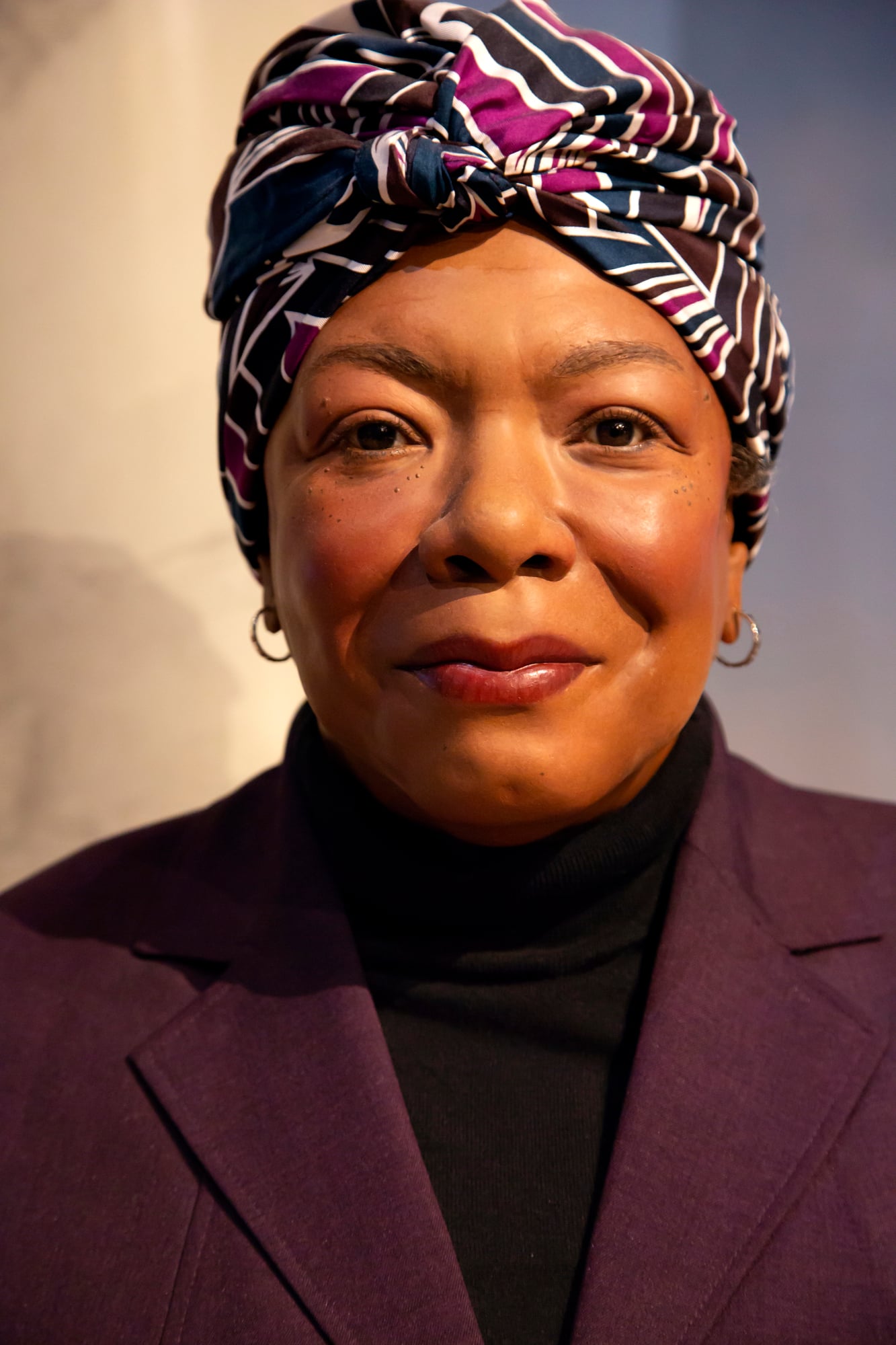
Angelou wrote everything in longhand, but the ritual around that writing bordered on ceremony. She rented a bare hotel room that contained nothing but a Bible, a thesaurus, yellow legal pads, and a bottle of sherry.
The walls had to be completely empty — she’d remove every piece of artwork, every decoration, creating what she called her “bare stage.”
The room became sacred space. She’d arrive at 7 AM, lie across the bed (never sitting at a desk), and write until words stopped coming.
Sometimes that meant three pages, sometimes just a paragraph. But the ritual never changed: same position, same tools, same empty walls staring back at her.
The absence of distraction wasn’t just preference — it was requirement.
Charles Darwin
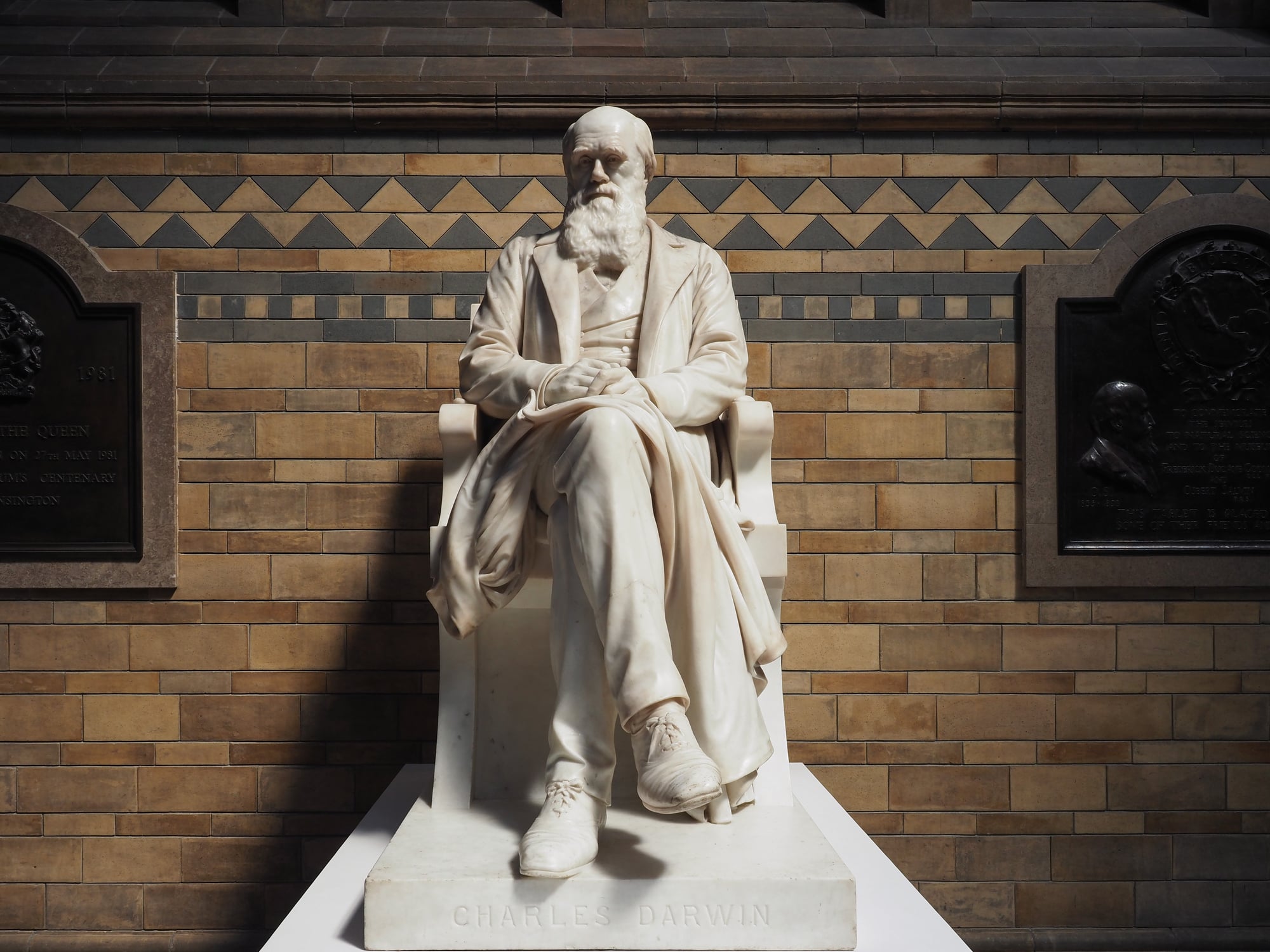
Darwin’s thinking path was exactly that: a circular gravel path behind his house that he’d walk when wrestling with scientific problems. He called it his “thinking path,” and the number of laps corresponded to the difficulty of the problem at hand.
Simple questions might require just two or three circuits, but complex theoretical challenges could send him walking for hours.
The path had a specific ritual. Darwin would drop pebbles at the starting point — one for each lap he estimated he’d need.
As he completed each circuit, he’d kick away a pebble with his walking stick. His family learned that the sound of gravel crunching meant Darwin was working, and interruptions were forbidden until the pebbles were gone.
Nikola Tesla
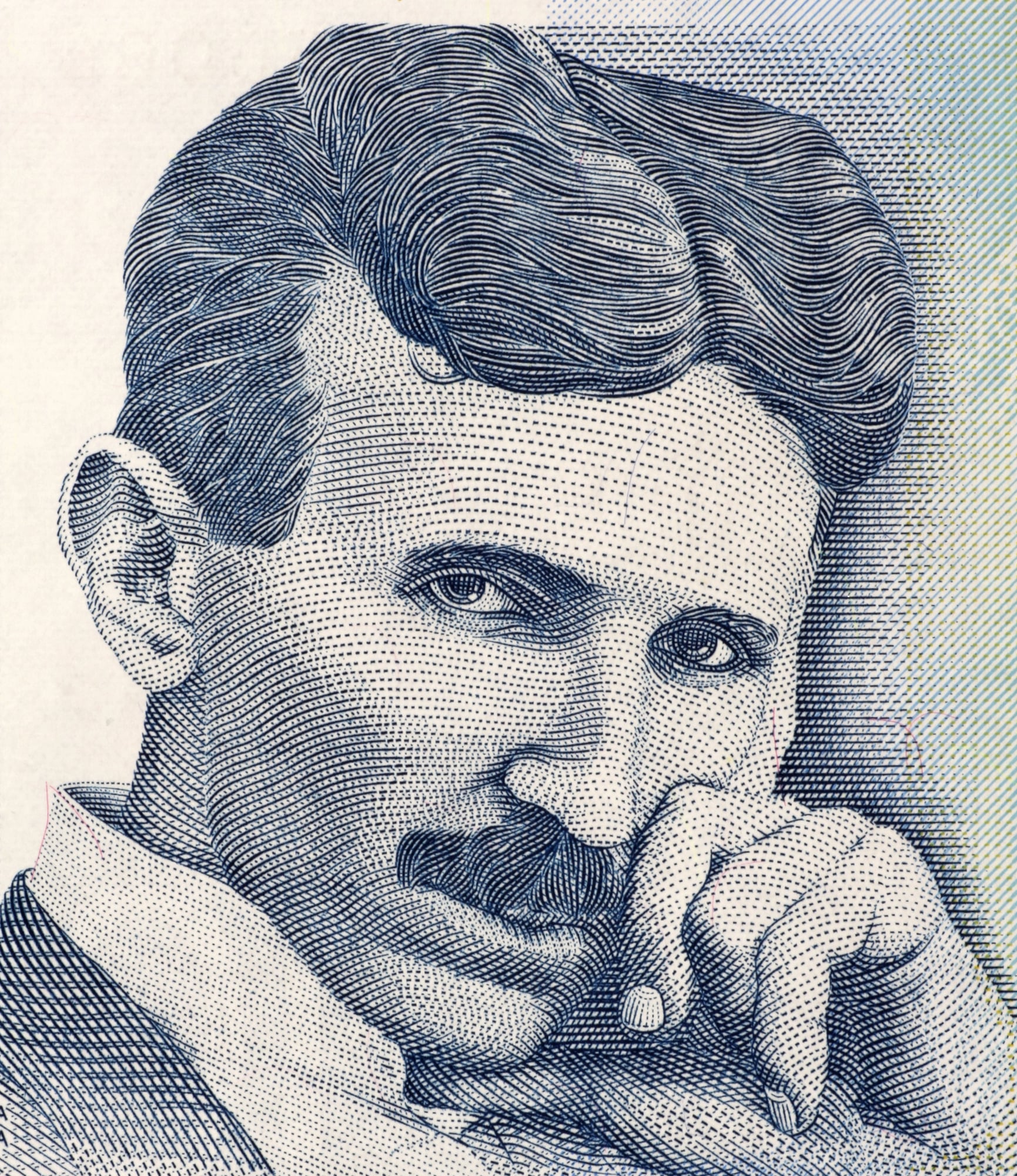
Tesla’s relationship with numbers bordered on compulsion, but it was the kind of compulsion that seemed to fuel his genius rather than hinder it. Every action had to be divisible by three: he’d walk around a building three times before entering, calculate the cubic contents of his food before eating, and require exactly eighteen napkins at every meal (which he’d use to polish his silverware and glassware until they gleamed).
His evening walks through New York City followed precise routes that totaled exactly ten miles.
Tesla would count his steps, and if he miscounted or got distracted, he’d start over, regardless of how far he’d already walked. The city became his laboratory, each street a carefully measured component in his daily equation.
Agatha Christie
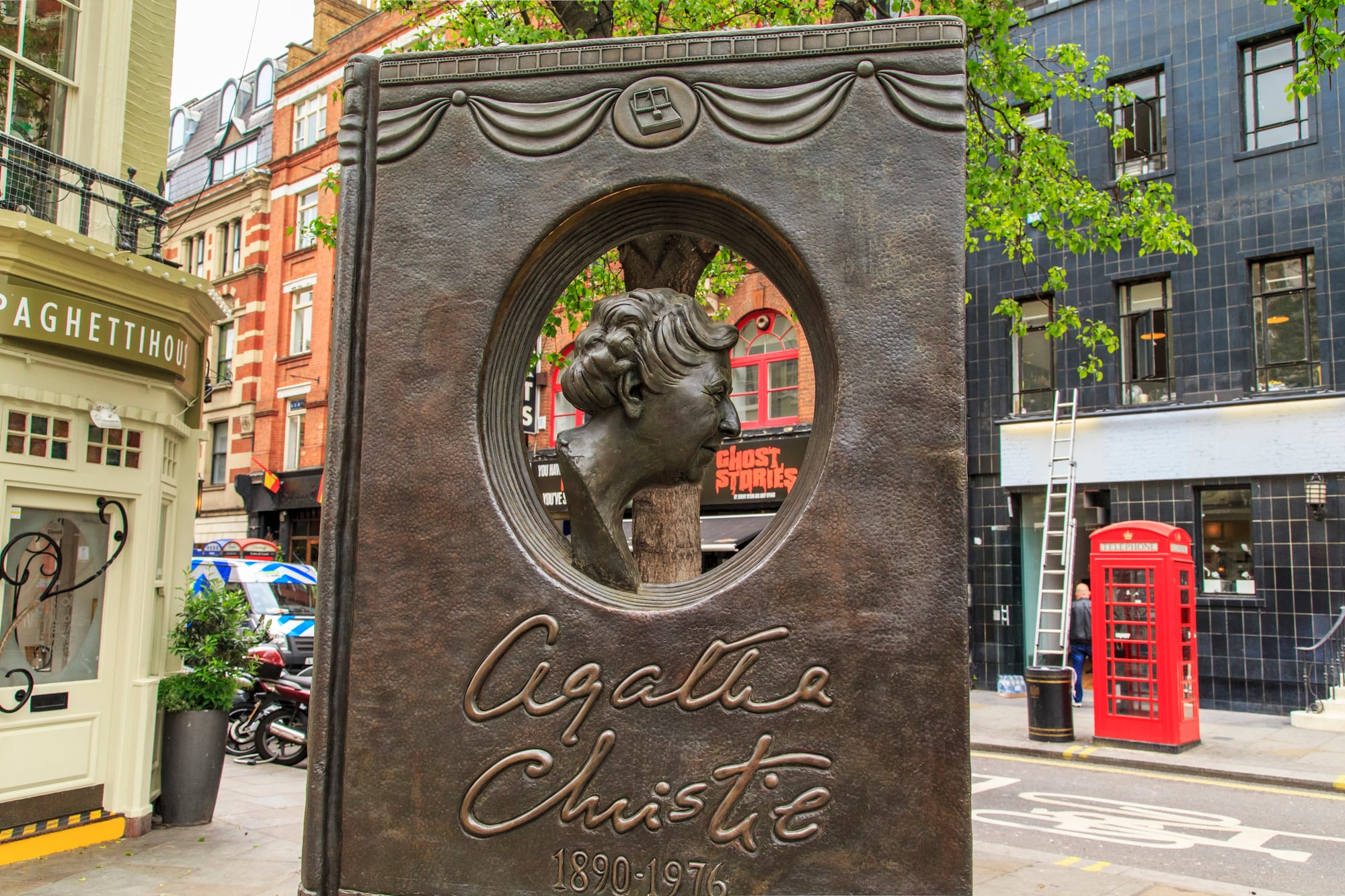
Christie did her best plotting in the bathtub, but not just any bathtub — it had to be filled to a precise level and temperature that she’d test with her elbow like a mother preparing a baby’s bath. She’d lower herself into the water, close her eyes, and let her mind work through murder scenarios, alibis, and red herrings while soaking for exactly forty-five minutes.
The bathtub sessions were so productive that Christie would emerge with entire plot outlines fully formed.
Her notebooks show that some of her most famous mysteries, including several Hercule Poirot cases, were solved not at her typewriter but in that carefully calibrated bathwater, her mind free to wander through the darkest possibilities while her body remained perfectly still.
Albert Einstein
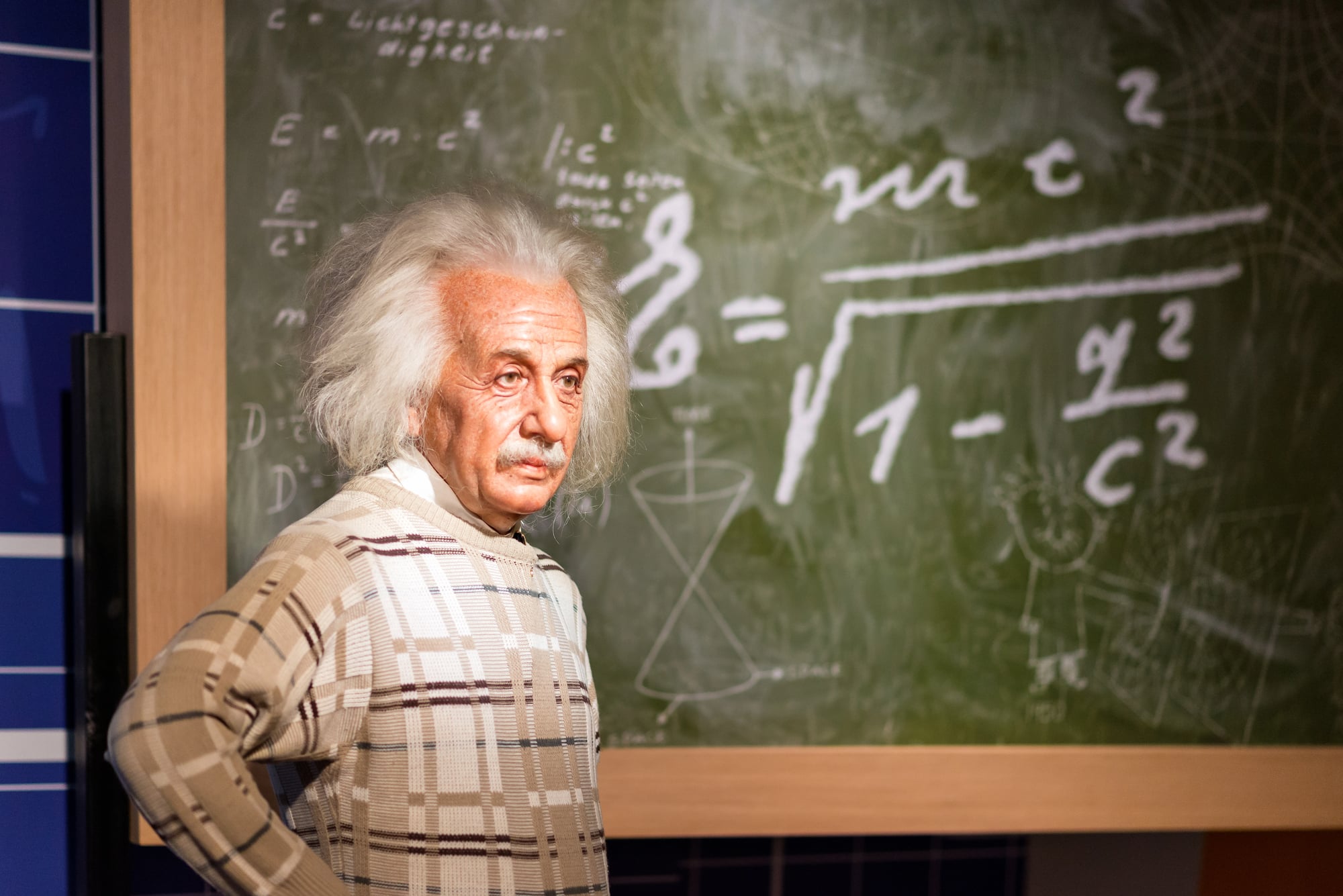
Einstein’s violin wasn’t just a hobby — it was a problem-solving tool. When stuck on a physics equation or theoretical problem, he’d put down his pen and pick up his violin, playing Bach until the solution appeared.
His neighbors in Princeton grew accustomed to hearing violin music drifting from his study at odd hours, a sure sign that Einstein was wrestling with the universe’s secrets.
But the violin sessions followed their own logic. Einstein never played from sheet music during these thinking sessions, instead improvising variations on familiar pieces.
The music became a conversation with himself, each note a question, each phrase a potential answer. Some of his greatest insights reportedly came not while calculating but while bowing.
Leonardo Da Vinci
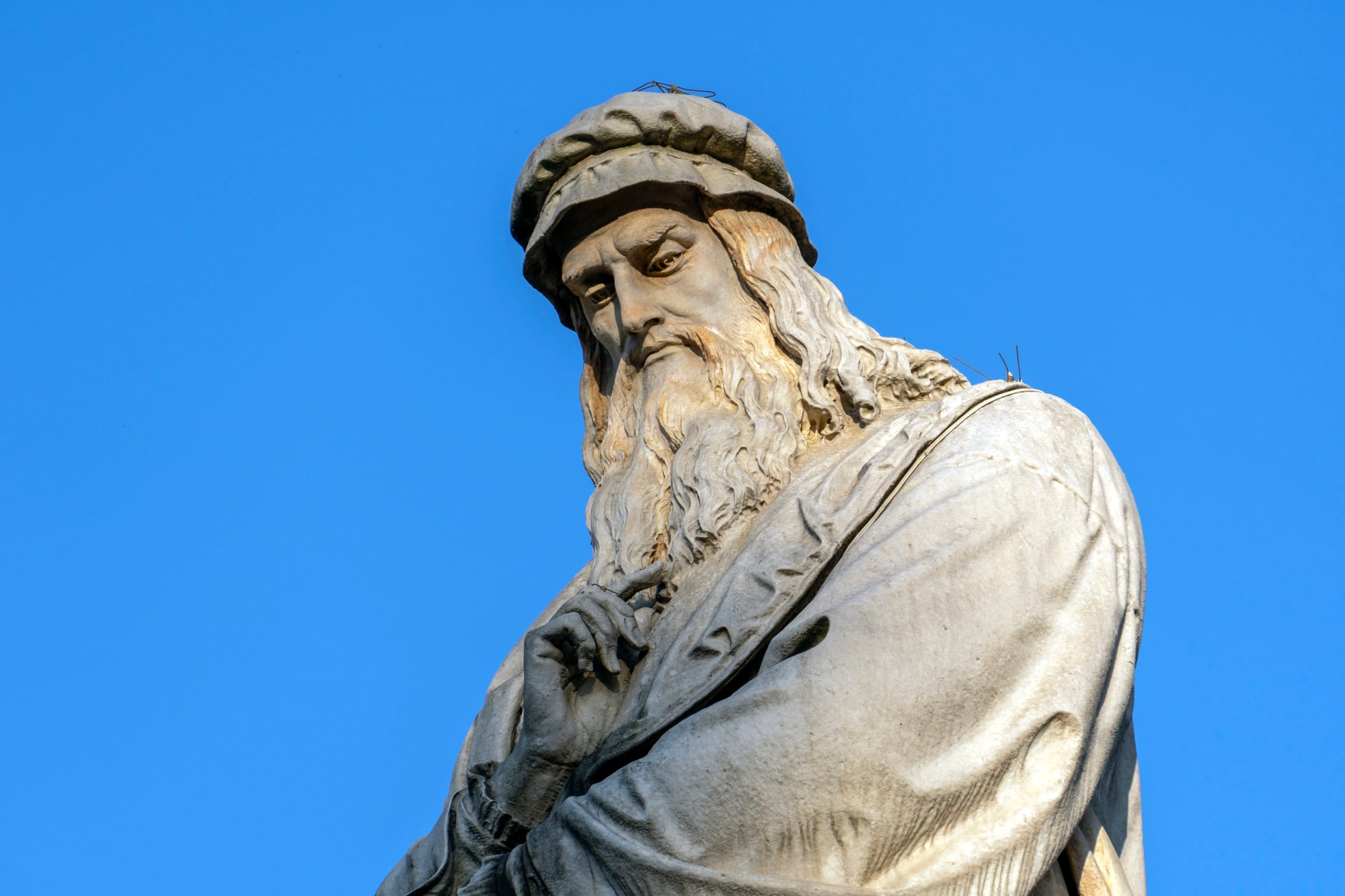
Da Vinci practiced what he called polyphasic sleep, breaking his rest into multiple short naps throughout the day instead of one long sleep at night. This gave him up to twenty-two hours of waking time daily, but it also meant his schedule bore no resemblance to anyone else’s.
He’d paint for three hours, nap for twenty minutes, study anatomy for two hours, nap again, then spend the evening designing flying machines.
His assistants learned to work in shifts because da Vinci’s creative energy followed no natural rhythm. He might wake at 2 AM with an urgent need to dissect a cadaver or test a new pigment mixture, expecting his workshop to spring into action regardless of the hour.
The irregular schedule wasn’t chaos — it was optimization, squeezing more consciousness out of each day.
Simón Bolívar
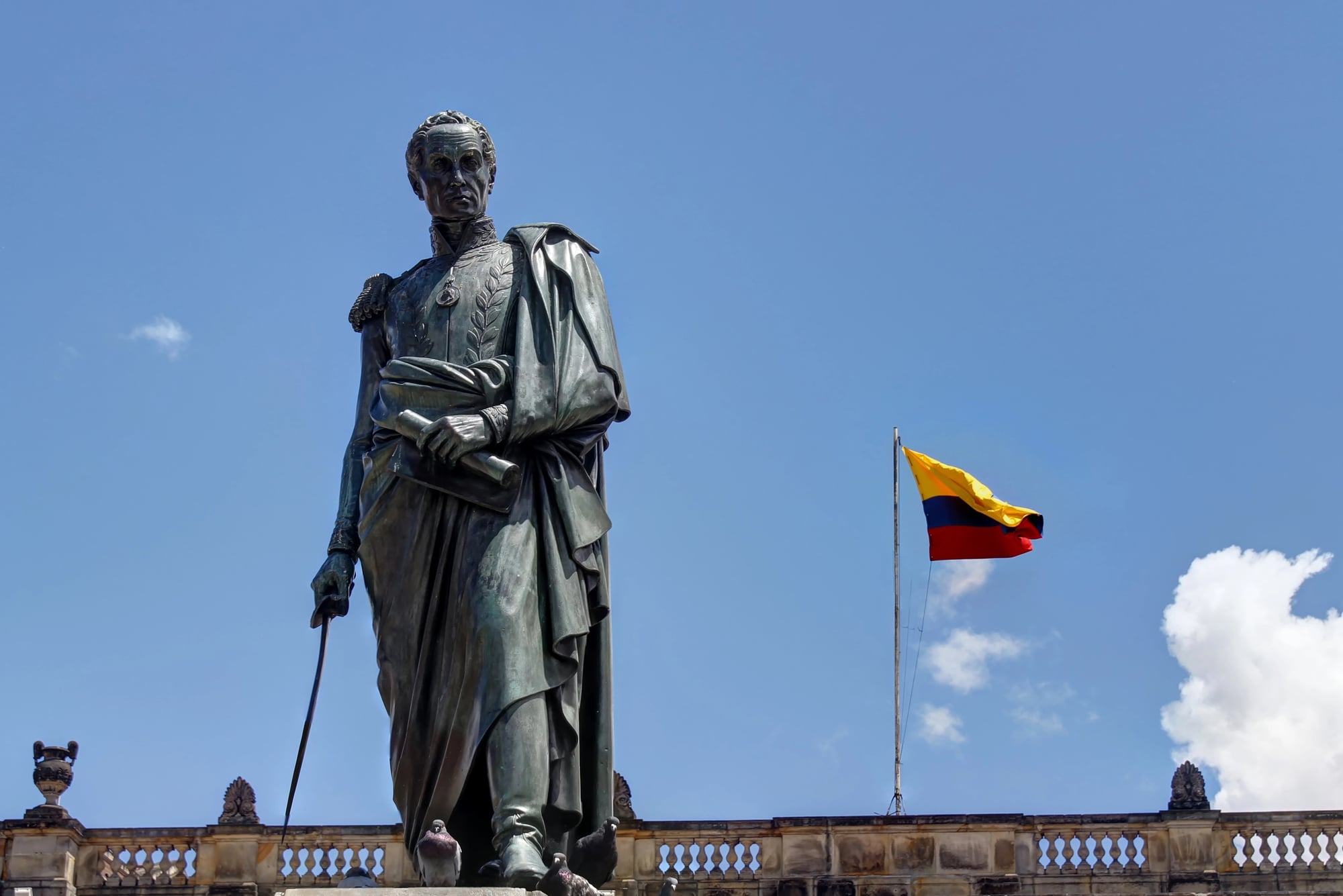
Bolívar began each day by reading military history while standing in cold water up to his waist. This wasn’t about hygiene or health — it was about preparation.
The cold water sharpened his focus while the historical accounts reminded him of strategies and mistakes from past campaigns.
He’d stand there for thirty minutes, shivering and reading, before beginning his day of liberation activities.
The ritual traveled with him across South America. Whether he was in the mountains of Colombia or the plains of Venezuela, Bolívar’s staff knew to prepare a basin of cold water and gather his military books.
Local generals learned that morning meetings with El Libertador meant finding him waist-deep in water, discussing battle plans while his lips turned blue from cold.
Steve Jobs
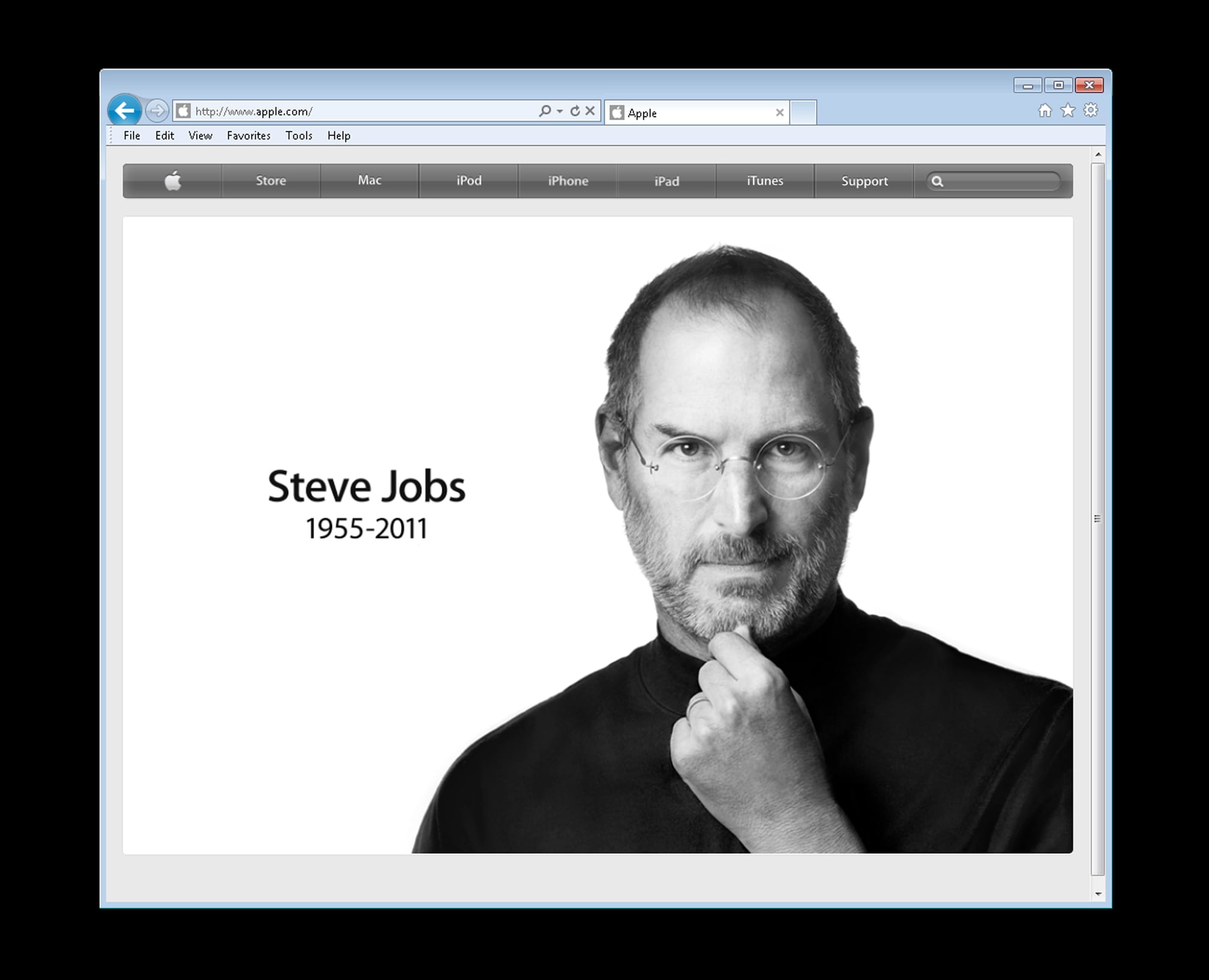
Jobs wore the same outfit daily — black turtleneck, blue jeans, New Balance sneakers — not out of laziness but as a deliberate decision to eliminate choice fatigue. He’d studied how decision-making depleted mental energy and concluded that choosing clothes was a waste of cognitive resources better spent on product design.
But the uniform was just the visible part of a larger system.
Jobs’ entire morning routine was automated: same breakfast (often just orange juice), same route to work, same parking spot. By removing variables from his daily life, he freed his mind to focus entirely on the decisions that mattered.
The repetition wasn’t boring — it was liberation from the tyranny of small choices.
Frida Kahlo
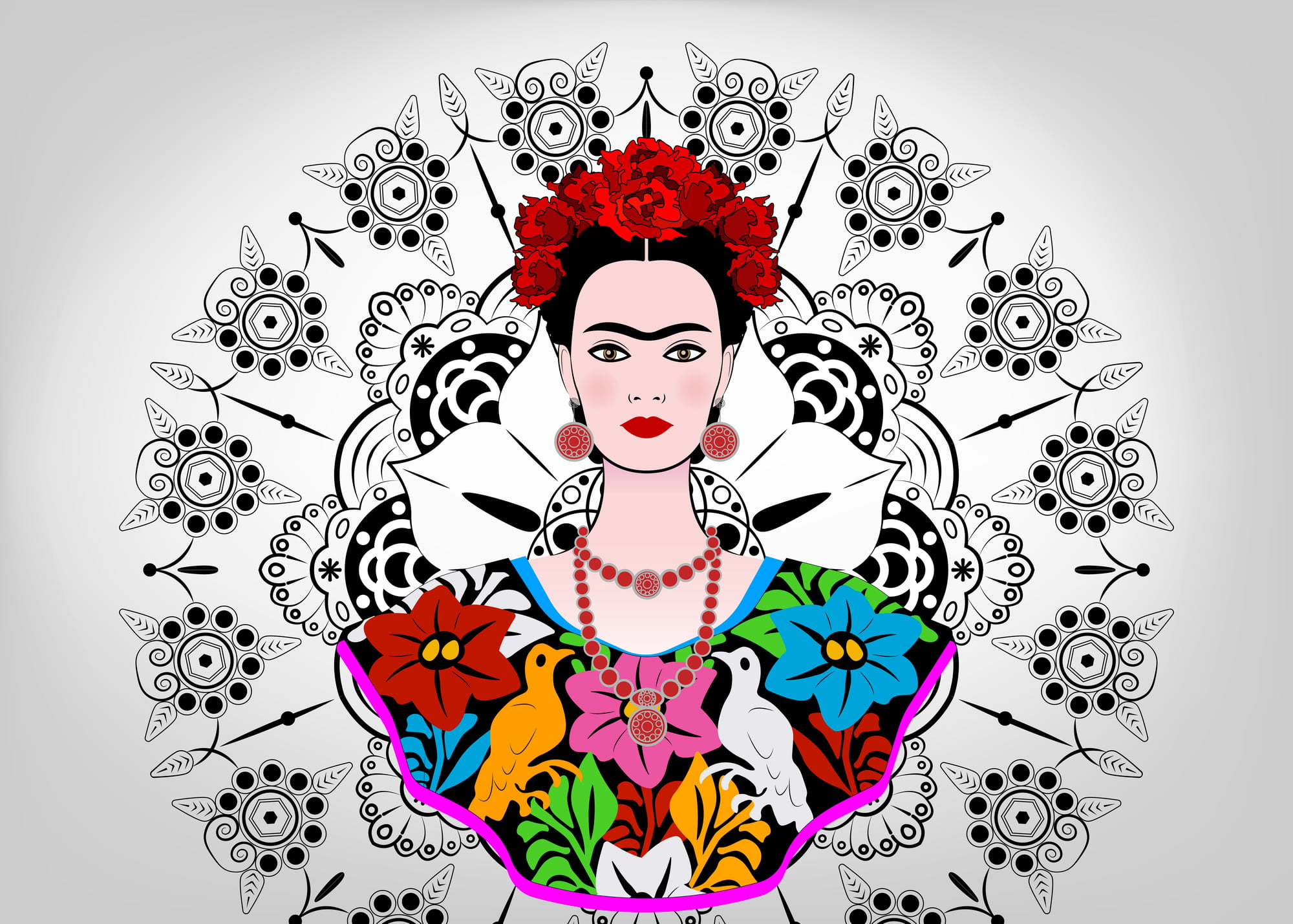
Kahlo painted while lying in bed, but this wasn’t simply due to her physical limitations. Even on days when she could move freely, she’d often choose to paint horizontally, claiming the position changed her relationship with the canvas.
A mirror installed above her bed allowed her to paint self-portraits while looking up, creating a unique perspective that influenced her artistic vision.
The bed became her studio, her world, her stage. Brushes and paints lived within arm’s reach, arranged with the precision of surgical instruments.
Friends learned that visiting Frida meant sitting beside her bed while she painted, conducting conversations around the rhythm of brushstrokes and the smell of oil paints mixed with medicine.
Napoleon Bonaparte
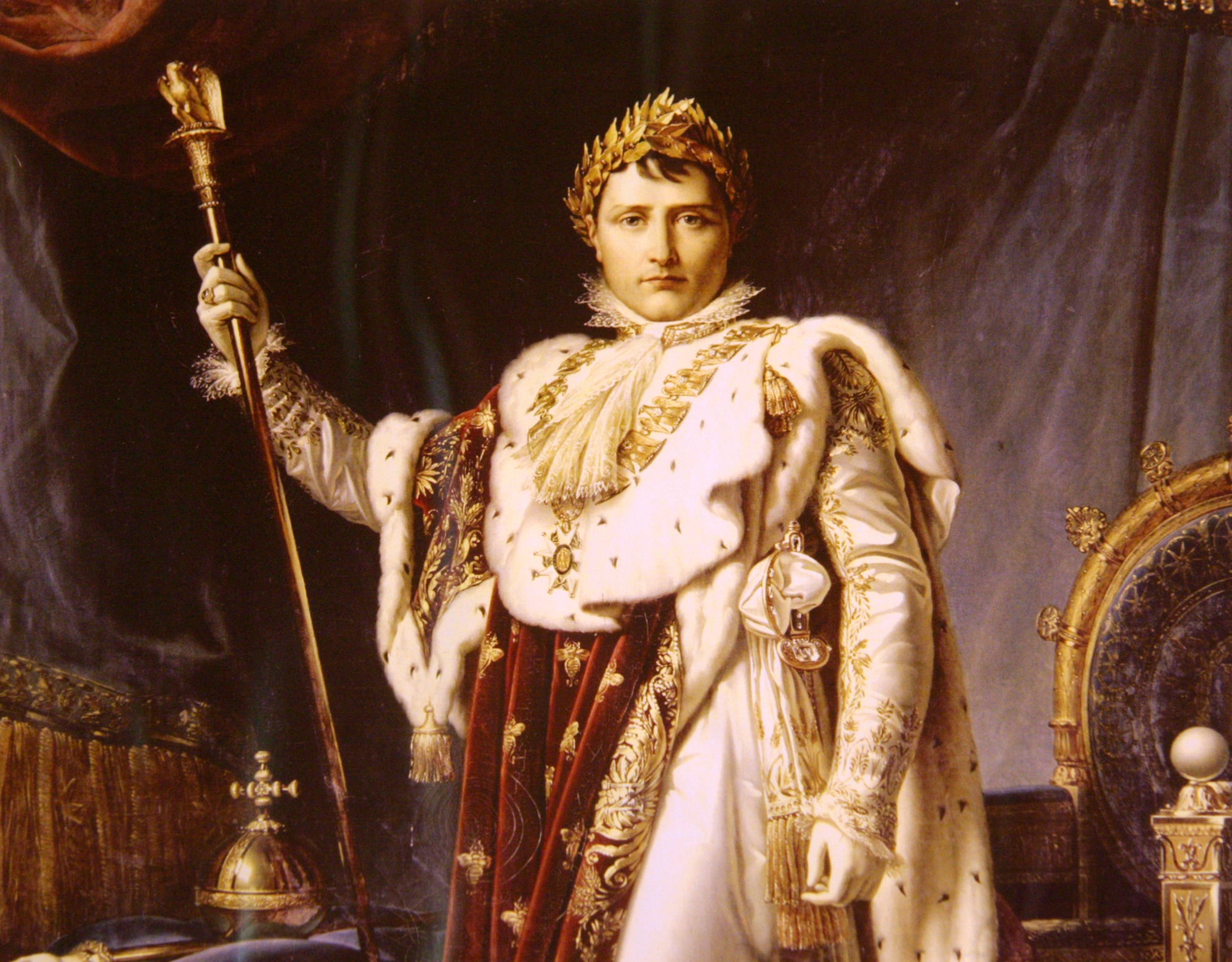
Napoleon slept only four hours nightly, but those four hours were sacred and precisely timed. He’d calculated that this was the minimum rest needed to maintain mental sharpness, and he guarded those hours more carefully than he guarded battle plans.
Staff learned that waking Napoleon outside his sleep window, regardless of military emergencies, was a court-martial offense.
The four-hour rule was inflexible. Whether on the eve of battle or during peaceful times, Napoleon maintained the same sleep schedule, treating rest as a strategic resource to be managed rather than a luxury to be enjoyed.
His legendary energy wasn’t natural — it was engineered, the result of turning even sleep into a tactical decision.
The Ritual Behind The Legacy
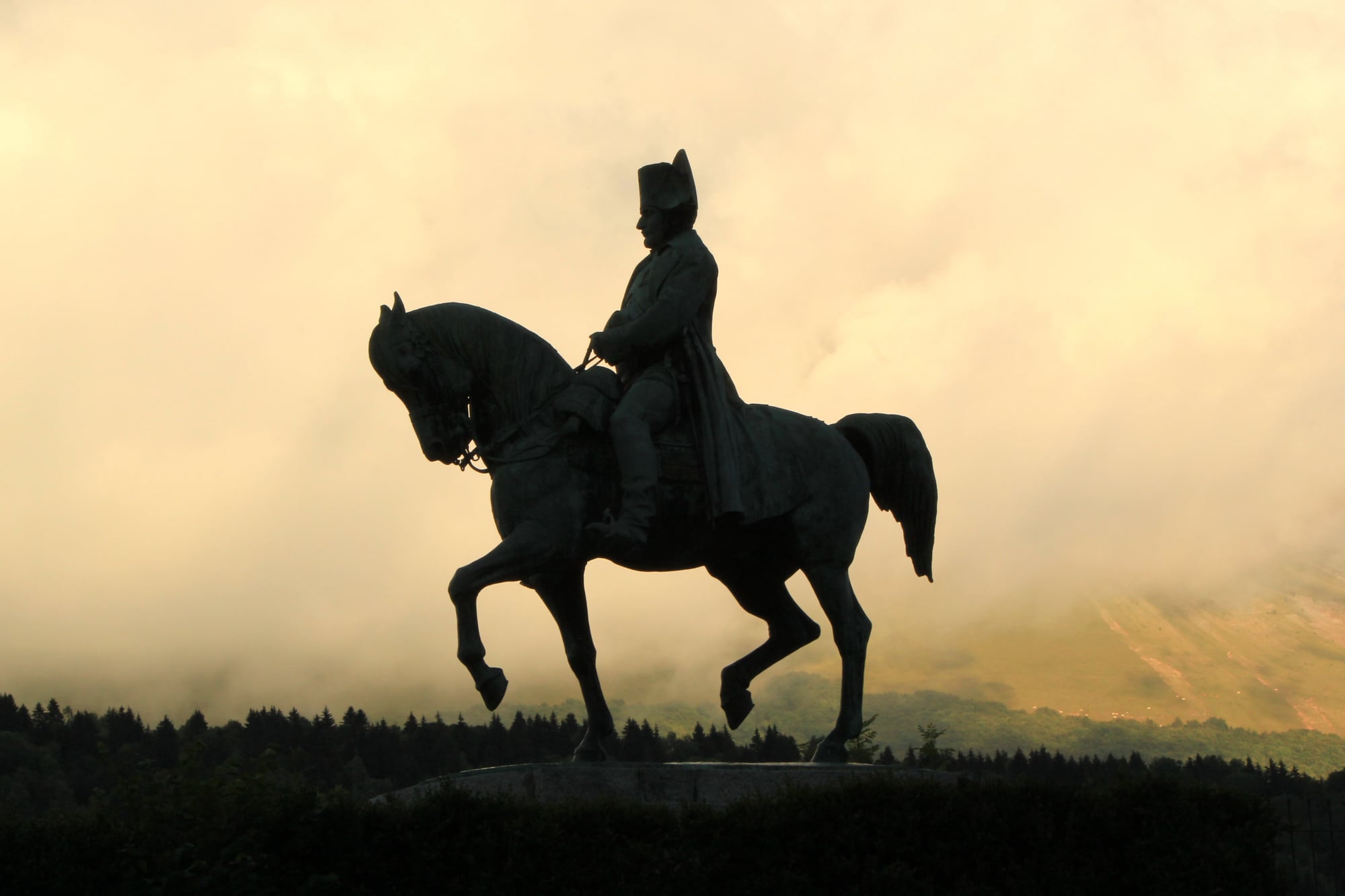
What emerges from these strange habits isn’t randomness but purpose. Each ritual served as a bridge between the ordinary self and the extraordinary one — between Darwin the Victorian gentleman and Darwin the revolutionary scientist, between Churchill the politician and Churchill the wartime leader.
These weren’t quirks to be explained away but tools that shaped history, one odd habit at a time.
More from Go2Tutors!

- The Romanov Crown Jewels and Their Tragic Fate
- 13 Historical Mysteries That Science Still Can’t Solve
- Famous Hoaxes That Fooled the World for Years
- 15 Child Stars with Tragic Adult Lives
- 16 Famous Jewelry Pieces in History
Like Go2Tutors’s content? Follow us on MSN.



