17 Military Tech That Became Everyday Gear
Military technology has a funny way of sneaking into civilian life. What starts as cutting-edge battlefield equipment often ends up in your kitchen, car, or pocket. The defense industry drives innovation at breakneck speed, creating solutions for extreme conditions that eventually prove useful for everyday problems.
The journey from military application to consumer product isn’t always obvious. Sometimes it takes decades for the technology to become affordable or practical for regular folks. Here is a list of 17 military technologies that became everyday gear and changed how we live.
GPS Navigation

The Global Positioning System started as a military navigation tool to guide missiles and troops with pinpoint accuracy. The Pentagon opened it up for civilian use in the 1980s, though they kept the most precise signals restricted for years.
Now GPS is everywhere—your phone, car, fitness tracker, and even some kitchen appliances use it to figure out where you are.
Duct Tape

Johnson & Johnson developed this waterproof tape during World War II to keep ammunition cases sealed in humid jungle conditions. Soldiers quickly discovered it could fix almost anything—weapons, equipment, even temporary medical patches.
The strong adhesive and cloth backing made it perfect for field repairs, and civilians caught on fast once the war ended.
Microwave Ovens

Percy Spencer was working on radar technology for Raytheon when he noticed a chocolate bar in his pocket had melted near a magnetron. The military radar component was generating microwaves that heated food almost instantly.
Spencer realized this could revolutionize cooking, and by the 1970s, microwave ovens were showing up in kitchens everywhere.
The Internet

ARPANET was designed by the Defense Advanced Research Projects Agency to create a communication network that could survive nuclear attacks. The idea was to connect research institutions and military facilities through a decentralized system.
Tim Berners-Lee later developed the World Wide Web on top of this foundation, and the rest is history.
Digital Cameras
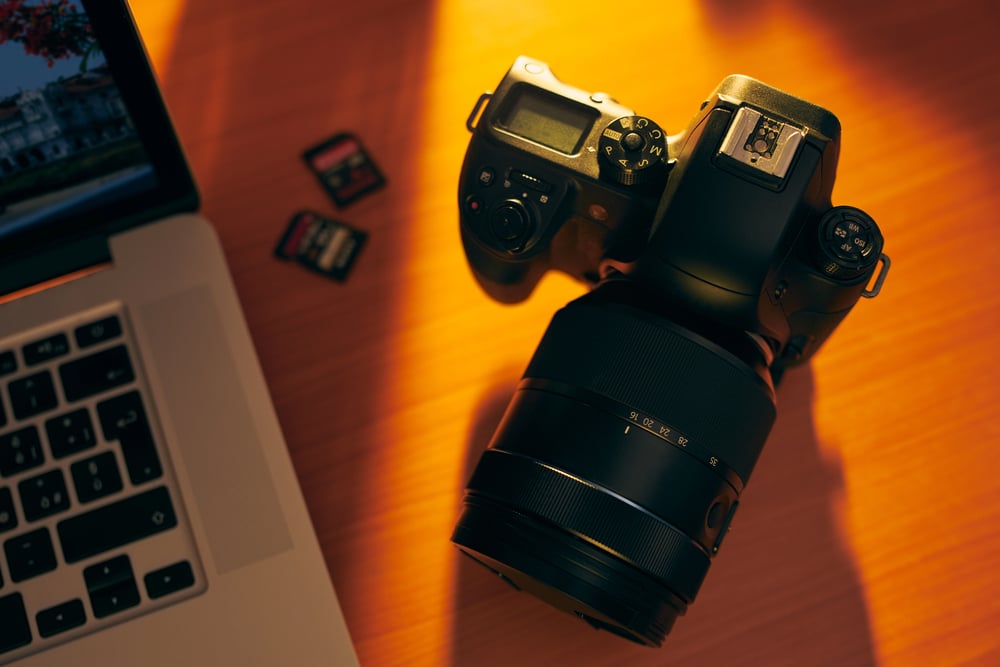
The military needed better surveillance and reconnaissance capabilities, so they developed electronic imaging sensors that could capture photos without film. These early digital cameras were bulky and expensive, but they offered huge advantages for intelligence gathering.
Consumer versions started appearing in the 1990s, and now film cameras are practically extinct.
Night Vision Goggles

Infrared technology was developed during World War II to help soldiers see in complete darkness. Early versions were massive and required huge power sources, but they gave troops a major advantage in nighttime operations.
Modern night vision gear is lightweight and affordable enough for hunters, security guards, and outdoor enthusiasts.
Jeeps

The U.S. military needed a lightweight, versatile vehicle that could handle rough terrain during World War II. Willys-Overland designed the MB model specifically for military use—it could carry troops, supplies, or weapons across almost any landscape.
After the war, Jeep started making civilian versions, and the brand became synonymous with rugged outdoor vehicles.
Freeze-Dried Food

Military rations needed to be lightweight, nutritious, and shelf-stable for troops in the field. Freeze-drying removed water from food while preserving nutrients and flavor much better than traditional preservation methods.
Backpackers and campers discovered these meals were perfect for outdoor adventures, and now you can find freeze-dried everything at sporting goods stores.
Velcro

Swiss engineer George de Mestral got the idea for Velcro after studying how burrs stuck to his dog’s fur during walks. NASA adopted the fastening system for space missions because it worked in zero gravity.
The military quickly saw its potential for equipment that needed quick attachment and removal, and soon Velcro was everywhere from shoes to jackets.
Super Glue
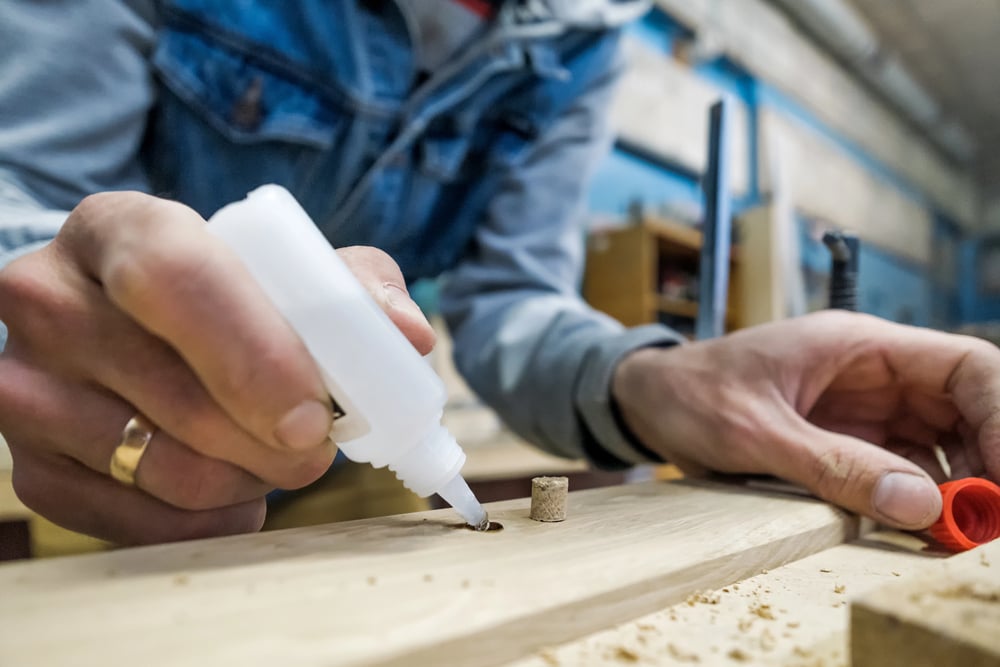
Researchers at Eastman Kodak were trying to develop clear plastic gun sights during World War II when they accidentally created cyanoacrylate. The stuff bonded to everything it touched, making it useless for optics but perfect for emergency repairs.
Military medics started using it to close wounds in Vietnam, and civilians discovered it could fix broken household items instantly.
Cargo Pants

Military personnel needed extra pockets to carry maps, ammunition, radios, and other essential gear. The loose fit and reinforced fabric could handle rough conditions while keeping equipment accessible.
Fashion designers picked up on the utilitarian style in the 1990s, and cargo pants became a civilian staple for people who needed to carry lots of stuff.
Walkie-Talkies

Motorola developed portable two-way radios for the military during World War II to coordinate troops across battlefields. The handheld units allowed instant communication without telephone lines or complex equipment.
Construction workers, security teams, and outdoor enthusiasts adopted the technology for situations where cell phones weren’t practical or reliable.
Energy Bars

Military researchers needed portable, high-energy food that soldiers could eat quickly without preparation. These concentrated nutrition bars packed maximum calories and nutrients into a small package that wouldn’t spoil in extreme conditions.
Athletes and busy professionals discovered they were perfect for sustained energy, spawning an entire industry of sports nutrition products.
Aviator Sunglasses

Ray-Ban developed these distinctive glasses for military pilots who needed eye protection at high altitudes. The teardrop shape and anti-reflective lenses reduced glare while maintaining peripheral vision—crucial for spotting enemy aircraft.
The classic style caught on with civilians who wanted to look cool, and aviators became a timeless fashion accessory.
Digital Wristwatches
The military needed accurate timekeeping for coordinated operations, and mechanical watches weren’t reliable enough under extreme conditions. Early digital watches used LED displays that were easier to read in low light and could include additional functions like stopwatches and alarms.
Consumer electronics companies refined the technology, making digital watches affordable and popular throughout the 1970s and 80s.
Computer Mice

Douglas Engelbart developed the computer mouse while working on military computer interfaces at Stanford Research Institute. The military funded research into more intuitive ways for operators to interact with complex computer systems.
When personal computers started appearing in offices and homes, the mouse became the standard pointing device that made computers accessible to regular people.
Tactical Flashlights

Military operations required reliable, bright lighting that could withstand abuse and function in any weather. These flashlights used advanced LED technology and aircraft-grade aluminum construction to deliver powerful illumination in a compact package.
Law enforcement officers, mechanics, and outdoor enthusiasts adopted tactical flashlights for their superior brightness and durability compared to regular flashlights.
From Battlefield to Main Street

Military innovation continues driving technological progress in ways most people never realize. The demanding requirements of defense applications push engineers to solve problems that civilian markets haven’t even identified yet.
What seems like futuristic military gear today might be sitting in your garage or kitchen drawer tomorrow. The cycle keeps repeating—military necessity sparks innovation, and civilian ingenuity finds new applications that transform everyday life in unexpected ways.
More from Go2Tutors!

- The Romanov Crown Jewels and Their Tragic Fate
- 13 Historical Mysteries That Science Still Can’t Solve
- Famous Hoaxes That Fooled the World for Years
- 15 Child Stars with Tragic Adult Lives
- 16 Famous Jewelry Pieces in History
Like Go2Tutors’s content? Follow us on MSN.