Famous Messages Hidden in Vinyl Records
Vinyl has always been able to convey more than just music.
Artists, engineers, and pressing plants have long left little surprises for the fans who pay close attention behind the warmth and crackle.
These messages were never included in the songs themselves.
They were incorporated into the culture around them by being etched into run-out grooves.
They were slipped into locked loops.
They were hidden in odd pressing quirks.
They provided individuality.
They provided humor.
They provided defiance.
They provided occasionally cryptic clues as to the artist’s current thoughts.
The understated nature of these additions contributed to their allure.
Years may pass before a listener notices a faint text scratch or a whisper-like loop concealed in the last seconds of a record they own.
These messages were gifts woven into the medium.
They fostered a sense of discovery that digital formats cannot fully replicate.
They weren’t there to be advertised or explained.
A closer look at some of the most memorable secret messages ever recorded is provided here.
Led Zeppelin’s cryptic run-out etchings
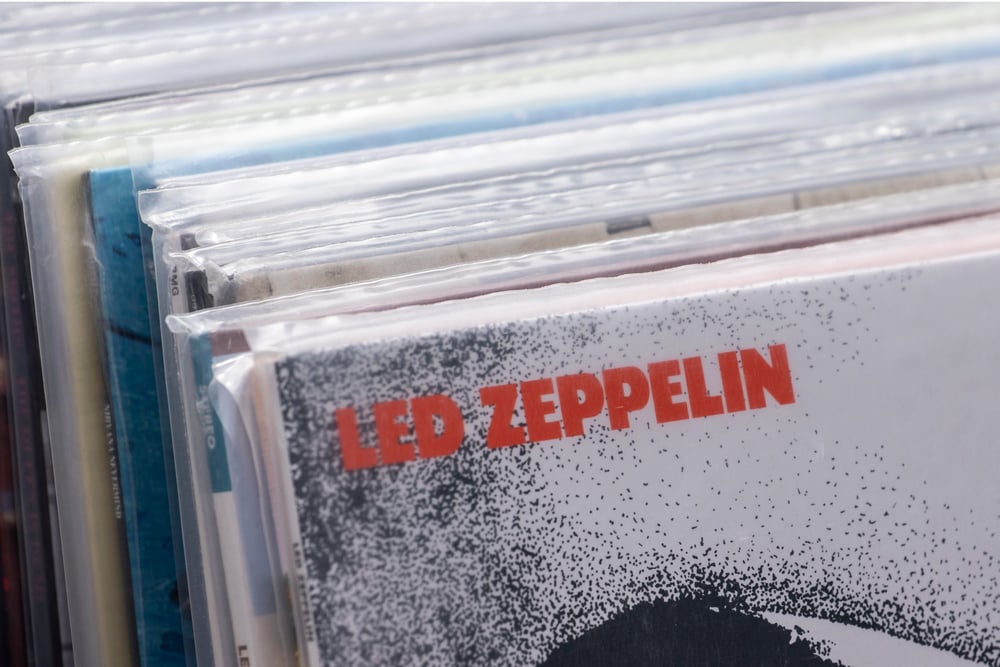
Led Zeppelin embraced mystery long before the internet dissected every move musicians made.
Early pressings of ‘Led Zeppelin III’ and ‘Led Zeppelin IV’ carry short phrases scratched into the run-out groove by engineer George Peckham.
One reads ‘Do what thou wilt.’
It is a line associated with Aleister Crowley.
His ideas fascinated many rock musicians of the era.
Another inscription reads ‘So mote it be.’
It added to the folklore surrounding the band’s fascination with mythology and symbols.
These tiny etchings became part of the band’s larger mythos.
Fans who spent time flipping through vinyl shops in the ’70s often compared notes.
They pointed out differences between pressings.
They debated whether the inscriptions were a statement or simply artistic indulgence.
Even so, there was no official explanation from the band.
It made the messages feel like fragments of a private language.
They captured a moment in rock history when secrecy felt exciting rather than manufactured.
The Beatles’ playful loop on Sgt. Pepper

The Beatles didn’t just leave a message.
They left an infinite one.
The original UK pressing of ‘Sgt. Pepper’s Lonely Hearts Club Band’ ends with a locked groove containing a scrambled snippet of chatter that plays endlessly until someone lifts the needle.
It was a tiny burst of absurd humor tucked at the end of an album already full of experimentation.
It reflected the band’s restless curiosity during that era.
Listeners who let the needle ride to the very end often jumped a little the first time they heard it.
The moment breaks the neat finish most records offer.
It creates something closer to a prank.
Still, the loop has become part of the album’s legend.
It shows how deeply the band enjoyed bending the rules of their own medium.
It’s an example of how vinyl’s physical form allowed for playful interruption in a way streaming can’t replicate.
Joy Division’s stark inscriptions on Unknown Pleasures

‘Unknown Pleasures’ is famous for its pulsar-wave cover art.
The run-out grooves hold their own quiet impact.
Early Factory Records pressings feature the phrases ‘This is the way’ on one side and ‘Step inside’ on the other.
They reflect the band’s spare, haunting aesthetic.
They almost read like fragments of Ian Curtis’s notebooks.
These short messages feel like an extension of the album’s atmosphere.
They don’t explain anything.
They add emotional weight.
They reinforce the starkness that sits at the heart of Joy Division’s sound.
Fans who discovered the inscriptions sometimes described feeling as though they’d stumbled onto something not intended for public view.
That said, the messages were deliberate.
Factory Records understood how to turn tiny details into pieces of identity.
The Clash leaving their mark on London Calling

The Clash had a sharp sense of personality.
It shows even in the dead wax of ‘London Calling’.
Several early copies feature short etched notes like ‘Tear down the walls’ and other small signatures from the mastering engineers.
These messages weren’t loud or pointed.
They matched the album’s energy.
It was a mix of rebellion.
It was a mix of urgency.
It was a mix of rough-edged creativity.
The inscriptions also reflected the hands-on nature of the production process.
Engineers at the time often added small signatures or phrases as a kind of maker’s mark.
In the case of The Clash, these additions blended naturally with the band’s spirit.
They turned a manufacturing detail into part of the album’s identity.
They gave the sense that the people behind the scenes believed in the work just as fiercely as the band did.
Pink Floyd’s hidden voice on The Wall

Vinyl enthusiasts often mention the faint voice buried at the very end of ‘The Wall’.
After the music fades, a small snippet of dialogue plays in the final groove.
It is almost like a whisper caught in passing.
The line connects the ending back to the album’s opening.
It creates a loop that reinforces the circular structure of the story.
It wasn’t an inscription etched into metal.
It was a hidden fragment of audio that rewarded listeners who let the record play all the way through.
This moment fits neatly into Pink Floyd’s broader approach to sound design.
The band often treated albums as living sculptures rather than simple collections of tracks.
Even the decision to hide audio at the end speaks to their instinct for atmosphere.
It shows a desire to keep the narrative alive for anyone willing to sit with it a little longer.
On the other hand, it also served as a clever bit of continuity in an album that meditates on isolation and cycles.
The ‘Porky Prime Cut’ signature across multiple records

Mastering engineer George ‘Porky’ Peckham deserves his own category in the history of vinyl messages.
Throughout the ’70s and ’80s, he carved ‘A Porky Prime Cut’ into countless albums he mastered.
It turned the phrase into a cult symbol for audiophiles.
His etchings often came with small jokes or short personal notes.
They gave each pressing a handmade feel.
Collectors quickly learned that seeing his signature usually meant they were holding a lively, punchy pressing.
Even so, the real charm was the sense of personality he brought to the work.
Peckham treated the run-out groove as a place where he could add a flourish.
It was the same way a painter might tuck initials into the corner of a canvas.
It added warmth to an otherwise mechanical process.
It made mass-produced records feel a little more human.
Hidden oddities in double-groove and experimental pressings
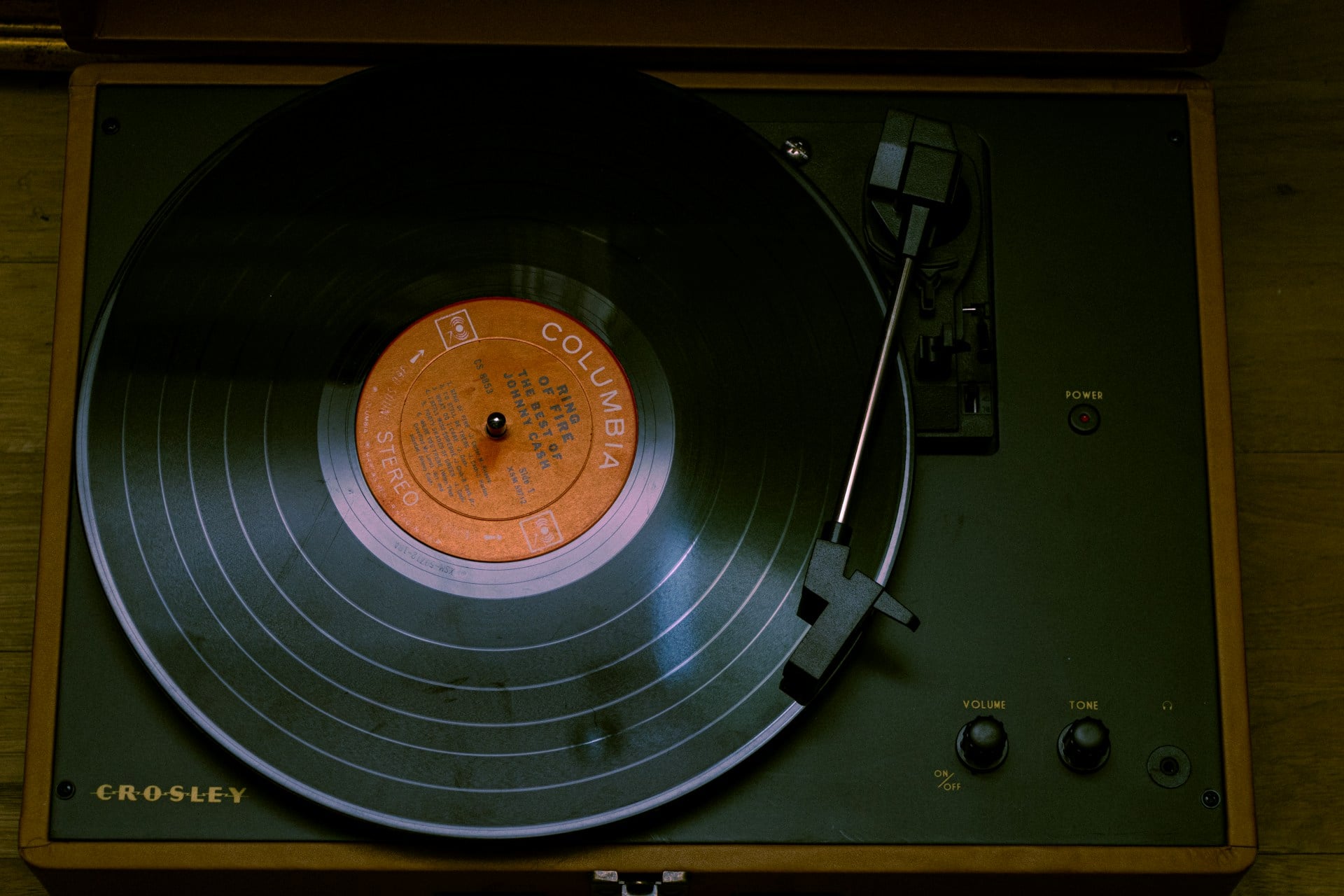
Some messages weren’t words at all.
They were structural tricks.
A few records from the ’70s and ’80s used dual grooves so that the needle could land in one of two tracks at random.
It created alternate intros or endings.
Others included locked loops that played short audio snippets forever.
They turned the run-out area into an artistic statement rather than a quiet fade.
These experiments show how deeply artists understood vinyl as more than a carrier of sound.
The medium offered creative opportunities tied directly to its mechanics.
Dual-groove records turned listening into an act of chance.
Fans found themselves comparing versions with friends.
They created conversations that stretched far beyond the album sleeve.
These quirks made the music feel participatory.
It was as if each spin had its own personality.
The legacy etched into every groove
The subliminal messages on vinyl serve as a reminder that music is more than just what is played through speakers.
They are small relics from a time when records were tangible items molded by mastering engineers, label employees, and artists.
Many of these inscriptions were never promoted.
They influenced the tales that fans told in living rooms and record stores.
These messages provide yet another link between the past and present as vinyl continues to make a comeback today.
They serve as little reminders that creativity frequently lurks in the shadows.
It waits to be discovered by someone who is interested enough.
More from Go2Tutors!

- The Romanov Crown Jewels and Their Tragic Fate
- 13 Historical Mysteries That Science Still Can’t Solve
- Famous Hoaxes That Fooled the World for Years
- 15 Child Stars with Tragic Adult Lives
- 16 Famous Jewelry Pieces in History
Like Go2Tutors’s content? Follow us on MSN.