16 Rare Traditions of Japan’s Royal Family
Japan’s imperial family represents the world’s oldest continuous monarchy, with traditions stretching back over 1,500 years. These customs blend ancient Shinto beliefs with court etiquette that has evolved through centuries of political change.
Many of these practices remain hidden from public view, performed within the walls of the Imperial Palace or passed down through generations of royal protocol. The imperial household maintains these traditions with remarkable precision, from elaborate naming ceremonies to strict social hierarchies that govern daily interactions.
The Shadow Protocol
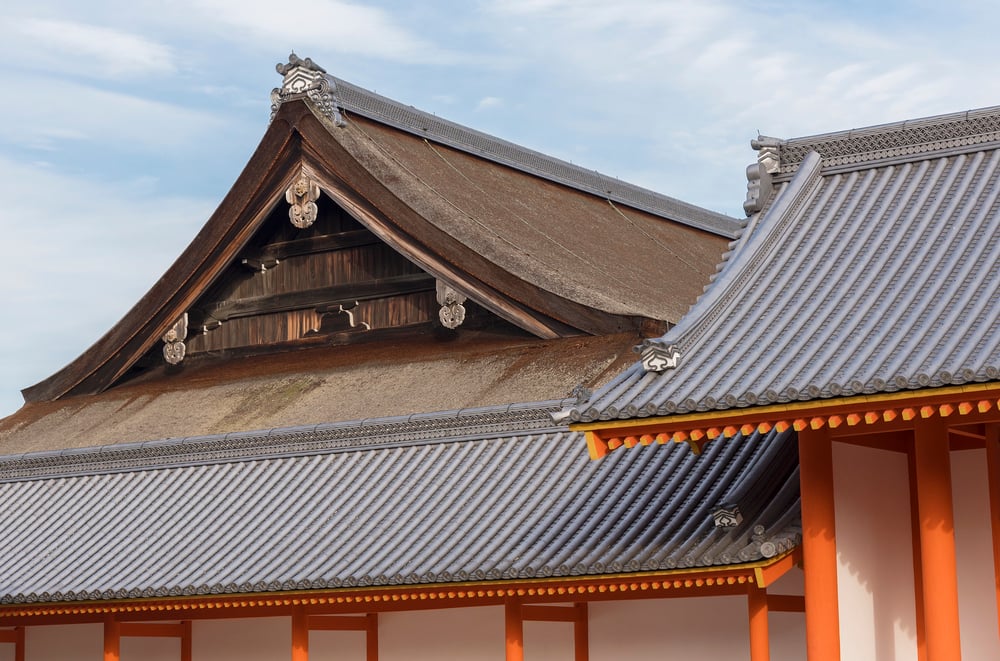
Female members of the imperial family cannot step on the Emperor’s shadow, a rule that extends to all interactions in both public and private settings. This ancient custom reflects the traditional belief in the Emperor’s divine status and requires constant awareness of positioning during ceremonies and daily activities.
The protocol becomes particularly challenging during formal events where precise choreography ensures no accidental violations occur.
Sacred Rice Cultivation

The Emperor personally tends rice fields within the Imperial Palace grounds, planting and harvesting rice used exclusively for religious ceremonies. This tradition connects the modern monarchy to Japan’s agricultural roots and the Emperor’s role as the nation’s chief priest.
The harvested rice becomes offerings during major festivals and represents the Emperor’s responsibility for his people’s prosperity.
The Empress’s Silkworm Duties
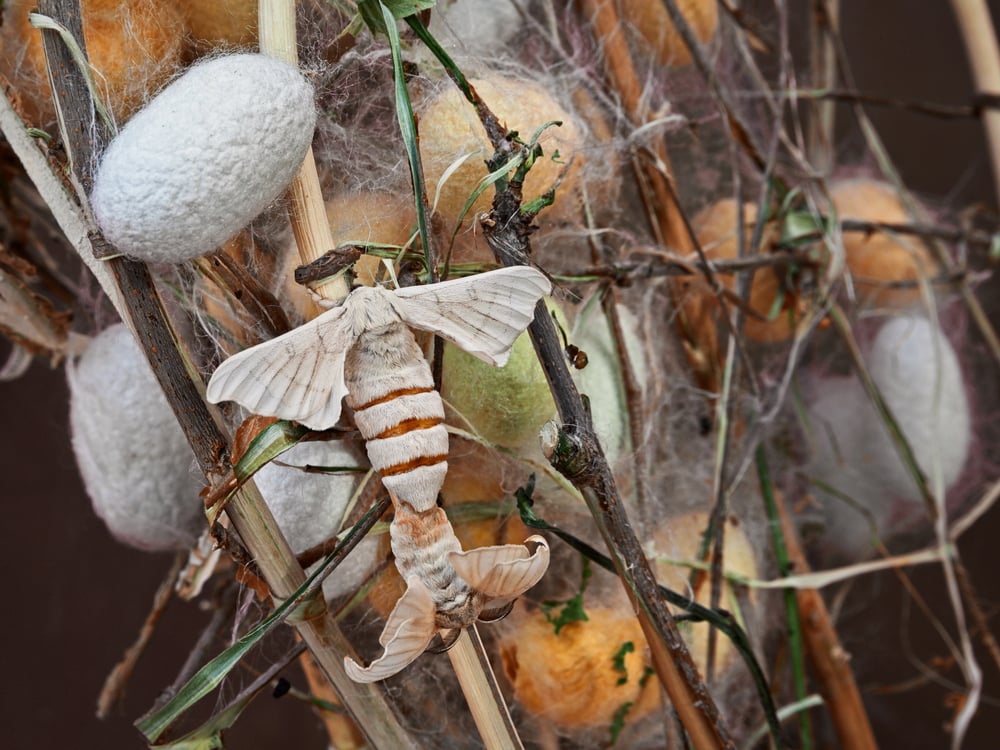
Since 1872, Japanese empresses have raised silkworms in the Momijiyama Imperial Cocoonery. Empress Masako personally feeds the silkworms from spring through early summer, tending to species that closely resemble those raised in ancient times.
The silk produced becomes material for recreating classic textiles housed in the Shōsōin treasure house at Tōdaiji temple in Nara.
Nine-Year-Old Wine Ceremony
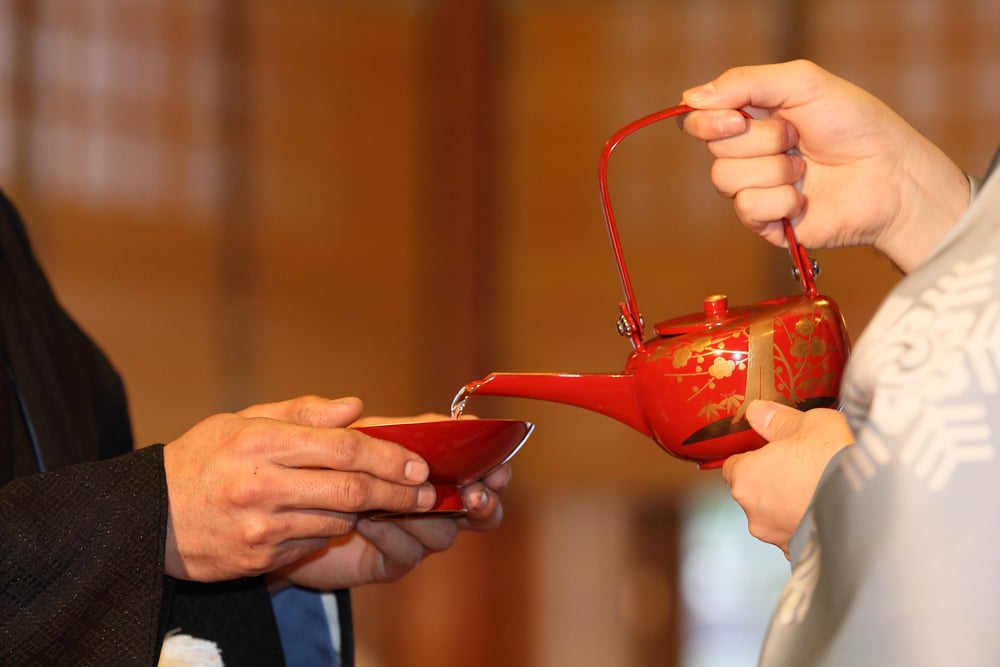
During coming-of-age ceremonies, imperial family members sip wine that has aged for exactly nine years while eating ritual food with chopsticks. This tradition marks the transition to adulthood and includes changing into formal court attire with specific crowns and ceremonial clothing.
The ceremony concludes with the presentation of orders, decorations, and medals according to the person’s rank within the imperial hierarchy.
The 50-Day Temple Visit
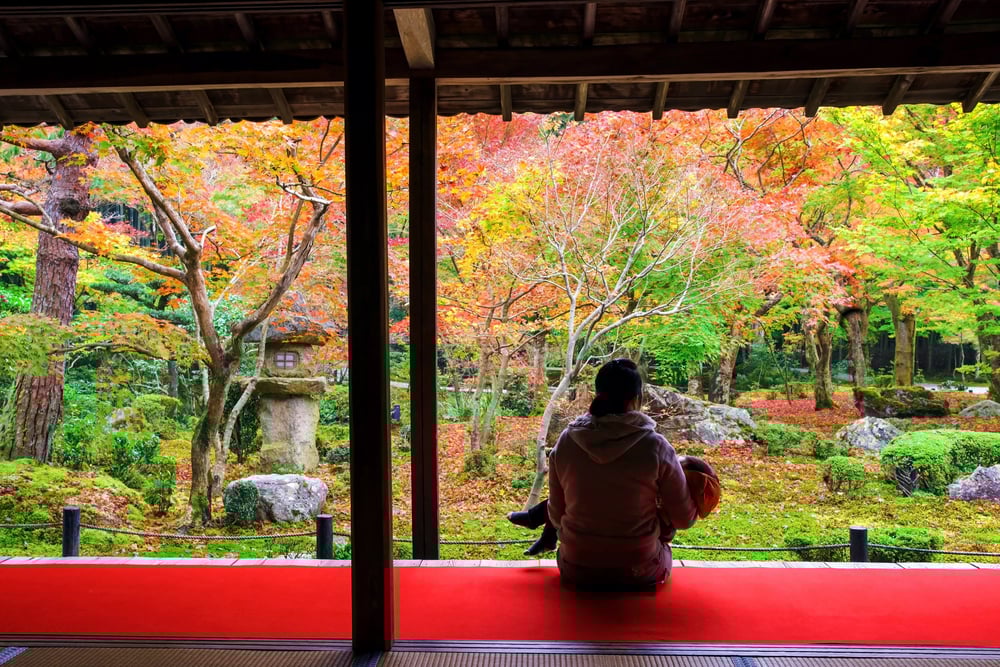
Newborn imperial children make their first visit to the Three Palace Sanctuaries precisely 50 days after birth, accompanied by their parents in a Shinto ceremony called Miyamairi. The visit follows a specific route starting at the Kashikodokoro, then the Koureiden, and finally the Shinden.
This ritual formally introduces the child to the imperial ancestors and establishes their spiritual connection to the throne.
Funeral Attendance Restrictions
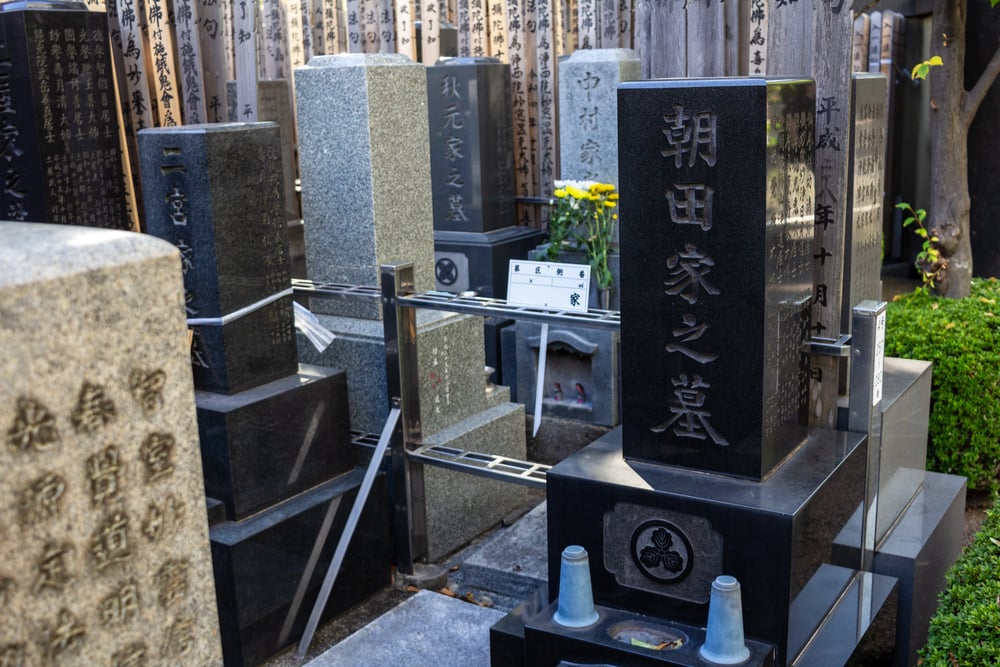
The Emperor and Empress never attend funerals of commoners, even close relatives, and don’t attend services for lower-ranking imperial family members. Their chief chamberlain represents them at such events, maintaining the spiritual purity required for their religious duties.
This protocol extends to wedding ceremonies, where the imperial couple traditionally receives reports of marriages rather than attending the actual ceremonies.
The Phoenix Umbrella Walk
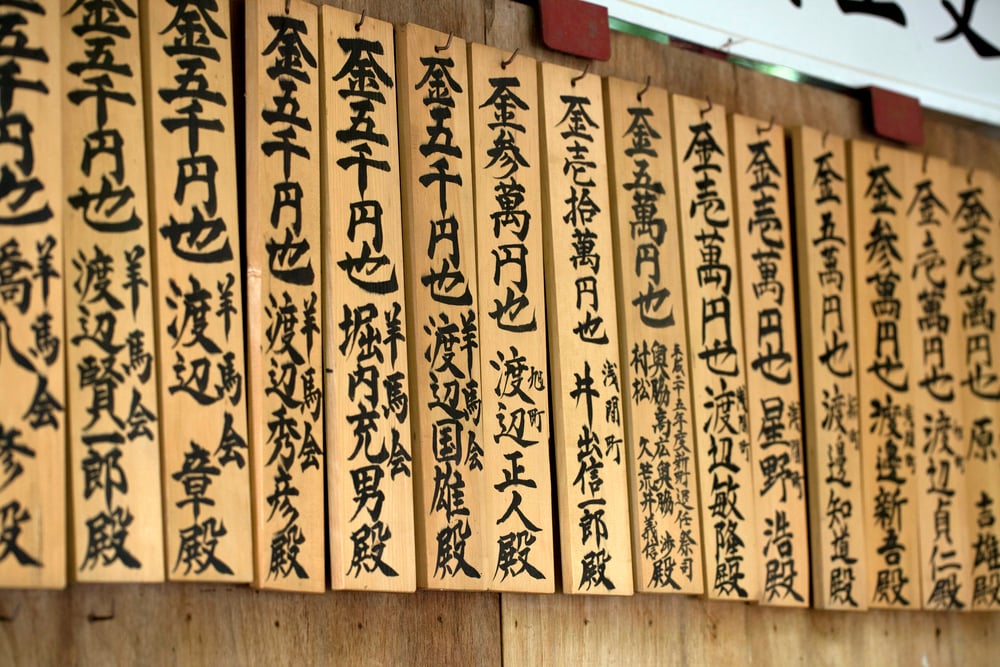
During the secret Daijosai ceremony, the Emperor walks on specially unrolled mats so his feet never touch the ground, while a phoenix-topped umbrella shields him from air above. This elaborate procession symbolizes his divine nature and prevents any defilement during the most sacred imperial ritual.
The ceremony costs over $24 million and involves constructing temporary buildings used only once.
Mandatory Male Precedence
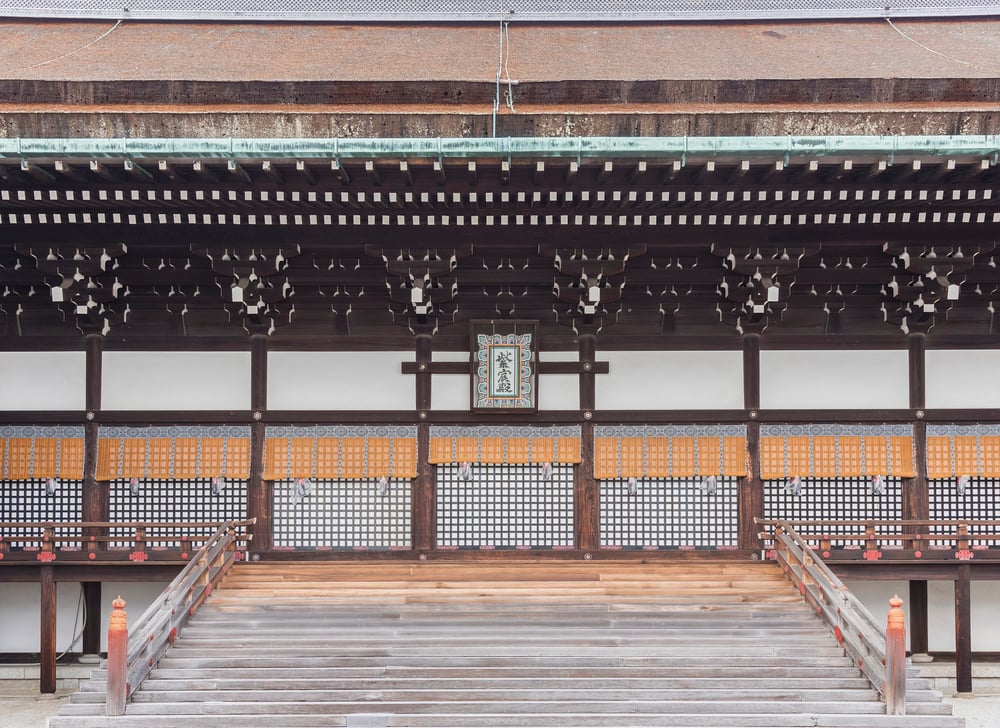
Imperial women must always walk behind men and bow when their husbands exit vehicles, even in private family settings. During public events, wives exit cars first but must step aside and wait for their husbands before proceeding.
This hierarchy extends to speaking order during press conferences, where women’s responses cannot exceed the length of their male relatives’ comments.
The Paulownia Box Naming
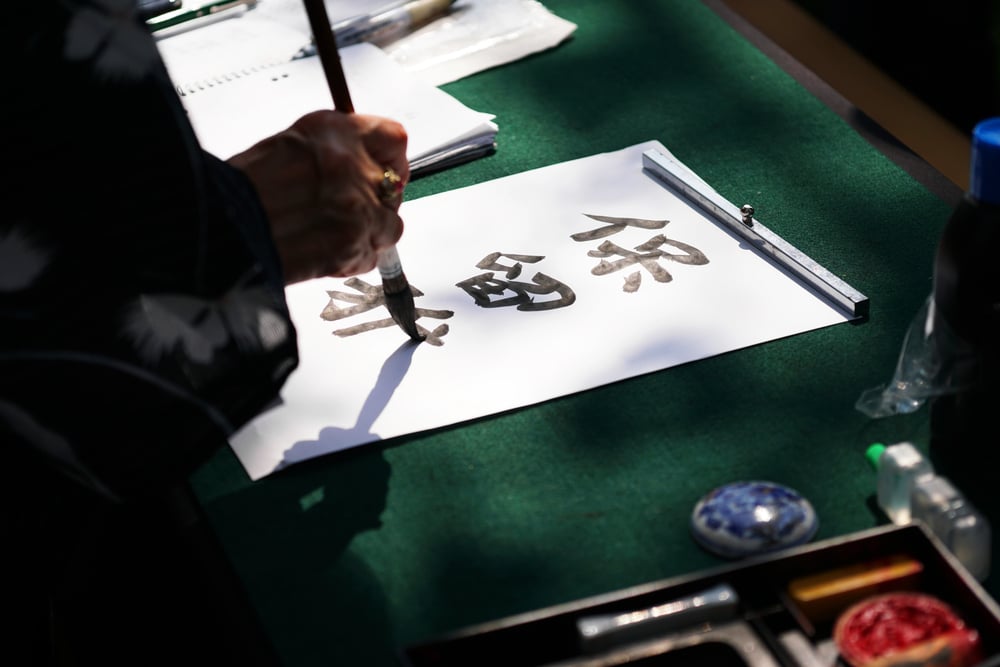
When imperial children receive their names, the characters are written with a brush on special Odakadan-gami paper, and a paper bearing the child’s personal seal is placed in a paulownia wood box at their bedside. The name became official only after being recorded in the Imperial Records the day following the ceremony.
This ritual combines calligraphy, traditional materials, and spiritual significance in one elaborate process.
Sacred Meal Communion
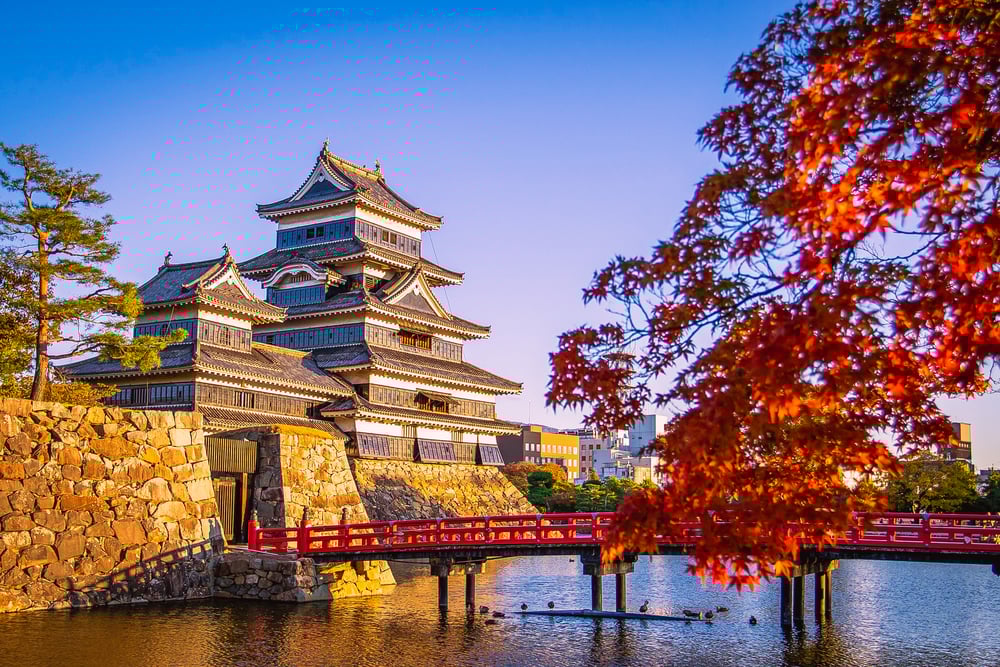
The Emperor performs a divine communion ritual during the Daijosai by eating sacred rice and drinking sake made from imperially grown grain while kneeling on mats facing the Grand Shrine of Ise. This act represents his unique unity with the sun goddess Amaterasu and his role as intermediary between the divine and Japanese people.
The ritual takes place in specially constructed huts that are demolished after single use.
Court Orchestra Maintenance
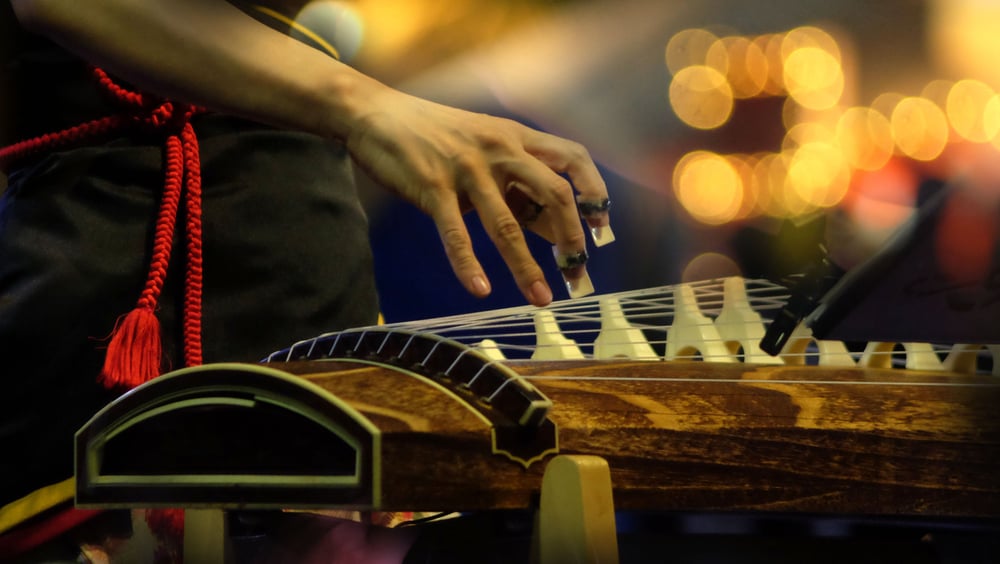
The imperial household maintains a 24-piece traditional gagaku orchestra with 1,000-year-old instruments including koto and shō that perform during palace ceremonies. These musicians represent an unbroken musical tradition dating back to the Heian period and play compositions that have remained unchanged for centuries.
The orchestra’s performances accompany the most sacred imperial rituals and state functions.
Three Sacred Treasures Transfer
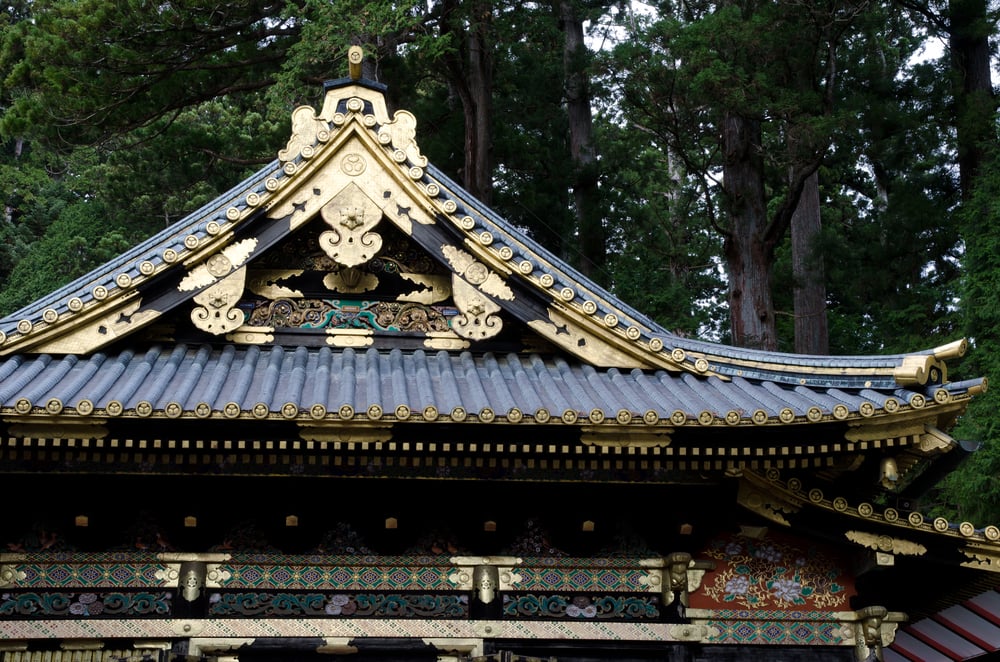
During enthronement ceremonies, the new emperor receives boxes containing replicas of the sacred sword and jewel, while the sacred mirror remains hidden from all but the emperor and select Shinto priests. This transfer represents the continuation of divine authority from the sun goddess Amaterasu and marks the most important moment in imperial succession.
The actual treasures have never been publicly displayed and their exact appearance remains unknown.
Pregnancy Day Rituals

Imperial women undergo a ceremony on the ‘day of the dog’ during their ninth month of pregnancy to pray for safe delivery. This tradition reflects the belief that dogs give birth easily and will transfer that blessing to the expectant mother.
The ritual involves specific offerings and prayers conducted at the palace sanctuaries with only close family members present.
Hakama and Crown Ceremonies
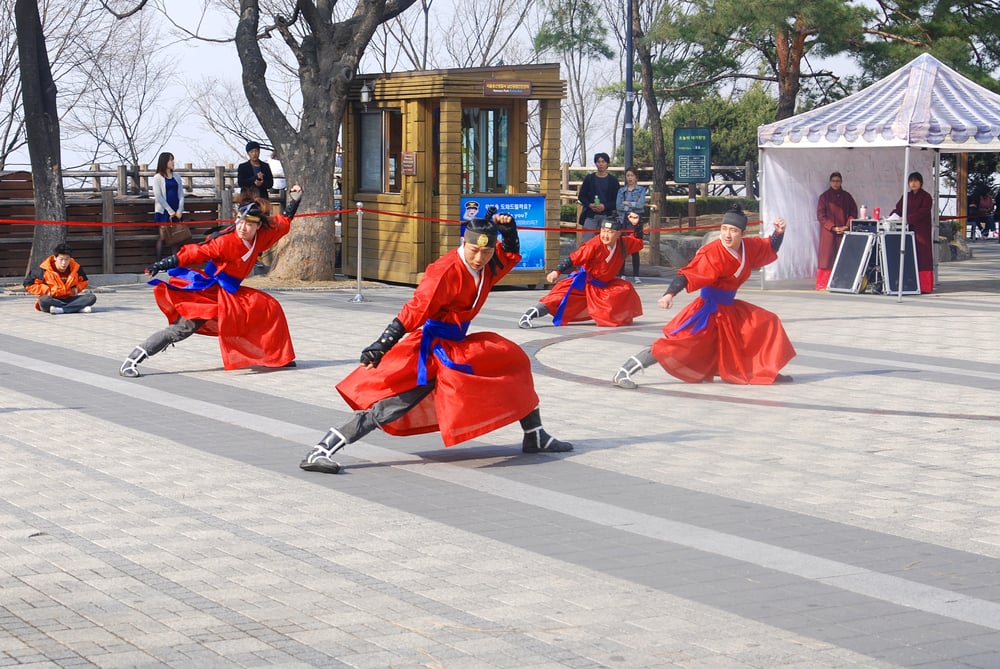
Male imperial family members participate in coming-of-age ceremonies where they change from childhood clothing to adult court dress including Sueki-no-Hao robes and crowns with hanging tails. After the clothing change, they visit the three halls of the Imperial Palace in their new attire.
This tradition, called the Fukasogi Ritual, has been performed exclusively for males and occurs rarely – sometimes with decades between ceremonies.
Monthly Palace Worship
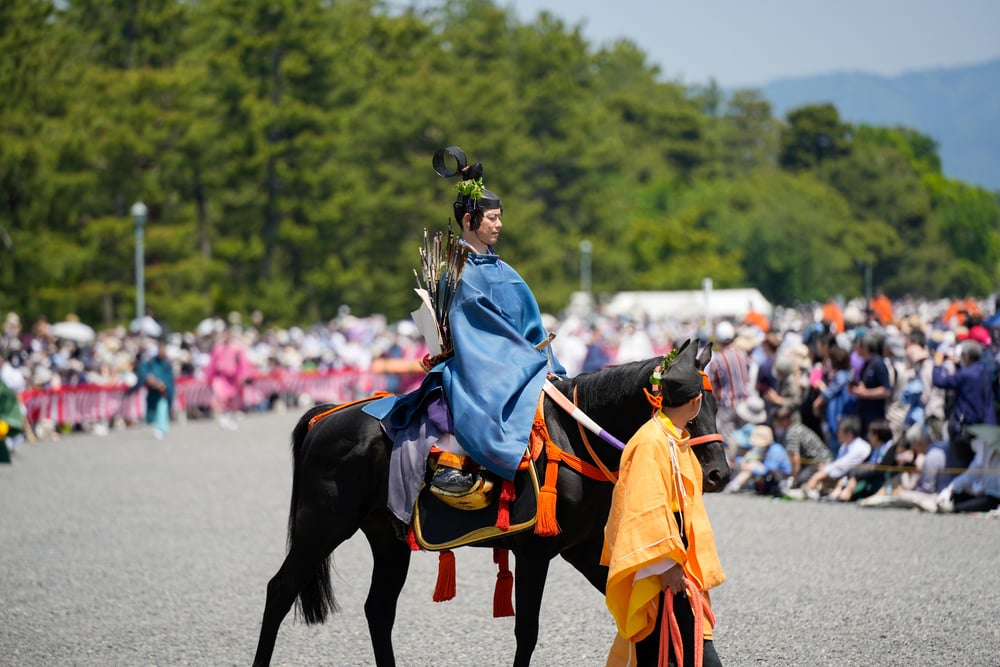
The Emperor offers prayers at palace sanctuaries on the 1st, 11th, and 21st of each month, with the first day ceremony requiring his personal participation rather than delegation to priests. These regular observances maintain his connection to imperial ancestors and his responsibility for the nation’s spiritual wellbeing.
The precise timing reflects ancient calendar systems and agricultural cycles that still govern imperial religious life.
Imperial Poetry Competition
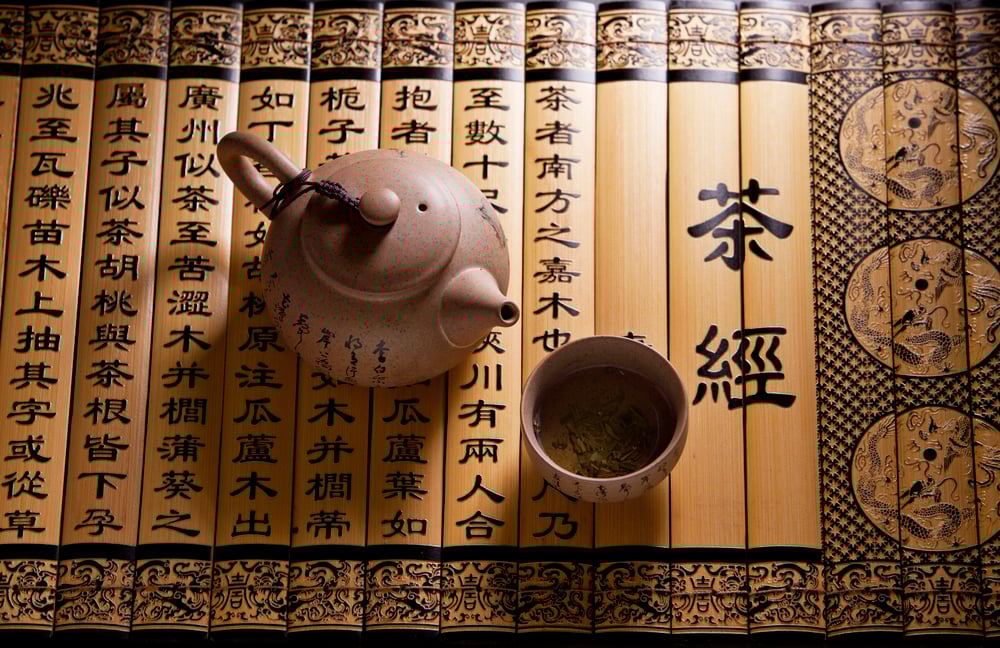
The Emperor hosts the annual Utakai Hajime poetry reading competition, where selected citizens present their work alongside imperial family compositions. This tradition elevates poetry as a refined court art and maintains the Emperor’s role as cultural patron.
The competition themes change yearly, and participation represents one of the highest honors a Japanese poet can receive.
Bridges Between Eras
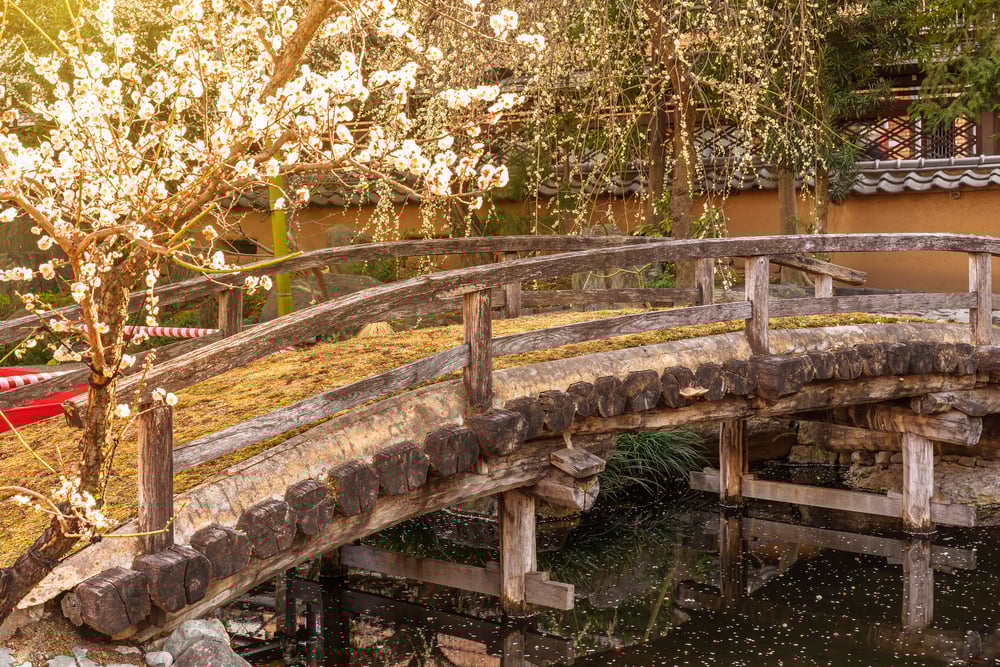
These ancient traditions continue to shape modern Japan’s imperial family, connecting contemporary royalty to practices older than most world religions. The rituals serve as living museums of Japanese spirituality and court culture, preserved through political upheavals and social transformations that have reshaped the nation.
Today’s imperial family maintains these customs while adapting to democratic society, proving that tradition and modernity can coexist when handled with reverence and flexibility.
More from Go2Tutors!

- The Romanov Crown Jewels and Their Tragic Fate
- 13 Historical Mysteries That Science Still Can’t Solve
- Famous Hoaxes That Fooled the World for Years
- 15 Child Stars with Tragic Adult Lives
- 16 Famous Jewelry Pieces in History
Like Go2Tutors’s content? Follow us on MSN.