Fascinating Facts About Fortune Cookies
Perhaps America’s most misunderstood dessert is fortune cookies. The majority of people believe that they are an old Chinese custom that has been handed down through the ages by sage thinkers who knew how to blend dessert and prophecy.
But the truth? It’s entirely different from what you would anticipate and far more fascinating. The tale of these crunchy treats with their enigmatic messages within is more American fantasy than traditional wisdom.
From their unexpected beginnings to the enormous industry they have grown into, fortune cookies offer intriguing insights into human psychology, business, and culture. These 12 amazing facts about fortune cookies will alter your perspective on your next Chinese takeaway.
They’re Actually American
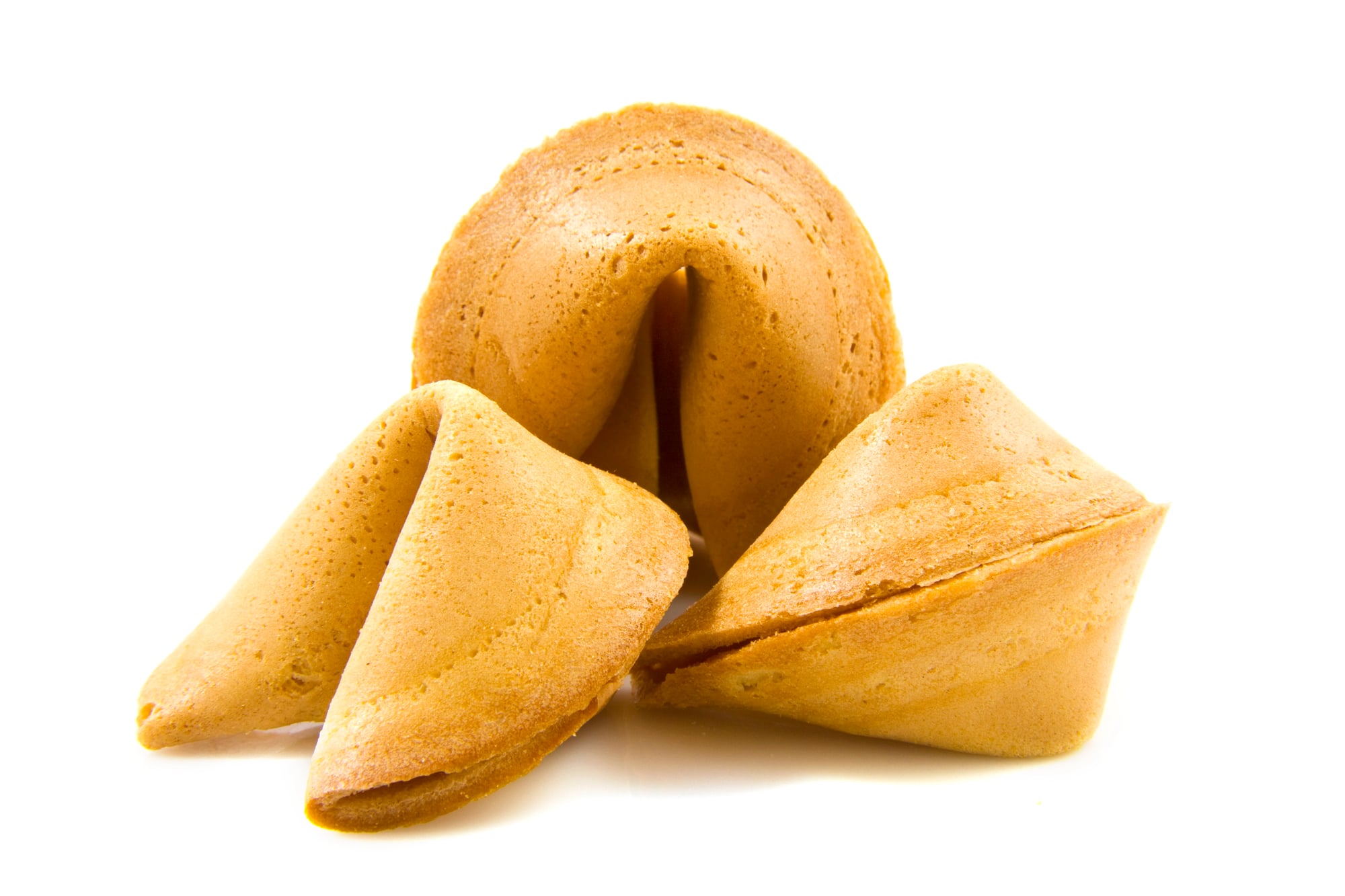
Fortune cookies were invented in California—not China—sometime in the early 1900s. Multiple immigrant families claim credit for the creation, though they all lived in America when they developed the recipe. People in China had never seen fortune cookies until American tourists started bringing them as gifts, thinking they were sharing authentic Chinese culture.
The Great Fortune Cookie War
Two California families fought a legal battle over who invented fortune cookies first. The Hagiwara family claimed they created them for the Japanese Tea Garden in San Francisco’s Golden Gate Park, while the Hong family insisted they invented them at their Los Angeles noodle factory. The dispute became so intense it went to a mock trial with actual judges—and the Hagiwara family won.
They’re Made by Machines Now
A single fortune cookie machine can produce up to 4,000 cookies per hour, which is probably faster than you can read the fortunes. The machines heat flat circles of batter, print fortunes on paper strips, fold the cookies into their distinctive shape, and package them all in one continuous process. Human workers used to fold each cookie by hand before the batter cooled—requiring lightning-fast reflexes and heat-resistant fingers.
The Fortune Writing Industry
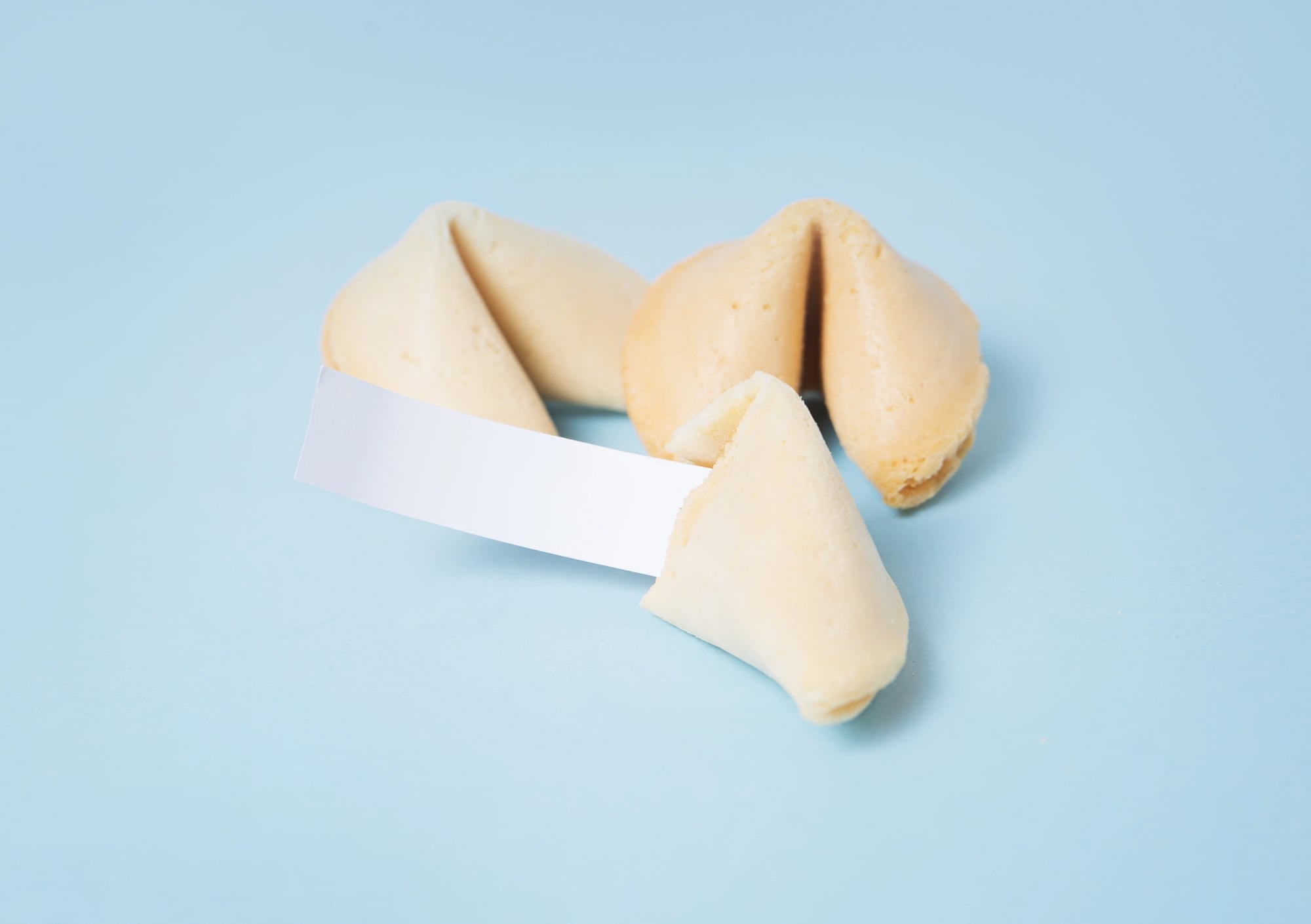
There are professional fortune writers who craft the messages that go inside cookies, and they take their job surprisingly seriously. The most famous fortune writer, Donald Lau, wrote over 100,000 fortunes during his career and treated each one like a tiny piece of literature. Companies maintain databases of thousands of fortunes—carefully avoiding anything too specific or potentially offensive.
Lucky Numbers Really Win

The lottery numbers printed on fortune cookie slips have actually helped people win millions of dollars. In 2005, 110 people won second prize in a Powerball drawing because they all used numbers from the same fortune cookie batch—the lottery officials initially suspected fraud until they realized the winners had simply followed their cookie’s advice.
China Imports Them from America

Despite being associated with Chinese cuisine, China actually imports most of its fortune cookies from American manufacturers. Chinese bakeries started making them only after tourists kept asking for them—creating demand for something that was never part of traditional Chinese culture. It’s like Americans expecting every Italian restaurant to serve General Tso’s chicken.
They Have Their Own Holiday
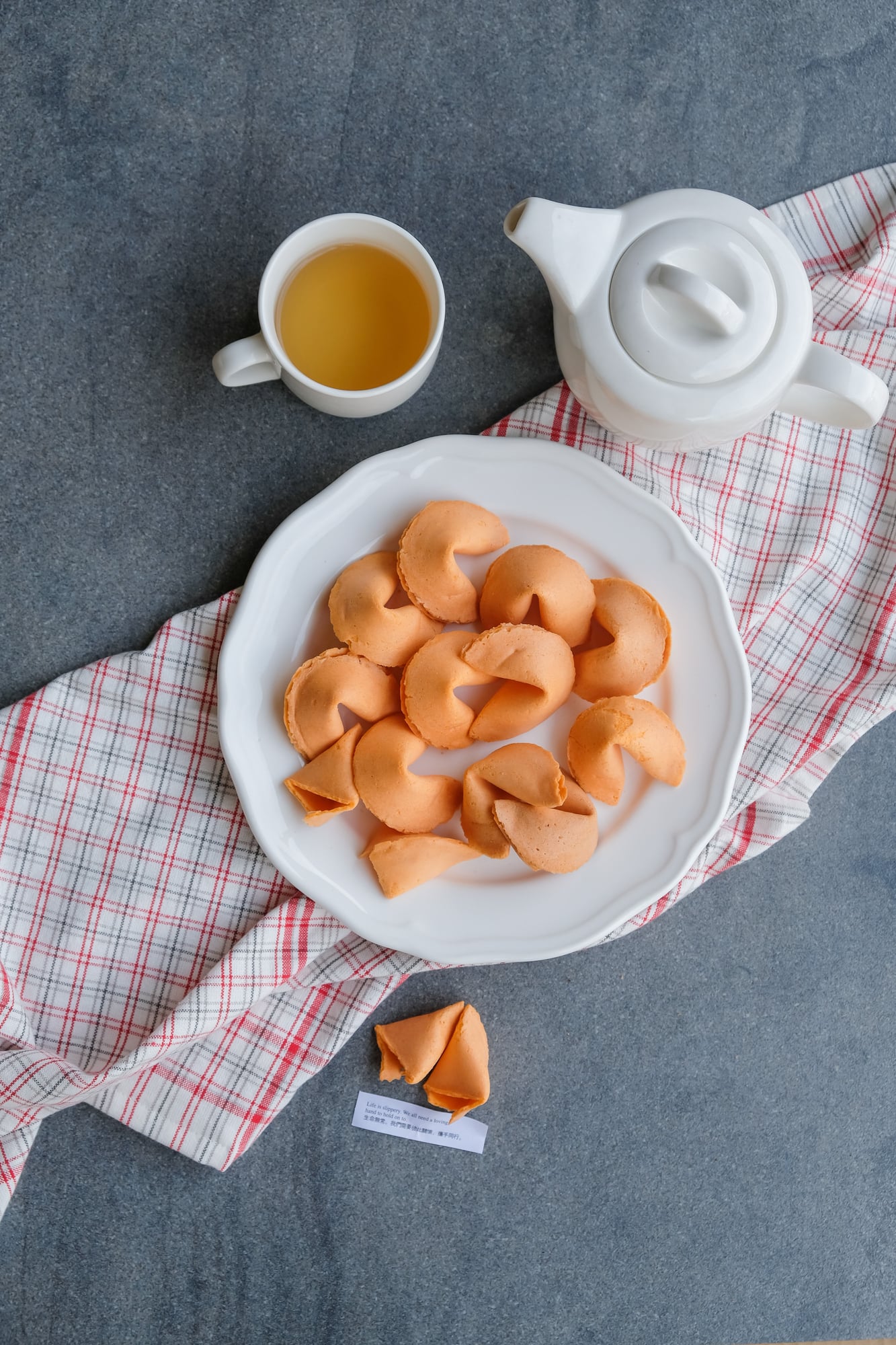
National Fortune Cookie Day falls on September 13th, though most people have no idea it exists. The holiday was created by fortune cookie manufacturers who wanted to boost sales during a typically slow period. Some restaurants offer free cookies on this day—while others create special edition fortunes for the occasion.
The Paper Matters More Than the Cookie

Most people throw away the cookie and keep the fortune, which explains why the paper industry for fortune cookies is surprisingly sophisticated. The strips must be food-safe, the right size to fit inside the cookie—and printed with ink that won’t smudge when exposed to heat and humidity. Some companies use special paper that prevents the fortunes from sticking to the cookie during baking.
Military Uses Fortune Cookies

The U.S. military has used fortune cookies for psychological operations—inserting custom messages and dropping them in areas where they wanted to communicate with local populations. During the Iraq War, they distributed cookies with messages in Arabic encouraging people to report terrorist activities. It’s probably the only time fortune cookies have been used as a legitimate military strategy.
Generic Fortunes Dominate
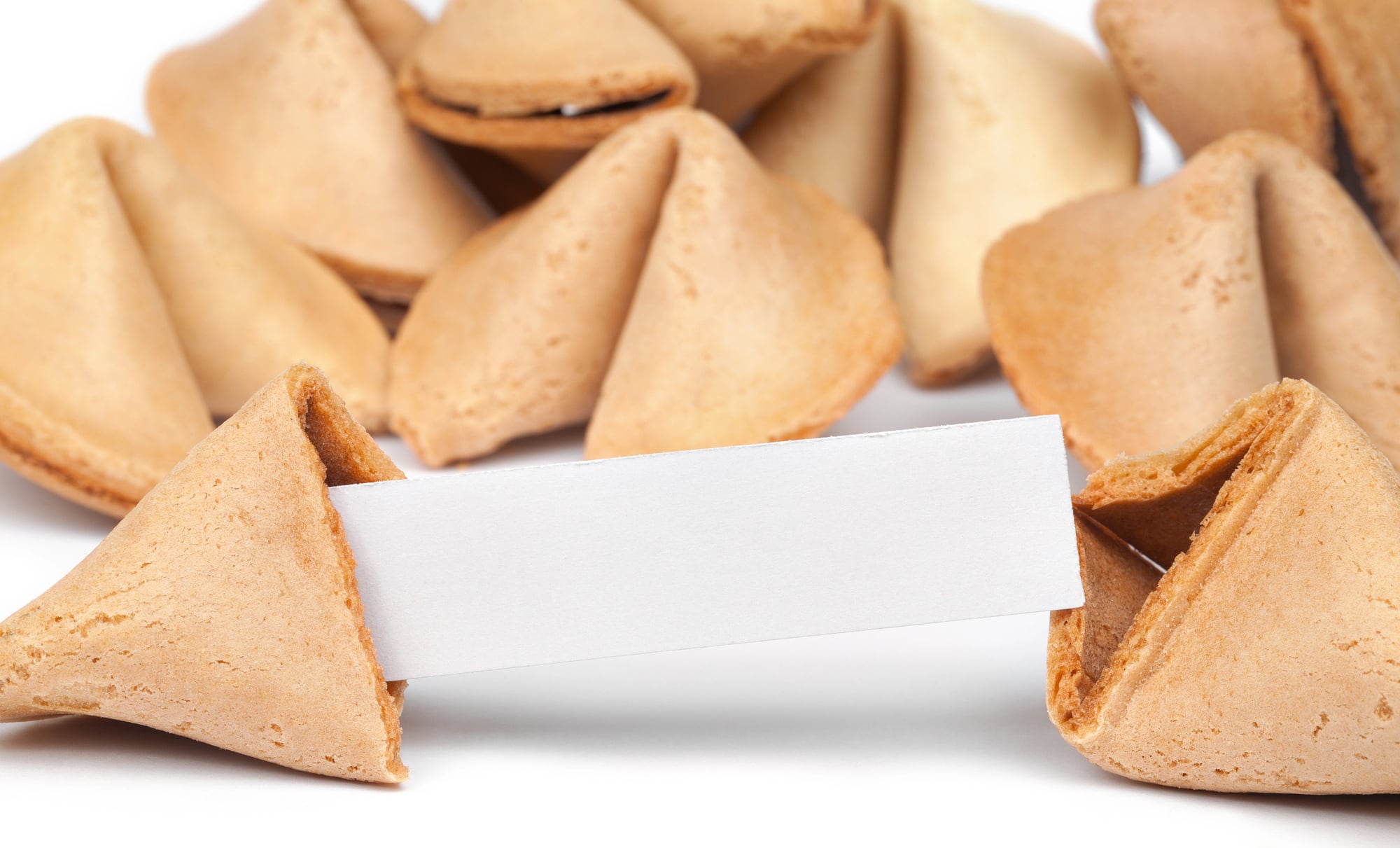
About 15 standard fortunes appear in roughly 60% of all fortune cookies produced. Messages like “A pleasant surprise is waiting for you” and “Your future is created by what you do today” get recycled constantly because they’re vague enough to seem relevant to almost anyone. Fortune cookie companies discovered that people prefer broadly applicable messages over specific predictions—though nobody wants to admit it.
They’re Banned in Some Places
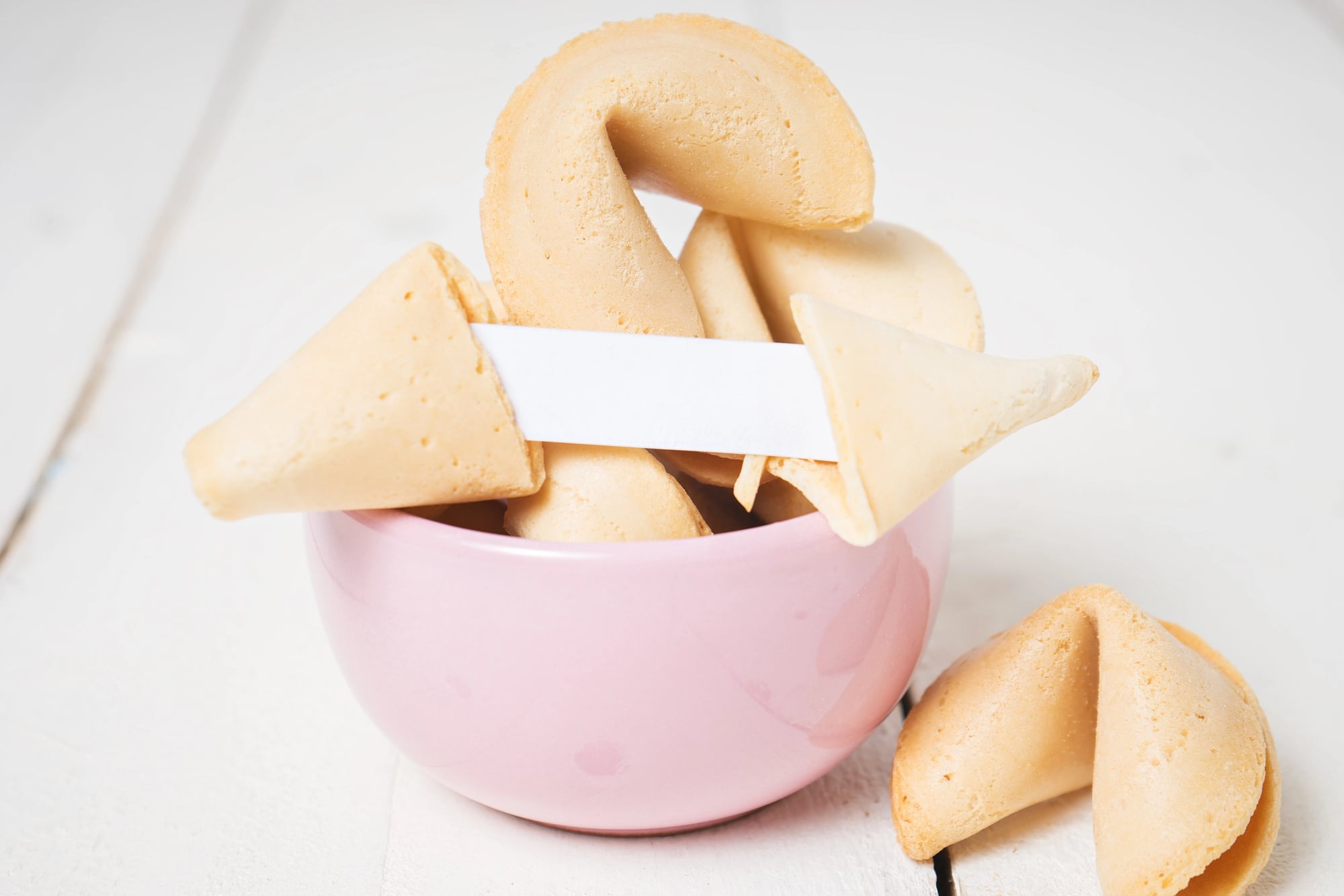
Several countries have banned fortune cookies because they consider the fortunes a form of gambling or fortune-telling, which violates local laws. Some religious communities avoid them since they view the predictions as conflicting with their beliefs about divine will. These restrictions have created black market fortune cookie trades in certain regions.
The Folding Process Is Crucial

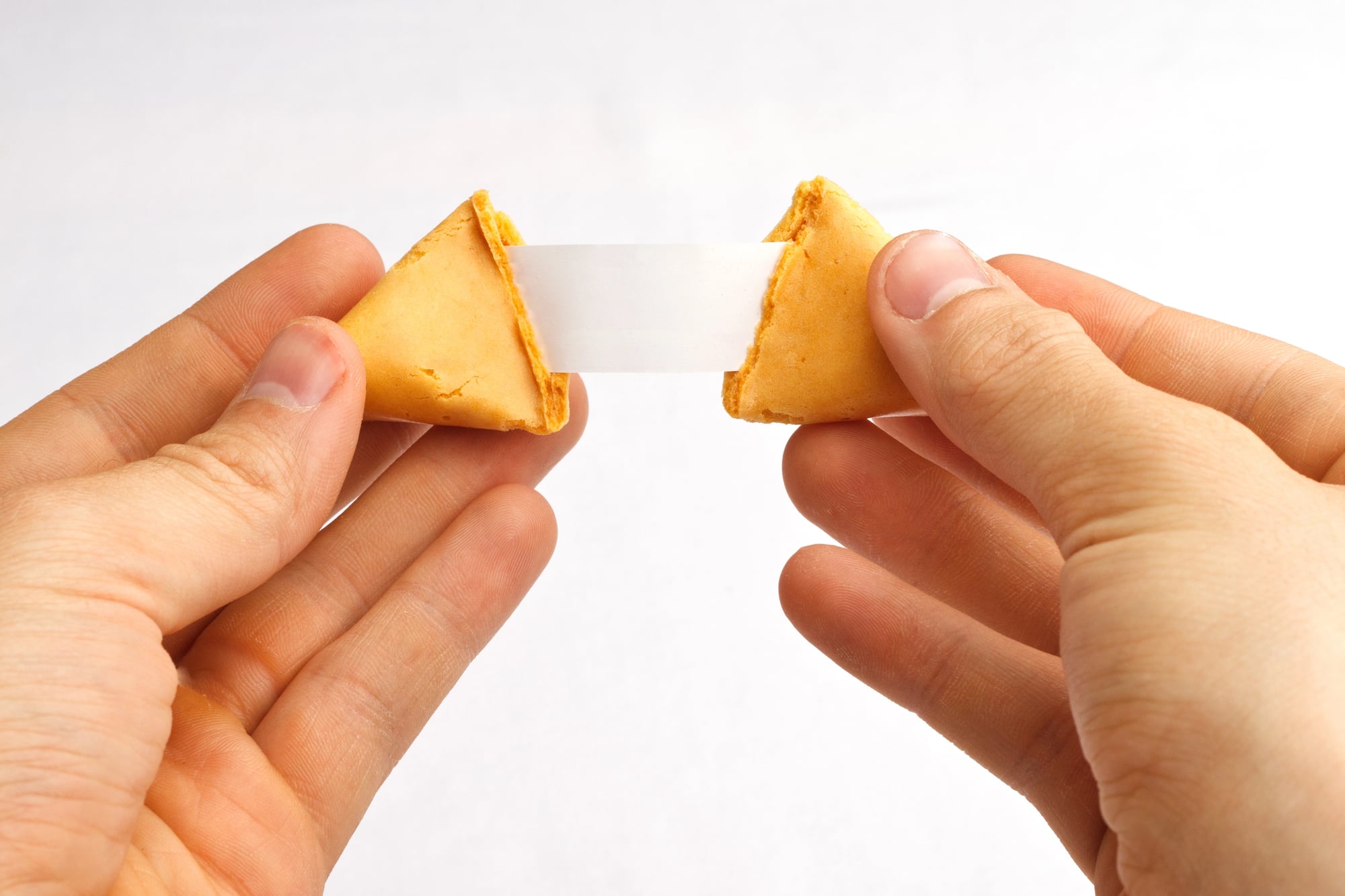
Fortune cookies must be folded while they’re still hot from the oven. Workers get only about 10 seconds before the cookies become too brittle to shape. The distinctive fold creates the cookie’s structural integrity and prevents the fortune from falling out, yet master cookie folders in traditional bakeries developed techniques for handling multiple cookies simultaneously without burning their fingers.
Sweet Myths and Modern Reality
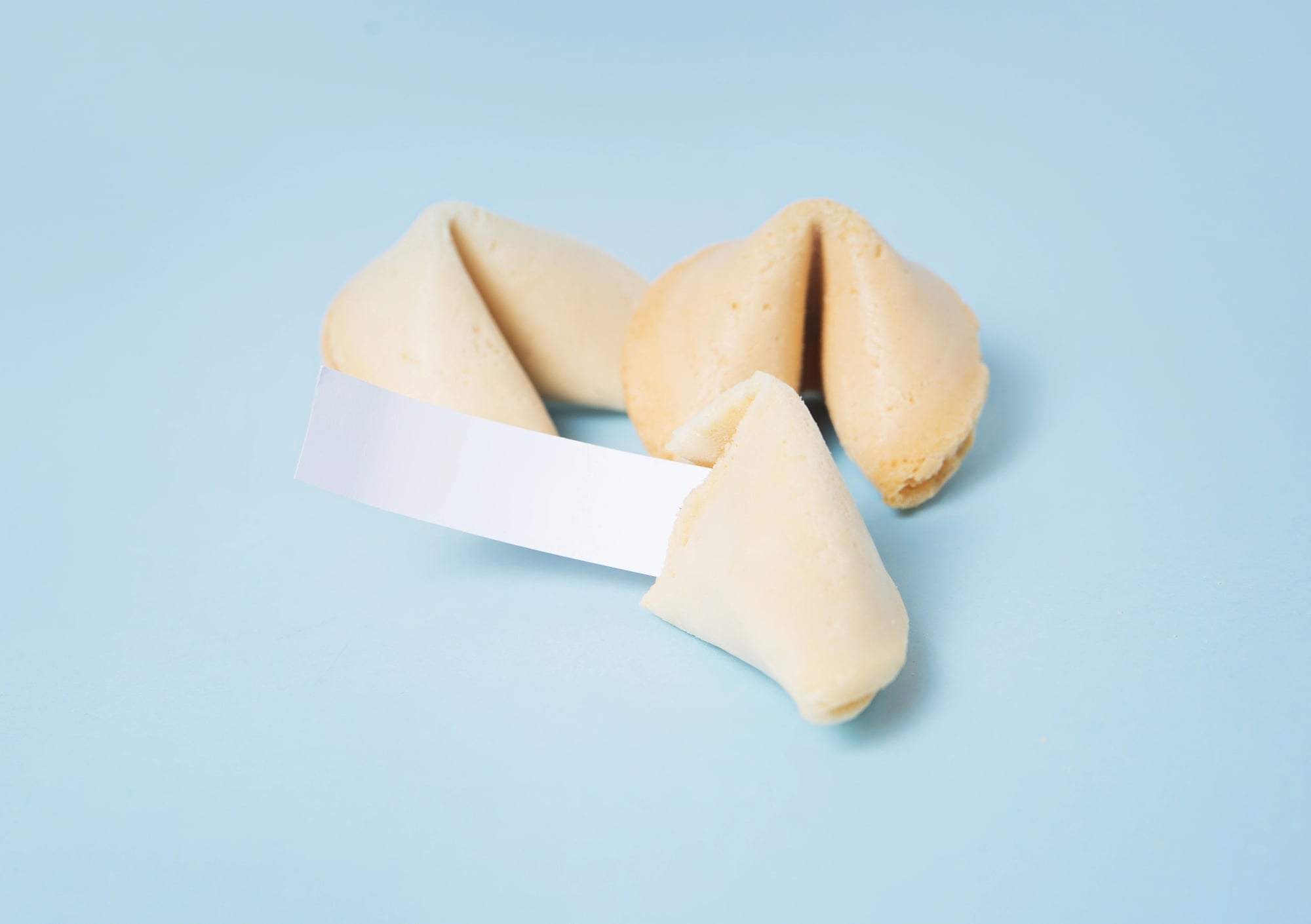
Fortune cookies are a perfect example of how American culture absorbs and changes customs from other cultures. Despite never having existed in China at first, what began as an inventive dessert created by an immigrant family has come to represent Chinese-American cuisine. These unassuming cookies demonstrate that sometimes the most “authentic” cultural encounters are actually lovely byproducts of individuals attempting to establish themselves in a foreign nation. The next time you open a fortune cookie, keep in mind that you are partaking in a tradition that is exclusively American and masquerading as traditional Eastern knowledge.
More from Go2Tutors!

- The Romanov Crown Jewels and Their Tragic Fate
- 13 Historical Mysteries That Science Still Can’t Solve
- Famous Hoaxes That Fooled the World for Years
- 15 Child Stars with Tragic Adult Lives
- 16 Famous Jewelry Pieces in History
Like Go2Tutors’s content? Follow us on MSN.