15 TV Supporting Characters Who Stole the Show
Television shows are built around their main characters, but sometimes the most memorable moments come from the people on the sidelines. These supporting players weren’t meant to be the stars, yet they managed to capture audiences’ hearts and often became more beloved than the actual leads. Their witty one-liners, quirky personalities, and scene-stealing performances turned what should have been minor roles into cultural phenomena.
Some of these characters became so popular that they spawned their own spin-offs, while others simply became the reason fans tuned in each week. Here is a list of 15 TV supporting characters who completely stole the show from their supposed stars.
Barney Stinson from How I Met Your Mother
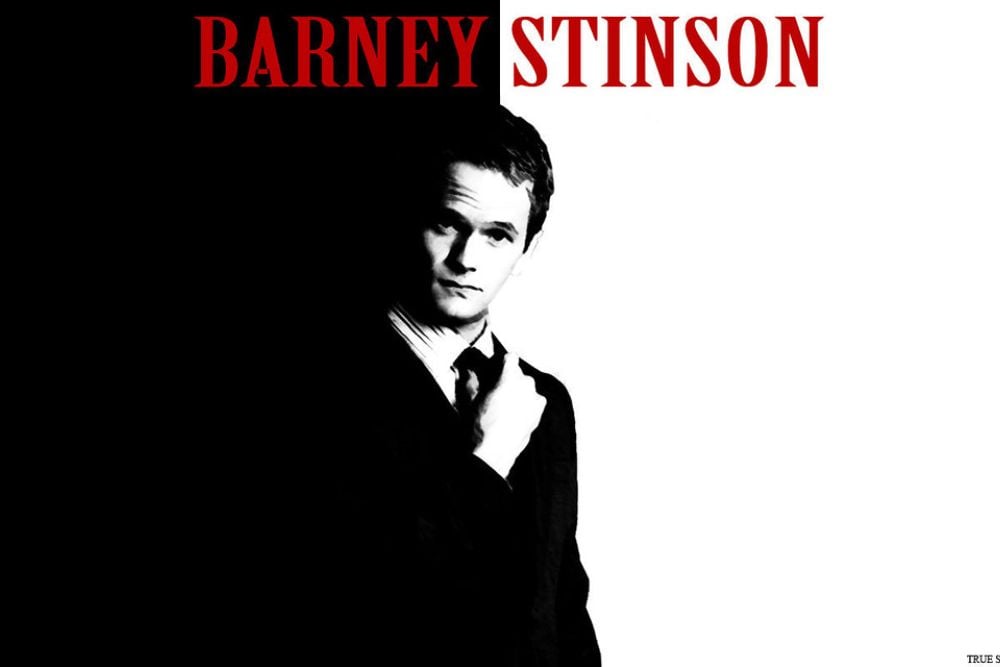
Neil Patrick Harris turned what could have been a simple wingman role into television gold. Barney’s elaborate schemes, legendary catchphrases, and surprisingly deep emotional moments made him the heart of the show.
His ‘Playbook’ became a cultural reference point, and his suits became iconic. While Ted was telling the story, Barney was living it in the most entertaining way possible.
Tyrion Lannister from Game of Thrones

Peter Dinklage brought wit, intelligence, and unexpected humanity to a character who could have been just another villain. Tyrion’s sharp tongue and strategic mind made him the most quotable character on the show.
His trial speech alone generated more buzz than most entire episodes of other series. Even in a show packed with dragons and zombies, audiences found themselves most invested in the clever dwarf’s survival.
Like Go2Tutors’s content? Follow us on MSN.
Dwight Schrute from The Office

Jim Halpert might have been the show’s heart, but Dwight Schrute was its comedic engine. Rainn Wilson’s portrayal of the beet-farming, bear-fearing assistant regional manager became legendary.
His intense dedication to seemingly mundane tasks and his bizarre worldview provided endless entertainment. The character became so popular that he nearly got his own spin-off series.
Saul Goodman from Breaking Bad

Bob Odenkirk’s sleazy lawyer was only supposed to appear in a few episodes, but his colorful personality and memorable advertising slogans made him an instant fan favorite. Saul’s moral flexibility and creative problem-solving skills made him the perfect foil for Walter White’s increasingly dangerous schemes.
His popularity was so immense that he became the first Breaking Bad character to get his own prequel series, ‘Better Call Saul.’
Sheldon Cooper from The Big Bang Theory

While the show was supposed to focus on Leonard’s romantic pursuits, Jim Parsons’ portrayal of the obsessive physicist became the show’s main attraction. Sheldon’s rigid routines, social awkwardness, and surprising vulnerability made him both hilarious and oddly relatable.
His catchphrase ‘Bazinga!’ became a cultural phenomenon, and his character development over 12 seasons kept audiences coming back for more.
Like Go2Tutors’s content? Follow us on MSN.
Jesse Pinkman from Breaking Bad
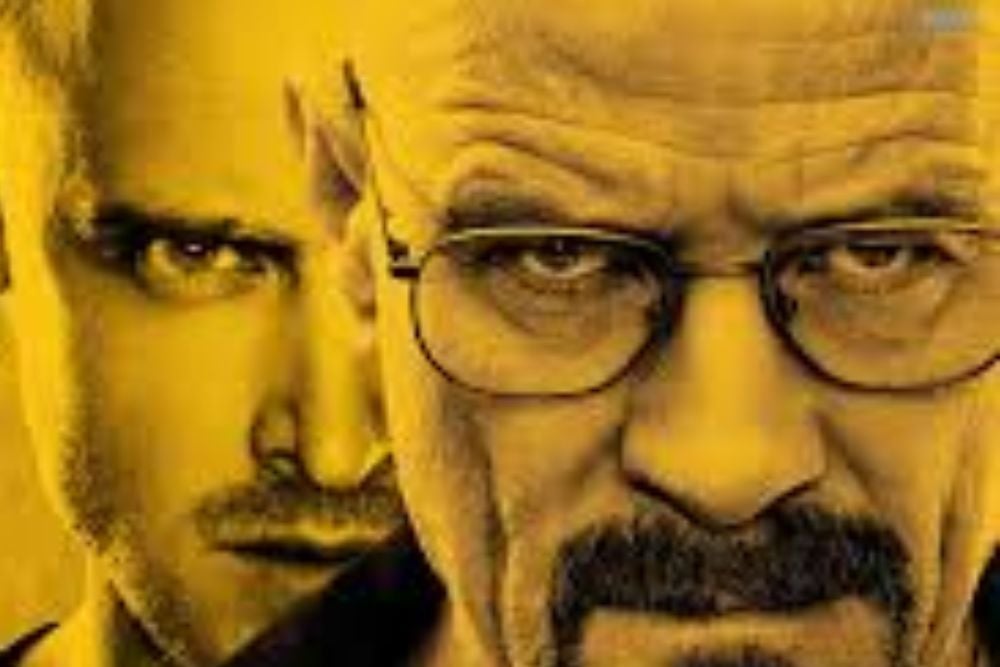
Aaron Paul’s meth-cooking dropout was initially written to be killed off in the first season, but his chemistry with Bryan Cranston saved his character’s life. Jesse’s journey from small-time dealer to reluctant partner provided the emotional core of the series.
His slang-heavy dialogue and genuine remorse for his actions made him more sympathetic than the show’s actual protagonist. The character’s popularity led to his own Netflix movie, ‘El Camino.’
Fonzie from Happy Days

Henry Winkler’s leather-jacketed mechanic was supposed to be a minor character, but his cool demeanor and magical ability to fix jukeboxes with his fist made him a cultural icon. The Fonz became so popular that the show’s focus shifted from the Cunningham family to his adventures.
His influence was so strong that ‘jumping the shark’ became a phrase because of a ridiculous Fonzie water-skiing stunt.
Stewie Griffin from Family Guy

Seth MacFarlane’s diabolical baby genius brought sophisticated humor to an already outrageous animated comedy. Stewie’s elaborate plans for world domination and his oddly mature vocabulary created some of the show’s most memorable moments.
His relationship with the family dog Brian became a fan-favorite dynamic. The character’s popularity helped establish Family Guy as a long-running animated series.
Like Go2Tutors’s content? Follow us on MSN.
Urkel from Family Matters

Jaleel White’s suspender-wearing nerd was only supposed to appear in one episode, but his nasally voice and clumsy antics made him an instant hit. Steve Urkel’s unrequited love for Laura Winslow and his catchphrase ‘Did I do that?’ became defining elements of 1990s television.
The character became so popular that the show completely shifted its focus from the Winslow family to Urkel’s misadventures.
Kramer from Seinfeld

Michael Richards’ eccentric neighbor brought physical comedy to a show known for its verbal wit. Kramer’s wild schemes, unusual entrances, and bizarre business ideas provided some of the series’ most memorable moments.
His hair, his vintage shirts, and his complete lack of social awareness made him instantly recognizable. The character became so iconic that his apartment layout is still discussed by fans decades later.
Spike from Buffy the Vampire Slayer
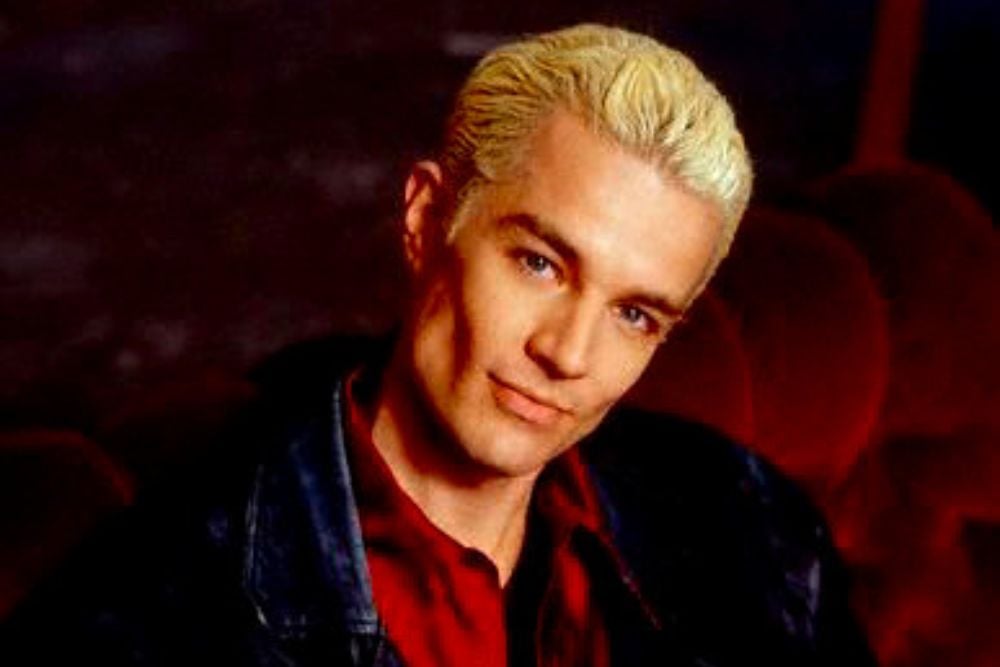
James Marsters’ bleach-blonde vampire was originally meant to be killed off after a few episodes, but his chemistry with the cast and his complex character development made him a series regular. Spike’s transformation from villain to reluctant ally to love interest created some of the show’s most compelling storylines.
His British accent, leather coat, and surprising emotional depth made him a fan favorite who outlasted many of the show’s main characters.
Like Go2Tutors’s content? Follow us on MSN.
Sawyer from Lost

Josh Holloway’s con man brought Southern charm and moral ambiguity to the mysterious island. Sawyer’s nickname-giving habit, his stash of stolen supplies, and his gradual character development made him more interesting than many of the show’s supposed heroes.
His complicated relationship with Kate and his rivalry with Jack created some of the series’ most engaging drama. The character’s popularity helped establish him as one of the show’s central figures.
Loki from Marvel Shows

Tom Hiddleston’s god of mischief was supposed to be a one-off villain, but his charismatic performance and complex relationship with Thor made him a fan obsession. Loki’s wit, style, and tragic backstory created a character that audiences loved to hate and hated to love.
His popularity in the Marvel Cinematic Universe led to his own Disney+ series, making him one of the most successful supporting characters in modern entertainment.
Gus Fring from Breaking Bad

Giancarlo Esposito’s mild-mannered chicken restaurant owner hiding a ruthless drug empire became one of television’s most terrifying villains. Gus’s polite demeanor masking his deadly nature created a character that was both fascinating and frightening.
His methodical approach to business and his explosive final scene made him unforgettable. The character’s impact was so strong that he appeared in the prequel series ‘Better Call Saul.’
Like Go2Tutors’s content? Follow us on MSN.
Ron Swanson from Parks and Recreation

Nick Offerman’s portrayal of the rock-solid libertarian, government-hating parks director became a total phenomenon. Ron’s perfect deadpan delivery, his unyielding love for breakfast foods, his impressive woodworking skills, and his deep, deep distrust of pretty much all human interaction gave us constant comedic gold.
Despite being a man of very few words, his totally unique worldview and those surprising flashes of care for his colleagues made him one of modern comedy’s most beloved and quotable characters.
When the Sidekick Becomes the Star

These characters prove that sometimes the most compelling television comes from unexpected places. Writers create shows with specific protagonists in mind, but audiences often gravitate toward the characters who feel most authentic or entertaining.
These supporting players didn’t just complement their shows—they transformed them into something better than originally intended. Their success reminds us that great television happens when talented actors bring depth and personality to roles that might otherwise be forgettable, turning minor characters into cultural icons that outlast their original series.
More from Go2Tutors!

- 16 Historical Figures Who Were Nothing Like You Think
- 12 Things Sold in the 80s That Are Now Illegal
- 15 VHS Tapes That Could Be Worth Thousands
- 17 Historical “What Ifs” That Would Have Changed Everything
- 18 TV Shows That Vanished Without a Finale
Like Go2Tutors’s content? Follow us on MSN.



