Fascinating Facts About Gift Wrapping Traditions
Wrapped presents sit under trees and pile up on tables, colorful paper hiding secrets inside. Most people tear through wrapping without thinking twice about where this tradition came from or why certain cultures wrap gifts so differently.
Gift wrapping connects ancient customs with modern convenience, blending practical needs with symbolic gestures that span thousands of years. From reusable fabric cloths to disposable paper covered in glitter, the way people present gifts tells stories about values, economics, and environmental awareness.
Each culture developed unique approaches to concealing presents, and those traditions continue evolving today. The practice of wrapping gifts started long before anyone imagined mass-produced paper.
Different corners of the world created their own methods that still influence how presents look today.
Ancient China wrapped money in paper envelopes

Around 100 B.C., the Chinese government wrapped monetary gifts in paper to distribute to officials. This might be the first documented use of paper for wrapping.
The envelopes served a practical purpose but also showed respect for the gift and recipient. China pioneered many paper innovations, but using it to conceal gifts created a tradition that would spread across continents over the following centuries.
Japan developed furoshiki from bathhouse culture

Furoshiki originated during the Nara Period (710-784) when it was used to keep valuables for emperors. The practice evolved through different time periods, with each era adding new uses.
During the Edo Period (1603-1868), people used furoshiki as a mat while undressing at public bathhouses and as cloth to carry clothes. The name itself translates to bath spread, referencing this bathing tradition.
These square cloths became essential for Japanese daily life, not just gift giving.
Korea created bojagi with leftover fabric scraps

Ancient Koreans believed that wrapping objects protected good luck, and the word bojagi means the wrapping of luck. Korean women made these cloths from remnants left over from sewing traditional costumes called hanbok.
The round shapes in hanbok sleeves created lots of scrap fabric, which women recycled into beautiful patchwork wrapping cloths. Bojagi cloths come in various shapes including squares, rectangles, and circles, unlike furoshiki which uses square fabric.
Victorian wealth showed through fancy paper

Before the 20th century, only wealthy people wrapped gifts in decorative paper. Victorians used thick, decorative paper along with ribbons and lace to cover presents as a practice of luxury.
Average families couldn’t afford this extravagance. The elaborate wrapping announced the giver’s social status before anyone even opened the gift.
This upper-class tradition eventually trickled down as paper manufacturing became cheaper and more accessible to regular people.
Tissue paper dominated the early 1900s

During the early 20th century, tissue paper in assortments of red, green and white concealed presents until they were opened. Stores began wrapping customer purchases in practical manila paper around the same time.
Tissue paper offered an affordable middle ground between plain brown paper and expensive decorative sheets. The tradition of using holiday colors started during this period, establishing red and green as the go-to shades for Christmas wrapping.
Two brothers accidentally invented modern wrapping paper

In 1917, brothers Rollie and Joyce Hall were selling tissue paper for gift wrap in Kansas City when they ran out during the busy holiday season. Rollie found envelope liners originally from France and stacked them next to the cash register priced at 10 cents a sheet, and they quickly flew off the shelves.
The decorative patterns on the envelope liners looked far better than plain tissue paper. Within a few years, the Hall brothers started printing their own decorative wrapping paper and founded Hallmark.
The entire modern wrapping paper industry started because of a supply shortage.
Gift bags became popular in the 1980s

Gift bags gained popularity in the 1980s, especially for their convenience, and Hallmark played a key role in popularizing gift bags. People loved not needing tape or complicated folds.
The bags offered a quick solution for busy shoppers who still wanted an attractive presentation. Gift bags also made it easier to wrap awkwardly shaped items that would frustrate anyone trying to use flat paper.
The convenience factor outweighed the higher cost for many buyers.
Ribbons used to be expensive luxuries

Ribbons were handmade projects of the most delicate thread, making the material quite expensive during the early ages. The English Parliament saw ribbons as exclusive material that should only belong to the nobility and upper-class to signify wealth and luxury.
Adding ribbon to a gift meant spending serious money on decoration alone. Mass production during the Industrial Revolution eventually made ribbons affordable for everyone, turning a status symbol into an everyday decoration.
Hallmark started selling ribbons in the 1930s

Stationery stores started to test ribbon on gift wrap in the 1930s in their attempt to achieve a more festive look. Before this, ribbons appeared mainly on clothing and hair accessories.
Combining ribbons with decorative paper created the classic wrapped-gift look people recognize today. The pairing became so standard that a gift without a bow started looking incomplete to many people.
Ribbons transformed from fashion accessories into essential gift-wrapping supplies.
Americans throw away billions of pounds annually

In the US alone, an estimated 2.6 billion pounds of wrapping paper is thrown away each year, enough to cover 40 football fields. Approximately 4.6 million pounds of wrapping paper is produced in the U.S. each year, and about 2.3 million pounds ends its life in landfills.
The disposable nature of gift wrap creates massive waste problems. Most wrapping paper contains plastic coating or glitter that makes recycling impossible.
All that decorative paper gets used for a few seconds before heading to landfills where it sits for years.
The scrunch test determines recyclability

The easiest way to determine if wrapping paper is recyclable is to scrunch it in your hand; if the paper remains scrunched, it is recyclable, but if it springs back, it will likely have a plastic film covering it that can’t be recycled. This simple trick helps people sort their holiday waste properly.
Shiny metallic paper almost always fails the scrunch test because manufacturers coat it with plastic or foil. Plain paper that stays crumpled can go in recycling bins, though people should remove all tape and ribbons first.
Canadians generate half a million tons of wrapping waste

Canadians generate 540,000 tonnes of waste from gift wrapping and shopping bags every year, which equals the weight of 100,000 elephants. Americans spend $2.6 billion on gift wrap each year, and the waste volume goes up by at least 25% during the holidays with an extra one million tons of trash per week between Thanksgiving and New Year’s Day.
The holiday season creates a waste crisis that cities struggle to manage. Garbage bins overflow and streets fill with discarded wrapping paper after Christmas morning.
Paper wrapping requires significant resources

On average, it takes 6 mature trees to make a tonne of paper, meaning approximately 50,000 trees are used to make the 8,250 tonnes consumed at Christmas. The production of one pound of wrapping paper generates 3.5 pounds of carbon emissions while using up 1.3 pounds of fossil fuel.
These numbers don’t even account for transportation or the chemicals used to create glossy, colorful designs. The environmental cost of wrapping paper extends far beyond the trash bin.
Forests disappear and carbon emissions rise just so presents can look pretty for a few minutes.
Japan promoted furoshiki for environmental reasons

In 2006, the Japanese Minister of the Environment created a furoshiki named Mottainai Furoshiki as a symbol to promote its use, believing it contributes to reducing household waste from plastic bags. The term mottainai expresses regret over waste, capturing the Japanese philosophy of respecting resources.
Government officials recognized that traditional fabric wrapping offered solutions to modern environmental problems. This campaign encouraged people to return to old methods that their grandparents used before disposable culture took over.
Wrapping conceals but also adds anticipation

Something happens when hands meet paper-covered boxes – expectation grows. Unseen things tucked beneath folds make moments stretch longer.
A rip, a crinkle, then surprise follows, even if the receiver already knows what waits. Researchers noticed folks enjoy this ritual more than grabbing open items bare.
What matters is not just the object, but how it arrives. Anthropologist Chip Colwell once pointed out a twist: paper began as wrap, not words.
Covering something up gives weight to small things. Mystery shapes value.
Opening becomes part of the giving.
Different cultures assign meaning to wrapping colors

A fresh start often wears red in Japan, where it hints at luck and whispers hopes ahead. Purity wraps everything white, tied to divine presence, clean in body and thought.
In Korea, bojagi cloth speaks through bold single shades, each hue holding its own weight. Meaning piles up quietly through these colored cloths when gifts change hands.
What covers the present tells stories – of care, regard, how close two people are.
Wrapped presents showed up long before stores and lights
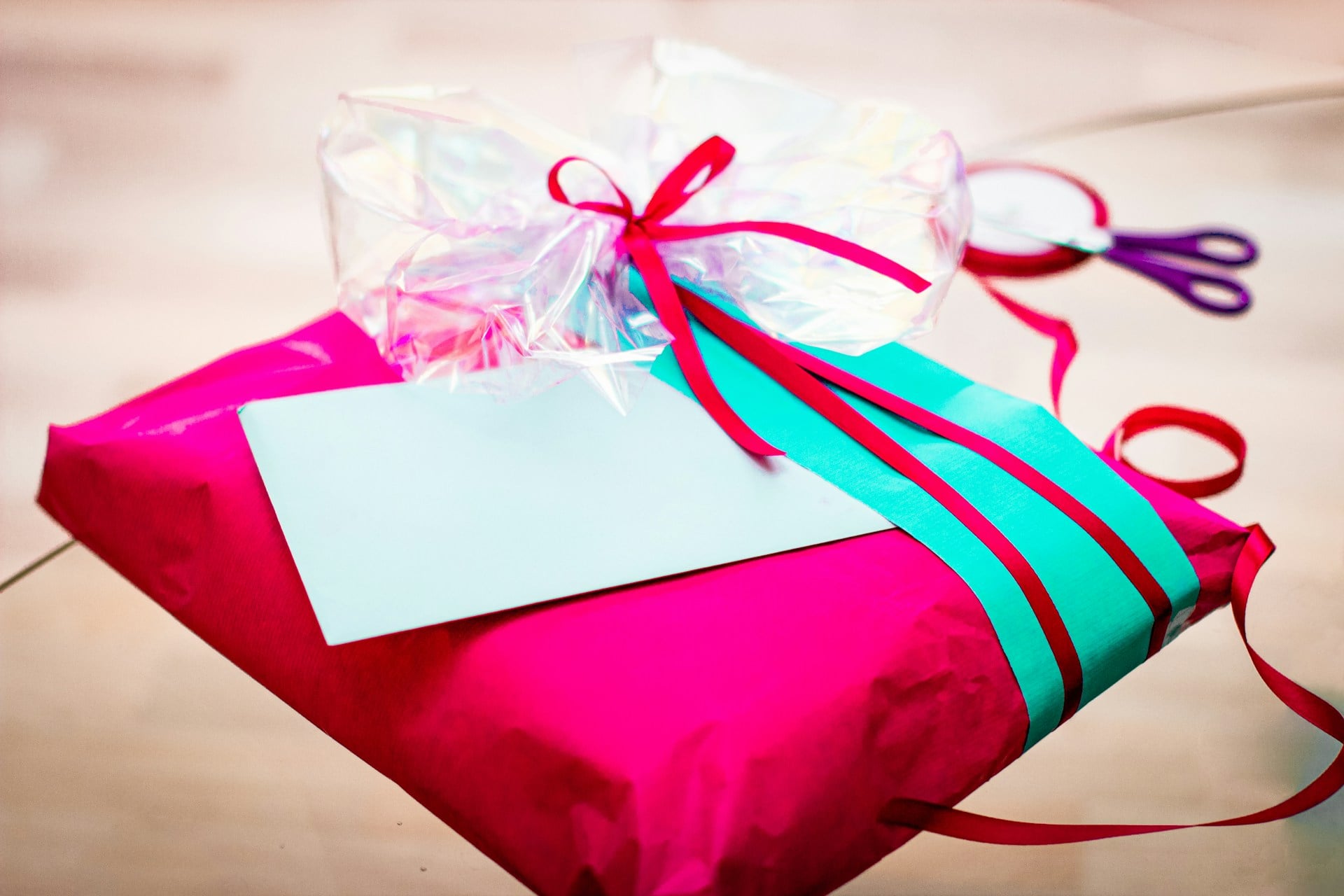
Back then, during Saturnalia, people honored Saturn – linked to farming and seasons – with small handmade figures known as sigillaria. These tokens passed hand to hand, tucked into basic fabric or carried in baskets made by hand.
That festivity fell close to what later became December holidays in some parts of the world. Longstanding customs like these predate Christian traditions by centuries.
How something looked held value, though they worked with modest supplies unlike shiny papers we see now.
Reusable wrapping makes economic and environmental sense
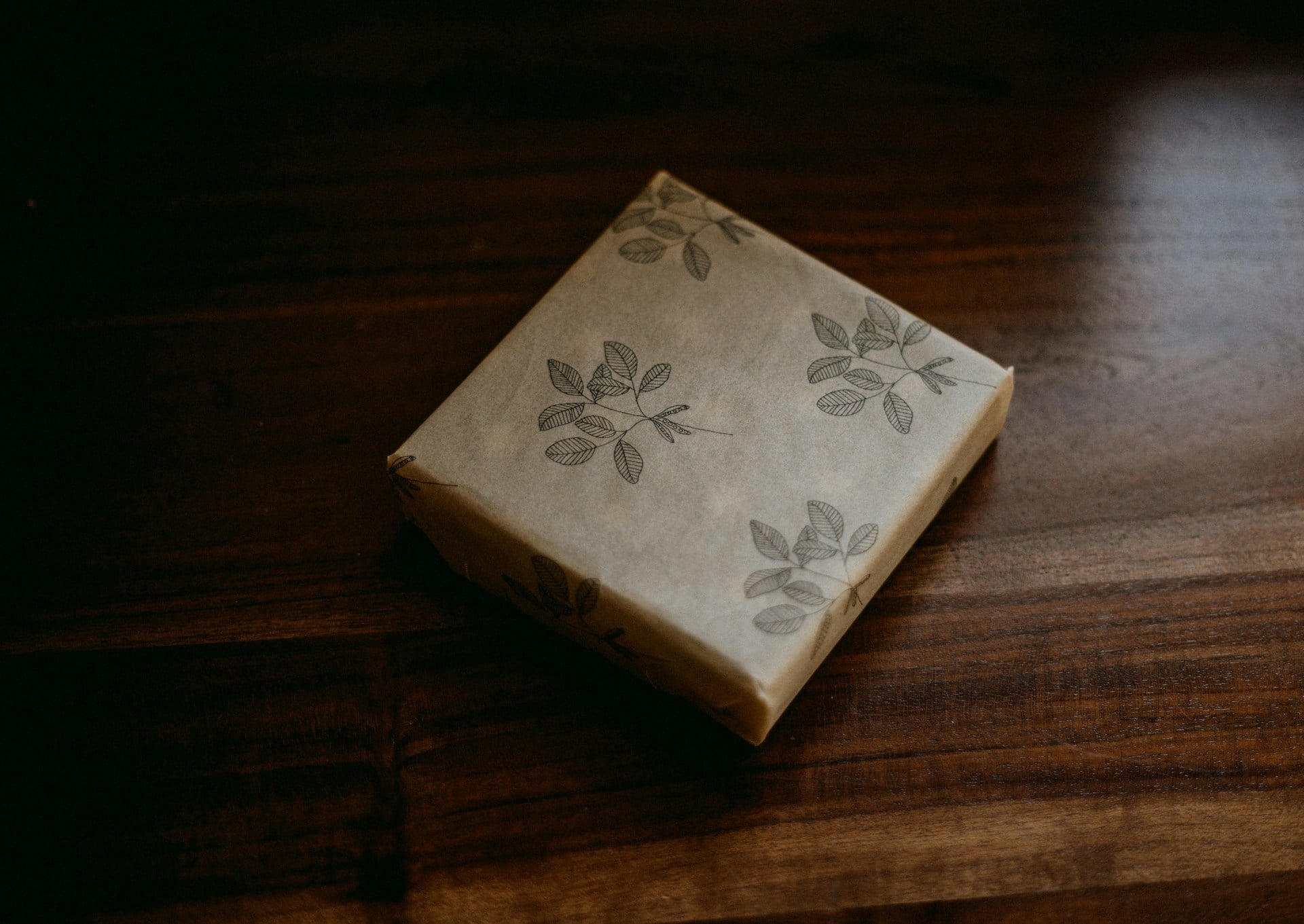
One sheet at a time, families across America could keep 450 million paper rolls out of landfills each year. Decades pass, yet fabric covers stay strong, skipping the yearly trip to buy more paper.
True, buying cloth at first takes deeper pockets than a single roll, still, years later, wallets feel fuller. Trees stand taller when fewer are cut, trash piles shrink, factories breathe easier too.
Long before anyone said “eco-friendly,” grandmas folding tissue again were already living it.
Old ways walk beside what comes next

Wrapped gifts once carried spiritual meaning, tied to ceremonies older than memory. Today they come swathed in mountains of paper tossed after one glance.
Some nations still honor cloth bundles passed down through generations. Yet those same places ship truckloads of glossy throwaways every holiday season.
Clever folds from Japan, Korea survive because someone remembered their worth. Officials now teach these ways like forgotten recipes.
Meanwhile factories churn out sticky sheets meant for trash bins. Maybe tomorrow’s presents will wear cotton again, stitched with care instead of glued at speed.
A single sheet of paper, folded around a present, holds more than just surprise inside. Sometimes it speaks of habit, sometimes of harm done without thinking.
What looks like celebration might actually be clutter waiting to happen. Yet people keep doing it, drawn by memory or expectation.
The strangest part? A momentary act – tearing open a box – can echo long after.
Beauty fades fast when it lasts only until December 26th.
More from Go2Tutors!

- The Romanov Crown Jewels and Their Tragic Fate
- 13 Historical Mysteries That Science Still Can’t Solve
- Famous Hoaxes That Fooled the World for Years
- 15 Child Stars with Tragic Adult Lives
- 16 Famous Jewelry Pieces in History
Like Go2Tutors’s content? Follow us on MSN.



