16 Mathematical Concepts Hidden in Art and Music
Math and art might seem like total opposites — one stuck with rigid formulas, the other born from pure creativity. But look closer at the world’s most famous creative works, and you’ll find mathematical patterns hiding in plain sight.
Van Gogh’s swirling brushstrokes follow exact spirals. Mozart’s symphonies are built on mathematical ratios that give them their emotional punch.
Artists through the ages have used these number relationships, sometimes on purpose, often just following their gut. Here are 16 mathematical concepts that have shaped art and music in ways most people never notice.
The Golden Ratio in Classical Architecture
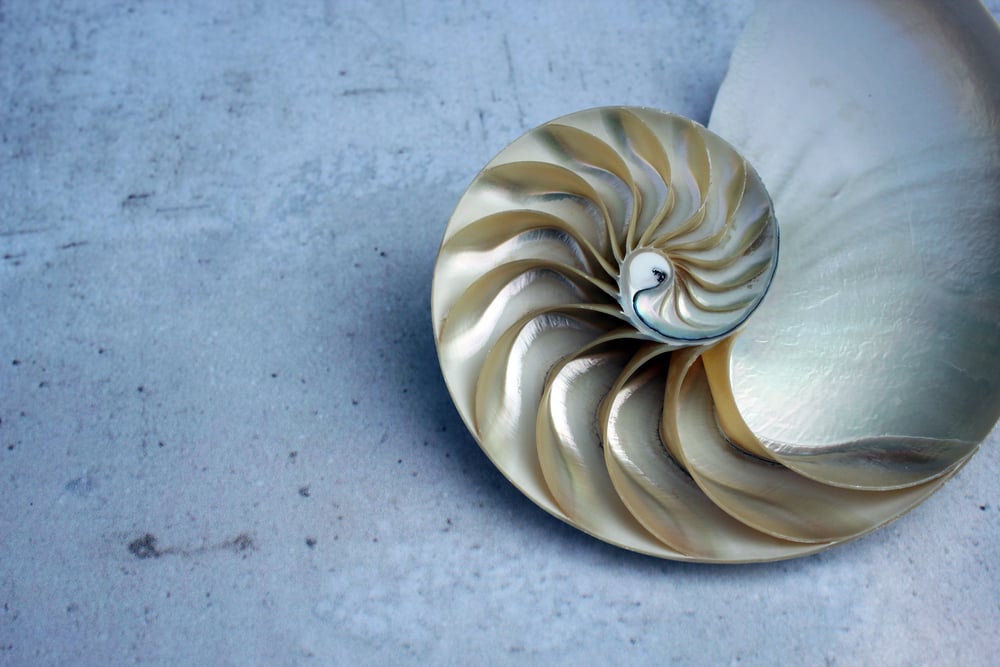
That magical number 1.618 — known as the Golden Ratio — shows up in buildings from ancient Athens to modern Manhattan. Architects discovered long ago that rectangles using this proportion just look right to human eyes.
The Parthenon’s façade follows these measurements precisely, though the Greeks probably called it something else entirely.
Fibonacci Sequences in Flower Paintings

When artists paint sunflowers or draw the smooth curves of a nautilus shell, they’re showing off nature’s favorite number pattern. Each Fibonacci number equals the sum of the two before it: 1, 1, 2, 3, 5, 8, 13.
Flower petals arrange themselves in these patterns — which means flower painters have been creating mathematical art for hundreds of years without realizing it.
Like Go2Tutors’s content? Follow us on MSN.
Fractals in Jackson Pollock’s Drip Paintings
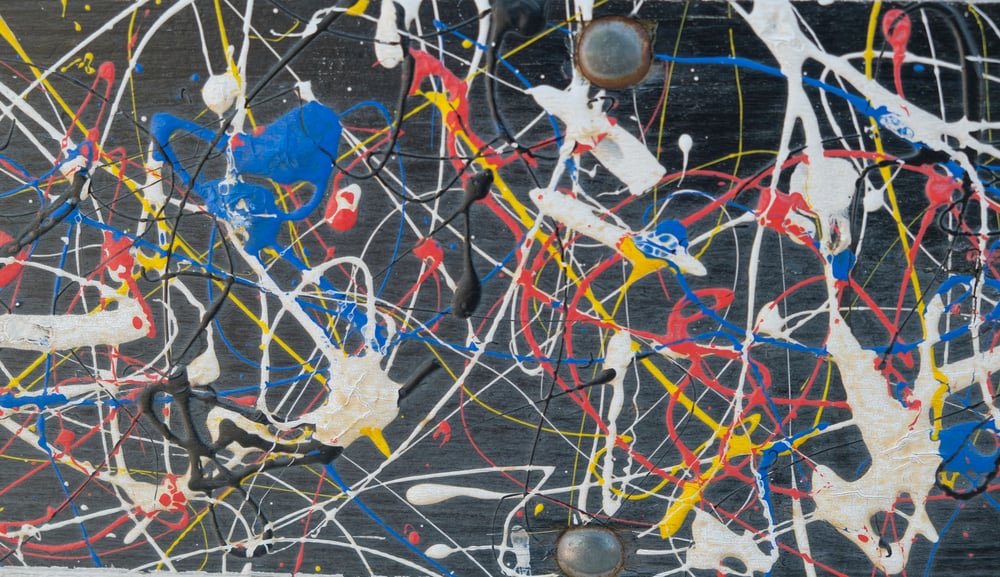
Those seemingly chaotic paint splatters contain hidden order. Scientists analyzing Pollock’s canvases found fractal patterns — shapes that repeat at every scale you examine them.
Zoom in on any section of a drip painting, and you’ll see the same branching, splitting patterns that appear in the full composition.
Logarithmic Spirals in Seashell Art
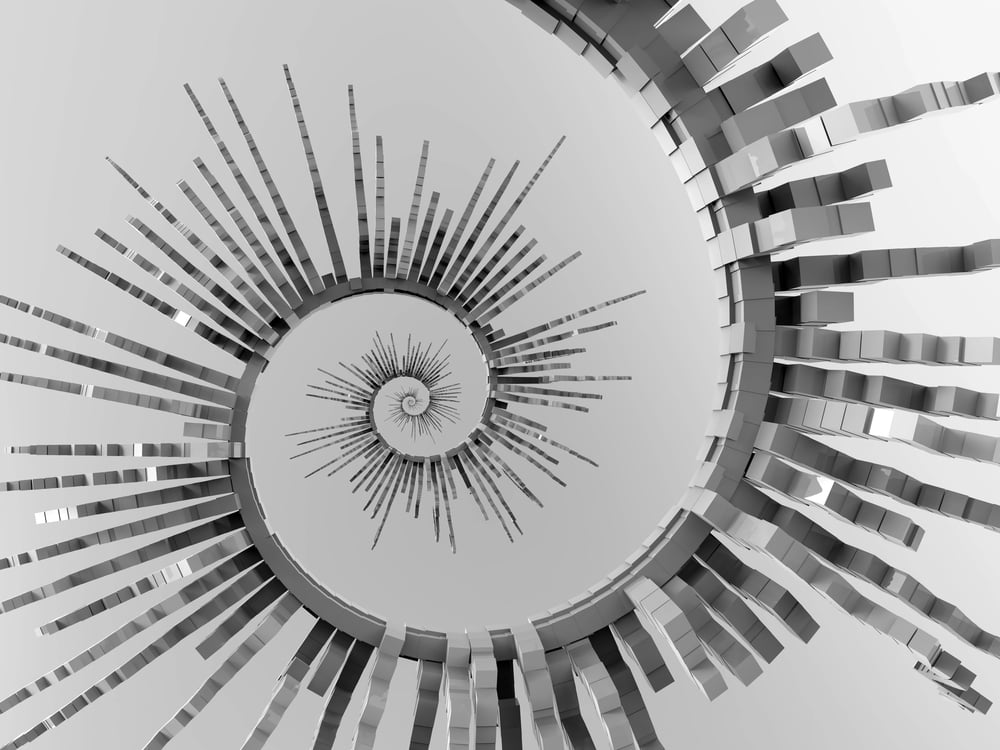
Nautilus shells grow in perfect logarithmic spirals — curves that widen at a constant rate as they expand outward. Artists have been mesmerized by these shapes since the Renaissance, incorporating them into jewelry, sculptures, and architectural details.
The mathematical precision creates an almost hypnotic sense of movement that draws viewers deeper into the artwork.
Symmetry Groups in Islamic Geometric Patterns
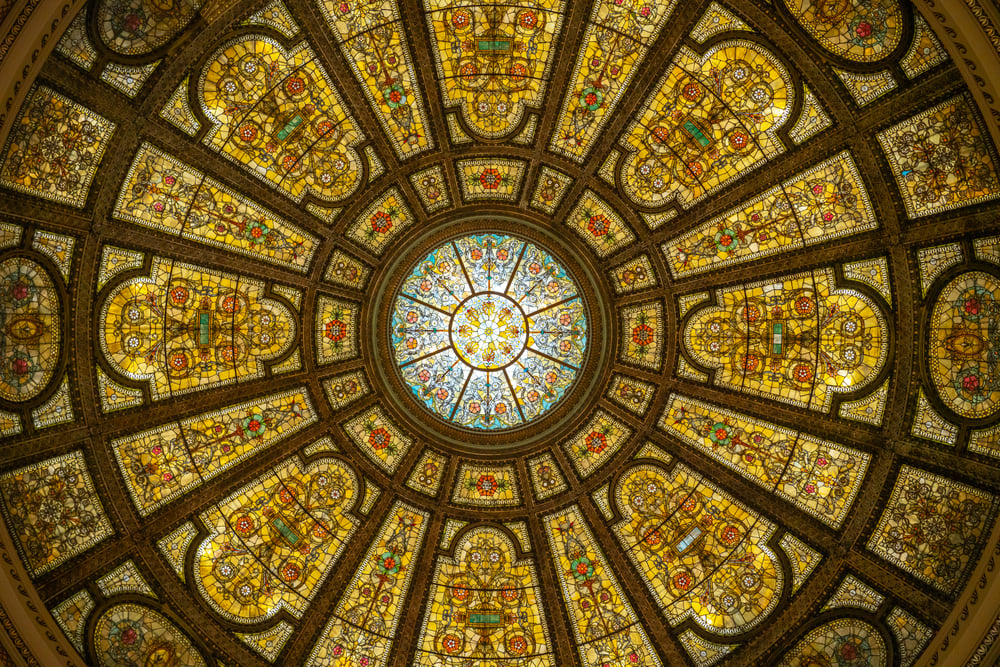
Islamic artists created some of the most mathematically complex decorations ever conceived. Their geometric patterns utilize all 17 possible symmetry groups — what mathematicians call wallpaper groups.
These designs can theoretically extend infinitely in every direction while maintaining perfect mathematical relationships between rotation, reflection, and translation.
Like Go2Tutors’s content? Follow us on MSN.
Prime Numbers in Musical Composition
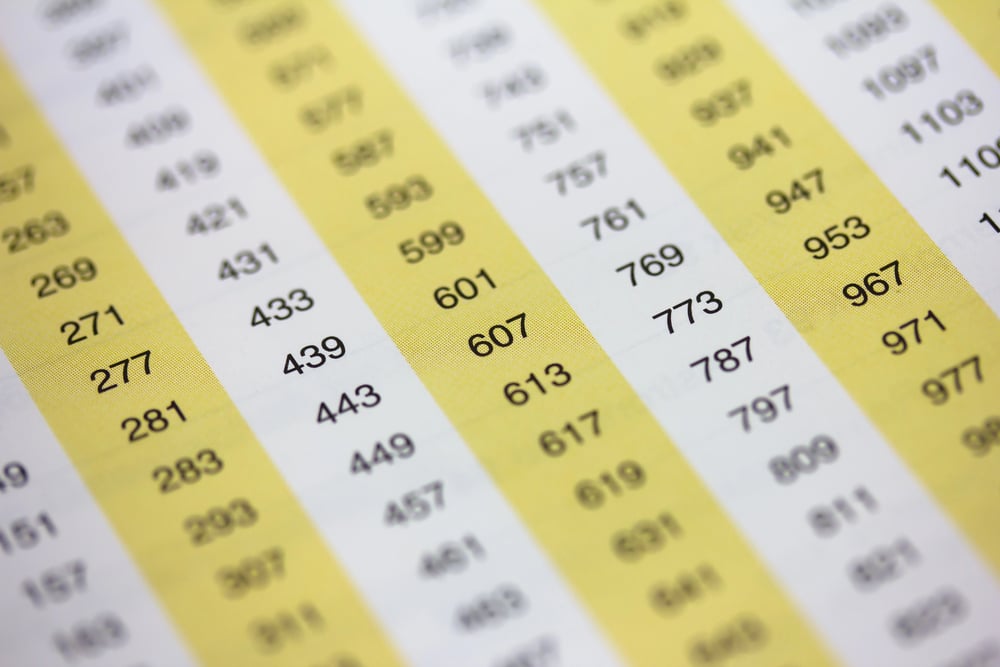
Modern composers sometimes use prime numbers — those stubborn integers divisible only by themselves and one — to structure their pieces. The irregular spacing between primes (2, 3, 5, 7, 11, 13, 17…) creates rhythmic patterns that feel both logical and surprisingly organic.
It’s mathematics disguised as melody.
Probability Theory in Aleatory Music

John Cage revolutionized composition by introducing controlled randomness into music creation. Aleatory techniques use probability theory to determine musical elements — sometimes through dice rolls, other times via computer algorithms.
Each performance becomes mathematically unique while still following the composer’s probabilistic framework.
Geometric Transformations in M.C. Escher’s Prints
Escher didn’t just make mind-bending optical tricks; he turned advanced math concepts into visual art. His impossible staircases and repeating lizards show geometric transformations — math operations that change shapes while keeping their basic properties.
Every print needed careful calculations to pull off those reality-bending effects.
Like Go2Tutors’s content? Follow us on MSN.
Harmonic Series in Musical Intervals

The mathematical relationship between sound frequencies determines which combinations please our ears. When two notes have simple frequency ratios — like 2:1 or 3:2 — they create harmonious intervals that reinforce each other acoustically.
This harmonic series forms the mathematical foundation underlying all Western music theory.
Topology in Sculptural Forms
Sculptors working with twisted, interconnected forms explore topology — the mathematical study of spatial properties preserved under continuous deformations. Henry Moore’s flowing sculptures demonstrate concepts like genus and connectivity.
These works help viewers grasp abstract mathematical ideas through a tangible, three-dimensional experience.
Exponential Growth in Op Art Patterns
Op Art masters like Bridget Riley made visual tricks using exponential math functions. Their carefully planned patterns seem to shake and move on flat canvases.
The mathematical precision needed for these effects requires exact calculations of spacing, scale, and color relationships.
Like Go2Tutors’s content? Follow us on MSN.
Set Theory in Serial Music
Arnold Schoenberg revolutionized composition by applying set theory to the twelve chromatic pitches. The twelve-tone technique treats these notes as mathematical sets, manipulating them through operations like inversion, retrograde, and rotation.
This approach influenced generations of composers who embraced mathematical structure over traditional harmony.
Chaos Theory in Abstract Expressionism
Abstract Expressionist painters accidentally made visual versions of chaos theory principles. Their paint drops and brush marks follow mathematical patterns where tiny starting changes produce totally different results.
The seeming randomness actually follows clear mathematical rules.
Graph Theory in Network Art
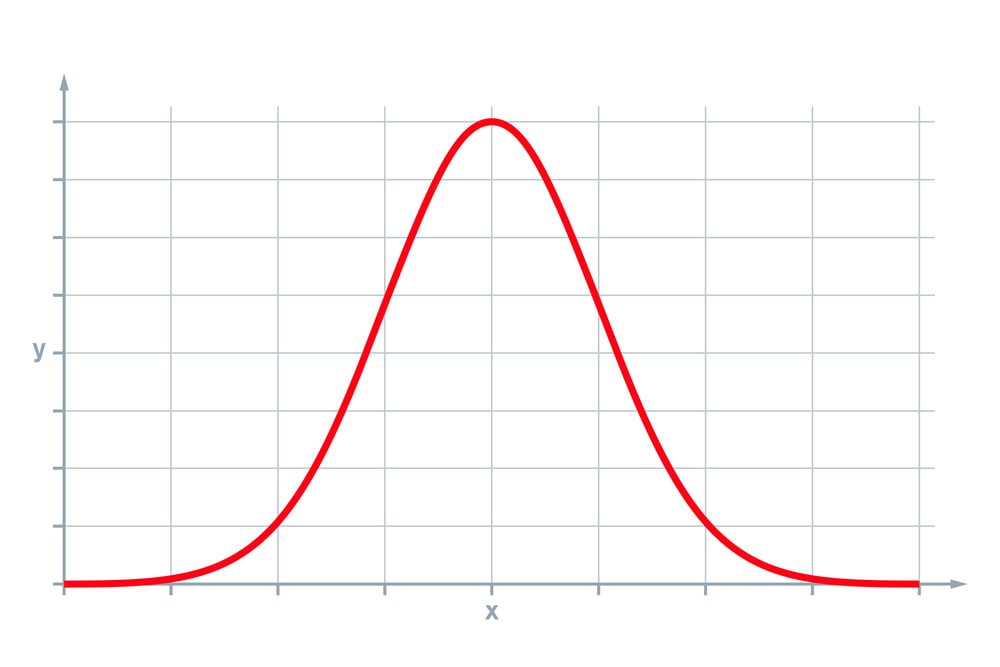
Today’s artists are making connection-based installations work with graph theory ideas. These pieces show relationships using the same mathematical rules that describe social networks, internet structures, and brain pathways.
The finished artworks make abstract mathematical relationships real and easy to understand.
Like Go2Tutors’s content? Follow us on MSN.
Modular Arithmetic in Rhythmic Patterns
Traditional music worldwide employs modular arithmetic through cyclical rhythmic patterns. African polyrhythms, Indian talas, and electronic music often use mathematical cycles that create complex interlocking textures.
These patterns demonstrate how mathematical operations generate intricate musical relationships.
Differential Equations in Kinetic Sculptures

Alexander Calder’s mobiles move according to differential equations describing pendulum motion and oscillatory systems. These mathematical formulas predict how the sculptures will respond to air currents and gravitational forces.
The graceful movements result from precise mathematical relationships between weight, balance, and momentum.
The Universal Language of Pattern
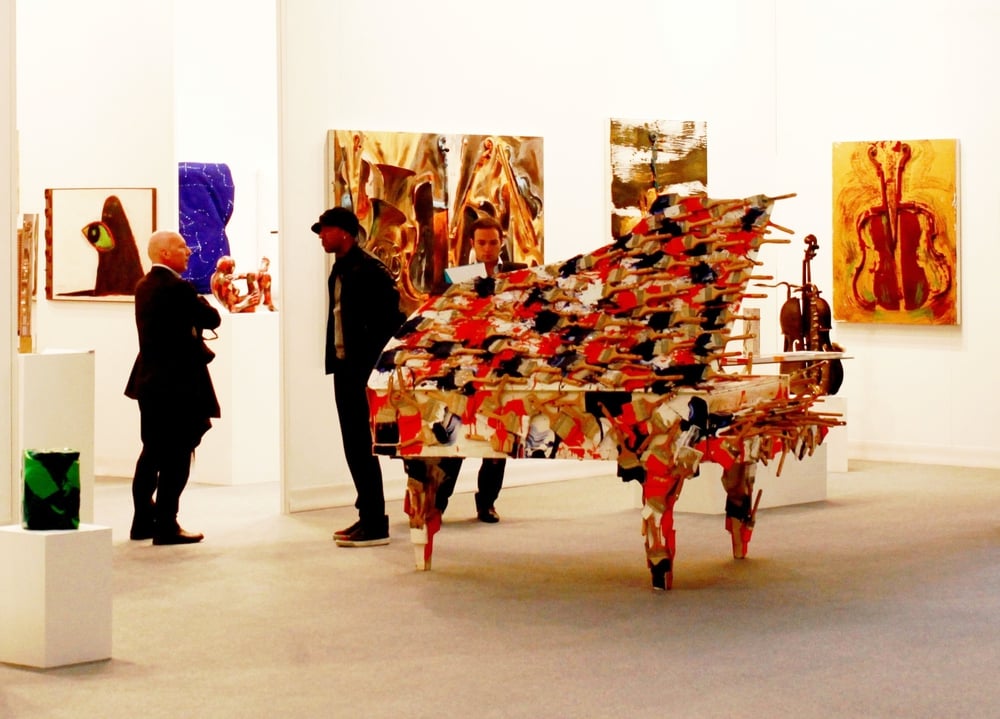
Math concepts show up in artistic work because they reflect basic patterns that rule our physical world. Artists are drawn to these relationships naturally, recognizing beauty in proportion, symmetry, and harmonic ratios that math can describe but never fully explain.
Whether used on purpose or found through instinct, mathematical principles keep shaping human creativity, proving that logical thinking and artistic vision aren’t opposite forces but matching ways of understanding the elegant structures behind reality.
Like Go2Tutors’s content? Follow us on MSN.
More from Go2Tutors!

- 16 Restaurant Chains That Went Too Fast
- 12 Things Sold in the 80s That Are Now Illegal
- 15 Strange Things People Have Tried to Ban (And Failed)
- 16 Collectibles People Tossed Out Too Soon
- 17 Myths from Your Childhood That Were Actually Based on Real Things
Like Go2Tutors’s content? Follow us on MSN.