Fashion Accessories That Sparked Controversy
Fashion’s meant to be playful – bold, even. Sometimes defiant.
Yet certain pieces went way too far, crossing invisible boundaries no one knew were there till they showed up on runways or streets. Outrage followed quickly.
Creators said sorry. Products vanished overnight.
Some jobs collapsed under pressure. These weren’t mere missteps – they sparked debates exposing hidden clashes around identity, belief, power, and what’s acceptable.
The Noose Hoodie That Sparked Outrage

Burberry released a hoodie with a noose around the neck for London Fashion Week 2019. Model Liz Kennedy, who walked in the show, tried to voice concerns about it during her fitting.
She was told to write a letter and that “it’s fashion, nobody cares about what’s going on in your personal life.” Staff reportedly joked about it backstage while hanging one from the ceiling.
The hoodie went down the runway anyway. Kennedy posted about it on Instagram afterward, calling it extremely triggering due to her family’s experience with death.
The internet exploded. Burberry pulled the item and issued apologies from both the CEO and designer Riccardo Tisci, who claimed it was inspired by nautical themes.
Nobody bought that explanation.
Blackface Sweaters From Multiple Brands

Gucci released a black turtleneck sweater with a cutout for the mouth surrounded by exaggerated red lips. It looked exactly like blackface.
The backlash was immediate and fierce. Gucci pulled it, apologized, and promised diversity training.
Then Prada did almost the same thing with keychains featuring monkey-like figures with big red lips. Then Katy Perry released shoes with faces that looked like blackface.
The pattern revealed a stunning lack of diversity in design rooms. How did multiple major brands release obviously racist imagery?
The answer was simple—their teams were overwhelmingly white and didn’t see the problem. The controversies led to industry-wide discussions about who gets to make design decisions.
Prayer Mats Sold as Decorative Rugs

In 2020, online retailer Shein faced backlash for selling Islamic prayer mats as decorative rugs. The items featured religious motifs and symbols but were marketed as home decor.
Muslim customers were outraged that sacred objects used for worship were being sold as floor mats for non-religious purposes. Shein apologized and pulled the products.
The same company also caught heat that same month for selling swastika necklaces labeled as Buddhist symbols. The company claimed the Buddhist swastika was different from the Nazi symbol, but critics pointed out the Nazi appropriation made any swastika unusable in Western fashion.
Both controversies happened within days of each other.
Safety Pins as Political Statements

After Brexit and the 2016 US election, people started wearing safety pins to signal they were safe allies for minorities. Fashion brands jumped on it.
Designers made gold safety pins for hundreds of dollars. The backlash came from activists who said wearing a pin did nothing without actual action.
The controversy wasn’t about the pin itself but about performative allyship. Rich people wearing expensive political accessories while doing nothing substantive became a symbol of hollow virtue signaling.
The safety pin movement died quickly, but the critique stuck around.
The Confederate Flag Bikini Problem

For decades, the Confederate flag appeared on bikinis, belt buckles, bandanas, and boots. Defenders called it Southern heritage.
Everyone else called it a racist symbol. Major retailers finally stopped selling Confederate flag merchandise after the Charleston church massacre in 2015.
The pushback was intense. Some people claimed their freedom of expression was being censored.
Others pointed out that the Confederate flag represented slavery and treason. Fashion brands that continued selling Confederate items faced boycotts.
Most quietly discontinued the products without public statements.
Native American Headdresses at Music Festivals

Festival fashion in the 2010s included Native American headdresses worn by people with no connection to Indigenous cultures. These sacred ceremonial items became Instagram props.
Native activists repeatedly explained why this was offensive—headdresses are earned through respect and deeds, not purchased for aesthetics. Fashion magazines initially defended it as appreciation.
They were wrong. The criticism intensified until major festivals banned headdresses and retailers stopped selling them.
Victoria’s Secret famously got blasted for putting a headdress on a model during a 2012 show. They apologized and removed the segment.
Rosaries as Fashion Statements

Madonna wore rosaries as jewelry in the 1980s, sparking outrage from Catholic groups who said she was mocking their faith. The controversy made rosary necklaces more popular.
Decades later, fashion brands still release rosary-inspired jewelry. The Catholic Church still objects.
The argument comes down to whether religious symbols lose their sacred meaning when worn by non-believers as accessories. Fashion brands say they’re honoring the aesthetic.
Religious groups say it’s disrespectful appropriation. Neither side has budged.
Bulletproof Vest Vogue
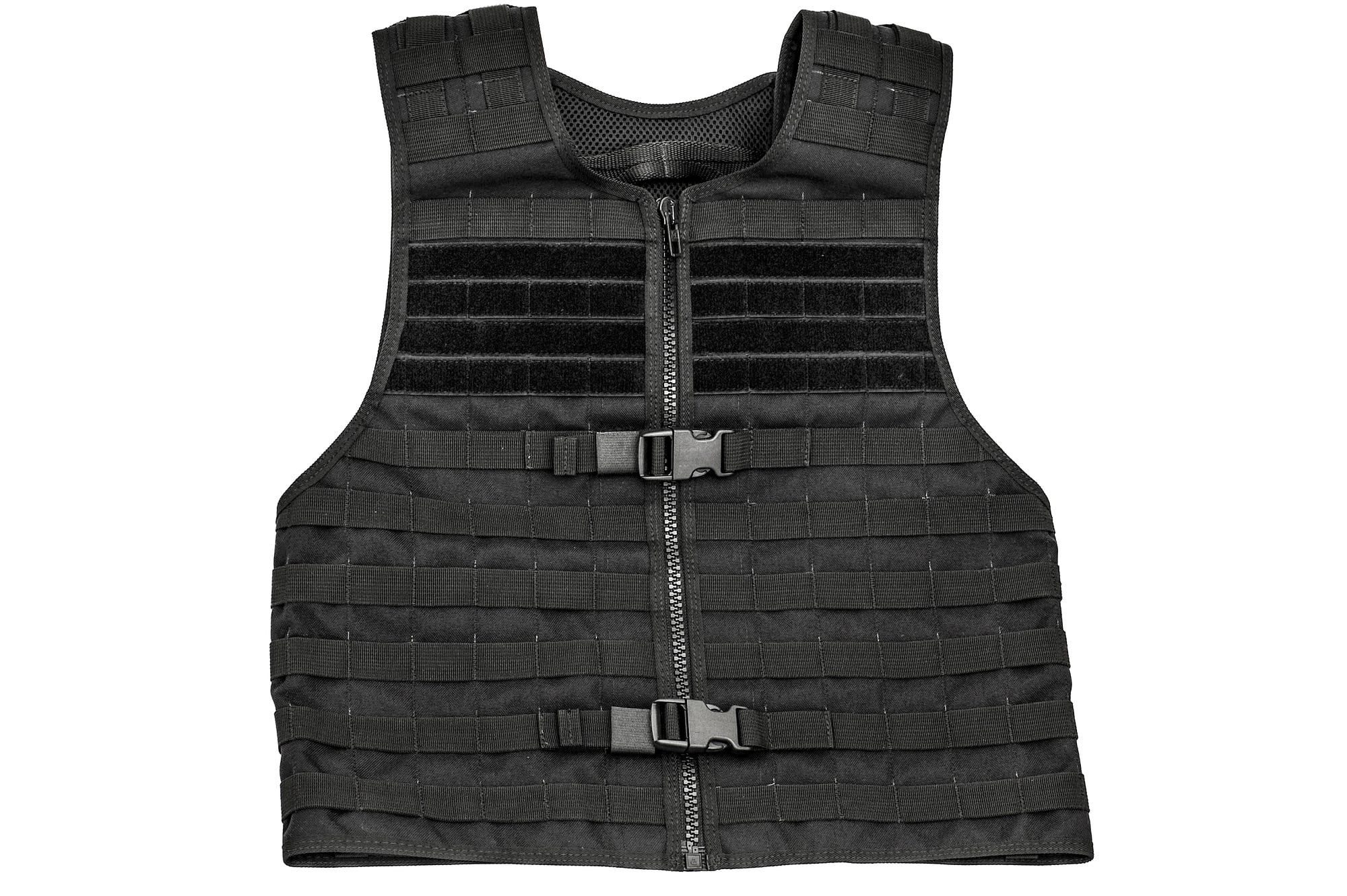
Kanye West popularized bulletproof vest styling in fashion. Soon designers were making decorative vests that looked tactical but offered no protection.
The controversy hit when people pointed out this trivialized violence affecting Black communities. Wearing fake protection as fashion felt tone-deaf when real people needed actual bulletproof vests to feel safe.
The criticism highlighted how fashion commodifies struggle. Making violence aesthetic when it’s someone’s daily reality isn’t edgy—it’s exploitative.
Some designers listened and pulled the items. Others kept selling them.
The Spiked Collar Renaissance

Punk spiked collars and chokers came back in mainstream fashion during the 2010s. This time, the controversy came from within punk culture.
Real punks said the accessories had specific meanings related to anti-establishment politics. Fashion brands were selling sanitized versions that meant nothing.
Hot Topic got especially roasted for selling punk accessories at malls to teenagers with no connection to punk ideology. The argument centered on whether fashion can separate aesthetic from meaning.
Punks said no. Fashion brands said yes and kept selling.
Bindis at Coachella
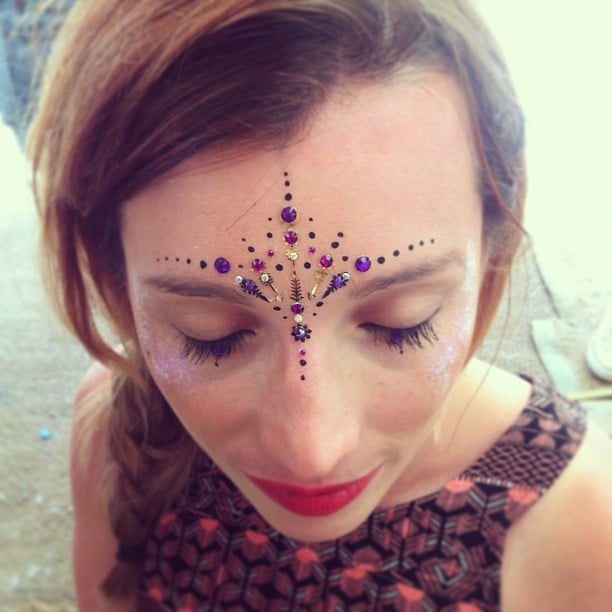
Coachella spawned a trend of non-South Asian people wearing bindis—the decorative forehead marks significant in Hindu and other South Asian cultures. Celebrities posted pictures.
Fashion blogs wrote guides on how to wear them. South Asian people explained this was cultural appropriation.
The defense was always the same—it’s just decoration. But bindis carry religious and cultural significance.
Wearing them as festival accessories while South Asian people face discrimination for the same practice isn’t appreciated. It’s selective borrowing without understanding or respect.
Fur That Nobody Wants Anymore
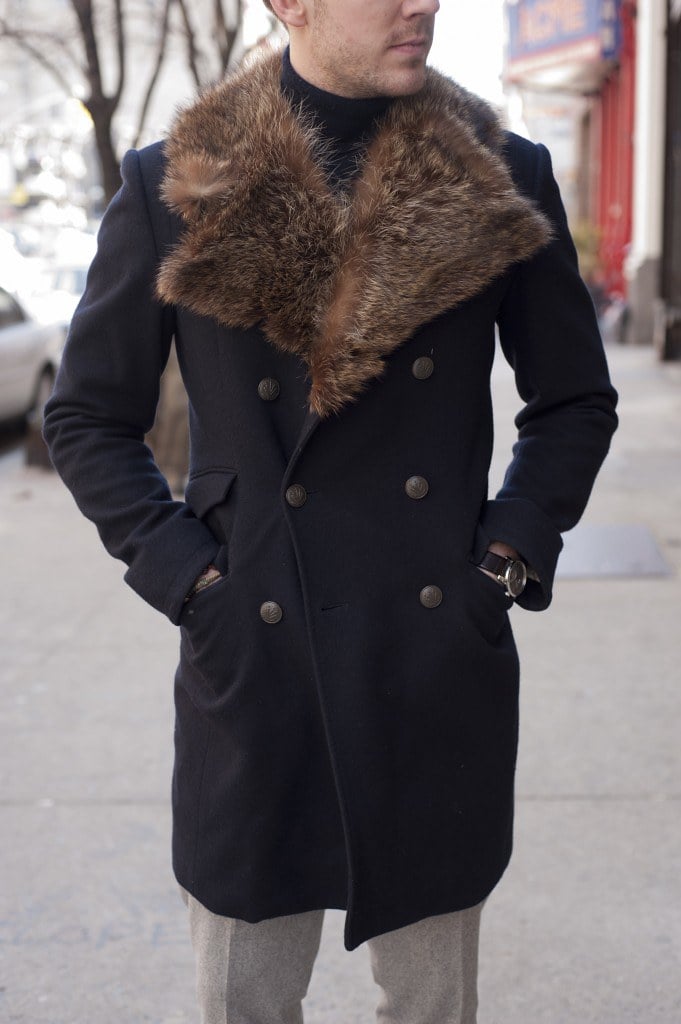
For decades, fur accessories meant luxury. Then activists started throwing paint on people wearing fur.
The campaigns worked. Public opinion shifted.
Major fashion houses announced they’d stop using fur. Younger consumers refused to buy it.
The controversy forced an industry reckoning. Designers who built careers on fur either adapted or became irrelevant.
Faux fur technology improved dramatically because demand shifted. The backlash didn’t just change fashion—it changed how animals are viewed in the luxury industry.
Luxury Brands Selling Poverty Aesthetics

Balenciaga sold distressed, dirty-looking sneakers for nearly two thousand dollars. The backlash was swift—they were selling poverty as an aesthetic to rich people.
Critics pointed out that actual poor people get judged for wearing worn-out shoes, but wealthy people could buy the look as fashion. The controversy highlighted fashion’s exploitation of working-class aesthetics.
Ripped jeans, work boots, thrift store clothes—all became expensive once luxury brands repackaged them. People who actually lived those realities found it insulting.
When Accessories Reveal More Than Style

These fights follow a kind of rhythm. Accessories stir things up once they connect to who people are, pain, or deep beliefs.
Some creators say they didn’t mean harm – or that it’s just art. Others hit back calling it theft or disrespect.
Conflicts blow up online right away, with anger racing ahead of fashion itself. The extras usually aren’t the actual problem.
Instead, they point to deeper issues – like who takes what from whom, who benefits from another’s hardship, or if style should care about more than appearance. These concerns stay unresolved.
Likely, they’ll always hang around unanswered. Yet they pop up again whenever someone creates a piece that goes too far.
Fashion’s always testing limits. Still, debates pop up now and then.
A few creators adapt. Most just ignore it.
That loop rolls on since clothes aren’t only worn – they’re meant to stir things up, even if the response isn’t what anyone planned.
More from Go2Tutors!

- The Romanov Crown Jewels and Their Tragic Fate
- 13 Historical Mysteries That Science Still Can’t Solve
- Famous Hoaxes That Fooled the World for Years
- 15 Child Stars with Tragic Adult Lives
- 16 Famous Jewelry Pieces in History
Like Go2Tutors’s content? Follow us on MSN.