Fashion Trends That Were Physically Painful
Beauty has always demanded sacrifice. Throughout history, people endured discomfort, injury, and sometimes permanent damage in pursuit of what society deemed attractive.
The lengths people went to often seem shocking now, but at the time, these practices felt normal, necessary, even desirable. Fashion didn’t just shape how people looked—it shaped their bodies, their movements, and their daily experience of pain.
Foot Binding in China

For roughly a thousand years, Chinese families broke the feet of young girls to achieve the “lotus foot” ideal. The process started when girls were around four to seven years old.
Mothers would break the arch and fold the toes under, binding them tightly with cloth. Over months and years, the foot would reshape into a pointed, three-inch crescent.
The pain was excruciating. Girls couldn’t walk properly during the binding process.
Many developed infections. Some lost toes to gangrene.
But families believed bound feet would secure better marriage prospects, so they persisted despite their daughters’ suffering.
Women with bound feet faced lifelong challenges. Walking required a mincing gait that some found attractive but that caused constant strain.
The restricted movement meant limited independence. And the physical effects lasted forever—even after the practice ended, older women still carried the consequences of choices made for them in childhood.
Corsets and Tightlacing

Victorian women laced themselves into rigid corsets made of whalebone and steel. The goal was an hourglass figure with a waist as small as possible—sometimes fourteen inches or less.
Women tightened the laces until they could barely breathe, let alone bend or sit comfortably.
The immediate effects were obvious. Fainting became so common it seemed almost fashionable.
Women couldn’t take deep breaths. Eating a full meal became impossible.
But the long-term damage was worse. Doctors documented cases of deformed ribcages, displaced organs, and chronic digestive problems.
Some women wore their corsets so tightly that their lower ribs actually broke and reshaped. The liver would shift position.
The stomach couldn’t expand properly. And pregnancy while tightlacing?
That added a whole other dimension of risk for both mother and child.
Young girls started wearing corsets before puberty. Their growing bodies molded to the shape of the garment, creating “natural” waists that were anything but.
The practice taught them early that beauty required discomfort and that their bodies needed correction.
Neck Rings in Southeast Asia
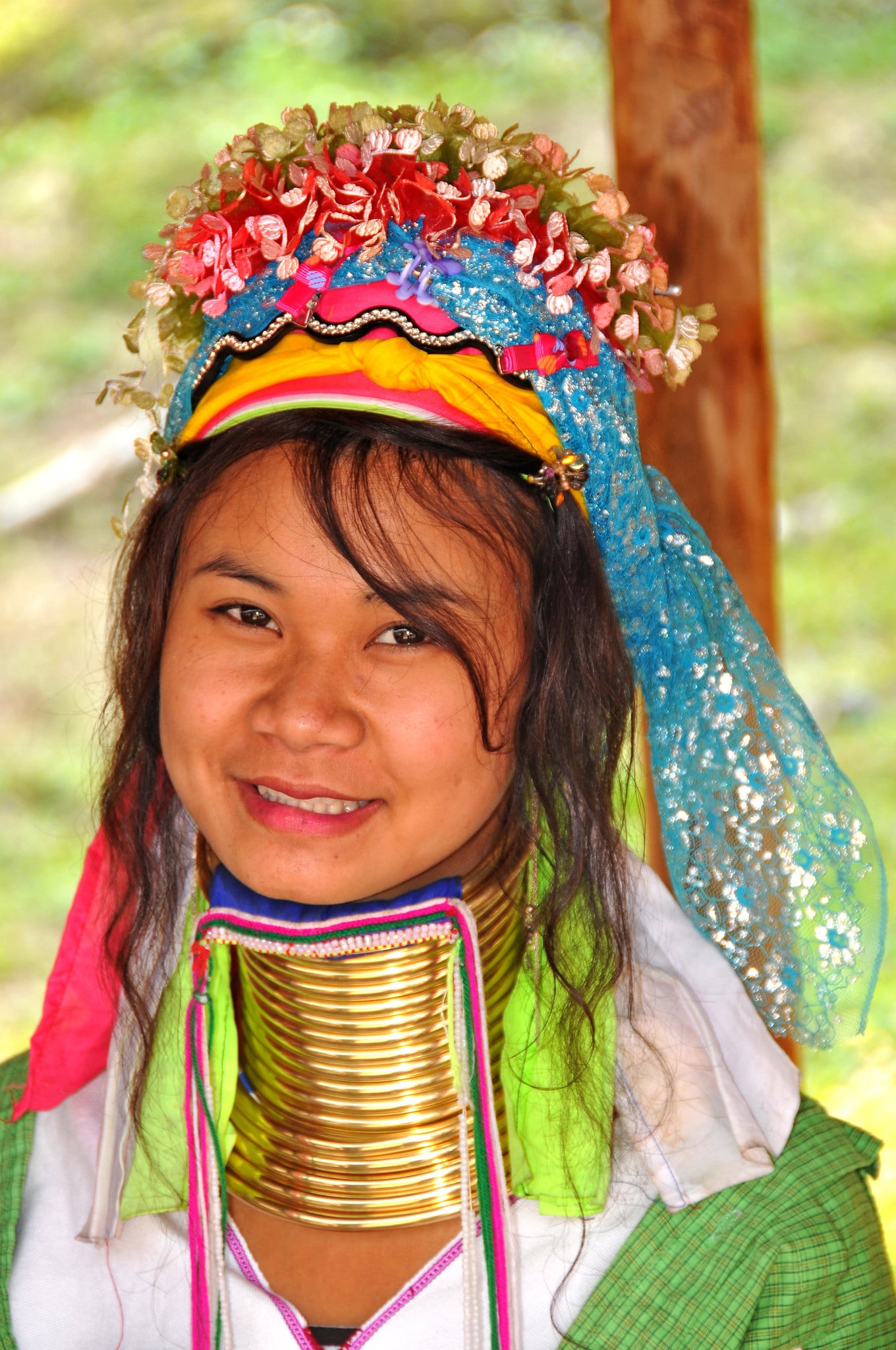
The Kayan people of Myanmar developed a tradition of wearing stacked brass coils around women’s necks. Girls as young as five would receive their first rings, adding more as they grew.
Eventually, some women wore coils weighing up to twenty-five pounds.
The rings didn’t actually stretch the neck—they compressed the ribcage and pushed down the collarbones. The effect created an elongated appearance that the community valued.
But the weight was constant, pulling down on the shoulders and making simple movements difficult.
Women who wore the rings from childhood developed weakened neck muscles. Their shoulders sat unnaturally low.
If they removed the rings as adults, the adjustment could be painful and difficult. Some reported feeling like their heads might topple forward without the support they’d grown dependent on.
The tradition still exists in some communities, though it’s become more controversial. Some women choose to wear the rings as cultural expression.
Others feel pressured by tourism demands and the economic opportunities that come with being photographed by visitors.
Pointed Shoes in Medieval Europe

Medieval nobility wore shoes called poulaines with toes so long they sometimes reached two feet beyond the wearer’s actual toes. The points had to be stuffed with moss or horsehair to hold their shape.
Some versions attached to the knees with chains to keep them from dragging.
Walking in these shoes was nearly impossible. Stairs became hazardous.
Running was out of the question. The shoes served as a status symbol precisely because they were so impractical—they announced that the wearer didn’t need to do any physical labor.
The fashion eventually became so extreme that laws tried to regulate it. Different social classes got assigned maximum toe lengths.
But enforcement was difficult, and people kept pushing the limits until the style finally fell out of favor.
Chopines in Renaissance Venice

Venetian women wore platform shoes called chopines that reached heights of twenty inches or more. These weren’t subtle wedges—they were towering pedestals that turned walking into a balancing act.
Women needed servants on either side to keep from toppling over.
The height supposedly kept expensive dresses from dragging in dirty streets, but the status display mattered more than practicality. The taller the chopine, the wealthier and more important the wearer.
Some women could barely move without assistance.
Falls from chopines caused injuries ranging from twisted ankles to broken bones. Pregnant women who insisted on wearing them risked not just their own safety but their pregnancies.
Yet the fashion persisted for decades.
Lead Makeup and Arsenic Complexion Wafers
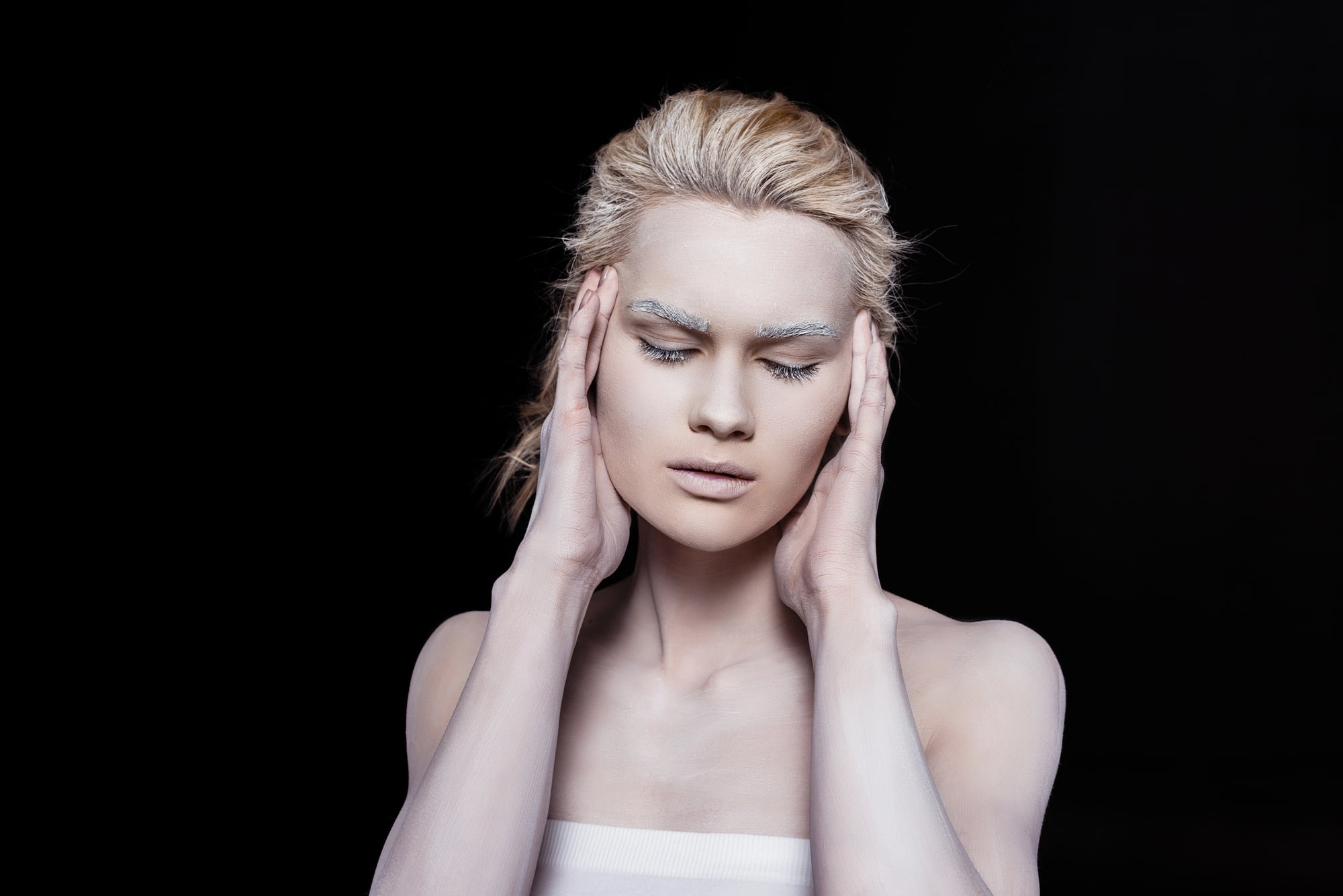
For centuries, pale skin signaled wealth and status. To achieve it, people applied makeup containing lead, mercury, and arsenic.
The effects were cumulative and devastating.
Lead makeup caused skin damage that users tried to cover with more makeup, creating a vicious cycle. The substances burned the skin, leaving scars and discoloration.
Long-term use led to hair loss, tooth decay, and neurological problems.
Victorian women also consumed arsenic wafers to lighten their complexions from the inside. The poison accumulated in their systems, causing weakness, digestive issues, and sometimes death.
But the promise of pale, translucent skin kept the market thriving.
Men weren’t exempt. White lead makeup was popular among male aristocrats too, particularly in the sixteenth and seventeenth centuries.
The damage didn’t discriminate by gender.
Cranial Binding in Ancient Civilizations

Various cultures deliberately reshaped infants’ skulls by binding them with boards or cloth. The Mayans, certain indigenous South American groups, and others saw elongated skulls as beautiful or spiritually significant.
The process started in infancy when the skull bones were still soft. Parents would secure boards against the baby’s head, gradually creating pressure that forced the skull to grow in an altered shape.
The binding continued for months or years.
Most children survived the process, but it wasn’t without risk. Infections could develop under the bindings.
The pressure caused headaches and discomfort. And while the reshaped skulls didn’t appear to cause cognitive impairment, they permanently altered the person’s appearance.
Platform Shoes in the 1970s

The platform shoe craze of the 1970s reached extreme heights—sometimes literally eight or nine inches high. Unlike earlier platforms that distributed weight across the sole, these concentrated force in ways that destabilized balance.
Emergency rooms saw a spike in ankle injuries, broken bones, and sprains. People fell on stairs, stumbled on curbs, and toppled over doing ordinary activities.
The platforms made driving dangerous too, as pedal control became difficult.
But the real damage was long-term. Orthopedists documented lasting problems in people who wore extreme platforms regularly.
The unnatural foot position stressed ankles, knees, and backs. Some wearers developed chronic pain that persisted long after the fashion faded.
Hair Extensions and Weaves
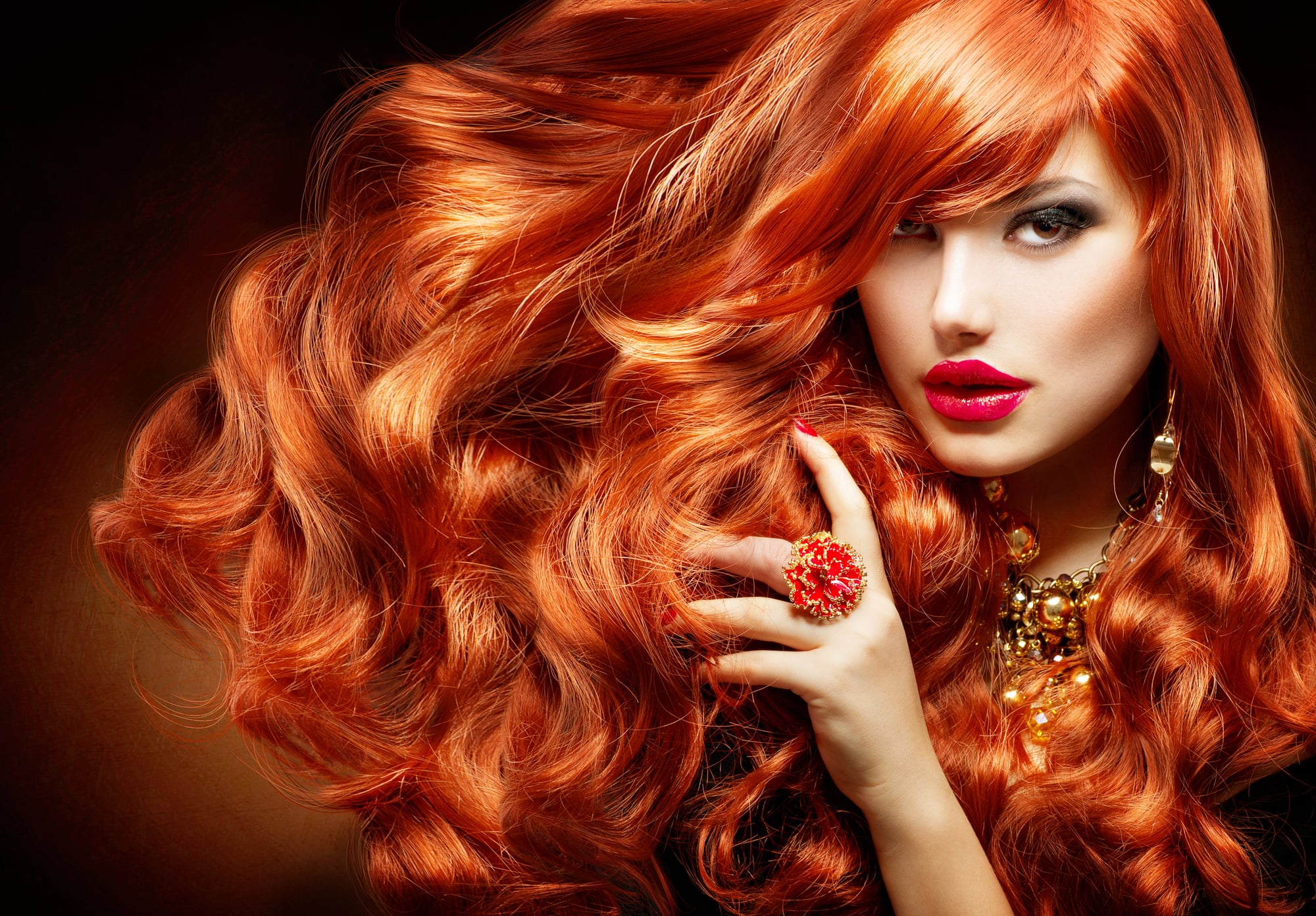
Modern beauty practices have their own painful consequences. Tight braids, heavy extensions, and pulled-back styles create constant tension on hair follicles.
Over time, this causes traction alopecia—permanent hair loss.
The condition progresses gradually. First, the hairline recedes.
Then patches thin out where the tension is greatest. Eventually, the damage becomes irreversible as follicles die.
Yet the styles remain popular despite dermatologists’ warnings.
The weight of extensions adds to the problem. Some women wear extensions weighing several pounds, pulling constantly on their scalps.
The pain becomes so normal they stop noticing it—until the hair loss becomes undeniable.
Young girls who start wearing tight styles early risk losing their hair before adulthood. The pressure to meet beauty standards pushes people to accept damage as an inevitable price.
Ultra-High Stilettos

Modern stiletto heels regularly reach five, six, or seven inches. Walking in them requires altered posture that strains the entire body.
The balls of the feet bear all the weight, crushed into a narrow point.
Studies show that regular heel wearing shortens calf muscles and Achilles tendons. The unnatural position damages knees and contributes to arthritis.
Bunions, hammertoes, and stress fractures become common among frequent wearers.
Women describe the pain as constant but bearable—until it’s not. Many eventually require surgery to correct damage from years of high heels.
But in professional environments where heels feel mandatory, the choice becomes complicated.
Waist Training and Modern Corsets

The corset made a comeback through “waist training”—wearing compression garments for hours daily to reduce waist size. Celebrities promoted the practice, claiming it reshaped their figures permanently.
The effects mirror Victorian tightlacing. Wearers report difficulty breathing, acid reflux, and bruised ribs.
Doctors warn about compressed organs and potential damage to the digestive system. But social media influencers keep promoting waist trainers as quick fixes for body insecurities.
The modern version adds new risks because people wear them during exercise, combining compression with physical exertion. This intensifies the strain on internal organs and makes proper breathing even more difficult.
Extreme Body Modifications
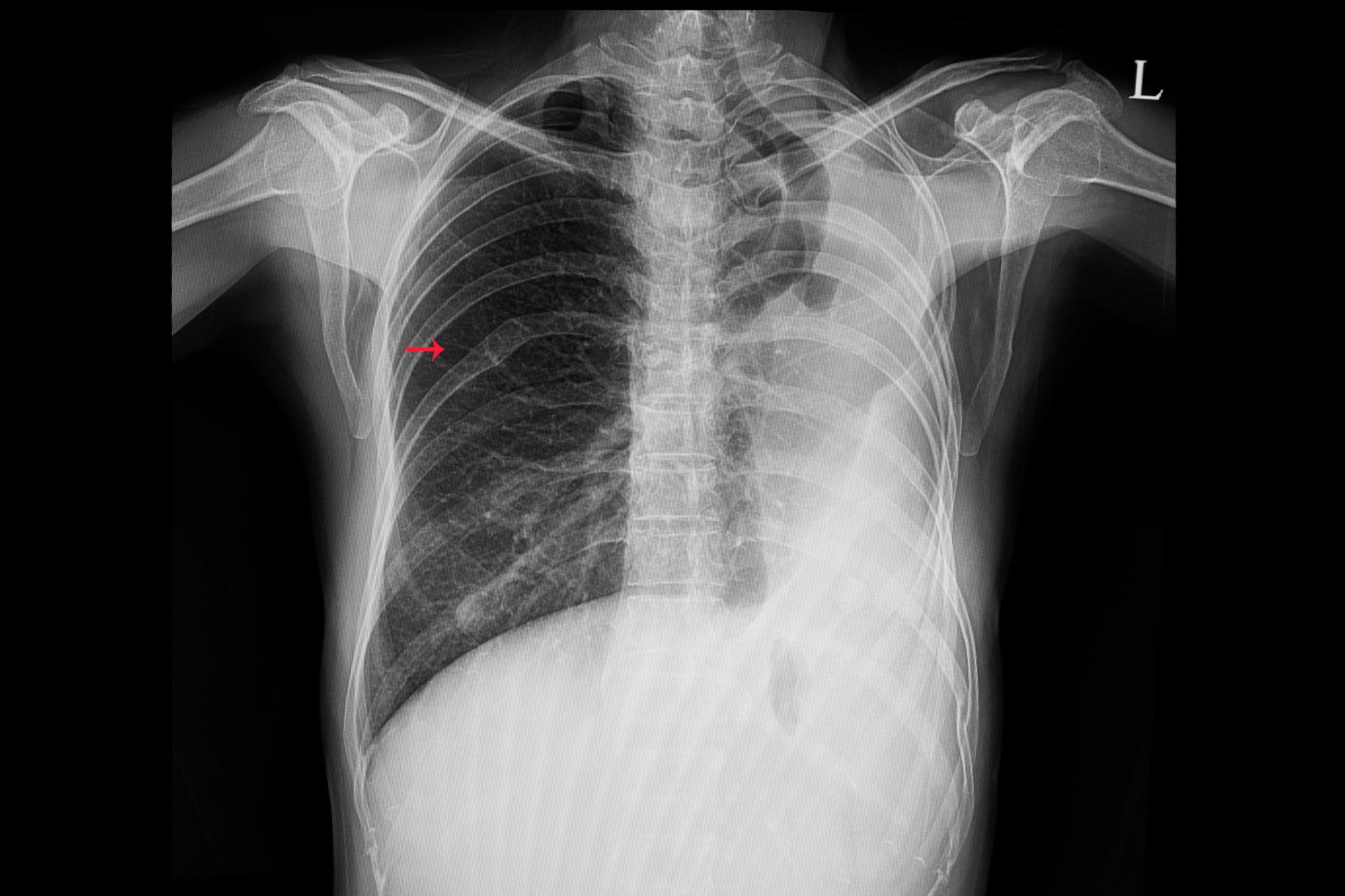
Contemporary beauty culture includes increasingly extreme modifications. Rib removal surgery to narrow the waist, toe shortening to fit into high heels, and leg lengthening procedures all involve breaking or removing healthy body parts for aesthetic reasons.
These surgeries carry serious risks. Infections, nerve damage, chronic pain, and surgical complications can leave people worse off than before.
Recovery takes months and sometimes requires additional corrective procedures.
The permanent nature makes these modifications different from temporary fashion choices. Once the surgery is done, the effects last forever, even as beauty standards continue changing.
The Weight of Looking Right

Where we draw the line changes over time – between caring too much about looks and enduring what might be too far. Later decades may stare back at today’s habits just as we gawk at corsets or bound feet.
Yet right then, when it happens, hurt seems worth it if beauty or fitting in rides on top of it.
More from Go2Tutors!

- The Romanov Crown Jewels and Their Tragic Fate
- 13 Historical Mysteries That Science Still Can’t Solve
- Famous Hoaxes That Fooled the World for Years
- 15 Child Stars with Tragic Adult Lives
- 16 Famous Jewelry Pieces in History
Like Go2Tutors’s content? Follow us on MSN.