Foods and Drinks Tied to Irish Heritage Worldwide
Across the world, pieces of Ireland live on through its food and drink, cherished by millions. Long hours in the fields called for filling meals, shaping tastes still shared now.
Sips once passed around gatherings turned into lasting habits. Resilience shows up in stews, breads, stories stirred into every bite.
Creativity thrives where simple ingredients meet care. Community gathers wherever these flavors appear.
In cities like Dublin or Sydney, plates carry more than taste – they hold memory. Identity simmers in pots, pours from glasses, travels far beyond island shores.
From Dublin kitchens to distant shores, flavors tell quiet stories of green fields and misty mornings. Even a crusty loaf can echo with laughter heard long ago.
These tastes do not shout. They simply stay present, like an old tune hummed under breath.
Soda Bread

Bread like this found its way into Irish kitchens using just flour, baking soda, salt, and buttermilk. Back then, households baked it every day due to yeast being costly, tricky to store back in the 1800s.
Rising happened when baking soda met buttermilk, forming loaves that were thick, carrying a sharp taste all their own. These days, shops everywhere add raisins or caraway seeds while making their take.
Still, real old-style Irish soda bread remains simple, unembellished.
Guinness Stout

Downpour-colored and deep, this brew links tightly to Irish roots after Arthur Guinness began crafting it in 1759. Roasted barley brings both the bold hue and layered taste, shaping that famous velvet foam on top.
Across the planet, more than ten million glasses get poured daily, lifting it beyond borders. Loyal sippers claim nothing beats the version tapped straight from a pub bench in Dublin – somehow sharper, closer to origin.
Corned Beef and Cabbage

This meal came from Irish newcomers in America, even if it doesn’t match what folks back home usually cooked. Over there, meals often included cabbage with bacon, yet once in the U.S., those same families picked up corned beef – easier to find, less costly too.
Slow-cooked chunks of that briny meat landed beside steamed greens, turning into a common sight every March. Funny enough, most in Ireland don’t touch this mix, seeing it instead as something made overseas.
Irish Whiskey
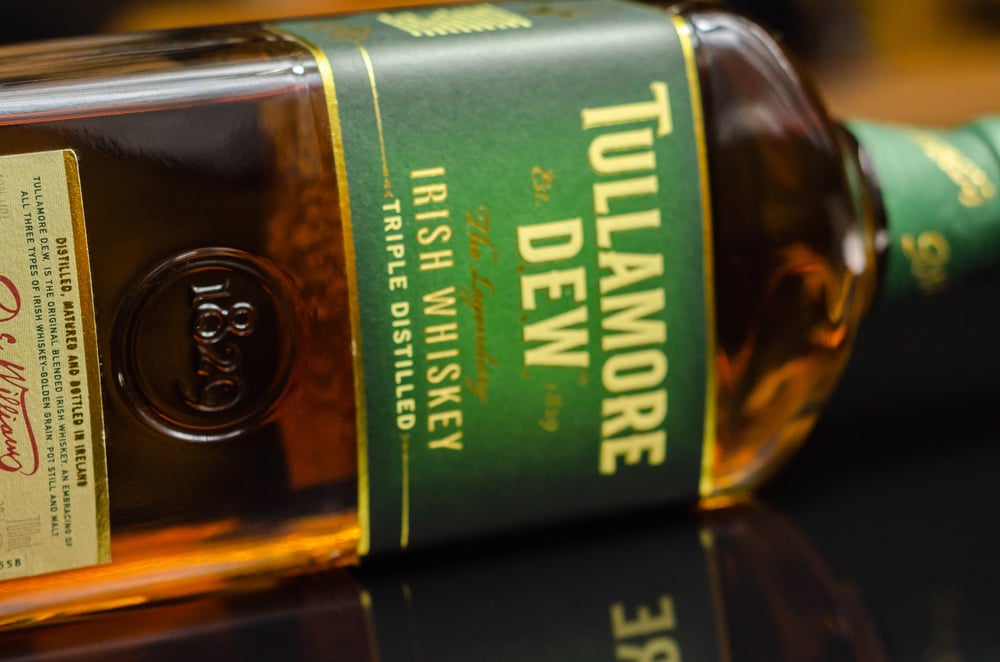
Long before Scotland made its mark, Ireland was already crafting a smooth whiskey through three rounds of distillation. Monks are said to have brought the method across in the year one thousand.
Names such as Jameson, Bushmills, and Tullamore Dew draw loyal drinkers far beyond the island. Their appeal lies in a gentler profile, not weighed down by smoke like many Scotches.
Though politics and bans nearly wiped out production during the last century, revival began slowly at first. Now, on American shelves, Irish whiskey moves faster than Scotch ever does.
What once faded into quiet is loud again today.
Colcannon
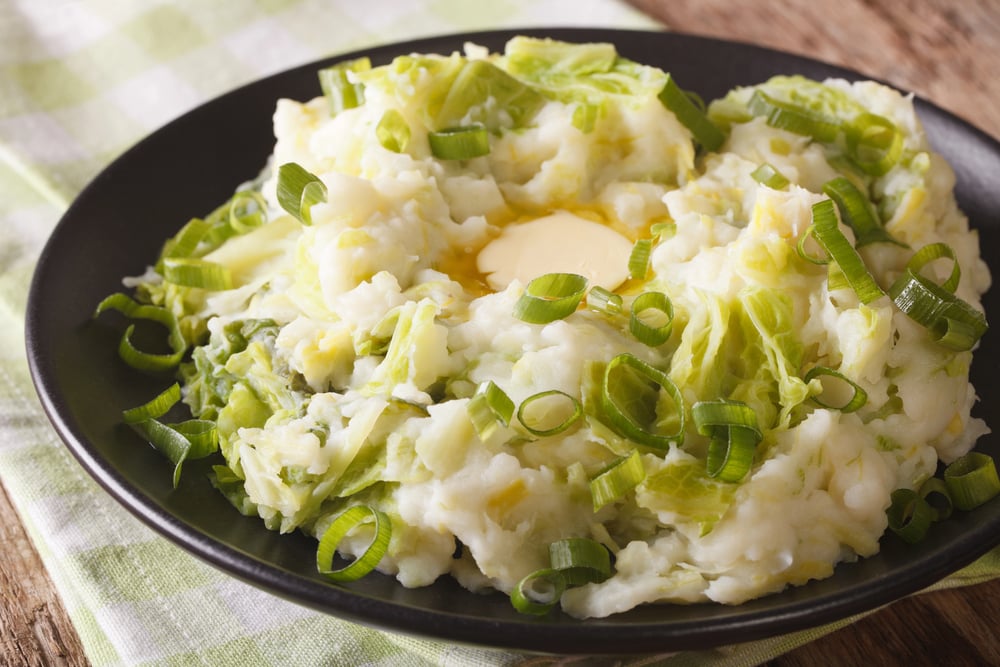
Baked earth turns soft under pots where potatoes meet greens like cabbage or kale. A spoon stirs in rich butter, fresh milk flows in, now and then pale rings of scallion drift through.
Whole clans gathered come October nights around bowls hiding pennies, tiny charms tucked beneath folds of warm mash. What grows stubborn in cold soil becomes a feast without fuss – plain things shaped by hands that know them.
Hidden bits thrill kids yet today just as they did long ago when farms lit hearths against autumn chill.
Bailey’s Irish Cream

Back in 1974, someone mixed Irish whiskey and cream into something sugary that caught fire across continents. Keeping the dairy stable was tricky – yet they cracked it, so bottles lasted ages without going bad.
Over time, this blend climbed to the top spot worldwide among similar drinks. You might sip it cold, pour it over cubes, stir it into a cup of coffee, even bake it into sweets – it fits nearly anywhere.
Boxty
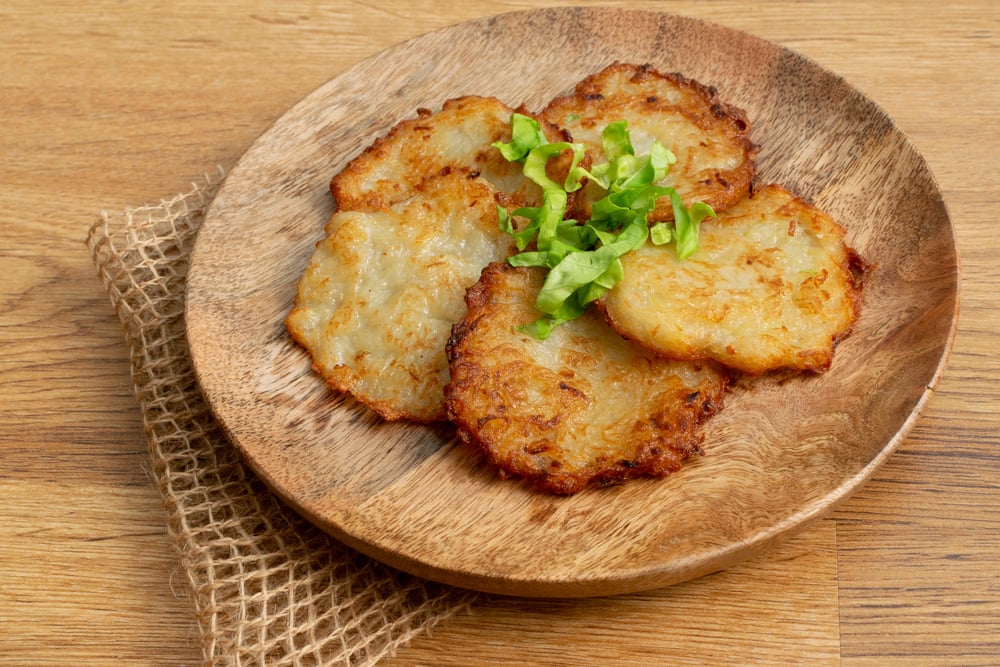
Baked each morning or served at evening meals throughout Ireland, these potato pancakes blend shredded fresh potatoes with soft mashed ones plus a touch of flour. Depending on the area, families shape them uniquely – some pile ingredients high into dense rounds while others spread them wide like delicate crepes.
That term “boxty” slips from an old Gaelic saying for ‘bread of hardship,’ rooted deeply in times when only meager means were available. Now chefs plate refined takes topped with smoked salmon or herbs, lifting what once fed farmers into modern dining.
Irish Breakfast Tea

Stronger and maltier than English breakfast tea, this blend became a morning ritual in Irish households. The tea typically contains Assam leaves that create a robust flavor capable of standing up to milk and sugar.
Irish people drink more tea per person than almost any other nation, consuming an average of four to six cups daily. A proper cup of Irish breakfast tea, served in a china cup with milk, remains a comforting tradition that connects generations.
Shepherd’s Pie

Ground lamb topped with mashed potatoes and baked until golden defines this classic Irish dish, though many versions use beef instead. The pie originally helped families use up leftover meat and vegetables, stretching meals to feed large households.
When made with beef, purists insist it should be called cottage pie, not shepherd’s pie. Either way, this hearty meal warms people up on cold, rainy days that Ireland knows so well.
Black and White Pudding

These sausages appear on traditional Irish breakfast plates, with black pudding made from pork blood and white pudding without it. Both contain oatmeal, pork fat, and spices, creating dense, savory sausages that some people love and others find intimidating.
The puddings date back centuries when Irish families used every part of the pig to avoid waste. Sliced and fried until crispy on the outside, they remain a breakfast staple in Ireland and parts of Britain.
Irish Coffee

This warm cocktail combines hot coffee, Irish whiskey, sugar, and cream, creating a drink perfect for cold evenings. A bartender in Shannon Airport invented Irish coffee in the 1940s to warm up cold travelers arriving on transatlantic flights.
The drink spread to San Francisco and then worldwide, becoming a favorite after-dinner beverage. Making it properly requires floating the cream on top without mixing it into the coffee, which takes practice to master.
Barmbrack

This sweet bread studded with raisins and dried fruit traditionally appears around Halloween in Irish homes. Bakers soak the fruit in tea overnight before mixing it into the dough, keeping the bread moist and flavorful.
Families once baked rings, coins, and other small items into barmbrack, with each item predicting the finder’s future. The bread tastes best sliced thick and spread with butter, making it a teatime favorite.
Seafood Chowder

Ireland’s long coastline provides abundant seafood that goes into this creamy, warming soup. Chunks of fish, mussels, and sometimes crab swim in a base of potatoes, onions, and cream.
Coastal towns each claim their version is best, with recipes passed down through fishing families. The chowder represents Ireland’s connection to the sea and the communities that have depended on fishing for survival.
Coddle
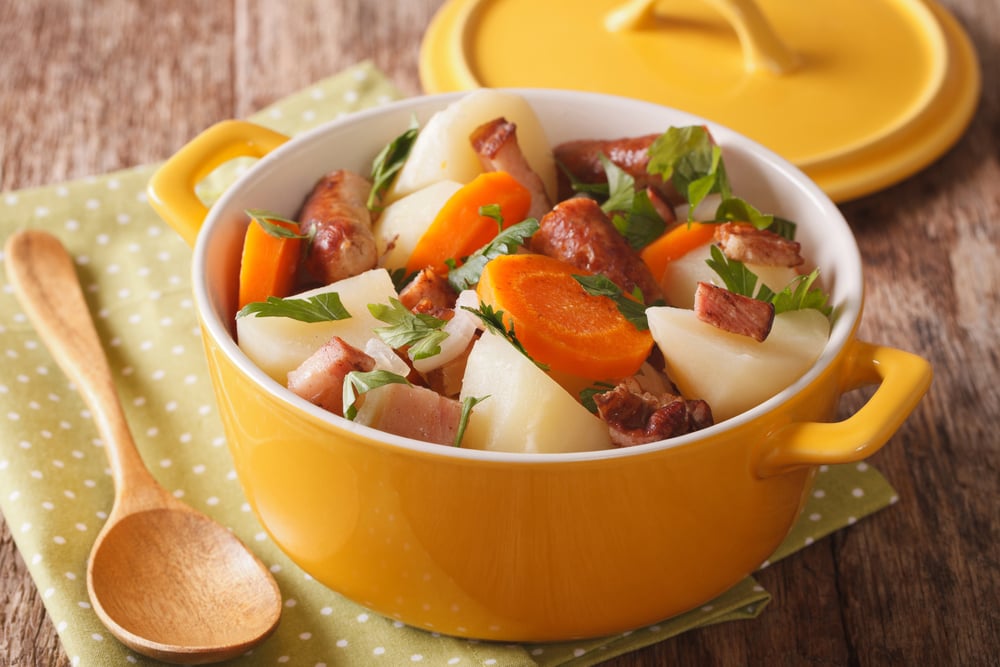
This Dublin stew uses leftover sausages and bacon simmered with potatoes and onions in a simple broth. Working-class families made coddle on Thursdays, using up odds and ends before shopping on Fridays.
The name comes from the gentle simmering or ‘coddling’ of the ingredients over low heat. Though it looks plain, coddle has devoted fans who grew up eating it and still crave its simple, comforting taste.
Irish Stew
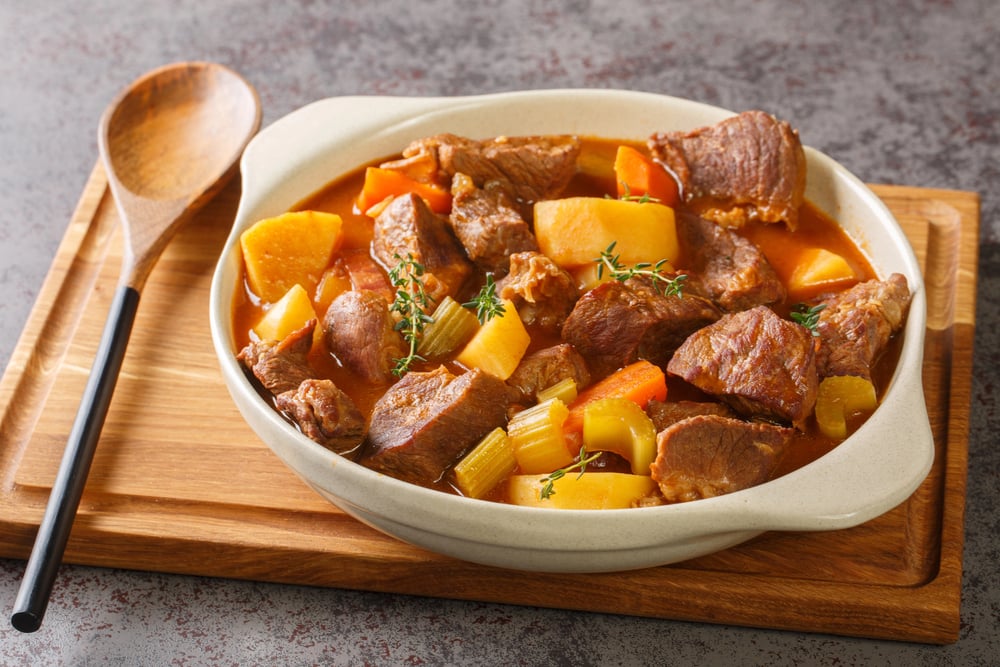
Mutton or lamb slow-cooked with potatoes, onions, and carrots creates this iconic dish that has fed Irish families for centuries. The stew required only ingredients that poor farmers could afford or raise themselves.
Long, slow cooking makes tough meat tender and allows the flavors to blend into something greater than the sum of its parts. Restaurants worldwide serve Irish stew, though many add ingredients like Guinness that traditional versions never included.
Poitín

This traditional Irish spirit, pronounced ‘potcheen,’ was illegal for most of the 20th century but has made a comeback. Farmers distilled poitín from potatoes, grain, or even sugar beet, creating a powerful drink that could reach 90% alcohol.
The spirit was banned in 1661, driving it underground where families made it in secret stills hidden in the countryside. Legal versions now appear in stores, though some rural areas still have makers producing it the old way.
Where Heritage Meets the Table

These foods and drinks carry Irish culture forward, connecting people to their ancestry through taste and tradition. Whether enjoying a pint of Guinness in Tokyo or making soda bread in Chicago, these culinary traditions keep Irish heritage alive across continents.
The recipes have evolved and adapted, but they still bring people together the way they did in Irish homes centuries ago. Food and drink remain powerful links to the past, serving as delicious reminders of where families came from and the journeys they made.
More from Go2Tutors!

- The Romanov Crown Jewels and Their Tragic Fate
- 13 Historical Mysteries That Science Still Can’t Solve
- Famous Hoaxes That Fooled the World for Years
- 15 Child Stars with Tragic Adult Lives
- 16 Famous Jewelry Pieces in History
Like Go2Tutors’s content? Follow us on MSN.