Foods Cooked Using Geothermal Heat
Standing near a volcanic vent and feeling the earth’s warmth rise through your feet changes something about how you think of cooking. Most of us flip a switch or turn a dial without much thought.
But in places where the ground itself radiates heat, people have figured out how to use that energy to prepare their meals. The techniques vary from simple to elaborate, and the results carry a distinct character you won’t find anywhere else.
The Icelandic Bread Buried in Black Sand

Rúgbrauð gets its name from the dark rye flour that gives it color, but locals call it hot spring bread for obvious reasons. Bakers seal the dense dough in special pots and bury them in areas where geothermal activity keeps the ground consistently hot.
The bread steams underground for up to 24 hours. When you dig it up and break through the crust, the interior has a sweet, almost caramel-like quality.
The slow, even heat does something chemical to the rye that quick oven baking can’t replicate.
Steamed Corn in the Azores

On São Miguel Island, volcanic vents called fumaroles create natural steam chambers. People wrap corn in cloth and lower it into these vents, where superheated steam cooks it in minutes.
The corn emerges tender but retains a firm bite. You’ll find stands selling this corn near the hot springs at Furnas.
The flavor differs from boiled corn—cleaner, somehow, with none of that waterlogged quality. The mineral-rich steam might contribute to the taste, or it might just be the theatre of watching your food disappear into the earth and reappear cooked.
Japanese Onsen Eggs
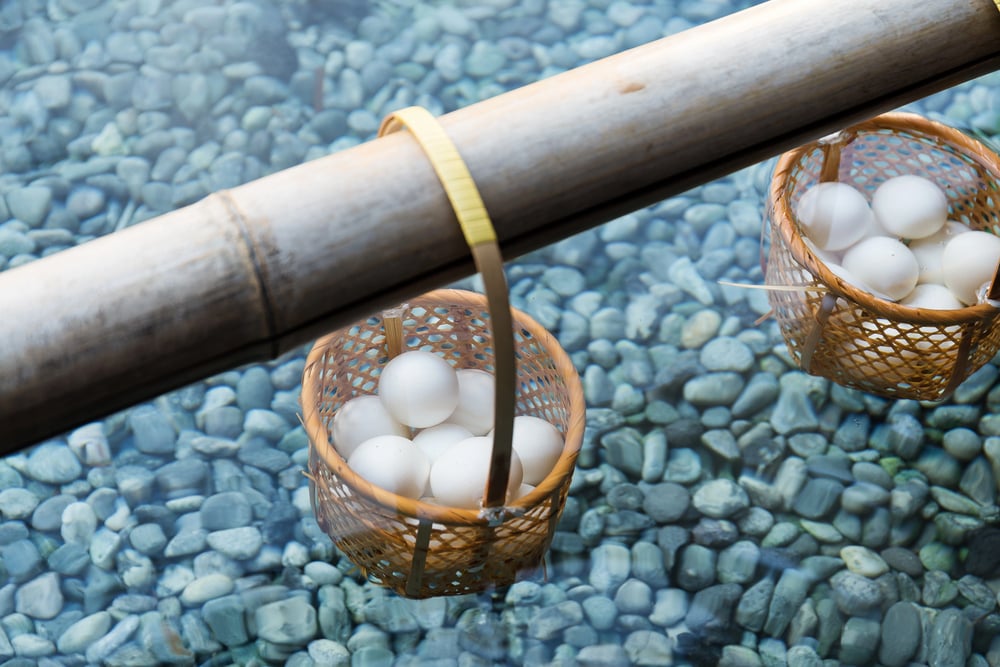
Hot spring resorts across Japan feature pools at different temperatures, and the coolest ones work perfectly for eggs. Submerge raw eggs in water that hovers around 65 to 70 degrees Celsius, and after 30 to 40 minutes you get something special.
The whites turn custard-soft while the yolks stay liquid but somehow thicker. Regular boiling doesn’t produce this texture because the temperature stays too high.
The eggs develop a slight sulfuric smell from the minerals in the water, which some people love and others find off-putting.
Whole Pigs Roasted in New Zealand Earth Ovens

The Māori hangi traditionally uses heated rocks in a pit, but modern versions in geothermal areas skip the rock-heating step entirely. Dig your pit in the right spot near Rotorua and the ground provides the heat.
Wrap a pig in leaves and cloth, lower it in, cover it with earth, and wait. The meat slow-cooks for hours, absorbing smoke and mineral flavors from the soil.
When you unearth it, the skin has a different texture than oven-roasted pork—tougher in some spots, paper-thin in others. The meat falls apart.
Lobster Baked in Volcanic Rock

Maine might be famous for its lobster, but Iceland has its own approach. Coastal areas with geothermal activity let you place lobster directly on heated volcanic rock.
The rock stays hot enough to cook the shellfish without burning it, though timing requires practice. Too long and you get rubber.
Just right and the meat stays tender with a slightly smoky flavor from the rock. Some restaurants near Reykjanes Peninsula have formalized this method, but locals have done it for generations as a picnic tradition.
Guatemalan Tamales from Underground Kitchens
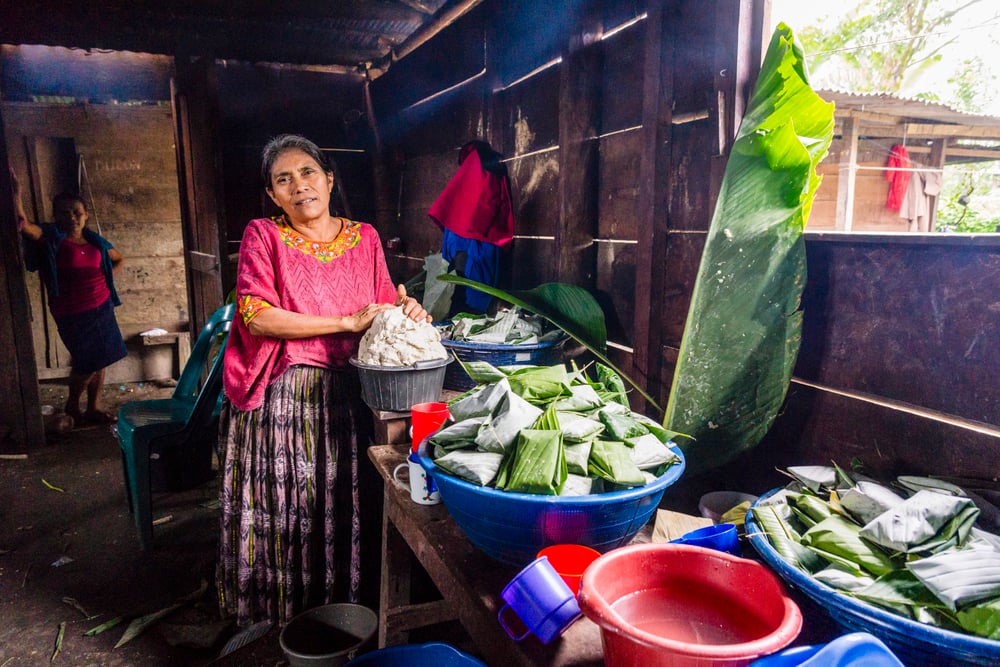
Around Pacaya volcano, families use vents in the rock face as natural pressure cookers. They wrap tamales in banana leaves and stack them in metal containers that fit into the vents.
The volcanic steam cooks them faster than stovetop methods. The banana leaves char slightly from the heat, which adds a subtle bitterness to the corn dough.
You won’t find this in restaurants—it’s home cooking that takes advantage of free energy.
Sweet Potatoes Slow-Baked in Hawaiian Sand

Before modern ovens, Hawaiians used underground ovens called imu. In volcanic areas, you can skip the fire altogether.
Bury sweet potatoes in geothermally heated sand and the slow, consistent warmth converts their starches to sugars over several hours. The result tastes sweeter than oven-baked versions.
The skin caramelizes where it touches the hot sand. Some farms on the Big Island still use this method, though mostly for cultural demonstrations.
Rice Steamed in Indonesian Geothermal Bamboo

Around Mount Bromo, cook bamboo segments with rice and coconut milk, seal the ends, and lean them against rocks near fumaroles. The steam heat cooks the rice while the bamboo chars, giving the dish a woody, slightly bitter taste that balances the coconut sweetness.
The bamboo eventually splits from the heat, signaling the rice is ready. This technique shows up at festivals more than daily meals now, but older residents remember when it was common practice.
Meat Stews Simmered in Yellowstone-Adjacent Areas

Near the park boundaries where geothermal features are accessible, ranchers historically lowered pots into hot springs to cook stews during long workdays. The springs maintained perfect simmering temperatures for hours without fuel.
The meat broke down slowly, bones released their gelatin, and the vegetables turned soft without disintegrating. Modern regulations prohibit cooking in Yellowstone’s thermal features, but the practice continues on private land with similar geology.
Tea Brewed in Tibetan Hot Springs

High-altitude hot springs in Tibet serve a practical purpose beyond bathing. The water emerges hot enough to brew tea, and travelers have used these springs as natural kettles for centuries.
The mineral content affects the flavor—some springs produce bitter tea, others add a pleasant earthiness. You bring your own tea leaves and a cup.
The ritual of brewing tea this way matters as much as the drink itself.
Fish Cooked in Chilean Salt Flat Pools
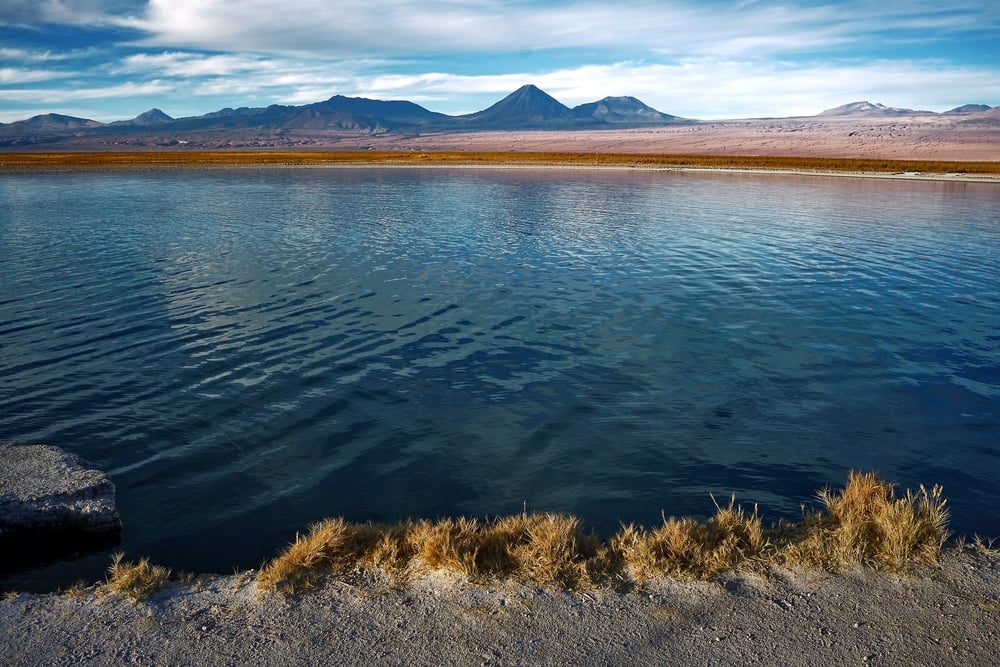
Near the Atacama Desert, geothermal springs create warm pools in salt flats. The high salinity combined with the heat makes these pools natural brining stations.
Submerge fish for a specific time and the salt penetrates while the heat firms the flesh. The result resembles ceviche but with a different texture—cooked through but still translucent in places.
Local families guard their favorite pools and timing techniques.
Vegetables Steamed in Italian Fumaroles

Around Naples and Sicily, volcanic activity creates steam vents that have fed communities for generations. Farmers lower vegetables in mesh bags into these vents.
Broccoli, artichokes, and fennel come out tender in a fraction of the time stovetop steaming requires. The mineral-laden steam adds a slightly metallic taste that works better with some vegetables than others.
Artichokes benefit from it. Tomatoes don’t.
Flatbread Baked on Ethiopian Geothermal Stones

In the Afar region, flat stones heated by underground magma chambers serve as natural griddles. The stones reach temperatures high enough to cook injera-style flatbread.
Spread the batter thin and it cooks in seconds, creating that characteristic and tangy flavor. The stone’s uneven heat distribution means some parts cook faster, giving each piece a unique pattern of brown spots and soft areas.
Cheese Aged in Volcanic Caves
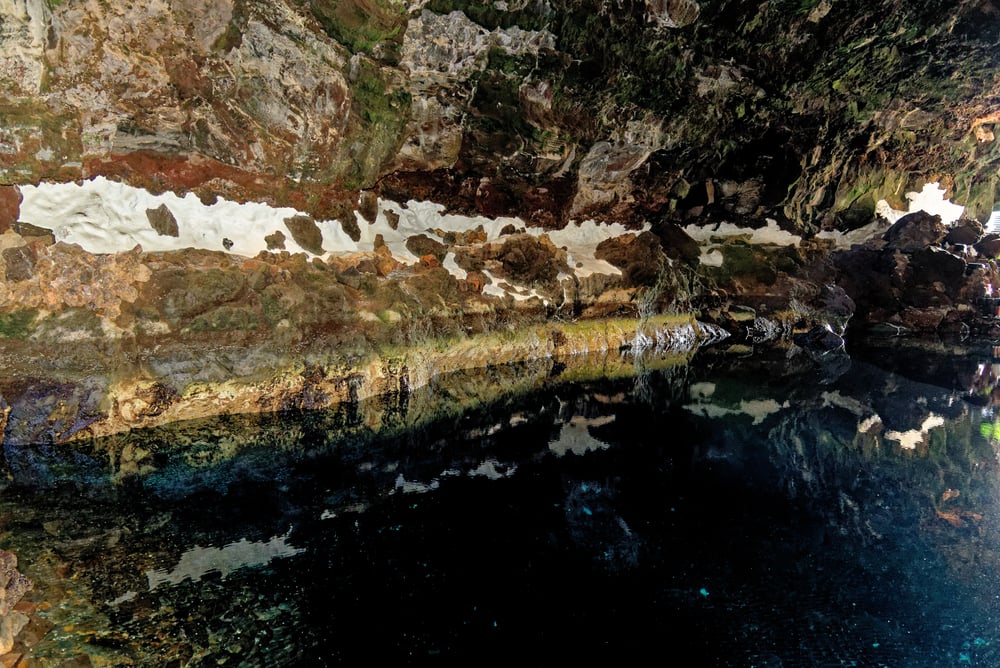
Far from ordinary kitchens, some cheesemakers rely on hidden underground spaces. Deep inside volcano-adjacent caverns, conditions stay steady – moisture hangs just right, warmth never spikes.
Rock formed by eruptions smooths out sudden changes in heat. Air laced with minerals could shape how taste evolves over time.
In the Azores, artisans store dense wheels of cheese within these natural vaults. Over many weeks, the outer layer firms up noticeably.
Flavors grow deeper compared to what cold storage delivers.
When the Earth Becomes Your Kitchen
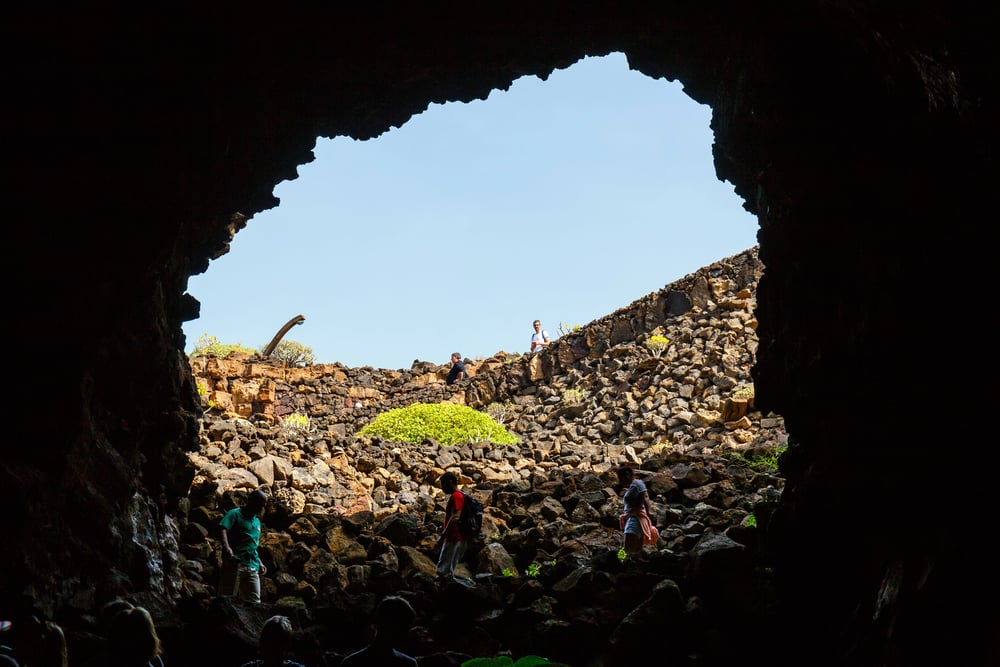
Fresh from below, warmth rises where cooks wait. Not fast, never rushed, meals move at their own pace.
Heat does what it wants, no knobs to turn, no dials to twist. Time passes while flavors shift underground.
Minerals drift into ingredients, quiet but clear. What comes out holds a shape fire would ruin.
Different results arrive when hands step back. Slow means more than delay – it shapes taste itself.
You stand there, meal slowly rising from below, thinking how cooking means nothing but heat shaped by hands. Certain ways of doing it simply seem closer to the start of things.
More from Go2Tutors!

- The Romanov Crown Jewels and Their Tragic Fate
- 13 Historical Mysteries That Science Still Can’t Solve
- Famous Hoaxes That Fooled the World for Years
- 15 Child Stars with Tragic Adult Lives
- 16 Famous Jewelry Pieces in History
Like Go2Tutors’s content? Follow us on MSN.