16 Vintage Fashion Trends Shown Through Real Snapshots
Fashion feels different when you see it on real people living their lives. These aren’t glossy magazine spreads or carefully curated museum displays — they’re snapshots from family albums, street photography, and candid moments that captured what people actually wore when they thought nobody was looking.
The wrinkles, the way fabric moved, the shoes that were clearly chosen for comfort over style — all the details that make vintage fashion feel alive rather than untouchable.
The Drop Waist Dress
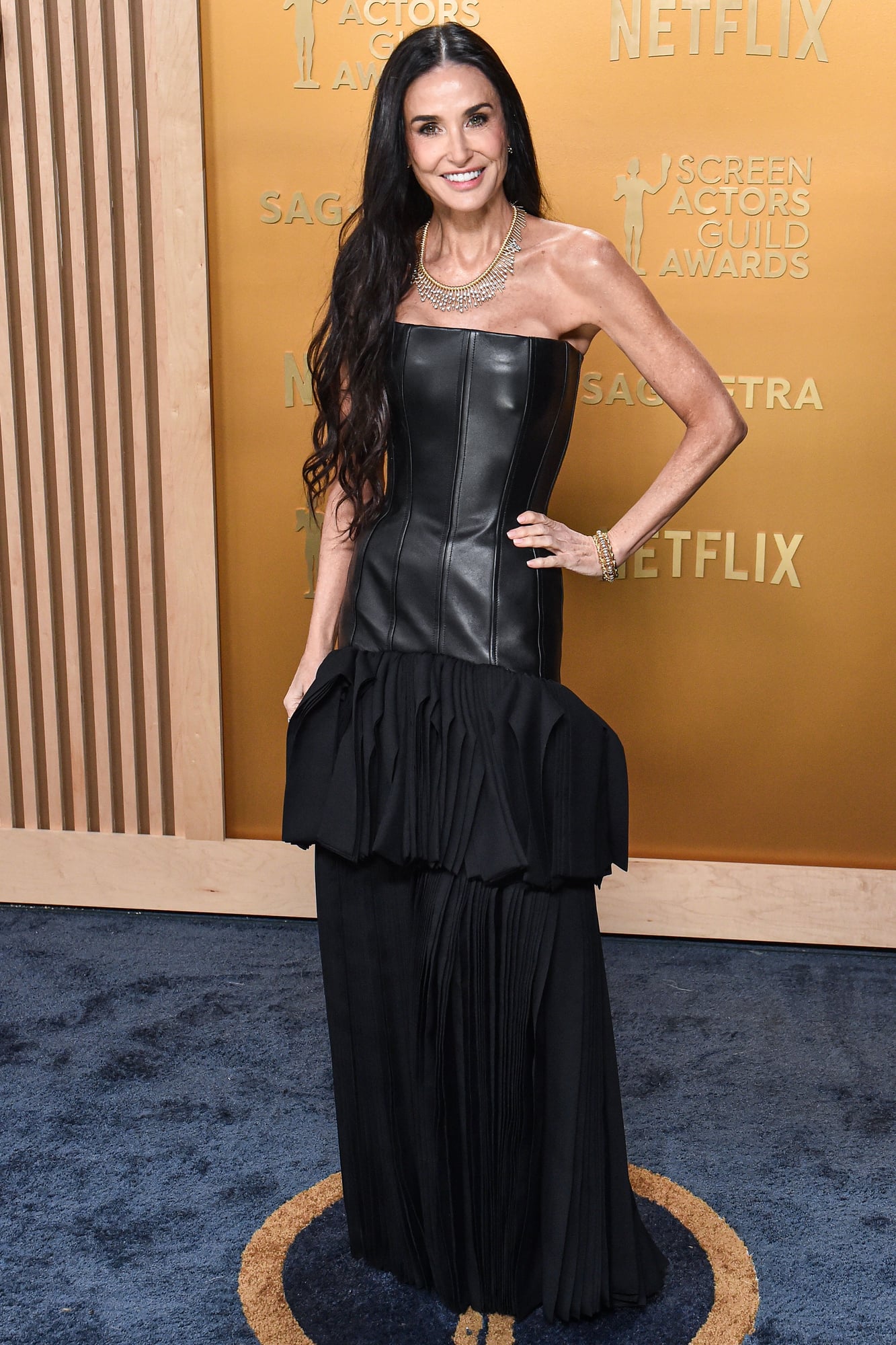
Drop waist dresses didn’t care about your actual waist. The whole point was rebellion — against corsets, against expectations, against the idea that women’s bodies needed to be carved into specific shapes to matter.
Look at any snapshot from the 1920s and you’ll see it. Women standing next to cars that cost more than houses, fabric hanging loose and straight from their hips, looking like they could dance or drive or do whatever they pleased without asking permission first.
Rolled Stockings
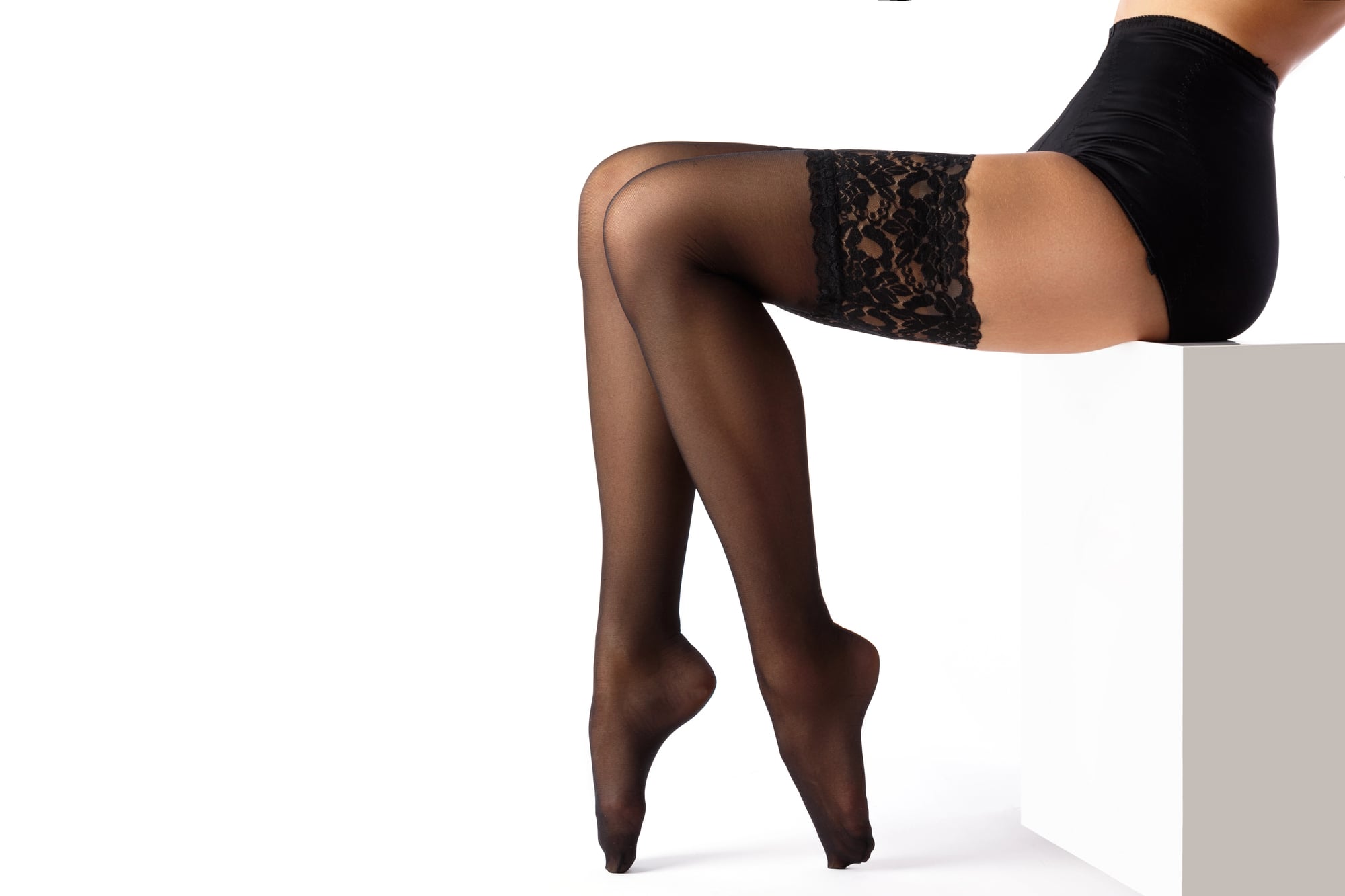
The thing about rolled stockings wasn’t the rolling — it was what the rolling meant (which everyone understood without having to say it out loud). You took something that was supposed to stay put, pulled it down to your knees, and made it look intentional, because that’s what young women did when they wanted to announce that the old rules didn’t apply to them anymore.
And the photographs from the late 1920s show exactly that: girls perched on park benches and car bumpers, stockings bunched around their calves like badges of independence, which — when you think about it — is exactly what they were. So simple.
So obvious. So effective at making parents worry that the world was ending.
Saddle Shoes
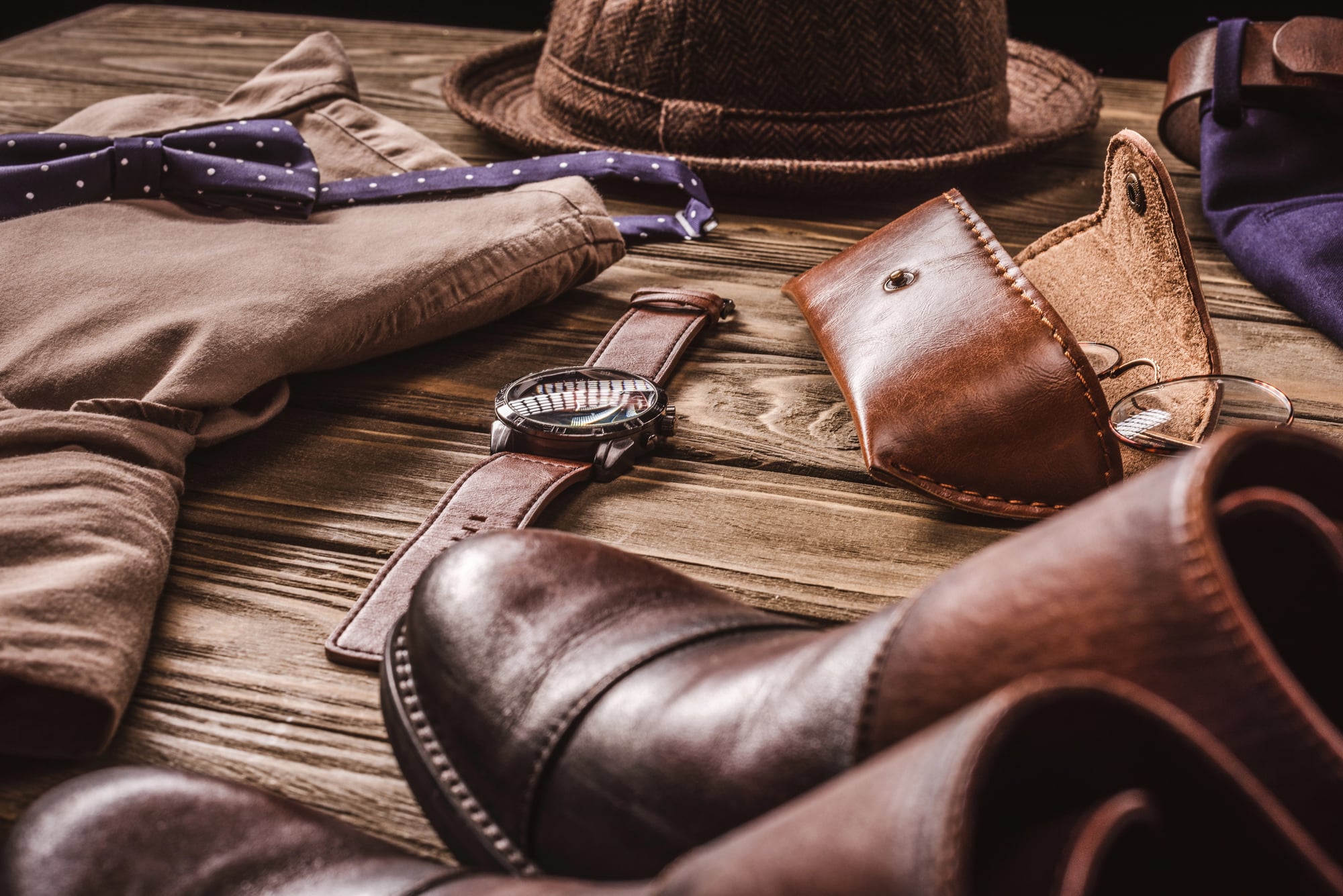
A saddle shoe is what happens when practicality meets stubbornness. The design makes no sense — leather that’s two different colors stitched together for no reason except that it looks right.
But right it did look. Every high school snapshot from the 1940s and 50s proves it.
Kids leaning against lockers, sitting on gymnasium bleachers, walking home from school — and there they are, those distinctive white shoes with dark leather stretched across the middle like a horse’s saddle. Comfortable enough for walking.
Sturdy enough for dancing. Distinctive enough that you could spot them in a crowd.
Circle Skirts
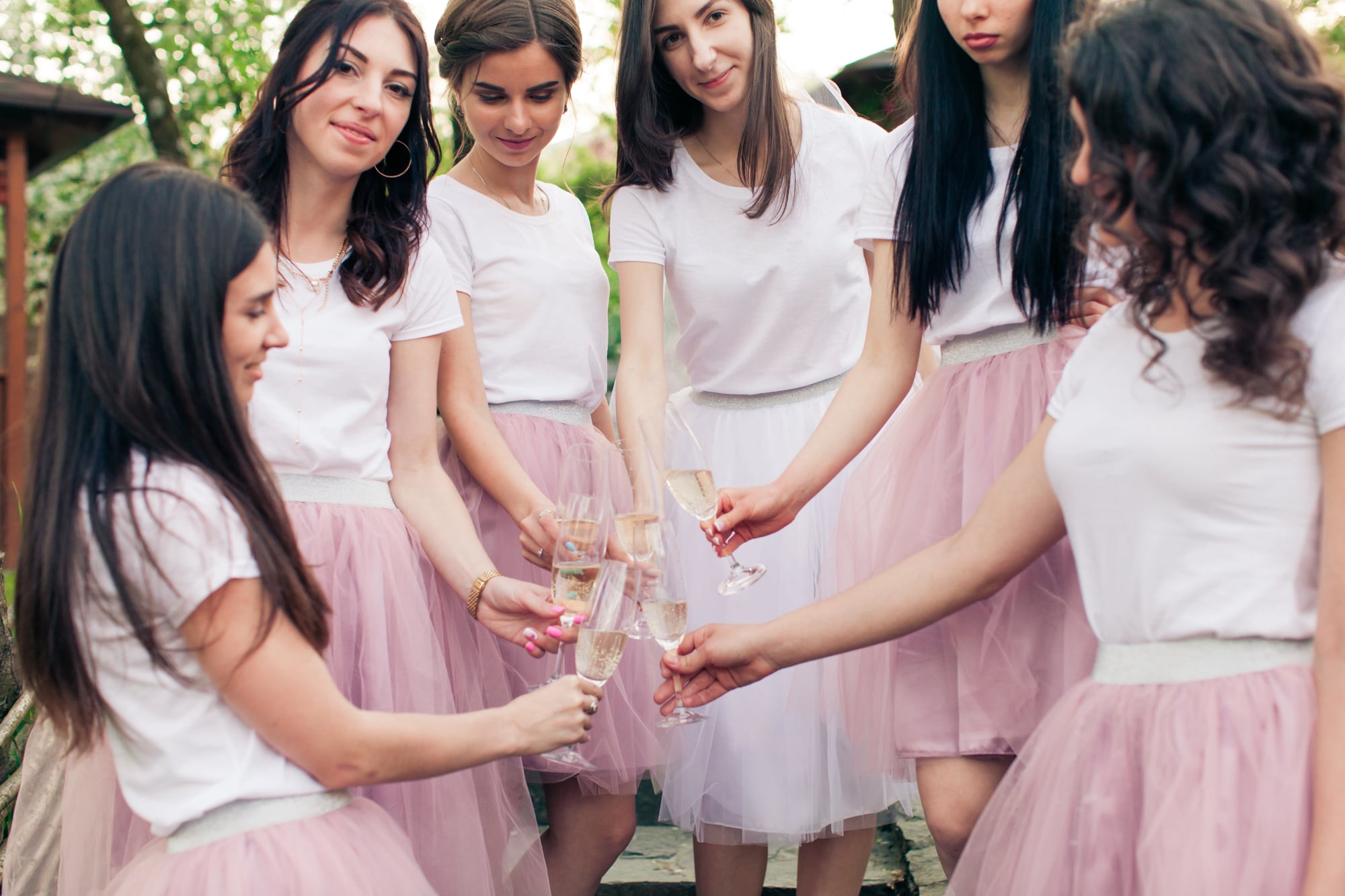
There’s something hypnotic about watching fabric move when it has nowhere else to go but out. Circle skirts caught air like sails — step off a curb, spin around, sit down too quickly, and suddenly you’re managing yards of material that seemed perfectly reasonable when you put it on that morning.
The camera never lied about this: every candid shot from the 1950s shows women negotiating with their clothes, holding down hems, smoothing out fabric that had its own ideas about gravity and momentum. But that negotiation was part of the appeal, wasn’t it?
The skirt demanded attention — from the wearer, from everyone watching. It turned walking into performance, sitting into strategy.
Even in the most casual snapshots, women wearing circle skirts look deliberate, like they dressed with the understanding that their clothes would announce them before they had a chance to speak.
Petticoats
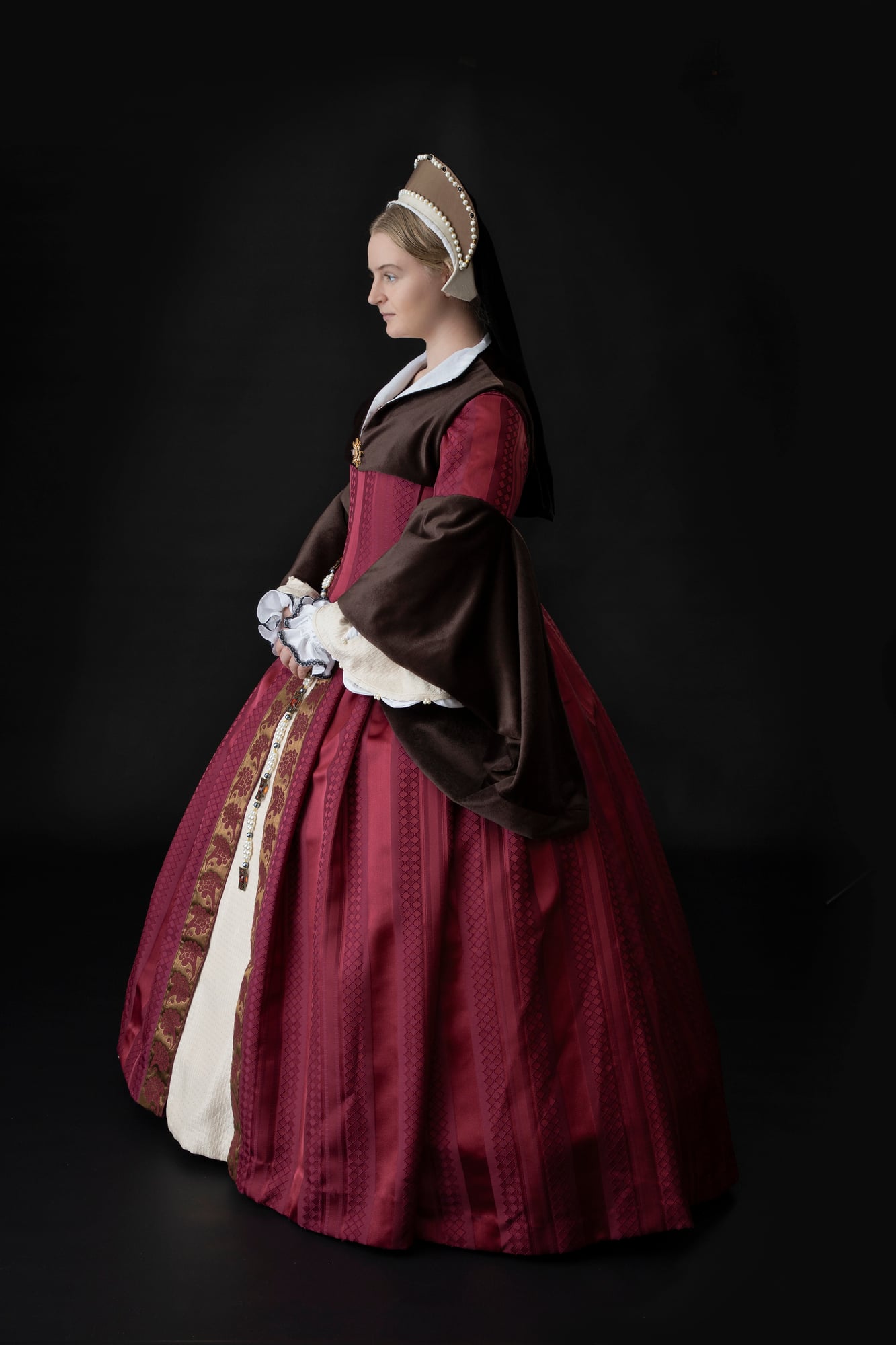
Petticoats exist to create a lie that everyone agrees to believe. The fuller skirt, the perfect bell shape, the way fabric falls just so — none of it happens naturally.
It requires architecture. Women wore slips made of scratchy crinoline and nylon that rustled when they walked.
They dealt with static cling and layers that twisted and volume that made sitting in cars an engineering challenge. But look at the photographs and none of that struggle shows.
Just the silhouette, clean and dramatic, exactly as intended.
White Bucks
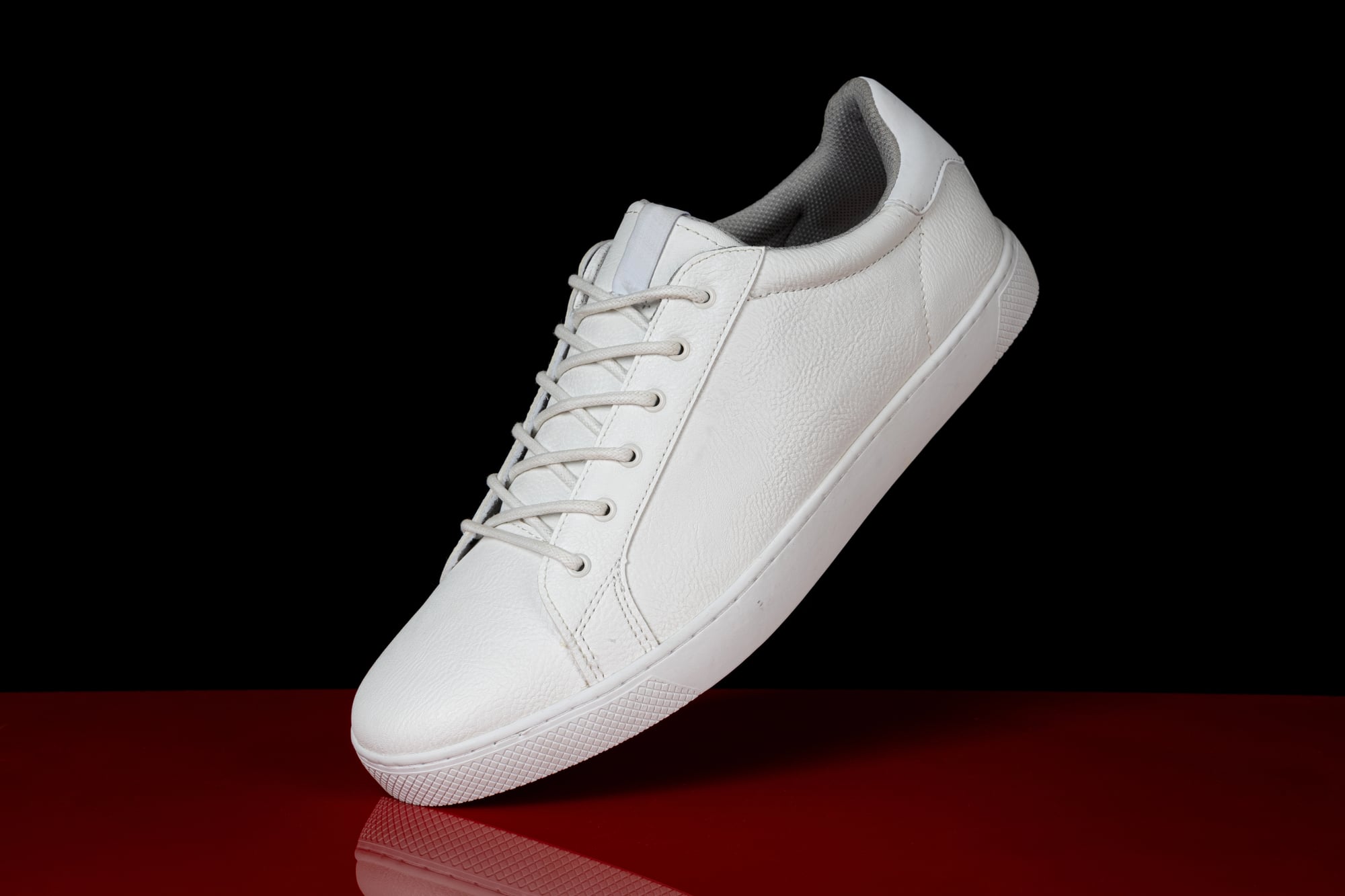
White buck shoes were summer captured in leather and rubber. Not just the color — though that clean, bright white said everything about warm weather and leisure time — but the attitude (which was somehow both casual and particular at the same time).
You wore them to tennis matches and country club dinners, to college mixers and weekend gatherings, anywhere you wanted to look like you belonged without trying too hard, because trying too hard was the one thing that could ruin the whole effect. And the snapshots from the 1950s show exactly that balance: men standing around at barbecues and graduation parties, hands in their pockets, white bucks planted firmly on grass or brick or wooden decks, looking like they’d rather be nowhere else.
Which was the point.
Capri Pants
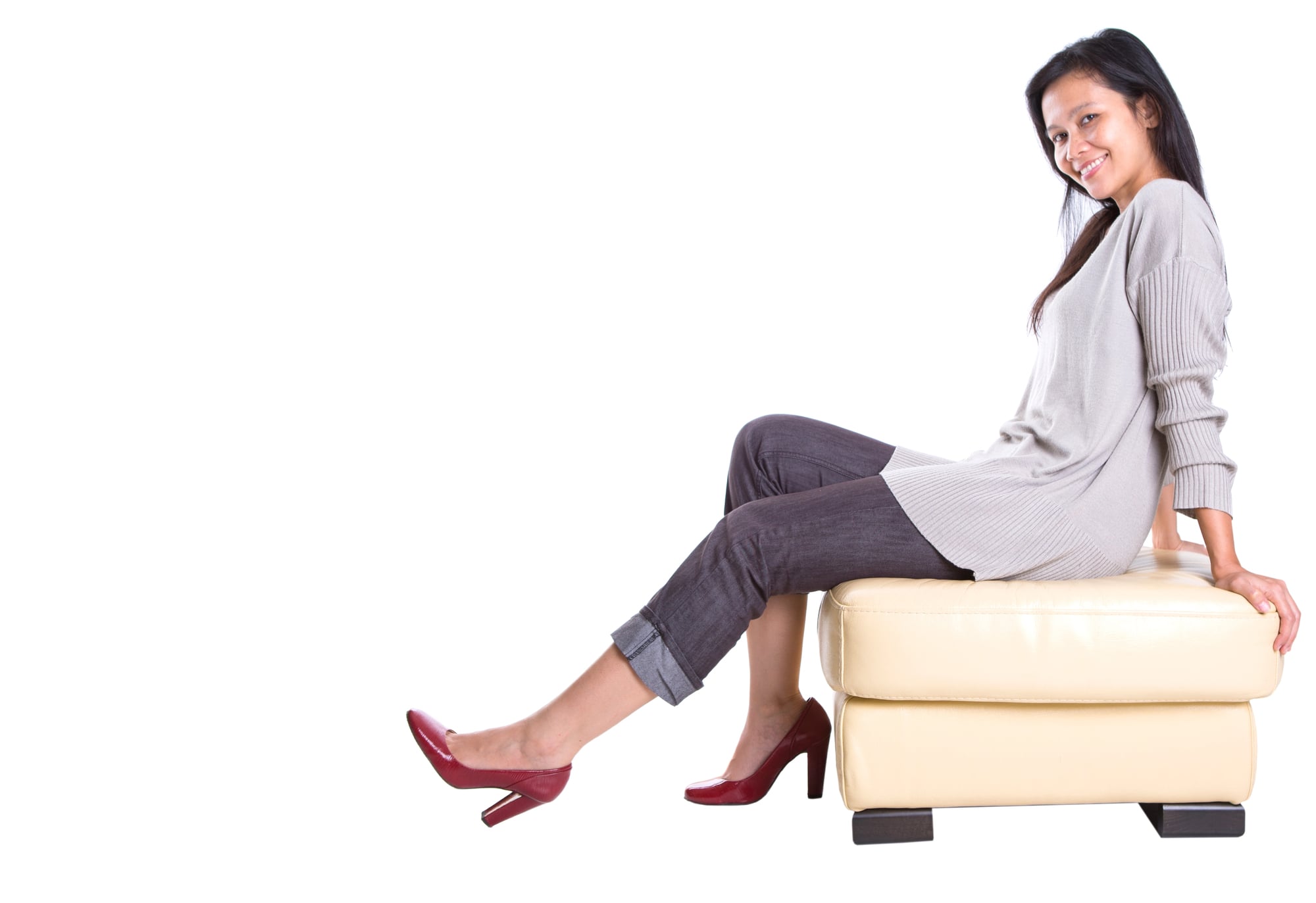
Capri pants solved a problem nobody realized they had until the solution showed up. Shorts were too casual, full-length pants too formal, and summer was too long to spend worrying about hemlines.
So someone — Audrey Hepburn gets the credit, though fashion is never that simple — decided that pants could just stop mid-calf and call it intentional. The casual photographs from the late 1950s and early 60s tell the story better than any fashion magazine could.
Women gardening, walking dogs, running errands, all wearing these cropped pants that looked put-together without being precious. Practical without being boring.
The kind of compromise that actually worked.
Poodle Skirts
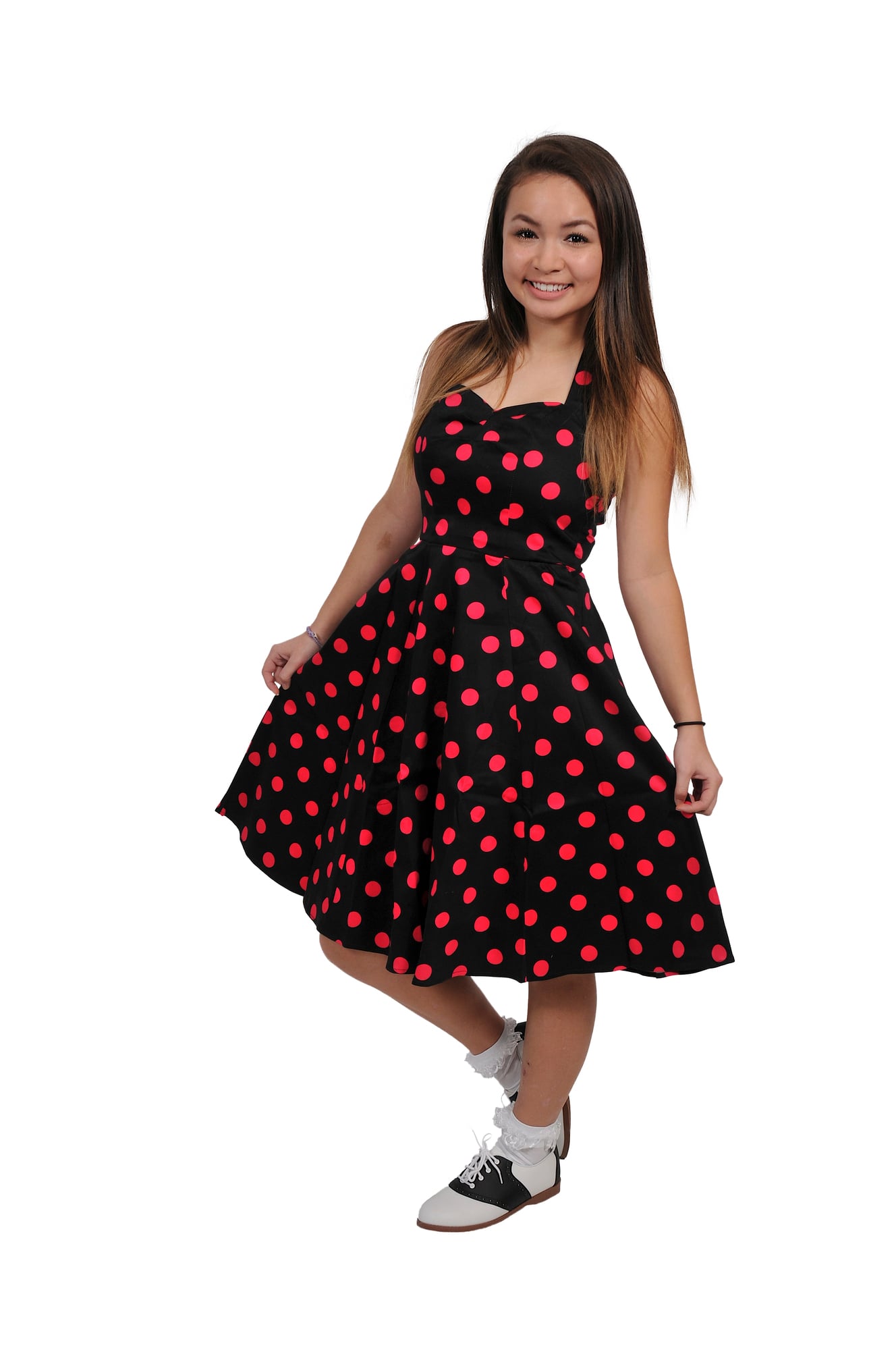
The poodle skirt was what happened when someone decided that clothing could be conversation starters. Not just the appliqué — though the little felt dog attached to the hem was impossible to ignore — but the whole approach, which turned getting dressed into storytelling, because wearing a picture of a poodle (or a phone, or a record, or anything else that could be cut out of felt and stitched to fabric) meant you wanted people to notice, to comment, to ask questions about your choice to wear your personality on the outside.
And teenagers in the 1950s understood this perfectly, judging from every school dance photograph and soda fountain snapshot where girls are spinning and posing, their skirts flaring out to show off whatever small scene they’d chosen to carry with them. Bold.
Playful. Completely confident that whimsy was worth the effort.
Letterman Sweaters
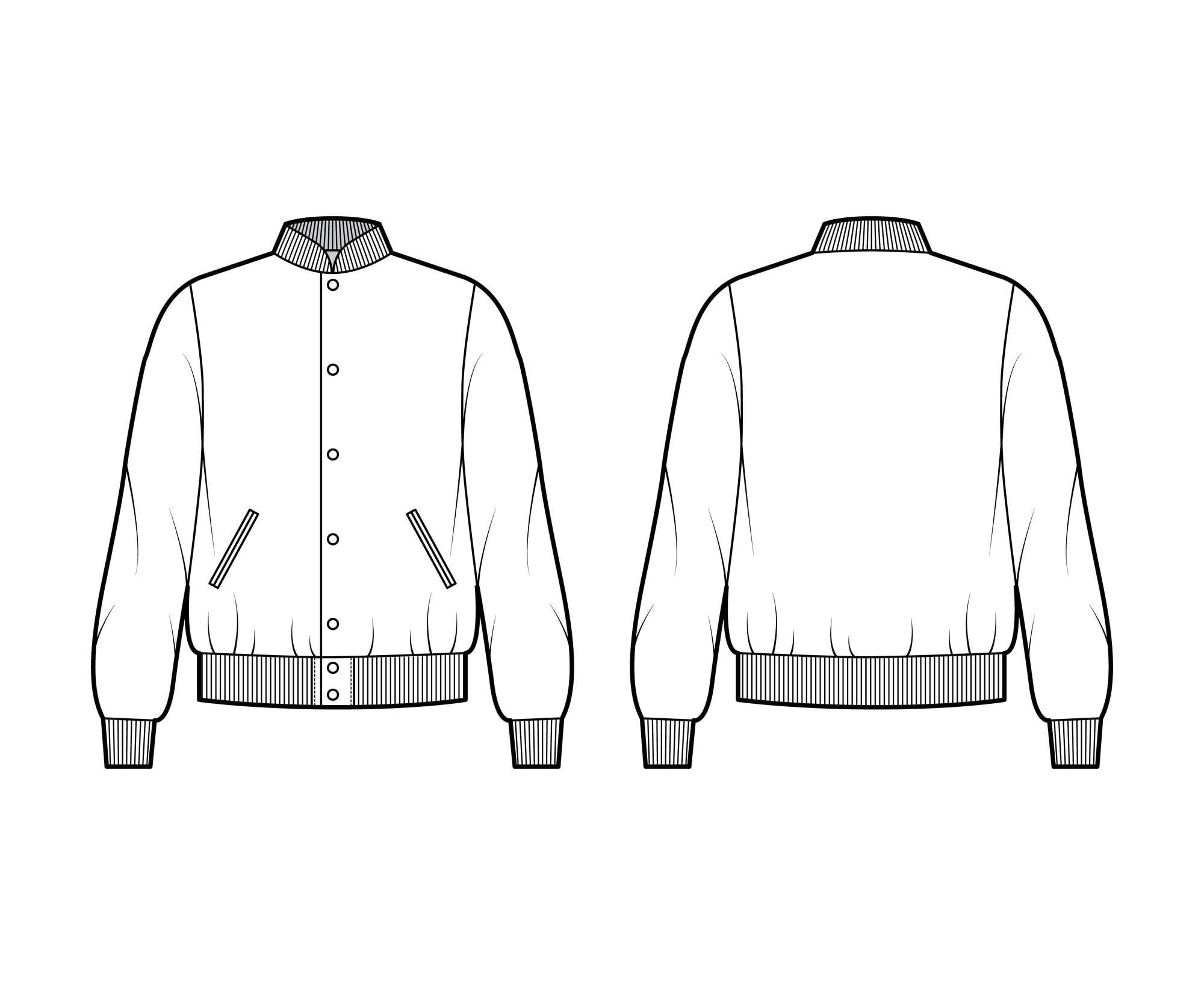
Letterman sweaters weren’t really about school pride. They were about belonging to something that mattered enough to wear its symbol on your chest.
The thick wool, the contrasting sleeves, the chenille letter stitched over the heart — all of it announced that you’d earned your place somewhere specific. But here’s what the old photographs show that the mythology doesn’t quite capture: most of the time, the guys wearing them look slightly uncomfortable.
Not with the sweater itself, but with carrying the weight of what it represented. Achievement, recognition, the expectation that you’d continue being the kind of person who deserved to wear the letter.
Heavy responsibility for a piece of knitwear.
Pencil Skirts
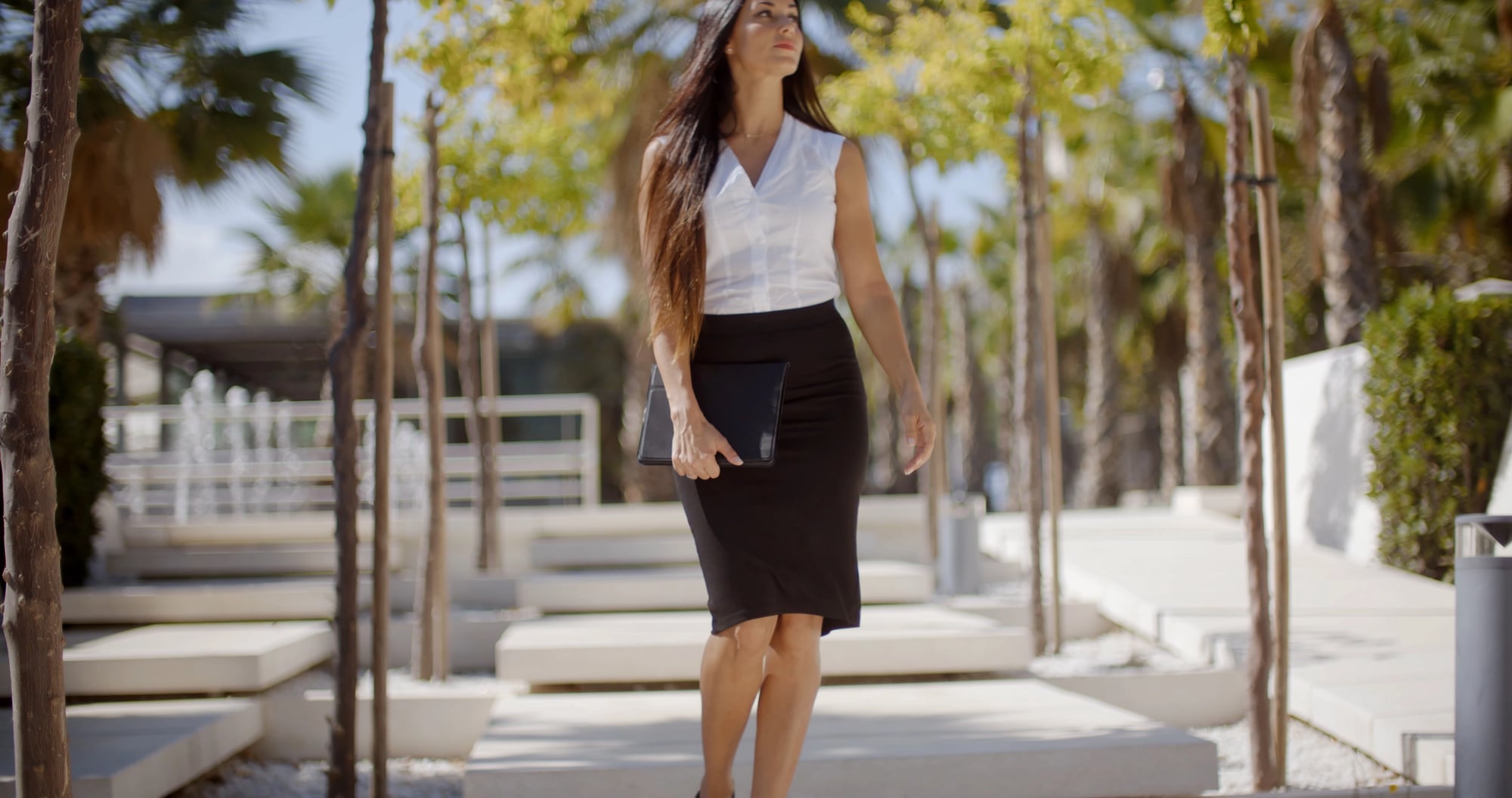
A pencil skirt teaches you to move differently. The narrow cut means smaller steps, careful sitting, strategic planning for stairs.
Every snapshot from the 1950s and 60s shows women who’ve learned this lesson — they lean against desks instead of perching on them, step sideways out of cars, arrange themselves in photographs with the precision of people who understand their clothes’ limitations. But limitation isn’t the right word, because these women don’t look restricted.
They look purposeful. Like they chose the skirt knowing exactly what it would require and decided the effect was worth the effort.
There’s something powerful about that kind of intentional constraint. It makes every movement count.
Rolled Jeans
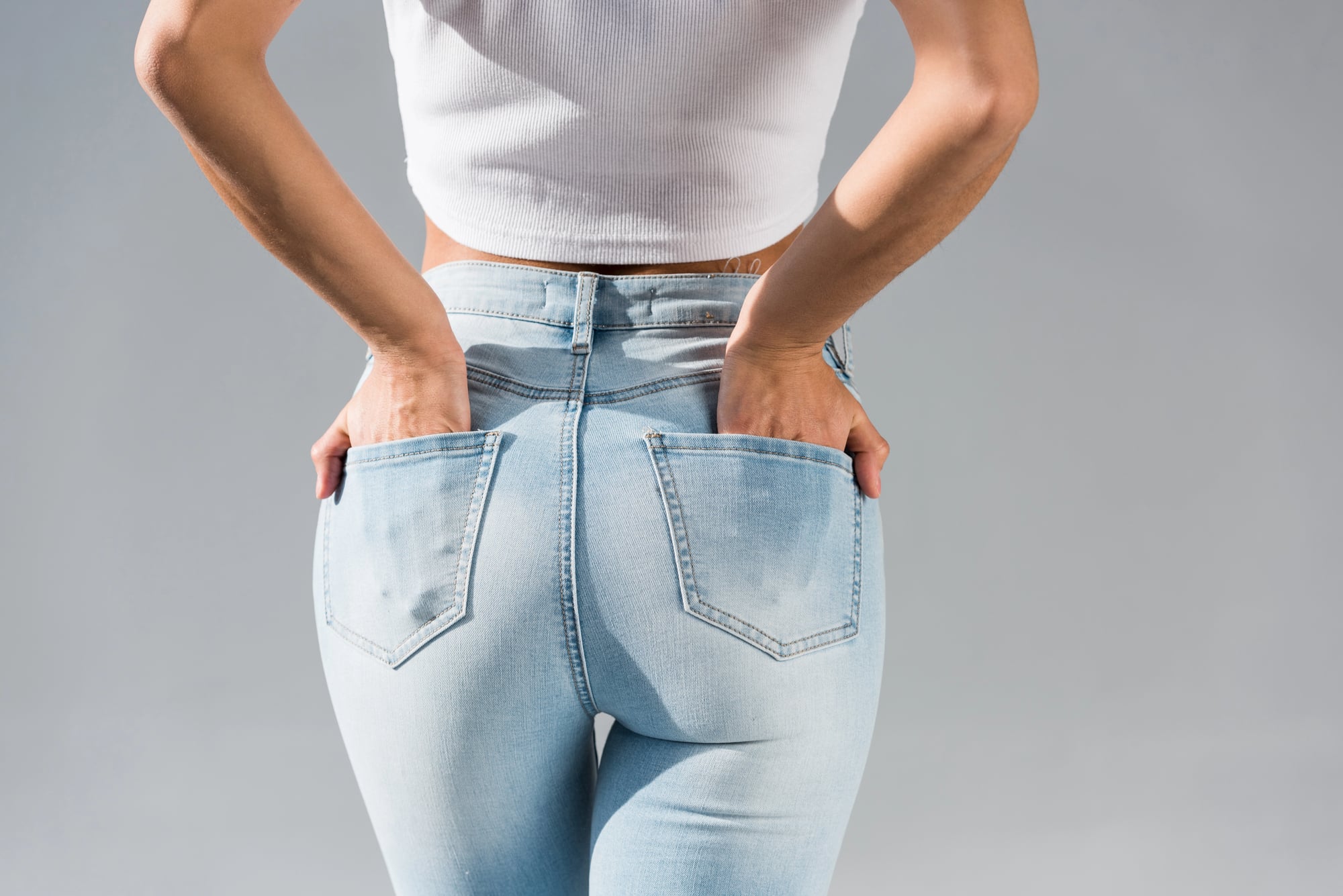
Rolling jeans started as necessity and became signature. The cuffs kept denim out of the mud, showed off whatever shoes you’d bothered to put on, and — most importantly — let you adjust the length without involving a sewing machine, which was crucial when most teenagers were wearing hand-me-downs or clothes bought with growing room built in.
But the photographs from the 1950s and 60s show something else entirely: kids who turned practical adjustment into personal style, rolling their cuffs different widths, different heights, with the kind of attention to detail that proves they knew the difference between making do and making a statement. And they were definitely making a statement.
Pedal Pushers
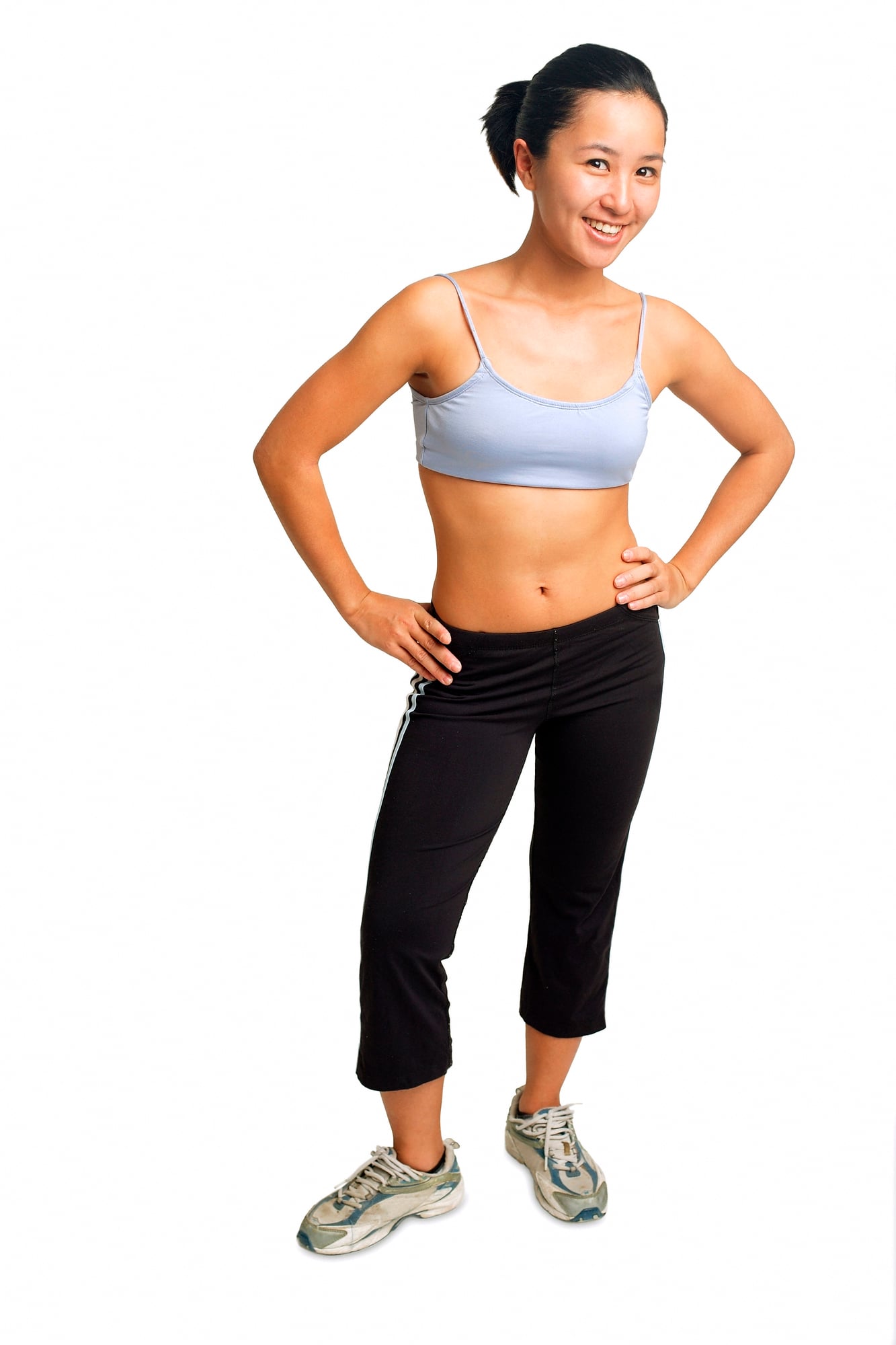
Pedal pushers were named after bicycles but worn everywhere else. The length — shorter than capris, longer than shorts — hit that sweet spot of coverage that worked for women who wanted to move freely without causing scandals in conservative neighborhoods.
Every casual photograph from the late 1940s and 50s features them. Women washing cars, tending gardens, chasing children around backyards, all wearing these practical cropped pants that looked intentional rather than accidental.
They solved the eternal summer problem of staying cool while staying appropriate. Simple solution.
Effective results.
Cardigans

Cardigans were the diplomatic solution to unpredictable weather. Not committed like a sweater — you could remove them without messing up your hair or smudging your makeup.
Not flimsy like a scarf — they provided actual warmth when you needed it. Just the right amount of coverage for situations that might change.
Look at photographs from the 1950s and you’ll see cardigans draped over shoulders, buttoned up to the neck, tied around waists, worn backward, worn inside-out when the seams looked better than the finish. Women treated them like tools rather than fashion statements, which is probably why they worked so well.
Full Circle Skirts with Petticoats
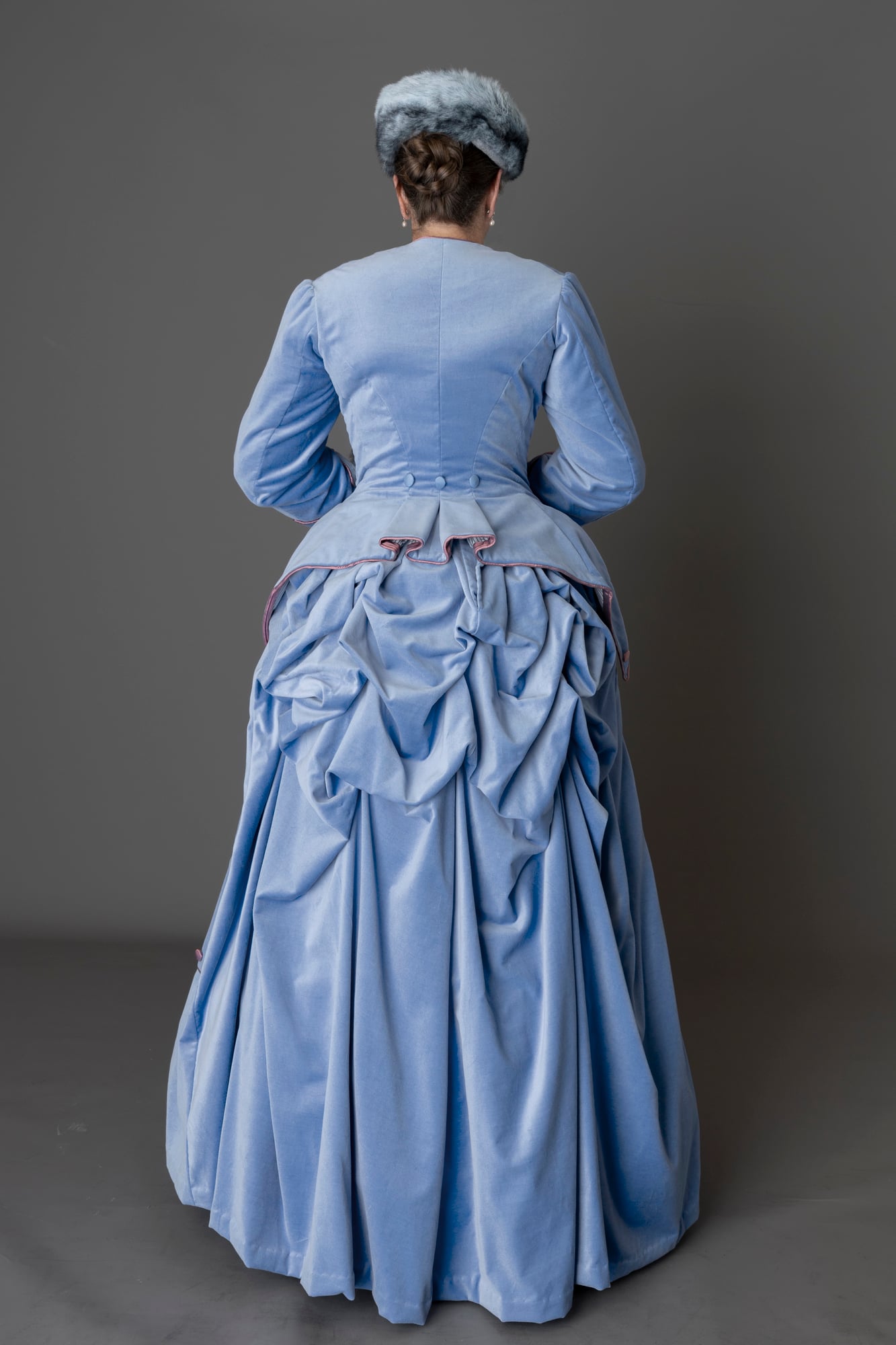
When fashion decided that bigger was better, it really committed to the idea. Full circle skirts supported by layers of starched petticoats created silhouettes that required doorways to be navigated sideways and car seats to be approached with strategy.
But the effect — captured in countless dance photographs and party snapshots — was undeniably dramatic. Women wearing these skirts look like they’re floating, even when they’re standing still.
The fabric creates its own weather system, moving independent of its wearer, catching light and shadow in ways that made ordinary moments look cinematic. Impractical, certainly.
But impracticality was rather the point.
Plaid Shirts

Plaid shirts were democracy in fabric form. Farmers wore them, factory workers wore them, college students wore them, movie stars wore them when they wanted to look approachable.
The pattern erased class boundaries in a way that solid colors couldn’t quite manage. Every candid photograph from the 1940s and 50s includes at least one person in plaid.
Not as a fashion statement, but as a default choice — reliable, unpretentious, suitable for almost any situation that didn’t require formal dress. The kind of garment that solved problems without creating new ones.
Bobby Socks
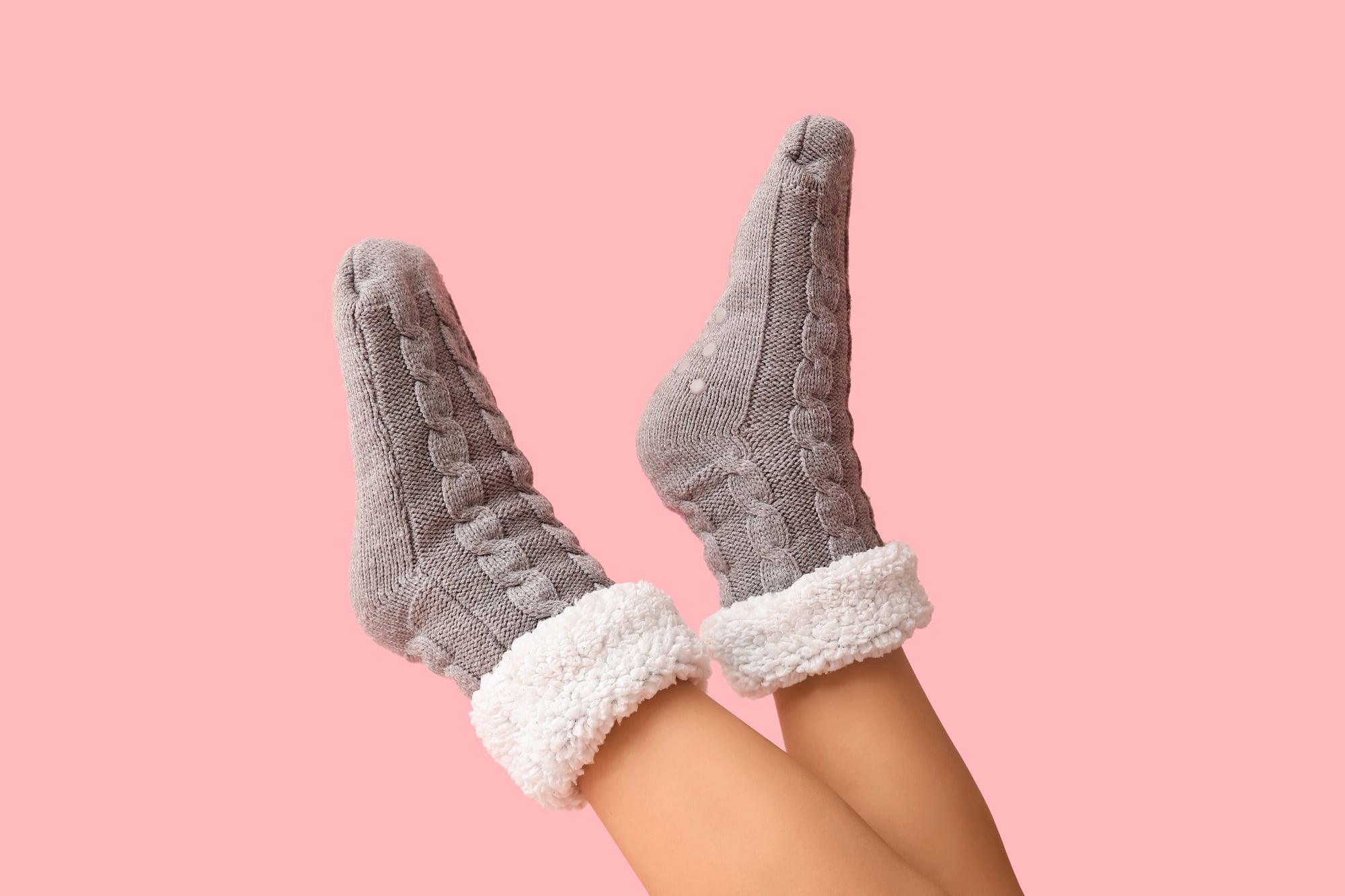
Bobby socks were ankle socks that refused to stay at the ankle. They pooled around shoes, slipped down into loafers, required constant adjustment throughout the day.
But teenage girls in the 1940s and 50s wore them anyway, paired with saddle shoes and penny loafers, creating a deliberately childlike look that somehow managed to seem sophisticated. The photographs show the reality — girls constantly bending down to pull up their socks, adjusting them while they walked, treating the maintenance as part of the overall effect.
High-maintenance innocence, if such a thing is possible.
When Fashion Lived in Real Life

These snapshots matter more than any fashion magazine ever could. They show how clothes actually worked when people wore them to live their lives rather than pose for cameras.
The wrinkles, the adjustments, the small compromises between comfort and style that every generation figures out for themselves. Fashion history written in family albums, one candid photograph at a time.
More from Go2Tutors!

- The Romanov Crown Jewels and Their Tragic Fate
- 13 Historical Mysteries That Science Still Can’t Solve
- Famous Hoaxes That Fooled the World for Years
- 15 Child Stars with Tragic Adult Lives
- 16 Famous Jewelry Pieces in History
Like Go2Tutors’s content? Follow us on MSN.