Foods We’ve Been Pronouncing Wrong All Along
You’ve been confidently ordering at restaurants, chatting about cooking, and discussing food with friends. Meanwhile, half the words coming out of your mouth have been mangled beyond recognition.
It happens to everyone — those tricky food names that look nothing like they sound, borrowed from languages that follow completely different rules than English.
Some mispronunciations are so widespread that even servers and chefs have given up correcting people. But knowing the right way to say these words changes how you sound when talking about food, and it’s easier to learn than you might think.
Quinoa
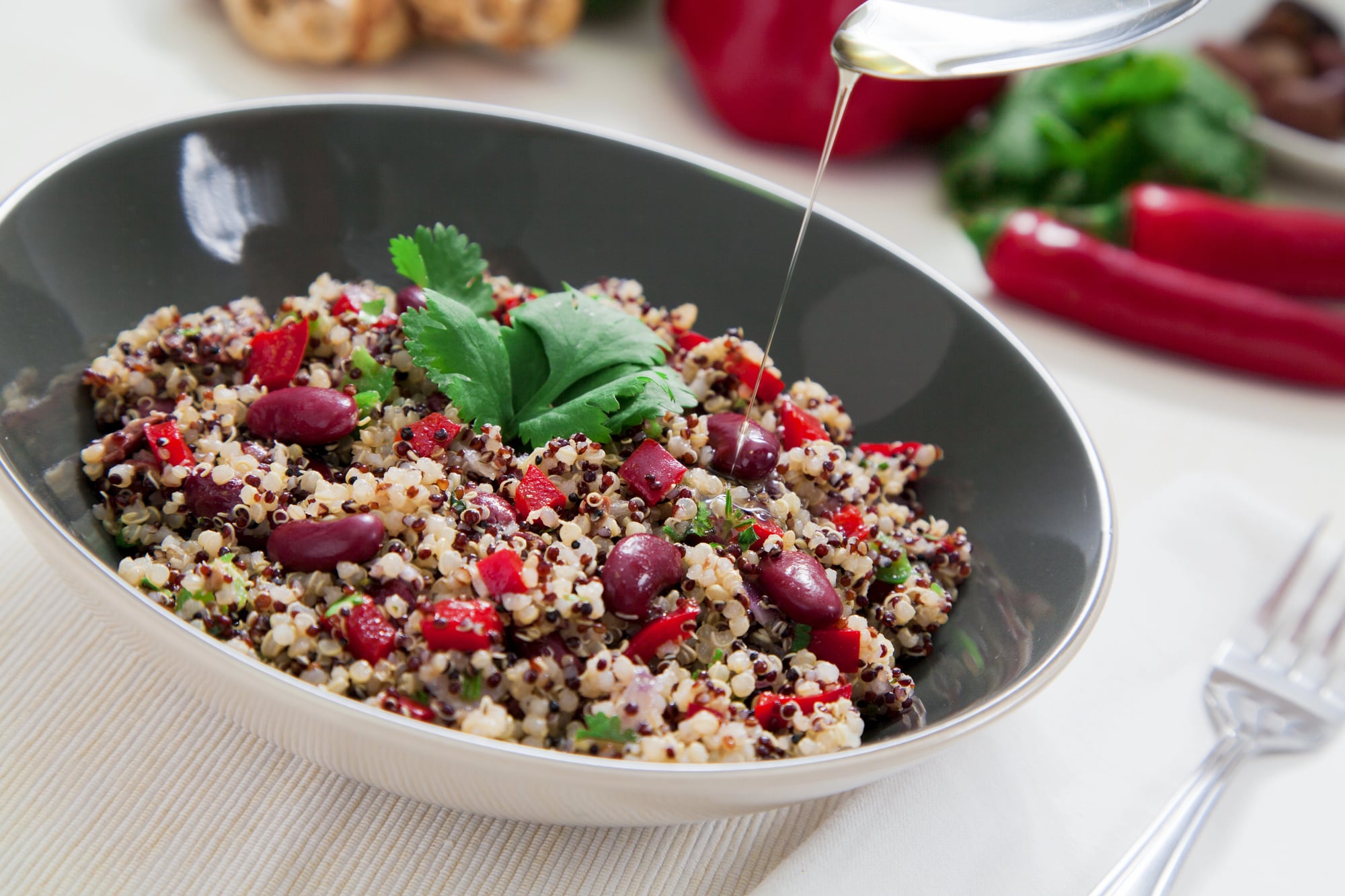
It’s not “kwin-OH-ah.” The grain that health enthusiasts can’t stop talking about is pronounced “KEEN-wah” — two syllables, not three.
The word comes from Spanish, which borrowed it from Quechua, and somewhere along the way English speakers decided to add an extra syllable that was never there.
Acai
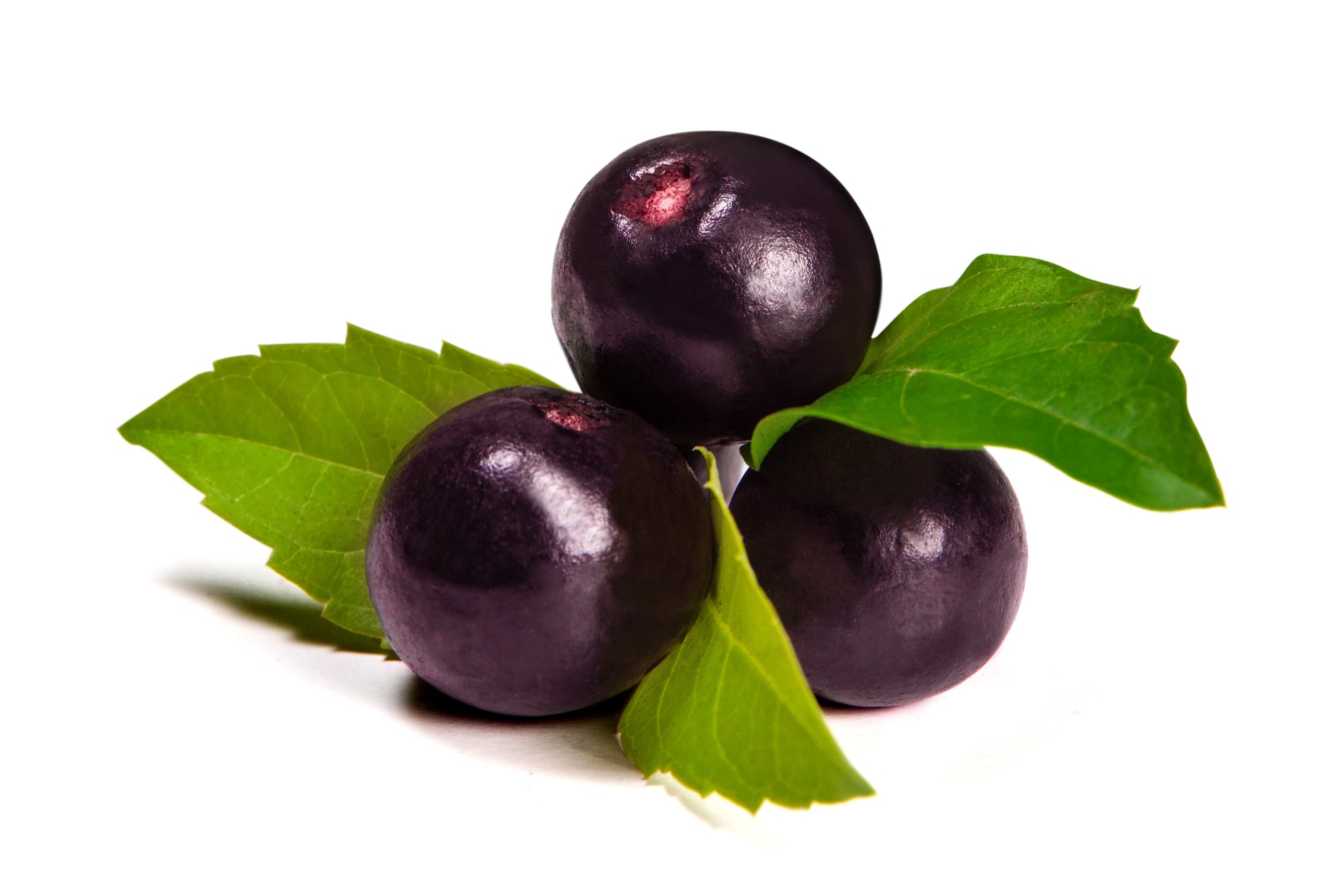
Most people stumble through “ah-KAI” or “AH-see-eye,” but this Brazilian superfood berry is actually pronounced “ah-sigh-EE” (three syllables with the emphasis on the last one). The confusion comes from that tricky Portuguese spelling where the letter combinations don’t behave the way English expects them to.
Gnocchi
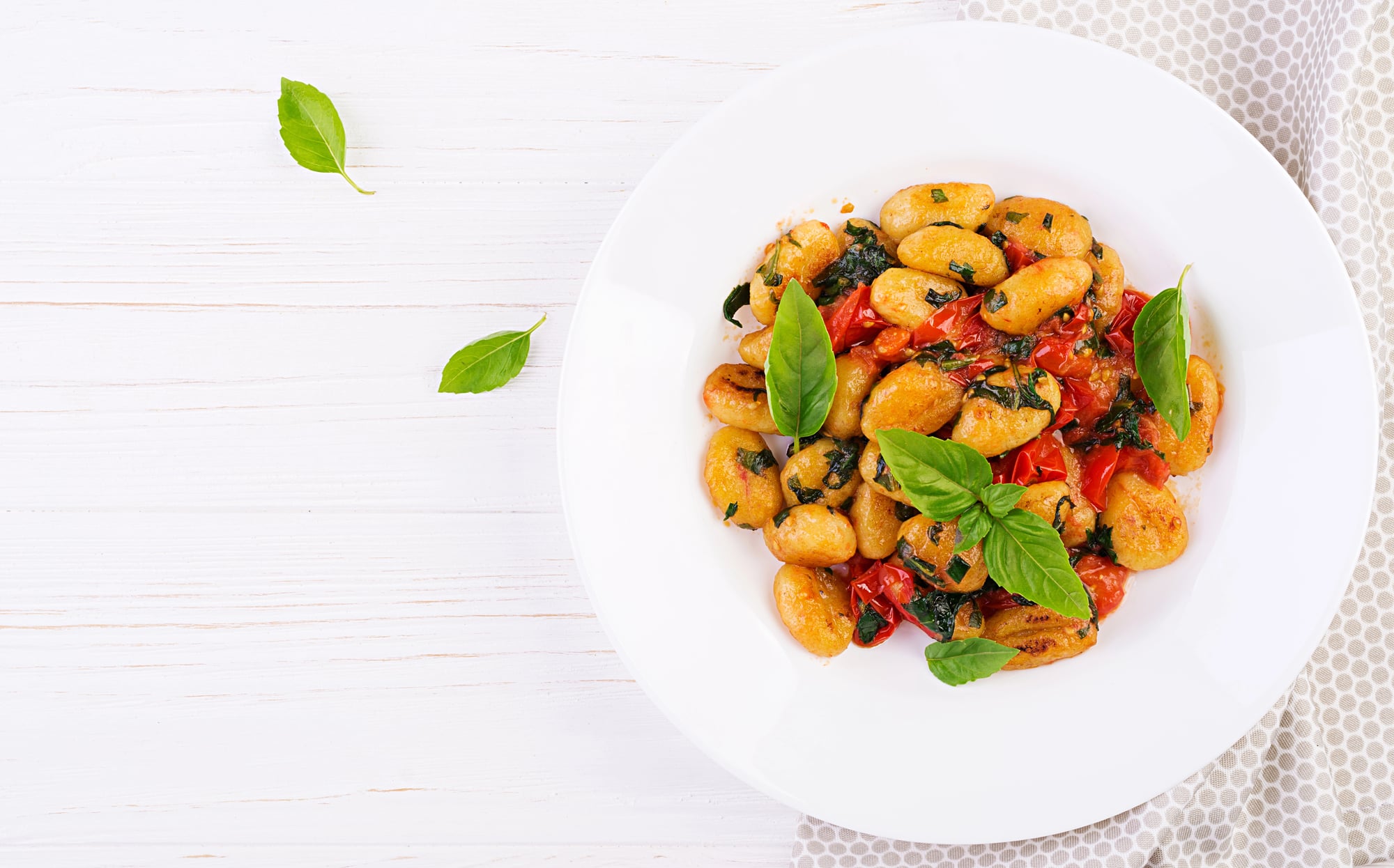
The Italian potato dumplings aren’t called “ga-NOCK-ee.” That silent G at the beginning throws everyone off, but it’s actually pronounced “NYOH-kee” — the G and N blend together to make that soft “ny” sound that doesn’t really exist in English.
Once you hear it correctly, the mispronunciation sounds particularly clunky.
Bruschetta
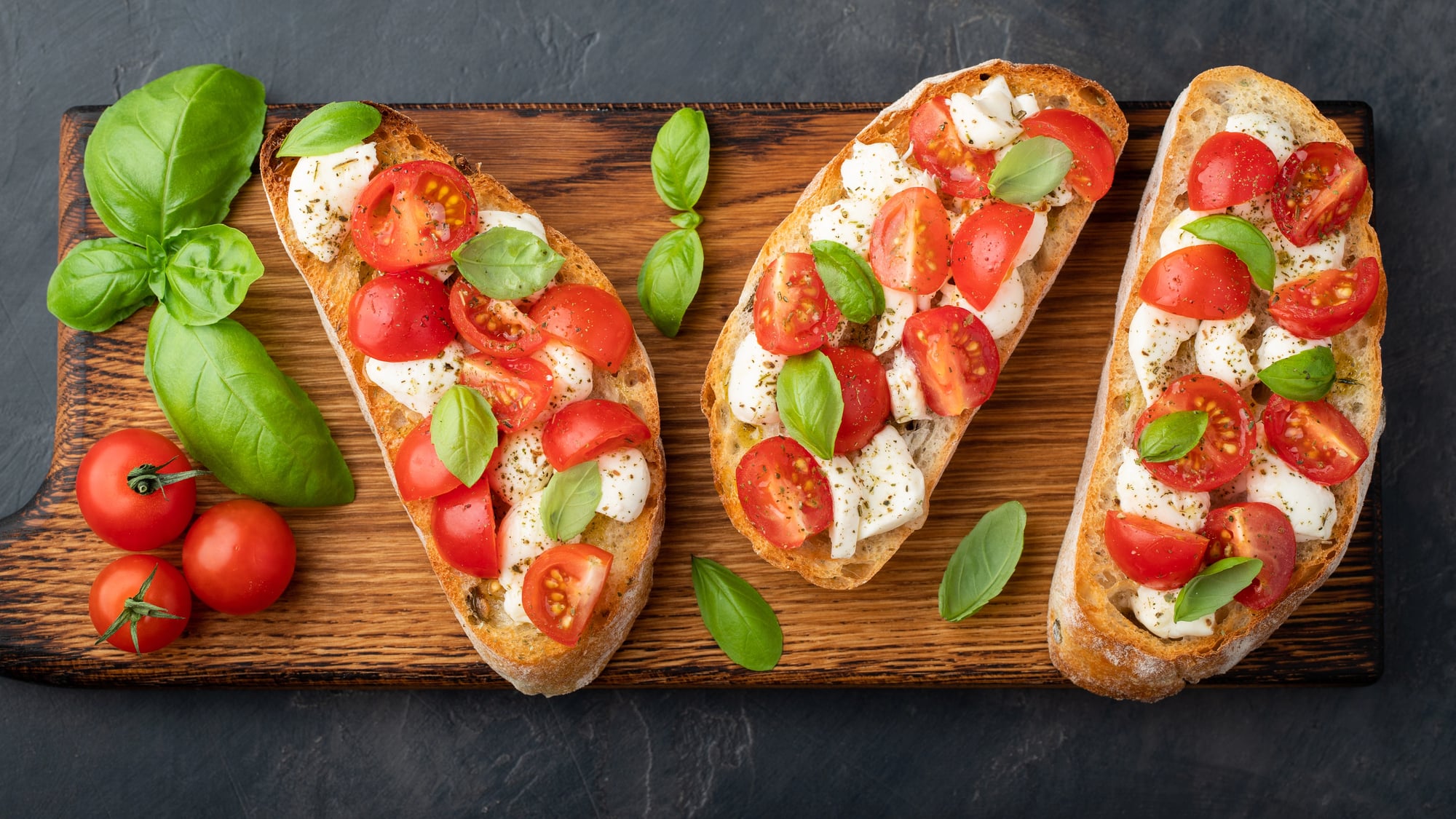
Here’s where things get interesting (and where most people’s Italian pronunciation falls apart completely) — because this appetizer that appears on every casual dining menu isn’t called “brew-SHET-ah” the way Americans typically say it. The correct pronunciation is “brew-SKET-ah,” and the difference comes down to how Italian handles that “ch” combination, which makes a hard K sound rather than the soft “sh” that English speakers expect.
So when you’re ordering those grilled bread slices with tomatoes and basil, you’re essentially asking for something that sounds closer to “brush-ket” than “brush-yet” — though even that’s not quite right because English doesn’t have the exact equivalent of that Italian vowel sound. But the K versus SH distinction? That’s the big one that separates people who’ve spent time around Italian speakers from those who learned the word from American menus.
The funny thing is that “bruschetta” has become so mispronounced in American English that some Italian restaurants have quietly given up the fight, training their servers to recognize both pronunciations so customers don’t feel embarrassed when ordering.
Pho
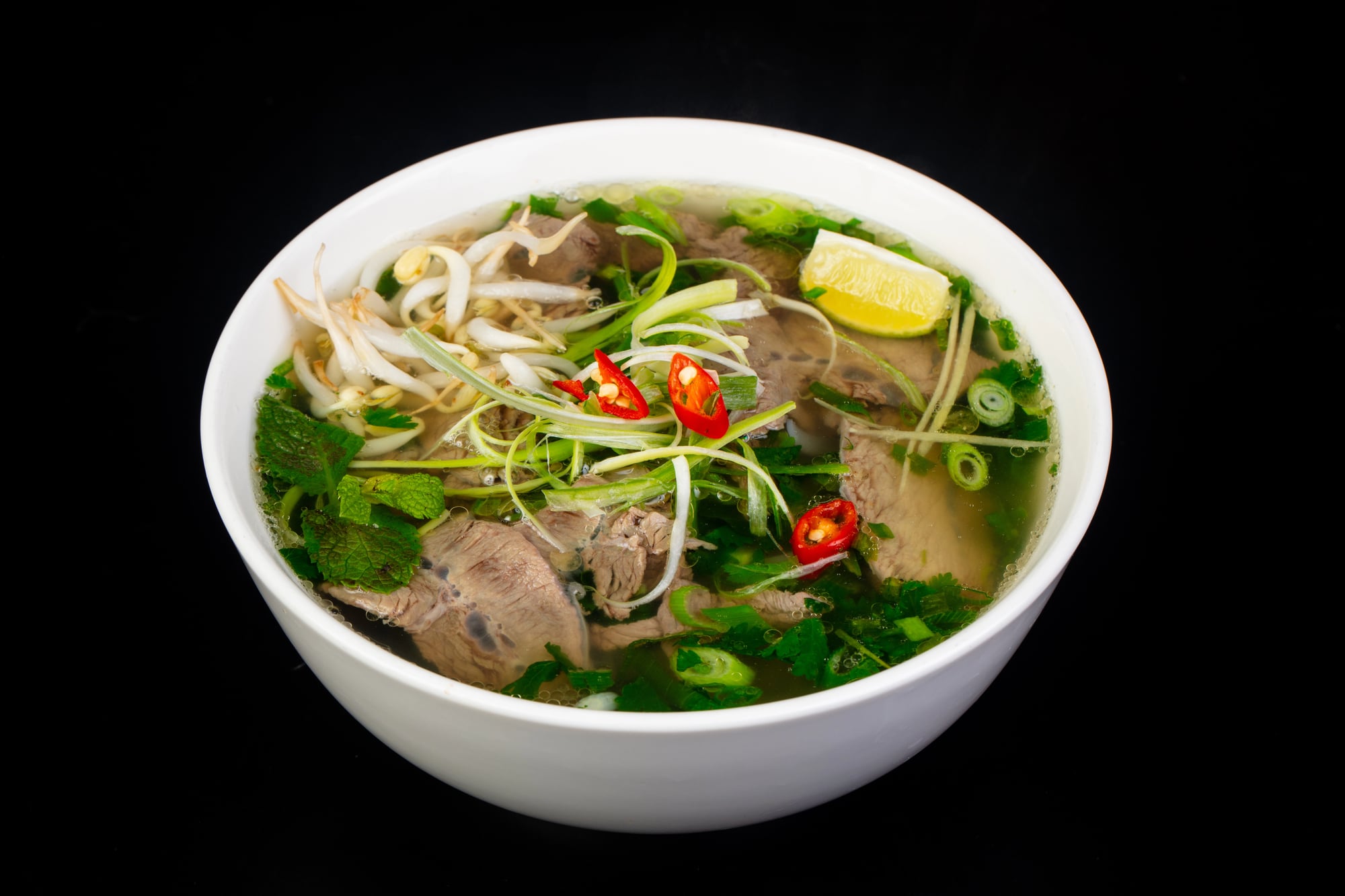
Vietnamese pho isn’t pronounced “foe” like the word for enemy. It’s actually “fuh” — a short, quick sound that rhymes with “duh.”
The tone matters in Vietnamese, but English speakers can get away with just nailing that vowel sound instead of drawing it out into a long O.
Worcestershire
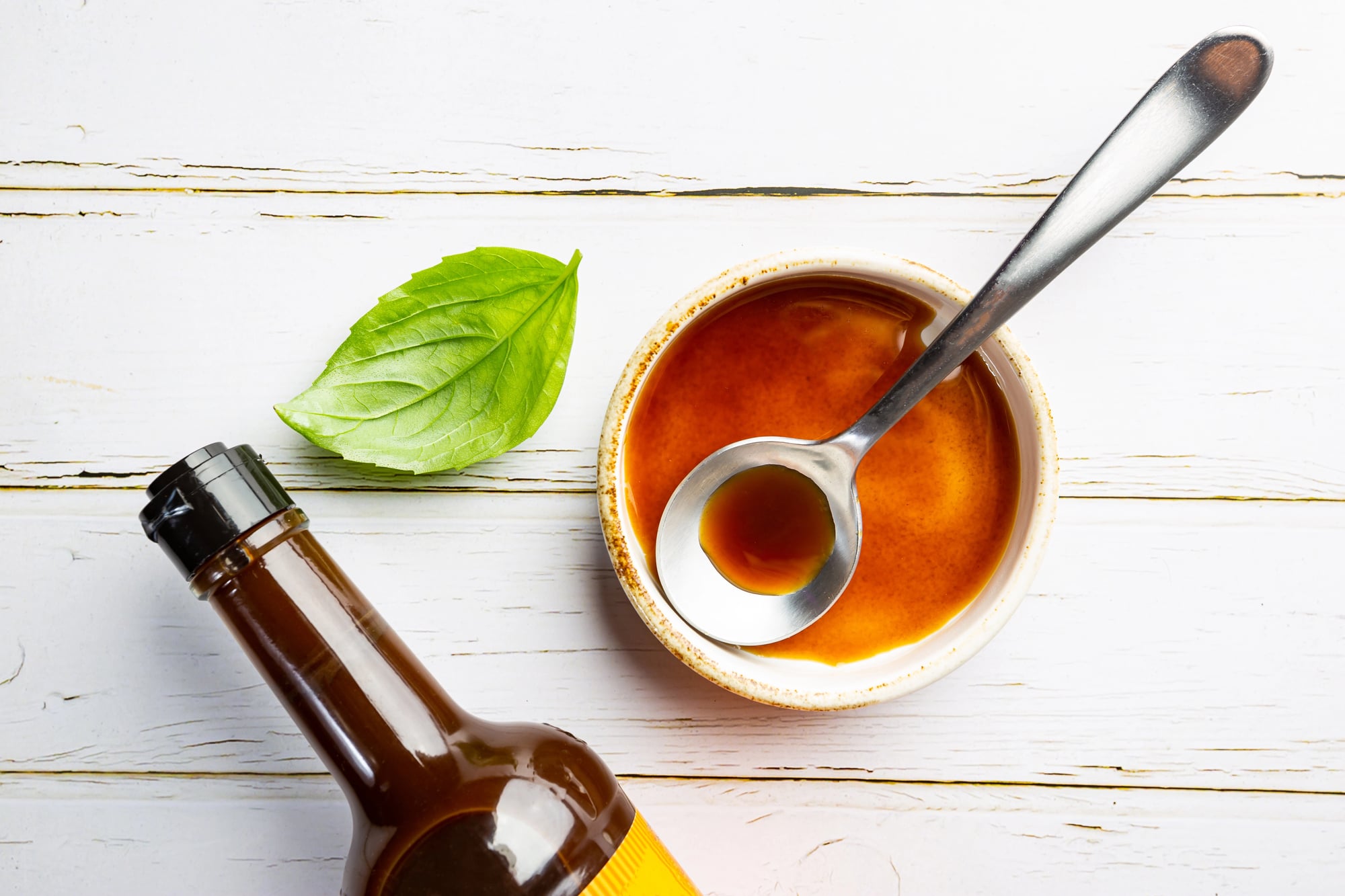
This British condiment breaks every rule of English pronunciation logic. Forget trying to sound out all those letters — it’s simply “WUSS-ter-shur.”
Three syllables, not seven.
The trick is remembering that English has spent centuries mashing county names down to their most efficient forms, leaving the spelling as a historical artifact that no longer matches the sound.
Charcuterie
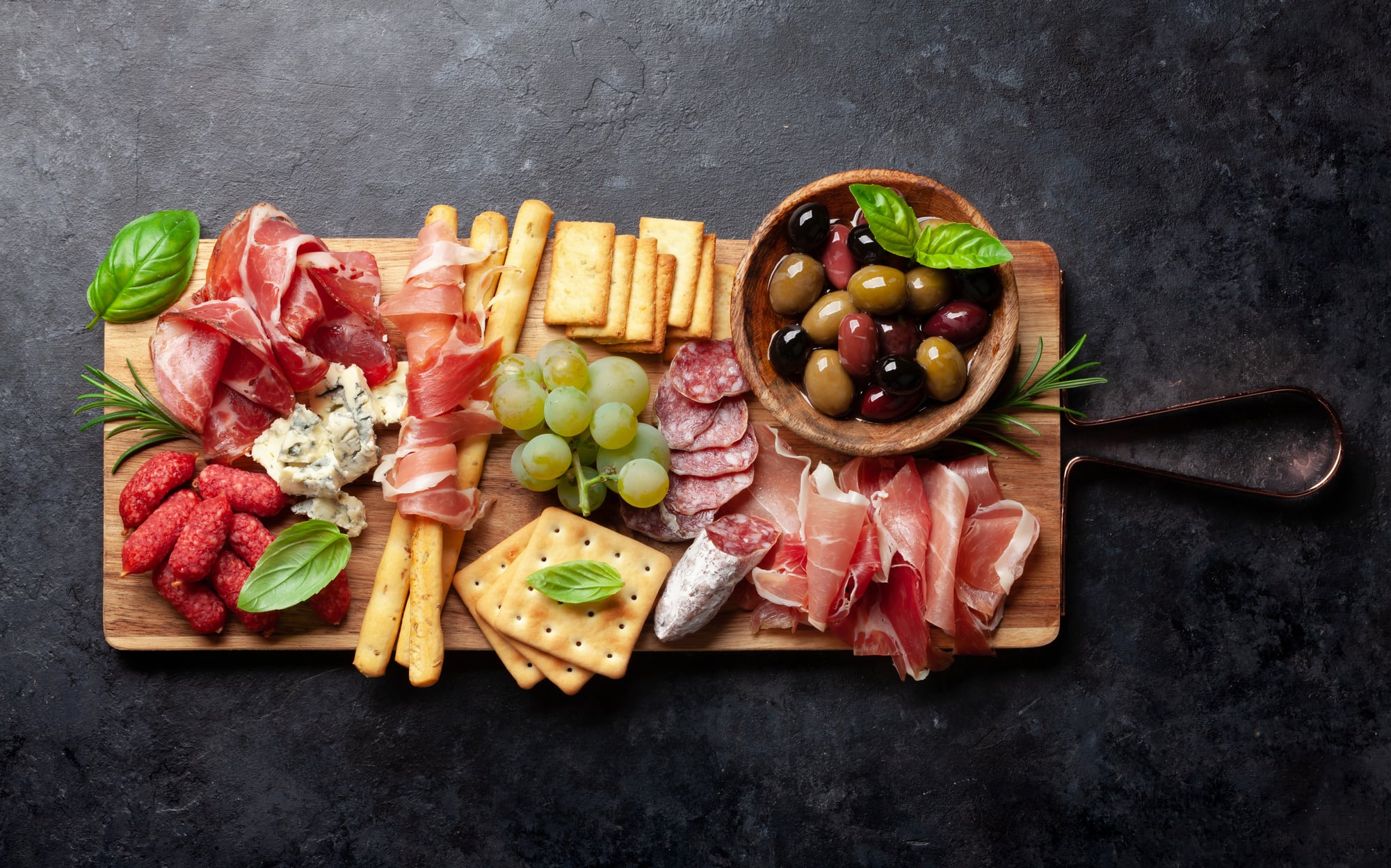
The trendy meat and cheese boards that dominate social media aren’t called “char-COO-ter-ee.” French gives us “shar-COO-tuh-ree” — four syllables with that soft “sh” sound at the beginning and no emphasis on the final syllable.
English speakers tend to over-pronounce the ending, but French keeps it light.
Gyro
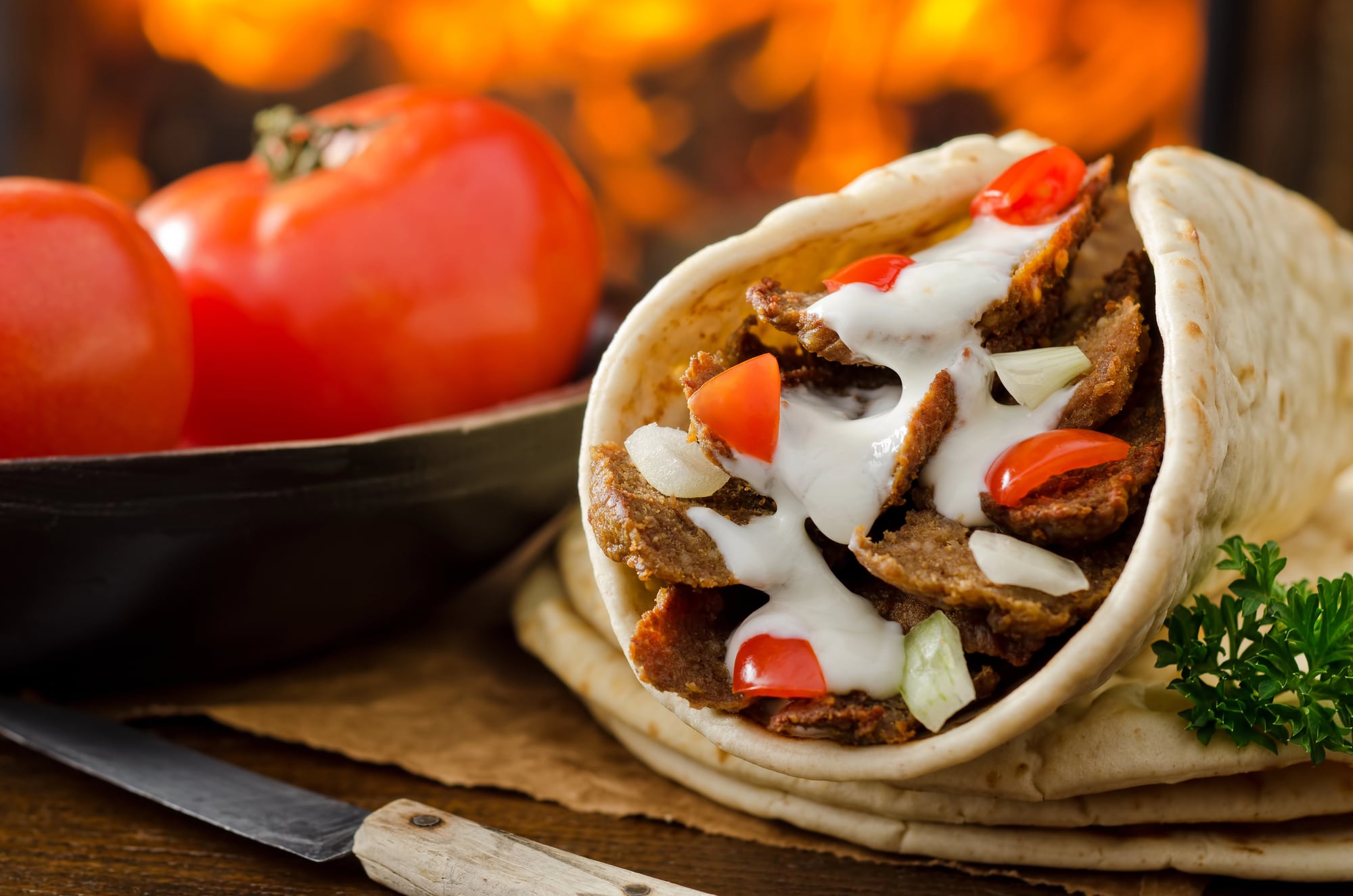
Greek gyros aren’t pronounced “JYE-row” like a spinning wheel. The correct pronunciation is “YEE-row” — that G makes a Y sound, and the emphasis falls on the first syllable.
Some Greek speakers will tell you it’s closer to “GHEE-row” with a softer consonant, but “YEE-row” gets you close enough for most conversations.
Tzatziki
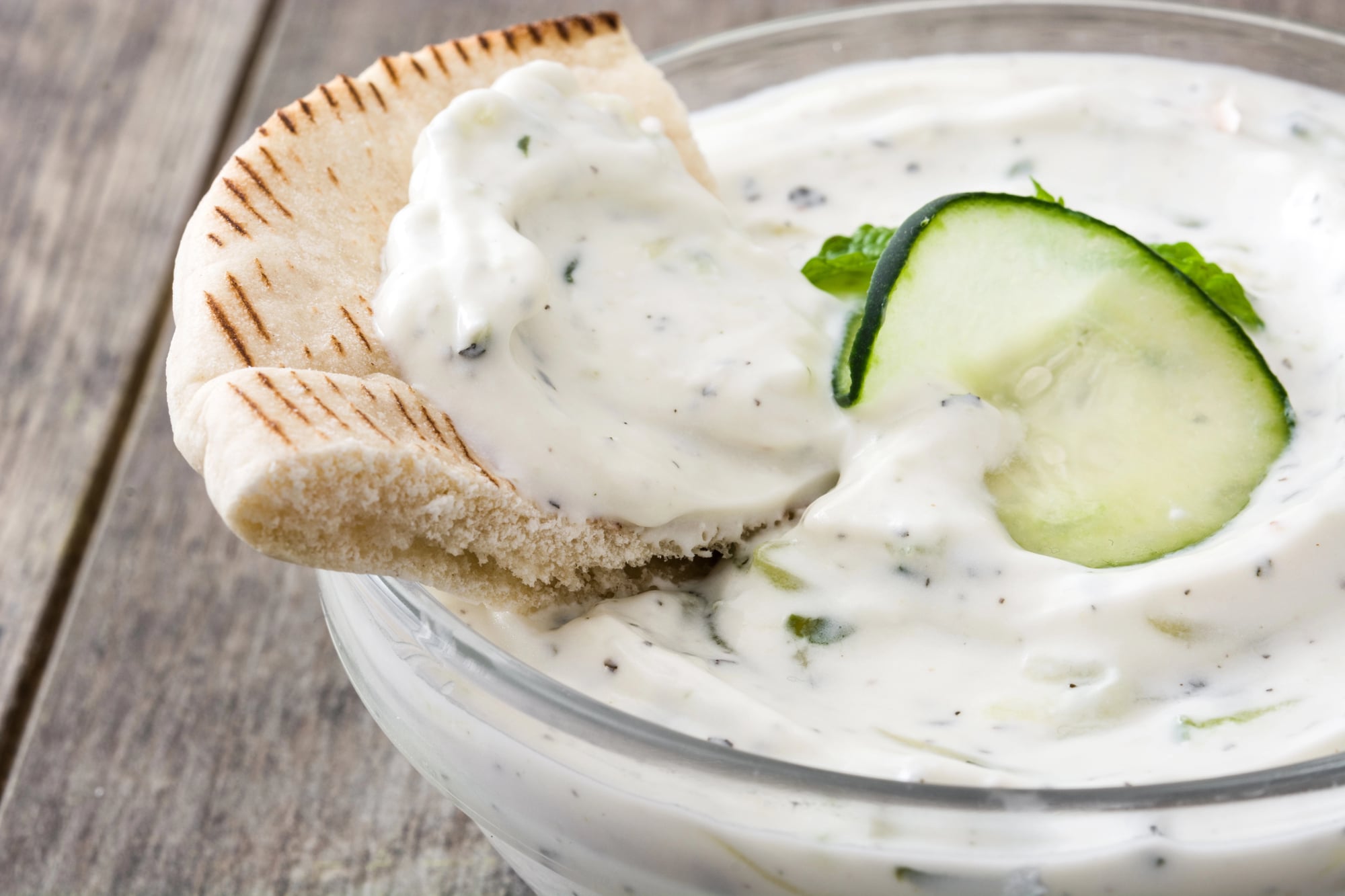
Speaking of Greek food, tzatziki sauce isn’t “tah-ZEE-kee.” It’s “tsah-TSEE-kee” — those double T sounds at the beginning create a “ts” sound like the end of “cats,” followed by that cucumber yogurt pronunciation that actually makes sense once you hear it properly.
Prosciutto
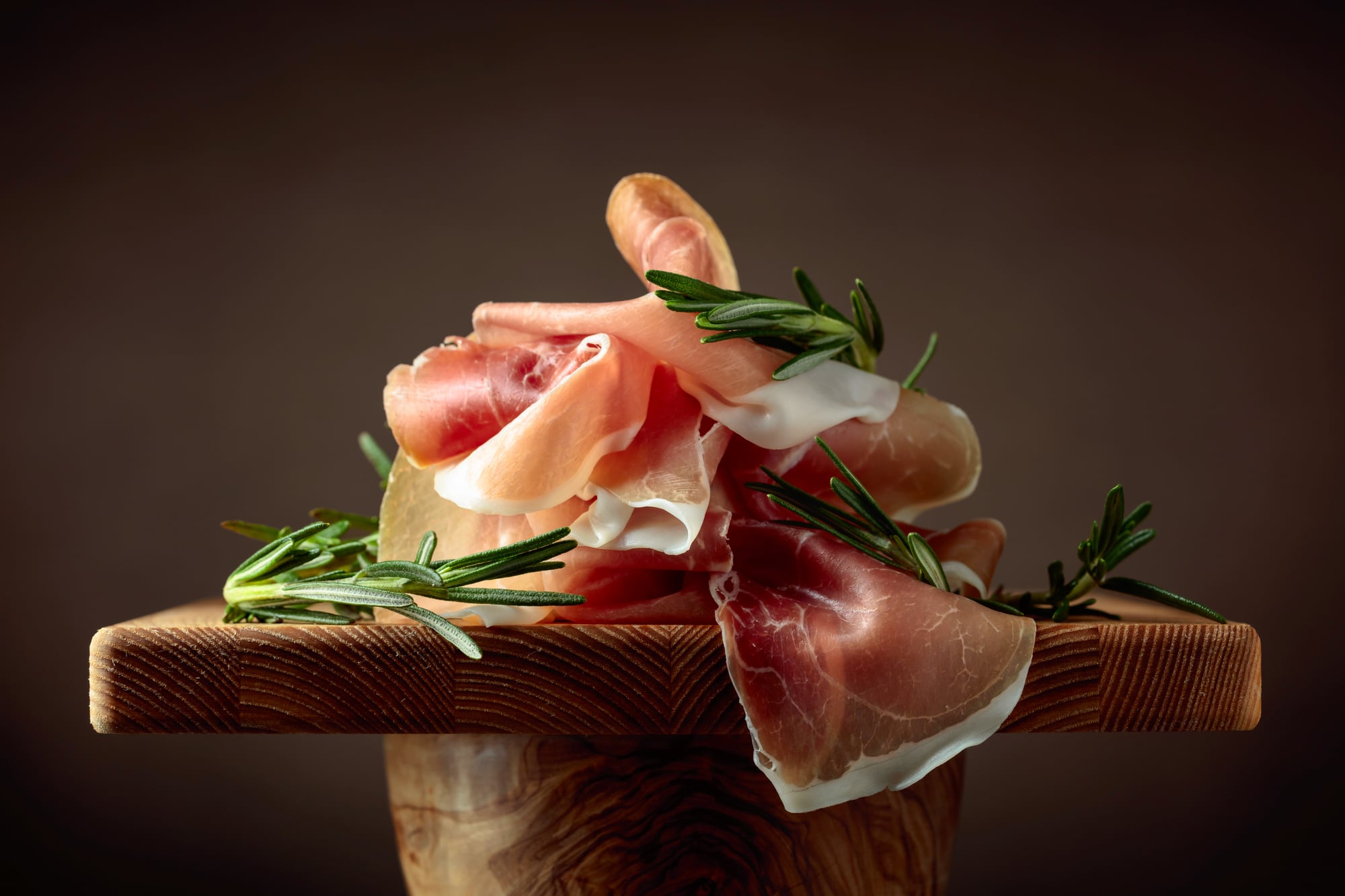
Italian cured ham gets butchered regularly in American delis. It’s not “pro-SHOOT-oh” — it’s “pro-SHOO-toh” with the emphasis on the middle syllable and a softer ending.
That double T in Italian creates a different sound than English expects, closer to a soft “sh” than a hard “t.”
Chipotle
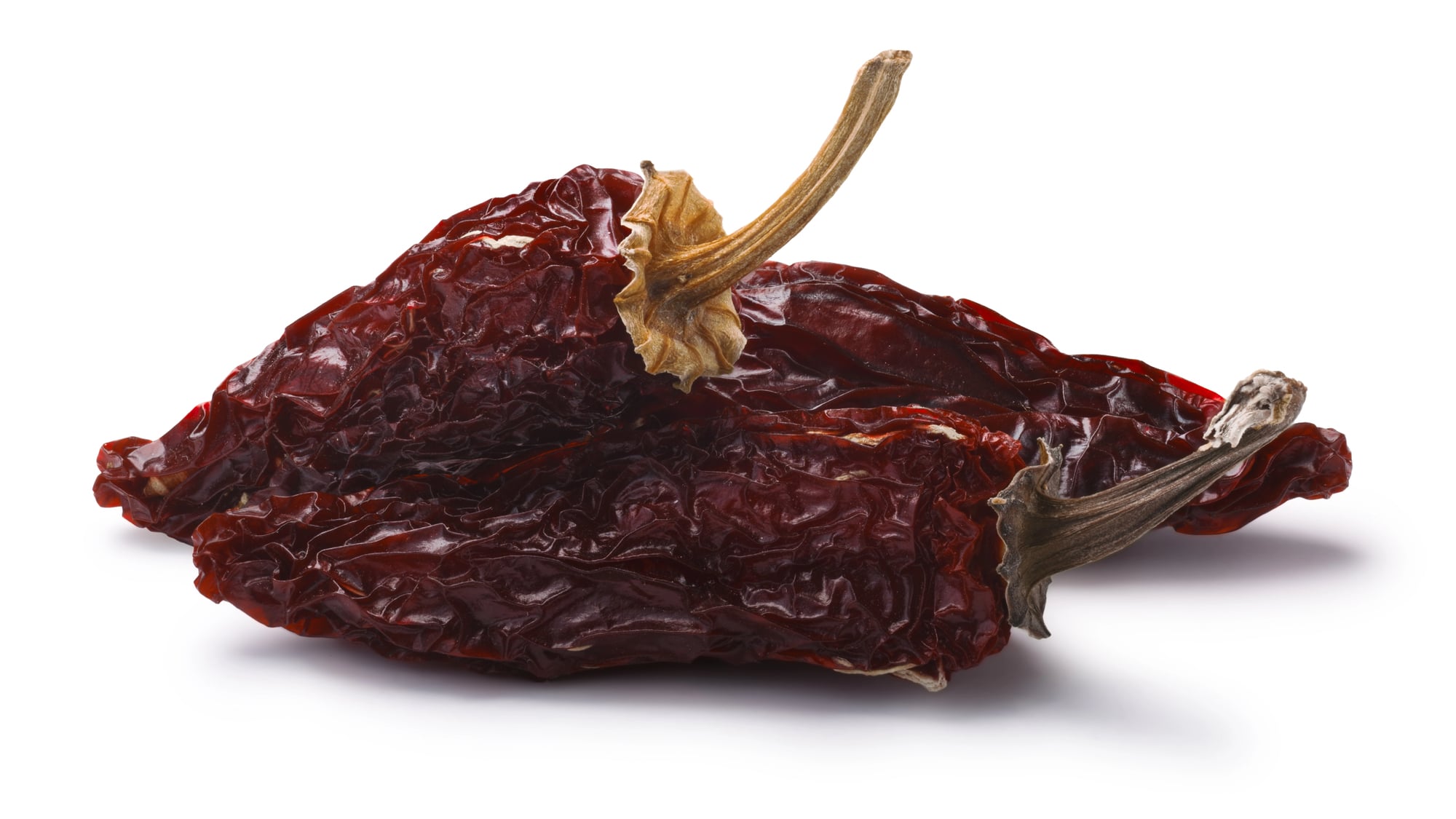
The smoked jalapeño pepper (and the restaurant chain) isn’t “chi-POL-tay.” It’s “chi-POHT-leh” — three syllables with the emphasis on the second one and that final sound closer to “leh” than “lay.”
Spanish pronunciation tends to be more clipped than the drawn-out versions English speakers create.
Sriracha
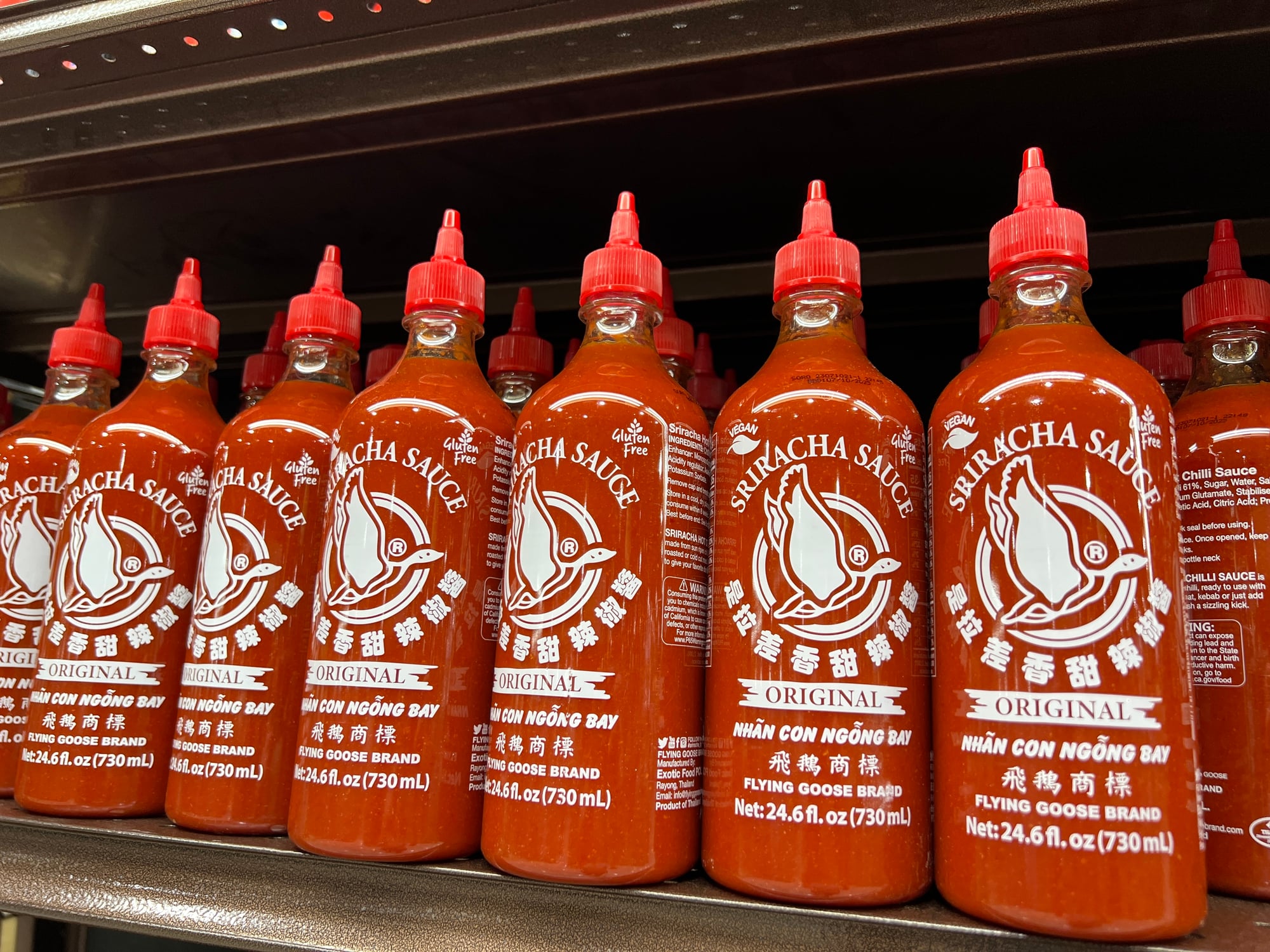
Thai hot sauce gets mispronounced as “sree-ROCK-ah” or “sir-ROTCH-ah,” but it’s actually “see-ROTCH-ah” — three syllables starting with “see” and ending with that “ah” sound.
The R at the beginning is softer in Thai pronunciation, almost disappearing entirely.
Habanero
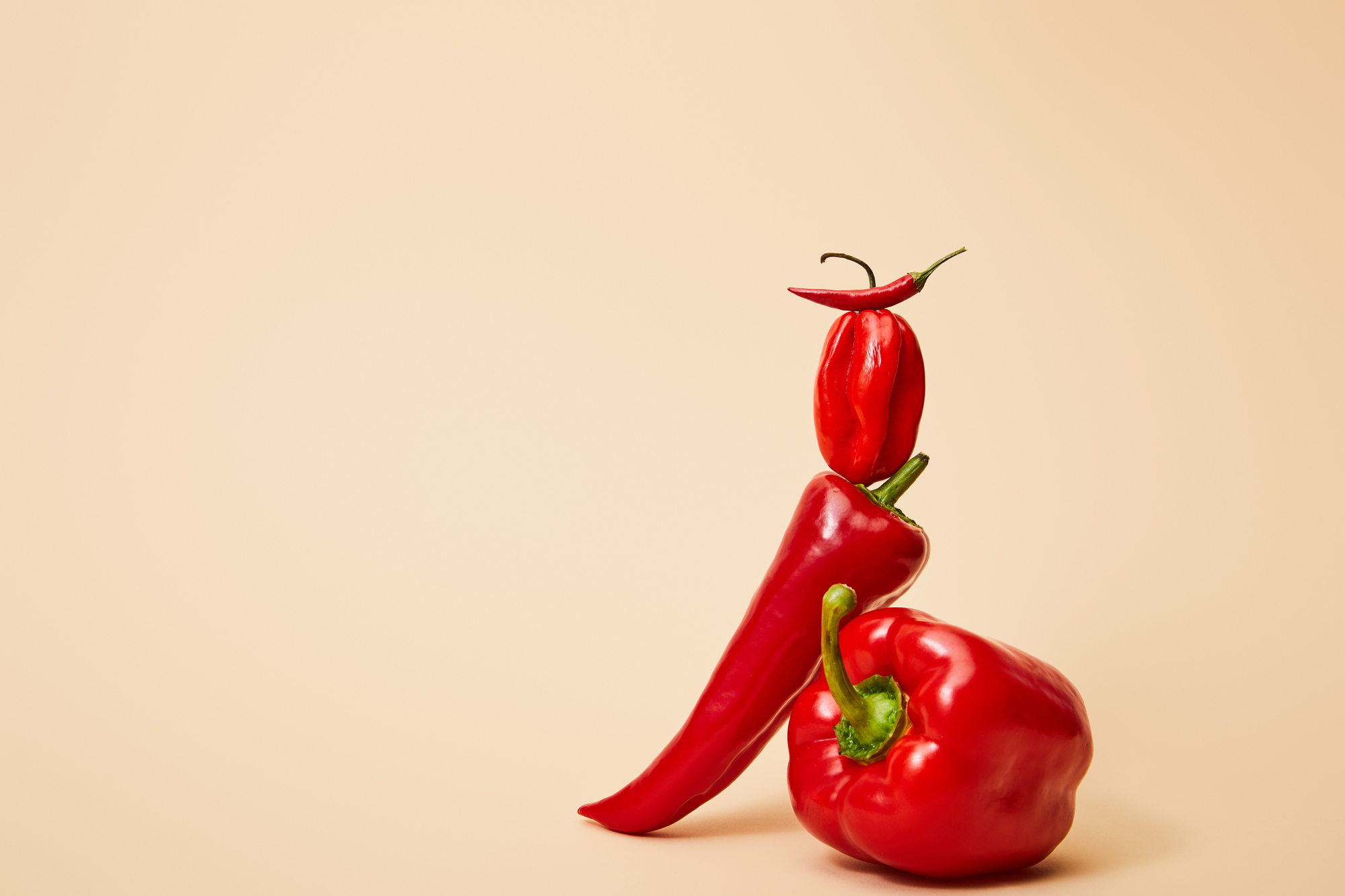
This spicy pepper isn’t “hab-ah-NAIR-oh.” Spanish gives us “ah-bah-NEH-roh” — the H is silent, and that final vowel is a soft “oh” rather than the long O that English speakers tend to add.
The emphasis falls on the third syllable, not spread evenly across all four.
Mischief Managed
Language is stubborn, and food words are particularly resistant to correction once they’ve settled into common usage. Some mispronunciations have become so standard that using the correct pronunciation actually sounds wrong to most ears.
The real victory isn’t perfect pronunciation — it’s understanding that these words carry their original languages with them, and each one tells a small story about how food travels across cultures, picking up new sounds and losing old ones along the way.
More from Go2Tutors!

- The Romanov Crown Jewels and Their Tragic Fate
- 13 Historical Mysteries That Science Still Can’t Solve
- Famous Hoaxes That Fooled the World for Years
- 15 Child Stars with Tragic Adult Lives
- 16 Famous Jewelry Pieces in History
Like Go2Tutors’s content? Follow us on MSN.