Forests Hiding Underwater or in War Zones
What comes to mind when someone mentions forests? Towering trees, rustling leaves, maybe a hiking trail winding through the woods. But some of the world’s most remarkable forests exist where most people would never think to look—beneath ocean waves or behind barbed wire in conflict zones.
These aren’t your typical woodlands. Some grow completely submerged in water, their fronds reaching toward the surface like ghostly sentinels.
Others thrive in the most dangerous places on Earth, where landmines and armed patrols have accidentally created wildlife sanctuaries. Here is a list of forests that exist in the most unexpected places imaginable.
California’s Giant Kelp Forests

Ever wondered what the ocean’s version of a redwood forest looks like? Giant kelp forests along California’s coast grow up to 100 to 150 feet tall, creating underwater towers built from massive brown algae that can shoot up 18 inches in a single day. These aren’t plants—they’re actually enormous algae that anchor to rocky seafloors and use gas-filled bladders to float near the surface, creating a three-dimensional habitat for thousands of species from tiny invertebrates to gray whales.
The Korean Demilitarized Zone

What happens when humans abandon an area for 70 years? The Korean DMZ provides a fascinating answer—this 160-mile-long, 2.5-mile-wide strip is one of the most dangerous places for humans but an accidental paradise for wildlife. The forests inside now shelter thousands of species, including the long-tailed goral and Asiatic black bears that have vanished from the rest of the densely populated Korean Peninsula.
Like Go2Tutors’s content? Follow us on MSN.
Virunga National Park

Can a forest survive in a war zone? Virunga National Park in the Democratic Republic of Congo has been designated a World Heritage Site in Danger since 1994, yet park rangers continue risking their lives to protect it. Despite ongoing conflict, illegal mining, and charcoal production threats, the mountain gorilla population improved from critically endangered to endangered status in 2018, though these magnificent primates still face significant threats.
Myanmar’s Tanintharyi Forests
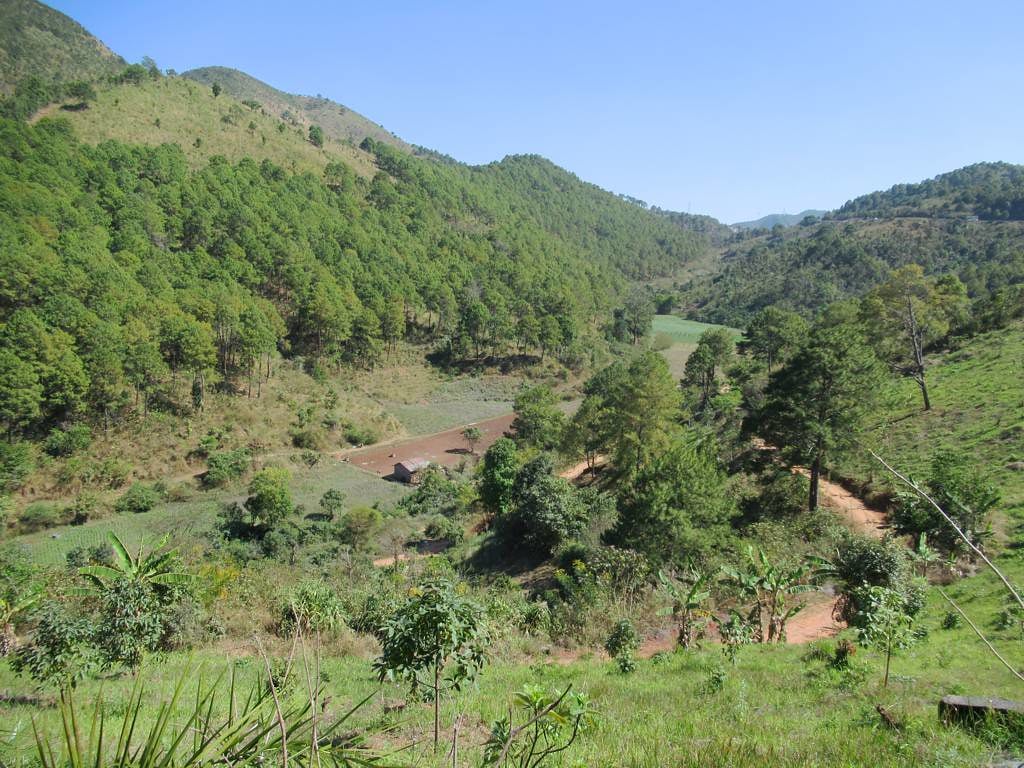
What happens to a forest when a military coup takes over? Since February 2021, Myanmar’s lowland rainforests in the Tanintharyi region have experienced a devastating logging spree as the junta seeks quick revenue. These irreplaceable forests shelter the critically endangered Gurney’s pitta bird, along with Malay tapirs and lar gibbons, but timber now flows illegally through porous borders to neighboring countries.
Alabama’s Ancient Cypress Forest
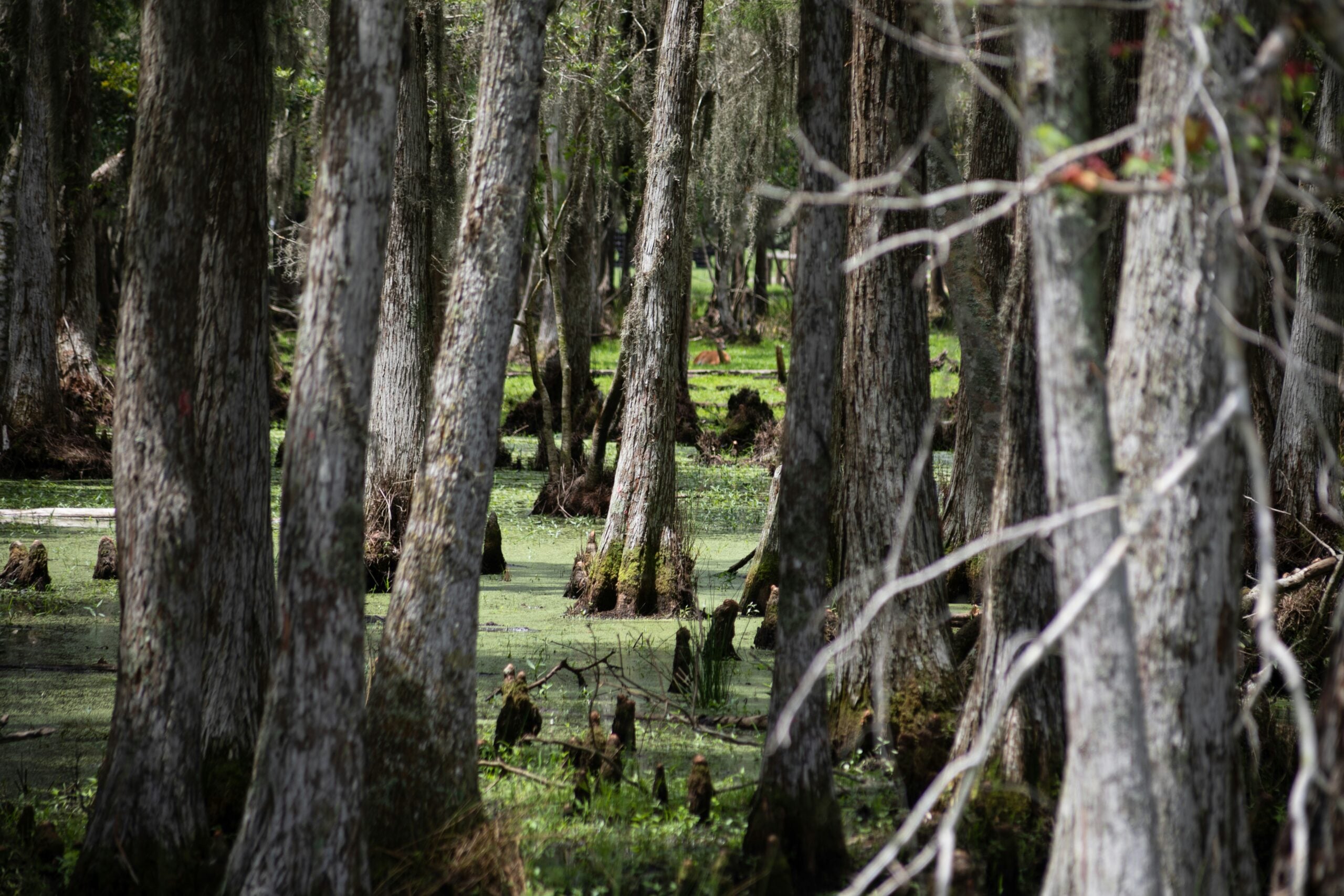
Between 50,000 and 60,000 years ago, bald cypress trees grew along Alabama’s coast—until rising sea levels submerged them under the Gulf of Mexico. Hurricane Ivan exposed this hidden treasure in 2004, revealing remarkably preserved wood and an ecosystem of mantis shrimp, grouper, and red snappers living among ancient trees older than human civilization.
Like Go2Tutors’s content? Follow us on MSN.
The Chernobyl Exclusion Zone

Could a nuclear disaster actually help a forest thrive? After the 1986 accident forced human evacuation from 1,000 square miles, wolves, bears, lynx, and reintroduced Przewalski’s horses moved back in during the 1990s. The absence of human activity has proven more beneficial to wildlife than the radiation is harmful in most areas, though localized negative effects persist and recent fighting during Russia’s invasion has threatened this unexpected sanctuary.
Lake Periyar’s Sunken Forest

What looks like an art installation is actually the remnant of a forest drowned when the British built the Mullaperiyar Dam in Kerala, India, in 1895. Dead tree stumps now protrude across the reservoir’s expanse, bleached by sun and stripped of bark, serving as perches for birds and a haunting reminder of what was sacrificed for the region’s water supply.
Colombia’s FARC-Protected Amazon

Here’s a counterintuitive truth: guerrilla warfare protected part of the Amazon for decades. FARC insurgents controlled vast Colombian Amazon areas from the 1980s to mid-2000s, keeping loggers and ranchers away and giving Colombia one of Latin America’s lowest deforestation rates.
After the 2016 peace deal, deforestation increased significantly as previously off-limits areas became accessible without adequate protection measures.
Like Go2Tutors’s content? Follow us on MSN.
Borth Beach’s Ancient Forest

Every few years, violent storms strip away sand from this Welsh beach, revealing 4,000 to 6,000-year-old oak, pine, birch, and willow stumps preserved in peat. Legend associates it with the lost kingdom of Cantre’r Gwaelod, and when exposed, visitors can walk among trees that were alive when Stonehenge was being built before the tides cover them again.
Lake Volta’s Drowned Hardwoods
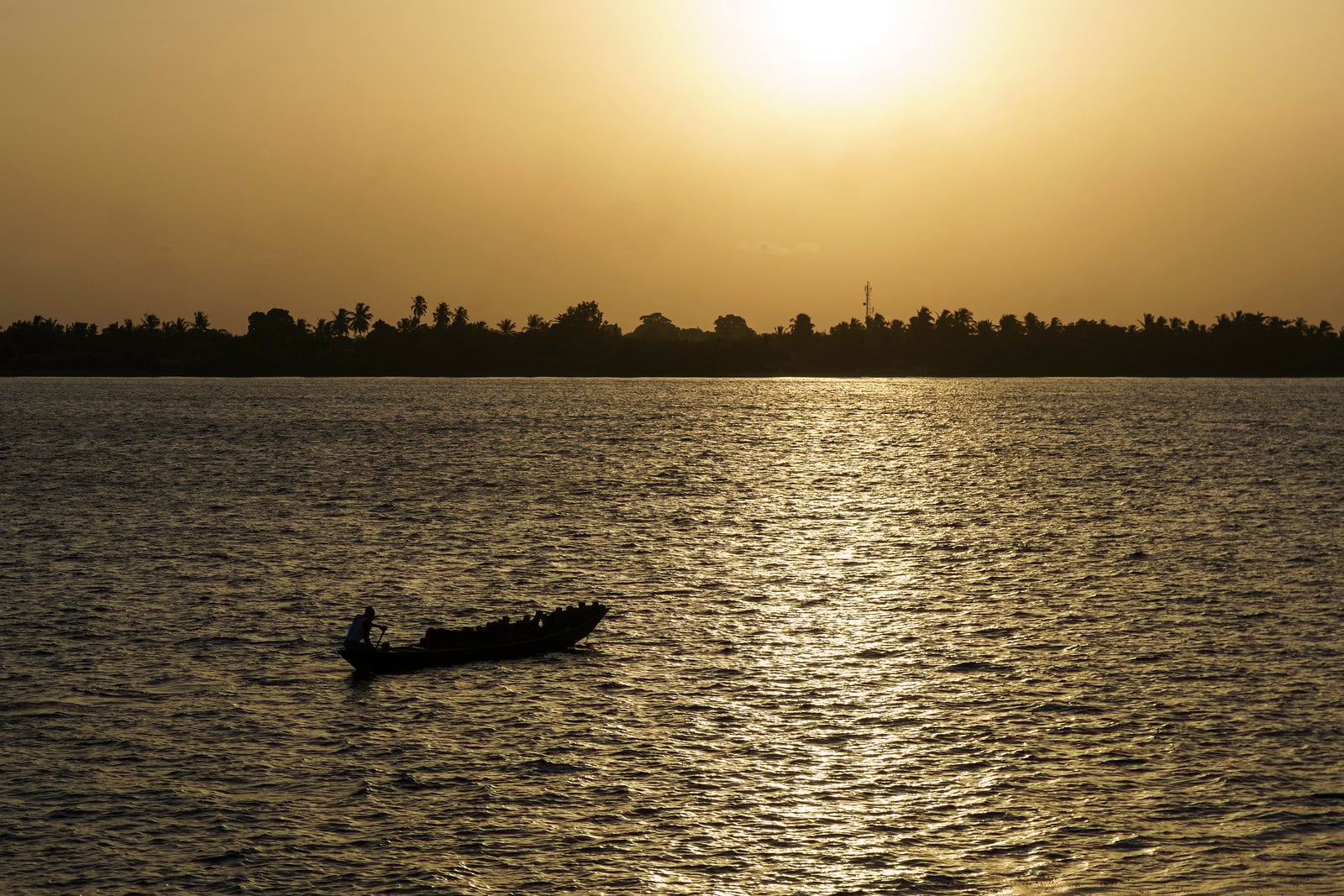
When Ghana’s Akosombo Dam created one of the world’s largest artificial lakes in 1965, it displaced roughly 80,000 people and drowned thousands of hardwood trees left standing in place. These trees still lurk near the surface decades later, with some now being harvested while others continue providing shelter for fish in an ecosystem that developed around this underwater graveyard.
Mangrove Forests in Conflict Zones
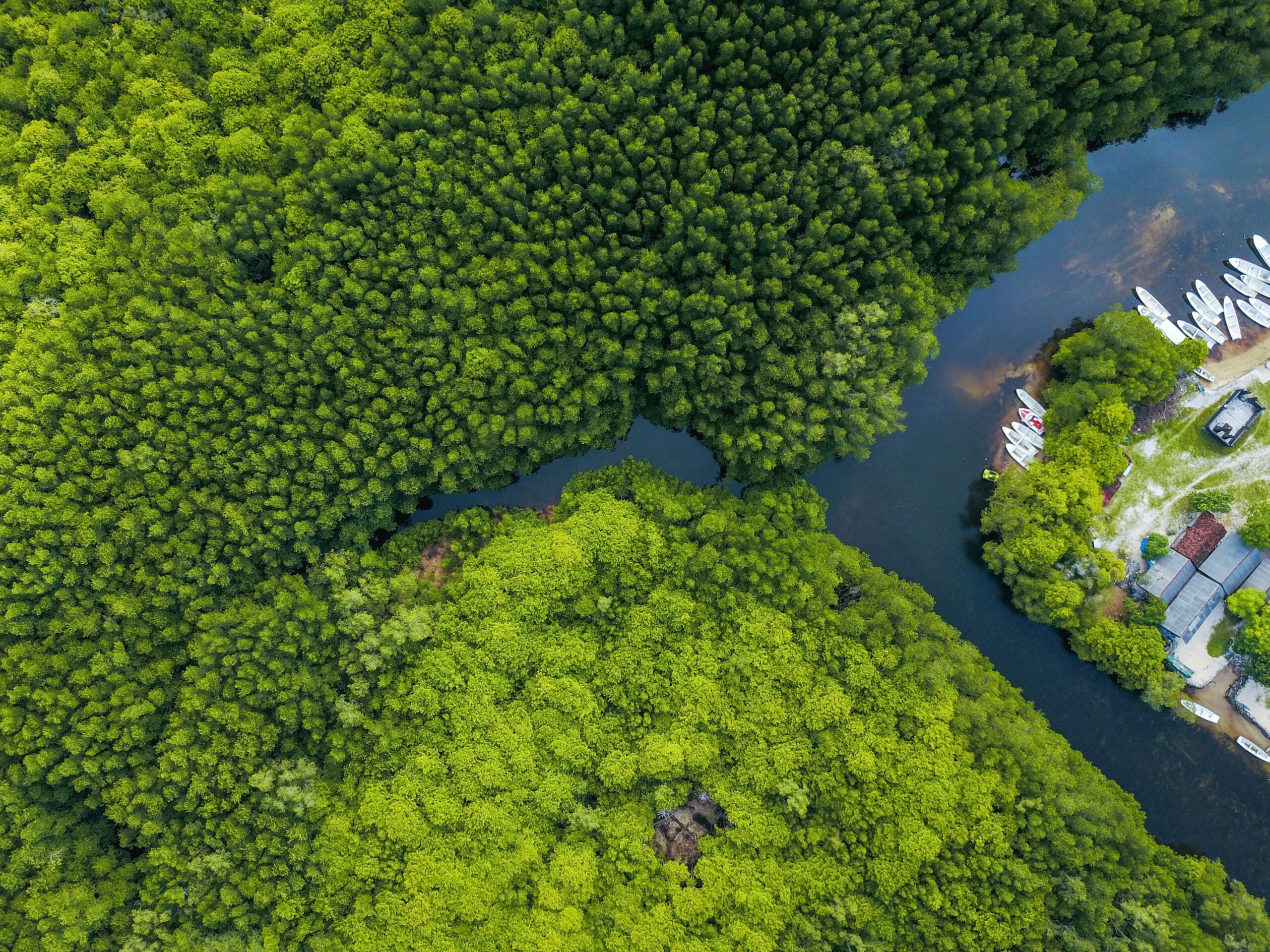
Mangroves might be the ultimate survivors, breathing while submerged through special root systems that protrude above water. In conflict zones across Myanmar, Somalia, and the Democratic Republic of Congo, these coastal forests face threats from both violence and exploitation for charcoal production, yet their complex roots continue holding coastlines together even as human communities fracture.
Like Go2Tutors’s content? Follow us on MSN.
Forests That Refuse to Disappear
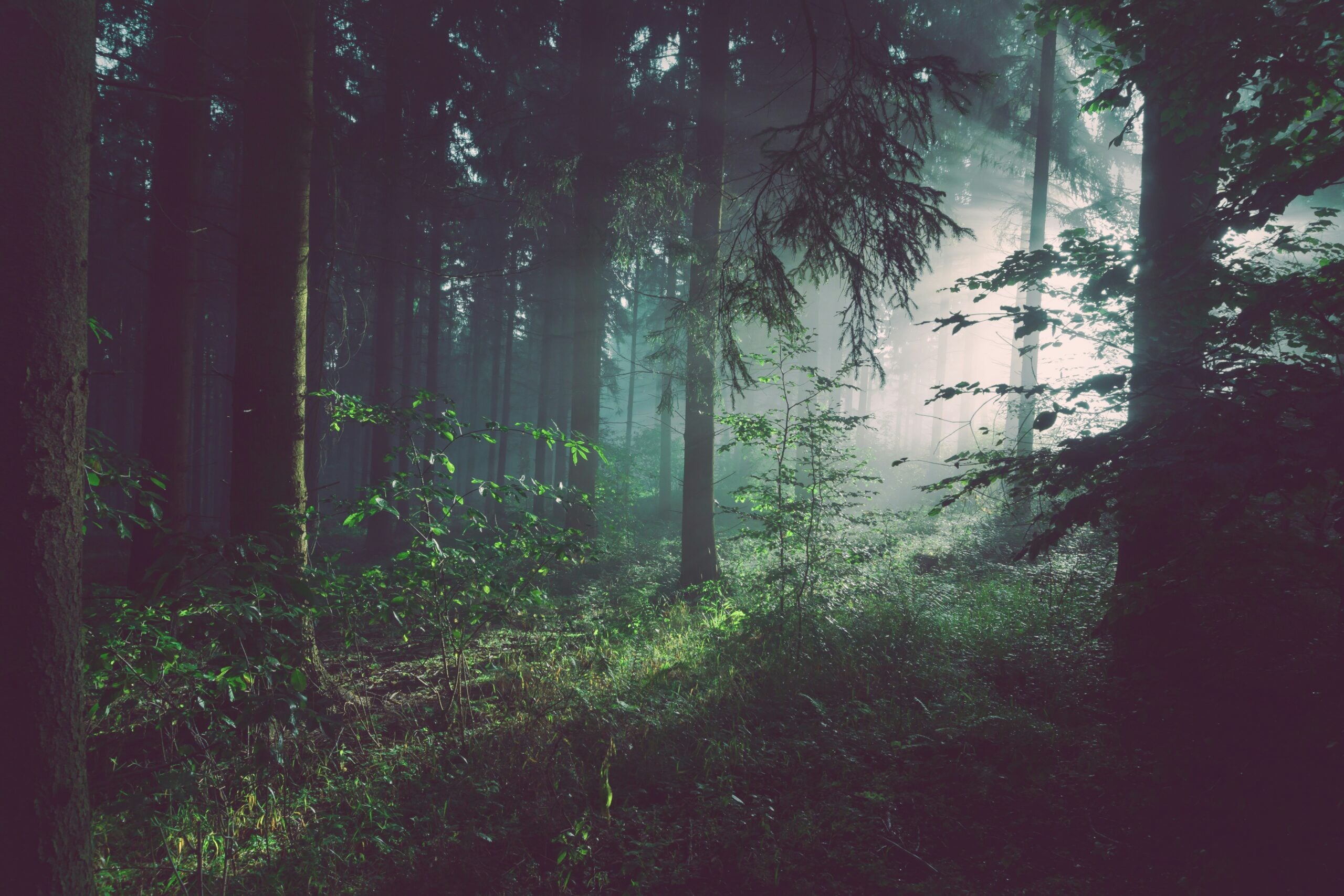
These 15 forests challenge assumptions about where life can thrive and what it means to protect nature. Some grow entirely underwater, their fronds swaying with ocean currents instead of wind, while others survive in places where humans dare not tread, protected by conflict rather than conservation laws.
What they share is resilience—the ability to persist in circumstances that seem impossible, reminding us that nature adapts to fill every available space, even in the ocean’s depths or behind the world’s most dangerous borders.
More from Go2Tutors!

- 16 Historical Figures Who Were Nothing Like You Think
- 12 Things Sold in the 80s That Are Now Illegal
- 15 VHS Tapes That Could Be Worth Thousands
- 17 Historical “What Ifs” That Would Have Changed Everything
- 18 TV Shows That Vanished Without a Finale
Like Go2Tutors’s content? Follow us on MSN.



