15 Neat Car Features That Don’t Exist Anymore
Do you recall a time before driver assistance systems and touchscreens were the only features found in cars? In addition to their astounding technological advancements, modern cars have left behind some genuinely endearing features that older generations find nostalgic.
These underappreciated automobile features blended personality and functionality in ways that modern slick designs frequently overlook. These 15 cool car features, each of which embodies a little bit of automotive nostalgia, have progressively vanished from contemporary automobiles.
Vent Windows
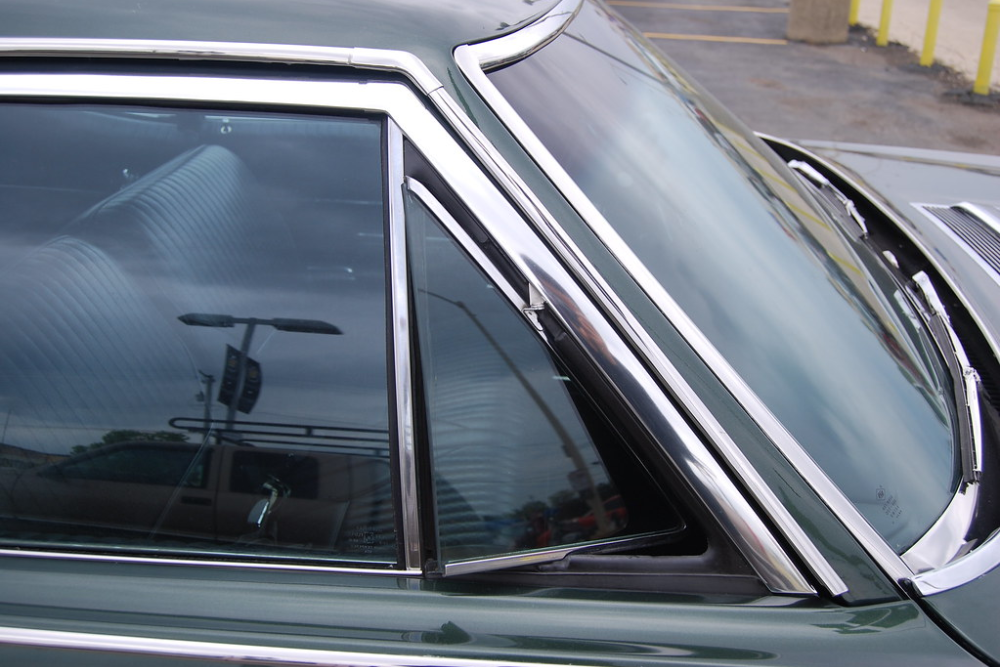
Those small triangular windows at the front of car doors served a brilliant purpose before air conditioning became standard. They could be angled to direct fresh air into the vehicle without the turbulence of fully open windows.
These clever little windows created the perfect gentle breeze on summer drives and helped clear foggy windshields in cooler weather. Many drivers miss this simple, non-electronic solution to cabin ventilation.
Full-Size Spare Tires

In the past, cars always had a full-size spare tire, but now they usually only have tire repair kits or temporary “donut” spares. Instead of a smaller, temporary fix with speed limits, this meant that when you had a flat tire, the repair was the same as your other tires.
On lengthy trips, having a real replacement gave comfort, particularly in isolated locations with few tire stores.
Like Go2Tutors’s content? Follow us on MSN.
Front Bench Seats

Before bucket seats became the standard, many cars featured front bench seats that stretched continuously across the cabin. These wide, sofa-like seats allowed three passengers to sit comfortably up front, making six-person capacity common in standard sedans.
The configuration also permitted couples to sit cozily next to each other while driving, earning these the affectionate nickname of ‘sweetheart seats’ in their heyday.
Pop-Up Headlights
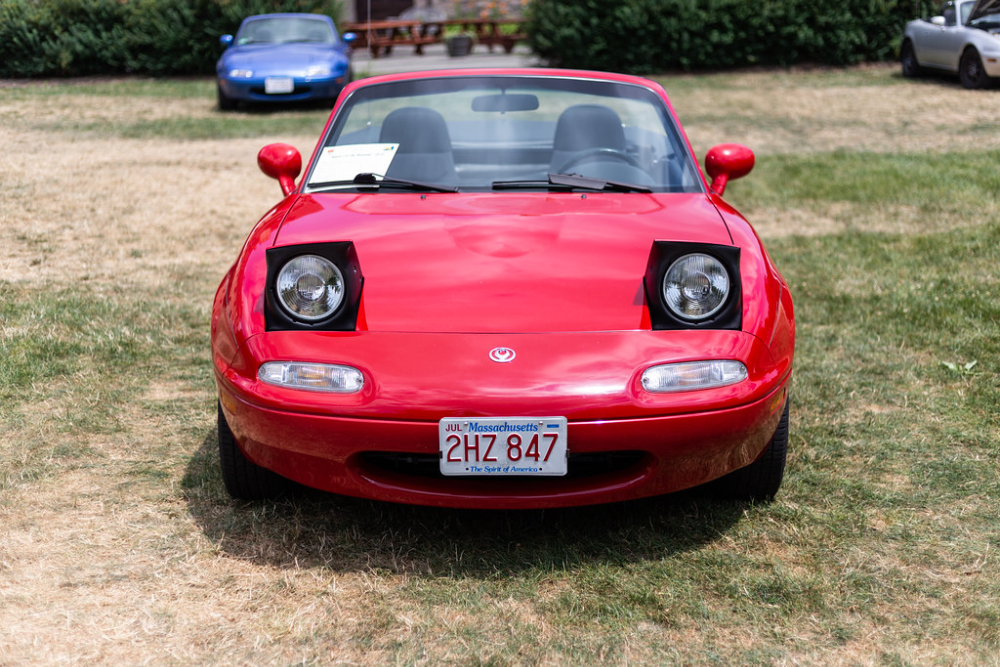
Few car features evoke 1980s and 1990s style quite like pop-up headlights. These hideaway lights maintained a vehicle’s sleek lines during the day and then emerged with mechanical precision when needed at night.
Beyond their functional purpose, there was something undeniably charming about the transformation as those lights rotated upward. Pedestrian safety regulations and aerodynamic concerns eventually rendered them obsolete, despite their enormous personality.
Wing Windows

Different from the front vent windows, wing windows were hinged at the rear doors of many station wagons and larger sedans. These windows could swing outward, creating excellent cross-ventilation through the entire vehicle.
They proved particularly helpful in the rear seating areas, giving back-seat passengers control over their airflow without disrupting others. The feature disappeared as fixed glass and powered climate control systems became the preferred design approach.
Like Go2Tutors’s content? Follow us on MSN.
Ashtrays and Lighters
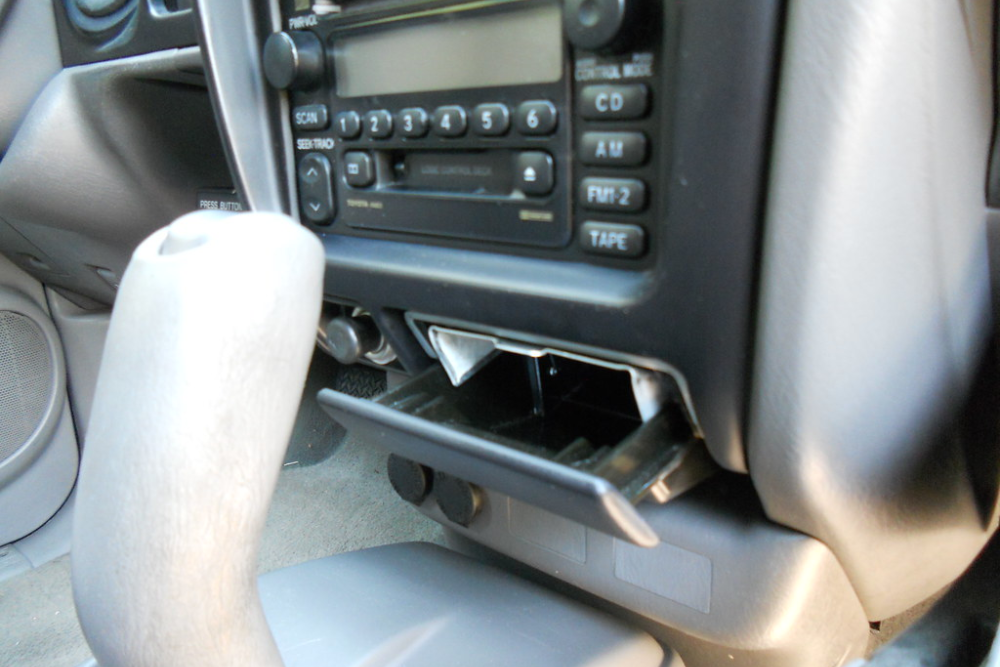
In the past, almost all cars had a push-in cigarette lighter on the dashboard and several ashtrays spread throughout the cabin. These features were eventually phased out in favor of more cupholders and USB charging outlets as smoking rates decreased and public perceptions changed.
A direct development from one era’s necessity to another, the circular lighter socket is still found in many cars today, where it serves as a 12-volt power outlet for a variety of electronics.
Horn Rings

Older steering wheels often featured a complete ring within the steering wheel itself that controlled the horn. This design allowed drivers to honk from any hand position without removing their grip from the wheel.
The elegant solution meant no hunting for a horn button in emergency situations. Modern cars have replaced this with smaller horn pads or buttons, typically centered in the steering wheel alongside airbag systems.
Tailgates With Rear-Facing Seats
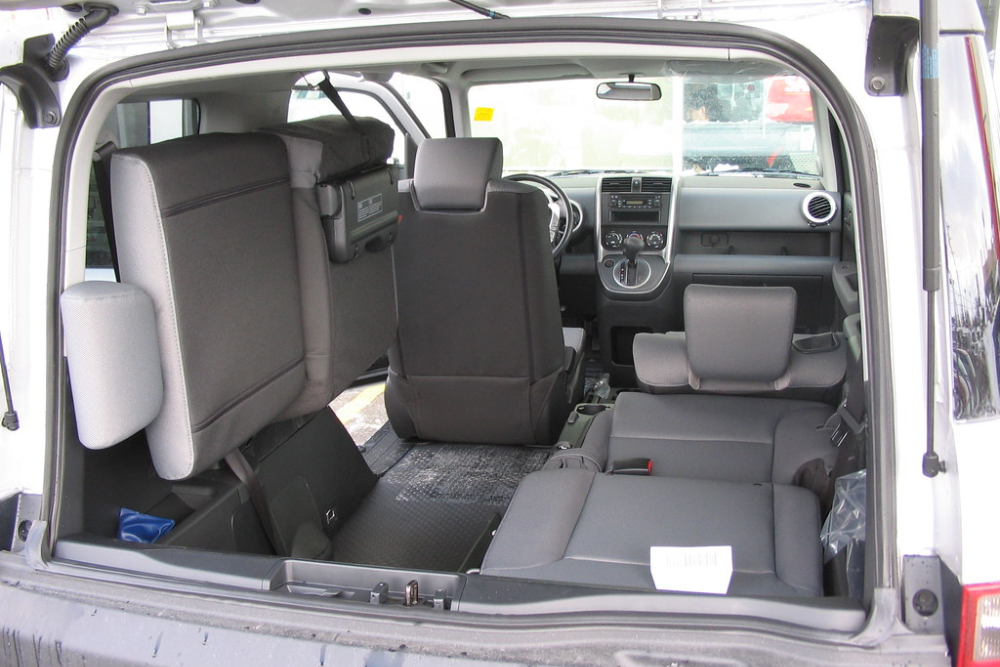
Station wagons frequently featured a rear compartment with fold-out seats facing backward. These ‘way-back’ seats created an adventurous riding experience for children who could watch the world disappear behind them.
The arrangement maximized passenger capacity while creating a uniquely fun seating option that made station wagons particularly popular with larger families. Safety regulations eventually eliminated this feature despite its practical space utilization.
Like Go2Tutors’s content? Follow us on MSN.
Quarter Glass
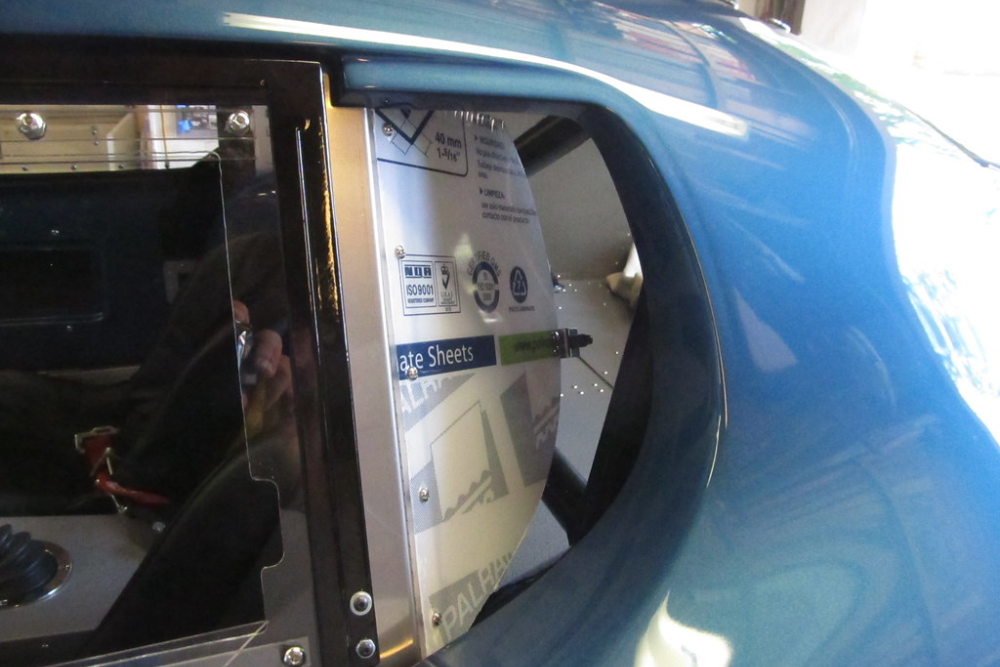
These small fixed windows positioned between the rear side windows and the back windshield served both functional and aesthetic purposes. Quarter glass eliminated blind spots and allowed more light into the cabin while breaking up the visual heaviness of larger vehicles.
Designers carefully integrated them into the overall profile of cars, creating distinctive silhouettes. As manufacturing techniques advanced, many automakers replaced them with single larger windows or eliminated them entirely.
Manual Window Cranks

The simple rotating handle that controlled window movement represents a tactile experience modern button-operated windows can’t replicate. Window cranks provided precise control over exactly how much you wanted your window open.
They never failed due to electrical issues and could be operated without the ignition being on. Despite their simplicity and reliability, the convenience of power windows eventually won out across virtually all vehicle classes.
Pull-Out Door Handles
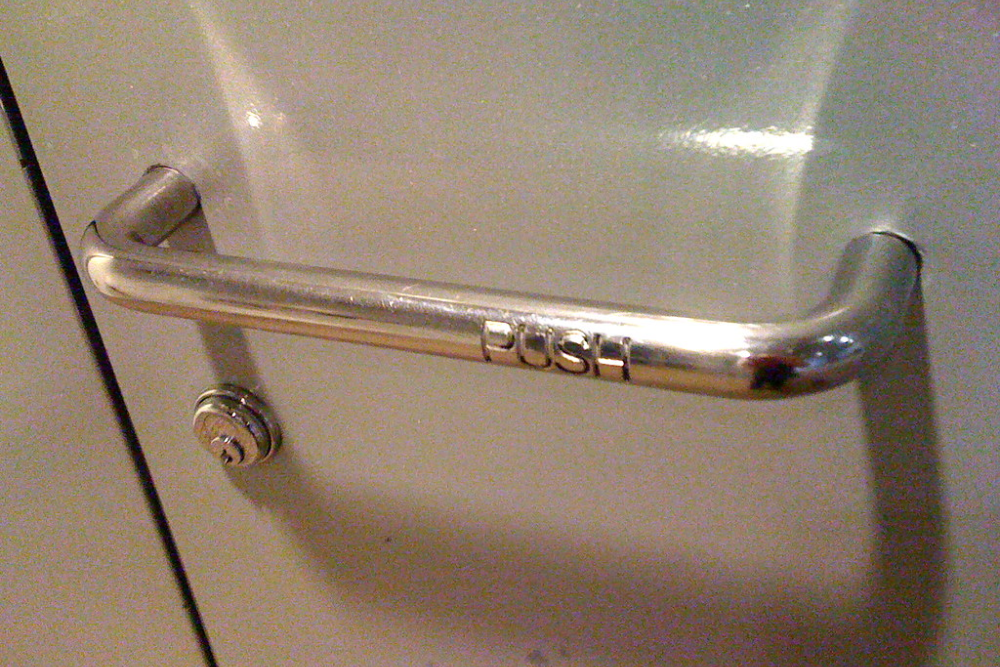
Older cars featured exterior door handles that required pulling outward rather than the modern lifting or trigger-style handles. These sturdy chrome or metal handles had a satisfying mechanical feel and rarely broke compared to today’s more complex mechanisms.
Their chunky, substantial design contributed to the overall character of classic vehicles. Their disappearance reflects both changing safety standards and styling preferences for flush surfaces that improve aerodynamics.
Like Go2Tutors’s content? Follow us on MSN.
Foot-Operated High Beam Switches
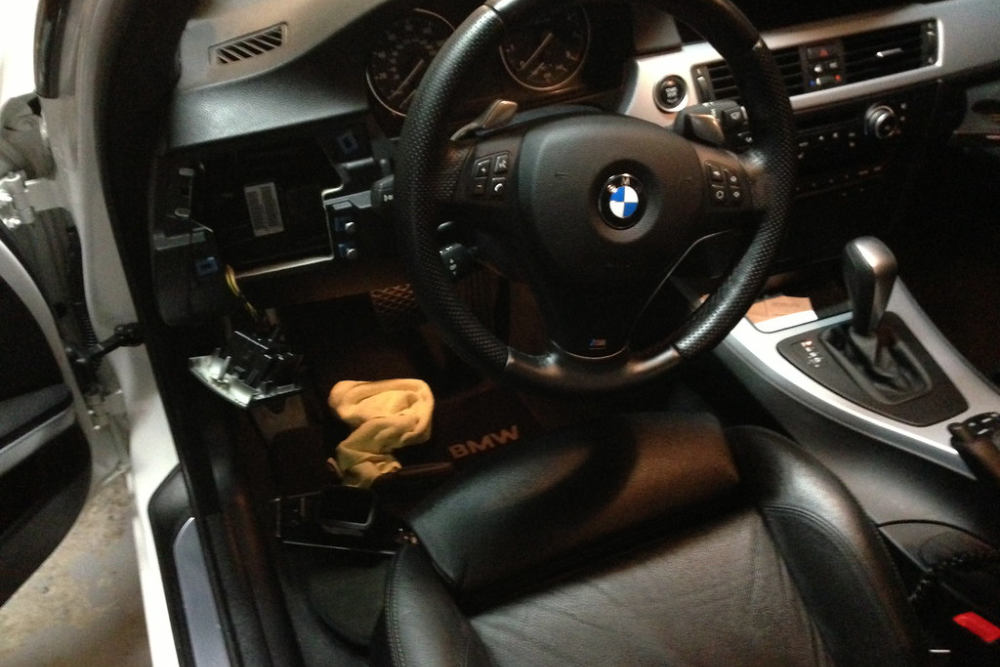
Before steering column stalks became universal, many American cars controlled high beams with a foot switch on the floor. This dimmer switch allowed drivers to toggle between regular and high beams without removing their hands from the steering wheel.
Experienced drivers developed muscle memory that made the operation second nature. The floor-mounted position freed up dashboard space while providing an intuitive control method that many older drivers still prefer.
Flip-Up Headrests

Some older vehicles featured headrests that could be folded forward when not in use, improving rear visibility when backing up or parking. This practical design acknowledged that shorter drivers often struggled to see through the rear window past upright headrests.
The feature disappeared as fixed headrests became mandatory safety equipment, with their precise positioning crucial for preventing neck injuries during accidents.
Hidden Gas Caps
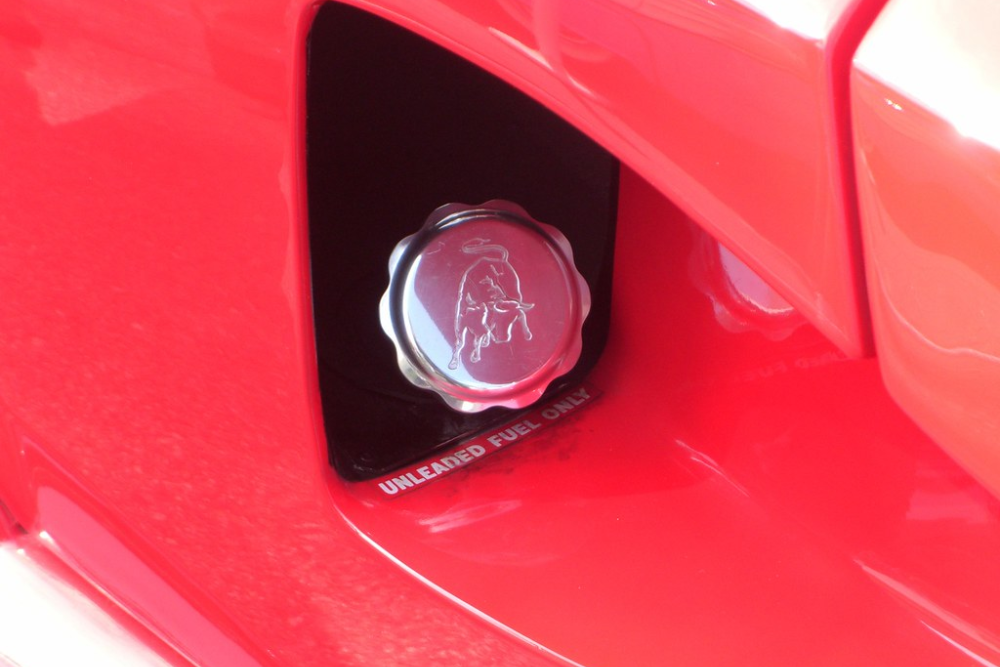
Designers once cleverly concealed fuel filler doors behind license plates, taillights, or within decorative trim elements. These hidden gas caps maintained clean body lines while adding an element of discovery for new owners.
Some luxury models incorporated particularly elegant solutions that revealed the fuel door through ingenious mechanical movements. Modern standardization has largely eliminated these creative approaches in favor of clearly marked fuel doors.
Like Go2Tutors’s content? Follow us on MSN.
T-tops

These removable roof panels offered the next best thing to a convertible, allowing open-air driving without sacrificing structural integrity. T-tops created a distinctive look with their central roof bar remaining in place while panels on either side could be removed and stored in the trunk.
The feature was particularly popular in sports cars during the 1970s and 1980s. Concerns about leakage and structural rigidity, combined with the rise of panoramic sunroofs, eventually led to their decline.
The Road Behind Us
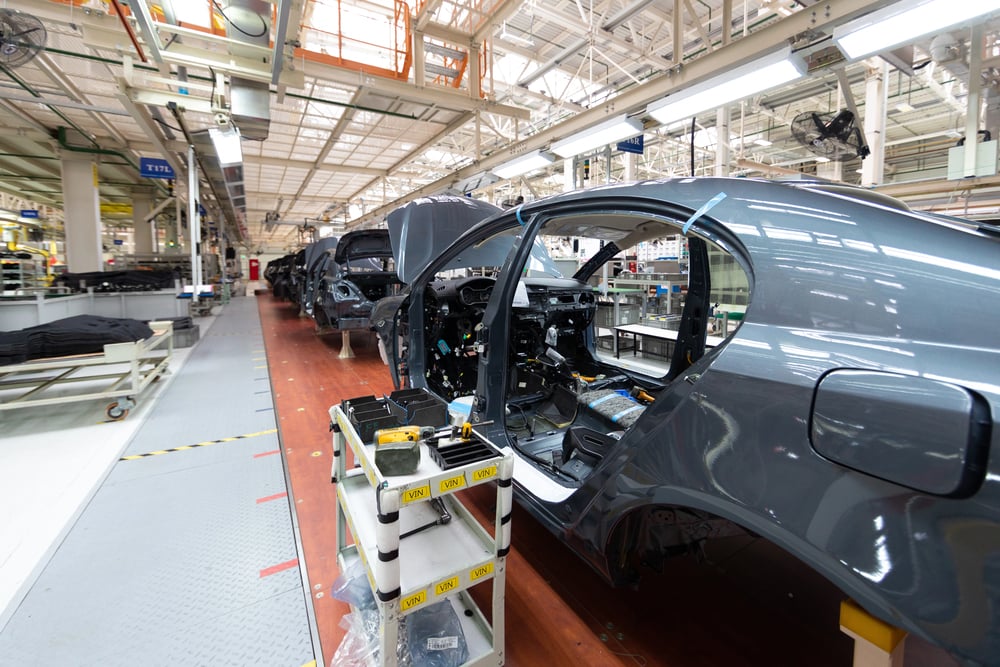
The disappearance of these features represents the constant evolution of automotive design, where practicality, safety standards, and changing consumer preferences continuously reshape our vehicles. While modern cars offer incredible technology and efficiency advantages, there’s something nostalgic about these mechanical solutions that connected drivers more directly to the driving experience.
Perhaps some of these clever features will inspire future designers to incorporate their spirit into tomorrow’s vehicles, blending the best of automotive history with forward-looking innovation.
More from Go2Tutors!

- 18 Unexpectedly Valuable Collectibles You Might Have Lying Around
- 15 Things Every Teenager in the ’70s Did That Teens Today Wouldn’t Understand
- 15 Strange Things People Have Tried to Ban (And Failed)
- 15 Inventions That Were Immediately Banned After Being Created
- 20 Actors Who Were Almost Cast in Iconic Roles
Like Go2Tutors’s content? Follow us on MSN.



