16 Most Iconic Martial Arts and Their Country of Origin
Martial arts carry stories that stretch back centuries, each one shaped by the culture and landscape that birthed it. From the monasteries of China to the islands of Japan, these fighting systems evolved not just as methods of combat, but as ways of understanding movement, discipline, and the human spirit. Some emerged from necessity, others from philosophy. All of them transformed whoever practiced them.
Karate
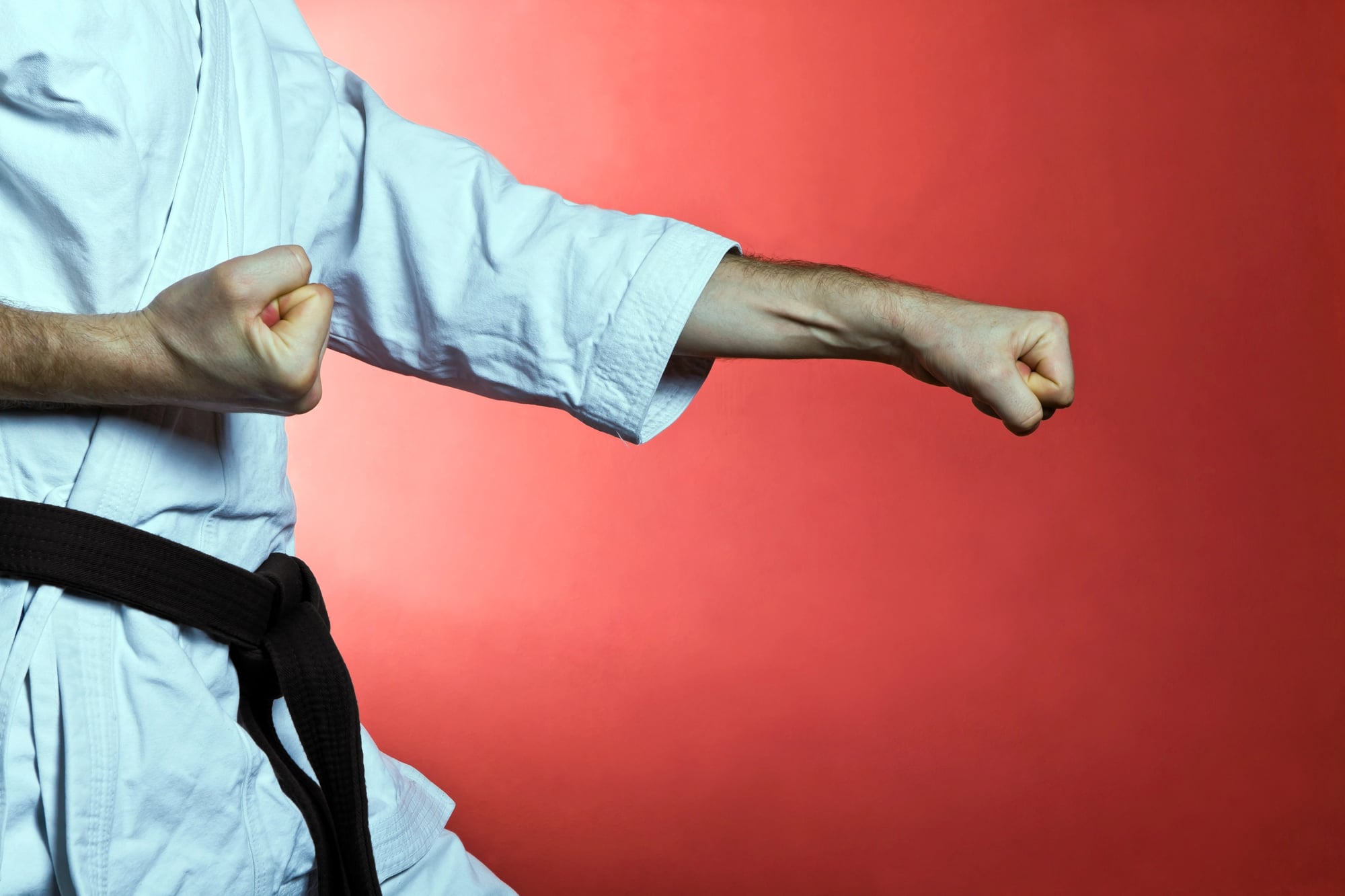
Karate strips combat down to its essentials. No weapons, no complexity — just hands, feet, and the knowledge of how to use them. Okinawa developed this art when weapons were banned, so people learned to turn their bodies into the only tools they needed.
The forms look like shadow boxing until you understand what each movement represents. Then it becomes clear why karate spread from a small island to dojos worldwide.
Kung Fu
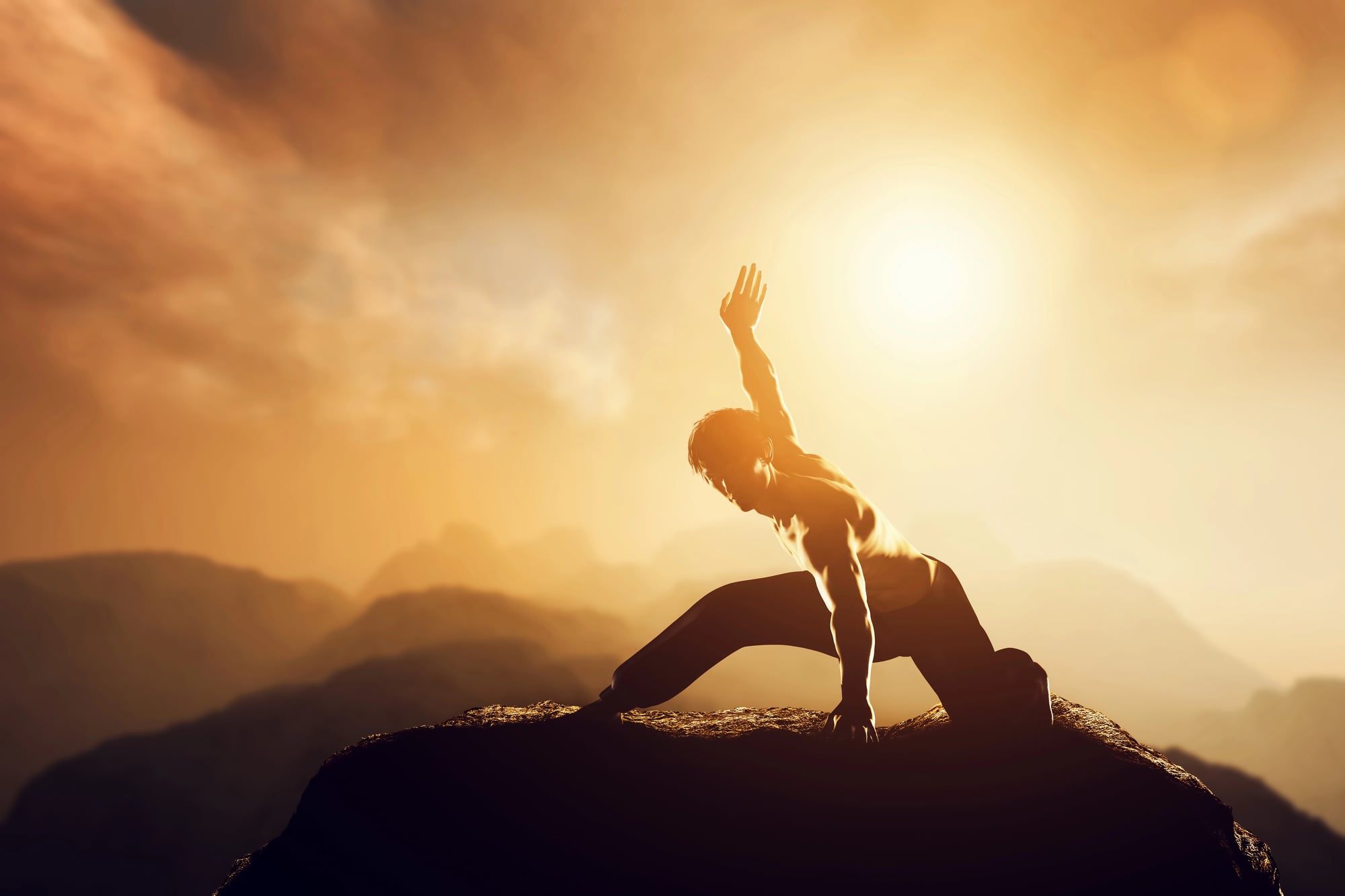
The thing about kung fu is that it’s not actually one martial art at all — it’s hundreds of them, maybe thousands, each with its own approach to the fundamental problem of how a human body moves through space and time.
China, being the size of a continent and having the history to match, developed fighting systems the way other places developed dialects: every region, every temple, every family line adding their own interpretation until the whole thing became this vast, sprawling ecosystem of styles that imitate animals (because apparently watching a praying mantis hunt teaches you something about timing that no human teacher could), philosophical schools that treat combat as moving meditation, and practical systems designed for people who needed to stay alive in a world where staying alive wasn’t guaranteed.
And yet — here’s what’s remarkable — they all seem to understand something essential about the relationship between internal calm and external power, between yielding and striking, between the soft and the hard that most other fighting systems either miss entirely or spend decades trying to figure out.
Boxing
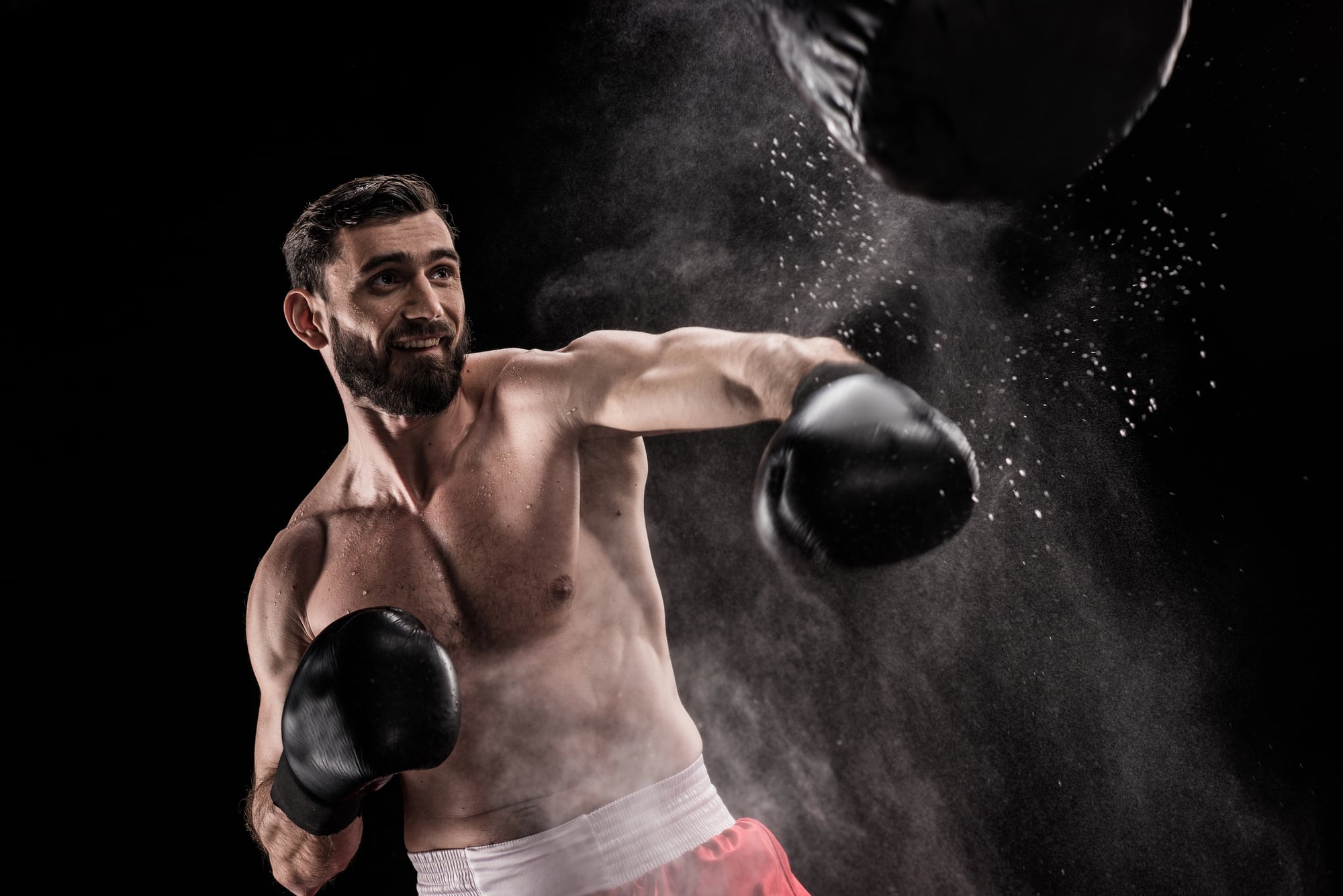
Boxing is the most honest martial art there is. Two people, two sets of gloves, and the clearest possible objective. England gave the world rules for this ancient impulse, though people have been punching each other since people existed.
What England added was the idea that violence could have boundaries, that brutality could become sport. Fair play applied to something fundamentally unfair.
Judo
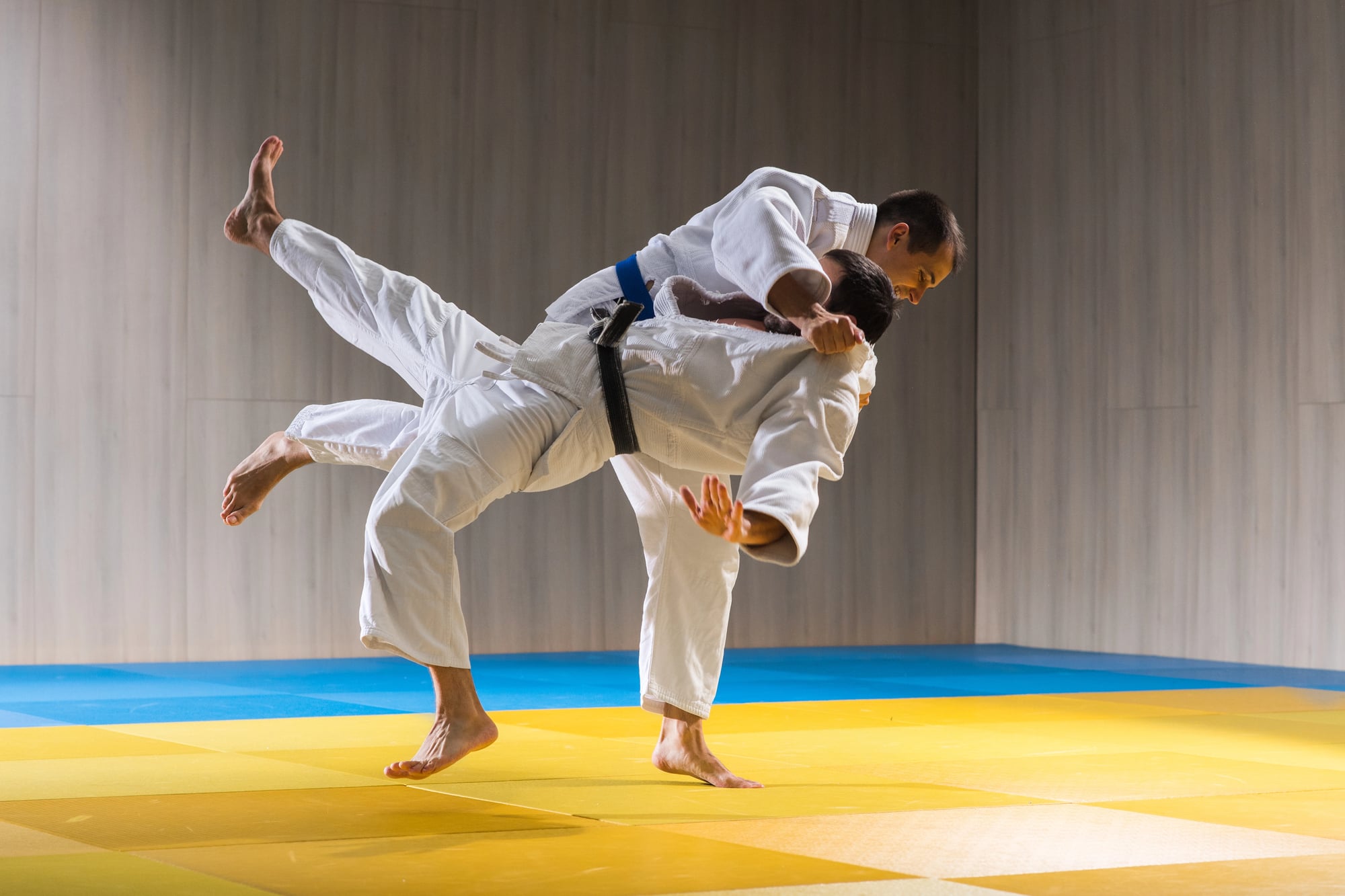
A martial art designed around the radical idea that you don’t need to be stronger than your opponent — you just need to understand leverage better than they do. Jigoro Kano took the joint locks and throws of traditional jujitsu and refined them into something that worked precisely because it didn’t rely on brute force.
Japan in the late 1800s was wrestling with how to preserve its martial traditions while embracing modernity, and judo became the answer: traditional enough to honor the past, practical enough to work in the present, and philosophical enough to justify calling it education rather than just fighting.
So it became a pioneering martial art in the modern Olympics when introduced in the 1964 Tokyo Games, a system taught in schools as character development.
Brazilian Jiu-Jitsu
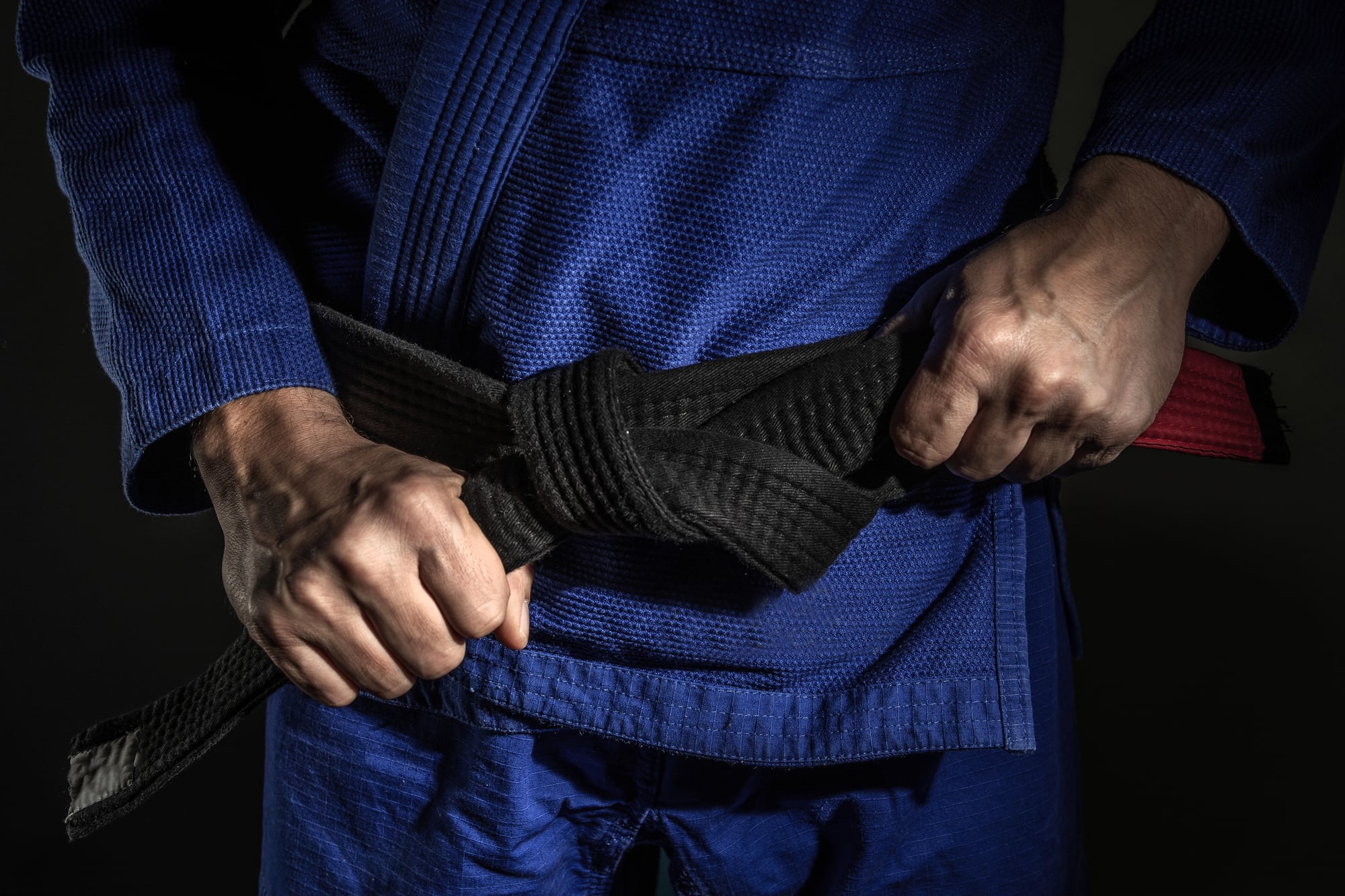
The ground tells the truth about fighting in a way that standing never does. Brazilian Jiu-Jitsu understood this when most martial arts were still pretending that fights stayed on their feet.
The Gracie family took judo’s groundwork and followed it to its logical conclusion. What they found was a chess match played with limbs, where technique mattered more than size and patience mattered more than aggression.
Taekwondo

South Korea developed a kicking art that treats the legs like other martial arts treat the hands. High, fast, and devastating when they connect.
Taekwondo kicks look impossible until someone demonstrates that they’re not. The philosophy talks about discipline and respect, but the real lesson is simpler: the human body can do things that seem to defy physics if you train it properly.
Muay Thai
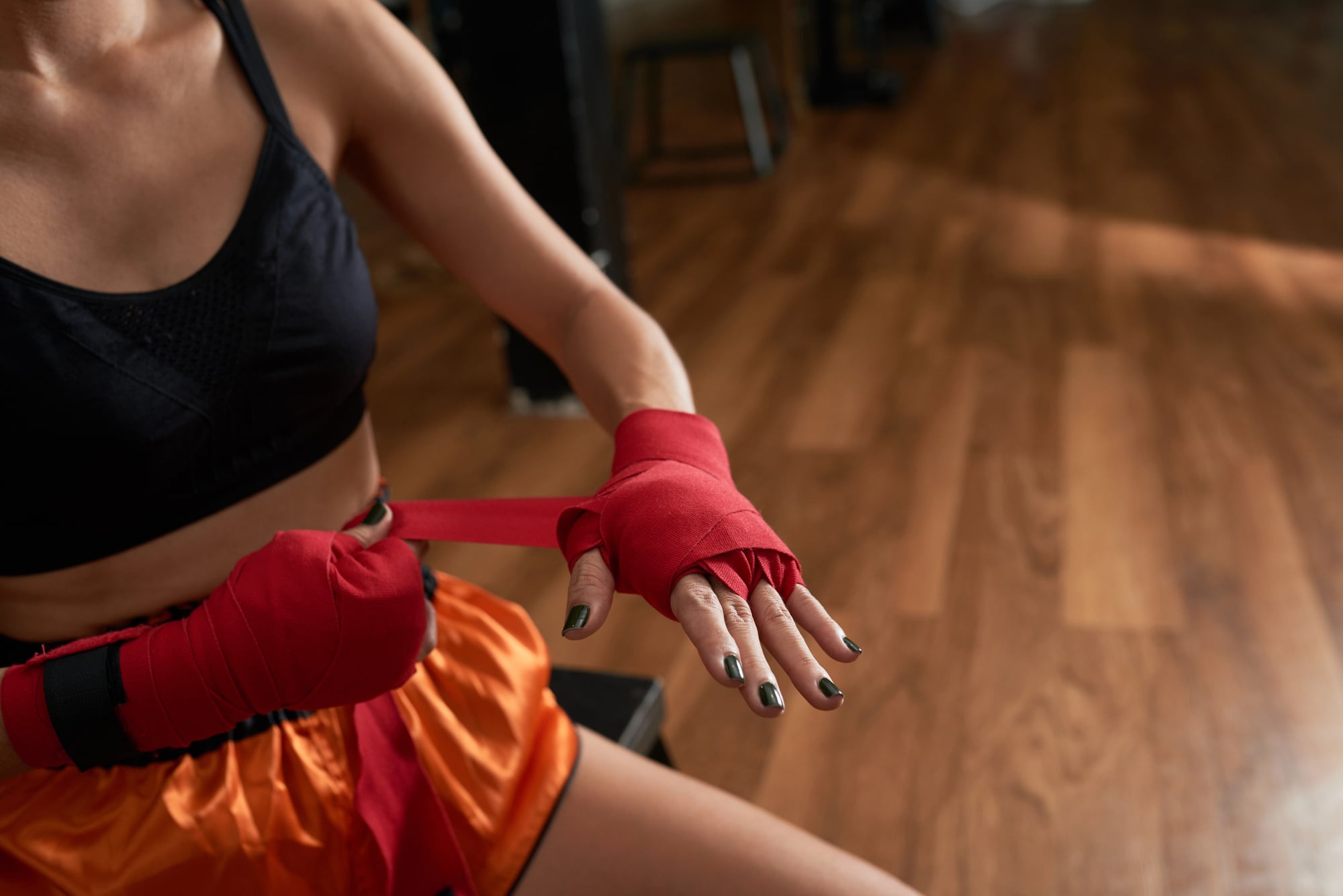
Thailand created something that feels less like a martial art and more like a way of turning the human body into a collection of weapons — elbows that cut, knees that crush, shins that become hardened through years of conditioning.
Fighters start young because the body must adapt early, and by the time they enter the ring, every surface has become a striking tool. Yet beneath the brutality is rhythm and timing that makes the violence look almost like dance.
Aikido
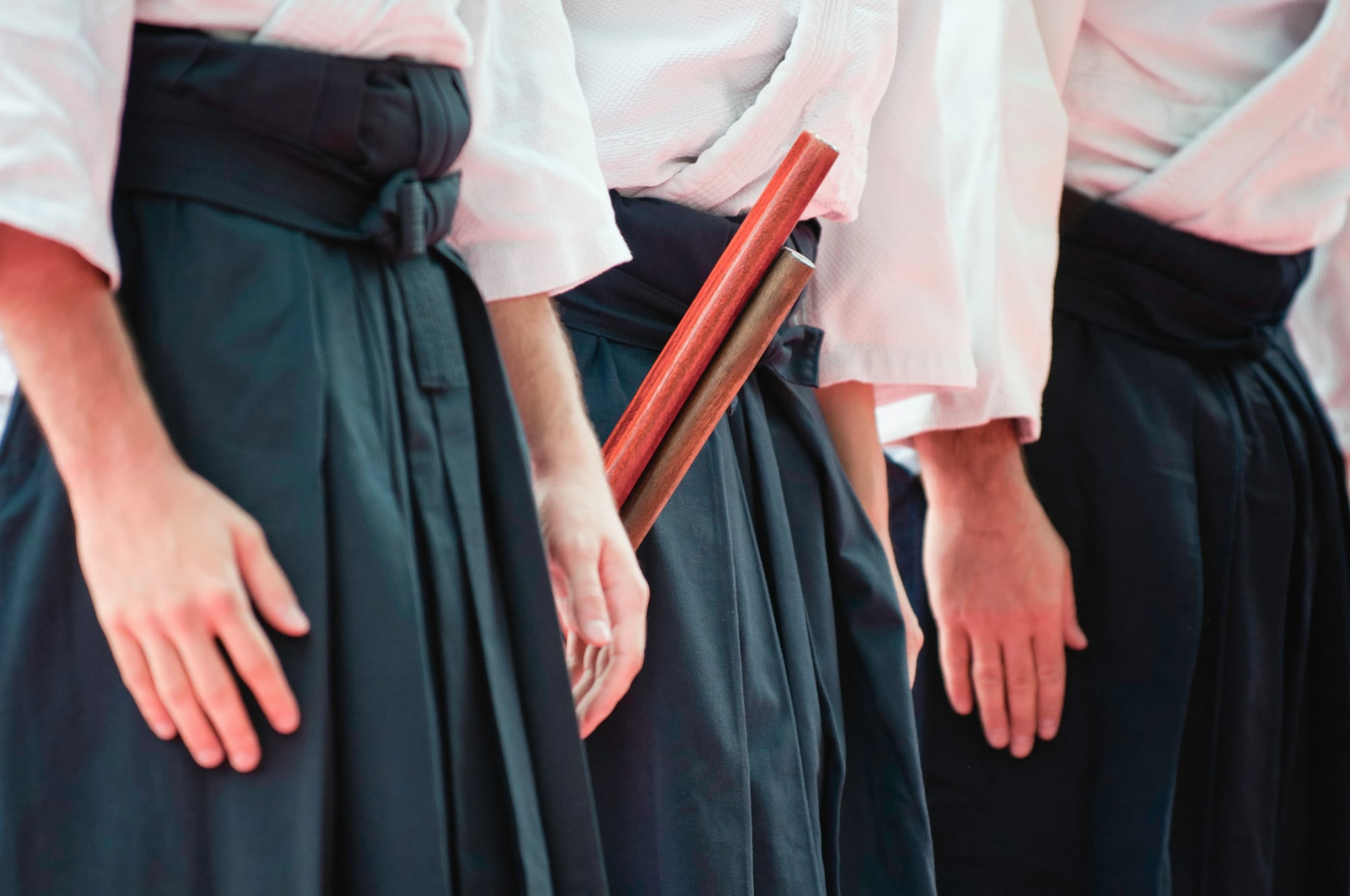
Aikido moves like water around stone, redirecting force instead of meeting it head-on. The attacker provides the energy; the aikido practitioner simply guides it somewhere else.
Japan developed this art from the idea that victory doesn’t always require defeat — sometimes it just requires making aggression useless.
Krav Maga

Israel needed a fighting system for people who might not have years to perfect technique. Krav Maga delivers brutal efficiency designed for survival situations.
This isn’t about tradition or sport. It’s about ending a threat as quickly as possible and walking away alive.
Capoeira
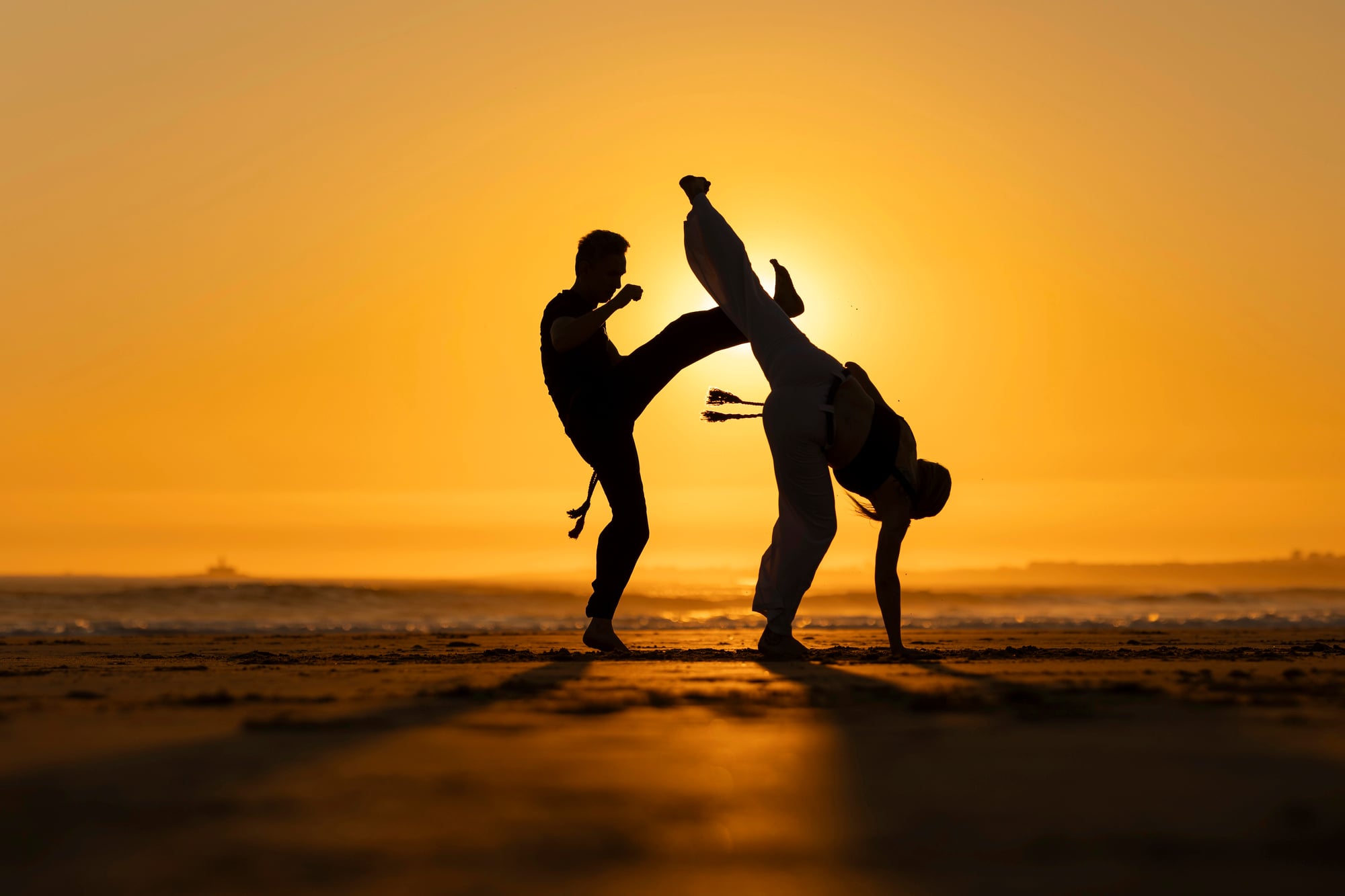
Capoeira disguised itself so well that people still can’t decide whether it’s a martial art, a dance, or acrobatics with hidden violence inside it. Brazil’s enslaved population created it as a way to train without detection.
What emerged is continuous motion — flips, kicks, spins — all woven into music and rhythm. In capoeira, fighting and art become the same thing.
Fencing
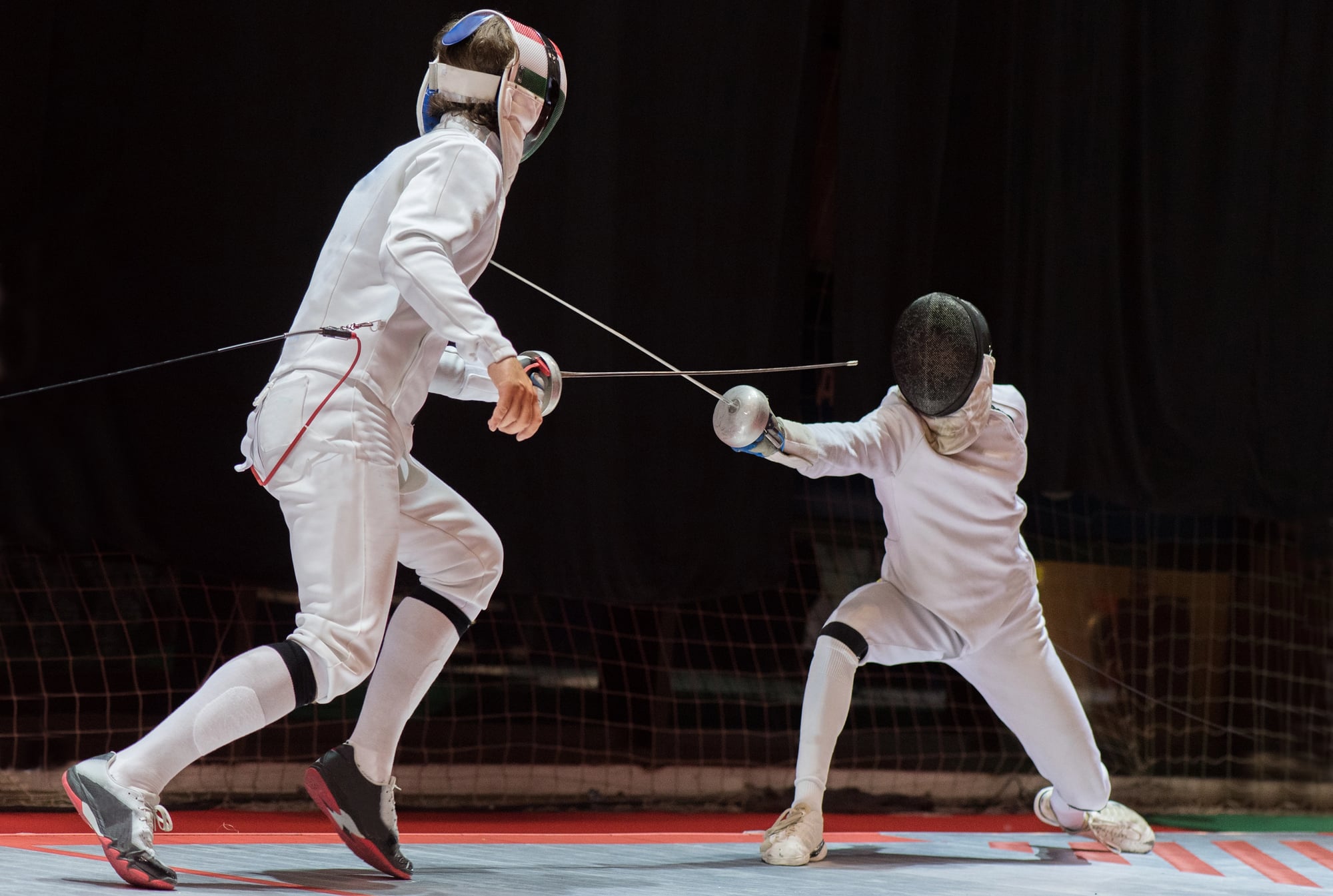
European swordsmanship refined into a game of inches and timing. Fencing transforms combat into a mental duel as much as a physical one.
What began as survival with blades evolved into precision sport, where victory depends on reading intent before movement even happens.
Wrestling
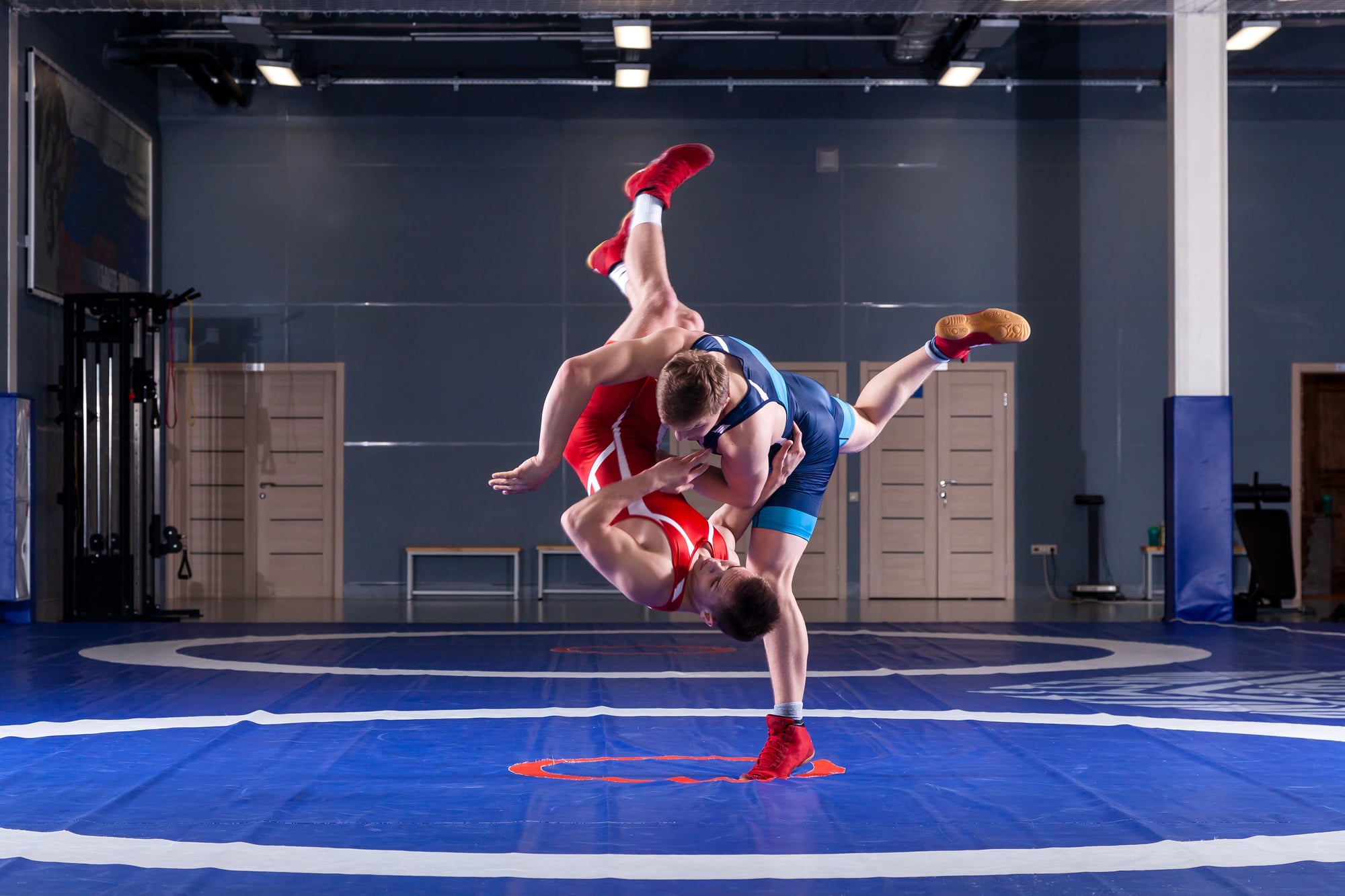
Wrestling predates civilization. Every culture developed it because the instinct to grapple is universal.
Ancient Greece formalized it, but the core idea never changed: control the body, control the fight.
Jeet Kune Do

Bruce Lee rejected the idea that tradition mattered more than effectiveness. Jeet Kune Do became his answer to what actually works in combat.
Developed in the United States, it stripped martial arts down to essentials, combining only what proved useful and discarding everything else.
Savate
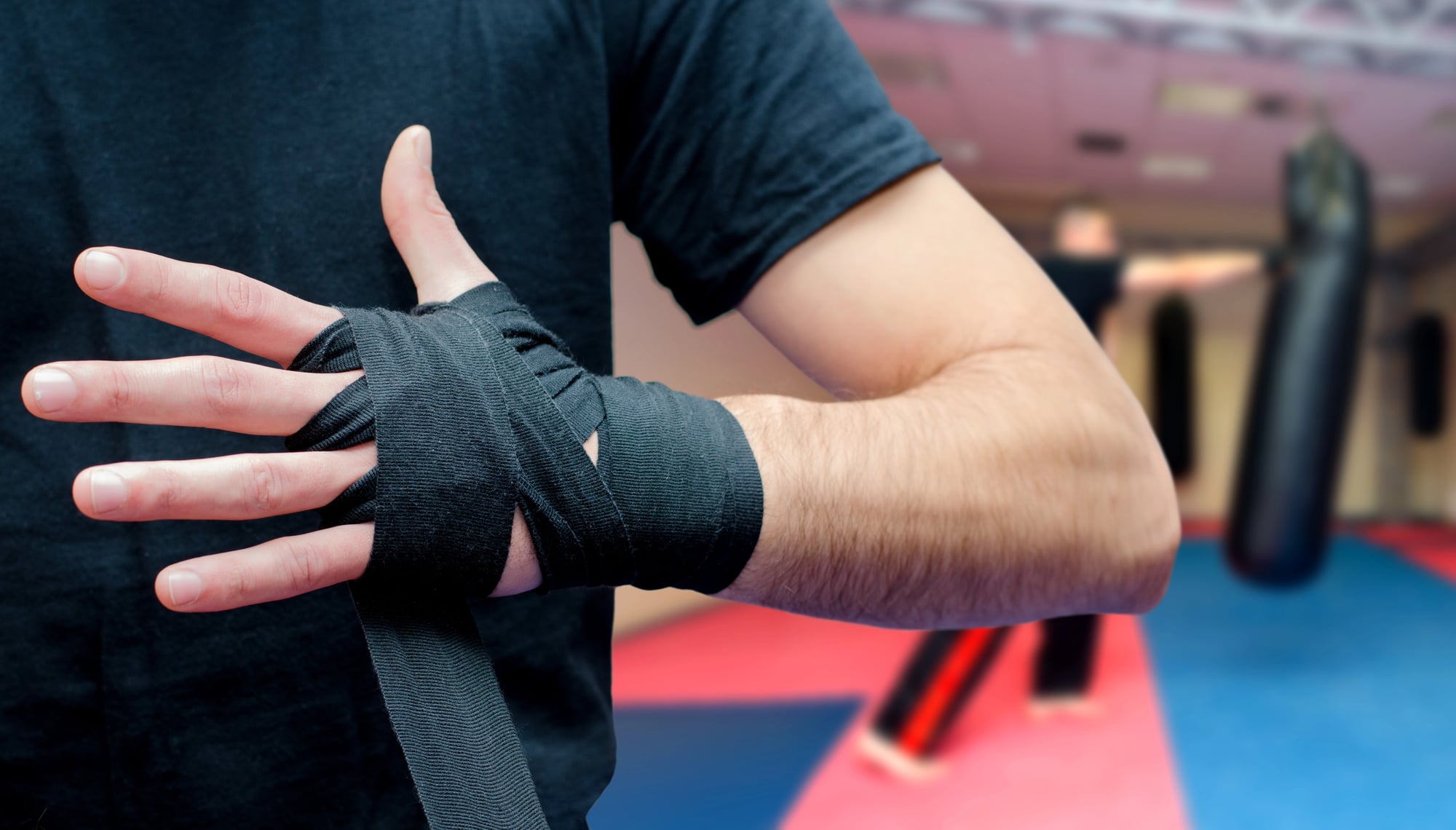
France developed a kicking art that insists you keep your shoes on. Savate uses footwear as a weapon, turning kicks into precise strikes.
It blends street origins with refined technique, reflecting a culture that turns even violence into style.
Sambo
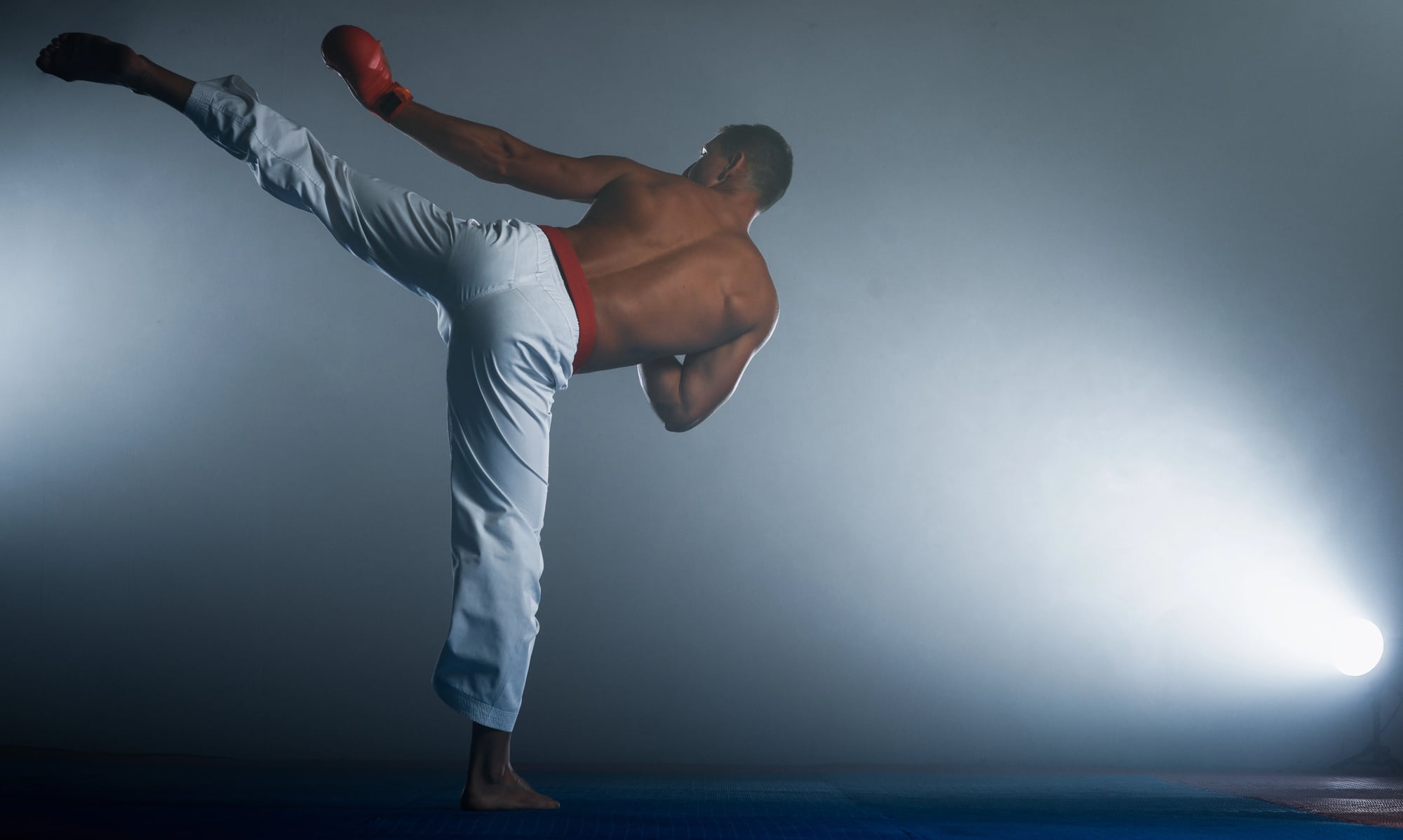
Russia combined judo and wrestling into a system built for efficiency. Sambo emphasizes quick control and decisive endings to combat.
It reflects a practical philosophy: solve the problem fast, with no unnecessary movement.
Escrima

The Philippines developed a weapons-based system where sticks, knives, and empty hands are all part of the same language.
Escrima survived colonial suppression by hiding in dance and tradition, preserving combat within culture itself.
When Bodies Become Languages
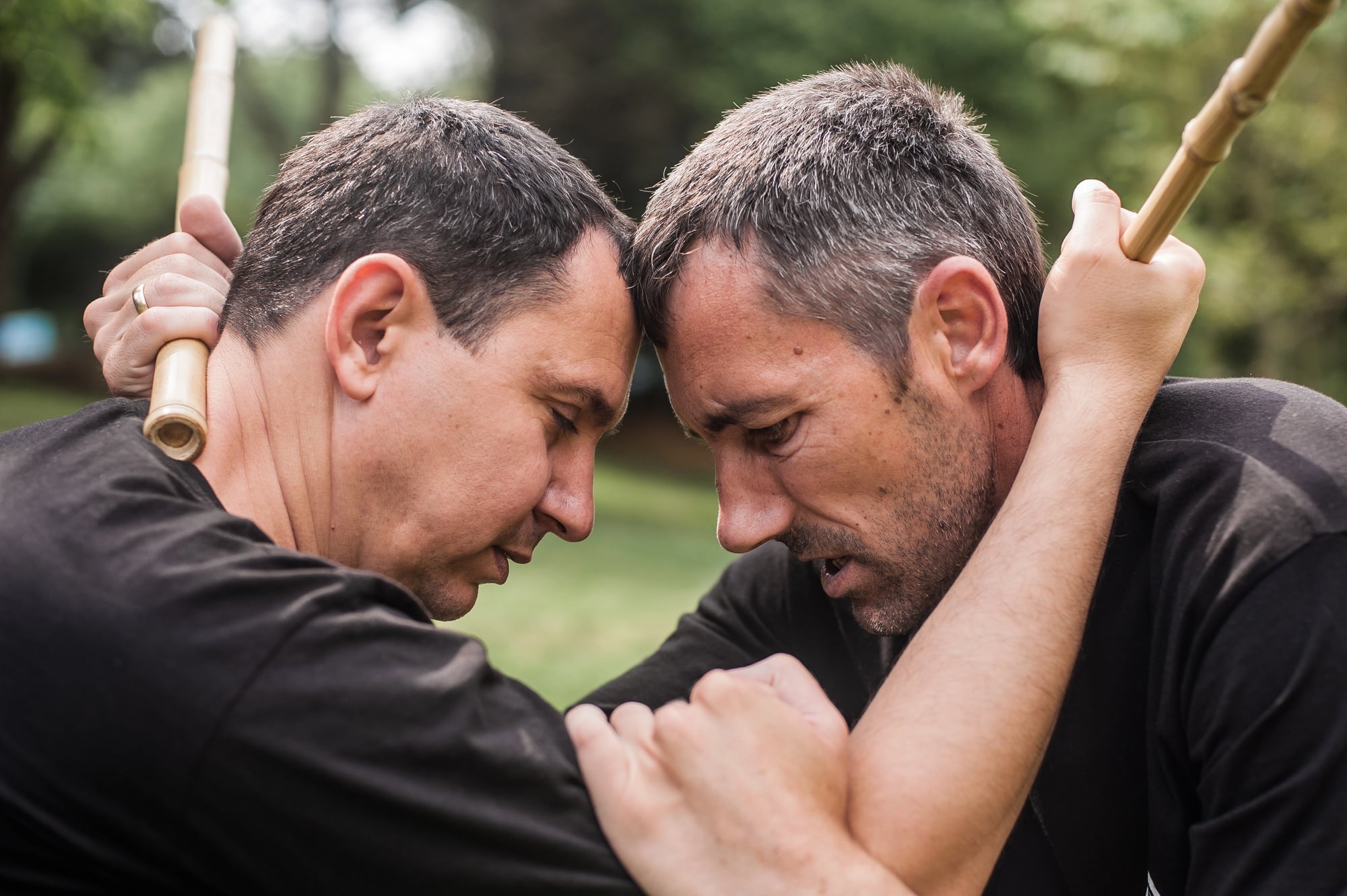
These sixteen arts represent more than combat systems — they are different philosophies of human movement. Each culture asked the same question and arrived at a different answer shaped by survival, geography, and belief.
What unites them is simple: martial arts change not just how people fight, but how they understand themselves.
More from Go2Tutors!

- The Romanov Crown Jewels and Their Tragic Fate
- 13 Historical Mysteries That Science Still Can’t Solve
- Famous Hoaxes That Fooled the World for Years
- 15 Child Stars with Tragic Adult Lives
- 16 Famous Jewelry Pieces in History
Like Go2Tutors’s content? Follow us on MSN.



