Furniture at Estate Sales That Restorers Compete For
Professional furniture restorers attend estate sales looking for specific pieces that justify the cost and time of restoration. These buyers know exactly which woods, joinery methods, and design periods command restoration investment, and they bid competitively against other restorers who recognize the same pieces.
The furniture they seek isn’t necessarily the oldest or fanciest—it’s the furniture that combines quality materials with structural integrity and the kind of distinctive design that contemporary buyers will pay premium prices to own once restored.
Mid-Century Modern Solid Wood Chairs
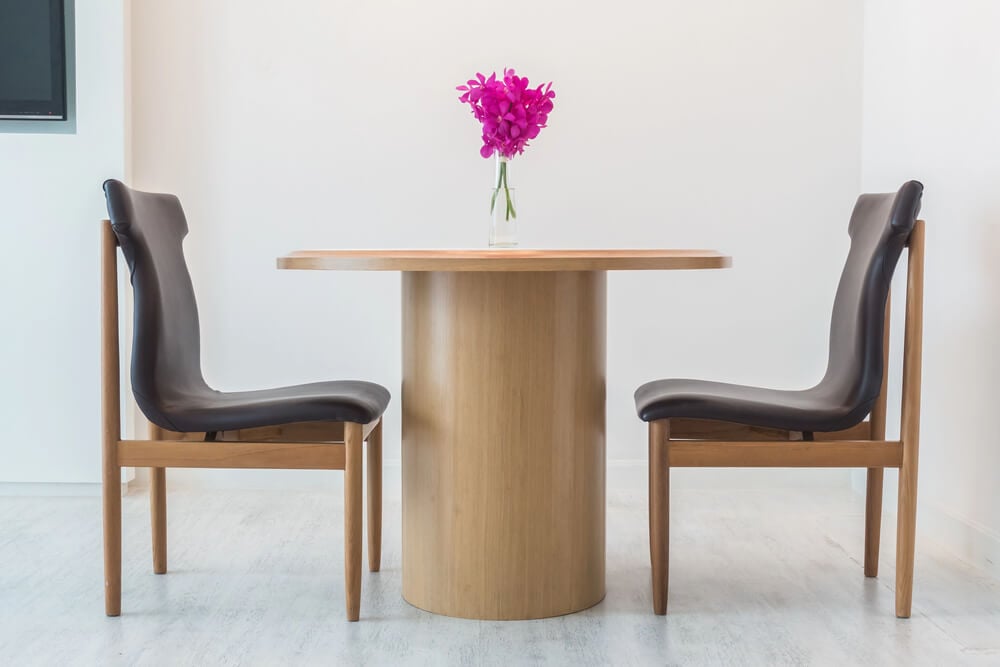
Solid wood dining chairs from the 1950s and 1960s with intact joinery and genuine wood—not veneer—attract restorers because reupholstering transforms them into designer pieces. Restorers specifically seek sets of four or more because matched sets command higher prices after restoration.
Even damaged examples interest restorers if the wood frame is sound and the design is distinctive.
Danish Teak Dining Tables
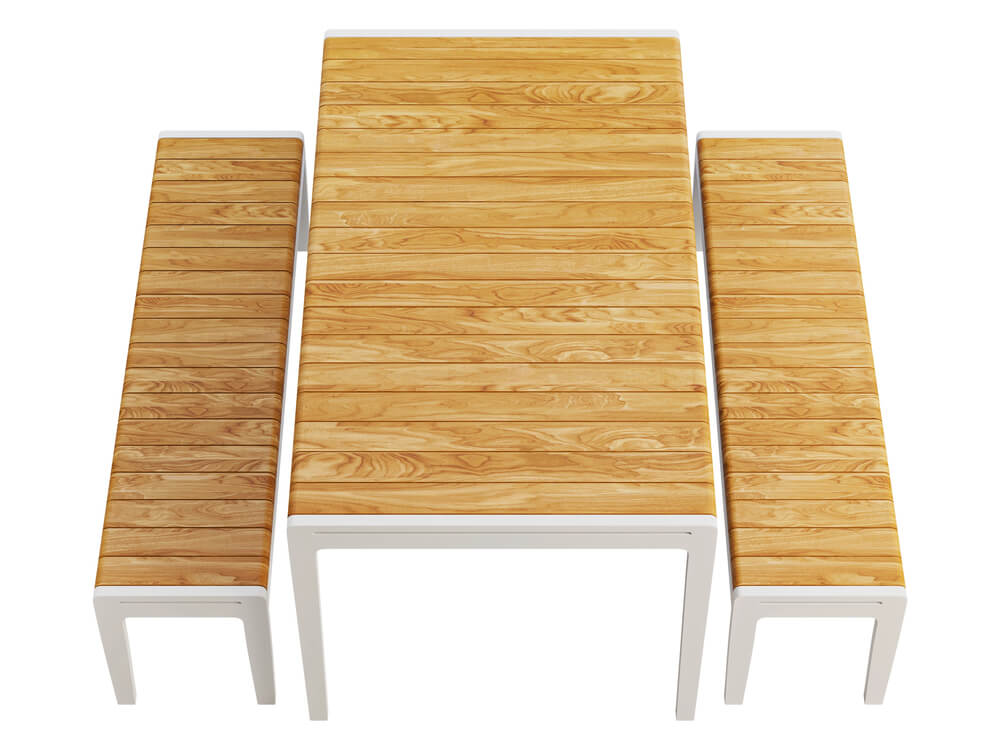
Danish teak tables from the 1960s and 1970s with solid teak construction attract restorers because the wood itself has significant value. Light refinishing reveals the grain and beauty beneath decades of neglect, and restorers resell these tables for $3,000 to $8,000 depending on size and condition.
Restorers specifically seek tables with dovetail joinery indicating quality construction.
Victorian Era Solid Wood Dressers
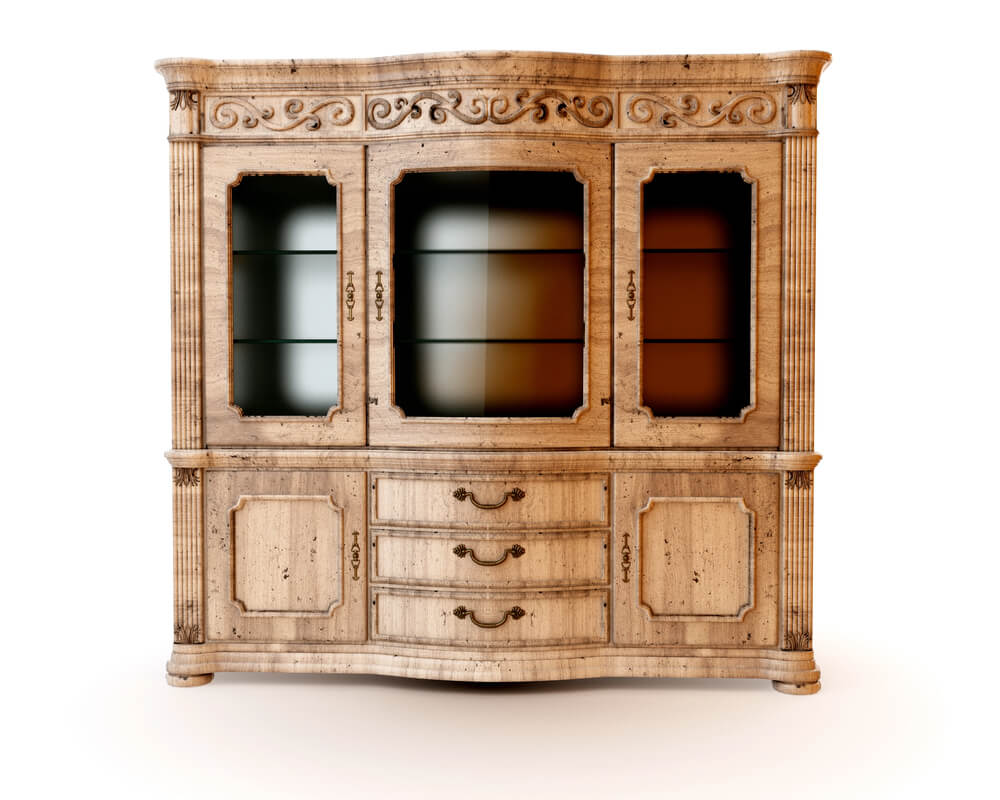
Victorian dressers constructed from solid walnut, oak, or cherry—not veneer—attract restorers because the wood quality justifies restoration investment. Missing drawer pulls, loose joints, and faded finishes don’t discourage professional restorers who understand that stripping and refinishing transforms these pieces.
Original hardware, even if damaged, increases value and interest.
Leather Club Chairs
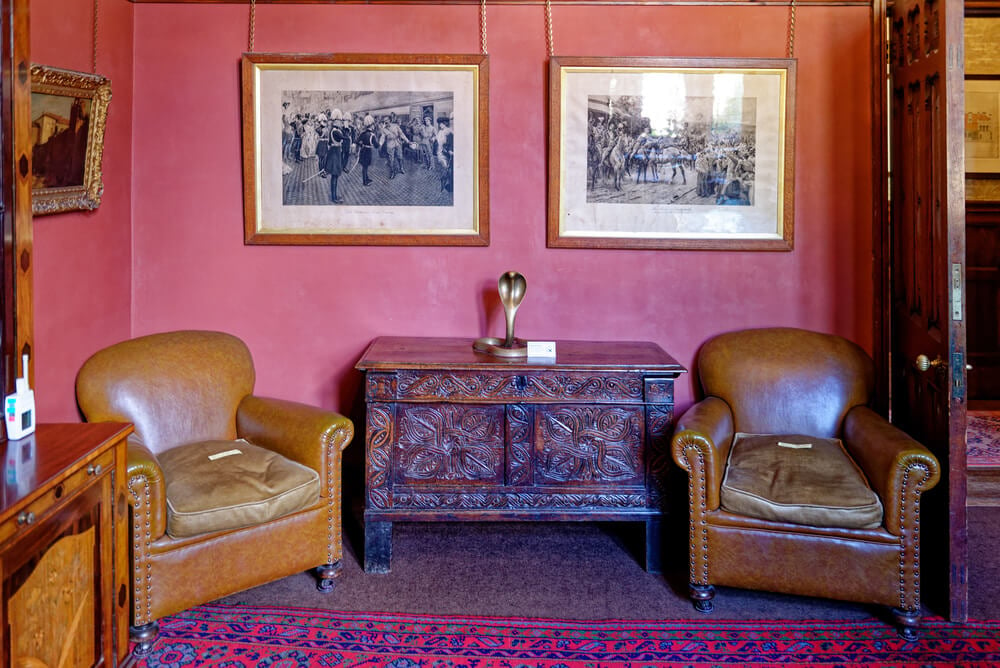
Vintage leather club chairs with hardwood frames attract restorers because reupholstering with quality leather transforms them into distinctive contemporary pieces. Restorers specifically seek frames without wood rot or structural damage, as the bones determine whether restoration is viable.
Leather patina and aging don’t bother professional restorers.
Solid Wood Credenzas and Sideboards
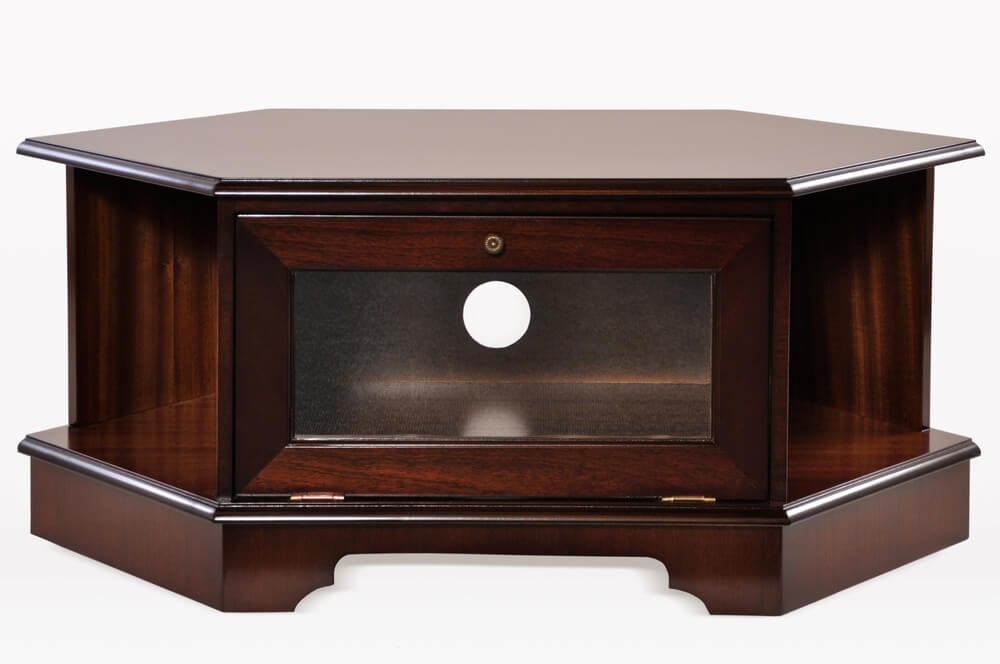
Mid-century wooden credenzas and sideboards with solid construction attract restorers because they’re highly functional and adaptable to contemporary spaces. Light wear and cosmetic damage don’t discourage restorers who recognize that refinishing reveals the wood beneath.
Original hardware and intact shelving increase appeal.
Windsor Chairs and Bentwood Styles
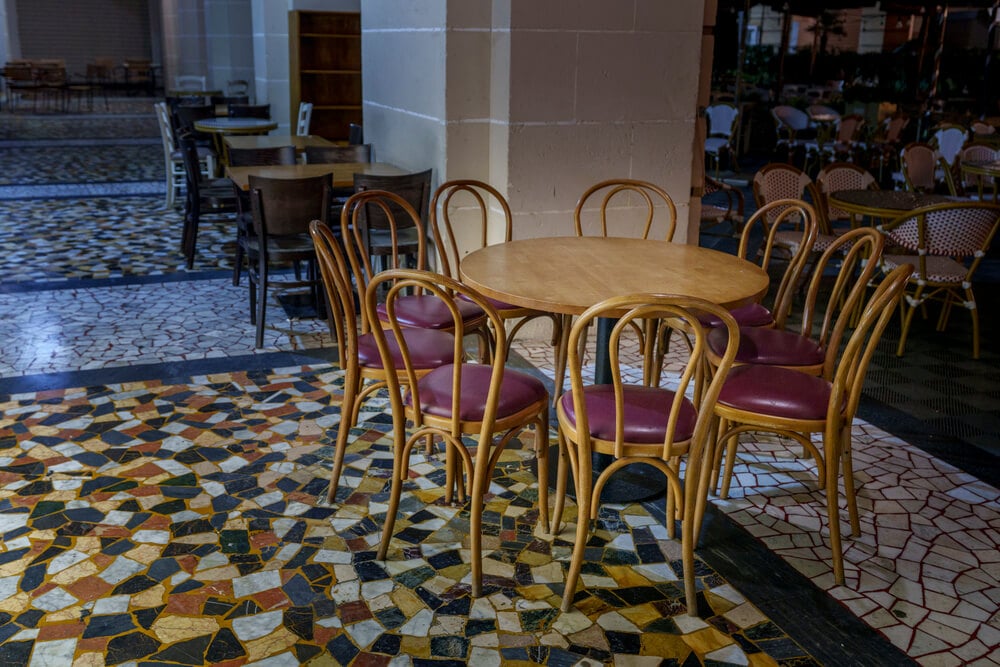
Antique Windsor chairs and bentwood designs attract restorers and furniture historians because their construction represents distinctive manufacturing eras. Even chairs with loose joints and missing spindles attract restorers because replacement spindles can be turned to match originals.
The value of skilled bentwood construction justifies restoration.
Solid Oak Arts and Crafts Furniture
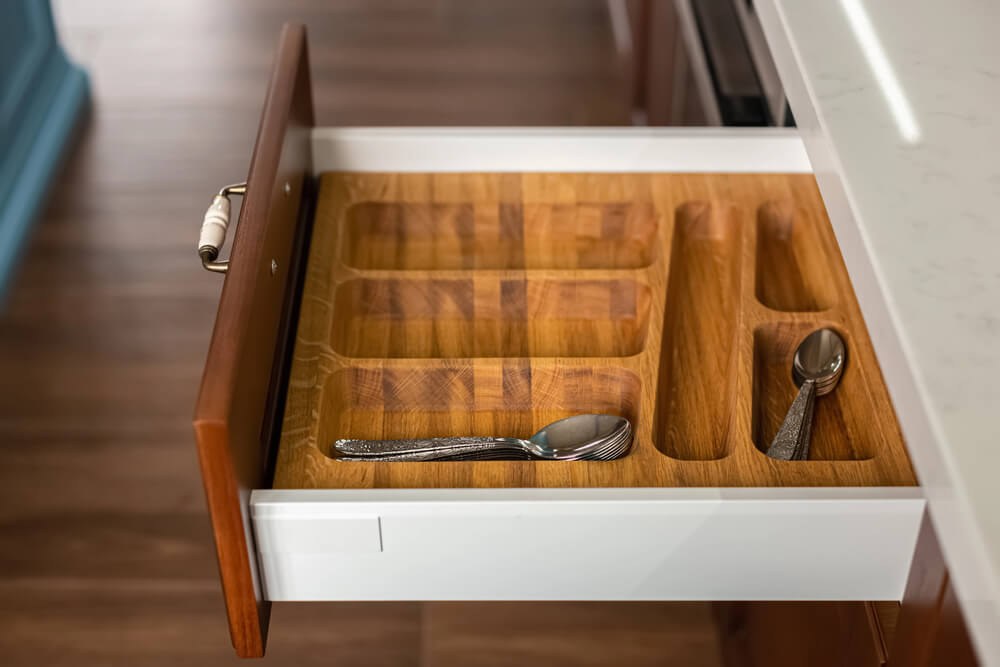
Arts and Crafts style furniture from the 1900s and 1910s constructed from solid oak appeals to restorers because the honest construction and joinery exemplify the movement’s philosophy. Missing finishes and loose joints don’t discourage restorers familiar with period-appropriate refinishing techniques.
Mahogany Reproduction Dining Sets
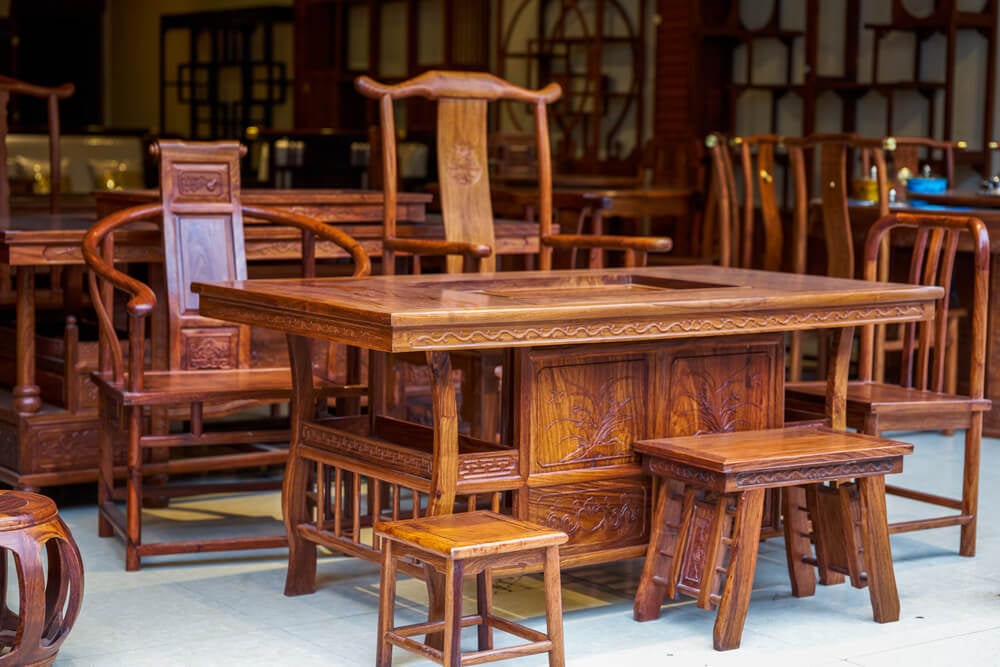
Mahogany dining tables and chairs from the 1930s through 1950s, even in mediocre condition, attract restorers because mahogany’s value justifies restoration investment. Sets with all components present command highest interest, but individual tables also attract attention.
Solid Walnut Mid-Century Bedroom Furniture
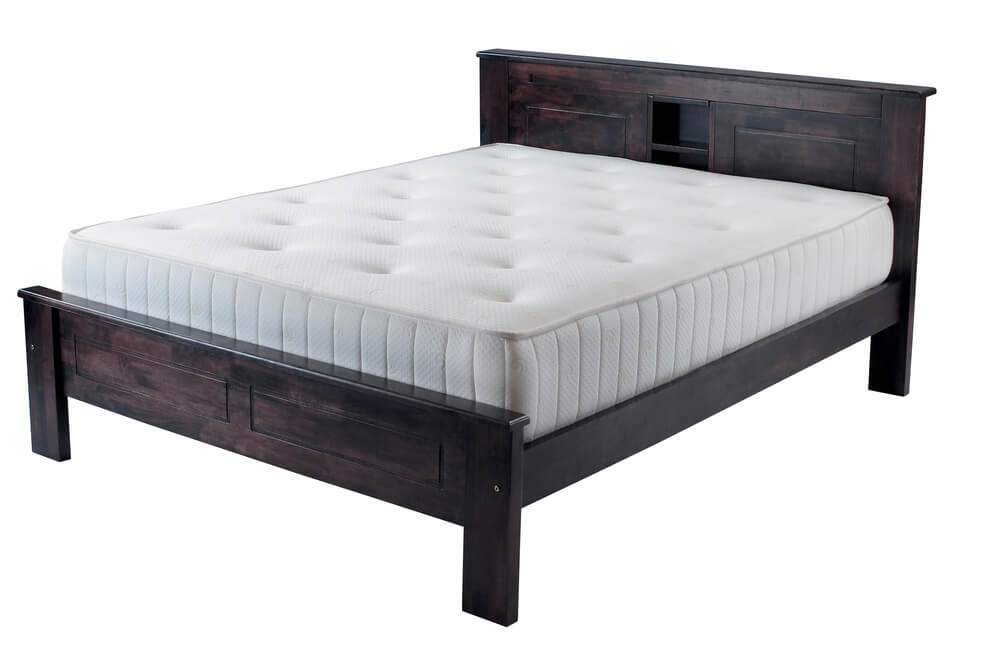
Bedroom sets constructed from solid walnut from the 1950s and 1960s attract restorers because bedroom furniture remains highly functional after restoration. Dressers with intact joinery and structurally sound headboards interest restorers even when finishes are worn completely.
Chippendale Style Wooden Side Chairs
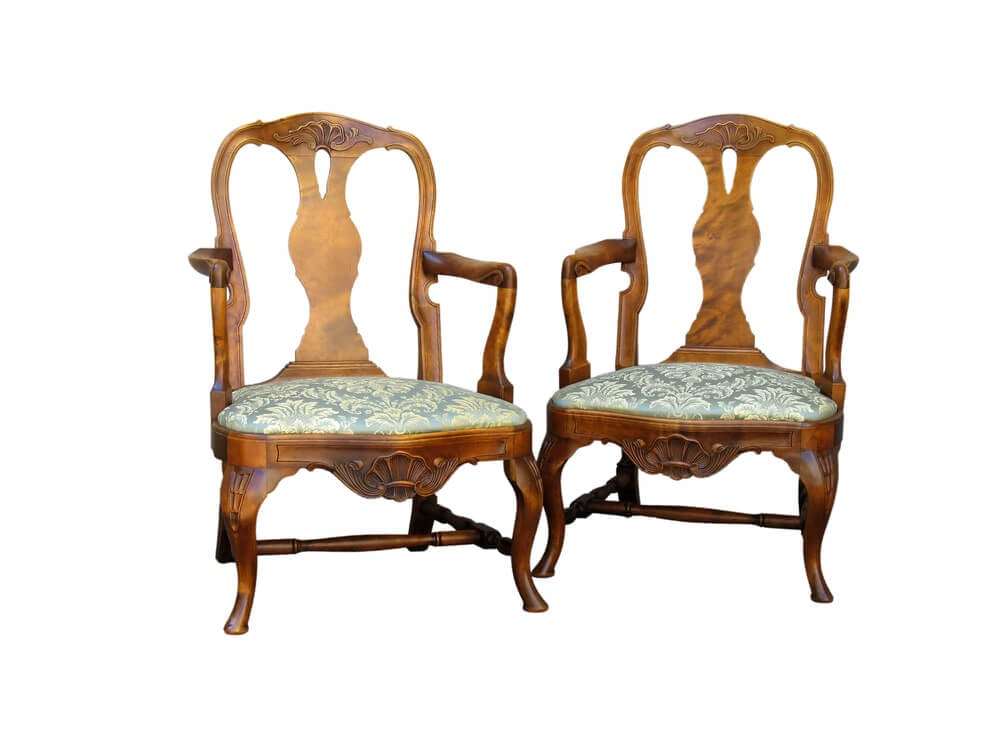
Reproduction Chippendale chairs from the mid-twentieth century constructed with solid wood and quality joinery attract restorers seeking sets. Even single chairs interest restorers because they can source matching examples.
Carved details and cabriole legs indicate construction quality.
Sectional Sofa Frames with Solid Wood
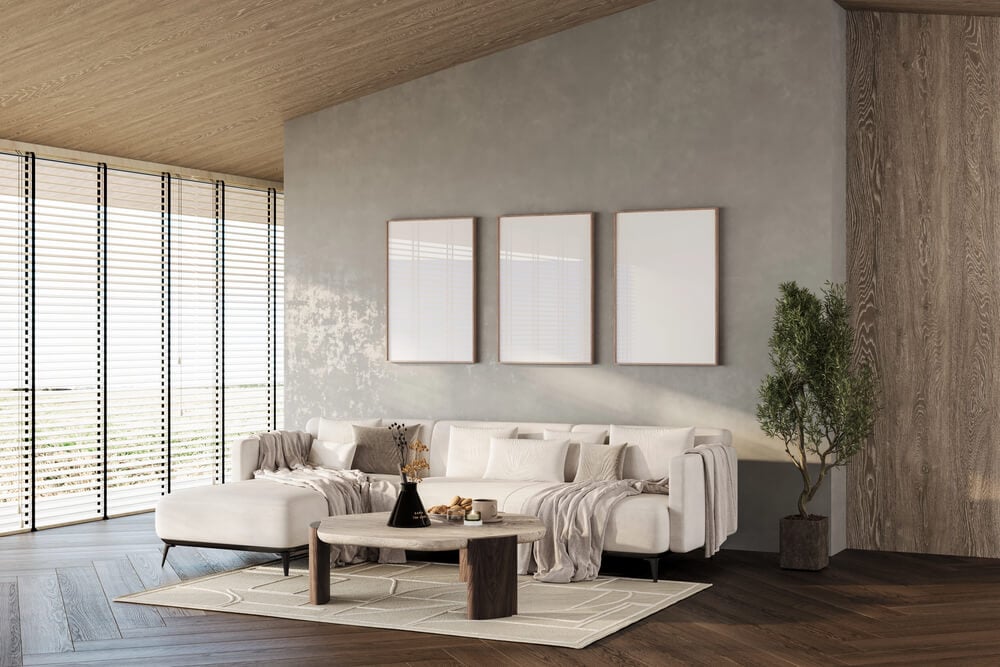
Sectional sofas with hardwood frames from the 1970s and 1980s attract restorers because reupholstering creates custom contemporary pieces. Restorers specifically examine the frame for solid wood construction and intact joinery, disregarding cosmetic condition entirely.
Barcelona Chair Style Reproductions
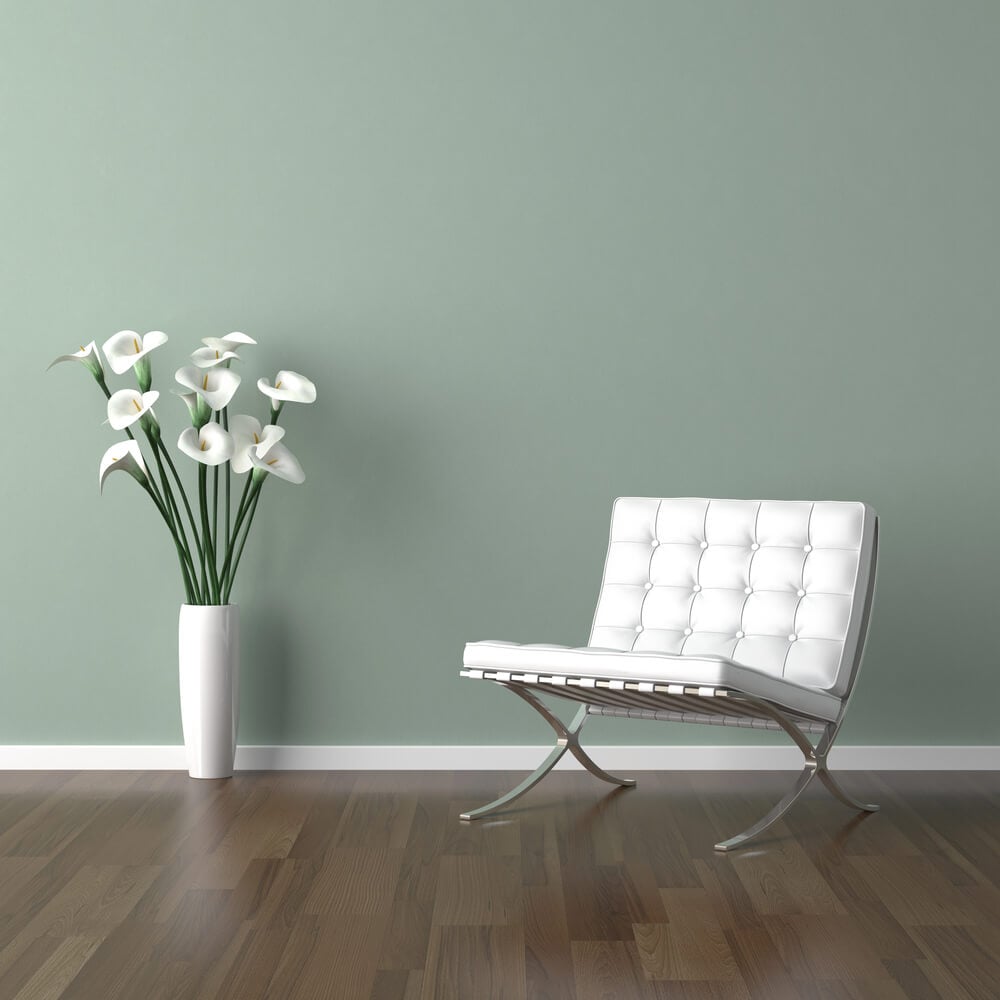
Mid-century Barcelona chair reproductions in leather and metal attract restorers because leather replacement and minor frame refinishing creates contemporary luxury pieces. Authentic construction with proper hardware increases interest and resale value.
Eames-Style Plywood Side Chairs
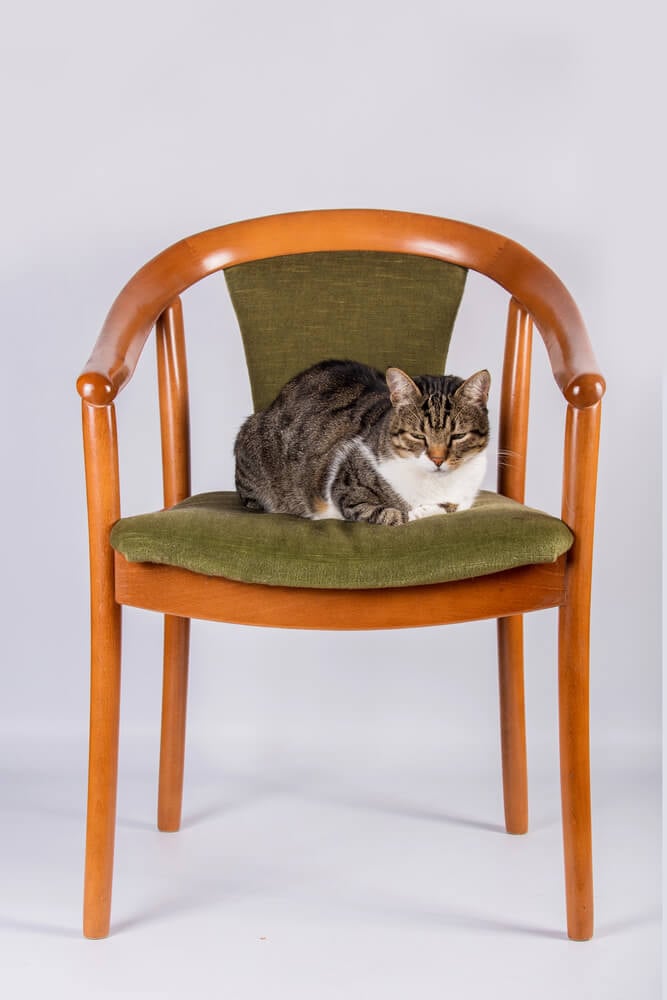
Plywood dining chairs from the 1950s and 1960s inspired by Eames design attract restorers because new upholstery creates sought-after pieces. Even chairs with significant wear attract restorers who recognize the design value.
Rosewood Veneer Furniture

Veneer is not automatically less valuable than solid wood—rosewood and exotic veneers on quality substrates attract restorers because the veneers themselves have significant value. Restorers specifically seek pieces without veneer separation or rot, as these indicate structural problems.
Leather Wingback Chairs
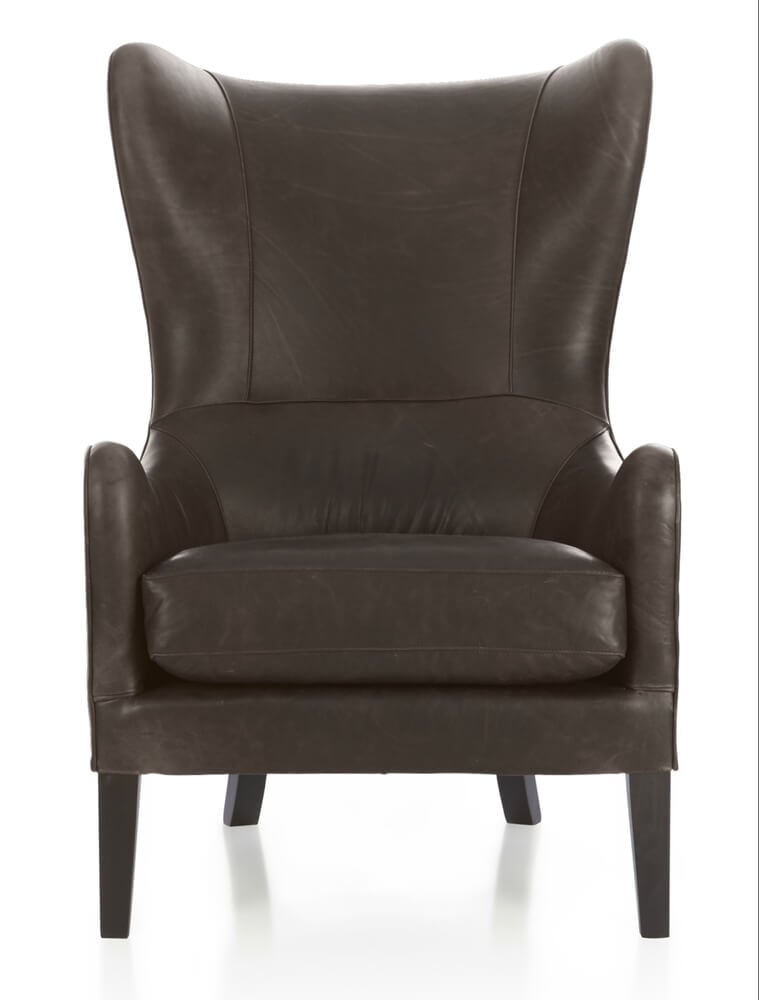
Wingback chairs with hardwood frames and leather upholstery attract restorers because classic design never goes out of style. Worn leather and structural concerns don’t discourage restorers trained in upholstery repair and frame reinforcement.
Bentwood Settees and Love Seats

Bentwood construction from European makers, particularly Thonet-style pieces, attract restorers because the bentwood construction is distinctive. Worn finishes and damaged upholstery don’t discourage professionals who understand bentwood repair techniques.
Solid Wood Nesting Tables and Stacking Pieces
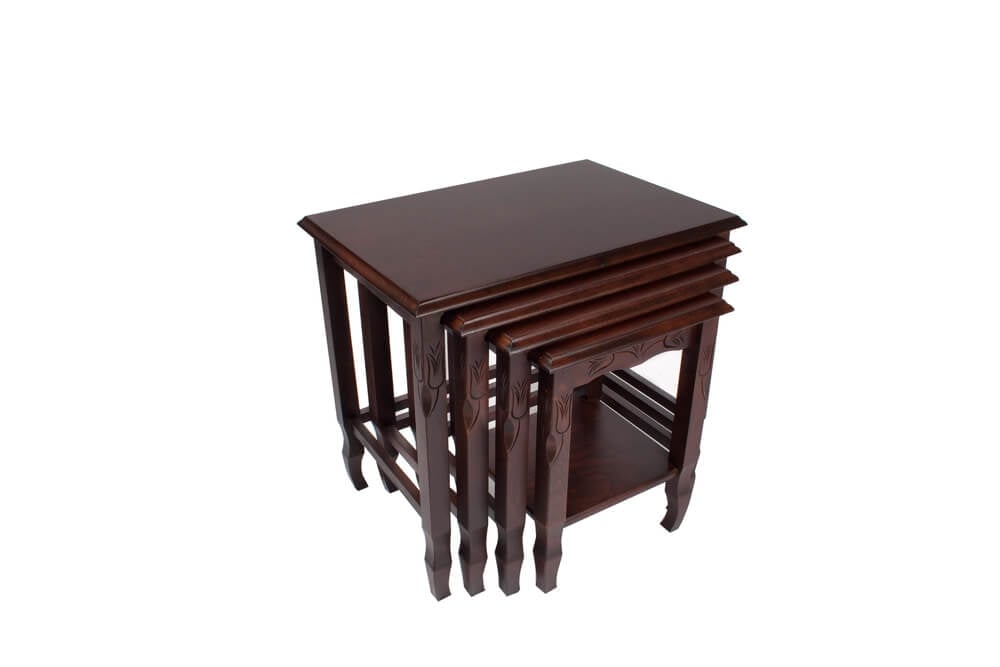
Solid wood nesting tables and stacking furniture from the 1950s and 1960s attract restorers because sets in good condition command premium prices. Even individual tables with sound construction interest restorers seeking to complete sets.
Walnut Credenzas with Tapered Legs
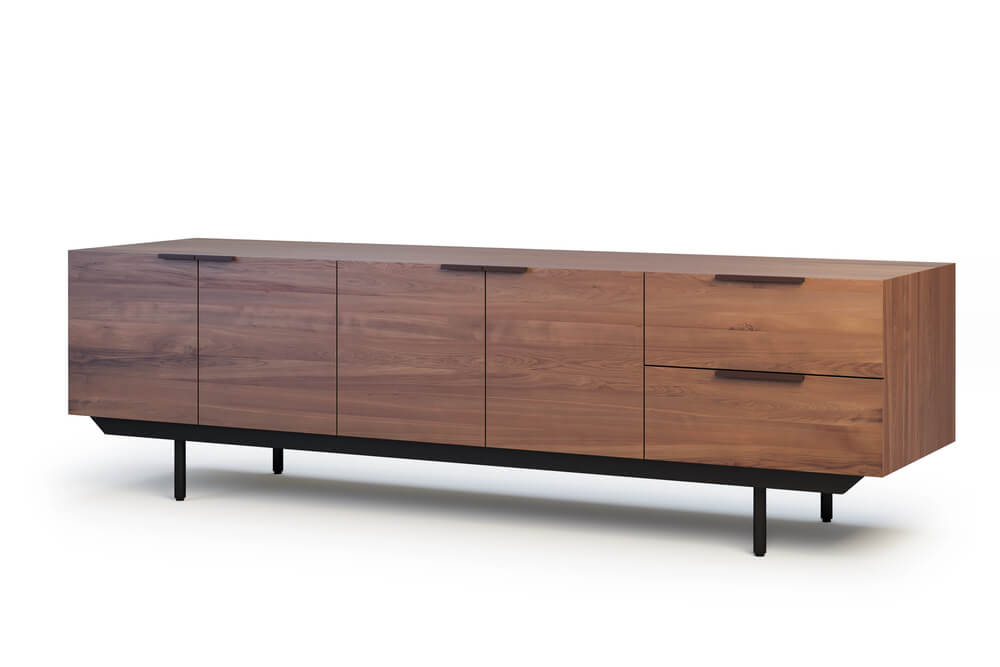
Mid-century walnut credenzas with distinctive tapered or splayed legs attract restorers because the design elements indicate quality craftsmanship. Worn finishes and cosmetic damage are irrelevant to restorers focused on structural integrity and grain quality.
Horn Furniture and Rustic Pieces
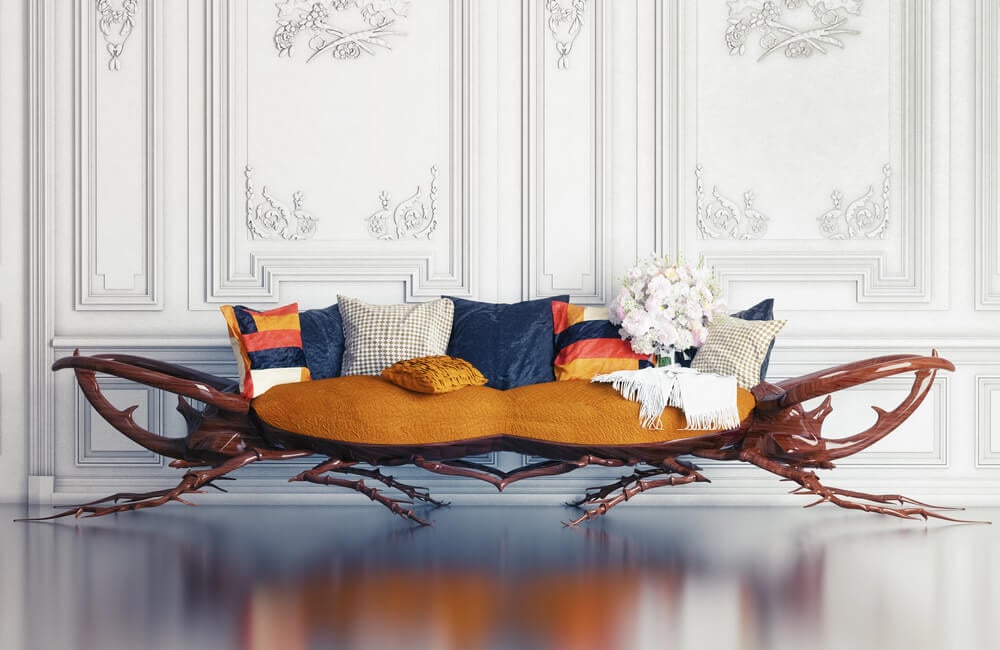
Rustic furniture constructed with natural materials like horn, hide, and wood from the 1930s through 1950s attracts restorers interested in Western and lodge aesthetics. Even heavily used examples interest restorers who understand specialty restoration techniques.
Campaign Furniture with Brass Hardware
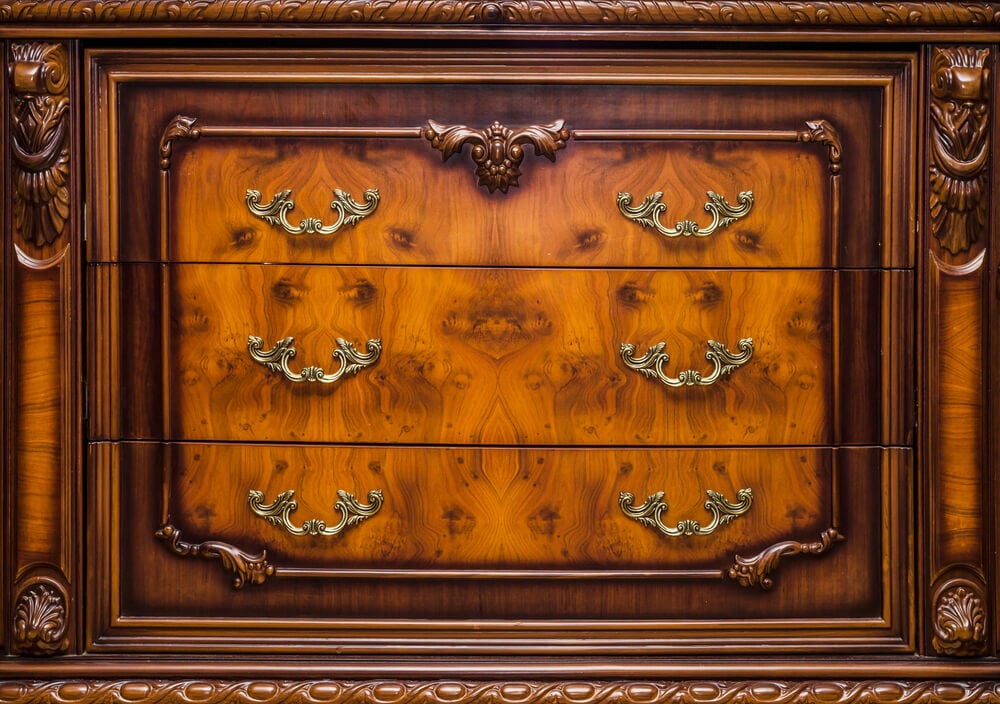
Campaign style furniture with brass hardware from the 1960s through 1980s attracts restorers because brass restoration and wood refinishing creates polished contemporary pieces. Original brass hardware increases interest.
Storage Benches and Trunks
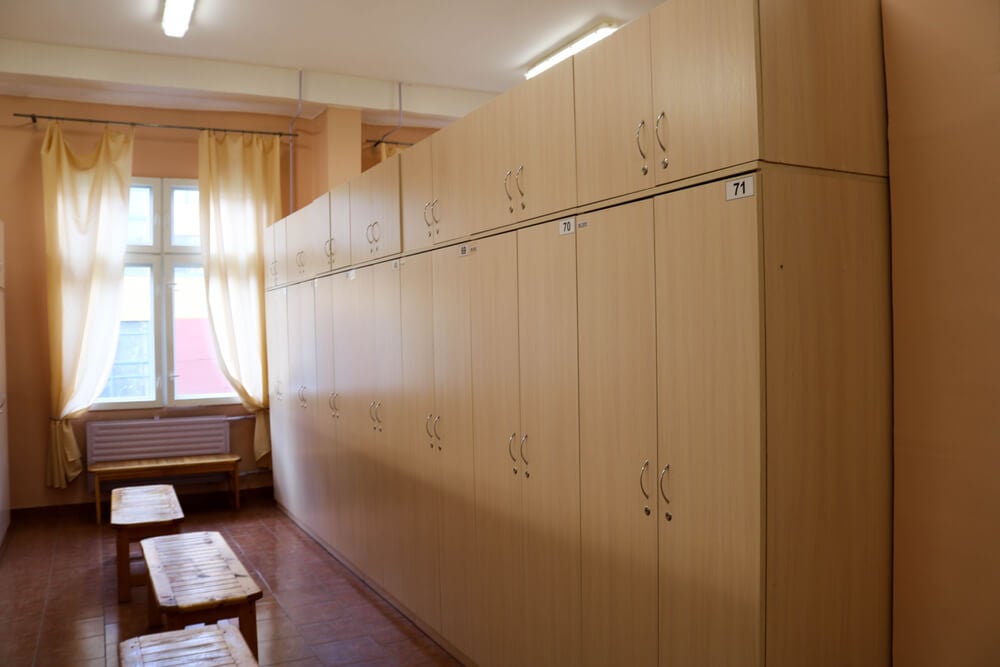
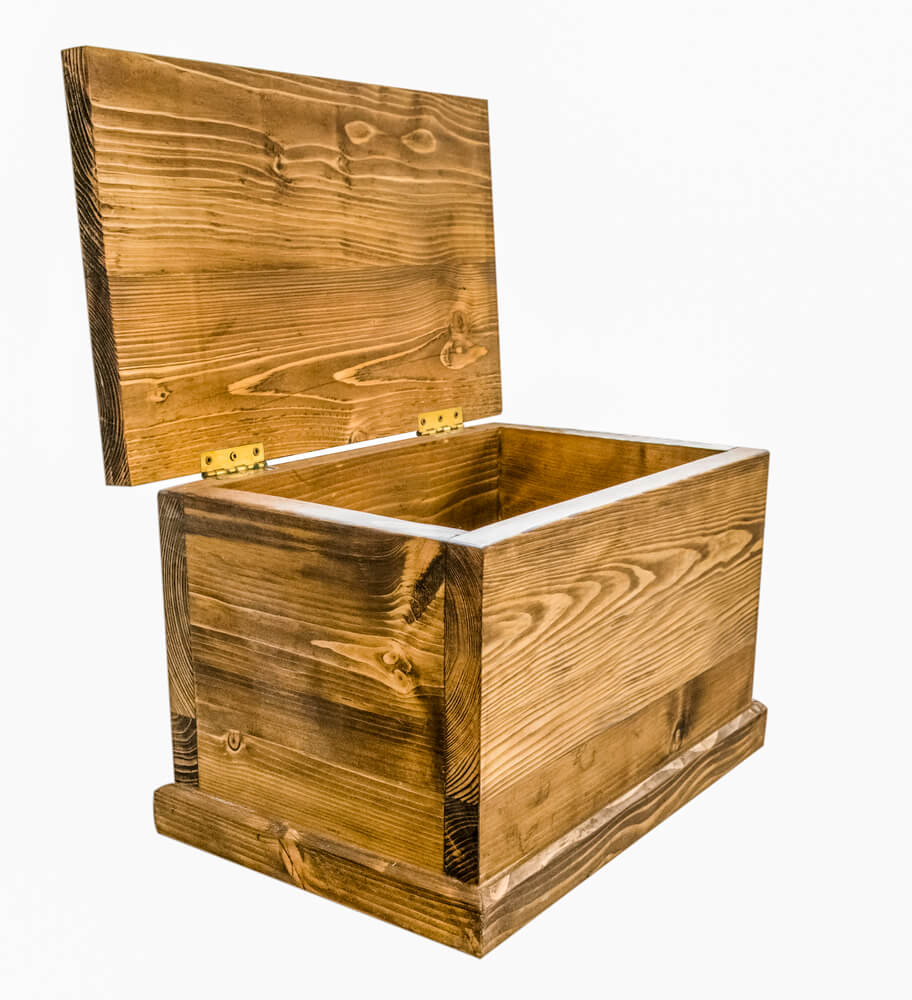
Wooden storage benches and trunks with solid construction from various eras attract restorers because functionality remains relevant. Damaged upholstery, broken hinges, and worn finishes don’t discourage professionals.
Solid Wood Ottomans and Footstools
Wooden ottomans with hardwood frames attract restorers because reupholstering creates luxury pieces sought by contemporary buyers. Restorers examine frames for wood quality and joinery integrity while ignoring cosmetic condition.
The Economics of Restoration
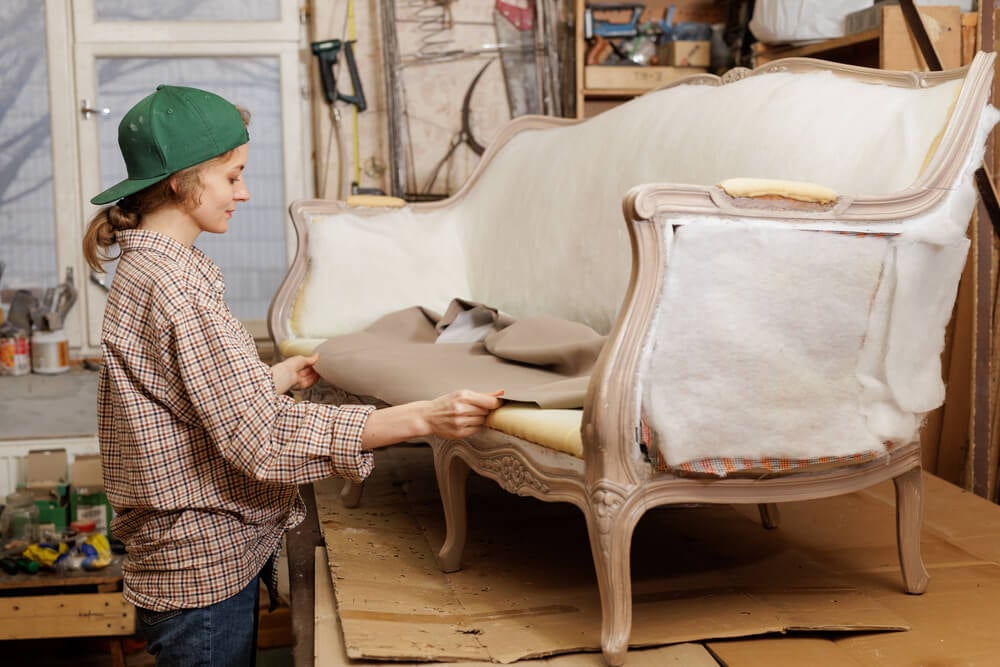
Professional furniture restorers calculate restoration cost against resale value before bidding at estate sales. This economic calculation means they seek pieces where quality materials and good bones justify labor costs.
Finding one of these pieces in your home means potential restoration value significantly exceeds its current condition-based assessment.
More from Go2Tutors!

- The Romanov Crown Jewels and Their Tragic Fate
- 13 Historical Mysteries That Science Still Can’t Solve
- Famous Hoaxes That Fooled the World for Years
- 15 Child Stars with Tragic Adult Lives
- 16 Famous Jewelry Pieces in History
Like Go2Tutors’s content? Follow us on MSN.