Guinness beer facts worth raising a glass to
Few beverages command the global respect and recognition that Guinness enjoys. This iconic Irish stout has transcended its humble Dublin origins to become a worldwide phenomenon, carrying with it centuries of fascinating stories, groundbreaking innovations, and surprising truths that even devoted fans might not know.
From the mathematics-driven brewing breakthroughs that transformed beer forever to the business deals that seemed almost too good to be true, Guinness has accumulated a treasure trove of remarkable facts throughout its storied existence. Here are compelling Guinness beer facts that showcase why this legendary brew deserves its place in both our glasses and our history books.
The Most Generous Lease in History
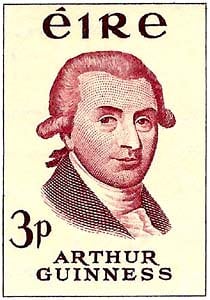
Arthur Guinness signed what might be history’s most incredible business deal when he leased the abandoned St. James’s Gate brewery in Dublin for 9,000 years at just £45 annually in 1759. The 34-year-old entrepreneur put down £100 upfront and secured brewery rights that would theoretically last until the year 10759. While the lease was eventually voided when Guinness bought the property outright, Arthur was so protective of his water rights that he once grabbed a pickaxe from the sheriff’s men and swore at them until they left when they tried to make him pay for his water.
It’s Not Actually Black
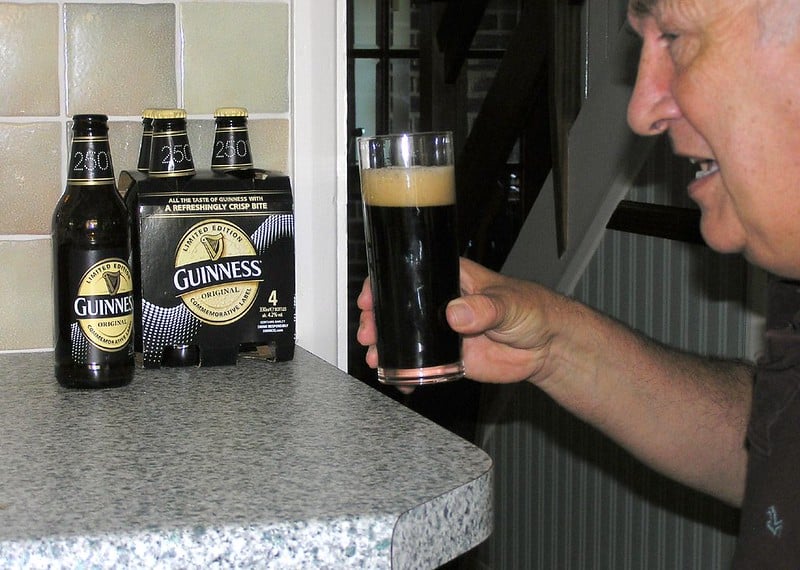
Despite being called ‘the black stuff,’ Guinness is officially classified as deep ruby red, not black or brown. The distinctive color comes from roasted barley that’s prepared similarly to coffee beans. This creates the rich, dark appearance that tricks the eye into seeing black, but hold a glass up to the light and you’ll notice that deep red hue shining through.
A Mathematician Invented Modern Guinness
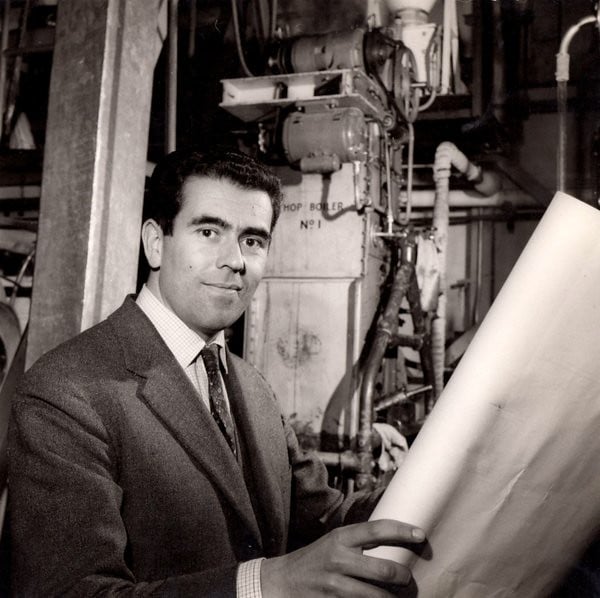
The creamy, smooth Guinness we know today exists thanks to Michael Ash, a Cambridge mathematics graduate who wasn’t even supposed to be working on draft beer. In 1957, Ash developed the nitrogen-dispensing system that colleagues sarcastically dubbed ‘Daft Guinness,’ but his innovation created the world’s first nitro beer. Outlets using Ash’s new nitrogen system saw sales increase by 20-25% almost immediately.
The Widget Beat the Internet
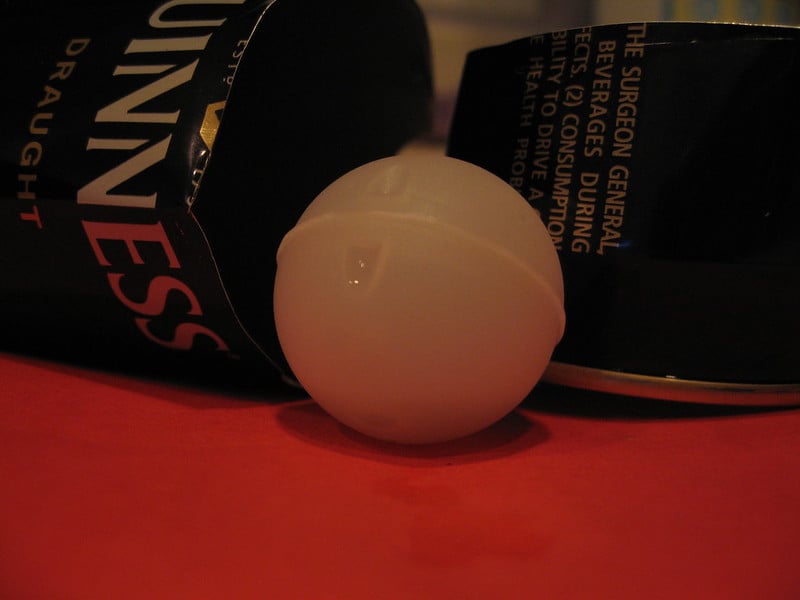
Guinness’s famous widget won the Queen’s Award for Technological Achievement in 1991 and was voted by Britons as the best invention of the previous 40 years, beating the Internet. In 2003, another survey of nearly 9,000 people gave the widget 48% of votes, with email and the internet managing only 13%. This tiny plastic orb filled with nitrogen recreates the pub experience at home by releasing a surge of bubbles when the can opens.
They Started the Book of World Records
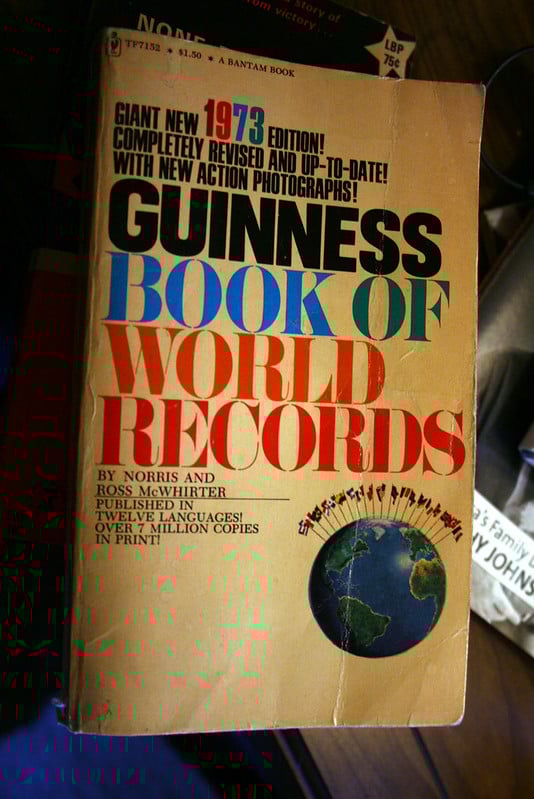
Hugh Beaver, Guinness’s managing director, created the Guinness Book of World Records in 1954 after an argument about whether the golden plover was the world’s fastest bird. Unable to find a reference book to settle the dispute, Beaver commissioned an official guide that Guinness gave away free to pubs to help customers settle their own arguments and bets. The company published the book starting in 1955 but sold the property in 2001.
They Pioneered Employee Benefits

Guinness established revolutionary employee welfare programs, including a medical center in 1870 that provided free healthcare to both workers and their families. By 1928, employees received on-site medical and dental care plus two free pints after every shift. The company consistently paid 20% higher wages than competitors and provided full pensions, paid holidays, free meals, and annual excursions.
Doctors Once Prescribed It as Medicine
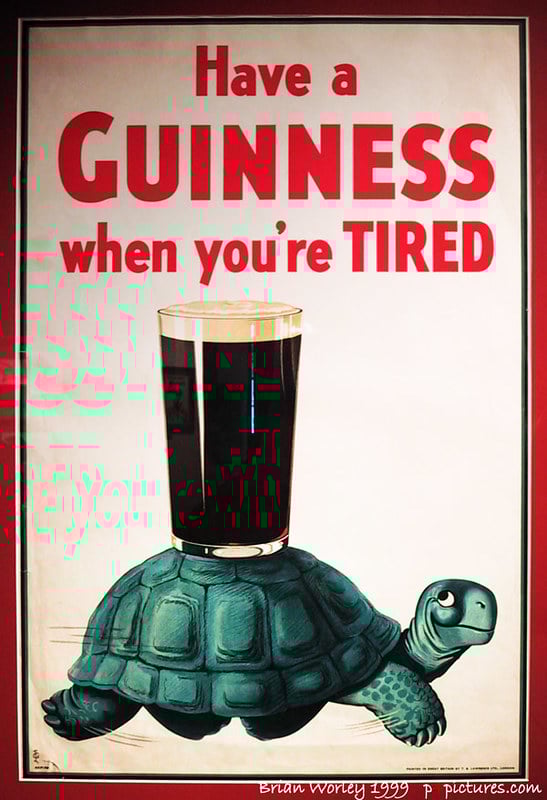
During the 19th and 20th centuries, physicians prescribed Guinness as a cure-all for anxiety, anemia, boils, and insomnia, thanks to its caloric and iron content. Doctors recommended it to pregnant women and nursing mothers as a lactation aid, while hospitals received free bottles of ‘invalid stout’ containing extra sugars, alcohol, and live yeast to treat skin complaints and migraines. The famous slogans ‘Guinness is good for you’ and ‘Guinness for strength’ promoted these supposed medicinal benefits.
Global Quality Control Agents Sailed the Seas
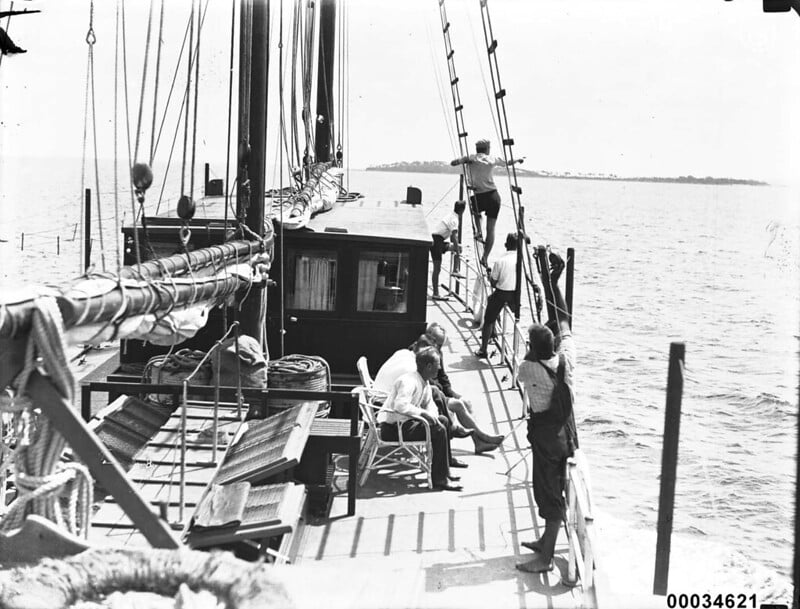
Beginning in the 1890s, Guinness quality control teams sailed around the world to ensure every pint met company standards after long ocean crossings. These agents traveled from Brazil to China to Australia, taking detailed notes on storage temperatures, inspecting bottling processes, sampling competitor beers, and watching for trademark infringement. One agent reported in 1911 that he found 70 Boston establishments serving Guinness Extra Stout, all properly stored in ice-boxes at optimal temperatures.
They Own Ireland’s National Symbol
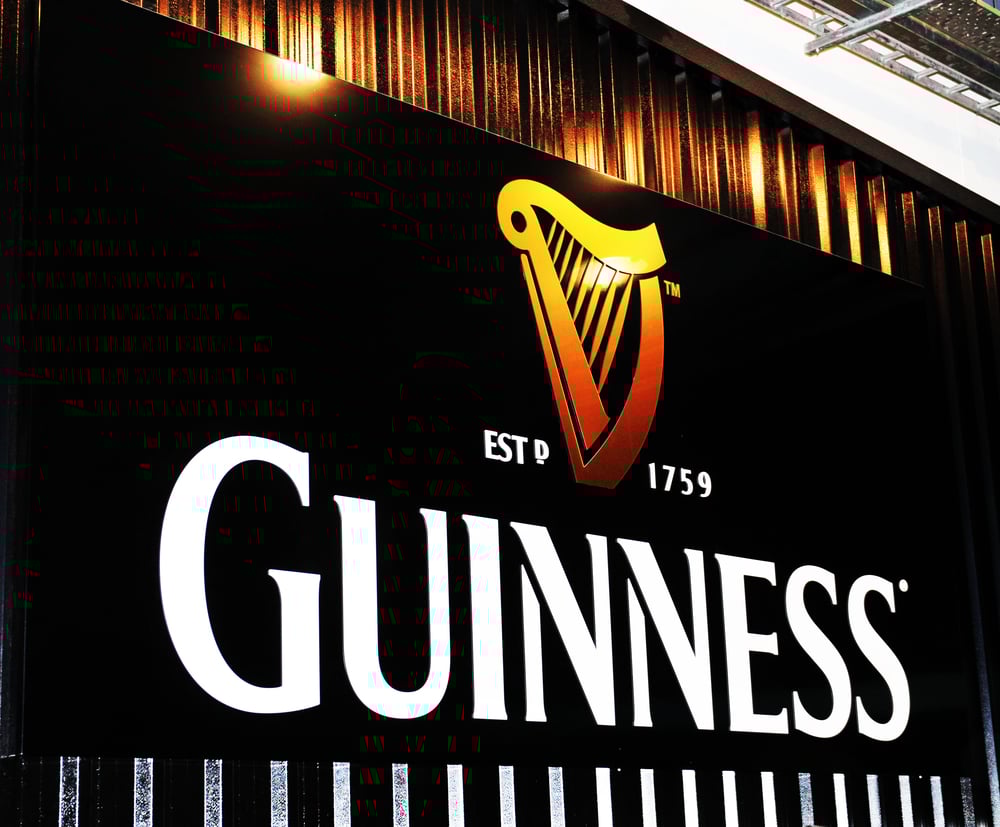
Guinness registered their harp trademark in 1876, actually claiming Ireland’s national symbol before the Irish government did. When the Irish Free State was created in 1922, the government had to position their official harp facing the opposite direction due to Guinness’s existing trademark registration. The Guinness harp faces right while Ireland’s official harp faces left, and both are based on the 15th-century ‘Brian Boru’ harp preserved at Trinity College Dublin.
Arthur Started With Ale, Not Stout
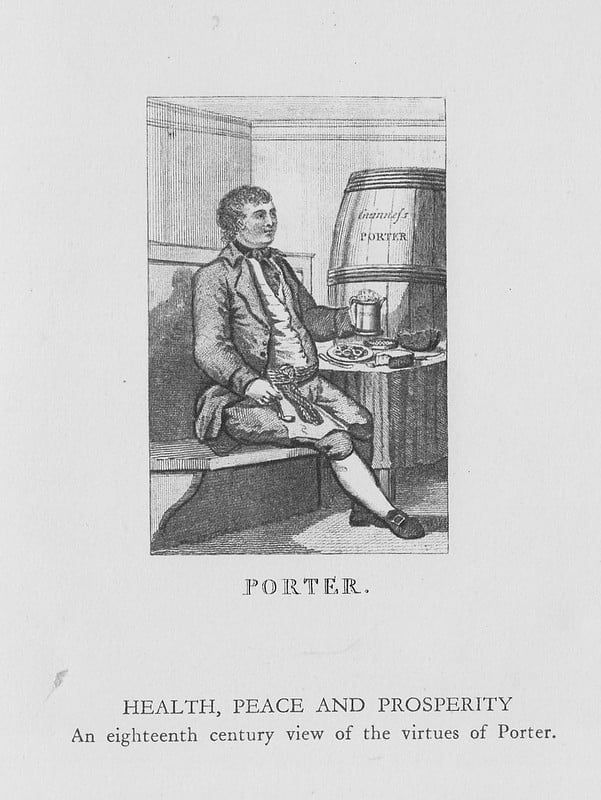
Arthur Guinness initially produced ales when he opened his brewery, only adding porter (the predecessor to stout) in the 1770s when this London-originated style arrived in Ireland. Porter earned its name because dock workers and other working-class ‘porters’ drank it before it became fashionable, and by 1799, Guinness had stopped brewing ales entirely to focus on his increasingly popular porter.
The Bubble Physics Are Unique
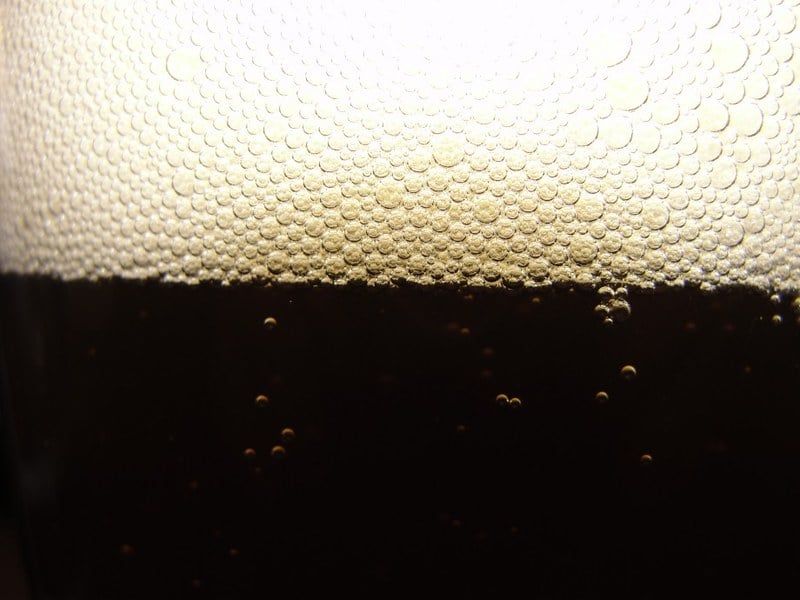
Scientists discovered in 2012 that Guinness bubbles actually flow downward along the glass walls due to the specific pint glass shape, while bubbles rise through the center. The nitrogen creates much smaller bubbles than carbon dioxide, resulting in the smooth, creamy texture that defines the beer. When poured at a 45-degree angle, it takes exactly 119.5 seconds for the perfect pint to settle.
They Made Their Own Action Movie

As part of an advertising campaign, Guinness created a full-length action movie called ‘Critical Assignment’ that was shown in African cinemas. The film followed a strong journalist named Michael Power trying to stop a corrupt politician from buying weapons with stolen money. This unconventional marketing approach demonstrated Guinness’s willingness to push creative boundaries in reaching global audiences.
10 Million Glasses Daily
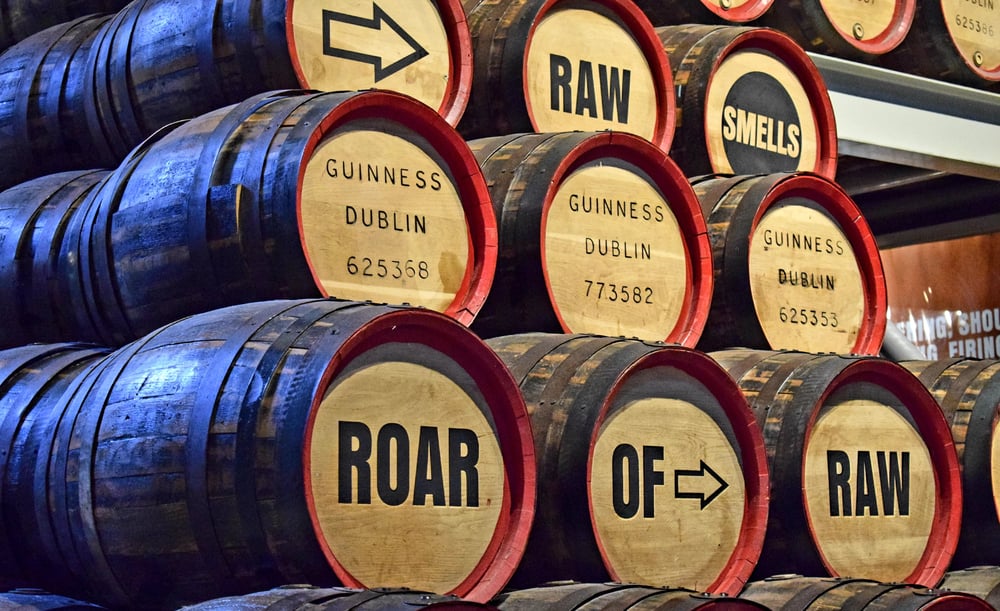
— Photo by Stefan.Dzalev
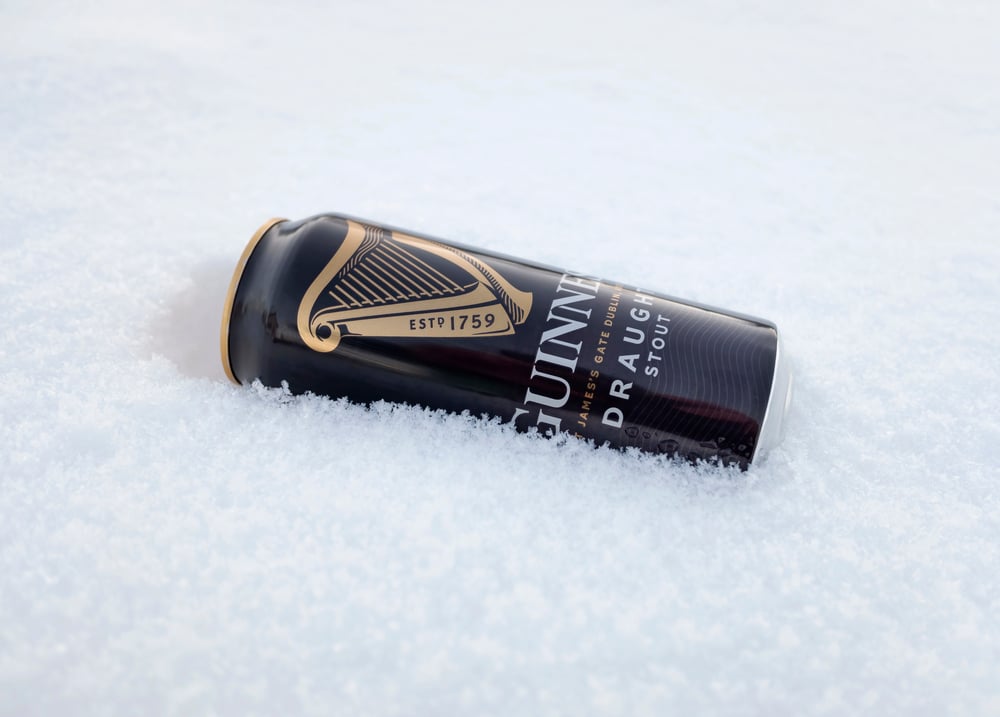
Over 10 million glasses of Guinness are consumed every single day around the world, totaling 1.8 billion pints annually. By 1914, Guinness was producing 2.652 million barrels yearly, more than double its nearest competitor Bass, and supplied over 10% of the entire UK beer market. Today, Guinness is available in over 100 countries and brewed in more than 40.
Africa Loves Guinness Most
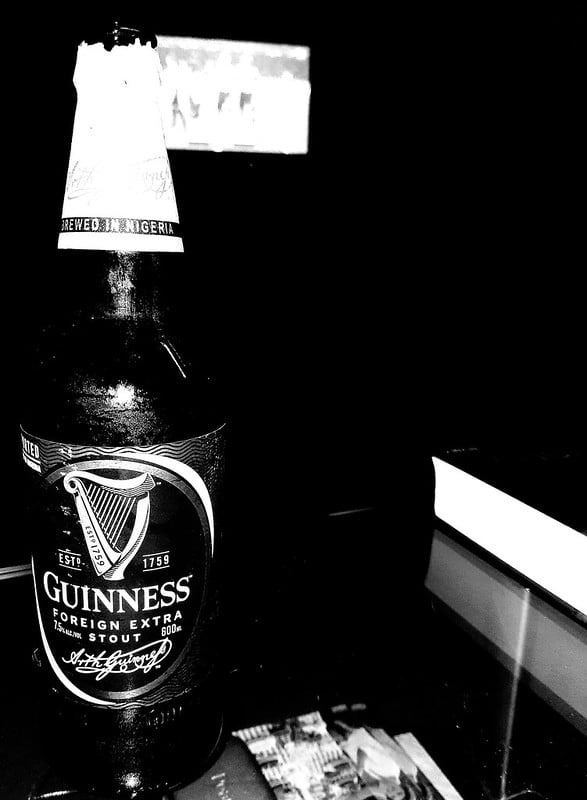
Today, 40% of all Guinness sold worldwide is consumed in Africa. The first overseas Guinness brewery outside Ireland and the UK opened in Nigeria in 1963. Guinness Foreign Extra Stout was specifically created in 1801 with higher hop and alcohol content to survive long sea voyages, with the first international shipment reaching Barbados in 1822.
They Use Century-Old Yeast
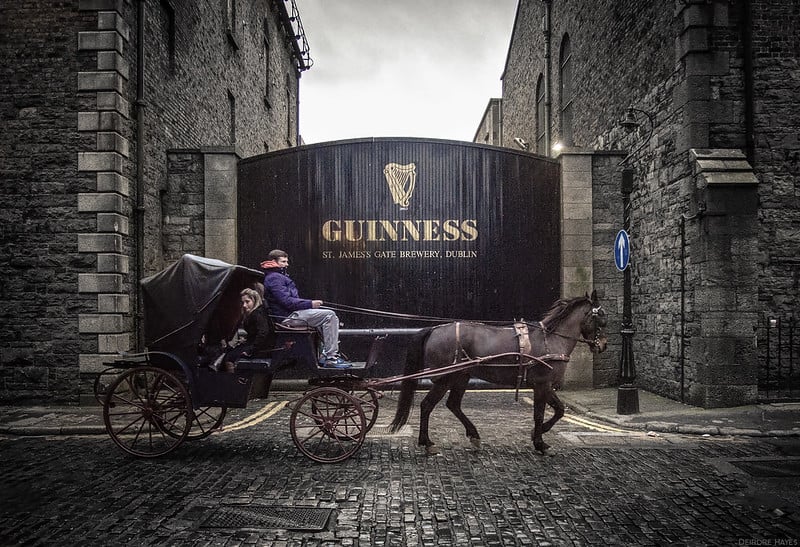
The St. James’s Gate Brewery has been using its own unique strain of yeast for over 100 years, which gives Guinness its distinctive taste. The brewery maintains backup reserves of this precious ingredient so production can resume within hours if anything happens to the main supply. This dedication to consistency explains why Guinness tastes remarkably similar whether you’re drinking it in Dublin or Detroit.
Marketing Animals Made History

Guinness introduced zoo animals in their advertising starting in 1935, beginning with a sea lion followed by the famous toucan. The campaign used the tagline ‘My Goodness, My Guinness’ and became one of the most recognizable beer advertising series ever created. Artist John Gilroy created many of these famous advertisements from the 1930s and 1940s, and his work is still honored with a special gallery at the Guinness Storehouse.
They Revolutionized Draft Beer Forever
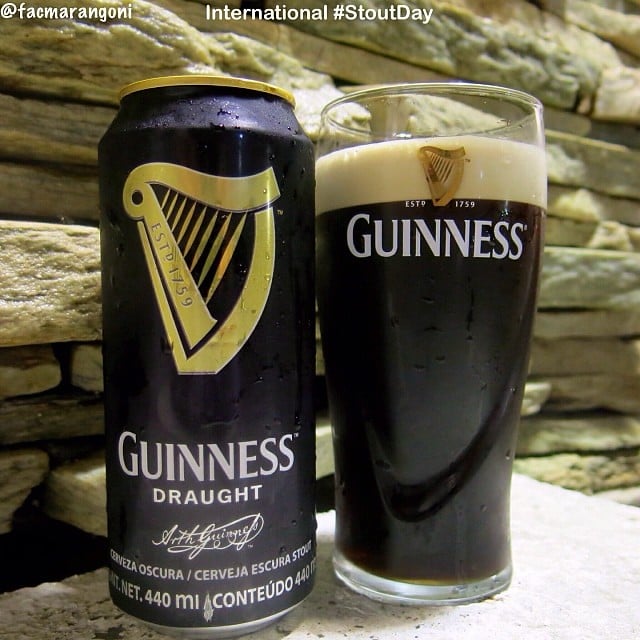
Guinness Draught launched in 1959 using Michael Ash’s breakthrough nitrogen technology, becoming the world’s first nitrogenated beer. This innovation didn’t just change Guinness – it transformed the entire beer industry. Today, nitrogen gas is available almost everywhere for draft lines, allowing brewers worldwide to create their own nitro beers using the technology Guinness pioneered.
Spent Grain Feeds Animals
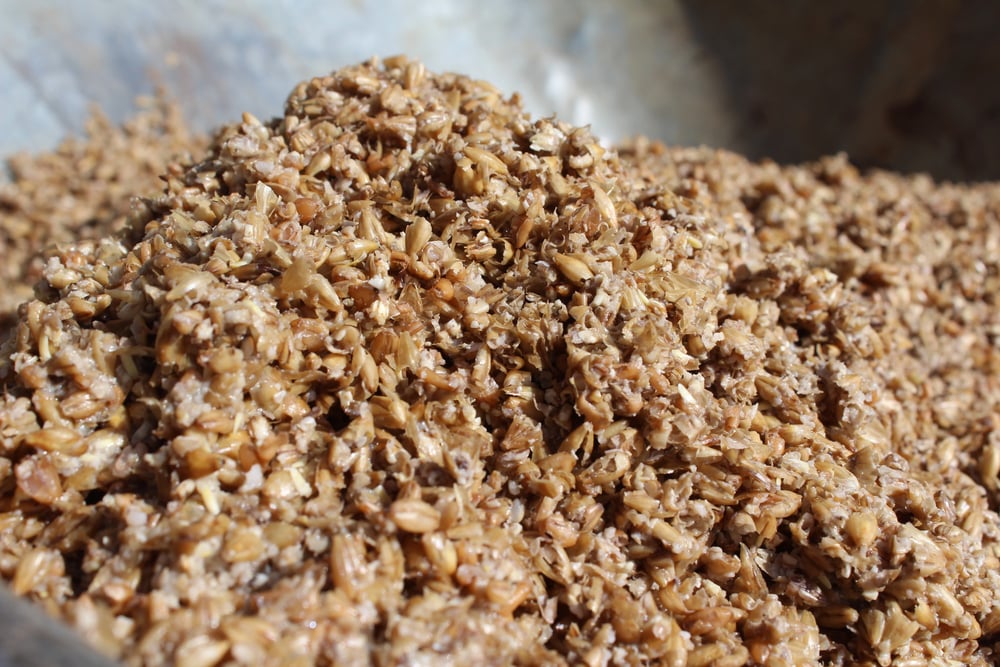
The spent grain from Guinness brewing at St. James’s Gate is sold to farmers as animal feed. This sustainable practice reduces waste while providing nutritious feed for livestock, demonstrating how the brewing process creates value even from its byproducts. It’s a practical example of circular economy principles that many modern companies are just beginning to adopt.
They Supported Troops Generously
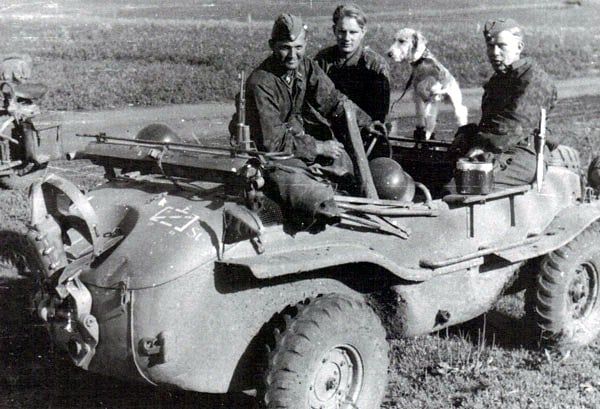
When World War I broke out in 1914, over 800 Guinness employees joined the British forces, with the company paying half-wages to soldiers’ families and guaranteeing jobs upon return. Of those who served, 103 did not return home. During World War II, Guinness promised to supply British troops with beer throughout the conflict, and when they realized they needed more workers to meet demand, company retirees voluntarily returned to help maintain production.
Perfect Timing Built Success
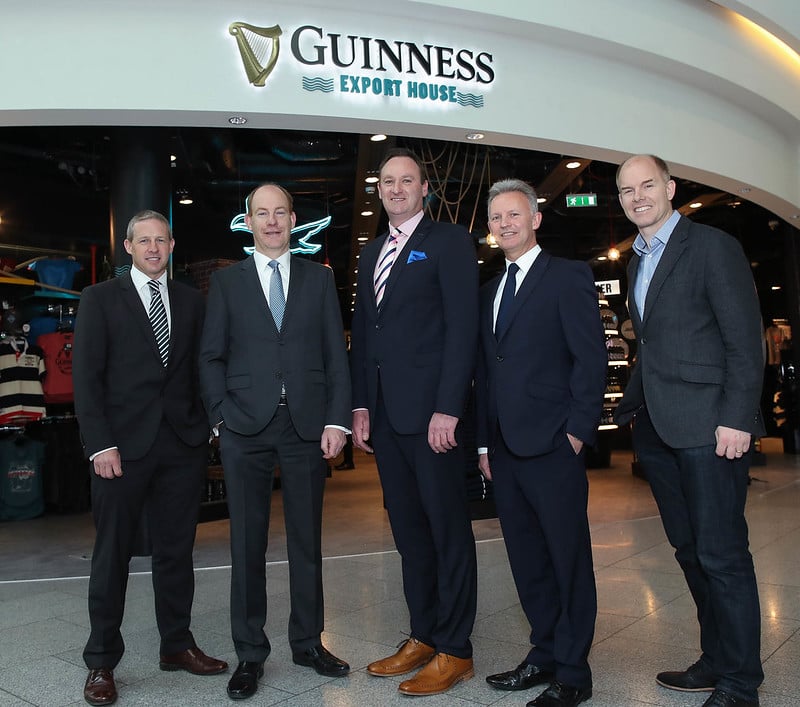
Arthur Guinness demonstrated remarkable timing and business instincts throughout his career. The first known export of Guinness left Dublin port bound for England in 1796, marking the beginning of international expansion. By 1886, when Guinness became a public company, they were averaging 1.138 million barrels annually despite refusing to advertise or discount their beer. This success built on quality and reputation rather than marketing gimmicks.
Brewing Legacy Lives On
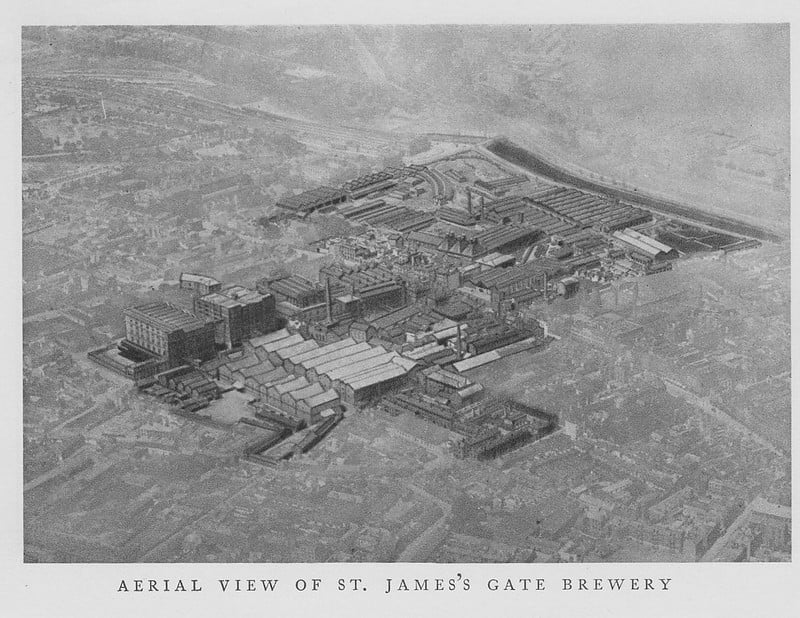
Arthur Guinness was the first in a long line of Guinness Master Brewers, with brewing knowledge passed down through generations at St. James’s Gate. At its peak in the 1930s, the Dublin brewery employed 5,000 people and was arguably the city’s biggest employer. The operation included its own railway system and fleet of barges to transport beer to Dublin port for worldwide shipping.
More Than Just a Drink
These remarkable facts reveal Guinness as far more than just another beer – it’s a testament to innovation, quality, and the power of staying true to your craft. From mathematical breakthroughs that changed brewing forever to business practices that put employees first, Guinness has consistently pushed boundaries while honoring tradition. Arthur’s legacy of supporting communities continues today through initiatives like providing safe drinking water across Africa and supporting hospitality during challenging times. The next time you hear that distinctive rattle of the widget in your can or watch the mesmerizing cascade of bubbles in your glass, you’re experiencing centuries of dedication, innovation, and Irish ingenuity in every sip.
More from Go2Tutors!

- 16 Historical Figures Who Were Nothing Like You Think
- 12 Things Sold in the 80s That Are Now Illegal
- 15 VHS Tapes That Could Be Worth Thousands
- 17 Historical “What Ifs” That Would Have Changed Everything
- 18 TV Shows That Vanished Without a Finale
Like Go2Tutors’s content? Follow us on MSN.