15 Snacks From Childhood That No Longer Exist
Remember when grocery store aisles held treasures that could make any kid’s day? Those colorful packages and quirky flavors that seemed to vanish overnight, leaving behind only fond memories and the occasional nostalgic conversation among friends. The snack food industry has always been a playground for bold experiments, wild marketing campaigns, and fleeting trends that captured our hearts before disappearing forever.
The world of discontinued snacks tells a fascinating story about changing tastes, corporate decisions, and the relentless march of time. Here is a list of 15 snacks from childhood that no longer exist.
3D Doritos
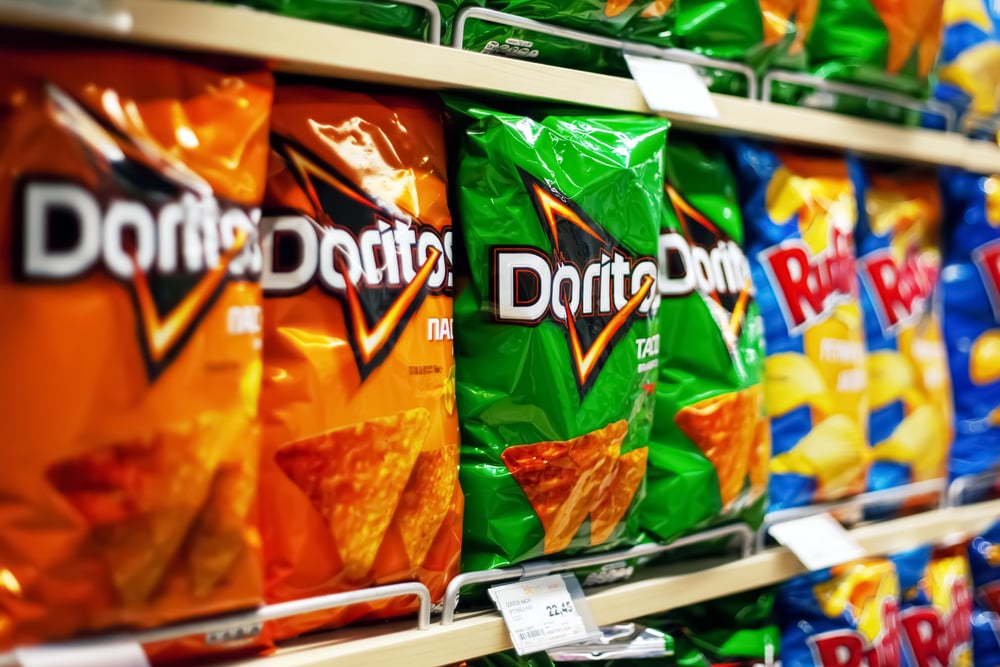
Regular Doritos were great, but 3D Doritos took the concept to another dimension entirely. These pyramid-shaped chips offered more surface area for flavor coating while creating a unique texture — both crunchy and airy.
The jalapeño cheddar and nacho cheese varieties became instant hits among kids who loved the novelty. Frito-Lay pulled 3D Doritos from shelves in the early 2000s, though they made a temporary return in 2021.
The original formulation remains a cherished memory for many who grew up in the ’90s.
Butterfinger BB’s

These tiny yellow spheres captured all the peanut butter and chocolate goodness of a full-size Butterfinger bar in bite-sized form. The smaller format made them perfect for sharing, snacking during movies — or sneaking a few when nobody was looking.
Ferrara Candy Company discontinued Butterfinger BB’s in 2006, replacing them with Butterfinger Bites that never quite matched the original’s appeal. The BB’s had a texture and flavor balance that seemed impossible to replicate.
Squeezit
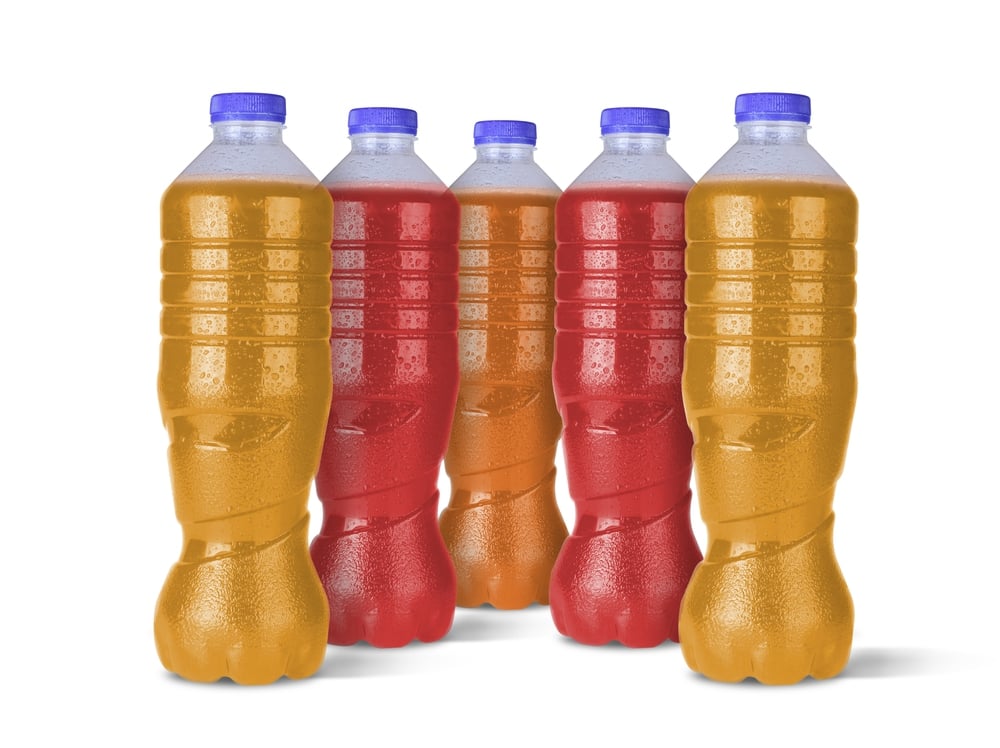
Squeezit drinks came in bottles shaped like accordions that kids could squeeze to drink — making hydration feel like a game. The bright, artificial colors and sweet flavors like Grumpy Grape and Silly Billy Strawberry made these drinks a lunchbox staple throughout the ’90s.
General Mills stopped producing Squeezit in 2001, likely due to concerns about sugar content and changing health consciousness among parents. The unique packaging and intense flavors made these drinks unforgettable for anyone who grew up with them.
Wonderballs

These hollow chocolate spheres contained small candies or toys inside — creating excitement with every bite. The concept combined the joy of chocolate with the thrill of a surprise, making each Wonderball feel like a small treasure hunt.
Nestlé discontinued Wonderballs in 1997 due to safety concerns about children choking on the small toys inside. Despite attempts to revive the concept with only candy inside, the original magic was never quite recaptured.
Fruitopia
This psychedelic beverage line featured flavors with names like Strawberry Passion Awareness and Citrus Consciousness. The drinks came in bottles covered with swirling, colorful artwork that reflected the trippy ’90s aesthetic perfectly.
Coca-Cola discontinued Fruitopia in 2003 — though it lingered in some international markets longer. The brand’s attempt to capture the alternative culture of the ’90s eventually fell out of step with changing consumer preferences.
Surge

Mountain Dew had a serious competitor in Surge, a highly caffeinated citrus soda that promised to fuel extreme adventures. The bright green color and aggressive marketing campaign made it a favorite among teenagers looking for an energy boost.
Coca-Cola discontinued Surge in 2003 — though devoted fans eventually convinced the company to bring it back in limited quantities through online sales. The original widespread availability never returned to store shelves.
Orbitz
These clear drinks contained small floating gel spheres that created a lava lamp effect in the bottle. The texture was unlike anything else on the market, with flavors like Vanilla Orange and Raspberry Citrus that tasted as unique as they looked.
Clearly Canadian discontinued Orbitz in 1997 after just one year on the market — the unusual texture that made them memorable also made them polarizing among consumers.
Trix Yogurt

This yogurt came in the same bright colors as Trix cereal — featuring swirled patterns of pink, blue, and green that made healthy snacking feel like eating dessert. The sweet flavor and vibrant appearance made it a hit with kids who might otherwise avoid yogurt.
General Mills discontinued Trix Yogurt in the early 2000s as part of a broader shift toward more natural ingredients and colors. The artificial coloring that made it special also became its downfall.
Bonkers
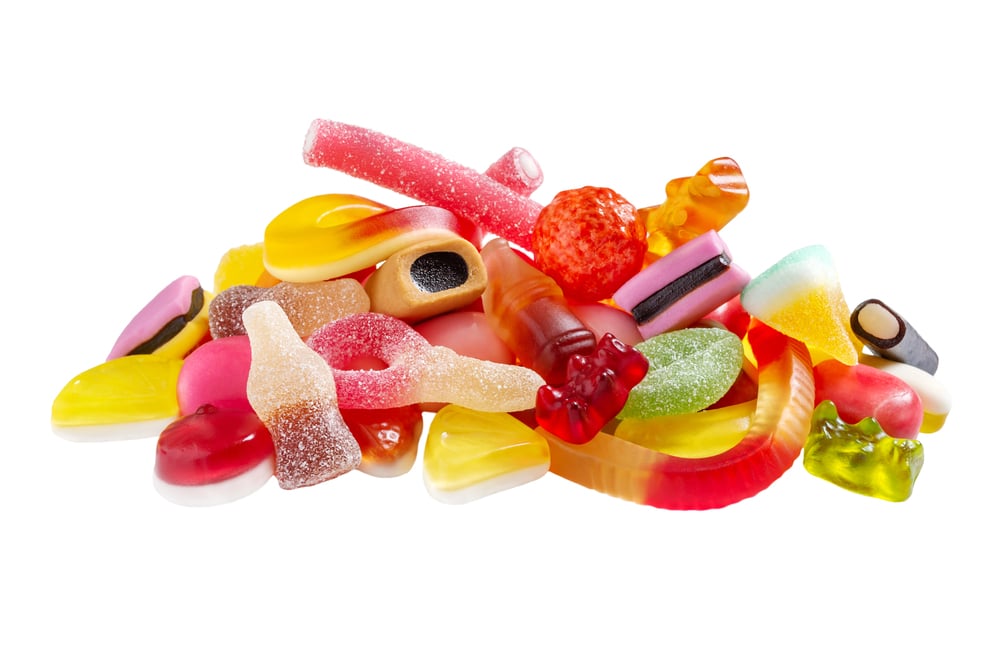
These chewy fruit candies promised to deliver an intense flavor experience that would make you go ‘bonkers.’ The individually wrapped squares came in flavors like grape, orange, and strawberry, each packed with enough artificial fruit flavor to make your mouth pucker.
Nabisco discontinued Bonkers in the 1990s, despite their popularity among kids who loved the intense flavor and chewy texture. The brand’s aggressive marketing campaign couldn’t save it from changing consumer tastes.
Hostess Teenage Mutant Ninja Turtles Pies
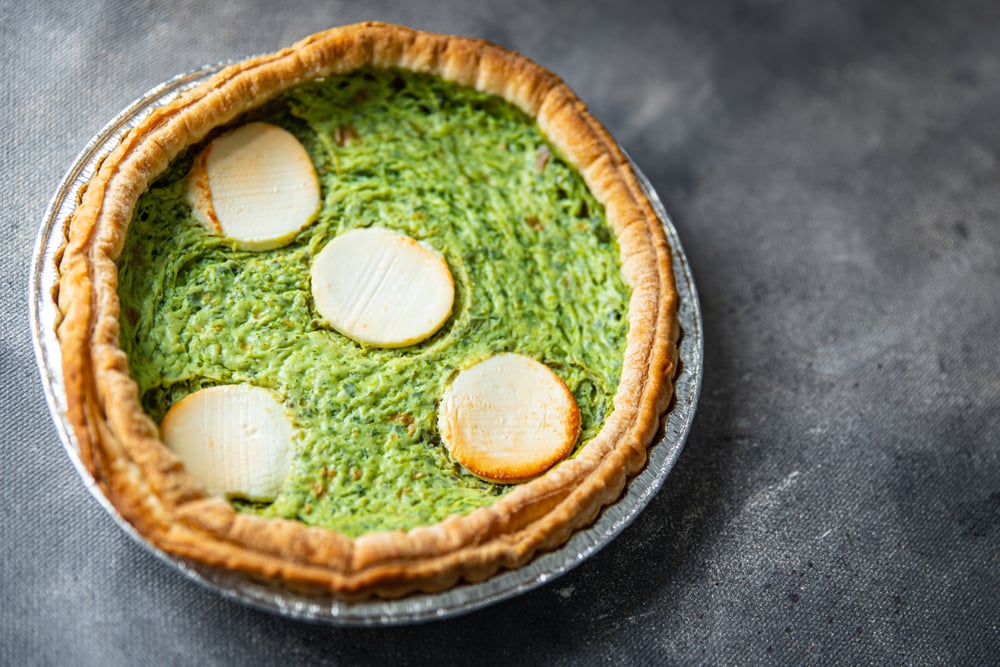
These green-crusted pies contained vanilla pudding and were shaped like the heads of the famous turtles. The novelty of eating a pie that looked like your favorite cartoon character made these treats irresistible to young fans of the franchise.
Hostess discontinued these pies when their licensing agreement ended, though they occasionally brought them back for special promotions. The connection between food and popular culture was never quite the same afterward.
Crispy M&Ms
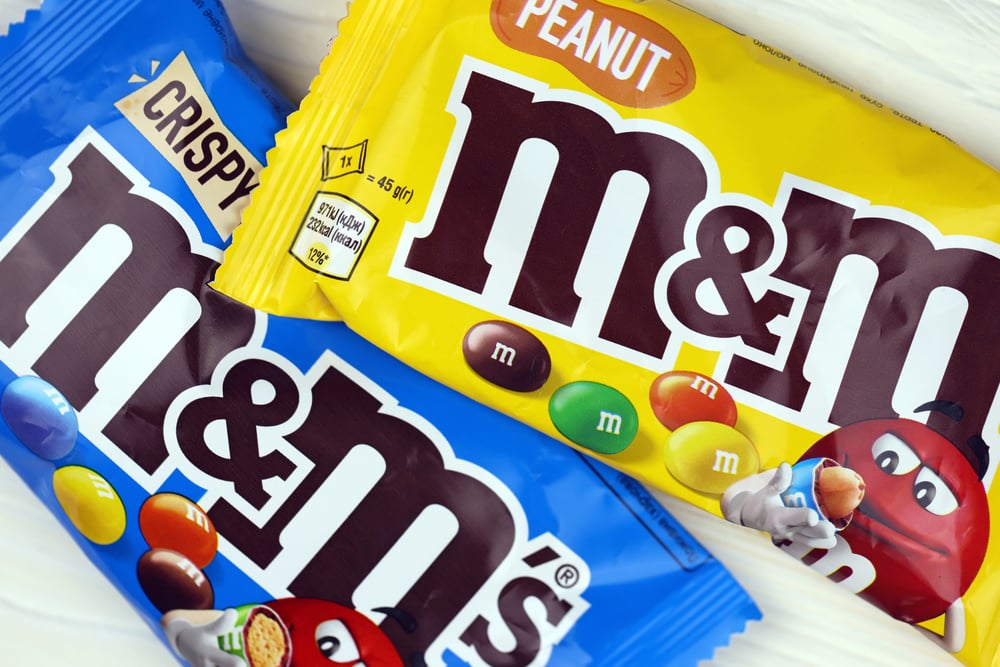
These M&Ms contained a crispy rice center that added texture to the traditional chocolate and candy coating combination. The extra crunch made them feel more substantial than regular M&Ms while maintaining the familiar flavor profile everyone loved.
Mars discontinued Crispy M&Ms in the United States in 2005, though they remained available in some international markets. The company eventually brought them back in 2015 due to persistent fan requests.
Altoids Sours
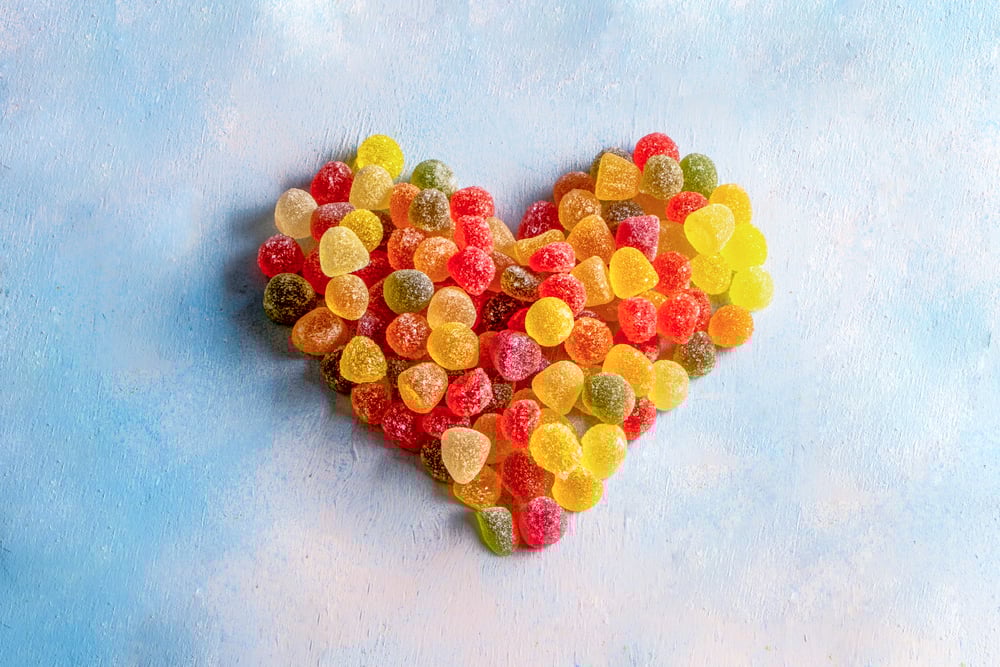
While regular Altoids were ‘curiously strong,’ Altoids Sours took intensity to another level with flavors that made your face scrunch up. These tiny tins contained sour candies in flavors like tangerine, apple, and cherry that delivered a powerful punch.
Altoids discontinued the sour variety in 2010, focusing instead on their traditional mint products. The extreme sour candy market had become increasingly competitive, making these specialty items harder to sustain.
Josta
This cola-flavored energy drink contained guarana and caffeine, positioning itself as a more exotic alternative to traditional sodas. The dark, mysterious branding and unique flavor profile attracted consumers looking for something different from their usual beverage choices.
PepsiCo discontinued Josta in 1999 after just four years on the market. The energy drink category was still developing at the time, and Josta arrived before consumers were fully ready for such products.
Dippin’ Dots Ice Cream of the Future

While Dippin’ Dots still exists in some amusement parks and malls, the widespread availability and cultural phenomenon of these flash-frozen ice cream beads has largely disappeared. The tiny spheres of ice cream in various flavors promised to be the dessert of tomorrow.
The company filed for bankruptcy in 2011, significantly reducing their presence in everyday retail locations. The futuristic novelty that once made them special became just another gimmick in a crowded frozen dessert market.
Coca-Cola BlāK
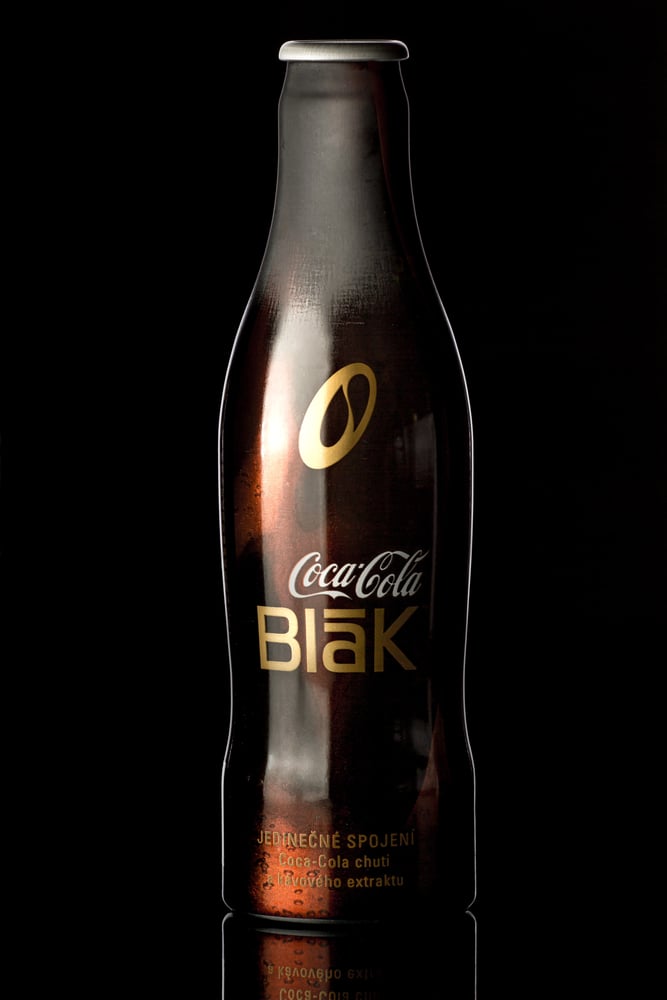
This coffee-flavored cola attempted to bridge the gap between soda and coffee, targeting adults who wanted caffeine with a familiar cola taste. The sophisticated marketing and unique flavor profile set it apart from traditional soft drinks.
Coca-Cola discontinued BlāK in 2007 after just two years, citing poor sales performance. The concept was ahead of its time, arriving before coffee-cola hybrids became more accepted in the mainstream market.
The Snack Time Capsule
These discontinued treats represent more than just food products that didn’t survive corporate restructuring or changing consumer preferences. They serve as edible time capsules that transport us back to simpler moments when the biggest decision was choosing between two equally appealing snacks.
The companies that created these products took risks, embraced creativity, and sometimes succeeded in capturing lightning in a bottle before market forces or safety concerns ended their run. Today’s snack aisles may offer more variety and healthier options, yet they’ll never quite match the bold experimentation and pure fun that defined these childhood favorites.
More from Go2Tutors!

- The Romanov Crown Jewels and Their Tragic Fate
- 13 Historical Mysteries That Science Still Can’t Solve
- Famous Hoaxes That Fooled the World for Years
- 15 Child Stars with Tragic Adult Lives
- 16 Famous Jewelry Pieces in History
Like Go2Tutors’s content? Follow us on MSN.



