Vintage Designs That Transformed Daily Living
The mid-20th century wasn’t just about poodle skirts and drive-in movies. Between the 1940s and 1980s, a wave of ingenious designs fundamentally changed how people lived, worked, and relaxed at home.
These weren’t minor tweaks to existing products but genuine breakthroughs that made life easier, more comfortable, or simply more enjoyable. Most started as radical ideas that manufacturers initially dismissed, yet they eventually became so embedded in daily routines that it’s hard to imagine life without them.
Here is a list of vintage designs that genuinely transformed the way people lived their everyday lives.
Tupperware

Earl Tupper’s plastic containers with airtight seals appeared in the 1940s and solved a problem people didn’t realize they had. Food spoiled quickly in the refrigerators of that era, and traditional storage options leaked or let in air.
Tupperware’s patented seal kept food fresh for days longer, which meant less waste and fewer trips to the grocery store. The famous Tupperware parties of the 1950s turned these humble containers into a social phenomenon, creating a direct-sales model that also gave thousands of women financial independence.
Microwave Oven

The first home microwave oven became available in 1955, though most families didn’t get one until the 1970s or 1980s. Early models were enormous and expensive, but they promised something miraculous: heating food in minutes instead of hours.
This single appliance changed meal preparation forever, making leftovers actually appetizing and giving busy families a way to put dinner on the table without spending all evening in the kitchen. The microwave turned cooking from an all-day affair into a quick task you could knock out during a commercial break.
Post-it Notes

Spencer Silver accidentally created a weak adhesive in 1968 while trying to develop a super-strong glue for 3M. His colleague Art Fry realized the failed experiment was perfect for bookmarks that wouldn’t damage his church hymnal pages.
After years of development, Post-it Notes launched nationally in 1980 and became one of those products nobody knew they needed until they tried them. The little yellow squares changed office communication, letting people leave reminders without permanent marks or the formality of a memo.
Velcro
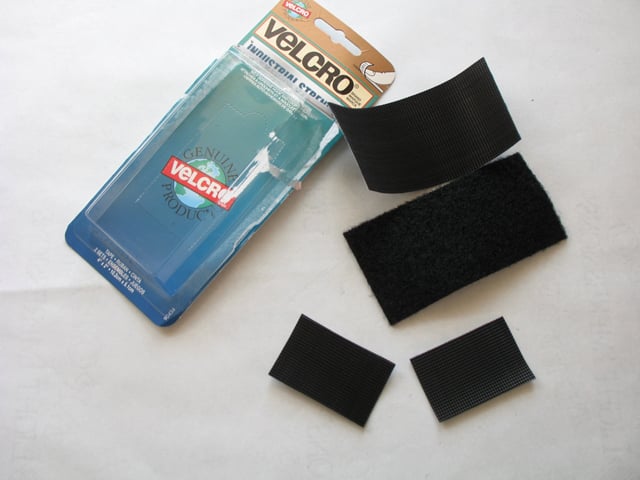
Swiss engineer George de Mestral invented Velcro in 1955 after noticing burrs stuck to his dog’s fur during a walk. The hook-and-loop fastener seemed like a gimmick at first, but it solved countless everyday problems with elegant simplicity.
Kids could suddenly dress themselves without struggling with buttons or laces, and athletes found it easier to adjust their gear mid-game. NASA even adopted Velcro for space suits, proving this ‘accidental’ invention had serious practical value beyond just convenience.
Three-Point Seat Belt

Nils Bohlin designed the three-point seat belt for Volvo in 1959, creating a restraint system that secured both the upper and lower body. Earlier seat belts only went across the lap, which meant passengers still slammed into dashboards during accidents.
Bohlin’s design reduced serious injuries by 90 percent and eventually became mandatory in vehicles worldwide. Volvo made the patent available to other manufacturers because saving lives mattered more than profit, a decision that changed automotive safety forever.
Credit Card

The Diners Club card appeared in 1950 and fundamentally altered how people bought things. Before credit cards, purchases required cash or complicated layaway plans, which limited what most families could afford.
The small plastic rectangle introduced the concept of buying now and paying later, which expanded consumer spending and changed entire economies. What started as a convenience for wealthy diners eventually became so ubiquitous that carrying cash became the exception rather than the rule.
Pop-up Toaster

Charles Strite introduced the automatic pop-up toaster in the 1920s, but the design really took off in American homes during the 1950s. Earlier methods of toasting bread involved holding slices over open flames or stovetops, which was time-consuming and often resulted in burnt fingers along with burnt toast.
The pop-up mechanism meant perfectly browned bread appeared at the exact right moment, turning breakfast preparation from a careful balancing act into a mindless routine. Today, 90 percent of American households own one.
Electric Vacuum Cleaner

James Murray Spangler created the modern electric vacuum in 1908 using a pillowcase, fan motor, and a broomstick, but the design reached peak popularity in the 1950s. Before this invention, cleaning carpets meant beating them outside with sticks or sweeping endlessly with ineffective brooms.
The suction-powered cleaner could pull dirt from deep within carpet fibers, which meant homes stayed genuinely clean instead of just looking clean. This single device cut housework hours dramatically, giving people more time for activities beyond endless sweeping.
Fitted Kitchen

The fitted kitchen concept became the must-have design of the 1950s, replacing cluttered rooms full of freestanding furniture. Built-in cabinets and continuous Formica countertops created efficient workspaces that made meal preparation flow more logically.
Everything had a designated spot, which eliminated the chaos of scattered pots, pans, and ingredients covering every surface. The fitted kitchen also introduced the idea that kitchens should be colorful and pleasant spaces rather than purely functional work zones hidden from guests.
Polyurethane Foam
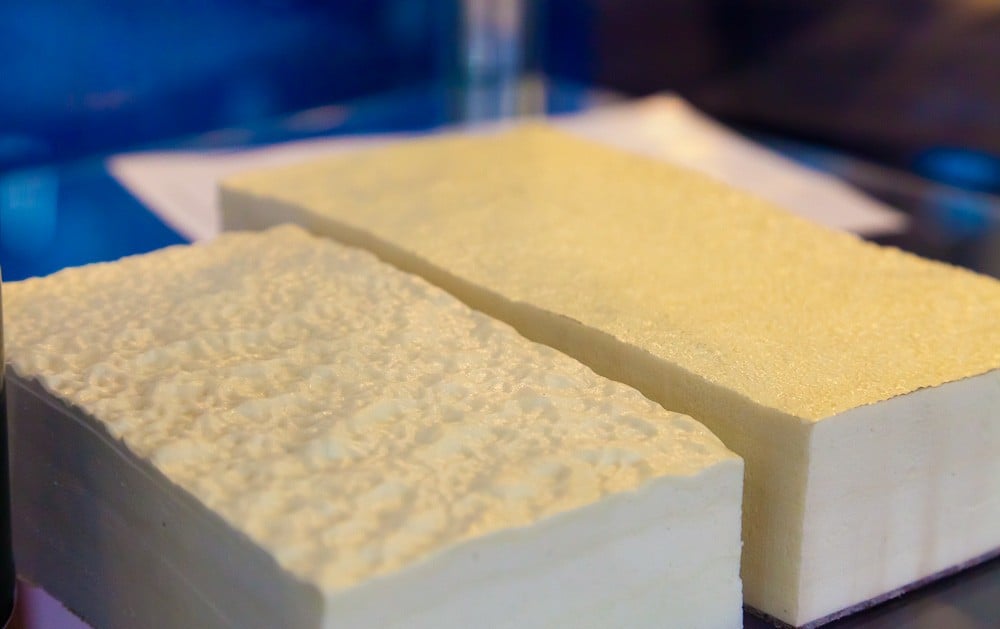
The invention of flexible polyurethane foam in the 1950s completely transformed furniture manufacturing. Before this synthetic material, sofas and chairs were stuffed with horsehair, straw, or other natural materials that attracted bugs and wore out quickly.
Polyurethane foam was clean, cheap, and could be molded into any shape, making comfortable furniture affordable for middle-class families. This innovation meant people could actually relax on their couches instead of perching stiffly on something barely softer than sitting on plywood.
Nonstick Cookware

Teflon-coated pans slid into kitchens during the 1960s and eliminated one of cooking’s most annoying problems: food welded to the pan bottom. Home cooks had always battled with eggs that refused to release or sauces that burned and stuck, requiring serious scrubbing afterward.
The nonstick surface meant cleanup took seconds instead of the better part of an hour, and delicate foods like fish could be flipped without falling apart. This single coating made cooking feel less like hard labor and more like an actual enjoyable activity.
Riding Lawn Mower

Leonard Goodall developed the first riding mower in 1959, turning lawn care from exhausting physical labor into something closer to a leisurely drive. Push mowers required serious muscle power and turned a simple yard into an afternoon ordeal, especially in the heat.
The riding mower made maintaining large suburban lawns practical, which helped fuel the postwar housing boom and suburban expansion. Suddenly, having a big yard wasn’t a burden but an achievable part of the American dream.
Home Refrigerator
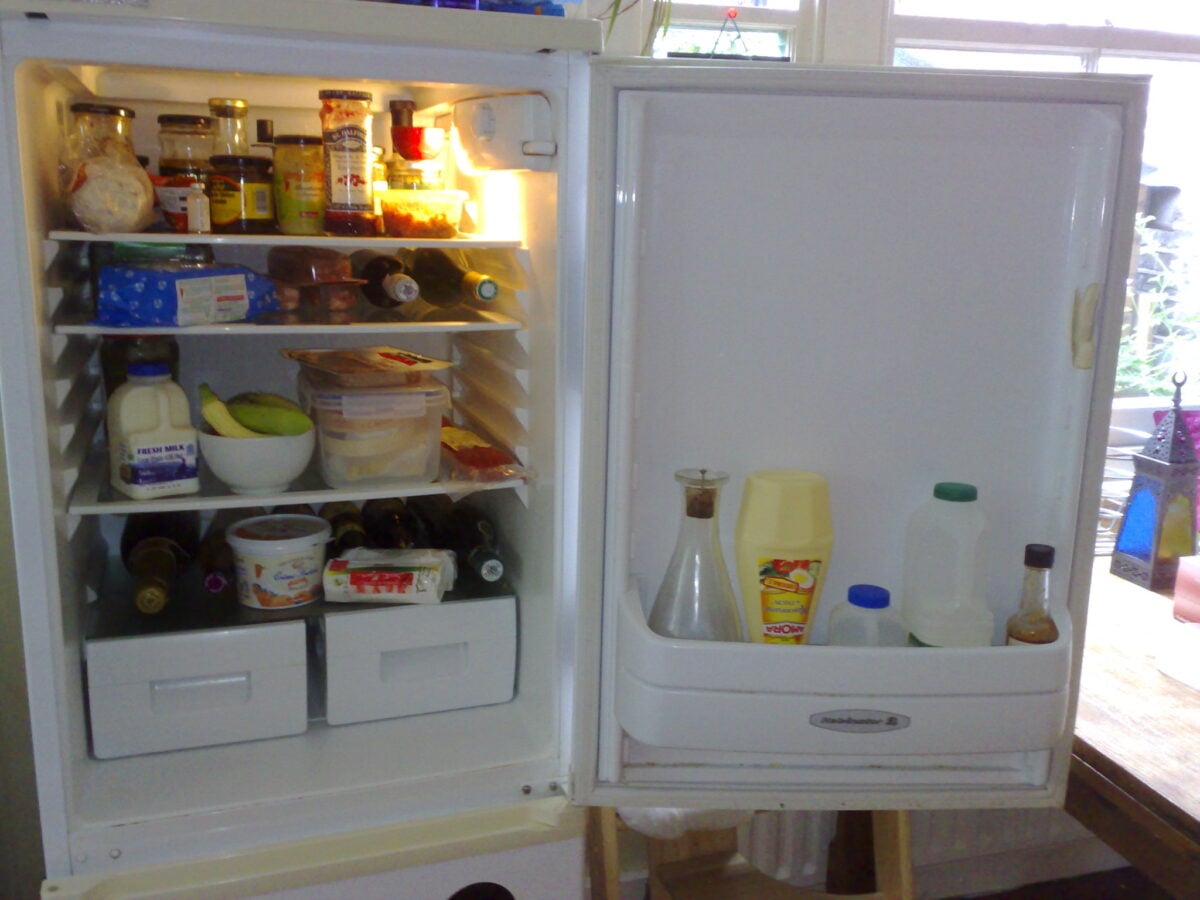
Refrigerators marched into kitchens during the 1930s and became widespread by the 1950s, replacing iceboxes that required daily ice deliveries. The electric refrigerator meant food stayed fresh for weeks instead of days, which fundamentally changed shopping habits and meal planning.
Families could buy in bulk, experiment with ingredients that spoiled quickly, and keep leftovers without worry. This appliance expanded what people could eat and when they could eat it, breaking the old pattern of daily market trips and limited food choices.
Barbie Doll

Ruth Handler created Barbie in 1959 and changed how children played with dolls. Most dolls at the time were baby dolls that encouraged nurturing play, but Barbie was an adult with careers, outfits, and accessories. Kids could suddenly imagine themselves in different professional roles or social situations rather than just practicing parenting skills.
Barbie became controversial for many reasons over the decades, but the design concept of an aspirational rather than maternal doll opened up entirely new types of imaginative play.
Electric Mixer

Electric stand mixers became kitchen staples in the 1930s and 1940s, with the KitchenAid and Kenwood models leading the way. Before electric mixers, baking meant spending exhausting minutes whisking, beating, or kneading by hand until your arms ached.
The motorized version meant anyone could make complicated recipes without the physical stamina of a professional baker. This democratization of baking turned elaborate cakes and pastries from special-occasion luxuries into regular possibilities.
Internal Pacemaker

Rune Elmqvist and Ake Senning implanted the first internal pacemaker in 1959, creating a device that could regulate heartbeats from inside the body. External pacemakers existed before this, but they were bulky, tethered patients to machines, and severely limited daily activities.
The internal battery-powered version freed people with heart conditions to live relatively normal lives instead of remaining bedridden or closely monitored. This medical design advance turned a death sentence into a manageable condition for millions of people.
From Innovation to Everyday Essential

These designs share a common thread beyond their vintage origins: each one faced initial skepticism before becoming indispensable. The transistor radio seemed like an expensive toy, Post-it Notes were a solution searching for a problem, and internal pacemakers were considered impossibly risky.
Yet within a few years of launch, most became so embedded in daily routines that younger generations can’t imagine life before them. The real transformation wasn’t just the products themselves but how they quietly reshaped expectations about comfort, convenience, and what everyday life should feel like.
Today’s ‘innovative’ smart devices follow this same pattern, making you wonder which current gadgets will seem as essential and obvious fifty years from now.
More from Go2Tutors!

- The Romanov Crown Jewels and Their Tragic Fate
- 13 Historical Mysteries That Science Still Can’t Solve
- Famous Hoaxes That Fooled the World for Years
- 15 Child Stars with Tragic Adult Lives
- 16 Famous Jewelry Pieces in History
Like Go2Tutors’s content? Follow us on MSN.