Hidden Treasures Rumored to Be in America
The idea of buried treasure feels like it belongs in storybooks—pirates with eye patches, crumpled maps marked with an X, chests overflowing with gold doubloons. But across America, these stories persist not as fairy tales but as persistent whispers backed by just enough historical evidence to keep treasure hunters digging.
Some of these tales involve documented losses that were never recovered. Others grew from deathbed confessions or cryptic letters left behind by people who clearly had something valuable to hide.
What makes these American treasure stories particularly compelling is how they’re woven into the country’s most dramatic historical moments. Civil War gold that vanished during retreat.
Outlaw fortunes buried before capture. Spanish conquistadors who never made it home.
The line between documented history and local legend blurs just enough to make you wonder if maybe, just maybe, someone really did bury a fortune in those woods outside town.
Oak Island Money Pit
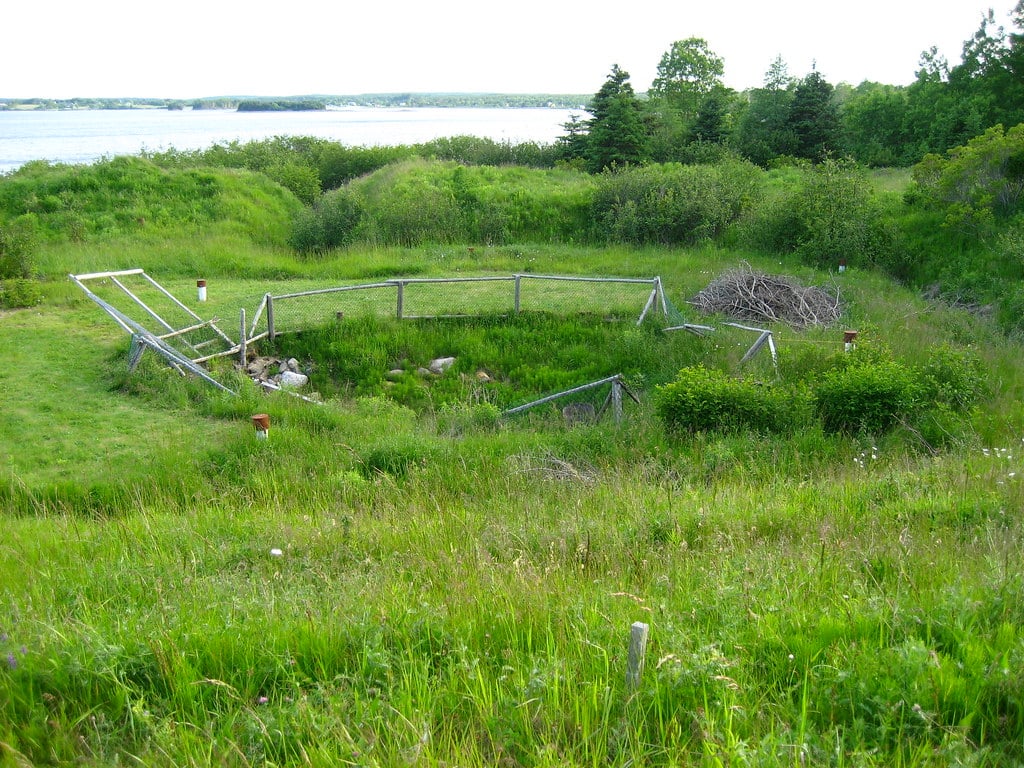
The Oak Island Money Pit has been driving treasure hunters to financial ruin for over two centuries. Located off Nova Scotia, this site has consumed more money than it’s ever produced, which should tell you something about the odds of finding treasure anywhere.
But the mystery refuses to die. Every time someone digs deeper, they find something tantalizing—a scrap of parchment, a piece of lead, coconut fiber in a place where coconuts don’t grow.
Just enough to fund the next expedition.
Forrest Fenn’s Treasure
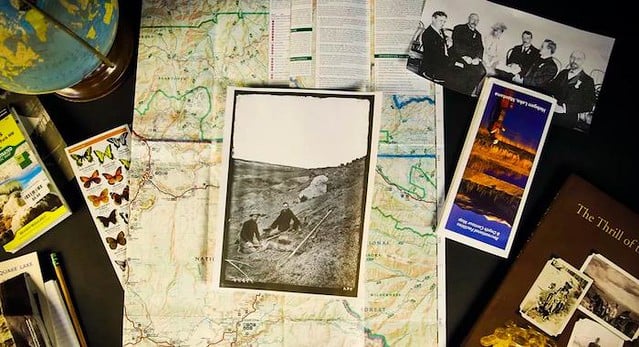
Forrest Fenn was an art dealer who claimed he hid a chest worth over a million dollars somewhere in the Rocky Mountains, then published a poem with clues to its location. The treasure was reportedly found in 2020, but Fenn died shortly after without revealing exactly where it had been hidden or who found it.
The whole enterprise felt like watching someone conduct a massive social experiment on human obsession (which, given Fenn’s background as a dealer in beautiful objects that people covet, he understood better than most). And the timing of everything—the treasure’s discovery, Fenn’s death, the winner’s anonymity—left just enough questions unanswered to keep the story alive. Some people still wonder if the treasure was real at all, or if the “finding” was simply Fenn’s way of ending a game that had grown too dangerous.
Either way, the mountains are quieter now, though not entirely empty of searchers who refuse to believe the hunt is over.
Victorio Peak Treasure
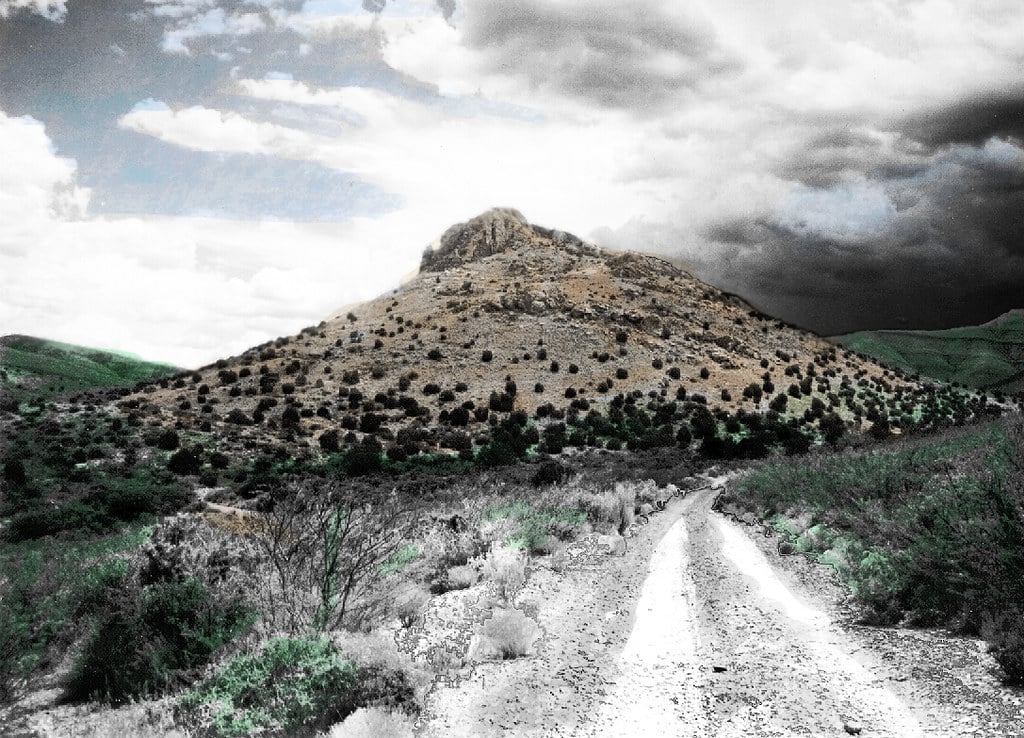
Doc Noss claimed he discovered a cavern in Victorio Peak, New Mexico, filled with gold bars, coins, and artifacts—potentially worth hundreds of millions. He supposedly moved some of the treasure before the entrance was sealed by a dynamite accident that killed him in 1949.
The U.S. military later took over the area for White Sands Missile Range, which only made the story more intriguing. Noss’s family spent decades fighting for access to search the peak.
They never got it, and the treasure remains buried under layers of rock, military security, and legal disputes that outlived everyone involved.
Beale Ciphers
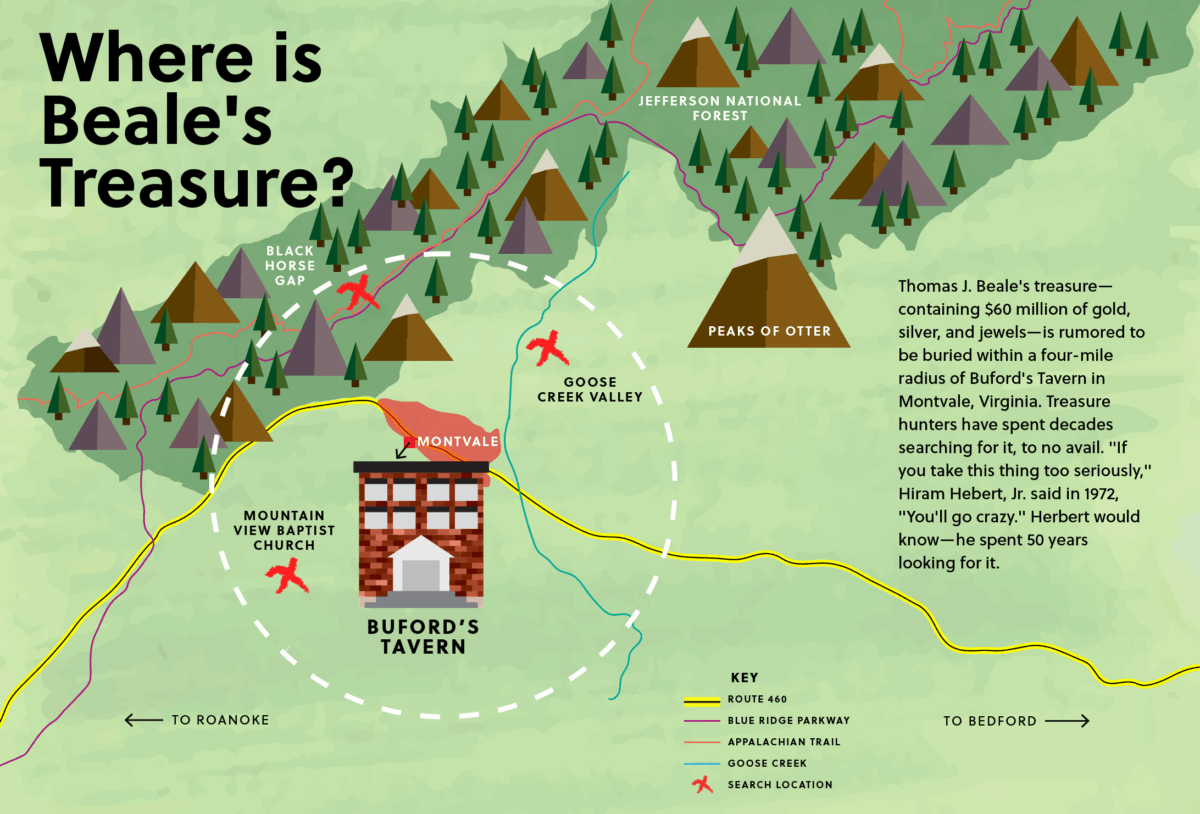
The Beale Papers describe a treasure of gold, silver, and jewels worth tens of millions buried somewhere in Bedford County, Virginia. Thomas Beale allegedly left three coded messages: one describing the treasure’s location, one listing its contents, and one naming the rightful heirs.
Only the second cipher has been solved, revealing an inventory that reads like a pirate’s fever dream. The other two codes have resisted every attempt at decryption despite attracting cryptographers, computer scientists, and obsessed amateurs for over a century.
The whole thing might be an elaborate hoax designed to sell pamphlets to gullible treasure hunters. But the codes are sophisticated enough that if they are fake, someone puts remarkable effort into making them convincing.
Lost Dutchman’s Gold Mine

The Lost Dutchman Mine sits somewhere in Arizona’s Superstition Mountains like a mirage that occasionally becomes solid enough to touch. Jacob Waltz, the “Dutchman” (who was actually German), supposedly knew the location of a fabulously rich gold mine and left cryptic clues before his death in 1891.
The Superstition Mountains have since become a graveyard for treasure hunters, both literally and financially. People disappear in those canyons with disturbing regularity, and the ones who make it out are usually poorer than when they went in (though they often return anyway, which says something about the particular madness treasure hunting inspires).
The mine’s location gets “discovered” every few years by someone with a metal detector and a theory, but the gold never materializes. And yet the mountains keep drawing people who are convinced they’ll be the exception—that they’ll be the one to finally solve a mystery that has been consuming lives and bank accounts for over a century.
Confederate Treasury
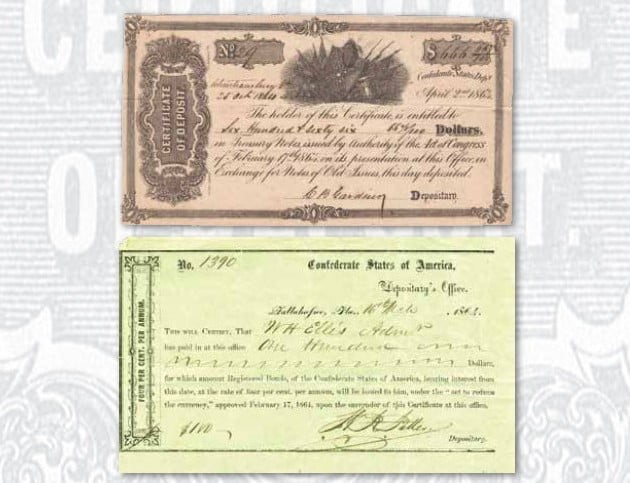
The Confederate Treasury disappeared during the final weeks of the Civil War, creating one of America’s most persistent treasure legends. As Richmond fell and Jefferson Davis fled south, a substantial amount of gold and silver vanished somewhere along the escape route through the Carolinas and Georgia.
Various amounts get thrown around—anywhere from hundreds of thousands to millions in gold coins—but the exact sum hardly matters when none of it has been found. Some of it was probably spent funding the retreat.
Some may have been buried by Confederate officials who planned to return after the war ended (and never did). The rest could be scattered across half the Southeast, buried in unmarked graves by soldiers who died before they could retrieve it.
Dutch Schultz’s Treasure
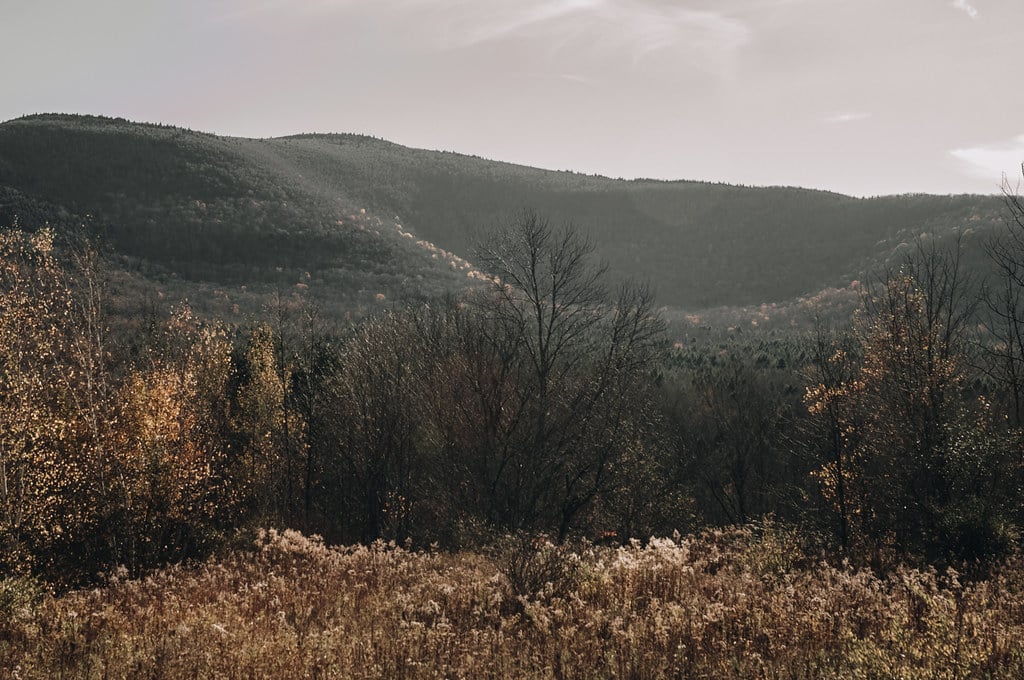
Dutch Schultz buried a fortune somewhere in the Catskill Mountains before his assassination in 1935. The mobster supposedly stashed millions in cash and bonds in a waterproof container, but died before revealing the location to anyone.
Schultz was paranoid enough to bury treasure and practical enough to pick a good hiding spot. The Catskills offer thousands of acres of dense forest where a man with a shovel could work unnoticed, and the terrain has probably changed enough over eight decades to obscure any landmarks Schultz might have used.
The money is almost certainly still there, though finding it would require the kind of systematic search that would cost more than the treasure is worth.
Butch Cassidy’s Hidden Loot
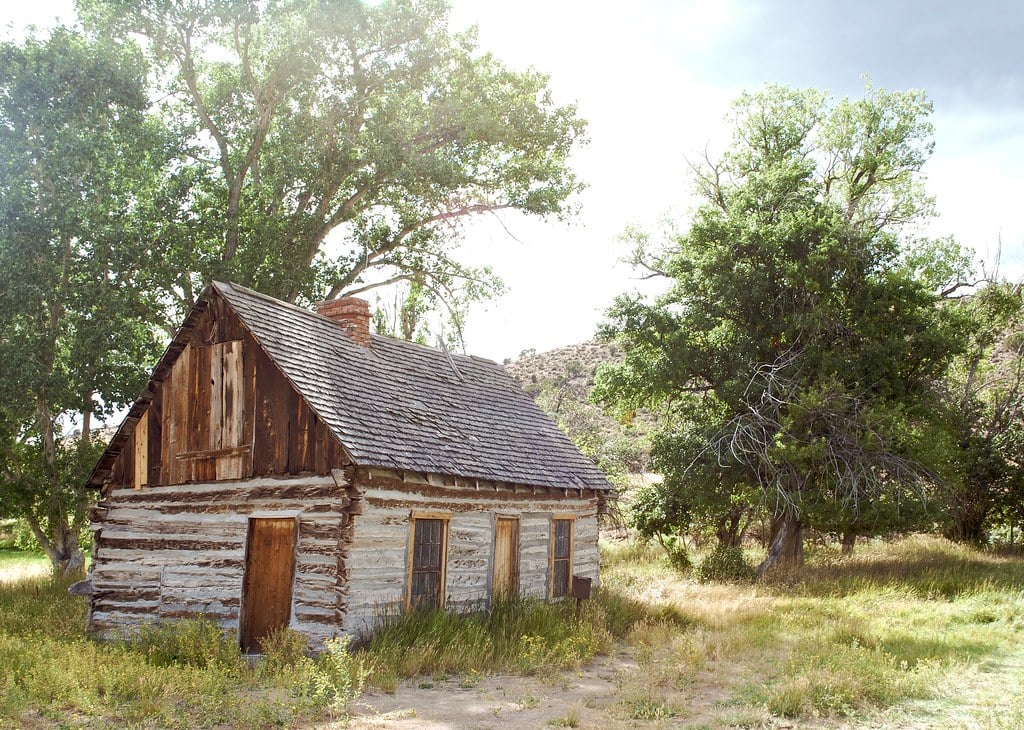
Butch Cassidy and the Wild Bunch accumulated a substantial fortune through their various robberies, and much of it was never recovered. Cassidy supposedly buried caches throughout Utah, Colorado, and Wyoming—places he could access quickly between jobs but law enforcement couldn’t easily search.
The outlaw’s practical approach to treasure hiding makes his caches more plausible than most, but also harder to find, because Cassidy chose concealment over drama (no elaborate maps or cryptic poems, just pits in the ground that looked like every other piece of empty wilderness). And unlike pirates or conquistadors, Cassidy lived in an era when his activities were well-documented, so when large amounts of robbery proceeds never turned up in official records, it usually meant they were still buried somewhere.
The question isn’t whether Cassidy hid treasure—it’s whether anyone will ever be lucky enough to dig in the right spot.
Captain Kidd’s Treasure
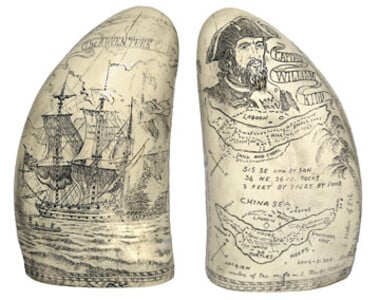
Captain Kidd’s treasure has been “discovered” in approximately fifteen different states, which should give you some indication of how reliable these claims tend to be. The real William Kidd was more businessman than bloodthirsty pirate, but he did accumulate considerable wealth that was never fully accounted for after his execution.
Kidd spent time along the American coast before his arrest, and it’s reasonable to assume he might have buried assets he couldn’t easily carry. The problem is that three centuries of treasure hunters have dug up half the Eastern seaboard looking for it.
Every beach from Maine to South Carolina has been worked over by people with metal detectors and theories about where Kidd might have come ashore.
Spanish Gold in the Southwest
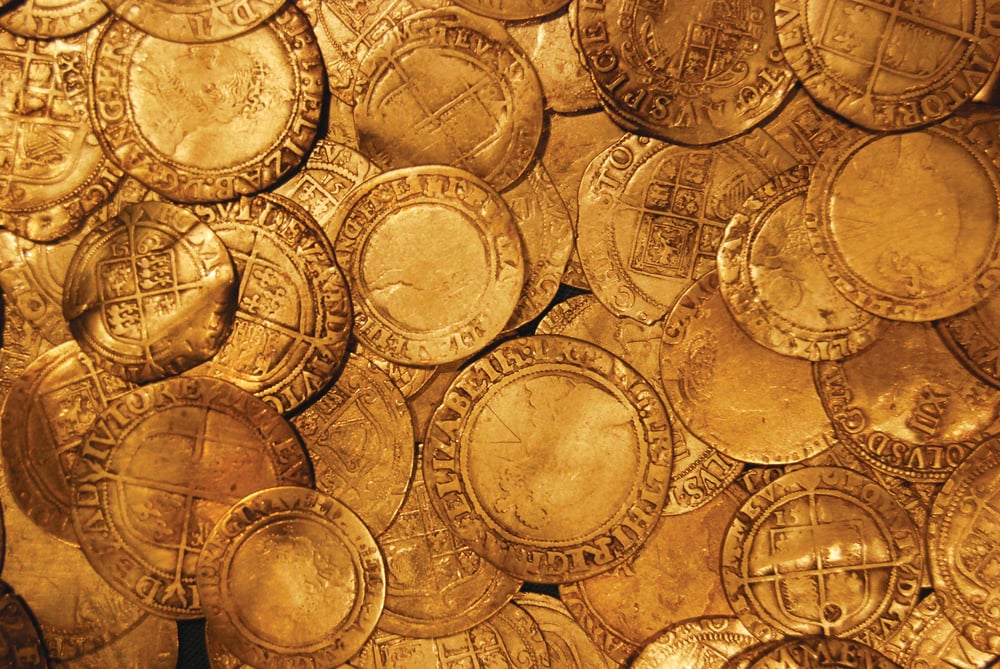
Spanish conquistadors and missionaries accumulated vast amounts of gold and silver in the American Southwest, and not all of it made it back to Spain. Some were lost to Apache raids, some vanished when pack trains disappeared in the desert, and some were deliberately hidden by Spaniards who planned to return when conditions improved.
The desert preserves things well, but it also hides them effectively. Landmarks disappear, rivers change course, and entire valleys can be reshaped by flash floods.
A cache that was carefully marked in 1750 could be completely undetectable today, buried under centuries of sand and rock. But gold doesn’t corrode, and the amounts involved were substantial enough to keep people searching across Arizona, New Mexico, and Texas.
Jesse James Gang Loot
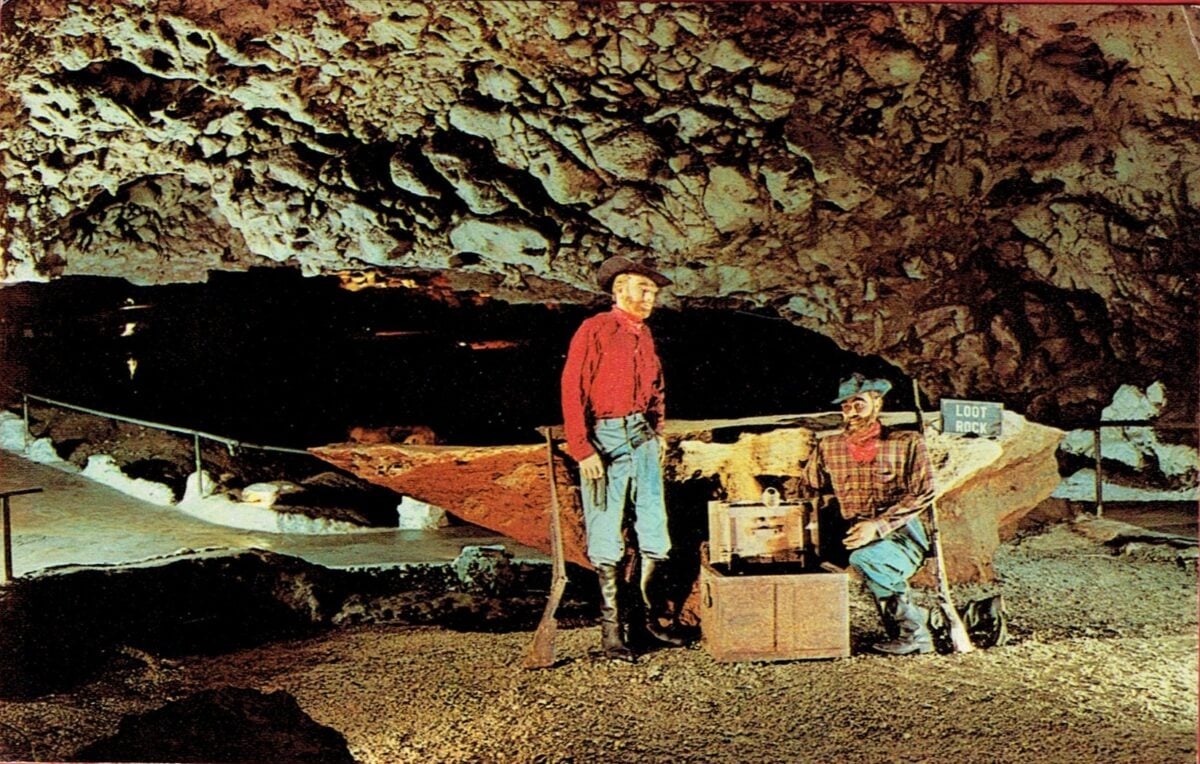
The Jesse James Gang accumulated substantial wealth during their lengthy criminal career, and family members claimed for decades that much of it was buried on or near the James family farm in Missouri. The gang’s systematic approach to robbery and their intimate knowledge of Missouri terrain made them ideal candidates for successful treasure hiding.
Various family members produced maps, deathbed confessions, and cryptic instructions over the years, but none led to significant discoveries. The James farm and surrounding countryside have been searched extensively, though not always with the landowners’ permission.
The treasure might be there, or it might have been moved decades ago when the family realized how many people were digging uninvited pits in their property.
Rennes-le-Château Connection
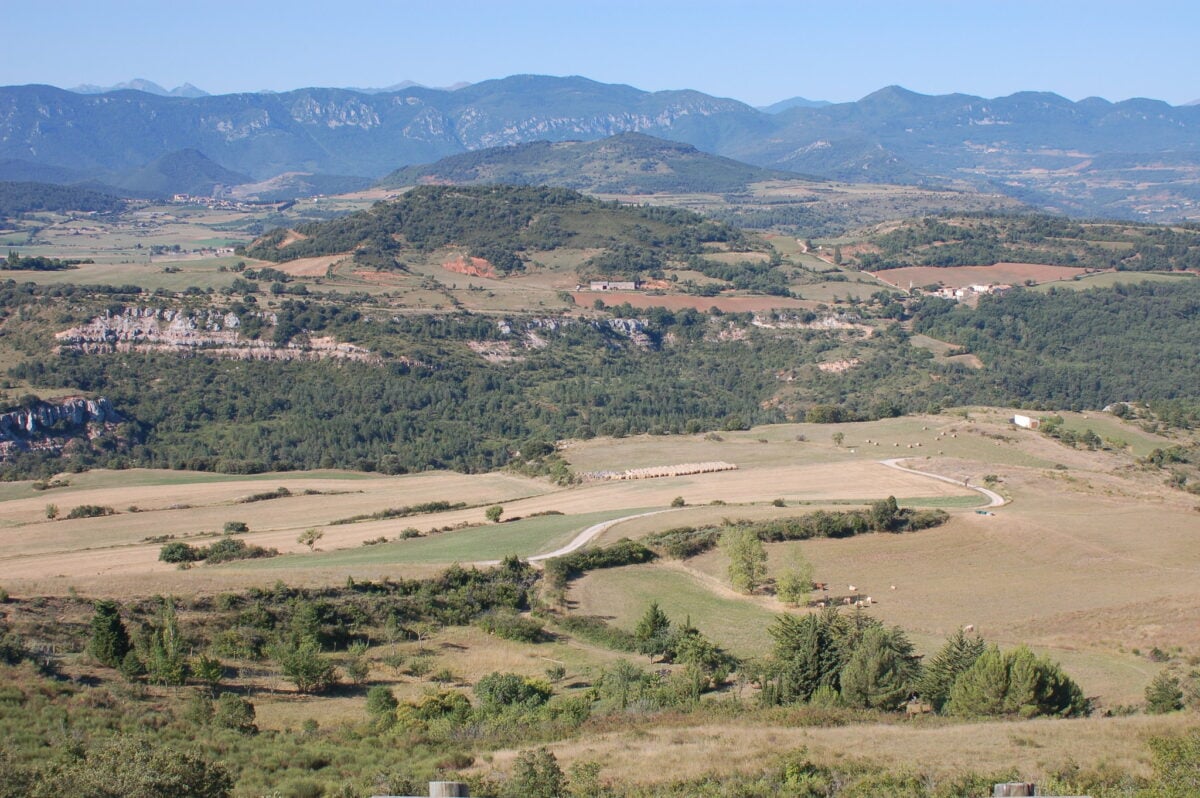
The mystery of Rennes-le-Château in France has an American connection through various treasure hunters who believe part of the alleged treasure was transported to the United States in the early 20th century. This theory connects European Templar legends with American soil, creating a particularly elaborate treasure story.
The American version involves secret societies, coded messages, and hidden caches scattered across the country. It’s the kind of theory that attracts people who enjoy connecting historical dots in creative ways, though the connections tend to be more creative than historical.
But the story persists because it combines several appealing elements: ancient mysteries, secret knowledge, and the possibility that profound wealth is hidden in plain sight.
Lost Confederate Gold Train
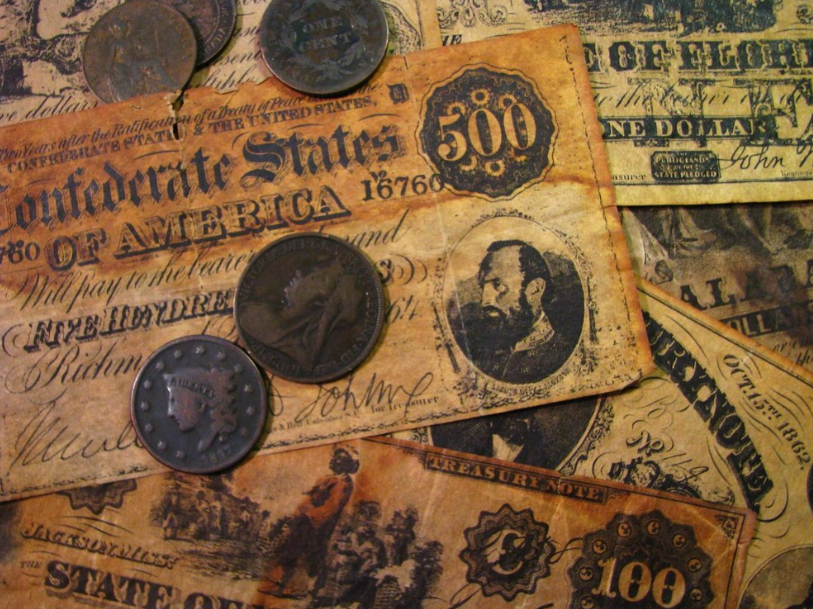
A train carrying Confederate gold allegedly derailed or was hidden somewhere in Georgia or South Carolina as Union forces closed in during the final days of the war. The exact location varies depending on which version of the story you hear, but the basic premise remains consistent: a substantial amount of gold vanished along with the train that carried it.
Railroad records from that period are incomplete, and the chaos of the war’s end created plenty of opportunities for valuable cargo to disappear without proper documentation. A locomotive is harder to hide than a buried chest, but it’s also harder to move once it’s been abandoned in a remote location.
The gold might still be sitting in some forgotten railway car, slowly being reclaimed by decades of vegetation.
Yamashita’s Gold
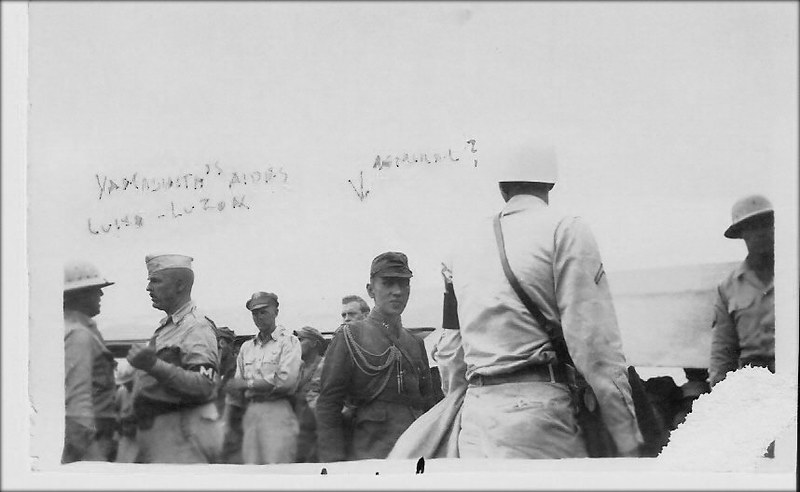
General Yamashita supposedly buried vast amounts of looted treasure throughout the Philippines during World War II, but some treasure hunters believe portions of it were moved to the American West Coast before the war ended. This theory suggests Japanese submarines or ships transported gold to remote locations along the California, Oregon, or Washington coasts.
The logistics would have been challenging, but not impossible, and the American coastline offered plenty of isolated spots where cargo could be unloaded and buried without detection. The treasure would have been intended as a resource for post-war recovery that never happened due to Japan’s surrender.
It’s a long-shot theory based on limited evidence, but the amounts allegedly involved are substantial enough to keep people interested despite the improbable circumstances.
Where legends meet possibility

Treasure stories endure because they represent something more appealing than mere wealth—they offer the possibility that patience, research, and a bit of luck can uncover what everyone else missed. The fact that most of these treasures remain unfound doesn’t discourage believers; it simply means the right person hasn’t looked in the right place yet. And maybe that’s exactly as it should be.
The moment any of these treasures is actually discovered, it stops being a story about infinite possibility and becomes just another news item about someone getting rich. Until then, they remain what they’ve always been: reasons to keep wondering what might be buried just beyond the next hill.
More from Go2Tutors!

- The Romanov Crown Jewels and Their Tragic Fate
- 13 Historical Mysteries That Science Still Can’t Solve
- Famous Hoaxes That Fooled the World for Years
- 15 Child Stars with Tragic Adult Lives
- 16 Famous Jewelry Pieces in History
Like Go2Tutors’s content? Follow us on MSN.



