Foods You Should Never Reheat
Leftovers can be a lifesaver on busy days. Tossing last night’s dinner into the microwave seems like the easiest way to get a quick meal without any fuss.
But not every food handles a second round of heat the same way. Some dishes lose their flavor, others turn into a rubbery mess, and a few can actually become unsafe to eat.
Let’s look at which foods you should keep away from the microwave or stovetop when they’ve already been cooked once.
Rice
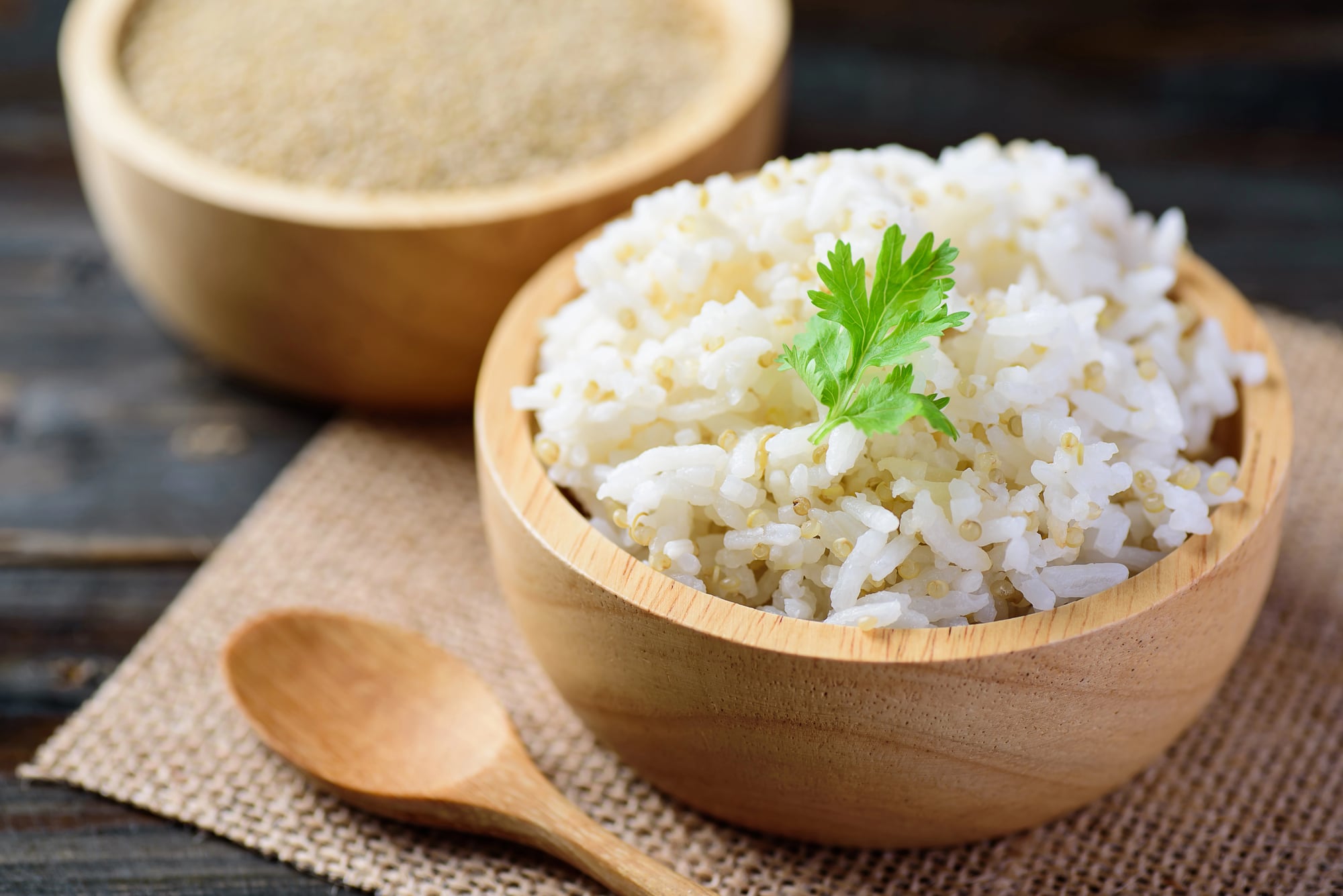
Rice seems harmless enough sitting in your fridge, but reheating it can be risky. When cooked rice sits at room temperature, it can develop bacteria called Bacillus cereus, which survives even after reheating.
The problem isn’t the reheating itself but how the rice was stored before you warmed it up. If rice wasn’t cooled quickly and kept cold, those bacteria can multiply and cause food poisoning that leads to vomiting and stomach issues.
Chicken

Chicken changes its protein structure when you reheat it, especially if you use high heat. The texture becomes rubbery and dry, losing all that juicy tenderness it had the first time around.
More importantly, reheated chicken can cause digestive problems if it wasn’t stored properly or if it’s been sitting in the fridge too long. The proteins break down in ways that make your stomach work harder to digest them.
Mushrooms
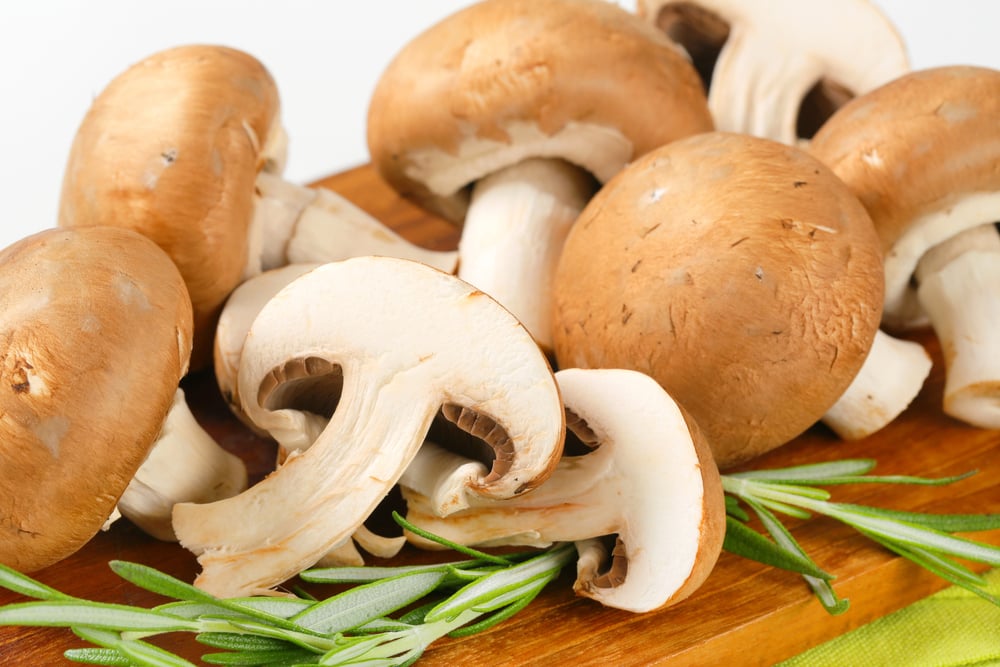
Fresh mushrooms are delicate, and their proteins start breaking down quickly after cooking. When you reheat mushrooms, those proteins deteriorate even more and can cause stomach upset or digestive discomfort.
This is especially true if the mushrooms weren’t refrigerated right away after the first cooking. Europeans have known this for generations, which is why many recipes suggest eating mushroom dishes fresh and never saving them for later.
Potatoes

Potatoes left at room temperature after cooking create the perfect environment for botulism bacteria to grow. Reheating won’t kill these bacteria or the toxins they produce.
The foil-wrapped baked potato sitting on your counter for a few hours becomes more dangerous than you’d think. Always refrigerate cooked potatoes immediately, and even then, be cautious about reheating them days later.
Spinach and other leafy greens

Leafy greens contain high levels of nitrates, which are harmless in their natural state. But when you reheat spinach, kale, or similar vegetables, those nitrates convert into nitrites and then into nitrosamines, which are potentially carcinogenic compounds.
The transformation happens faster when the greens are reheated rather than just warmed gently. Baby food manufacturers actually warn against reheating anything with spinach for this exact reason.
Eggs

Eggs become rubbery and release a sulfur smell when reheated, making them unappetizing at best. But the real concern is that reheated eggs, especially if they were undercooked initially, can harbor salmonella bacteria.
Scrambled eggs, omelets, and fried eggs all suffer from texture changes that make them almost inedible the second time around. Hard-boiled eggs are slightly safer but still taste terrible and can cause digestive upset when reheated.
Celery
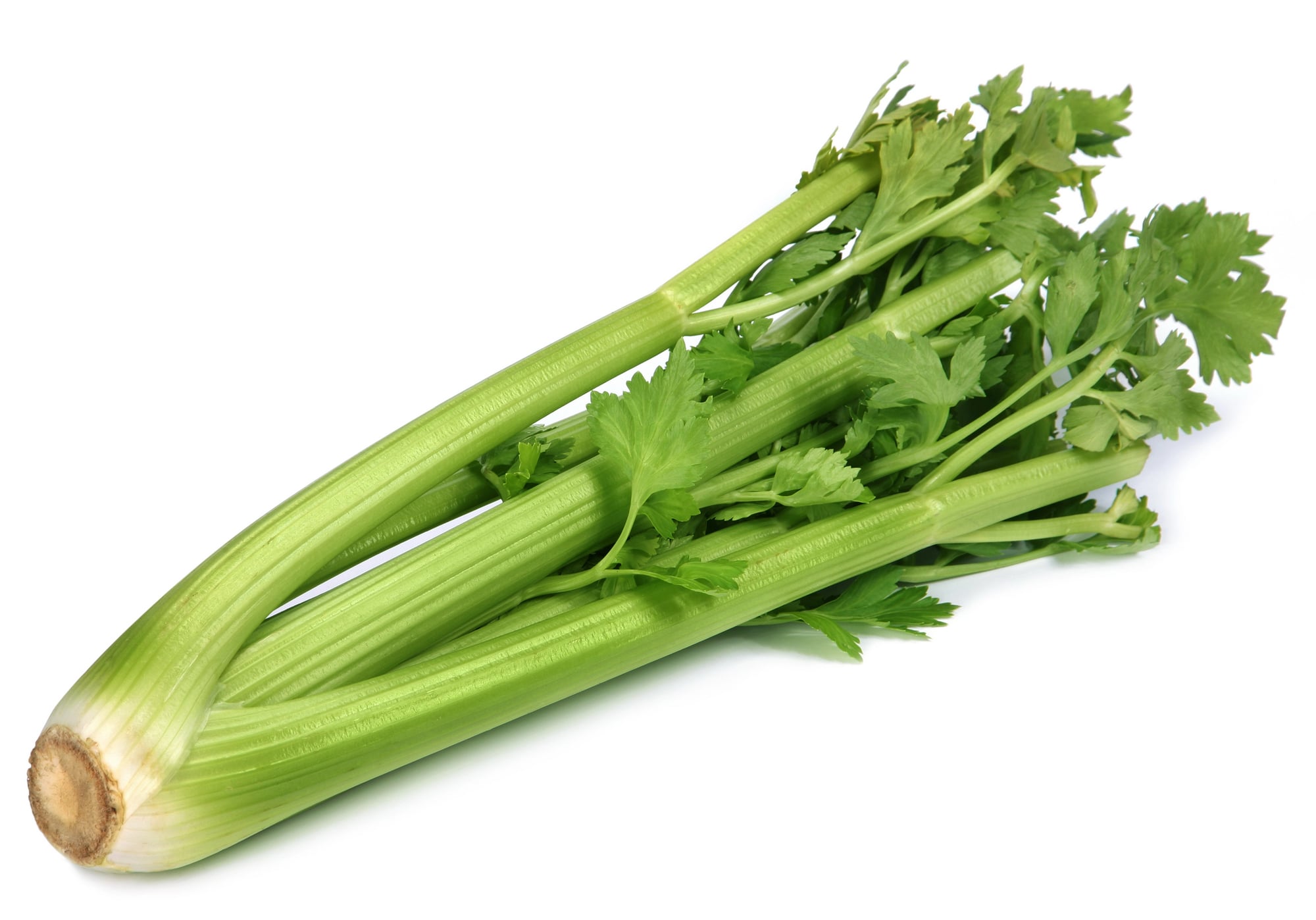
Celery shows up in soups and stews all the time, but reheating it brings the same nitrate problem as leafy greens. This crunchy vegetable contains naturally occurring nitrates that turn into harmful compounds when exposed to heat multiple times.
If you made a soup with celery, either eat it fresh or remove the celery pieces before storing the leftovers. The same rule applies to carrots and beets, which also have high nitrate content.
Fish and seafood

Fish proteins are incredibly delicate and break down rapidly when exposed to heat again. Reheated fish smells awful, tastes worse, and can cause food poisoning if it wasn’t stored at the right temperature.
Shrimp turns into rubber, scallops become chewy, and any fish fillet loses its flaky texture completely. Seafood also spoils faster than other meats, so even properly stored fish can be questionable after a day or two in the fridge.
Processed meats

Hot dogs, deli meats, and sausages often contain nitrates and nitrites as preservatives. Reheating these processed meats causes those compounds to break down into potentially harmful substances.
The high salt content in processed meats also means bacteria can survive initial cooking and multiply during storage. Cold cuts should stay cold, and if you must heat them, do it only once and eat them immediately.
Beets
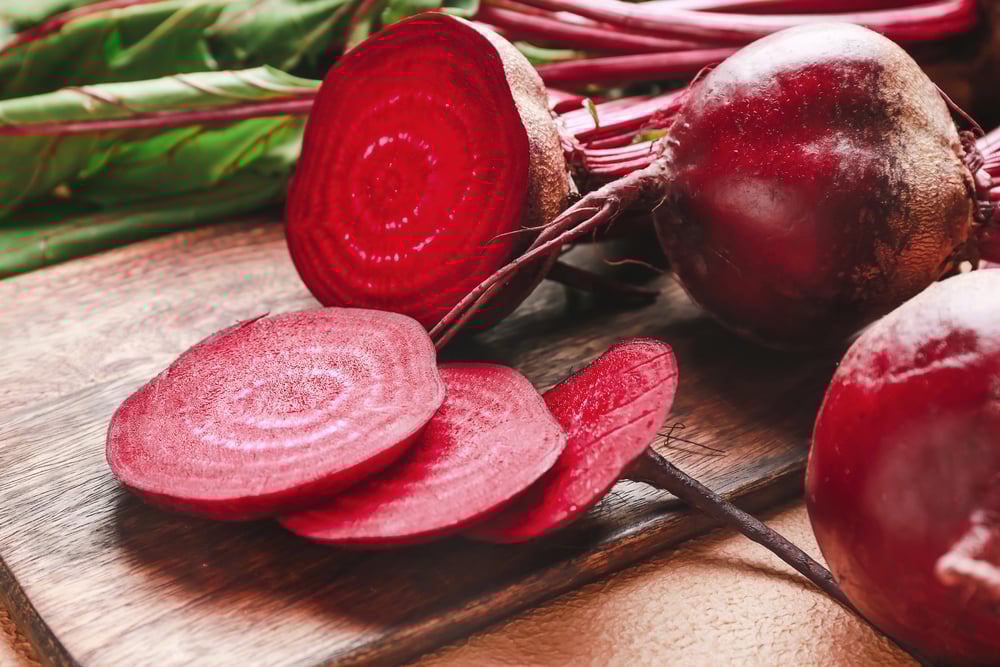
Beets pack a nutritional punch but also contain some of the highest nitrate levels of any vegetable. Like spinach and celery, reheating beets converts those nitrates into compounds your body doesn’t handle well.
The sweet, earthy flavor of beets also turns bitter and metallic when reheated. Enjoy them cold in salads or eat them right after roasting, but skip the microwave the next day.
Turnips
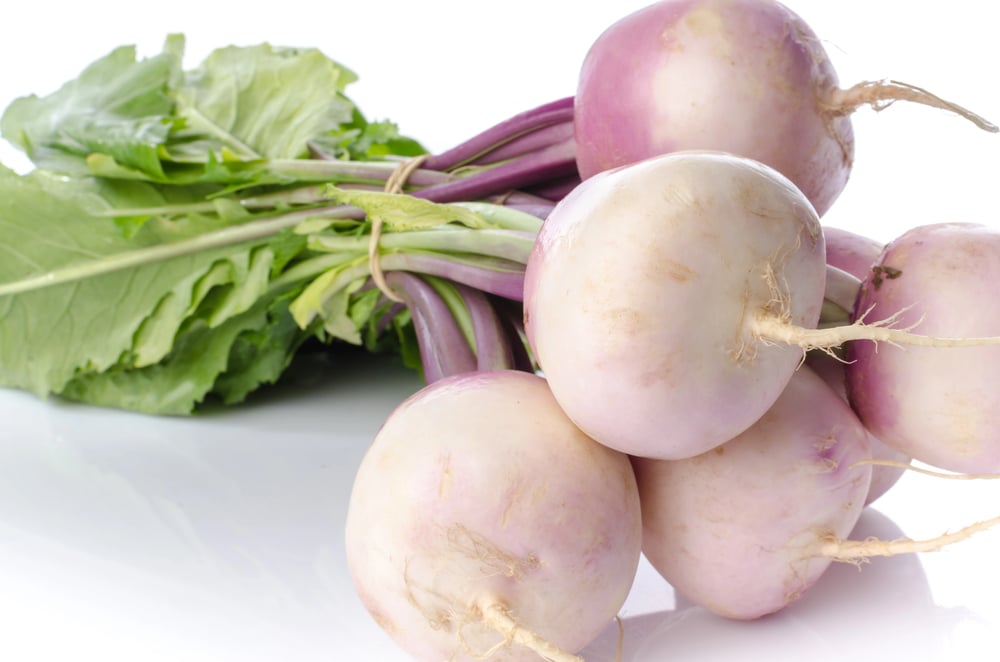
Turnips fall into the same category as beets and celery when it comes to nitrate content. These root vegetables lose their slightly sweet flavor and become bitter when reheated.
The texture also changes from tender to mushy or weirdly fibrous. If you’ve made a dish with turnips, plan to finish it in one sitting or pick them out before storing the leftovers.
Oil-based dishes

Anything cooked with a lot of oil develops a rancid taste when reheated. The oils break down and oxidize, creating compounds that smell bad and can upset your stomach.
Stir-fries, deep-fried foods, and heavily sautéed vegetables all suffer from this problem. That crispy fried chicken from last night will be soggy and taste stale no matter how you try to reheat it.
Tea

This might surprise you, but reheating tea changes its chemical composition in unpleasant ways. The tannins in tea become more concentrated and bitter when heated a second time.
Cold tea is fine to drink, but putting yesterday’s cup in the microwave creates an astringent, almost metallic taste. The antioxidants that make tea healthy also break down with repeated heating, so you lose the benefits anyway.
Pizza with certain toppings

Plain cheese pizza reheats reasonably well, but pies loaded with vegetables or processed meats face the same problems as those foods on their own. The mushrooms get slimy, the spinach turns bitter, and the pepperoni releases oils that make everything greasy.
Even the texture of the crust changes, going from crispy to either rock-hard or disappointingly soggy depending on your reheating method.
Pasta served in a creamy sauce

Cream sauces tend to split when warmed up again, turning rough and kind of gross. Dairy’s proteins react badly to heat shifts – nuking speeds up the damage.
Dishes like Alfredo or carbonara often end up looking greasy, almost ruined. As they sit, noodles keep soaking up moisture, which means last night’s creamy plate can feel pasty today.
Breast milk
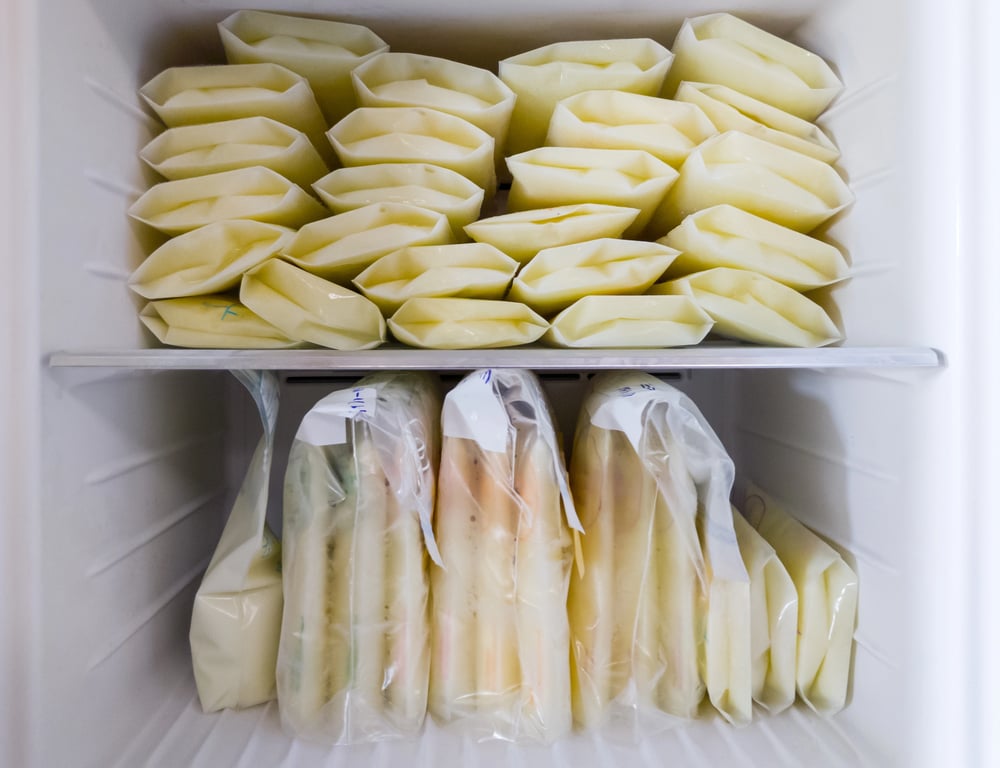
Parents usually heat up breast milk when they feed their little ones, yet doing it more than once can cause problems. Germs from the baby’s mouth get into the milk while drinking – so warming it again gives them a chance to grow fast.
Heating changes the makeup of helpful proteins and good stuff inside the milk, making it less useful. Once a meal ends, whatever’s left shouldn’t be kept; throw it away instead.
Calamari and octopus
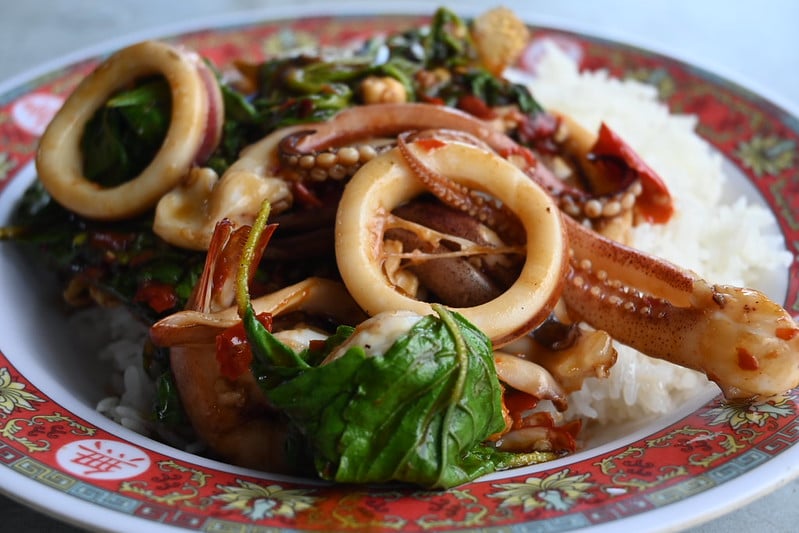
Seafood’s hard to get right even when it’s fresh. Warm it up again? Calamari goes from soft to like chewing on a rubber band.
Octopus gets so stiff, your jaw won’t stand a chance. Squid and octopus have proteins that freak out with heat – turning them tight and chewy fast.
That’s why restaurants skip reheating – and honestly, you’re better off doing the same at home.
Here’s why keeping food safe is just as key as warming it up again

The way you keep leftover food decides if it’s safe to heat up later. If a meal stays out past two hours, it hits a risky range – bacteria start spreading fast.
Things that normally reheat fine can turn dangerous when storage goes wrong. Shallow dishes let meals chill quicker; getting them into the fridge soon after cooking cuts down germ buildup.
Unsure? Go by smell – if it’s funky, listen to your gut instead of risking how you feel tomorrow.
More from Go2Tutors!

- The Romanov Crown Jewels and Their Tragic Fate
- 13 Historical Mysteries That Science Still Can’t Solve
- Famous Hoaxes That Fooled the World for Years
- 15 Child Stars with Tragic Adult Lives
- 16 Famous Jewelry Pieces in History
Like Go2Tutors’s content? Follow us on MSN.