Historic Bridges That Connected Great Empires
Before railways and roaring highways, bridges were the arteries of empire—lifelines that carried armies, trade, and culture across rivers and realms. Some symbolised triumph, others endurance, and a few were simply too beautiful to forget.
Here’s a list of historic bridges that once linked great empires, each one shaping the world in ways both practical and poetic.
The Bridge of Hadrian – Rome
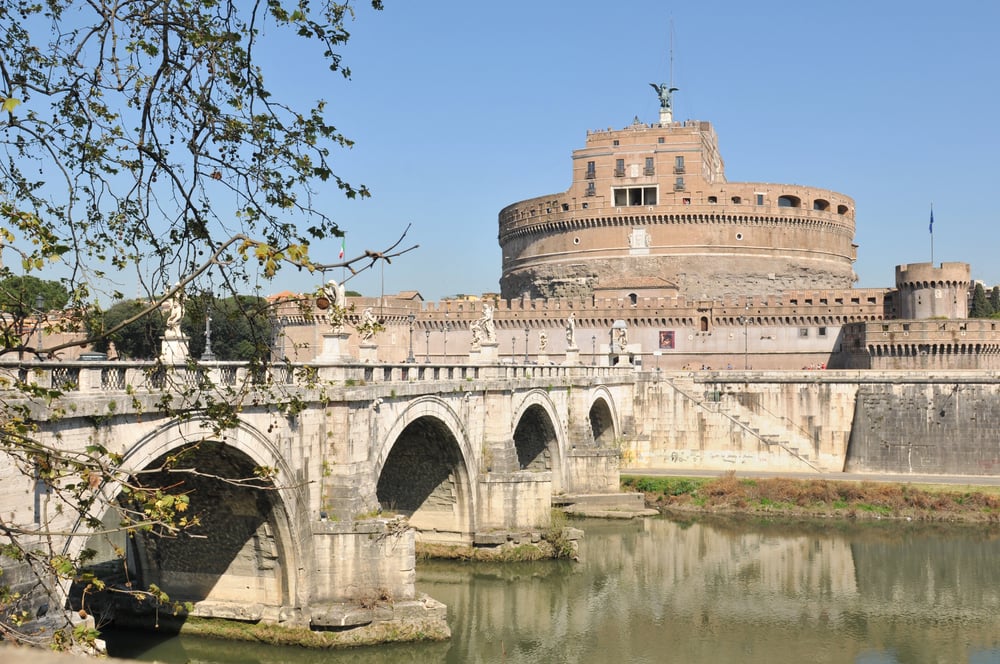
Built by Emperor Hadrian in the 2nd century AD, this marble marvel stretched across the River Tiber—connecting central Rome to his mausoleum, now the Castel Sant’Angelo. The angel statues came centuries later, but the soul of the bridge remains Roman ambition carved in stone.
It wasn’t just a crossing; it was a statement. Rome didn’t whisper its power—it built it.
The Galata Bridge – Ottoman Empire
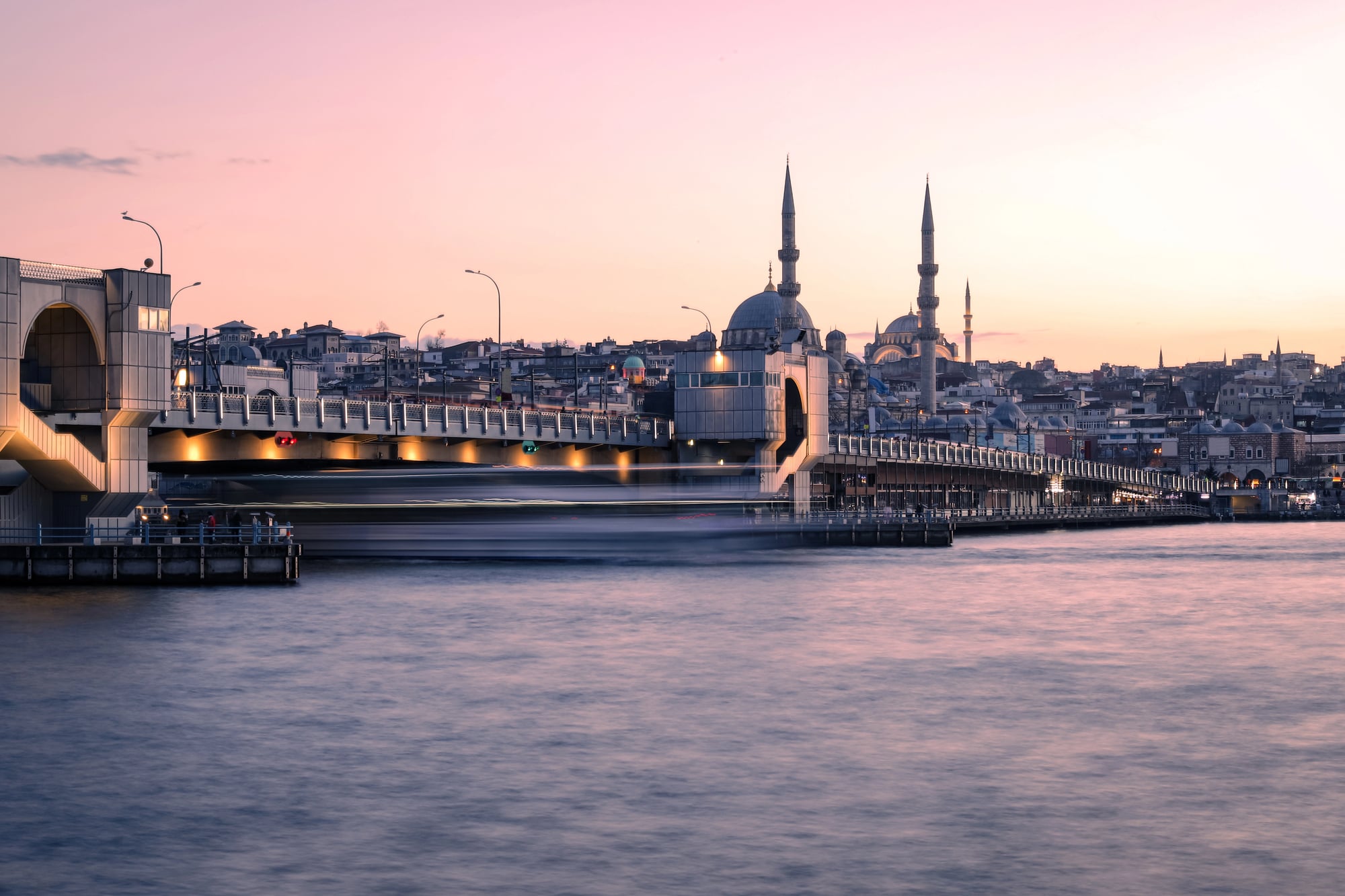
Spanning the Golden Horn in Istanbul, the Galata Bridge has lived many lives since the 15th century. It connected the Ottoman palace with the trade district, uniting royalty and commoners in a single sweep of timber and steel.
And below? Always fishermen. Still there today—casting lines, chatting, laughing.
The smell of salt and grilled mackerel drifts through the air, just as it did centuries ago.
Like Go2Tutors’s content? Follow us on MSN.
The Alcántara Bridge – Spain
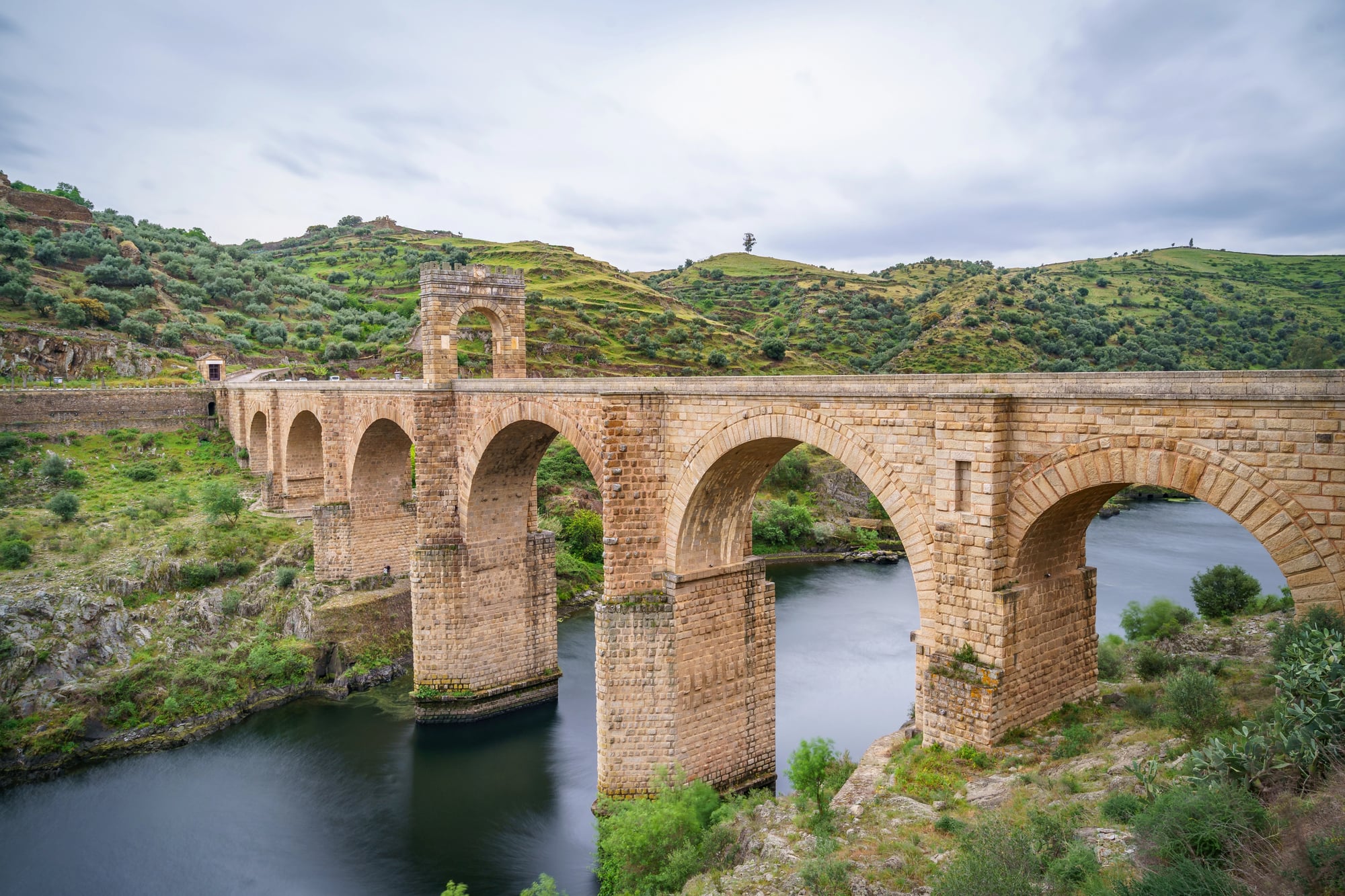
Commissioned by Emperor Trajan, the Alcántara Bridge spans the Tagus River with symmetry so precise it feels mathematical. Each arch is a declaration of Roman mastery—strength wrapped in elegance.
Even so, it wasn’t just about function. It was propaganda in granite, a message to anyone who doubted Rome’s permanence.
The Pons Fabricius – Rome
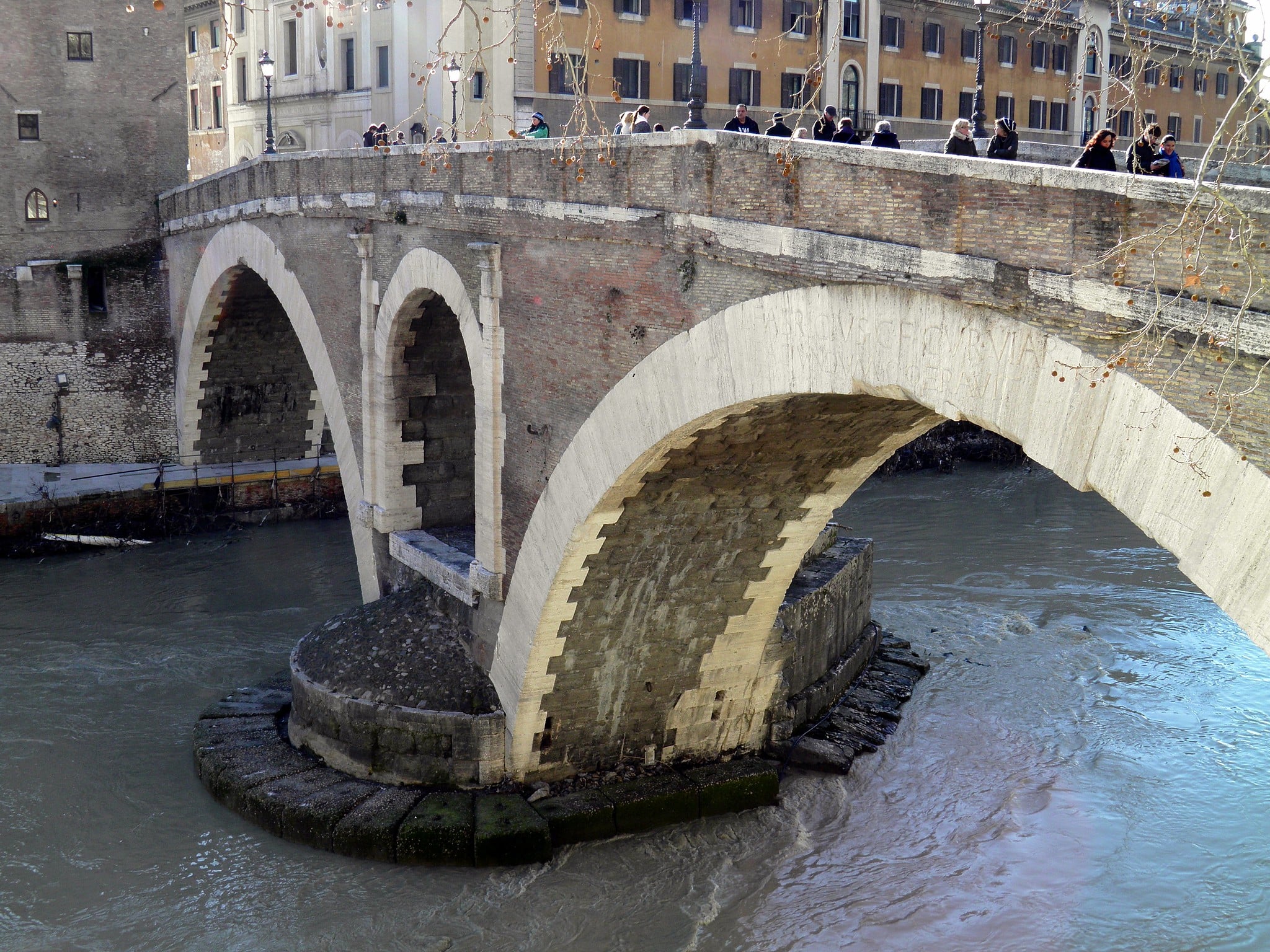
Built in 62 BC, the Pons Fabricius still connects the Roman mainland to Tiber Island. More than two millennia old—and still standing.
Not bad for something built before Julius Caesar’s rise. Small, yes.
But mighty in its stubbornness.
The Bridge of Sighs – Venice
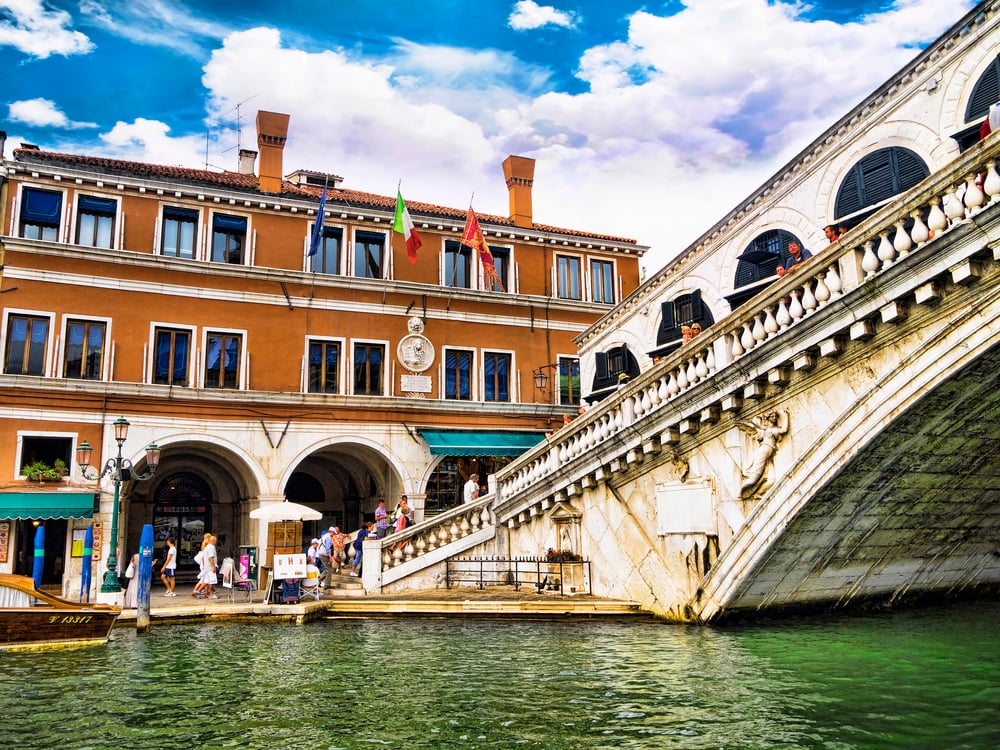
Completed in 1600, this ornate limestone bridge connects the Doge’s Palace to the old prison. Prisoners crossed it to catch one final glimpse of Venice through its narrow windows before facing judgment.
The sighs? They were real—or at least easy to imagine. The contrast between the city’s beauty and its fate must have been unbearable.
Like Go2Tutors’s content? Follow us on MSN.
The Pont du Gard – France
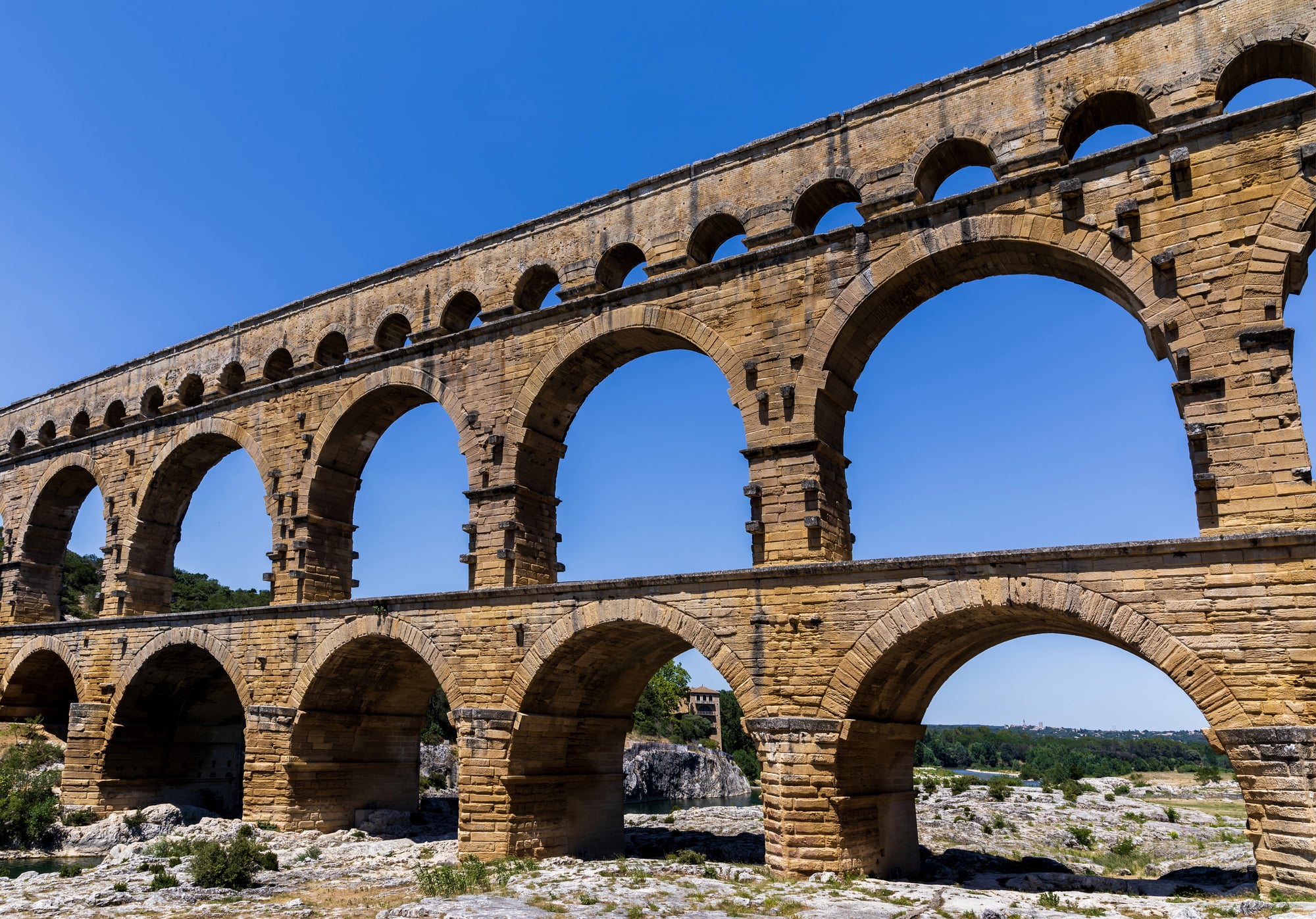
Part bridge, part aqueduct, the Pont du Gard carried fresh water to the Roman colony of Nîmes. Its three tiers of arches tower over the Gardon River, sunlight pouring through each curve.
Built without mortar, every block locks perfectly in place. It’s as if gravity itself was part of the design.
Still, the silence around it feels almost reverent.
The Khaju Bridge – Persia
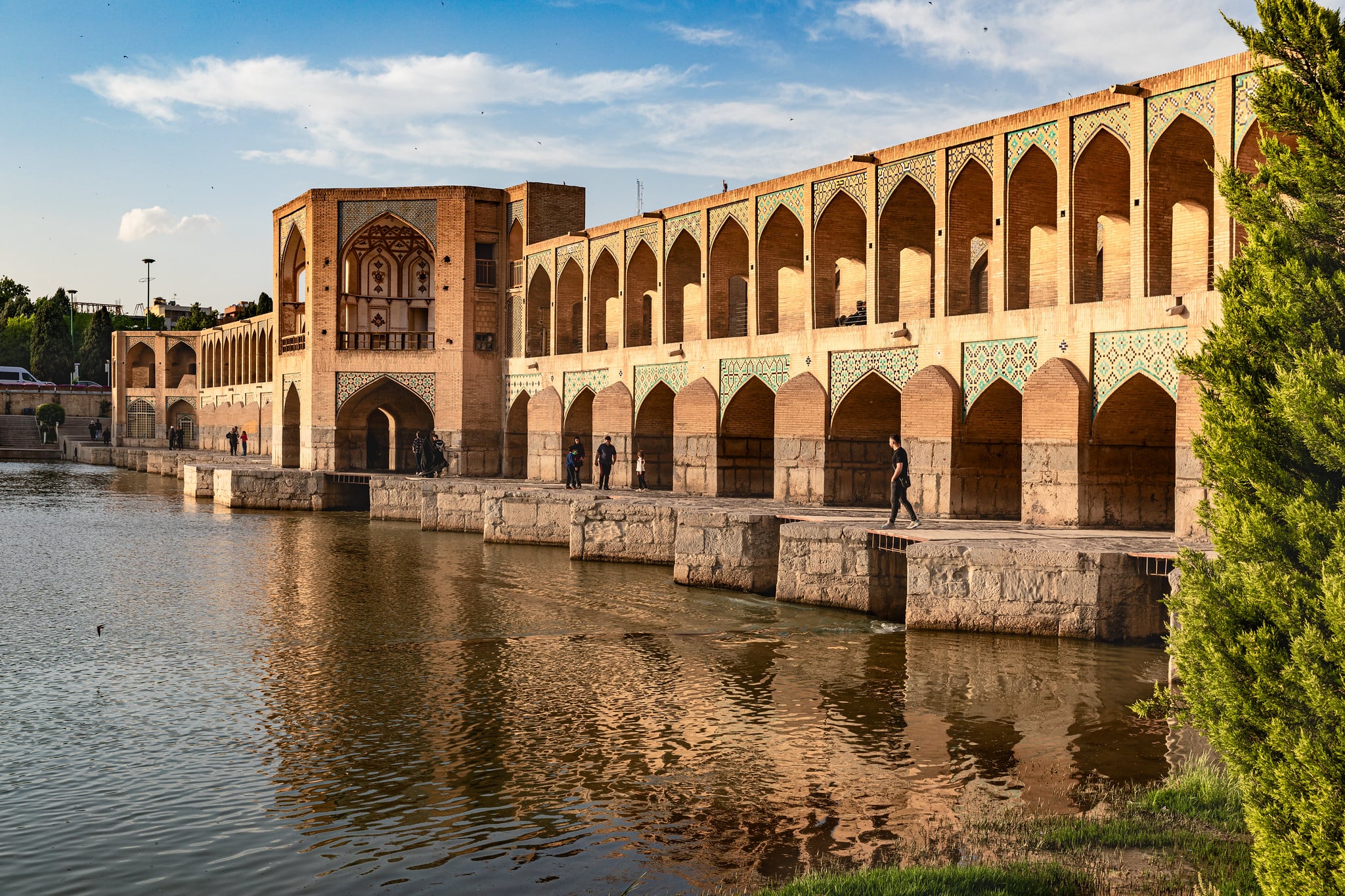
Constructed under Shah Abbas II in the 17th century, the Khaju Bridge in Isfahan served as both a dam and a meeting place. Its alcoves once echoed with music, poetry, and the murmur of conversations.
Sometimes, empires build weapons. Persia built this—a place to gather, to pause, to breathe.
The Charles Bridge – Prague
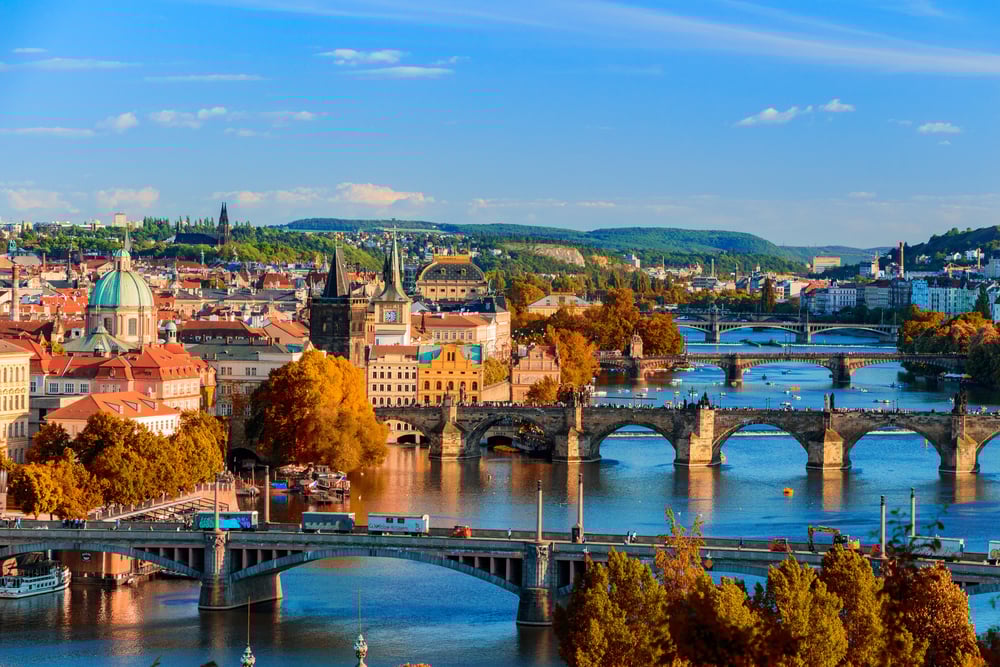
Commissioned by Emperor Charles IV in 1357, this Gothic bridge connects Prague Castle to the Old Town. Legend claims eggs were mixed into the mortar for strength.
Strange? Maybe. Effective? Clearly.
And when the morning fog curls across the Vltava, the statues seem alive—watchful guardians of centuries past.
Like Go2Tutors’s content? Follow us on MSN.
The Mostar Bridge – Bosnia and Herzegovina
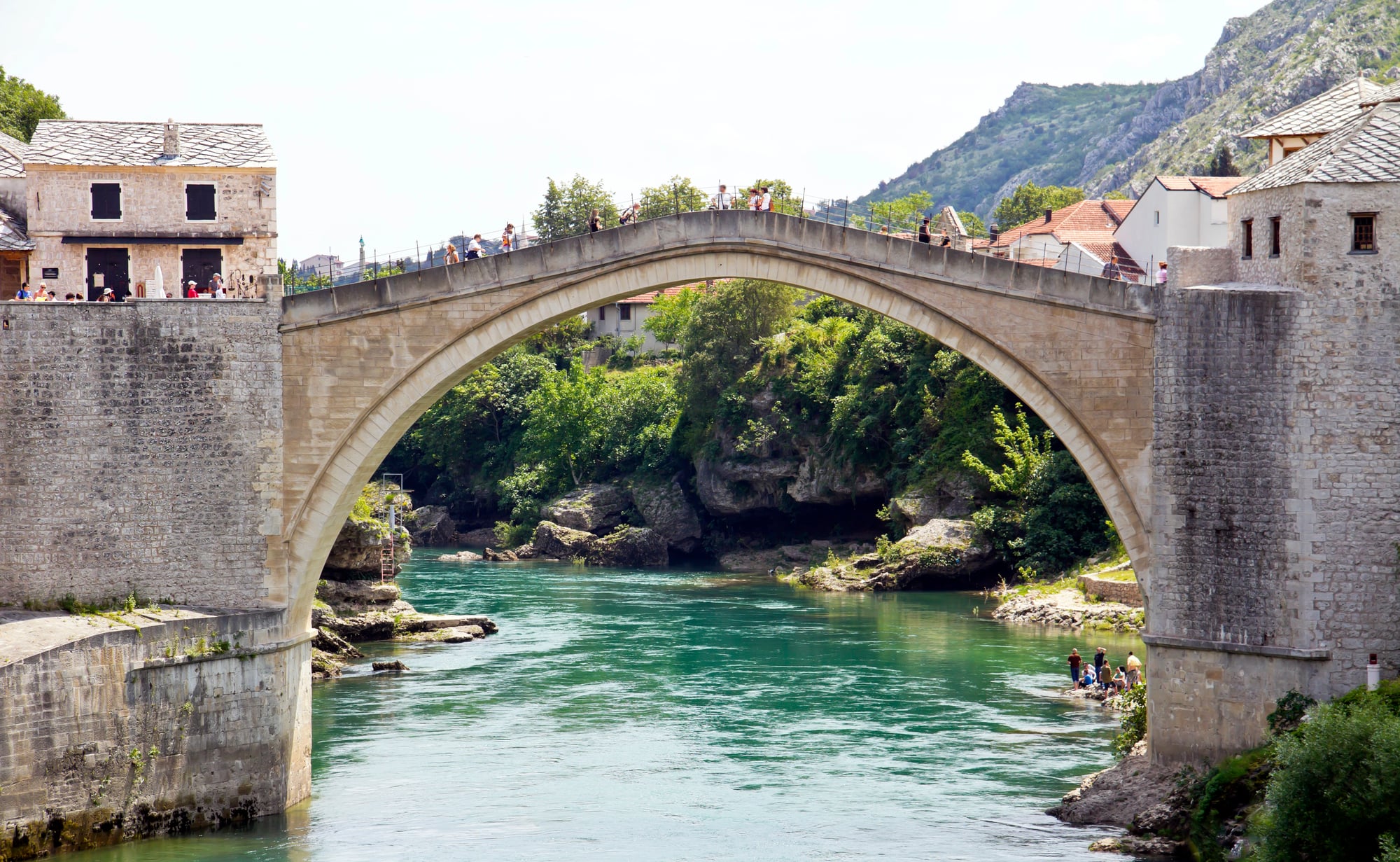
Commissioned by the Ottomans in the 16th century, Stari Most was a marvel of stone engineering. It united two halves of a divided town and stood for nearly 400 years before being destroyed in the 1990s war.
Rebuilt stone by stone, it now stands again—graceful and defiant. Each summer, divers leap from its arch into the Neretva below. Brave, foolish, or both.
The London Bridge – England
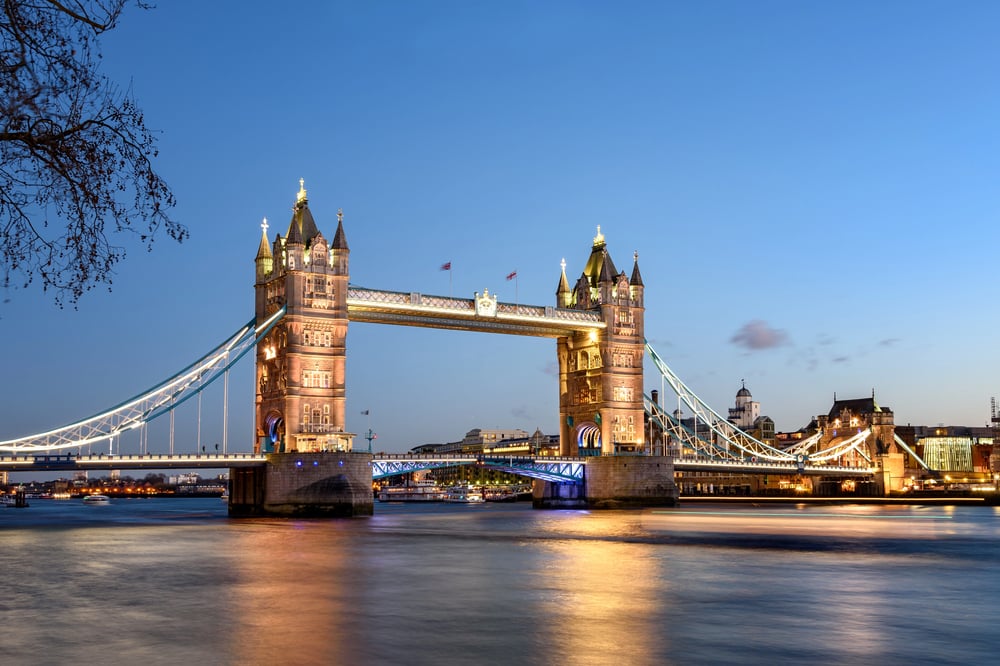
There have been many London Bridges over the centuries—wood, stone, and steel—all essential to the city’s heartbeat. The name alone has become legend.
And yes, it really did fall down. Repeatedly.
London just shrugged and built another. That’s the city’s way.
The Constantine Bridge – Roman Empire
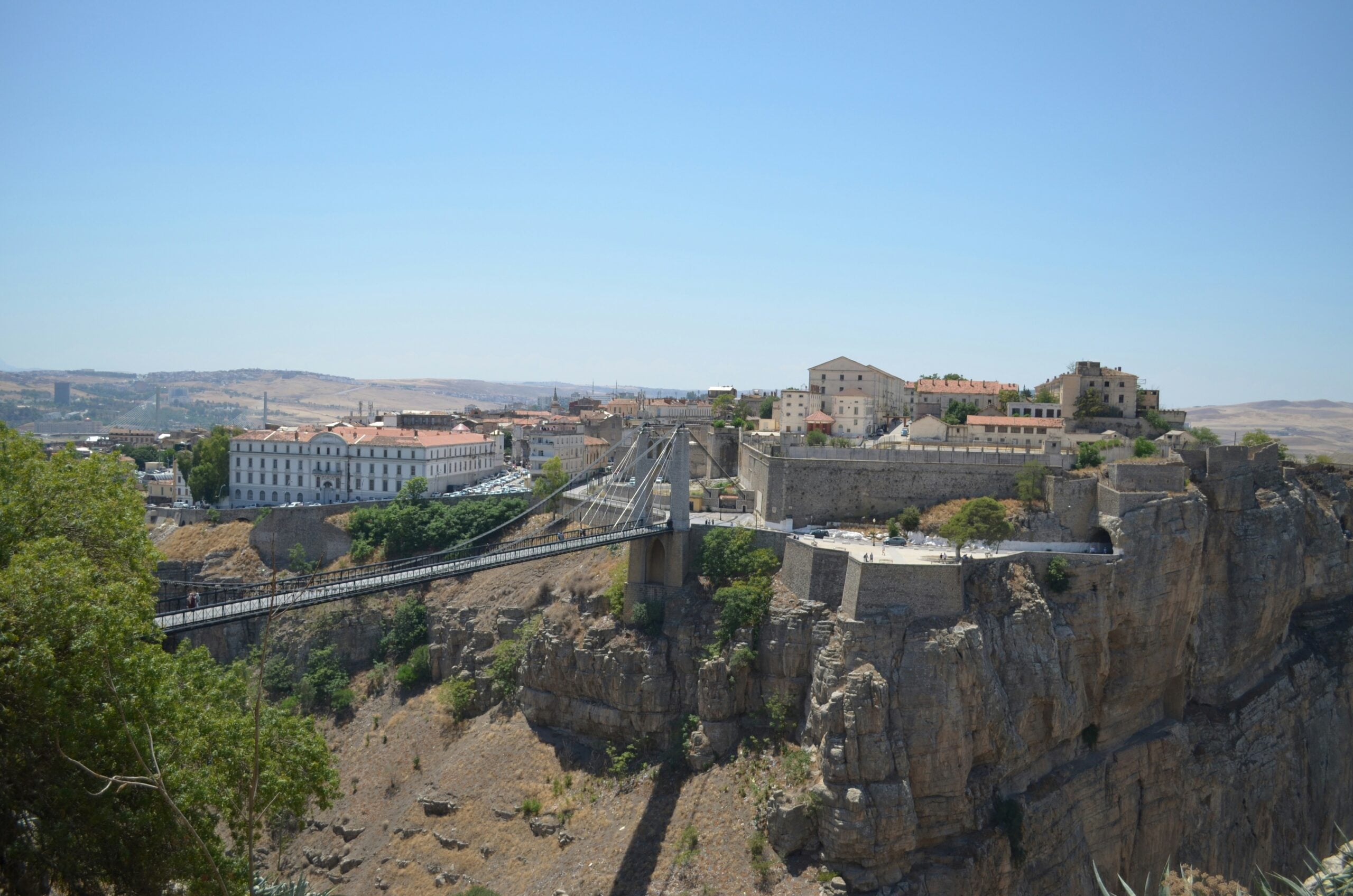
Built across the Danube in the 4th century, the Constantine Bridge briefly united the empire’s two halves. For a moment, it was the longest bridge in the known world.
Then floods and war took it apart—but for that brief flash in history, it stretched across worlds.
Like Go2Tutors’s content? Follow us on MSN.
The Kintai Bridge – Japan
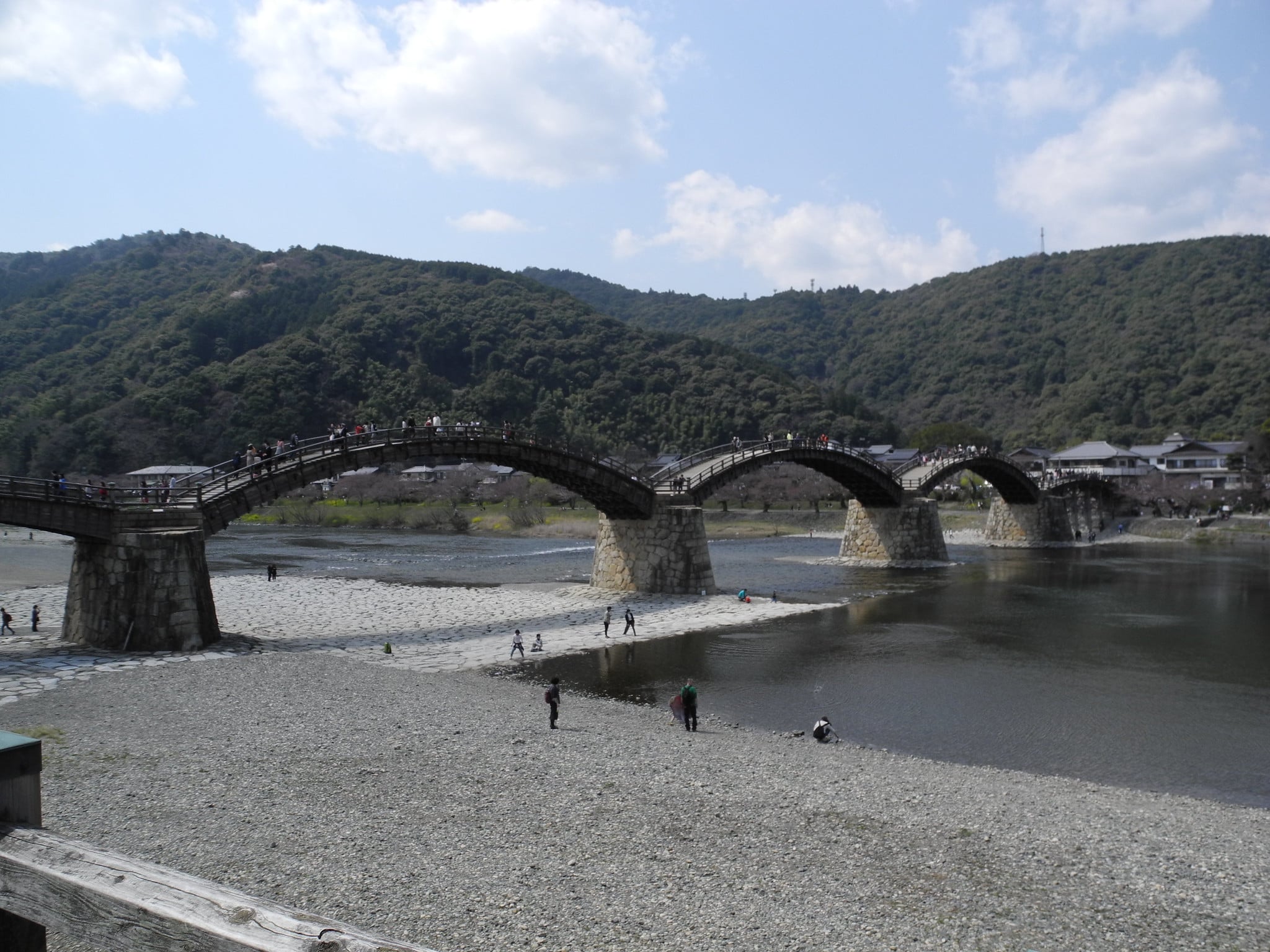
Five elegant wooden arches sweep over the Nishiki River in Iwakuni. Built in 1673 without nails, it’s been destroyed and rebuilt multiple times, always with the same care.
There’s something poetic about that—impermanence and devotion intertwined.
The Iron Bridge – England

Completed in 1779, this was the first major bridge made entirely of cast iron. Small, but revolutionary—it marked the dawn of the Industrial Age.
A bridge that didn’t just connect two sides of a river. It connected eras.
The Bosphorus Bridge – Turkey

Completed in 1973, the Bosphorus Bridge physically links Europe and Asia. What caravans once took days to cross, cars now do in minutes.
At night, it glows—a ribbon of light stretched across continents. History meets high beams.
Like Go2Tutors’s content? Follow us on MSN.
Threads Across Time

Empires crumble, borders shift, and names fade, yet their bridges remain. Some scarred, others restored, all still standing as proof of human will.
Every arch tells a story—not of conquest, but of connection.
More from Go2Tutors!

- 16 Historical Figures Who Were Nothing Like You Think
- 12 Things Sold in the 80s That Are Now Illegal
- 15 VHS Tapes That Could Be Worth Thousands
- 17 Historical “What Ifs” That Would Have Changed Everything
- 18 TV Shows That Vanished Without a Finale
Like Go2Tutors’s content? Follow us on MSN.