Hidden Animal Abilities Scientists Found
The animal kingdom never stops surprising us. Just when scientists think they understand how creatures work, nature throws another curveball.
Researchers keep uncovering abilities that sound like they belong in science fiction rather than biology textbooks, from animals that see invisible light to creatures that can literally cheat death.Here is a list of 17 hidden animal abilities scientists found that completely changed what we thought we knew about the natural world.
Red Foxes Use Magnetic Fields to Hunt

Red foxes can detect Earth’s magnetic field and use it like a targeting system when hunting prey hidden under snow. Czech researcher Jaroslav Cerveny tracked 84 foxes and recorded nearly 600 hunting attempts to figure out this skill.
The foxes align their pounces with the planet’s magnetic poles, which creates a visual patch in their field of vision that helps them nail their strikes with scary accuracy. Think of it as having a built-in compass that doubles as a hunting scope.
Platypuses Detect Electrical Fields

The platypus bill contains nearly 40,000 electroreceptors that pick up tiny electric currents from other animals’ muscles. This allows them to find prey in murky water where vision is useless.
When a fish or crustacean moves its muscles underwater, it creates faint electrical signals that the platypus senses through its bill. It’s basically like having a metal detector that works for living things instead of buried treasure.
Like Go2Tutors’s content? Follow us on MSN.
Geckos Have Invisible Sticky Feet

Gecko toes are covered in microscopic hairs called setae that are too small to see without magnification. These tiny structures create molecular attractions with surfaces, letting geckos stick to walls and ceilings.
When walking, geckos roll their toes to stick and unstick, allowing them to climb quickly and easily. Scientists have been trying to copy this for years to create reusable adhesives that can hold heavy weights.
Mantis Shrimp Punch Like Bullets

The mantis shrimp strikes with club-like appendages at speeds that match a .22-caliber bullet, instantly stunning or killing prey. The speed is so extreme that it creates tiny implosions in the water, generating heat as hot as the sun’s surface.
This punch happens faster than you can blink, and the shockwave alone can kill prey even if the strike misses. Materials scientists study this ability hoping to develop stronger, more impact-resistant materials.
Tardigrades Survive Absolutely Everything
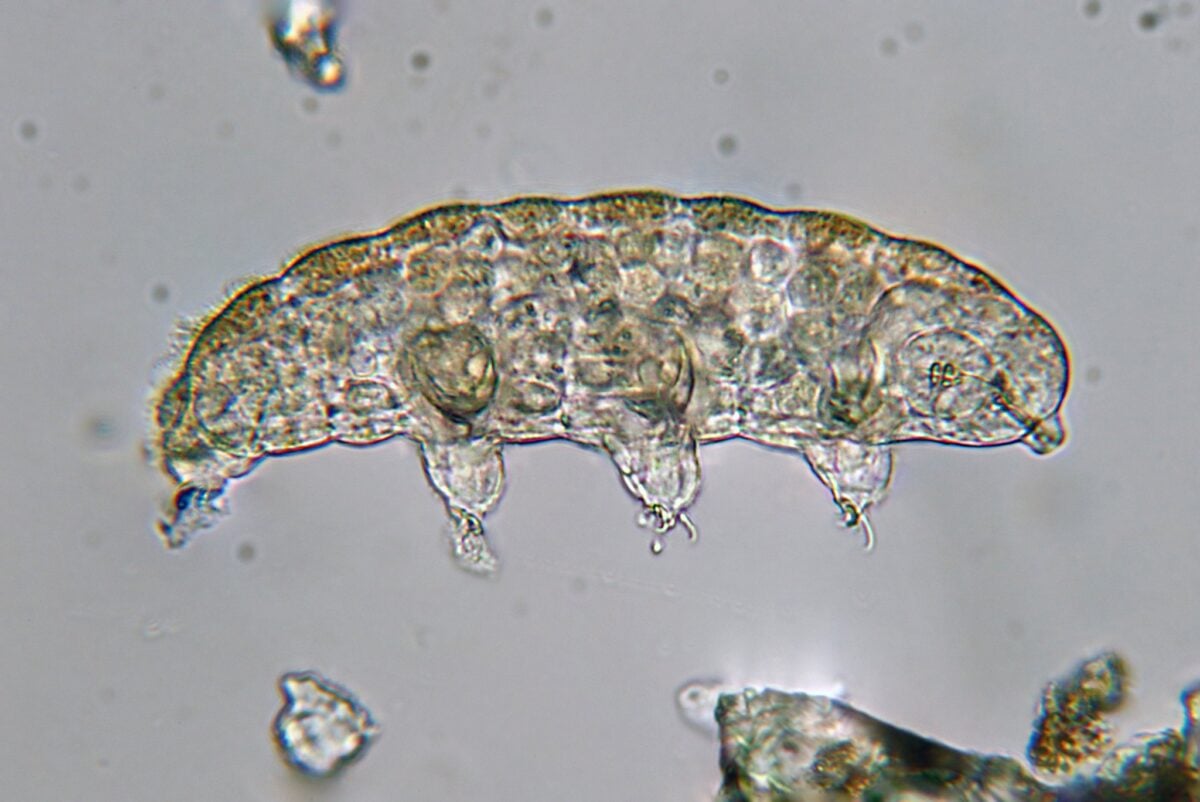
Tardigrades can withstand temperatures from near absolute zero to well above boiling point, endure crushing pressures, and even survive the vacuum of space. These microscopic creatures essentially shut down their bodies and enter a suspended state when conditions get rough.
They can stay like this for years, then spring back to life when things improve. Scientists think understanding this ability could unlock secrets about survival in extreme environments.
Like Go2Tutors’s content? Follow us on MSN.
Octopuses Regrow Perfect Arms

When an octopus loses an arm to a predator, it can regrow a replacement that works just as well as the original. This isn’t like a lizard regrowing a tail that never quite functions right.
The regenerating nerve fibers in an octopus’s central nervous system can travel surprisingly long distances to rebuild the limb. The new arm has full sensation, coordination, and even those remarkable suckers that can taste what they touch.
Owls Hear in 3D
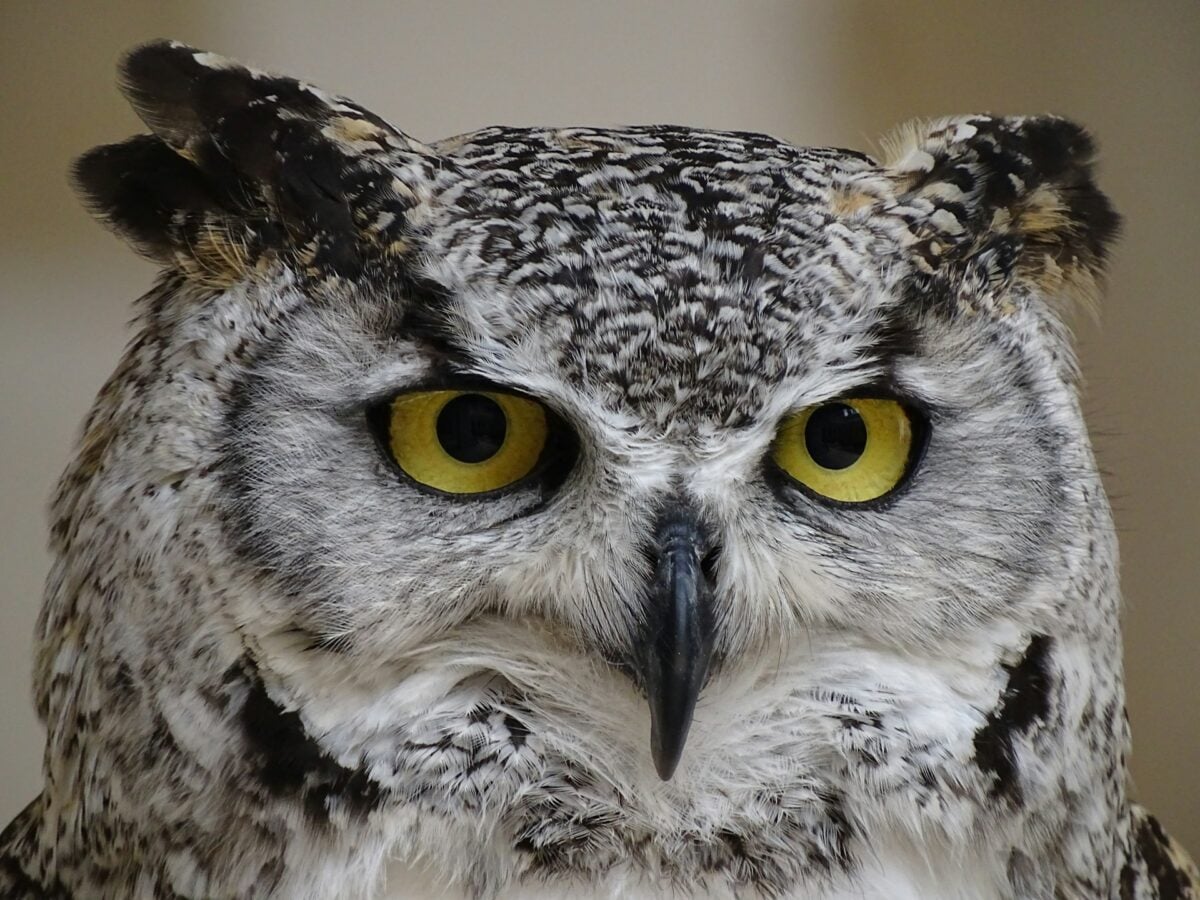
Owl ears are asymmetrical, with the right ear more sensitive to sounds from above and the left ear better at detecting sounds from below. Scientists used a small remote control loudspeaker that could travel around an owl’s head and discovered that different brain regions activate based on where sounds originate.
This creates a multidimensional mental map that lets owls essentially see the world through their ears, pinpointing prey in complete darkness.
Wood Frogs Freeze Solid and Survive

The wood frog freezes completely solid in winter, with its heart stopping and blood turning to ice, yet thaws out in spring and hops away unharmed. The frog produces natural antifreeze compounds that prevent ice crystals from destroying its cells.
Most animals would die from this, but the wood frog has turned freezing into a survival strategy. Researchers studying this ability hope it might lead to breakthroughs in cryogenics.
Like Go2Tutors’s content? Follow us on MSN.
Moray Eels Have Secret Throat Jaws
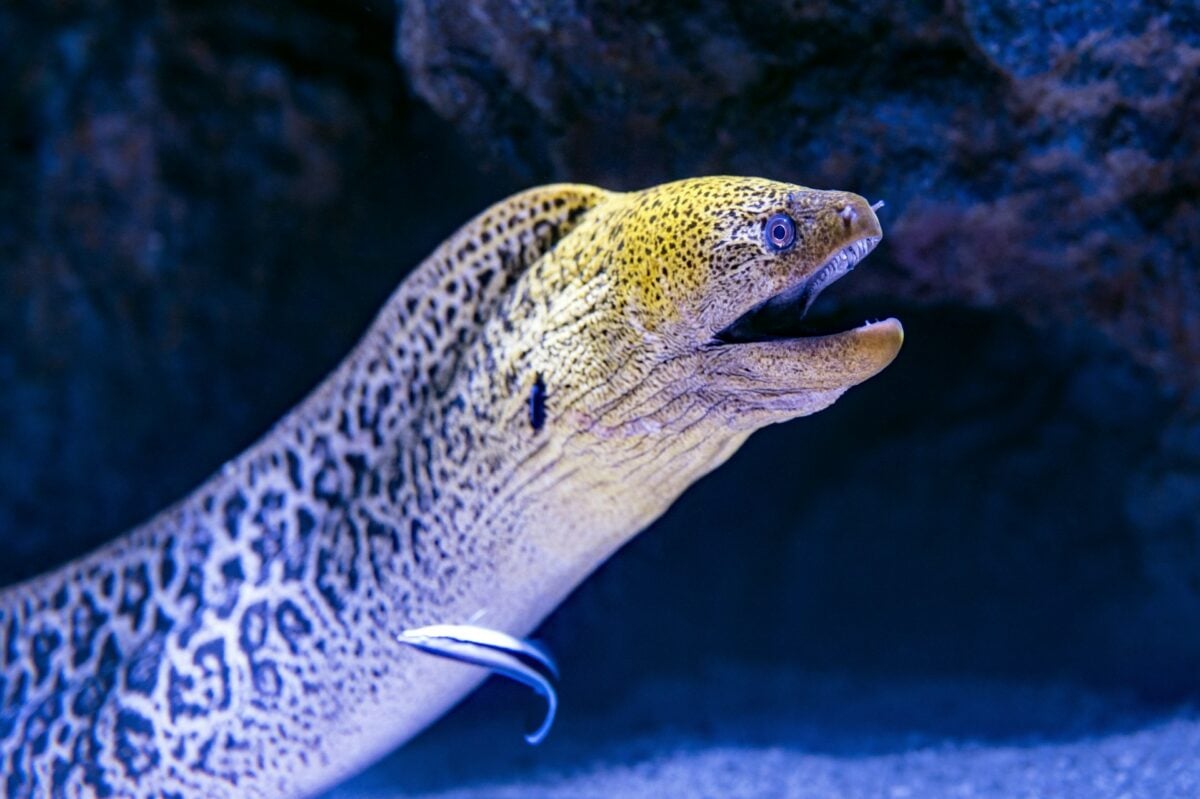
Moray eels have a second set of jaws called pharyngeal jaws hidden in their throats that shoot forward to grab prey. It’s like something from a horror movie, except it’s real.
These eels can even use their secret jaws on land, slithering onto shore to snatch crabs and other creatures. Scientists only recently figured out how this mechanism works, revealing just how creative evolution can get.
Luna Moths Jam Bat Sonar

Luna moths have tiny tassels at the end of their wings that were previously thought to be useless, but studies confirmed these appendages deflect bats’ sonar. Scientists tested this by clipping the wing tips off some moths while leaving others intact, then exposing both groups to hunting bats.
The moths with intact tassels survived significantly more often because the tassels create false echoes that confuse the bats’ tracking systems.
Bumblebees Sense Electrical Charges

A bumblebee generates a positive electrical charge as it flaps its wings and transfers some of this charge to flowers when it lands. When bees detect a change in a flower’s charge, they avoid it, sensing that another bee recently removed its pollen.
This electrical communication system helps bees avoid wasting time on flowers that are already depleted, making their foraging incredibly efficient.
Like Go2Tutors’s content? Follow us on MSN.
Whales Amplify Sound With Their Skulls

Whales use their skulls as natural amplifiers to hear low-frequency calls that can travel over 75 meters in wavelength. These sounds should theoretically fall outside their audible range, but the skull structure channels and amplifies the vibrations.
This lets whales communicate across vast ocean distances, essentially creating an underwater telegraph system that works over hundreds of miles.
Geckos Detect Vibrations Through Balance Organs

University of Maryland biologists discovered that geckos use the saccule, a part of their inner ear traditionally associated with balance, to detect low-frequency vibrations. This hidden sense gives geckos information about their environment that goes beyond normal hearing.
The discovery suggests that the line between sensing balance and detecting vibrations might be blurrier than scientists thought, potentially offering new insights into how our own sensory systems work.
Archerfish Remember Human Faces

The freshwater archerfish can recognize human faces and remember up to 44 different people. Scientists taught the fish to spit at specific faces shown on a computer screen, and they correctly identified the right person 86 percent of the time.
Even when major features were changed or removed, the fish still performed well. This ability baffles researchers because fish have no evolutionary reason to recognize humans.
Like Go2Tutors’s content? Follow us on MSN.
Fire Ants Build Living Rafts
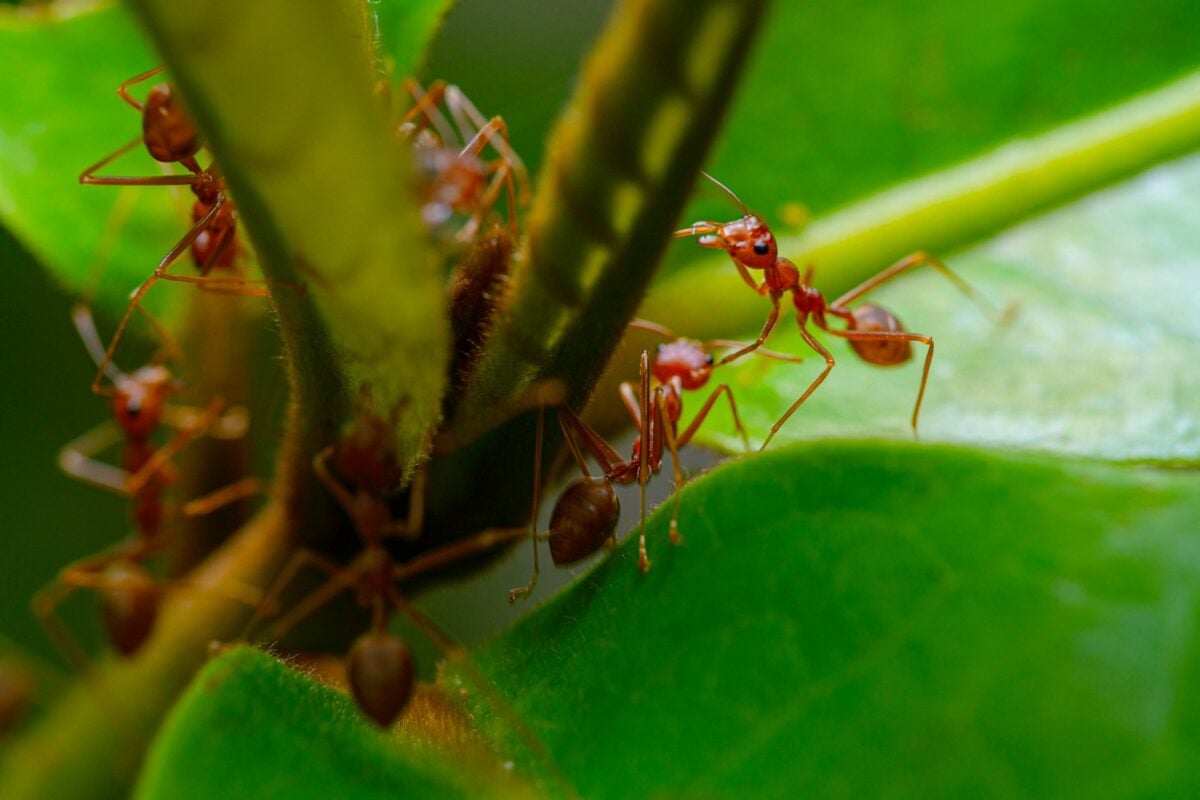
When floods threaten their colonies, fire ants link together to form rafts, and they remember their exact positions without fail. Scientists painted ants different colors and watched which went where during floods.
The ants also modify their rafts when young are in danger, building three layers with eggs and pupae protected in the middle and reinforcing the base and top with more workers.
Snakes See in Ultraviolet

Many snakes use ultraviolet light for various purposes, and these UV colors are common across the snake family tree. The UV ability probably protects snakes from birds, which can also see ultraviolet light.
This invisible-to-humans color dimension helps snakes with everything from finding mates to avoiding predators, giving them access to information we can’t even perceive.
Brown-Banded Bamboo Sharks Store Sperm for Years

A female brown-banded bamboo shark gave birth to a healthy pup in 2012 despite not being near a male shark for the previous four years. The shark had been laying what appeared to be unfertilized eggs, so nobody expected live births.
Upon closer inspection, two of the presumably inert eggs actually contained baby sharks. This extreme sperm storage ability lets female sharks reproduce even when males are scarce, though scientists still don’t fully understand the mechanism.
Like Go2Tutors’s content? Follow us on MSN.
How We Keep Finding Surprises

The steady stream of discoveries shows how much we still don’t know about the creatures sharing our planet. Animals have been evolving survival tricks for millions of years, and human science has only scratched the surface.
Every new ability researchers uncover raises fresh questions about how evolution works and what other secrets might be hiding in plain sight, suggesting that nature will keep surprising us for a long time to come.
More from Go2Tutors!

- 16 Historical Figures Who Were Nothing Like You Think
- 12 Things Sold in the 80s That Are Now Illegal
- 15 VHS Tapes That Could Be Worth Thousands
- 17 Historical “What Ifs” That Would Have Changed Everything
- 18 TV Shows That Vanished Without a Finale
Like Go2Tutors’s content? Follow us on MSN.