Historic Markers and Monuments With Surprisingly Wrong Facts
These markers and monuments are supposed to be a repository of memory, reminding us of what happened in a given place. They are found in parks, town squares, and even roadside stops, and are usually a quiet reminder of what happened in that specific place in the past.
To the passerby, it is essentially a form of a history lesson. Of course, history is rarely ever black and white, and a lot of what we thought we knew is often proven wrong by historians and further research.
In such a case, the historical marker itself has essentially become a part of the history that it is supposed to be telling. Here are a few historical markers and monuments that got things surprisingly wrong:
Plymouth Rock Marker
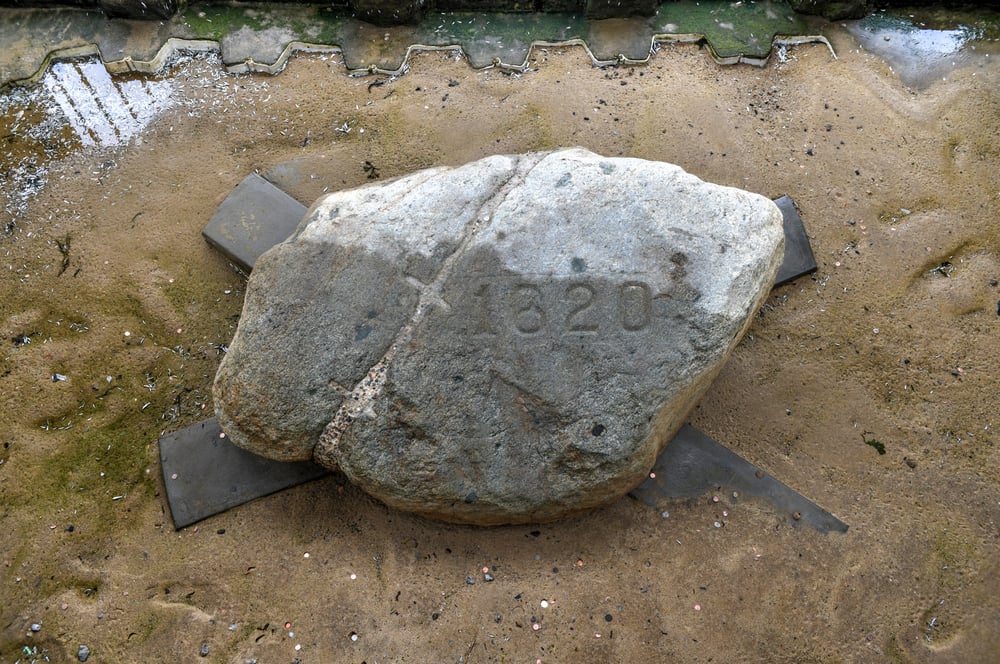
Plymouth Rock in Massachusetts is widely presented as the exact location where the Pilgrims first stepped ashore in 1620. A large marker protects the stone, turning it into one of the most visited historic sites in the United States.
The surprising detail is that there is no historical record from the time of the landing that mentions the rock. The story only appeared more than a century later when a local resident claimed his ancestors had identified it.
Historians now believe the Pilgrims likely landed at several nearby locations.
Paul Revere’s Ride Marker
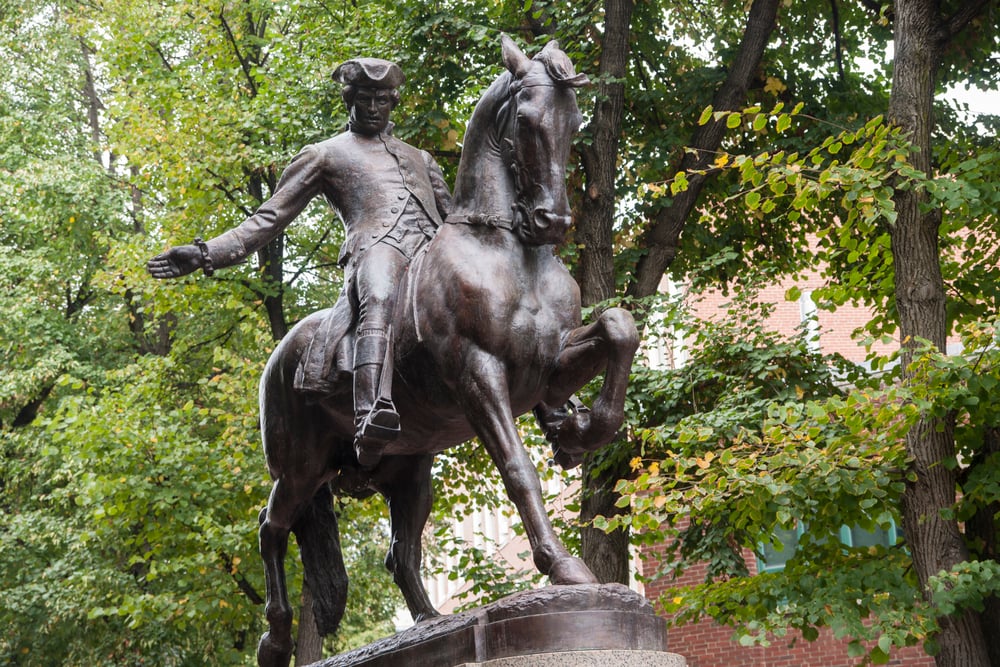
Several plaques and monuments commemorate Paul Revere’s famous midnight ride in 1775. According to the popular story, Revere galloped through the countryside shouting warnings about approaching British troops.
In reality, the mission was far more organized and less dramatic. Revere was part of a coordinated effort involving multiple riders and signals.
Some early markers simplified the story, giving the impression that Revere alone delivered the warning.
The Alamo Plaques
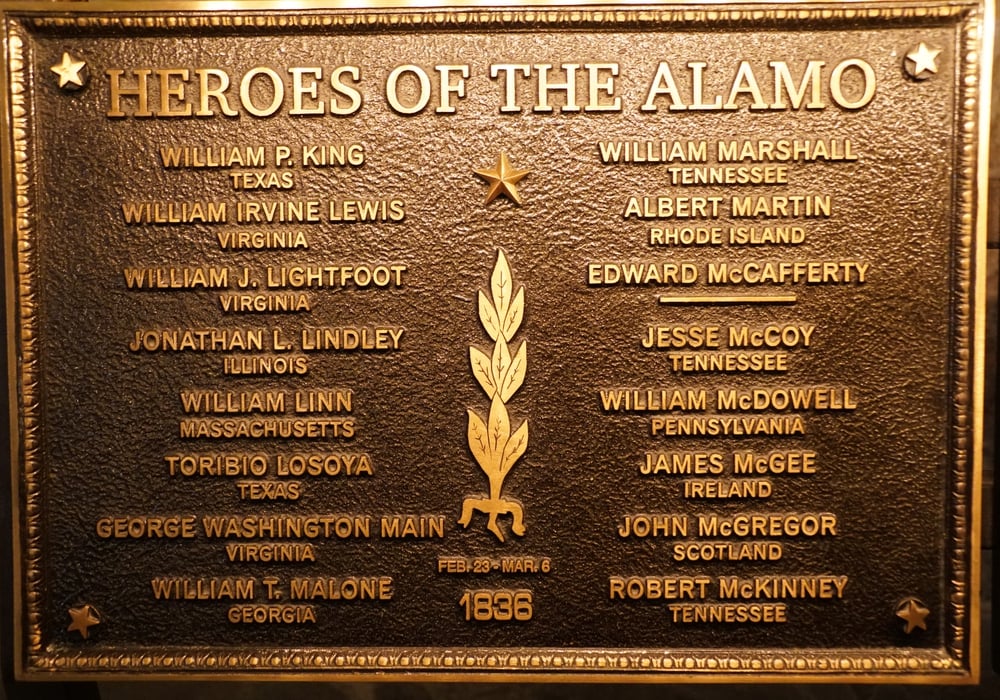
The Alamo in San Antonio is surrounded by numerous historic markers describing the famous 1836 battle. Many of these plaques were installed decades ago when historical research relied heavily on legend and patriotic storytelling.
Modern historians have since clarified several details about the battle, including troop numbers and the sequence of events. While the site remains deeply significant, some older markers reflect outdated interpretations rather than the most current scholarship.
The George Washington Cherry Tree Story
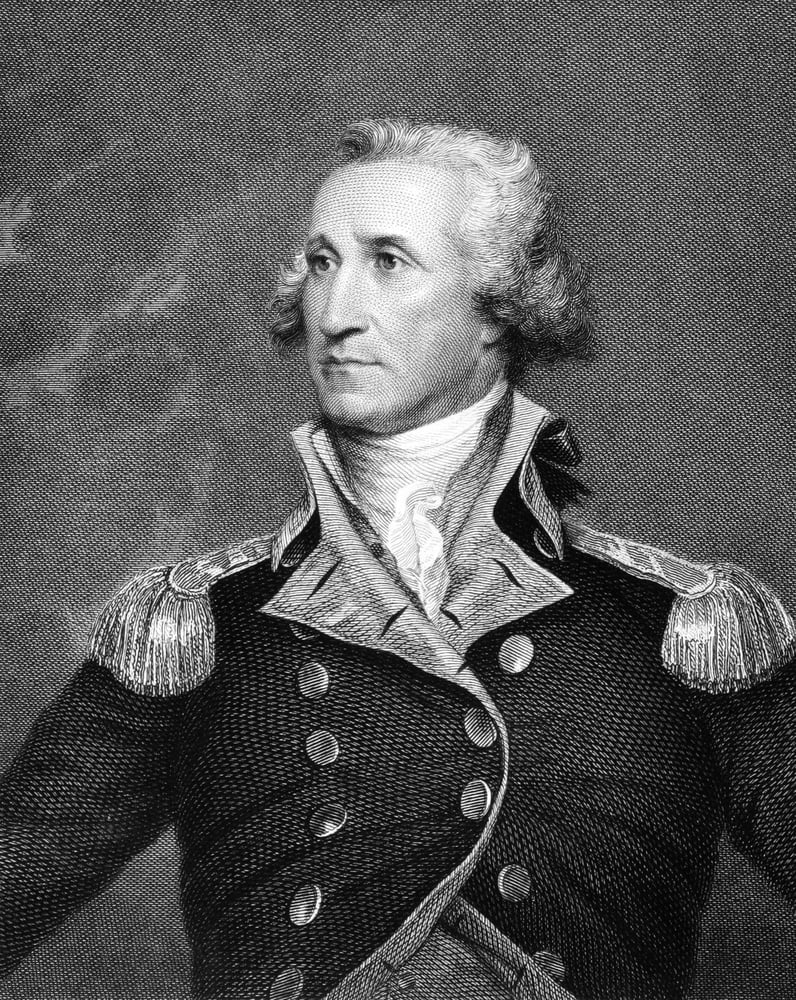
A plaque in Fredericksburg, Virginia once commemorated the famous story of young George Washington confessing to cutting down a cherry tree. The tale has long been presented as a moral lesson about honesty.
Historians later confirmed that the story originated in a biography written decades after Washington’s death. The author admitted that the anecdote was meant as a teaching story rather than a documented event.
The Salem Witch Trial Marker
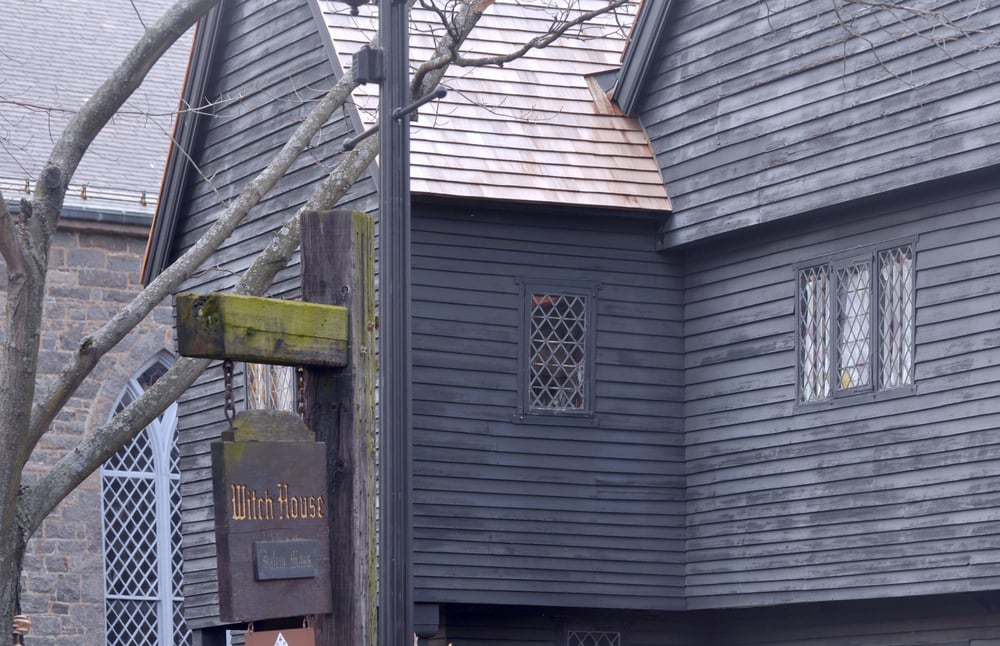
Markers around Salem, Massachusetts describe the infamous witch trials of 1692. Early plaques sometimes summarized the events in ways that unintentionally simplified the complex social tensions behind the accusations.
Later research revealed deeper layers involving property disputes, community rivalries, and religious anxiety. Updated markers and memorials now aim to present a more accurate and thoughtful interpretation.
The Jamestown Captain John Smith Plaque
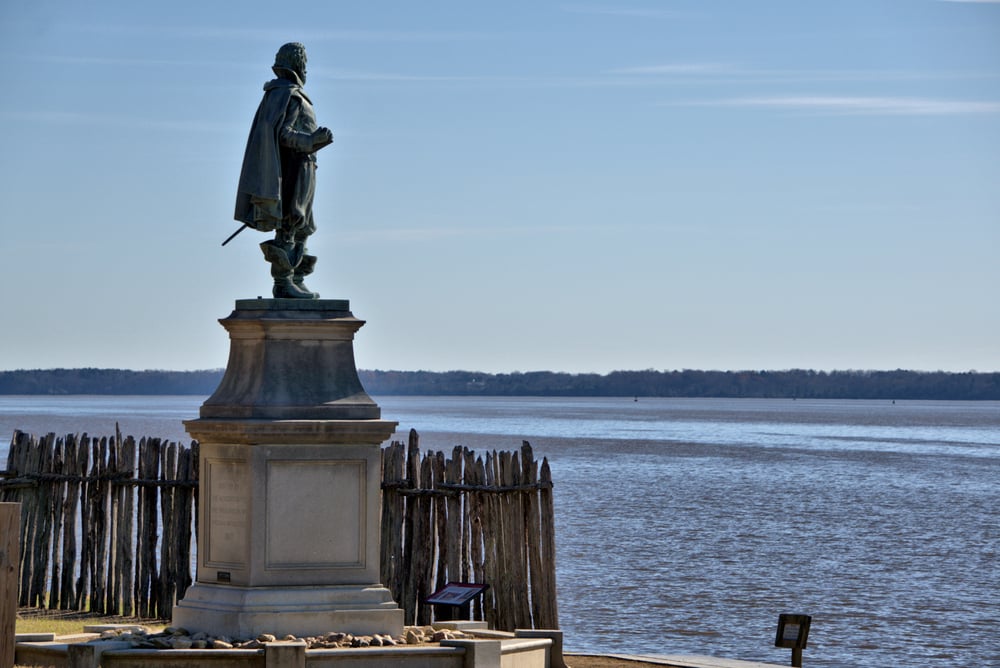
A historic marker honoring Captain John Smith at Jamestown once repeated the well-known story of Pocahontas saving his life. For generations, the dramatic rescue scene was treated as a factual event.
Many historians now question the story’s accuracy, noting that Smith did not describe the event until years later. Some scholars believe the incident may have been misunderstood or even embellished.
The Little Bighorn Battlefield Marker
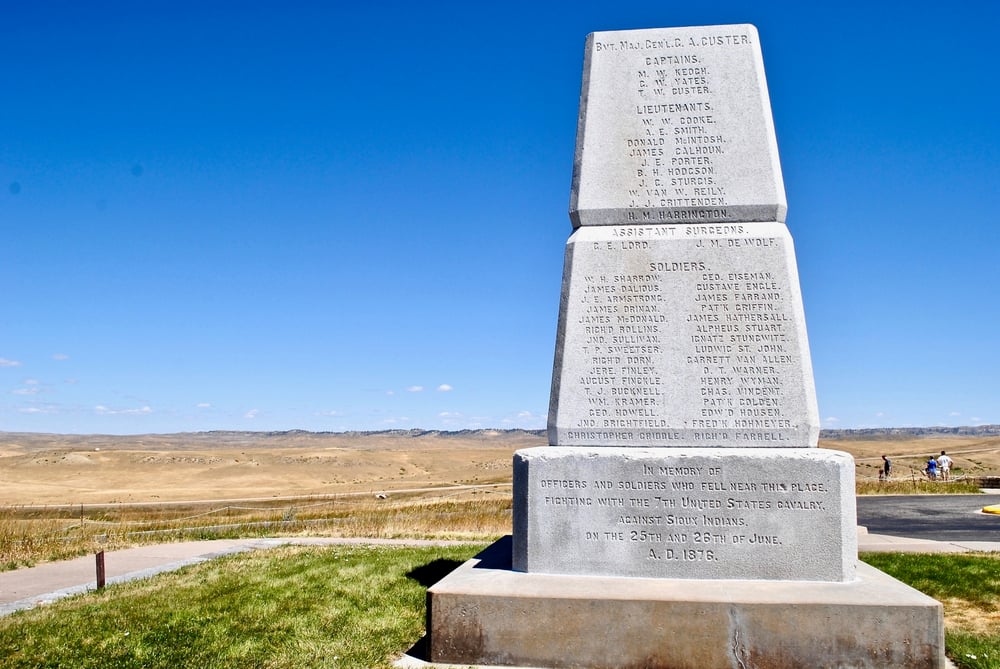
Early monuments at the Little Bighorn battlefield described the 1876 conflict largely from the perspective of United States forces. These markers focused heavily on the defeat of Lieutenant Colonel George Custer and his soldiers.
Later historical work incorporated oral histories from Native American participants. As a result, the site now includes additional markers recognizing the broader context of the conflict.
The Lost Cause Monuments
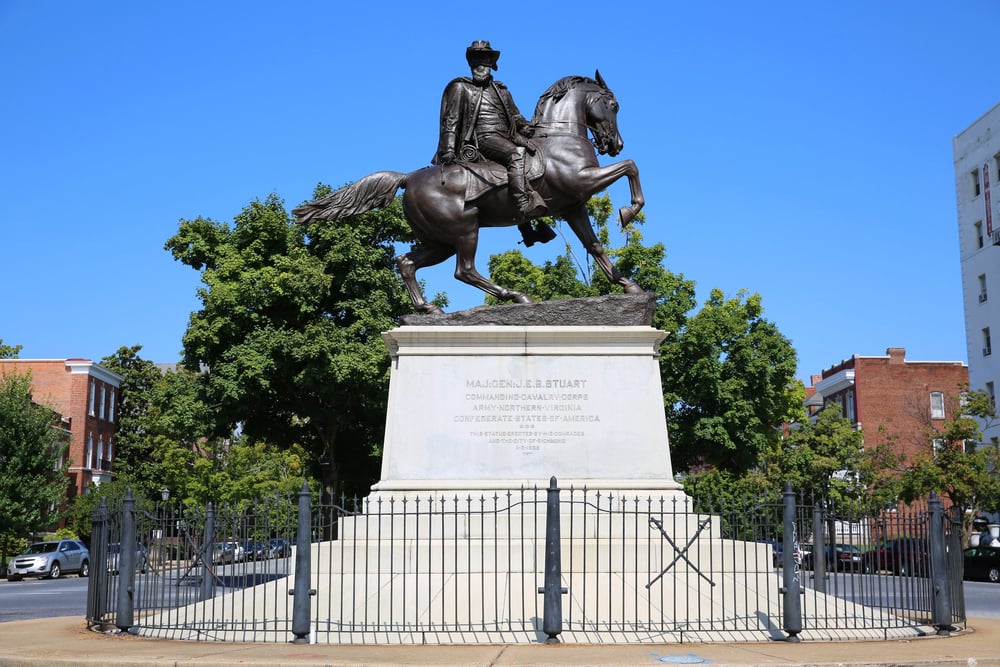
Across the southern United States, numerous monuments erected in the late nineteenth and early twentieth centuries portray Civil War events through the lens of the ‘Lost Cause’ narrative. These memorials often presented a simplified version of the conflict.
Historians have since shown that many inscriptions omitted or distorted key aspects of the historical context. The debates surrounding these monuments continue today as communities reassess how history is presented.
The First Thanksgiving Plaque

Some markers commemorating the first Thanksgiving describe a harmonious gathering between Pilgrims and Native Americans. These plaques were often written during periods when public storytelling favored uplifting narratives.
Modern historians acknowledge that the event likely occurred but emphasize that the broader relationship between the groups was far more complicated. Newer interpretations provide a fuller historical context.
The Lewis and Clark Route Marker
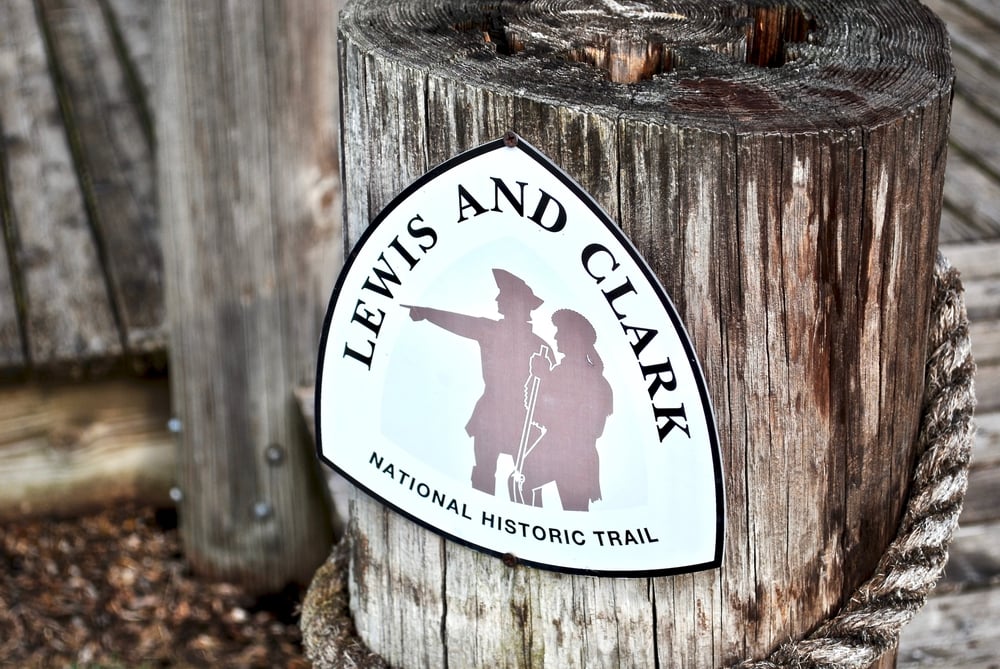
Markers along the Lewis and Clark trail celebrate the famous expedition across the American West. Early plaques often described the journey as if the explorers were traveling through entirely unknown territory.
In reality, Indigenous communities had lived across these regions for generations and frequently assisted the expedition. Many updated markers now acknowledge this crucial support.
The Boston Massacre Marker
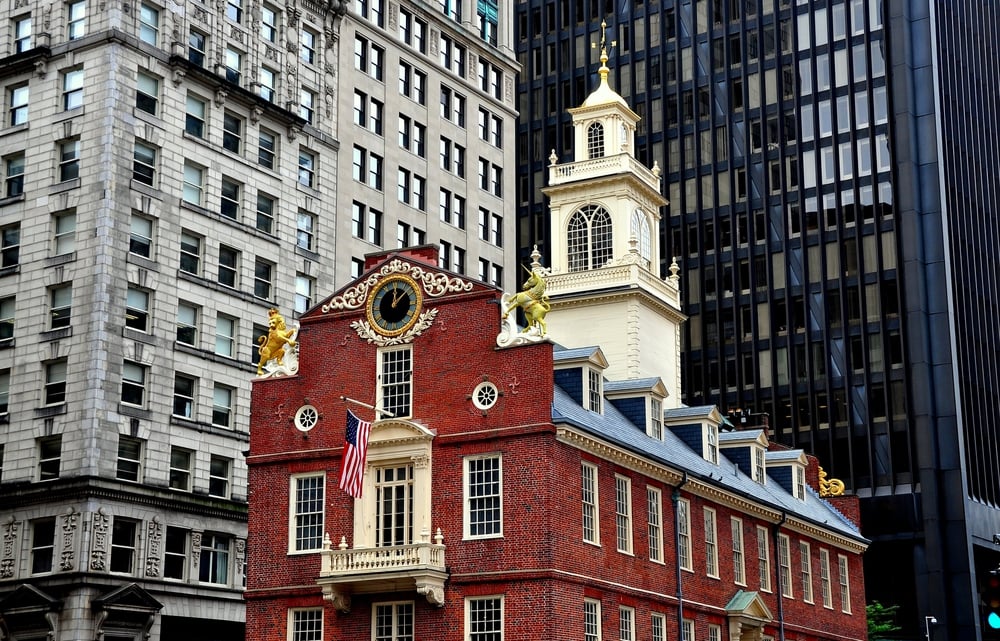
The Boston Massacre site includes plaques describing the 1770 confrontation between colonists and British soldiers. Earlier versions sometimes presented the event in strongly patriotic terms.
Later historical analysis suggests the confrontation was chaotic and involved actions from multiple sides. The updated interpretation emphasizes the complexity of the moment rather than a simple narrative.
The Marco Polo Bridge Marker

The Marco Polo Bridge in China is associated with the 1937 incident that triggered the Second Sino-Japanese War. Early interpretations sometimes simplified the sequence of events leading to the conflict.
Historical research has since highlighted the political tensions and military circumstances that shaped the confrontation. The site remains historically important even as interpretations evolve.
The First Powered Flight Marker
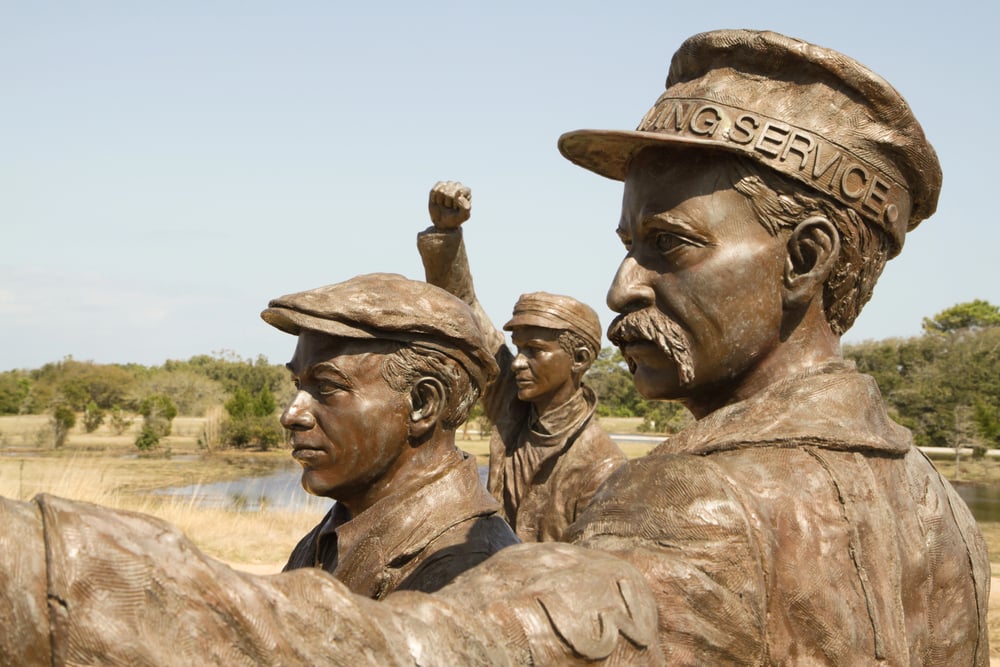
At Kitty Hawk, North Carolina, markers commemorate the Wright brothers’ historic 1903 flight. Some early descriptions underestimated the complexity of the brothers’ engineering work.
Later scholarship revealed just how sophisticated their aerodynamic experiments were. The updated narrative now emphasizes their scientific approach to solving the problem of flight.
The Gold Rush Markers
Markers throughout California celebrate the discovery of gold at Sutter’s Mill in 1848. Early plaques often focused on the excitement and opportunity of the gold rush.
More recent historical work has emphasized the profound social and environmental consequences of the rush. Many communities have since expanded their interpretation of the era.
The First Automobile Marker

Some early roadside markers celebrated the first automobile journeys without fully agreeing on which trip actually qualified as the earliest. Different communities promoted competing claims.
As historians compared records and timelines, it became clear that the development of the automobile involved many innovators rather than a single moment. The story turned out to be more collaborative than early markers suggested.
Why Historic Markers Keep Changing
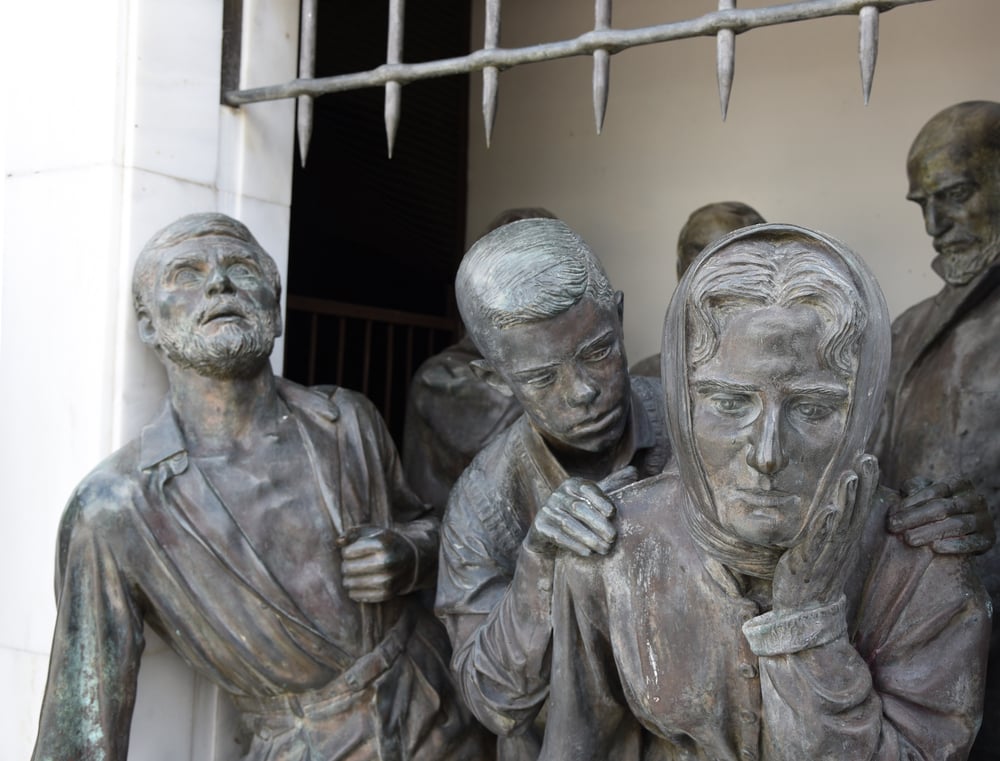
The markers may have been designed according to the best available information at the time. However, the field of history is one that is constantly evolving as new documents come to light and old assumptions are challenged.
Rather than diminishing the importance of the markers, the corrections underscore the dynamic nature of historical understanding. Each corrected marker or revised inscription is part of the ongoing process of trying to tell the history of the past as accurately as possible.
More from Go2Tutors!

- The Romanov Crown Jewels and Their Tragic Fate
- 13 Historical Mysteries That Science Still Can’t Solve
- Famous Hoaxes That Fooled the World for Years
- 15 Child Stars with Tragic Adult Lives
- 16 Famous Jewelry Pieces in History
Like Go2Tutors’s content? Follow us on MSN.