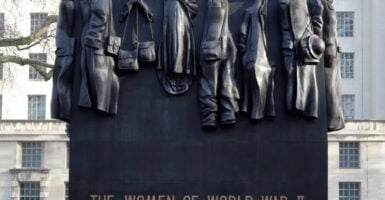
Unusual Foods People Ate in Wartime
When war disrupts supply chains and rations grow thin, hunger becomes a powerful motivator for culinary creativity.
Throughout history, civilians and soldiers alike have turned to ingredients most would never consider food under normal circumstances.
These weren’t gourmet experiments or adventurous cooking—they were survival measures born from necessity.
From sawdust mixed into bread to coffee brewed from acorns, wartime diets reveal just how resourceful people can be when faced with scarcity.
Here is a list of unusual foods people ate during wartime.
Sawdust Bread
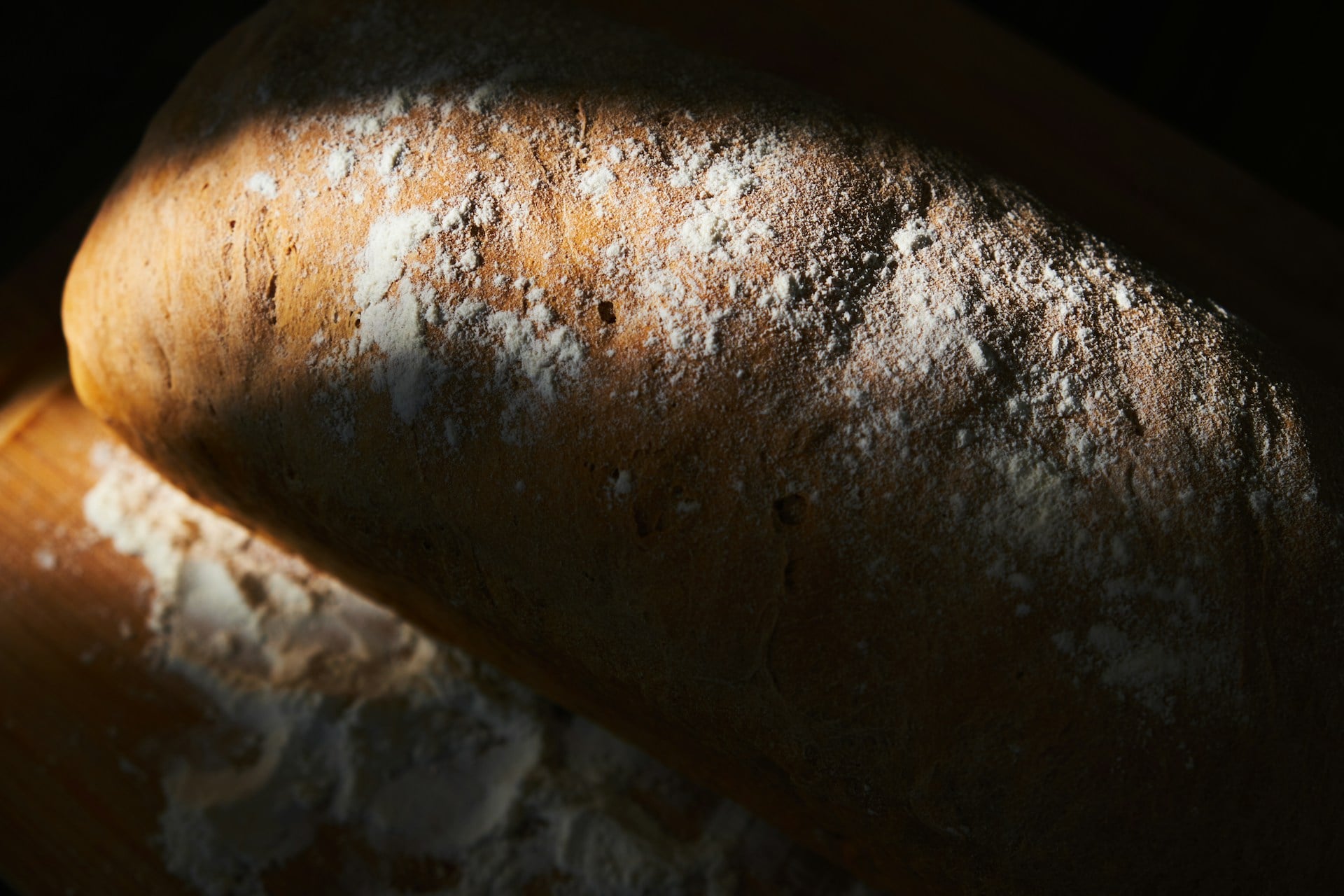
German bakeries during World War I stretched their dwindling flour supplies by adding sawdust—yes, actual wood pulp—to bread dough.
The official recipe from the German Food Providing Ministry called for 50% bruised rye grain, 20% sliced sugar beets, 20% sawdust, and 10% minced leaves and straw.
The result was a dense, fibrous loaf that was extremely difficult to digest and offered minimal nutritional value.
Soldiers and civilians alike choked it down simply because the alternative was starvation.
Lord Woolton Pie
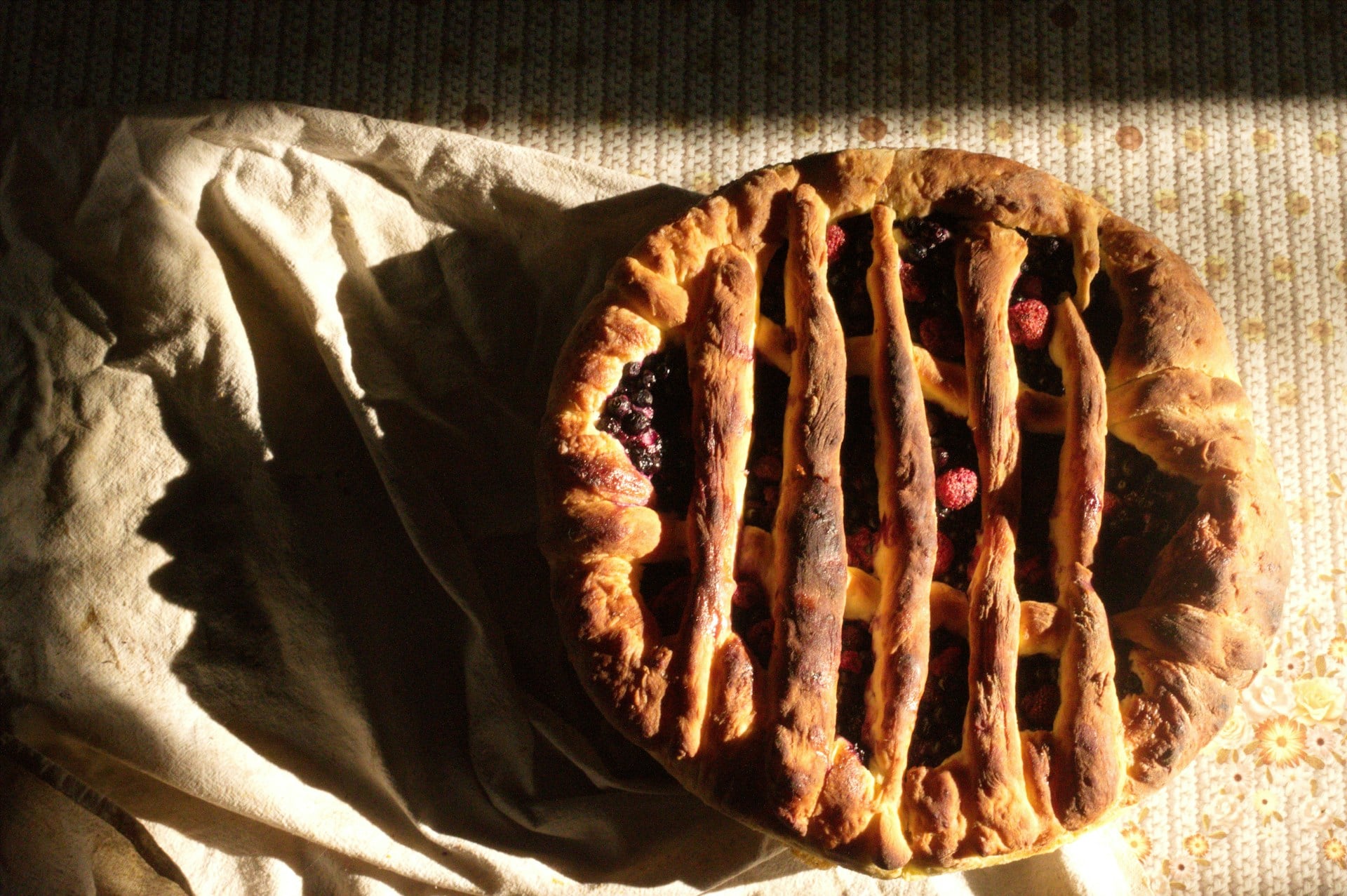
Named after Britain’s Minister of Food during World War II, this vegetable pie became a symbol of British wartime ingenuity.
The dish consisted of whatever root vegetables were available—typically potatoes, carrots, turnips, and parsnips—cooked in a thin gravy and topped with pastry or mashed potato crust.
Despite being developed at London’s fancy Savoy Hotel, it was designed as a practical solution to meat rationing rather than a gourmet creation.
Many British families served it regularly throughout the war years.
Whale Meat
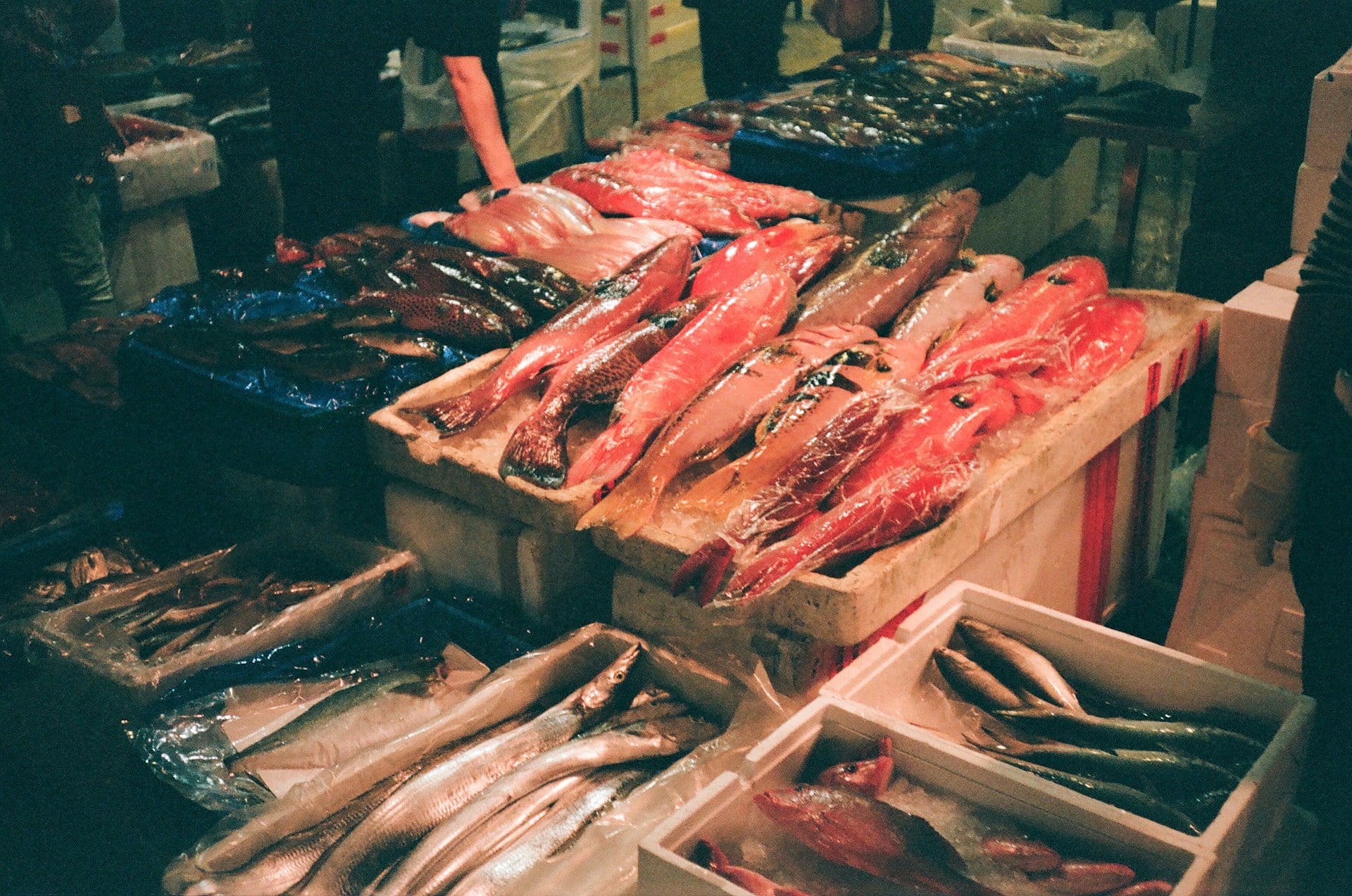
The British government actively promoted whale meat as a protein alternative during World War II rationing, but the public overwhelmingly rejected it.
The meat had a strong, fishy taste and an oily texture that most found unpalatable.
Despite creative recipe suggestions from the Ministry of Food—including attempts to disguise it in stews and casseroles—most whale meat ended up as pet food.
The government’s campaign to popularize it as a patriotic choice ultimately failed.
Mock Apple Pie

American households during World War II created pies that contained no apples whatsoever.
Instead, they used Ritz crackers soaked in a sugary, lemony syrup that miraculously mimicked the texture and taste of cooked apples.
The recipe became so popular that Nabisco printed it on their cracker boxes, where it remains to this day.
People who tried it often couldn’t believe they were eating crackers rather than fruit.
Turnip Everything
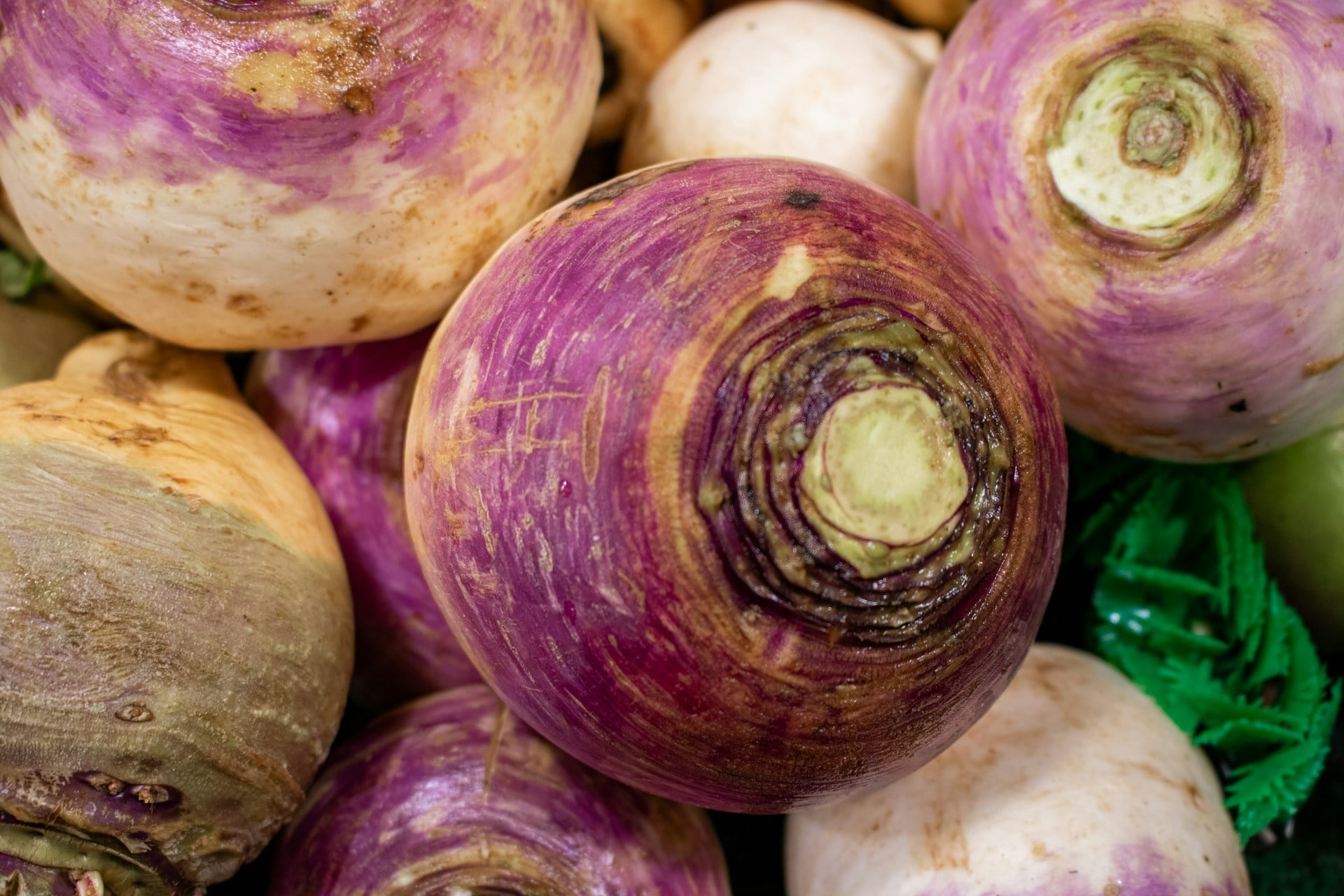
The winter of 1916-1917 in Germany became known as the ‘Turnip Winter’ when potato crops failed and turnips—traditionally used as animal feed—became the primary food source.
Germans ate turnips for breakfast, lunch, and dinner, prepared in every conceivable way.
They made turnip bread, turnip jam, turnip coffee, and turnip soup.
The reliance on this single root vegetable caused severe nutritional deficiencies across the country, as turnips couldn’t provide the vitamins and minerals people needed.
Spam

This canned spiced ham product was invented in 1937 but became synonymous with World War II military rations.
American soldiers initially received it exclusively before it reached civilian markets after the war.
While troops often complained about eating it day after day, Spam proved incredibly versatile and shelf-stable.
It became so important to the war effort that Soviet Premier Nikita Khrushchev later credited it with keeping the Red Army fed.
Dried Eggs

Fresh eggs became scarce during wartime rationing, so governments distributed powdered eggs that could be reconstituted with water.
The British received these yellow powders as part of their rations, mixing them into scrambled eggs, omelets, and baked goods.
The texture was never quite right, and the flavor was noticeably off, but they provided essential protein when real eggs were limited to one per person per week.
Maconochie Stew

British soldiers in World War I trenches dreaded this canned ration of turnips, carrots, and thin gravy.
One soldier famously said that ‘warmed in the tin, Maconochie was edible; cold it was a mankiller.’
The meat content was minimal, and the vegetables were often mushy and flavorless.
Despite universal dislike among troops, it remained a standard issue throughout the war because it was cheap to produce and easy to transport.
Snoek Fish

This canned pike fish caught in the Atlantic became part of British rations after World War II, but it never gained acceptance.
The strong-tasting fish came in tins and was heavily promoted by the government as a nutritious meal option.
British households found it bland and unappetizing despite recipe booklets offering creative serving suggestions.
Like whale meat, most snoek ended up being fed to pets rather than people.
Horse Meat
As traditional meat sources dwindled, horse meat became a common protein source in several countries during both World Wars.
German civilians and soldiers frequently ate it in stews and sausages, while British troops occasionally received it in their rations.
The meat was tougher and gamier than beef, requiring long cooking times to become palatable.
Many soldiers preferred not to think about where it came from, especially when they’d served alongside horses on the battlefield.
Budae Jjigae

After the Korean War ended in 1953, starving South Koreans created this ‘Army Base Stew’ from ingredients scrounged near American military installations.
The dish combined Spam, hot dogs, and other processed American meats with traditional Korean ingredients like kimchi, gochugaru pepper flakes, and noodles in a spicy broth.
What started as desperate survival food has evolved into a beloved Korean dish that’s still popular today, though now it’s a nostalgic comfort food rather than a necessity.
Hardtack
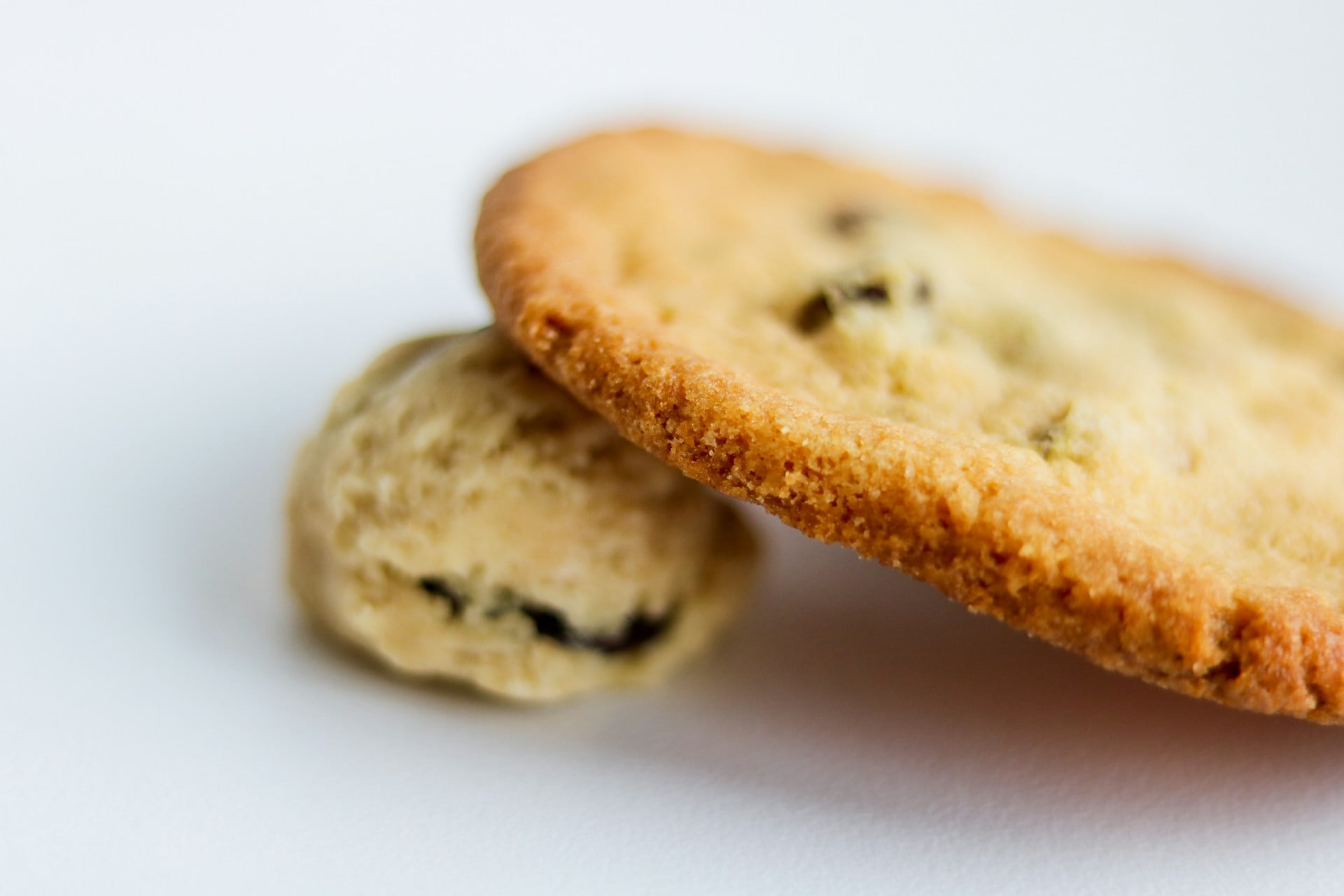
These rock-hard biscuits made from flour, water, and salt sustained soldiers from the Napoleonic Wars through World War I.
They could last for years without spoiling but were nearly impossible to eat without soaking them first.
Soldiers often crumbled them into stews or fried them in bacon fat to make them remotely palatable.
Many arrived infested with weevils, leading to the soldier’s trick of eating them in the dark to avoid seeing what else they were consuming.
Tree Bark Bread

Scandinavian communities during World War II ground pine and birch bark into powder and mixed it with whatever grain flour they could find.
The resulting bread was gritty, bitter, and provided minimal nutrition, but it filled stomachs when nothing else was available.
The bark had to be carefully prepared to remove the most indigestible parts, making the bread-making process labor-intensive.
It remains one of the most extreme examples of wartime food substitution.
From Desperation to Innovation
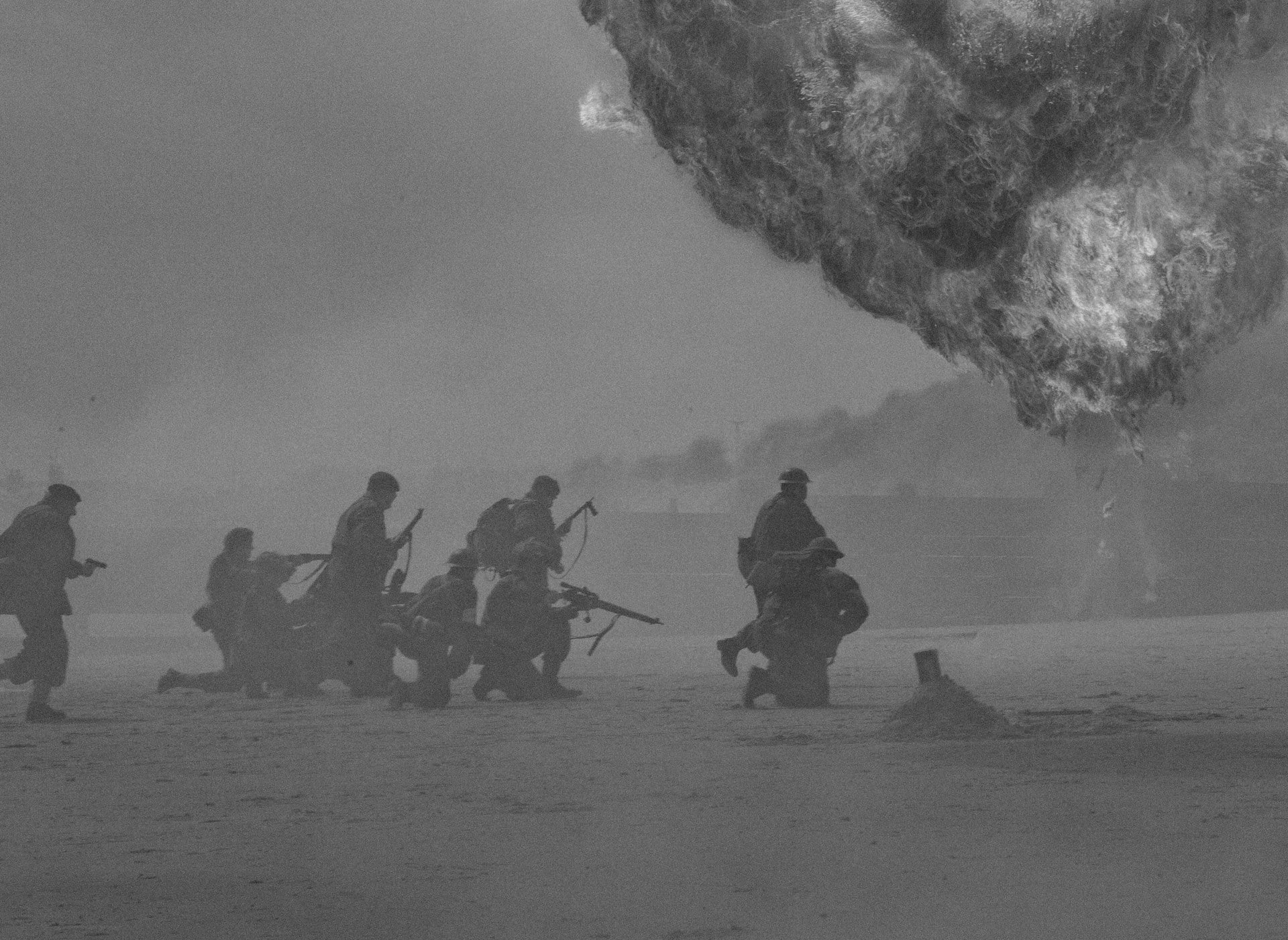
Wartime foods remind us that necessity drives innovation in unexpected ways.
Many items born from scarcity—like Spam, instant coffee, and canned goods—became permanent fixtures in modern kitchens long after rationing ended.
These unusual foods represent more than just survival; they show how communities adapted, persevered, and sometimes even created lasting culinary traditions from the most challenging circumstances.
The resourcefulness displayed during these periods continues to influence how we think about food preservation and sustainability today.
More from Go2Tutors!

- The Romanov Crown Jewels and Their Tragic Fate
- 17 Halloween Costumes Once Considered Taboo
- Famous Hoaxes That Fooled the World for Years
- 15 Child Stars with Tragic Adult Lives
- 16 Famous Jewelry Pieces in History
Like Go2Tutors’s content? Follow us on MSN.