Most Influential People During the Cold War
The Cold War left a mark on the later 1900s that we can still feel now. Though many went through those anxious decades of global tension, some people were right in the middle of choices that changed life worldwide.
Leaders, researchers, protesters, and visionaries weren’t just watching events unfold – instead, they pushed things forward, once nearly causing disaster yet also opening doors to surprising calm.
Joseph Stalin: The Iron Curtain’s Architect
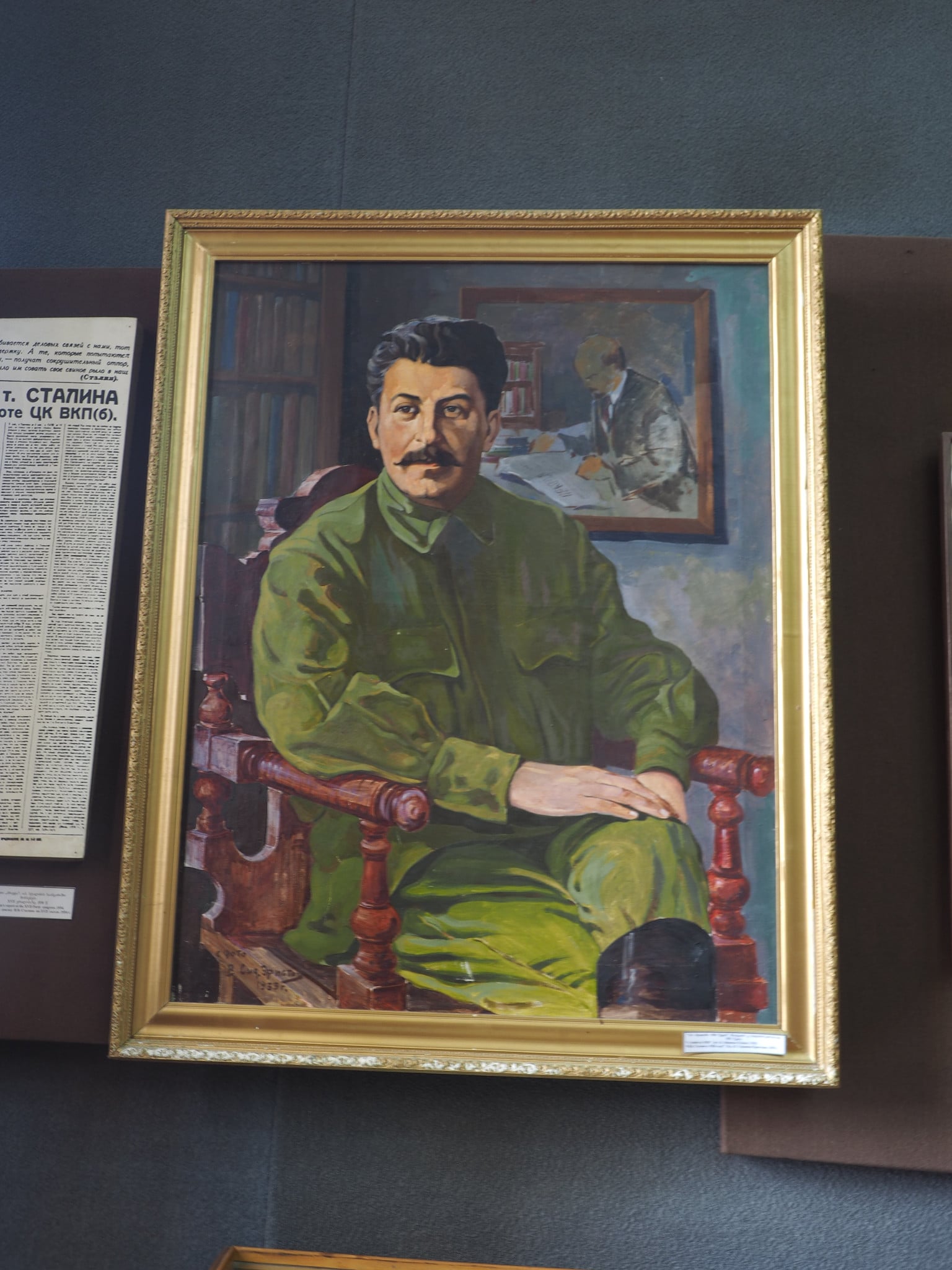
Stalin’s distrust plus harsh rule shaped how the USSR acted right after WWII. After the war ended, he grabbed Eastern Europe – putting in place loyal regimes, forming a shield Western leaders labeled the Iron Curtain.
By blocking fair votes in those areas while pushing ahead with nuke research, he pushed past allies into rivalry. The Berlin Blockade in 1948 revealed how far Stalin would go to challenge the West.
After Soviet forces shut down every road and rail route into West Berlin, Truman had no choice – so he launched a huge air operation that fed the city nonstop for almost twelve months. Although Stalin passed away in ’53, the tight grip and deep distrust he created stuck around way longer than he did.
Harry Truman: Setting the Western Strategy

Truman inherited the presidency at a pivotal moment and made choices that defined American policy for the next four decades. The Truman Doctrine committed the United States to containing communist expansion worldwide.
He approved the Marshall Plan, which rebuilt Western Europe and created economic stability that helped resist Soviet influence. His decision to drop atomic bombs on Japan demonstrated American nuclear capability to the entire world, including Stalin.
That same atomic monopoly, brief as it was, gave Truman confidence in the early Cold War confrontations. He fired General MacArthur during the Korean War for wanting to expand the conflict into China, establishing civilian control over military strategy even during wartime.
Nikita Khrushchev: The Face of Soviet Thaw and Confrontation

Khrushchev denounced Stalin’s crimes in his famous Secret Speech of 1956, shocking the communist world and briefly suggesting that reform was possible within the Soviet system. He pursued a policy of peaceful coexistence with the West while simultaneously banging his shoe on a desk at the United Nations and promising to bury capitalism.
The contradictions in his approach kept everyone off balance. He built the Berlin Wall in 1961 to stop the flood of East Germans escaping to the West.
Just a year later, he placed nuclear missiles in Cuba, bringing the world closer to nuclear war than it had ever been. His removal from power in 1964 came partly because his colleagues thought he took too many risks and destabilized too many established patterns.
John F. Kennedy: Youth Meets Nuclear Brinkmanship
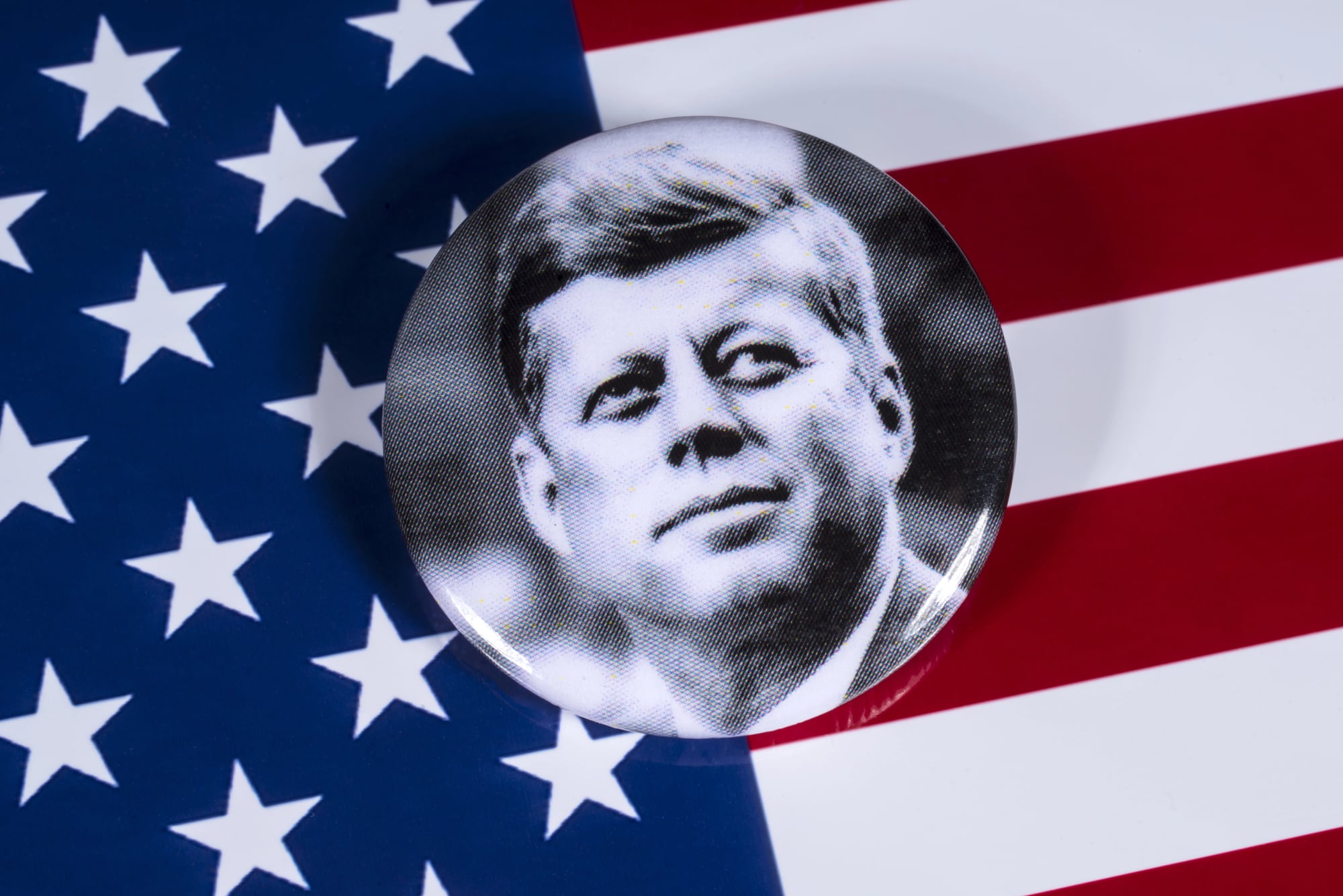
Kennedy came into office projecting vigor and determination to stand firm against Soviet expansion. The Bay of Pigs invasion disaster in his first months showed that determination alone couldn’t guarantee success.
But during the Cuban Missile Crisis, he combined firm resolve with careful negotiation, finding a path that let both sides step back from the edge. His American University speech in June 1963 called for a reexamination of Cold War assumptions and led to the first nuclear test ban treaty.
He built up American military capabilities while also exploring ways to reduce tensions. His assassination left many wondering whether he would have escalated or de-escalated American involvement in Vietnam.
Fidel Castro: The Revolutionary Who Brought the Cold War to the Caribbean

Castro’s overthrow of the Batista regime in 1959 brought a communist government just 90 miles from Florida. His alignment with the Soviet Union gave Moscow a foothold in the Western Hemisphere and changed the strategic balance.
The failed Bay of Pigs invasion strengthened his position and pushed him even closer to the Soviets. During the missile crisis, Castro actually urged Khrushchev to launch a nuclear first strike if the United States invaded Cuba.
His willingness to risk nuclear annihilation showed a revolutionary fervor that made him both dangerous and unpredictable. He outlasted numerous American presidents and multiple CIA assassination attempts, maintaining his communist government through the Cold War’s end and beyond.
Leonid Brezhnev: The Era of Stagnation and Détente

Brezhnev led the Soviet Union for 18 years, longer than anyone except Stalin. He pursued détente with the West, signing arms control agreements and allowing increased trade and cultural exchange.
But he also built up Soviet military power to achieve what he saw as strategic parity with the United States. The Brezhnev Doctrine asserted the right to intervene in any socialist country where the communist system was threatened.
He invaded Czechoslovakia in 1968 to crush the Prague Spring reforms. His decision to invade Afghanistan in 1979 proved disastrous, draining Soviet resources and morale.
By the time he died in 1982, the Soviet system was creaking under the weight of economic stagnation and military overextension.
Richard Nixon: Opening Doors and Leaving Them Ajar

Nixon understood that the Cold War’s bipolar structure was shifting. His opening to China in 1972 changed the entire strategic landscape, forcing the Soviets to worry about threats from both East and West.
He pursued détente with the Soviet Union, signing the SALT I arms control treaty and the Anti-Ballistic Missile Treaty. The Watergate scandal destroyed his presidency, but his foreign policy achievements outlasted him.
Henry Kissinger, his secretary of state and national security adviser, executed much of this strategy. Together they practiced realpolitik, prioritizing stability and balance of power over ideological purity.
Ronald Reagan: The Cold Warrior Who Made Peace

Reagan came into office calling the Soviet Union an evil empire and launched the largest peacetime military buildup in American history. His Strategic Defense Initiative, though technologically questionable, forced Soviet leaders to acknowledge they couldn’t match American spending.
He supported anti-communist movements from Nicaragua to Afghanistan, putting pressure on Soviet allies worldwide. But Reagan also negotiated with Gorbachev when he sensed genuine change was possible.
The two men developed an unlikely rapport despite their ideological differences. Reagan’s willingness to engage seriously with Soviet reform efforts helped Gorbachev pursue changes that ultimately ended the Cold War.
Mikhail Gorbachev: The Reformer Who Lost an Empire

Gorbachev took power in 1985 determined to reform the Soviet system from within. His policies of glasnost and perestroika—openness and restructuring—unleashed forces he couldn’t control.
He withdrew Soviet troops from Afghanistan, allowed Eastern European countries to choose their own paths, and signed major arms reduction treaties with the United States. His refusal to use force to maintain the Soviet empire proved revolutionary.
When the Berlin Wall fell in 1989, he let it happen. When Eastern European countries rejected communist rule, he accepted it.
The Soviet Union itself collapsed in 1991, with Gorbachev remaining president of a country that no longer existed. He intended to save the Soviet system but instead oversaw its peaceful dissolution.
Mao Zedong: The Revolutionary Who Shifted the Balance

Mao’s communist revolution in China in 1949 doubled the size of the communist world and convinced many Americans that a global communist tide was rising. His intervention in the Korean War showed he would back communist allies with force.
The Sino-Soviet split in the 1960s, however, fundamentally altered Cold War dynamics. As relations with Moscow deteriorated into border conflicts and bitter ideological disputes, Mao showed that the communist world wasn’t monolithic.
This division gave Nixon and Kissinger the opening they needed to play China off against the Soviet Union. Mao’s Cultural Revolution destabilized Chinese society but his strategic positioning of China as a counterweight to Soviet power reshaped the Cold War’s final decades.
J. Robert Oppenheimer: The Physicist Who Changed Everything

Oppenheimer led the Manhattan Project that developed the atomic bomb. His success at Los Alamos gave America a weapon that ended World War II and began the Cold War.
After witnessing the first atomic test, he quoted Hindu scripture: “Now I am become Death, the destroyer of worlds.” His later opposition to developing the hydrogen bomb and his past associations with communist sympathizers led to the revocation of his security clearance in 1954.
The hearing became a symbol of Cold War paranoia and the price of dissent. But the weapons he helped create remained at the center of Cold War strategy, making the threat of mutual assured destruction the paradoxical foundation of peace between superpowers.
Andrei Sakharov: The Scientist Who Became a Conscience

Sakharov helped develop the Soviet hydrogen bomb, contributing to the arms race that defined the Cold War. But unlike many scientists who built weapons, he publicly turned against the system he had served.
He became a leading advocate for nuclear disarmament, human rights, and democratic reform within the Soviet Union. The Soviet government stripped him of his honors and sent him into internal exile in the closed city of Gorky.
His detention and the international pressure for his release became a major human rights issue. Gorbachev freed him in 1986, and Sakharov spent his final years advocating for democratic reforms.
He proved that moral courage could challenge even totalitarian systems.
Pope John Paul II: Faith as a Weapon Against Communism

The choice of a Polish pope in 1978 shook the Soviet-controlled countries. When John Paul II came to Poland in 1979, huge numbers showed up – proof folks no longer backed the communist leaders.
Because he stood by the Solidarity union, resistance to dictatorship kept going. He lived through a shooting in 1981; rumors pointed to the Soviets, but no proof ever showed up, even after many checks.
Not just in Poland – his call for basic rights and liberty hit home across Eastern Europe, where folks were stuck under Communist regimes. Reagan along with Thatcher saw him as key support when fighting Soviet control.
The Weight of Decisions Made in Rooms Far Away

These folks worked where beliefs, control, and terror met. When pushed, they picked paths few ever deal with – slips might wipe out society.
A few moved by true belief, while some weighed every move coldly. Certain ones wanted calm, meanwhile a handful chased, winning no matter the damage.
The Cold War didn’t finish in flames like many expected – instead, talks, changes from within, yet finally the breakdown of a broken system brought it down. Those who lived through it weren’t legends or monsters, just regular folks dealing with a tense reality where both sides held buttons that could wipe everything out.
What they left behind still shows today – not a perfect peace, but a world that dodged doom while staying marked by old battles of belief.
More from Go2Tutors!

- The Romanov Crown Jewels and Their Tragic Fate
- 13 Historical Mysteries That Science Still Can’t Solve
- Famous Hoaxes That Fooled the World for Years
- 15 Child Stars with Tragic Adult Lives
- 16 Famous Jewelry Pieces in History
Like Go2Tutors’s content? Follow us on MSN.