Historic Roadside Diners and Their Signature Dishes
America’s highways tell stories through their roadside diners. These chrome-covered establishments have served travelers for generations, offering comfort food and a place to rest between destinations.
Each diner developed its own personality over the decades, and many created dishes that became legendary among locals and road trippers alike. Some of these spots have been flipping burgers and pouring coffee since the 1920s, surviving economic downturns, changing food trends, and the rise of fast food chains.
Let’s take a tour through some of the country’s most beloved roadside diners and the dishes that made them famous.
The Tick Tock Diner

Route 3 in Clifton, New Jersey hosts this 24-hour landmark that’s been feeding hungry travelers since 1948. The disco fries at Tick Tock turned a simple concept into something people drive hours to taste.
These crispy fries get smothered in rich brown gravy and melted mozzarella cheese, creating a dish that hits differently at 2 AM after a long drive. The diner went through a major renovation in the 1990s but kept the recipes that made it a Garden State institution.
Mel’s Drive-In
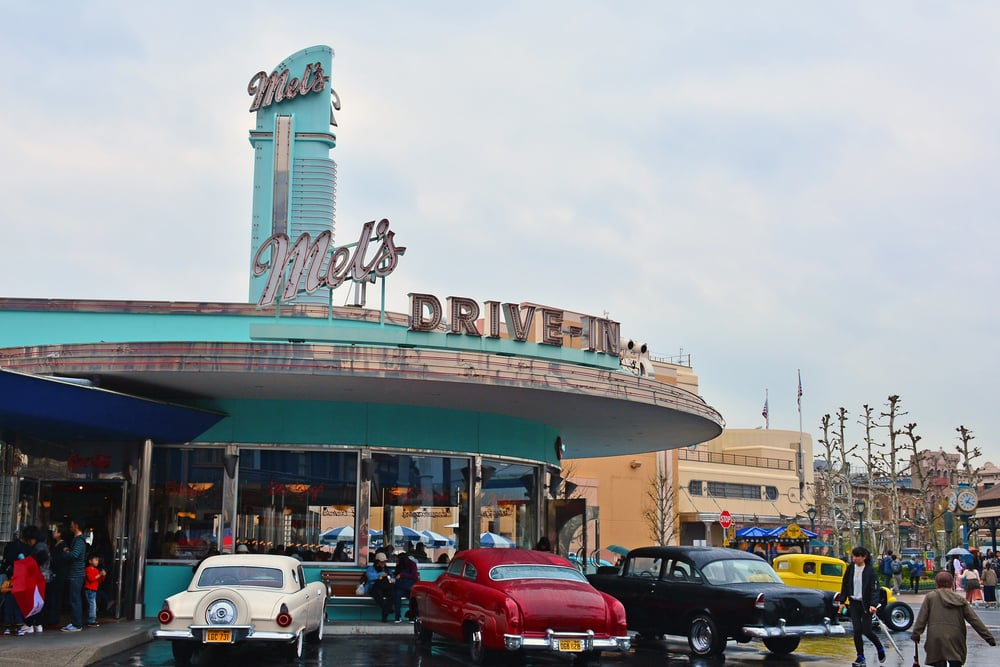
San Francisco’s Mel’s became a cultural icon after appearing in the 1973 film ‘American Graffiti,’ but the food keeps people coming back. Their Mel’s Burger stacks two beef patties with special sauce, lettuce, cheese, and all the fixings on a sesame seed bun.
The restaurant started in 1947 and captured the spirit of post-war American optimism. Mel’s expanded to multiple locations, but the original recipes remain unchanged, preserving that classic drive-in taste.
The Yankee Doodle

New Haven, Connecticut houses this tiny diner that’s barely wider than a school bus. The Yankee Doodle opened in 1950 and serves breakfast all day, but their cheeseburgers draw the biggest crowds.
They cook the burgers on a flat-top grill until the edges get crispy, then add American cheese that melts into every crevice. Only 28 people can fit inside at once, so expect to wait during peak hours.
Rosie’s Diner

This New Jersey diner gained fame through Bounty paper towel commercials in the 1970s featuring waitress Nancy Walker as ‘Rosie.’ The diner served customers in Little Ferry before moving to Michigan, where it still operates today.
Their coconut cream pie stands tall with fluffy meringue piled high on a flaky crust. Rosie’s represents the kind of mom-and-pop establishment that defined American dining before chains took over.
The Bel Loc Diner

Baltimore’s Bel Loc Diner sits along Route 1 and has been a local favorite since 1964. Their crab cake sandwich uses jumbo lump crab meat with minimal filler, staying true to Maryland tradition.
The diner looks exactly like it did decades ago, with original booths and counter stools that have supported thousands of satisfied customers. People debate whether it’s better to get the crab cakes as a sandwich or a platter, but either way, they’re getting the real deal.
Mickey’s Dining Car

This stainless steel beauty in Saint Paul, Minnesota earned a spot on the National Register of Historic Places in 1983. Mickey’s opened in 1939 and still serves their famous Mulligan stew, a hearty mix of beef, vegetables, and potatoes that warms you up during brutal Minnesota winters.
The diner operates 24 hours a day, 365 days a year, never closing even during blizzards. Its art deco design makes it look like a railroad dining car dropped onto the corner of Saint Peter and West 7th Streets.
The Tastee Diner

Bethesda, Maryland’s Tastee Diner relocated from its original spot but maintained the same recipes since 1935. Their pie selection rotates daily, with each one made from scratch in-house using recipes passed down through generations of bakers.
The chocolate cream pie deserves special mention for its thick, pudding-like filling and real whipped cream topping. Tastee survived multiple attempts by developers to tear it down, proving that good food creates fierce loyalty.
Louis’ Lunch

New Haven claims this small brick building as the birthplace of the hamburger in America, dating back to 1895. Louis’ still cooks burgers in the original cast-iron grills, serving them on white toast instead of buns.
The restaurant refuses to offer ketchup, mustard, or any condiments beyond cheese, tomato, and onion, keeping things simple the way founder Louis Lassen intended. The building has moved twice but the cooking method hasn’t changed in over a century.
The Modern Diner

Pawtucket, Rhode Island features the first diner listed on the National Register of Historic Places, built in 1940. Their custard French toast uses thick slices of Portuguese sweet bread dipped in a rich custard mixture, then grilled until golden brown.
The recipe came from the owner’s Portuguese heritage and became so popular that other diners tried to copy it. The Modern’s shiny exterior and neon sign make it a photographer’s dream, especially at night.
Denny’s Beer Barrel Pub

Clearfield, Pennsylvania hosts this roadside spot famous for outrageous burger challenges, but their regular menu items shine too. The pub opened in 1933 and serves a beer cheese soup that locals swear by, made with sharp cheddar and a hint of ale.
While tourists come for the giant novelty burgers, regulars know the soup paired with a pretzel roll makes the perfect lunch. The place has that worn-in feeling that only decades of service can create.
The Miss Worcester Diner

This 1948 Worcester Lunch Car Company diner still operates in its original location in Massachusetts. Their corned beef hash gets made fresh daily, with chunks of tender beef mixed with potatoes and onions, then crisped up on the griddle.
The diner car design means the kitchen sits right behind the counter, so customers watch their food being prepared. Miss Worcester survived urban renewal projects that demolished dozens of similar diners throughout New England.
Al’s Breakfast

Minneapolis squeezes this 14-seat diner into a space so narrow that the cook can touch both walls while standing in the middle. Al’s opened in 1950 and serves blueberry pancakes that consistently win ‘best breakfast’ awards.
The pancakes come out fluffy and loaded with fresh blueberries, served with real maple syrup. Getting a seat requires patience, but regulars say the wait builds character and makes the pancakes taste even better.
The Farmers Diner
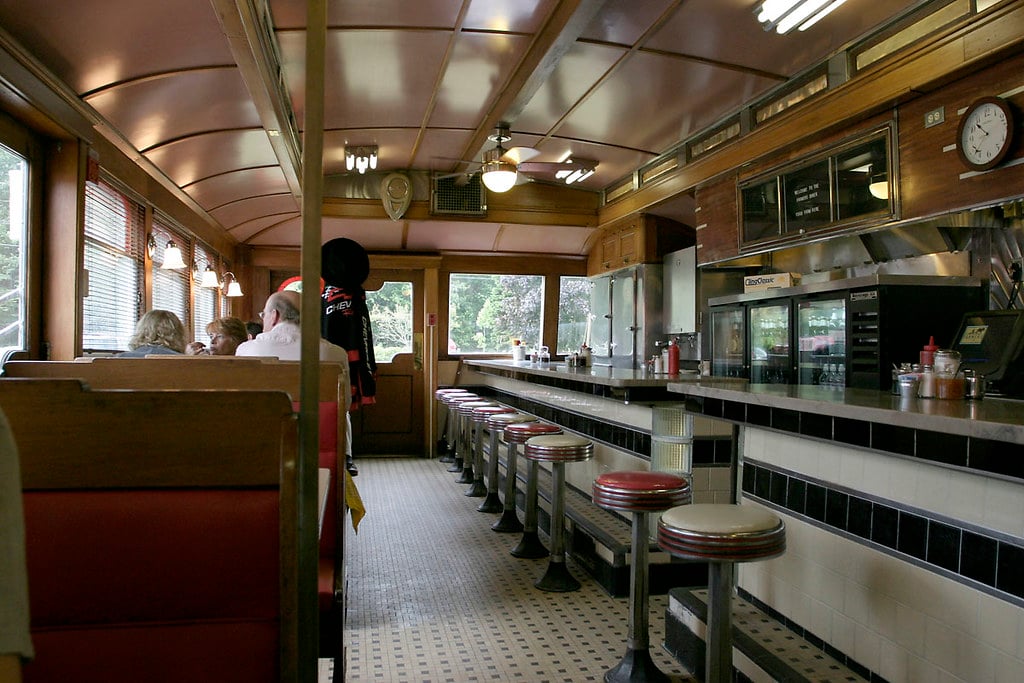
Vermont’s farm-to-table movement found an early champion in this Quechee establishment that sources ingredients locally. Their maple sausage gravy over biscuits uses pork from nearby farms and real Vermont maple syrup in the gravy recipe.
The diner proves that traditional comfort food can support local agriculture without sacrificing taste. Their commitment to regional sourcing inspired other diners to reconsider their supply chains.
Johnnie’s Charcoal Broiler
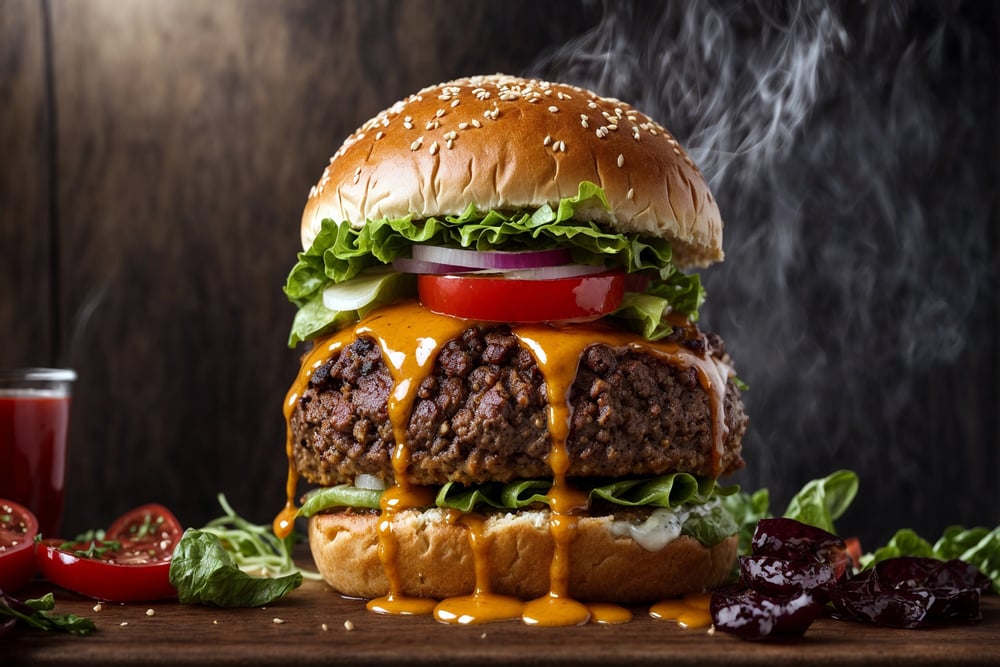
Oklahoma City’s Johnnie’s has cooked burgers over open flames since 1971, building a loyal crowd along Route 66. Its hickory-based sauce adds a sharp yet mildly sweet kick – some folks like it right away, others grow hooked later on.
Fresh ground beef arrives every day; frozen meat? Never used here, so the taste stays way ahead of typical chain spots. This place stands for homegrown spirit, linking neighbors through real food made with care.
The Phoenicia Diner

This Catskills spot stayed empty a long time till it came back in 2012 – better food, fresh stuff from nearby farms. You get fried chicken piled on sharp cheddar, spicy pickled peppers, all tucked inside a warm homemade biscuit.
Instead of changing everything, the team kept the retro vibe but added dishes folks like now. Proof? Places like Phoenicia can grow without ditching what made them special.
The Blue Benn Diner

Bennington’s Blue Benn started back in ’48, tucked into a Silk City diner car. Instead of just meat plates, they serve turkey dinners every single day – roasted bird, stuffing, spuds, gravy, plus cranberries on the side.
While most old-school diners skip veggie options, this one surprises with solid plant-based picks. Its bright blue walls and retro glowing sign pull drivers off Route 7 like magnets.
Frank’s Diner

Spokane, Washington’s got the oldest diner still open in the state – opened back in 1932. Their sourdough flapjacks rely on a live starter mixed and fed every few days since way before your folks were born.
It runs out of an old train carriage dragged into place years ago that just stayed put ever after. Frank’s made it through tough times like the Depression, several global conflicts, plus wave after wave of fads – all by doing things their own steady way.
Eating History
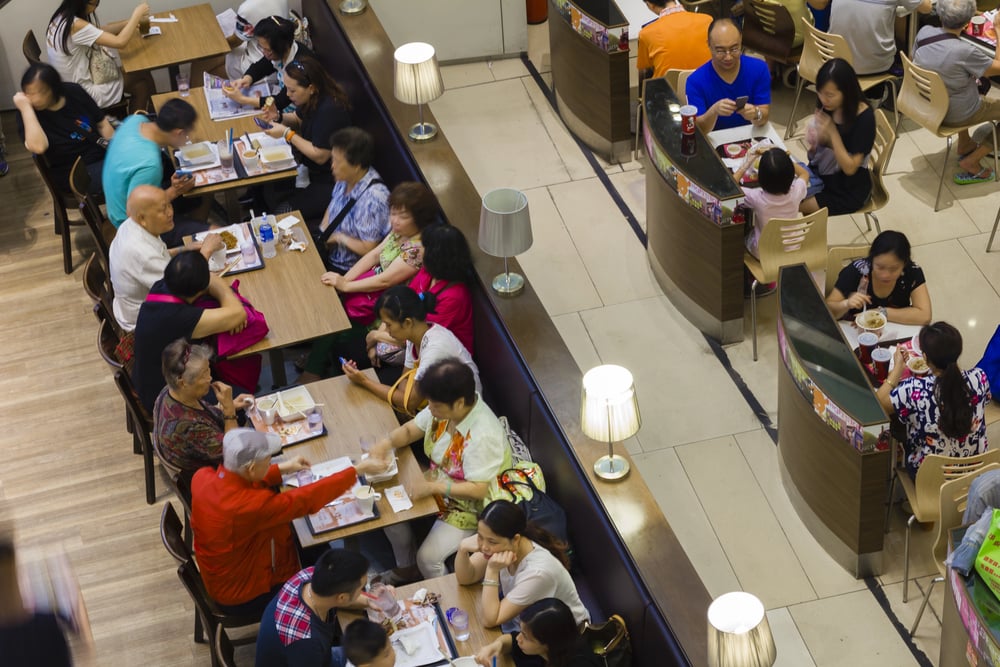
These eateries offer way more than just meals. They link folks to old times using flavor, keeping alive ways of cooking and making dishes that could’ve been lost.
Every serving holds years of practice, shaped by endless rounds of service plus what guests have said along the way. Top roadside spots know being reliable is as key as doing things well – regulars want their go-to plates tasting exactly like they always do.
Stepping into one feels like stepping into real history, enjoyed bite after tasty bite.
More from Go2Tutors!

- The Romanov Crown Jewels and Their Tragic Fate
- 13 Historical Mysteries That Science Still Can’t Solve
- Famous Hoaxes That Fooled the World for Years
- 15 Child Stars with Tragic Adult Lives
- 16 Famous Jewelry Pieces in History
Like Go2Tutors’s content? Follow us on MSN.



