Sports That Directly or Indirectly Involve Animals
Animals have been part of competitive activities for thousands of years, from ancient chariot races to modern equestrian events. These sports range from collaborative partnerships between humans and animals to competitions where animals are the primary athletes.
Some celebrate the natural abilities of these creatures, while others have sparked ongoing debates about animal welfare and ethics. Here is a list of 12 sports that directly or indirectly involve animals.
Polo
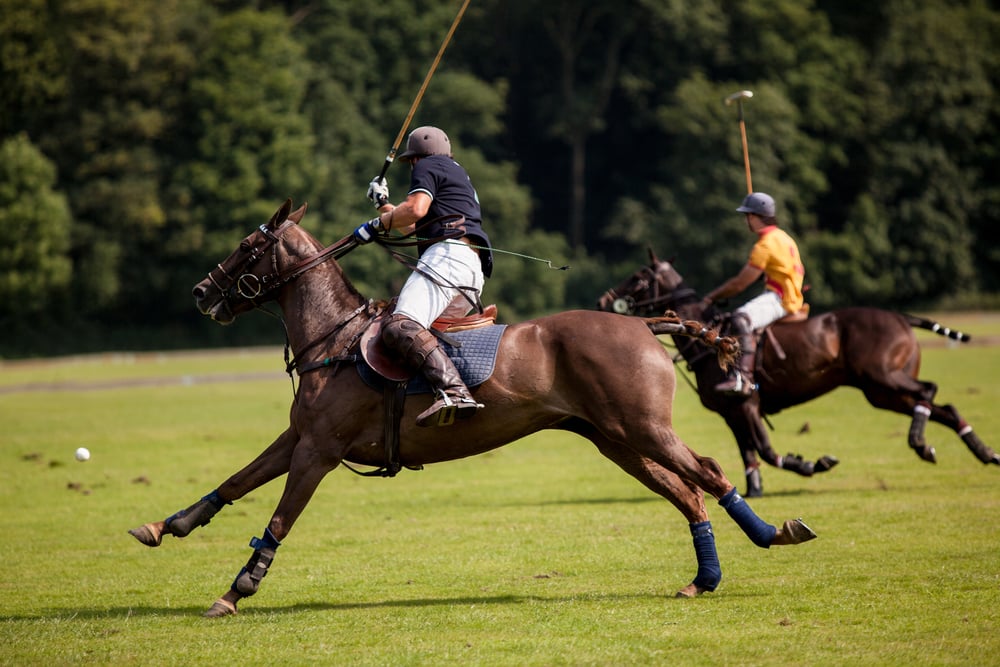
Polo stands as one of the world’s oldest team sports, with roots stretching back over 2,000 years to ancient Persia. Two teams of four riders use long mallets to strike a wooden orb while mounted on horseback, aiming to score goals on a field that can measure up to 300 yards long.
The relationship between rider and horse becomes critical, since skilled polo ponies naturally follow the orb, allowing players to focus more on controlling and directing it. Argentina has become particularly dominant in international polo competition, with the sport now recognized as their national game.
Horse Racing
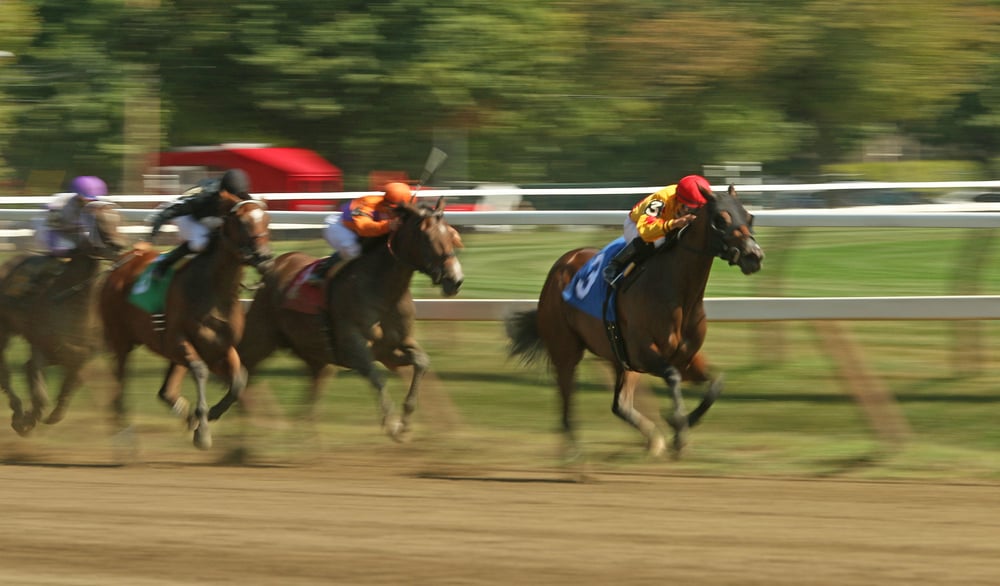
Horse racing dates back to ancient civilizations including Babylon, Syria, and Egypt, appearing as an event in the Greek Olympic Games as early as 664 BC. Knights returning from the Crusades brought back fast Arabian stallions that were bred with sturdy English mares to create Thoroughbreds, which became the foundation of modern racing.
Racing remains the most popular form of animal-related sport worldwide, with some events featuring riders while others involve animals racing alone, such as harness racing where horses pull riders in carts. The industry has deep connections to legalized gambling, with billions spent annually on wagers.
Like Go2Tutors’s content? Follow us on MSN.
Rodeo
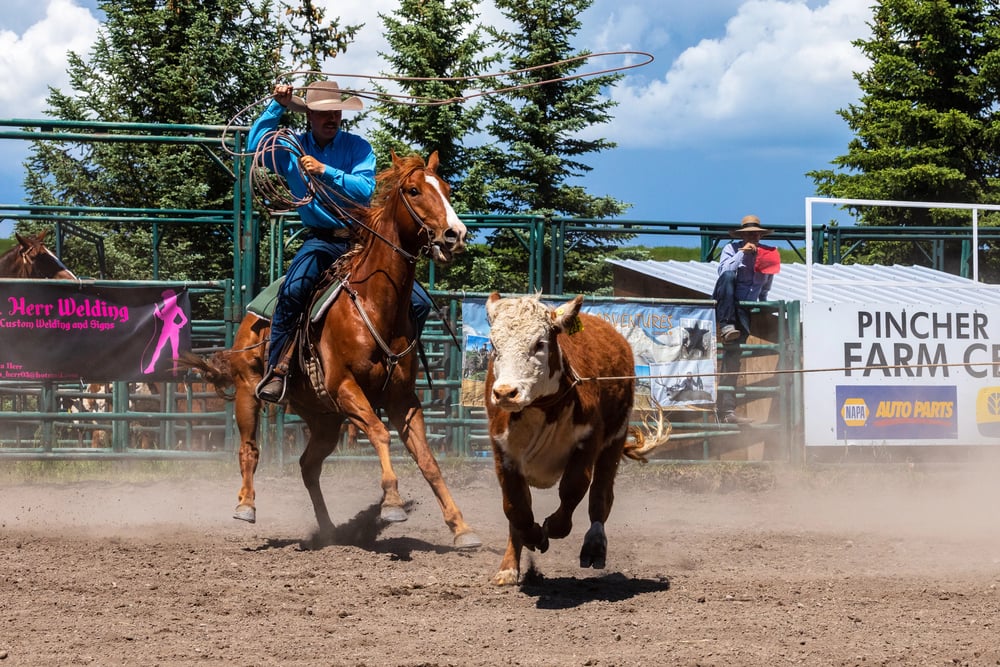
Rodeo evolved in North America during the 1800s to showcase the skills of ranch hands and cowboys who herded and controlled cattle. Events include bronc riding (both bareback and saddle), bull riding, steer wrestling, and calf roping, with matches divided into periods called chukkers.
Professional rodeos are now held in climate-controlled stadiums with television broadcasting, though the sport remains controversial. Animal welfare groups point to practices like electric prods used to encourage animals to charge from chutes, and the physical stress placed on calves during roping events.
Greyhound Racing
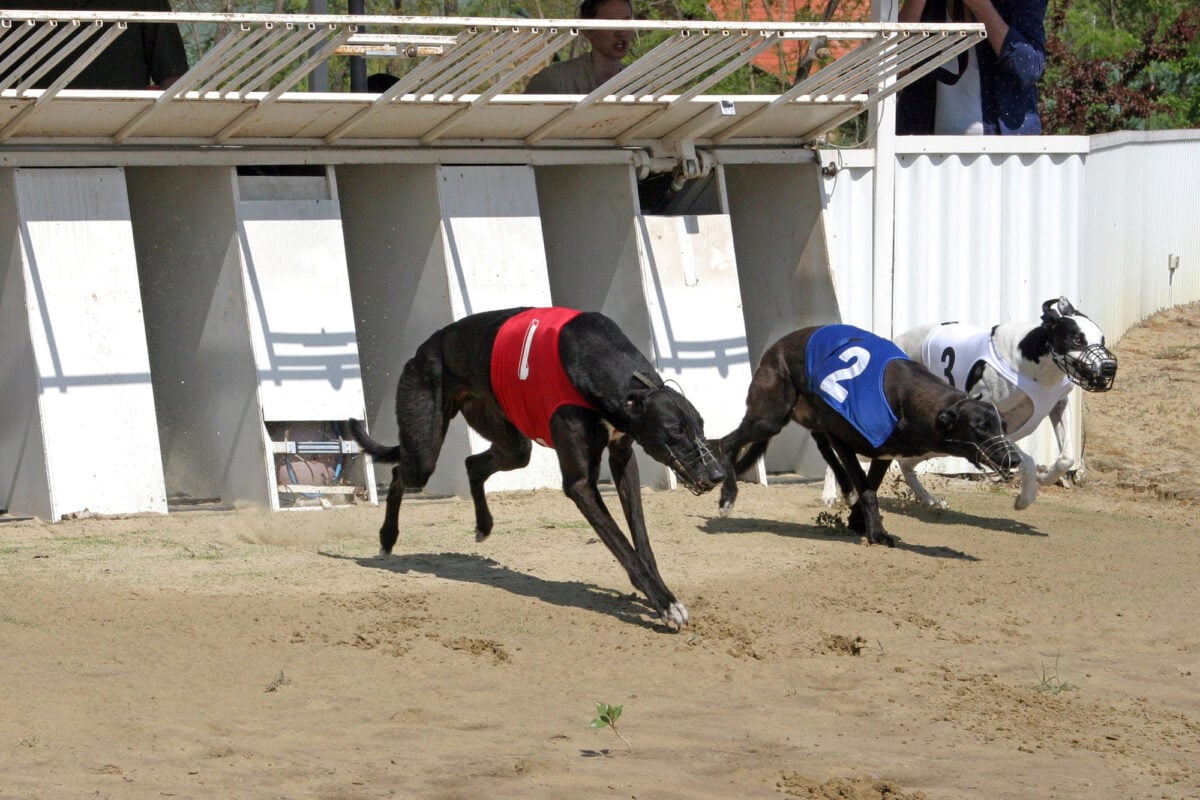
Greyhound racing dates back to the 1800s in the United States, after dogs were brought from Europe to help control hare populations. These slender athletes can reach speeds of 45 miles per hour within just a few strides, making them natural sprinters.
The sport became particularly popular in countries like Australia, Ireland, and parts of the United States. The industry has faced significant criticism over animal welfare concerns, with animal welfare groups claiming thousands of adult greyhounds are destroyed each year by the racing industry.
Sled Dog Racing
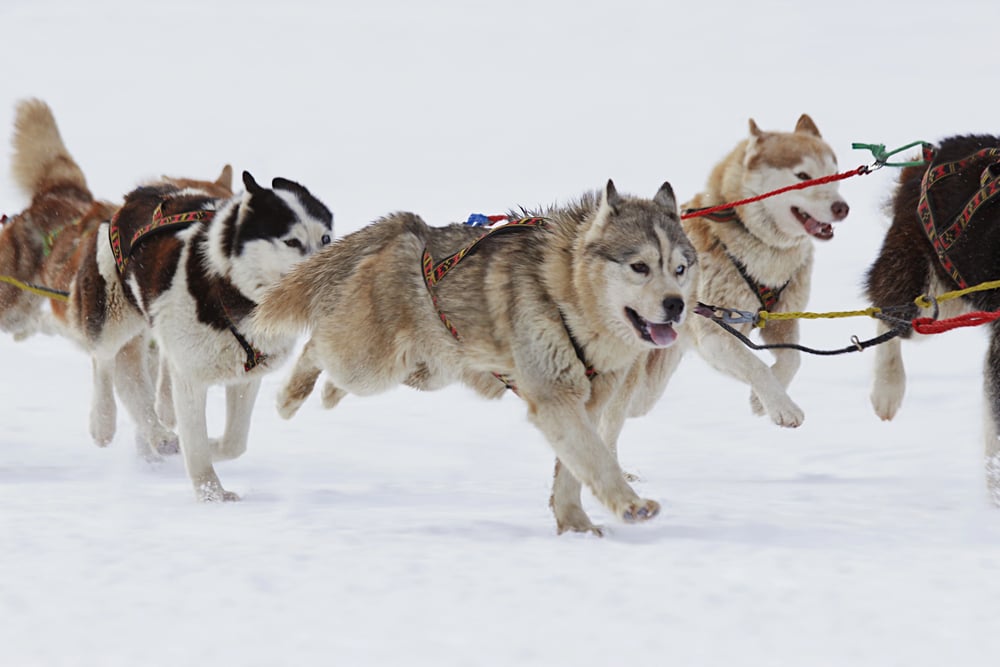
Sled dog racing evolved to showcase the skills of hardy dogs that have been pulling sleds in snowbound regions for centuries. Teams of dogs, typically including breeds like Malamutes and Siberian Huskies, pull sleds driven by mushers across snow-covered terrain.
The sport celebrates an authentic working relationship between humans and canines that developed out of necessity in Arctic environments. Unlike horse and greyhound racing, sled dog races largely depend on sponsors rather than gambling revenues, which gives the sport a different economic structure and culture.
Like Go2Tutors’s content? Follow us on MSN.
Dog Agility
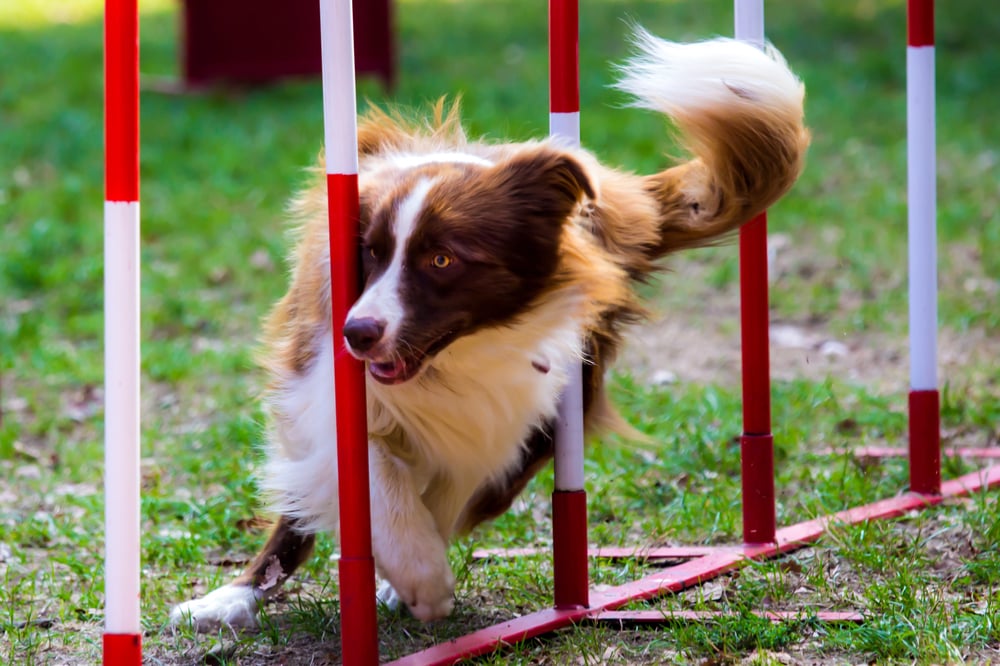
Dog agility originated from a demonstration at the Crufts dog show in the late 1970s in the United Kingdom, where dogs ran courses designed similarly to horse jumping courses as intermission entertainment. The fast-paced competition requires dogs to navigate obstacle courses while their handlers direct them using only voice commands, movement, and body signals, with no physical contact permitted.
Scoring is based on both speed and accuracy, with penalties for faults like knocking down bars or exceeding time limits. The sport has spread worldwide and can be adapted for dogs of various sizes and breeds.
Show Jumping and Dressage
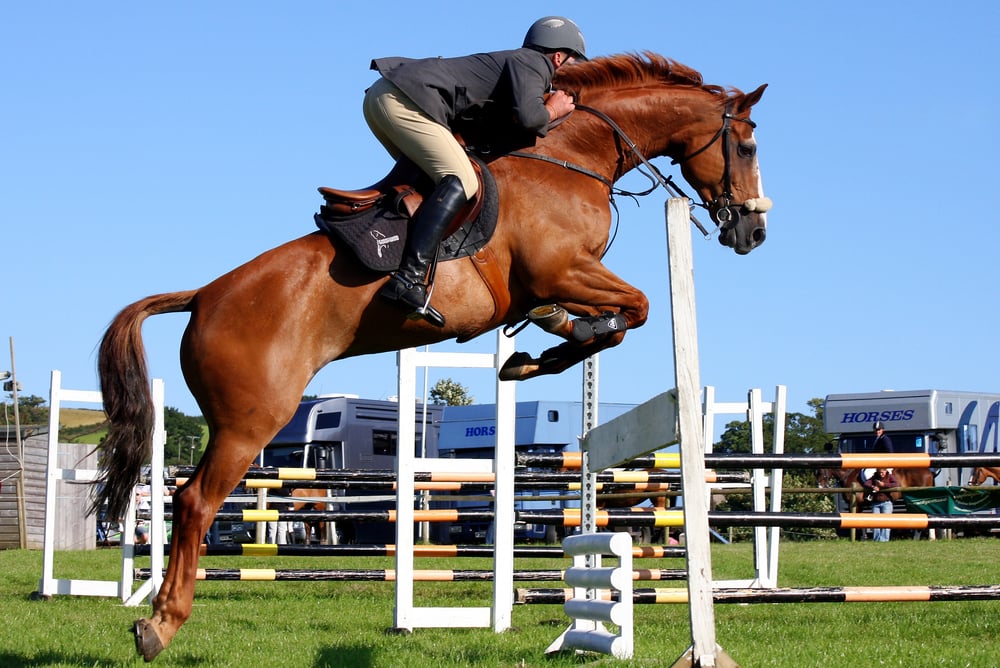
Show jumping and dressage are among the variety of horse riding sports intended to highlight excellence in training or breeding, with both featured at the Olympic Games. Show jumping tests a horse’s ability to clear obstacles of varying heights and widths within a timed course.
Dressage, sometimes called ‘horse ballet,’ focuses on precision movements and the harmonious relationship between horse and rider. At lower levels, horse shows offer competitions in both riding and driving, as well as classes that evaluate equine conformation.
These disciplines demand years of training and substantial financial investment.
Camel Racing
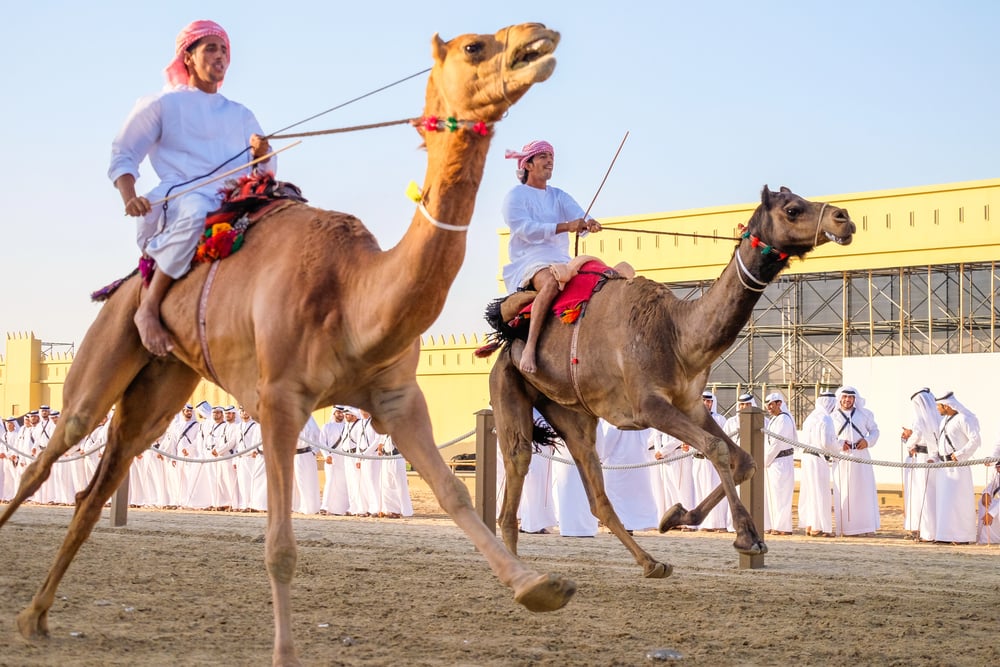
Camel racing is extremely popular in the Emirates and traditionally was staged at weddings or special festivals, though customized tracks have now been built throughout the country. Racing camels can reach top speeds of 40 miles per hour and maintain 18 miles per hour for a full hour.
The traditional use of child jockeys has largely given way to remote-controlled robot jockeys to address human rights concerns. Events like the annual camel race festival at Al Wathba attract entrants from around the world, with prize money rivaling major horse racing purses.
Like Go2Tutors’s content? Follow us on MSN.
Falconry
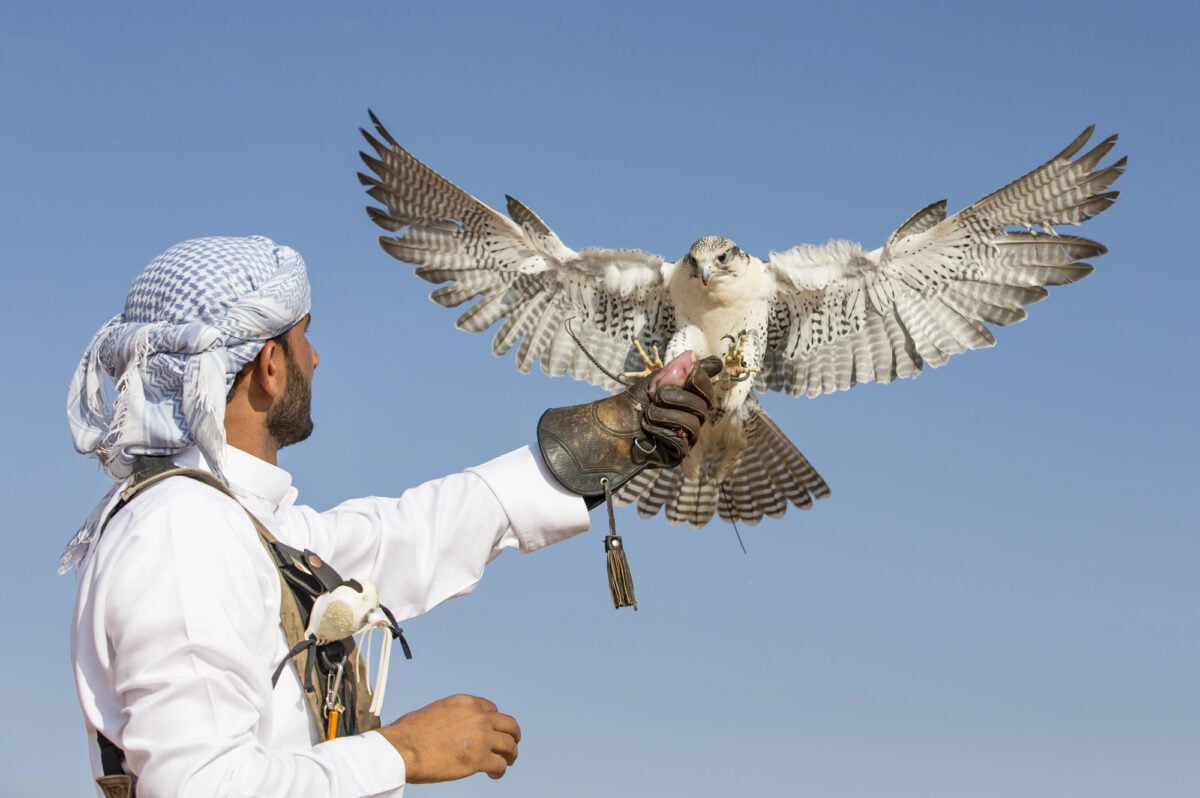
Falconry dates back an estimated 2,000 years and was originally practiced as a source for food, primarily to hunt hares and other game. Modern competitions judge how well these raptors obey commands, hunt targets, and return to their handlers, with the bond between falconer and bird taking years of daily training to develop.
The UAE works in collaboration with UNESCO to preserve falconry as a cultural heritage and hosts international falconry tournaments. When a falcon responds instantly to subtle hand movements from 100 yards away, it demonstrates the remarkable partnership possible between humans and birds of prey.
Bullfighting
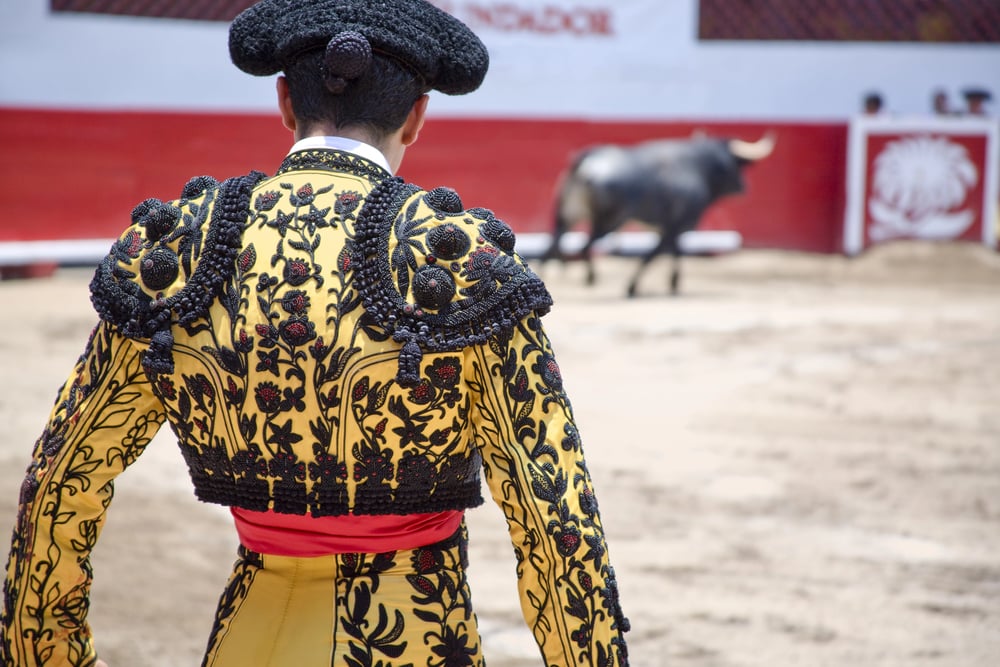
Bullfighting has a long history in Spanish and Portuguese tradition and remains popular in Spain, Portugal, some Latin American countries including Mexico, Peru, Colombia, Venezuela, and Ecuador, southern France, and parts of Africa. This sport is unique among major animal sports because humans compete against and potentially kill the animals involved.
Supporters call it art while detractors call it cruel, with bulls coming from specialized breeding programs focusing on aggression and charging behavior. In Portugal, the bull is not killed in the ring but may be slaughtered afterward.
Fishing Competitions
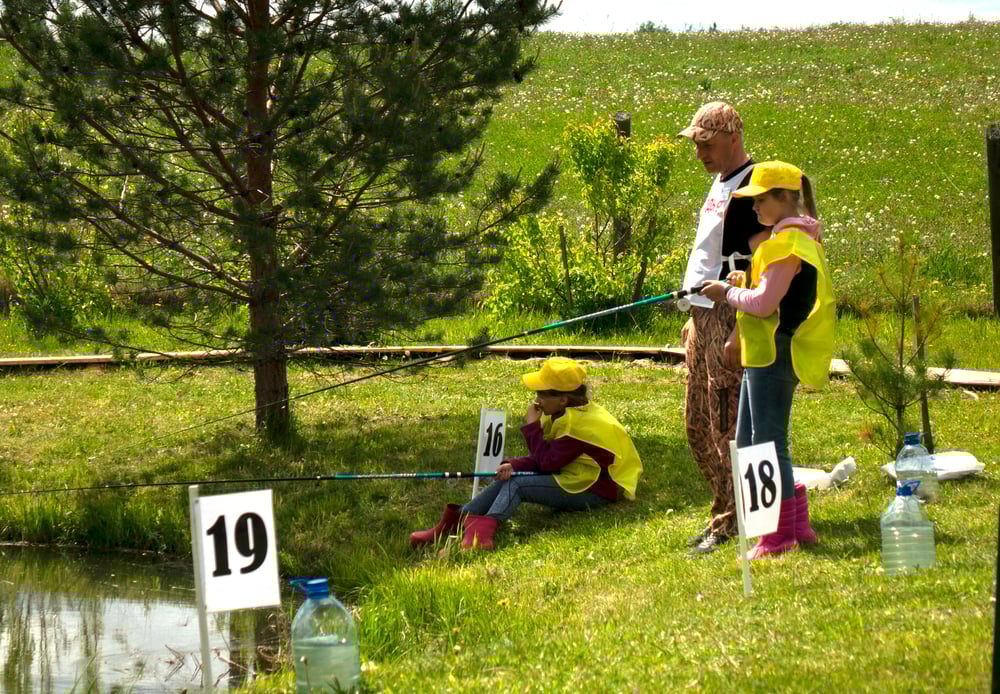
Fishing differs from other sports as it’s most commonly a pastime or hobby, though it can also be a competitive sport. Tournament fishing has grown into a significant industry, with competitions ranging from bass fishing tournaments to deep-sea fishing contests.
Anglers compete to catch the largest, heaviest, or most fish within designated time periods. The sport indirectly involves animals as the target rather than as active participants or partners. Professional fishing tournaments can offer substantial prize money and sponsorship deals, transforming what many consider a relaxing hobby into an intense competitive arena.
Like Go2Tutors’s content? Follow us on MSN.
Sheepdog Trials
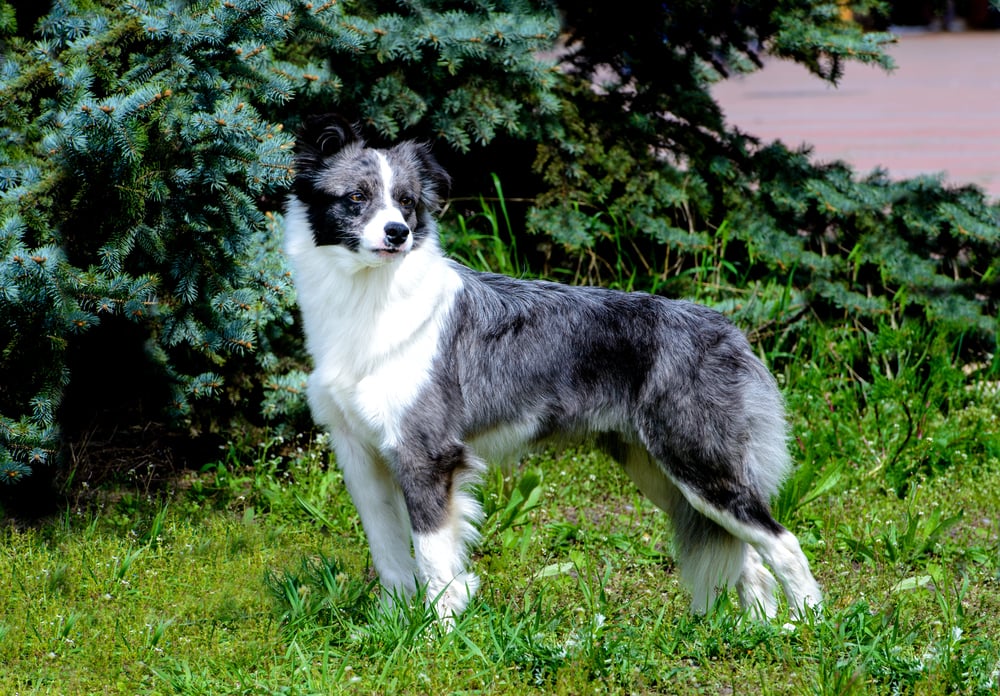
Cattle and sheepdog trials are popular in many countries and demonstrate how well a dog can gather livestock. These competitions test a dog’s ability to respond to whistles and hand signals from their handler while moving sheep through gates, into pens, and around obstacles.
The BBC broadcast ‘One Man and His Dog,’ a television series about sheepdog trials, from 1976 to 1999. Border Collies typically excel at these events due to their breeding specifically for herding work.
The trials celebrate working dogs performing tasks they were originally bred to do, showcasing intelligence, obedience, and natural herding instincts.
From Ancient Arenas to Modern Debates

Many animals used in sports, particularly in commercial contexts, undergo extensive training, and some sports involve selective breeding over generations. The relationship between humans and animals in sports continues to evolve, with increasing attention to animal welfare standards and ethical treatment.
What began centuries ago as practical demonstrations of working skills or friendly competitions has transformed into professional industries worth billions of dollars. Today’s conversations about animals in sports balance tradition, entertainment, and the growing recognition that these creatures deserve consideration beyond their performance value.
More from Go2Tutors!

- 16 Historical Figures Who Were Nothing Like You Think
- 12 Things Sold in the 80s That Are Now Illegal
- 15 VHS Tapes That Could Be Worth Thousands
- 17 Historical “What Ifs” That Would Have Changed Everything
- 18 TV Shows That Vanished Without a Finale
Like Go2Tutors’s content? Follow us on MSN.