Photos of Popular Street Foods You Can Only Find in Asia
Walking through the bustling streets of Asia is like stepping into a vast outdoor kitchen where every corner holds a new flavor, aroma, and culinary surprise. Street vendors work their magic on portable stoves, transforming simple ingredients into dishes that have fed generations. These aren’t just snacks or quick meals—they’re cultural treasures that tell stories of tradition, innovation, and the art of making extraordinary food in the most ordinary spaces. Each dish carries the soul of its homeland, and many of these incredible creations simply don’t exist anywhere else on earth.
Takoyaki
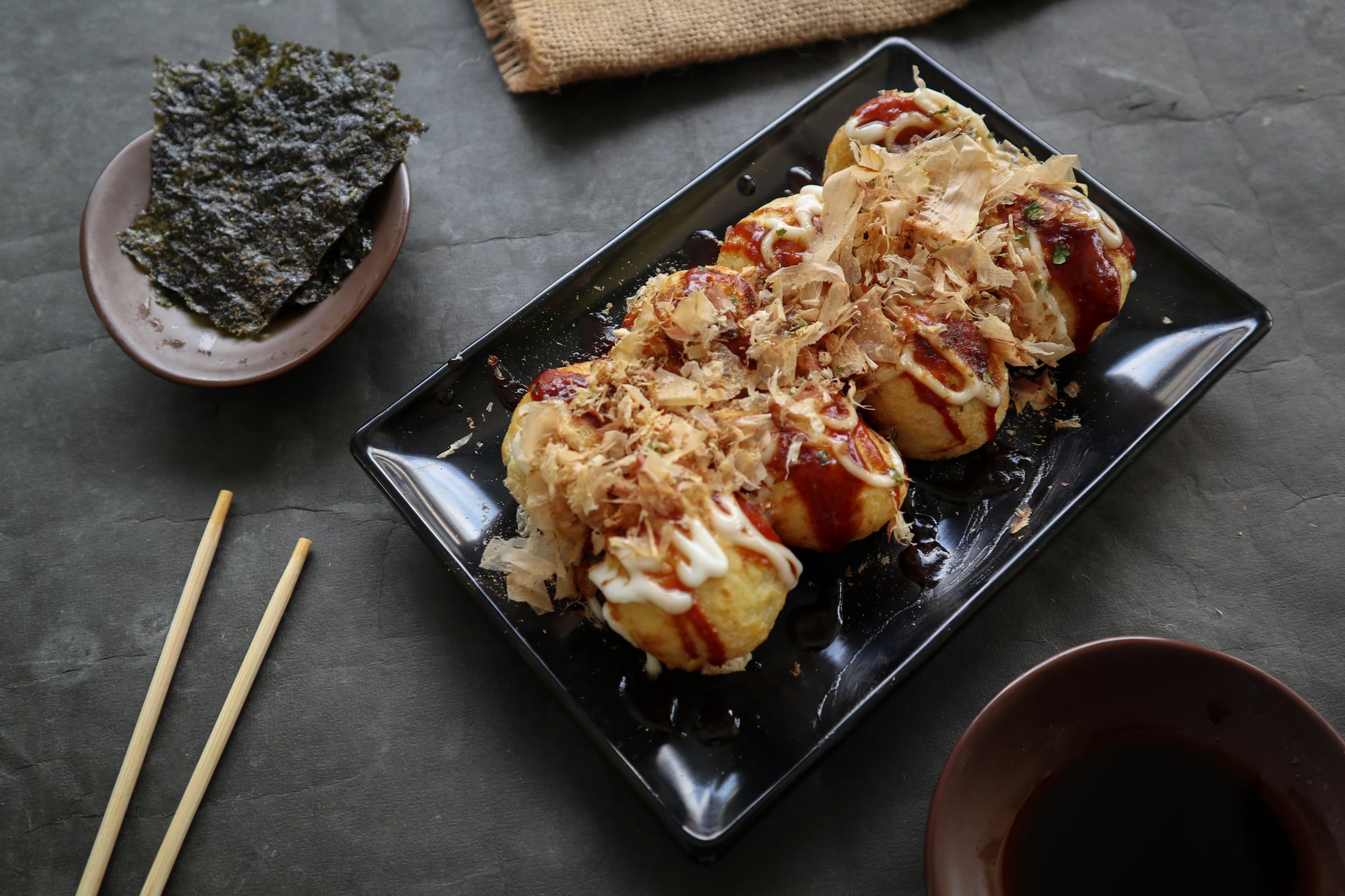
Those perfect spheres of joy bubbling away on specialized griddles across Japan aren’t just street food—they’re edible theater. Wheat flour batter gets poured into half-sphere molds, a chunk of octopus drops in, and then comes the show: vendors flip them with metal picks in movements so fluid they look choreographed.
The result tastes like the ocean decided to throw a party. Crispy outside, molten inside, topped with dancing bonito flakes that curl from the heat.
Stinky Tofu
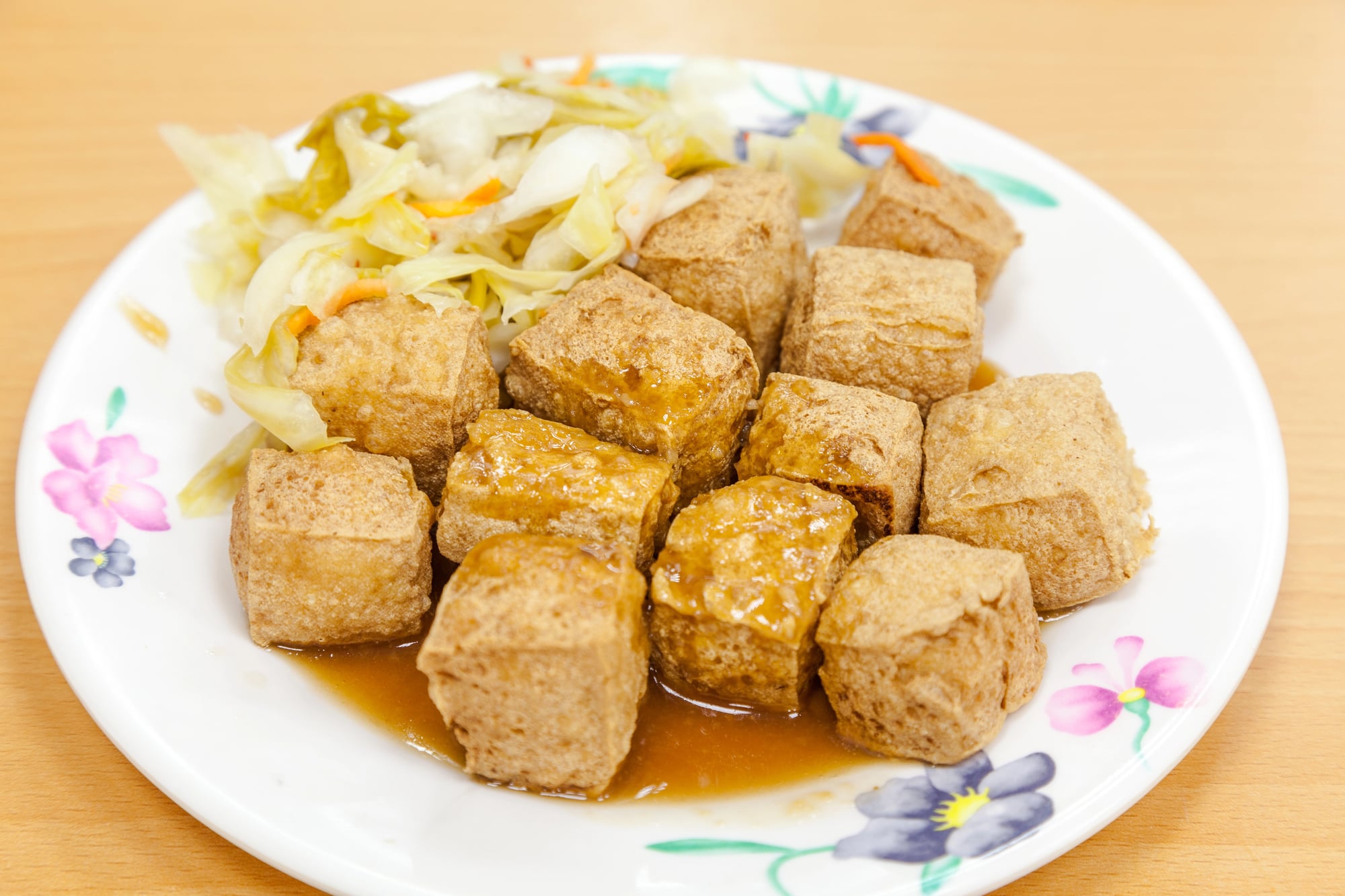
So here’s the thing about Taiwan’s most polarizing street food: it announces itself from three blocks away, and that pungent, fermented aroma either sends people running or draws them like moths to a flame (and given how this particular fermentation process works—involving weeks of marinating in a brine that contains vegetables, meat, and sometimes dried shrimp until it reaches peak funkiness—the intensity really shouldn’t surprise anyone). But take a bite, and something remarkable happens. The flavor transforms completely.
What seemed aggressive becomes complex: sour, umami, with a texture that’s crispy outside and silky within. And the vendors know exactly what they’re doing when they pair it with sweet sauce and pickled cabbage—those accompaniments don’t mask the funk, they complement it. Sometimes the most challenging foods teach you the most about your own palate.
Banh Mi Sandwich
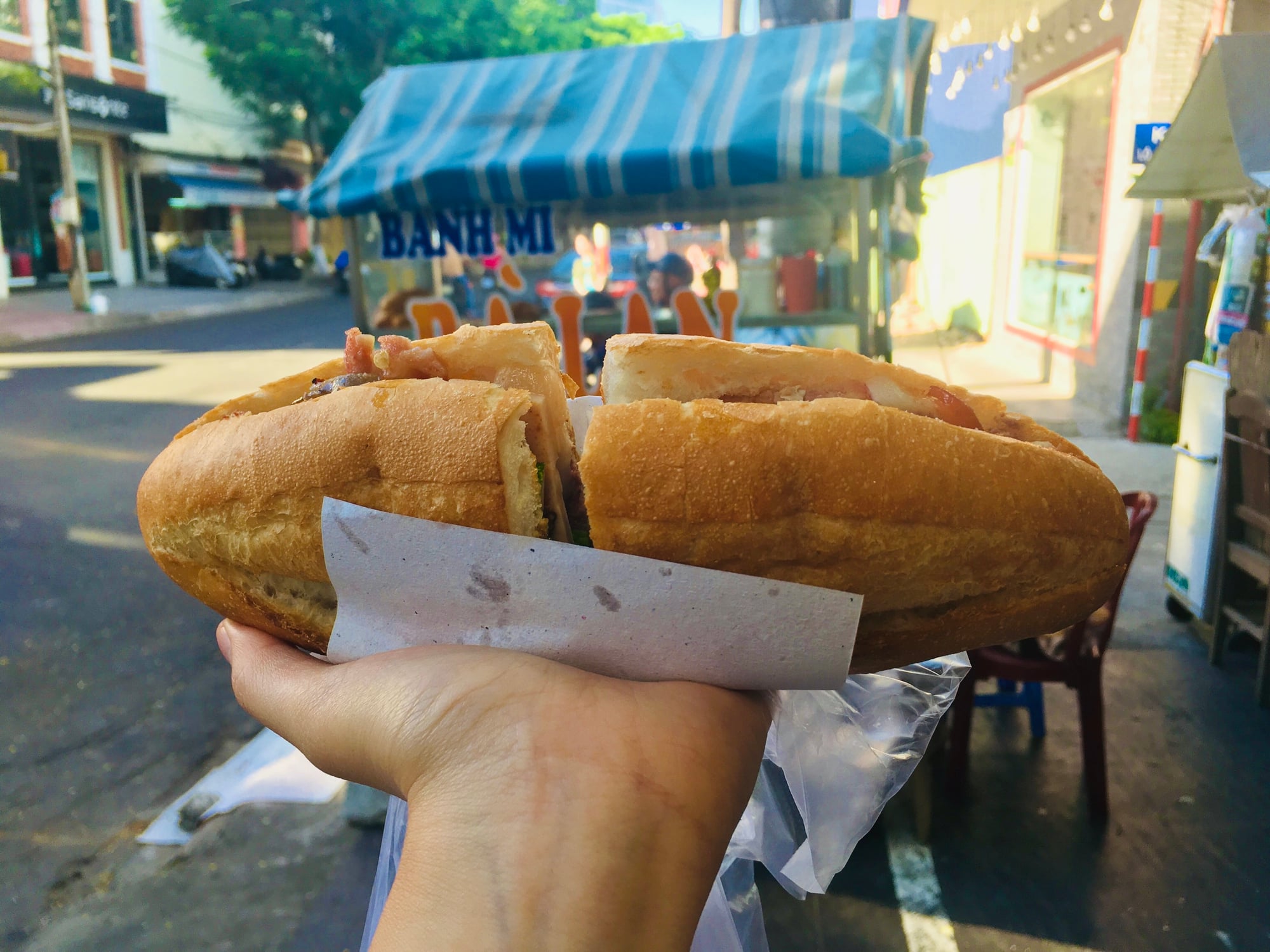
Picture this: French colonialism meets Vietnamese ingenuity, and somehow the collision creates something more beautiful than either culture could have managed alone. The baguette is there, crispy and familiar, but everything else defies expectations. Pickled daikon and carrots add brightness where you’d expect lettuce. Cilantro brings an herbal note that parsley never could. And that pâté—smooth and rich—anchors flavors that might otherwise float away.
Street vendors in Vietnam don’t just assemble these sandwiches; they orchestrate them. Each ingredient has its moment, its purpose, its place in a harmony that shouldn’t work but absolutely does.
Pad Thai From Street Carts
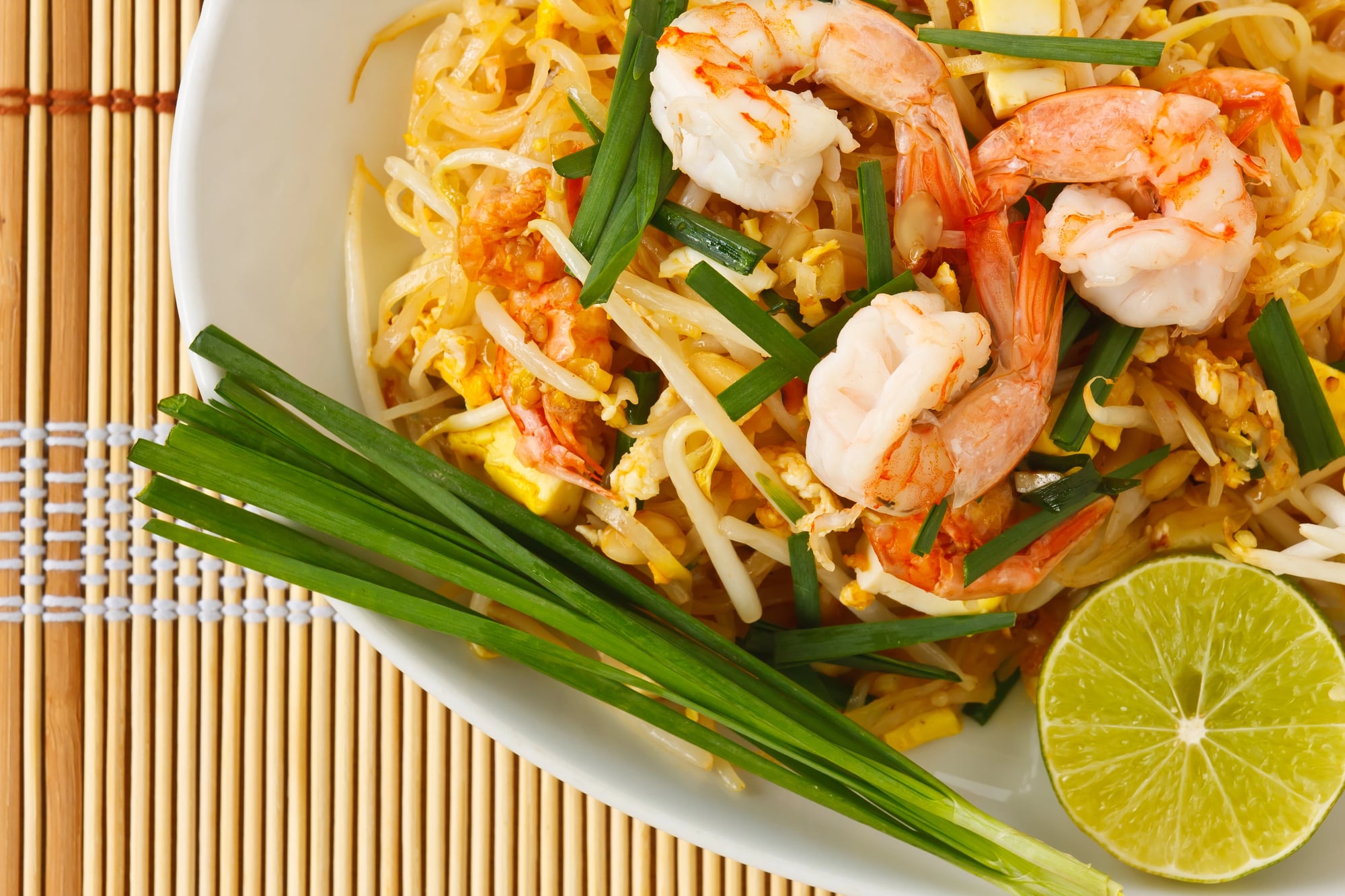
Thailand’s most famous export gets butchered regularly in restaurants worldwide, but watch a Bangkok street vendor work their wok and you’ll understand why the real thing has nothing to do with those pale imitations.
The vendors control heat like conductors control orchestras. High flame for the noodles, quick toss for the eggs, precise timing for the fish sauce and tamarind. What emerges isn’t the sweet, gloppy mess served elsewhere—it’s balanced, complex, with each ingredient distinct yet harmonious.
That char from the wok can’t be replicated in home kitchens. Neither can the vendors’ instinctive understanding of when to add what.
Xiaolongbao
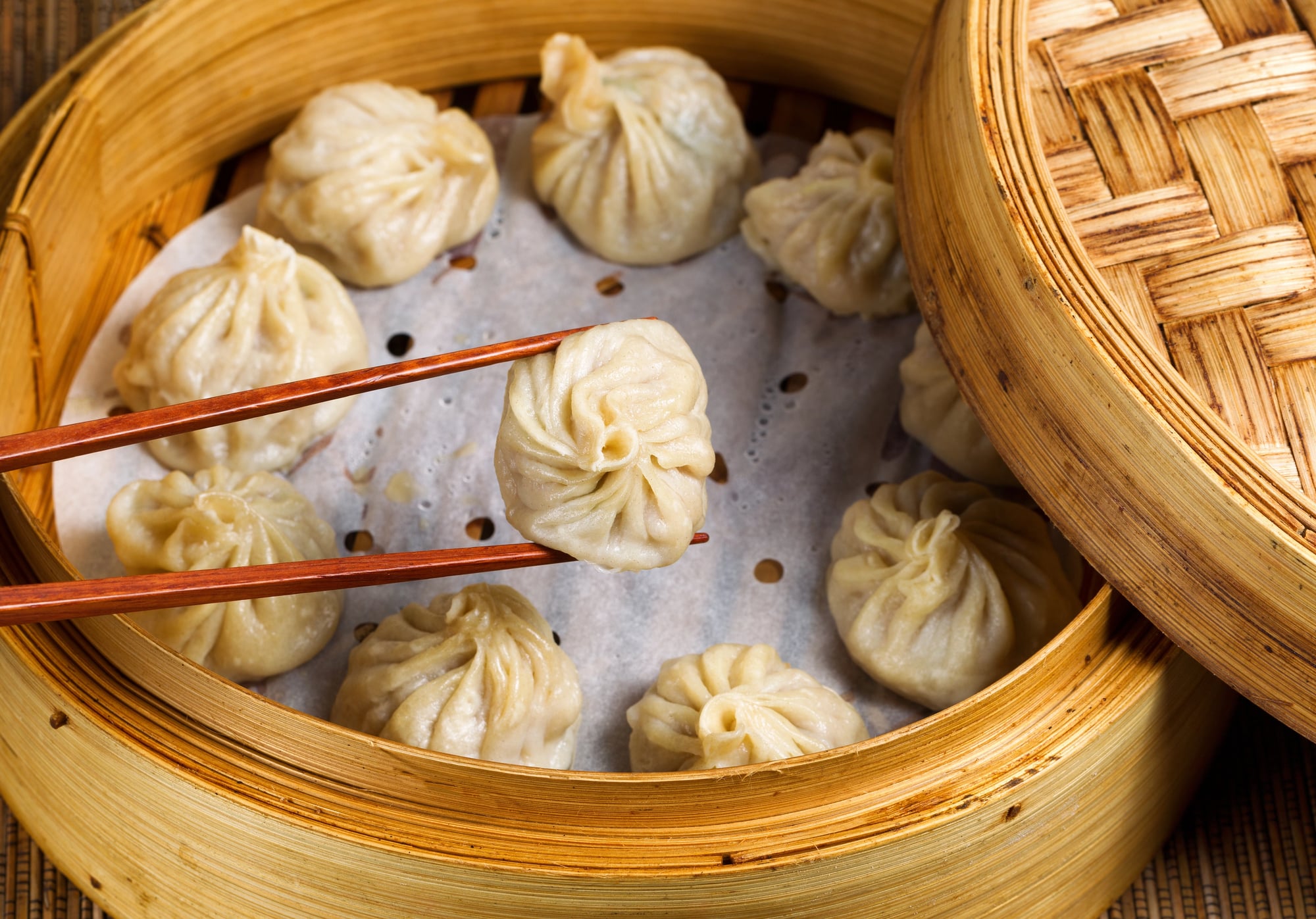
Shanghai’s soup dumplings exist in that magical space where engineering meets artistry, where a simple wheat wrapper somehow contains an entire universe of broth and pork without exploding in the steamer (though the precise pleating technique—eighteen folds, traditionally—isn’t just for show; it’s structural integrity disguised as beauty). The vendors who make these aren’t just cooks; they’re architects working in dough and steam, calculating the exact ratio of filling to liquid that will create that burst of flavor when you bite down.
And the eating ritual matters just as much as the making: the careful lift with chopsticks, the small nibble to release steam, the quick slurp of broth before the whole dumpling disappears. Miss any step and you either burn your tongue or lose half the experience to your plate. But get it right, and you understand why people queue for hours just to watch these delicate packages emerge from bamboo steamers.
Roti Canai
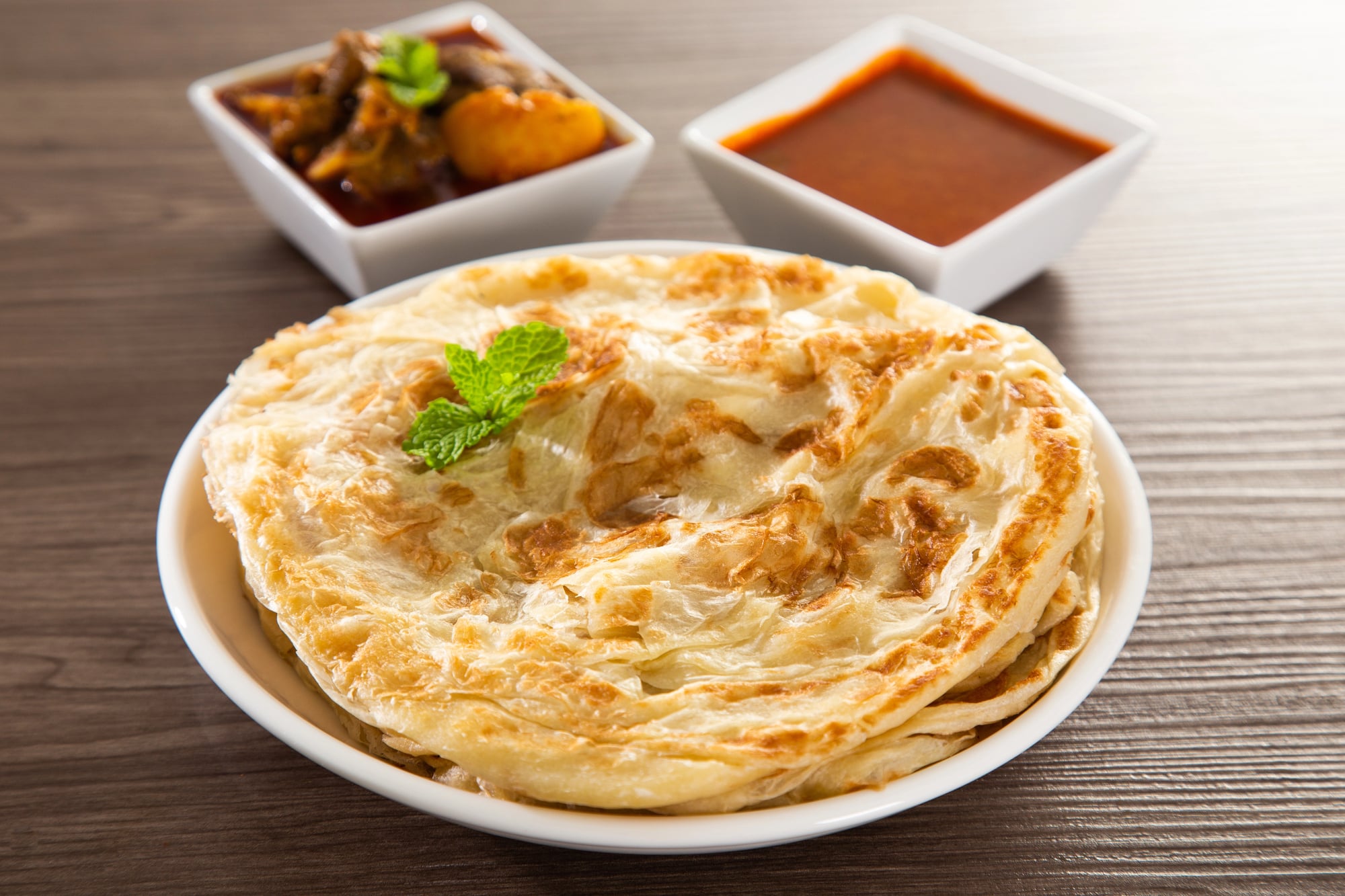
There’s something almost hypnotic about watching Malaysian street vendors stretch roti dough until it becomes translucent, thin enough to read through if anyone had time to hold up a newspaper. The dough spins and flies, stretches and folds, transforming from a simple orb into something that resembles silk more than bread. Then it hits the griddle, and layers you didn’t even know existed begin to separate and crisp.
The result flakes apart in your hands, buttery and light, perfect for sopping up curry or eating plain with a sprinkle of sugar. It’s comfort food that requires genuine skill—the kind of technique that takes years to master but looks effortless in practiced hands.
Jianbing
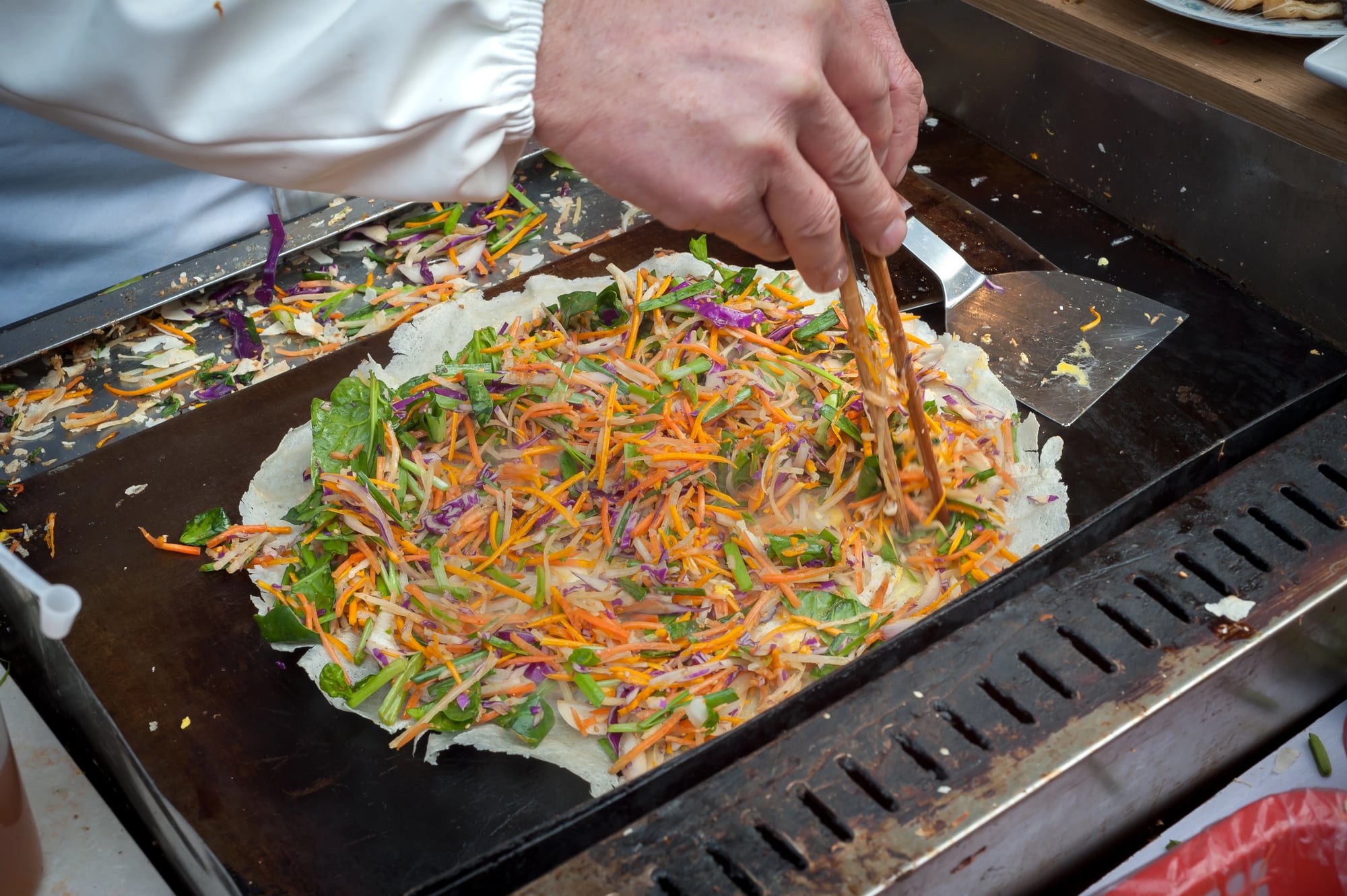
China’s breakfast crepe empire operates from bicycle carts and portable griddles, but don’t let the simple setup fool you—this is precision cooking disguised as street food.
The vendor spreads batter paper-thin across a circular griddle, cracks an egg directly onto it, sprinkles scallions and cilantro, then adds a crispy cracker that gets folded right into the crepe. Sweet bean sauce, chili sauce, pickled vegetables—everything builds in layers until you have a handheld meal that’s simultaneously crispy, chewy, savory, and bright.
The whole process takes maybe three minutes, but those are three minutes of perfect timing and practiced movements.
Mango Sticky Rice
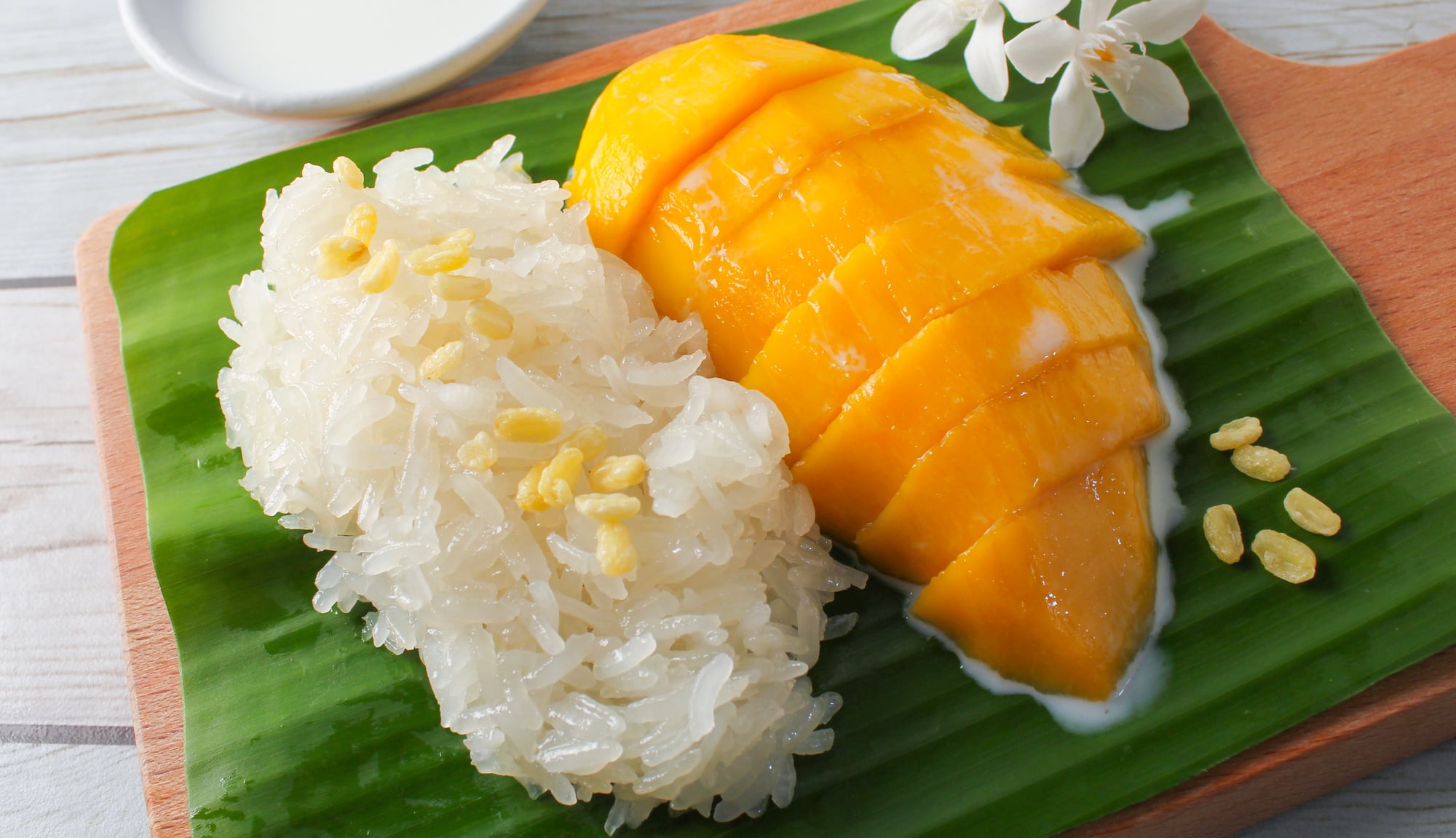
Thai dessert vendors understand something profound about contrast: how the cool sweetness of ripe mango plays against warm, coconut-infused glutinous rice, how textures can complement rather than compete, how simplicity often delivers more satisfaction than complexity ever could. The rice gets steamed until each grain is tender but distinct, then bathed in coconut cream that’s been seasoned with just enough salt to make the sweetness sing instead of cloy.
When perfectly ripe mango meets this preparation, something transcendent happens. The fruit’s acidity cuts through the richness, while the rice provides a comforting base that lets the mango’s perfume shine. It’s humble ingredients elevated through technique and understanding—exactly what great street food should be.
Korean Hotteok
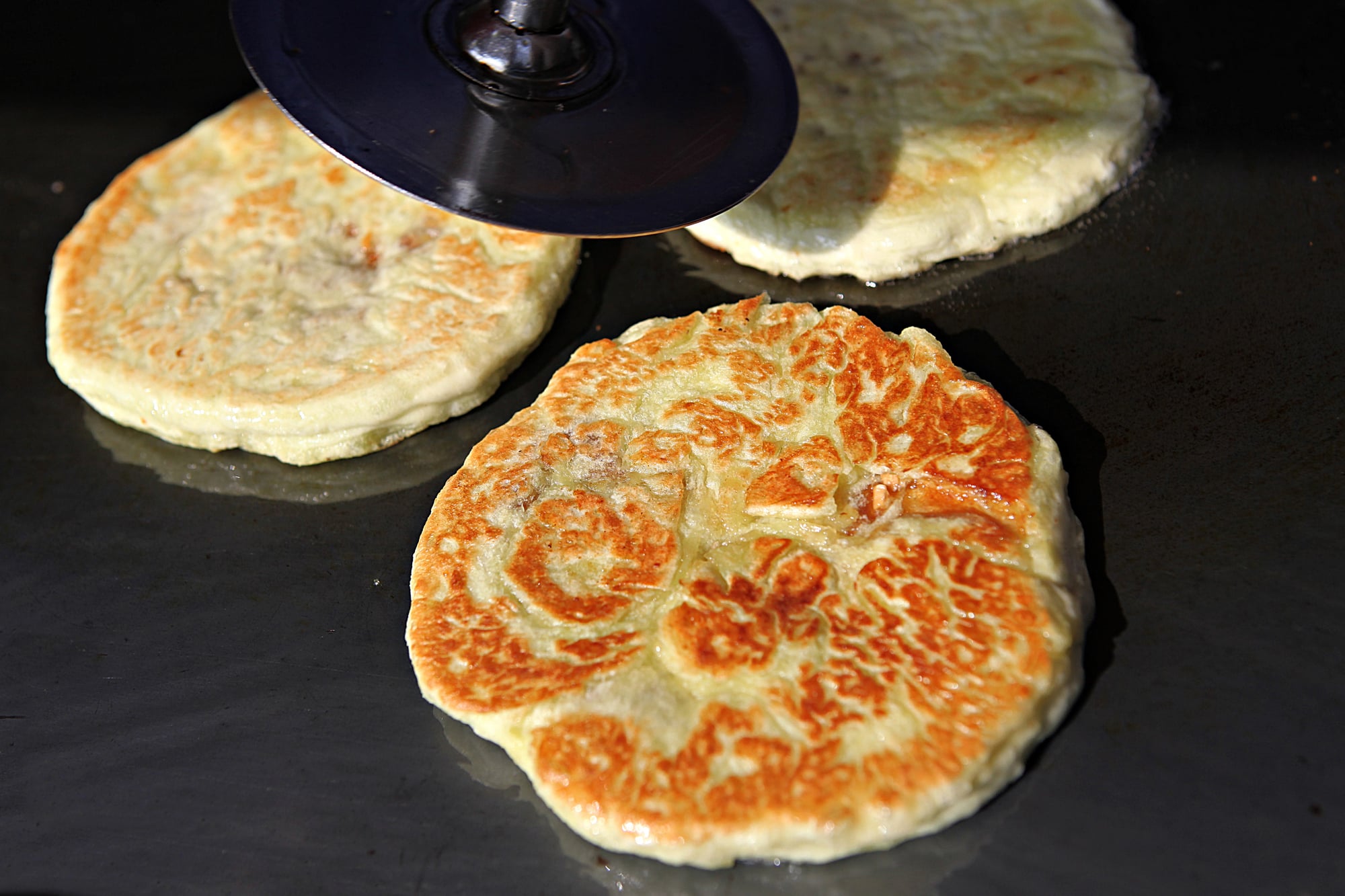
Seoul winters demand serious comfort food, and hotteok delivers with the intensity of a warm hug wrapped around molten sugar.
The pancake starts as yeasted dough, gets stuffed with brown sugar, cinnamon, and chopped nuts, then pressed flat on a griddle until the outside crisps and the inside liquefies. The first bite releases a flood of sweet, nutty syrup that’s legitimately dangerous to tongue and clothing alike.
Street vendors serve these year-round, but they’re perfect for cold weather—portable warmth that satisfies on multiple levels.
Fish Orb Noodles
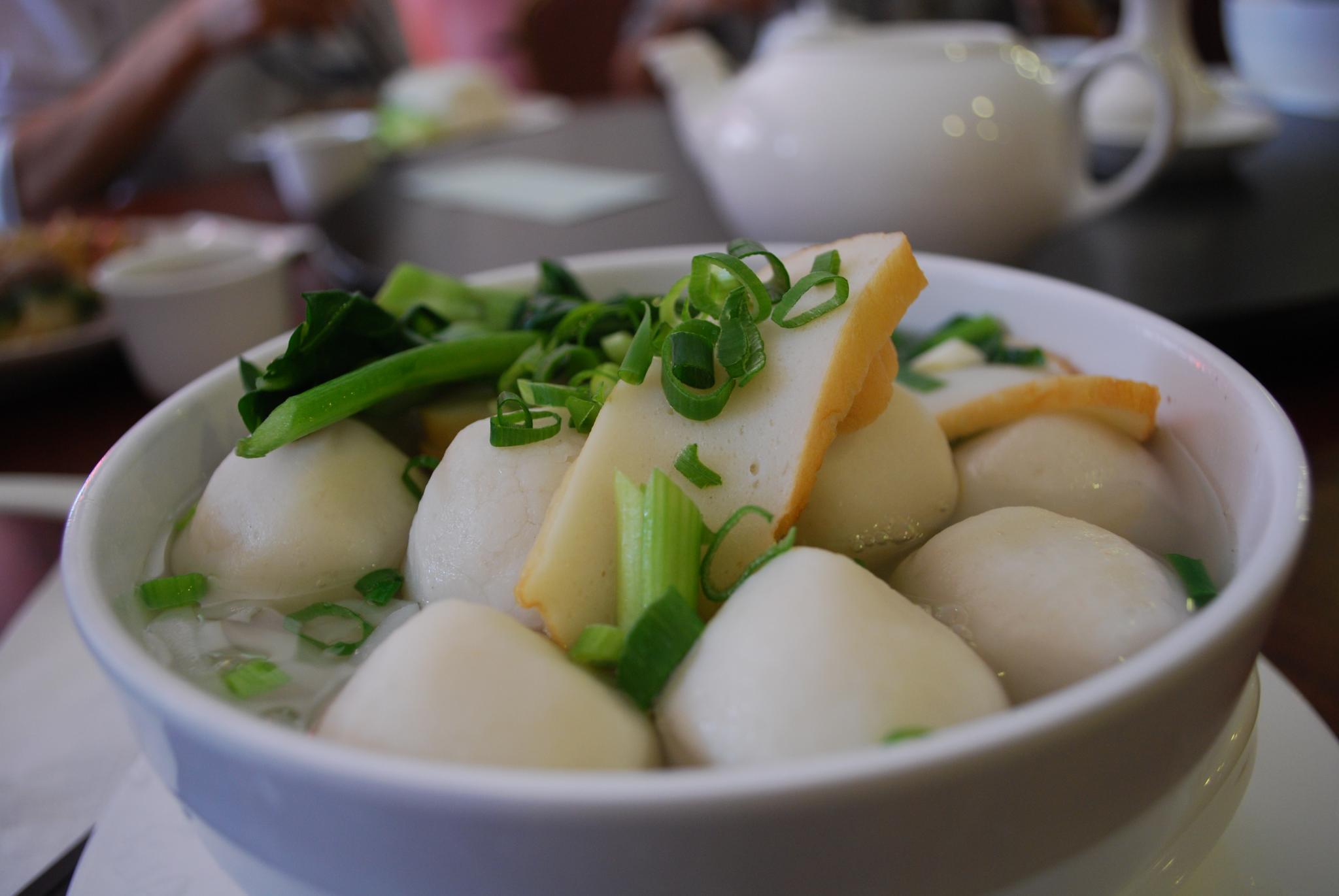
Hong Kong’s dai pai dong stalls have elevated the humble fish orb into something approaching art form, taking what could be simple processed fish and transforming it into bouncy, flavorful spheres that anchor bowls of comfort (and the texture—that distinctive springiness that comes from proper fish paste preparation—can’t be achieved through shortcuts or modern processing methods that prioritize efficiency over quality). The vendors know their fish, know which varieties will hold together under pressure and which will fall apart, know exactly how long to knead the paste to achieve that signature bounce without crossing the line into rubber.
And the broth matters just as much: clear, light, but deeply flavorful from hours of simmering bones and aromatics. So when thin rice noodles join the party, along with vegetables that add color and crunch, you get a bowl that’s simultaneously light and satisfying. But it’s those fish rings that make the dish—proof that taking humble ingredients seriously can yield extraordinary results.
Char Kway Teow
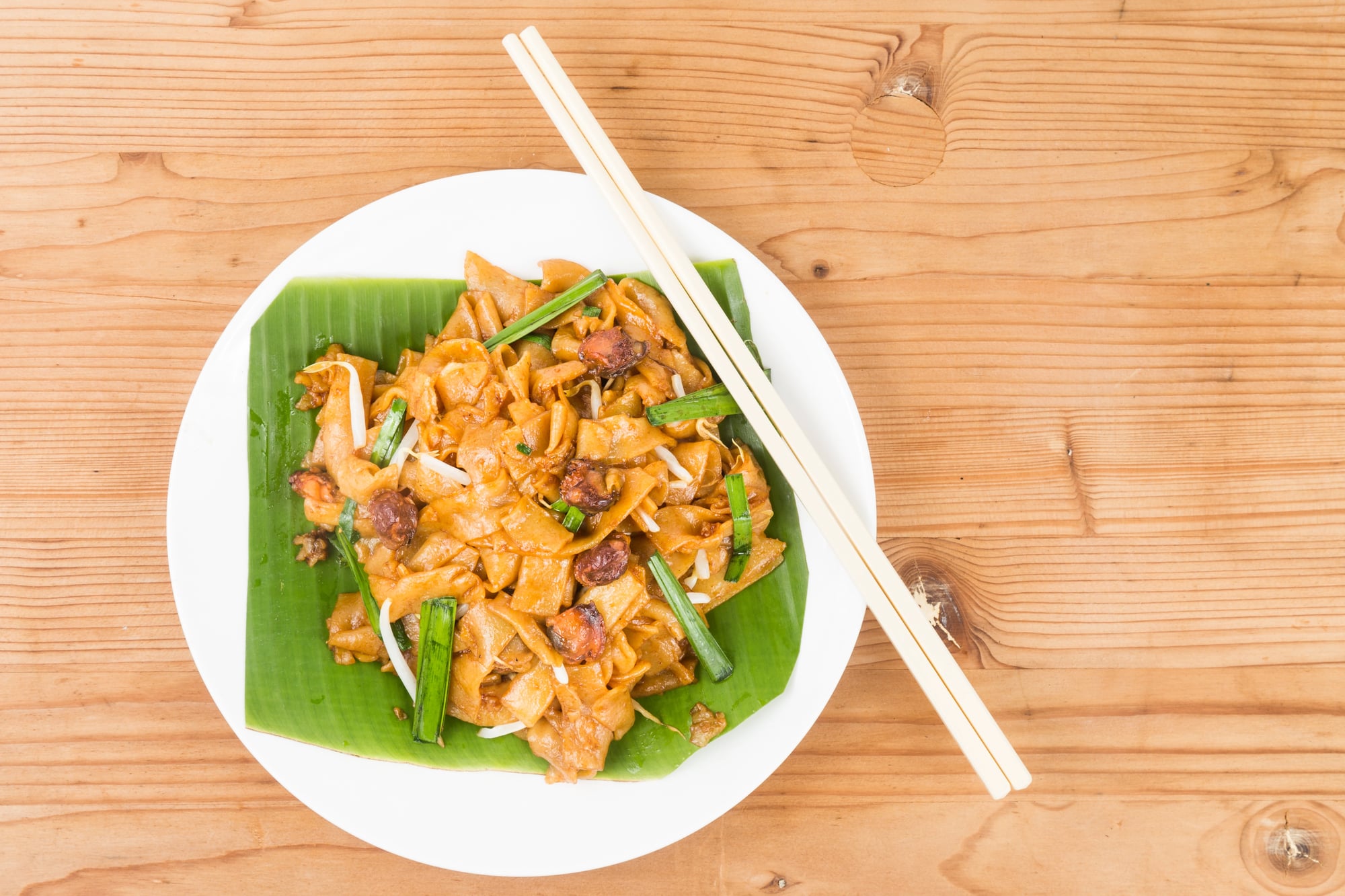
Malaysia’s gift to the wok-cooking world isn’t subtle, and it doesn’t apologize for being exactly what it is: rice noodles, dark soy sauce, Chinese sausage, and enough heat to create that essential wok hei—the breath of the wok that can’t be replicated at lower temperatures.
Street vendors work over flames hot enough to singe eyebrows, tossing ingredients with the kind of confidence that only comes from making the same dish hundreds of times. The noodles develop slight char, the sausage releases its fat, the bean sprouts add crunch and freshness to balance all that rich, smoky intensity.
This isn’t health food. It’s indulgence food, the kind of dish that reminds you why some pleasures are worth the calories.
Vietnamese Pho
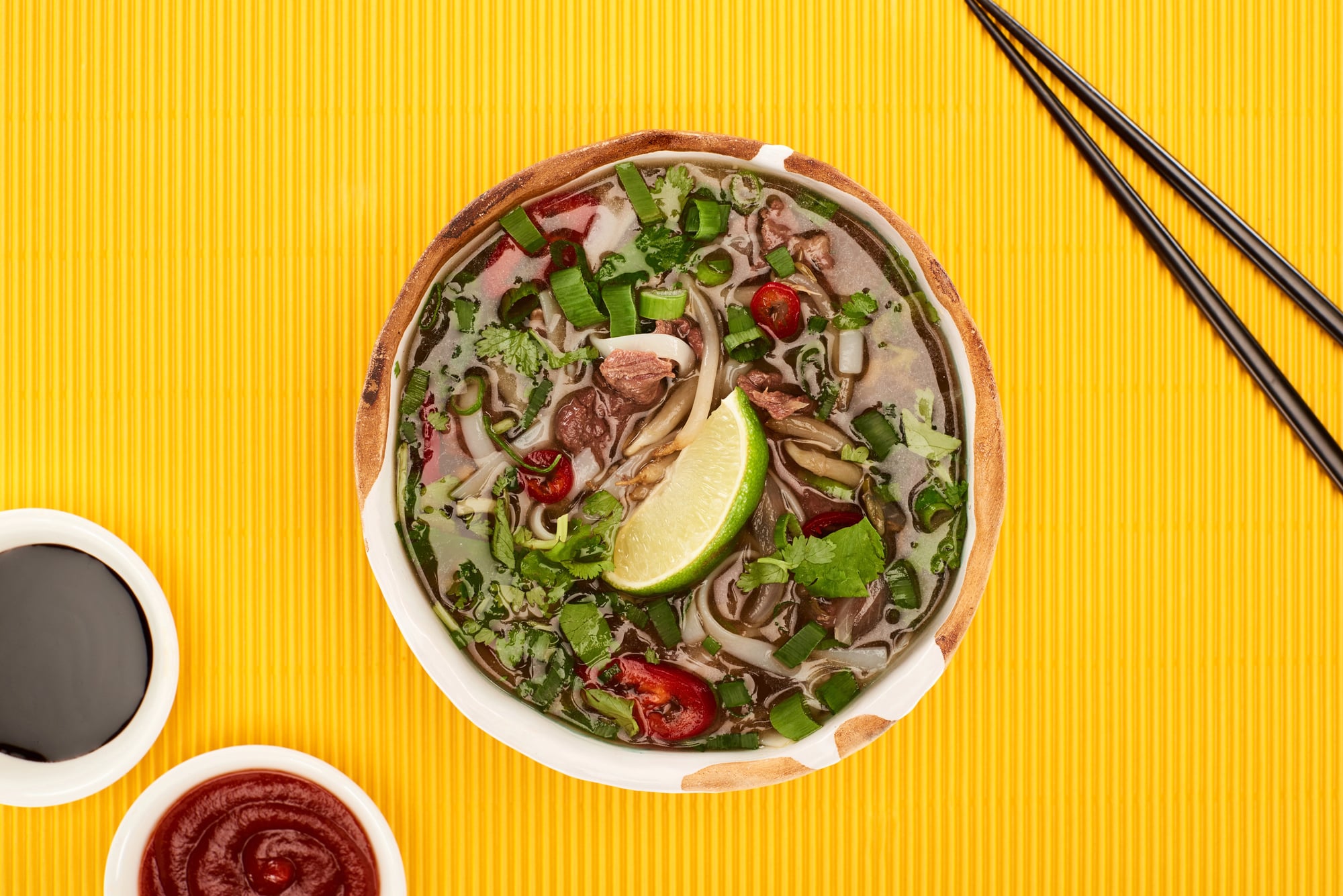
Hanoi’s street vendors start their pho preparation before dawn, simmering beef bones and aromatics for hours until the broth develops that distinctive depth and clarity that defines the dish (though calling it “just soup” misses the point entirely—this is liquid poetry, the result of technique refined over generations until every element serves a purpose). The rice noodles get blanched to order, thin slices of beef cook in the hot broth itself, and herbs arrive fresh and fragrant, letting each person customize their bowl according to taste and mood.
But here’s what matters most: the vendors understand balance in ways that most restaurant versions miss completely. The broth shouldn’t overpower; the herbs shouldn’t disappear; the noodles should have just enough bite to provide texture without becoming chewy. And that first spoonful—clear, aromatic, warming—should tell you immediately whether the vendor knows what they’re doing. Get it right, and you have breakfast that sustains both body and spirit.
Dan Dan Noodles
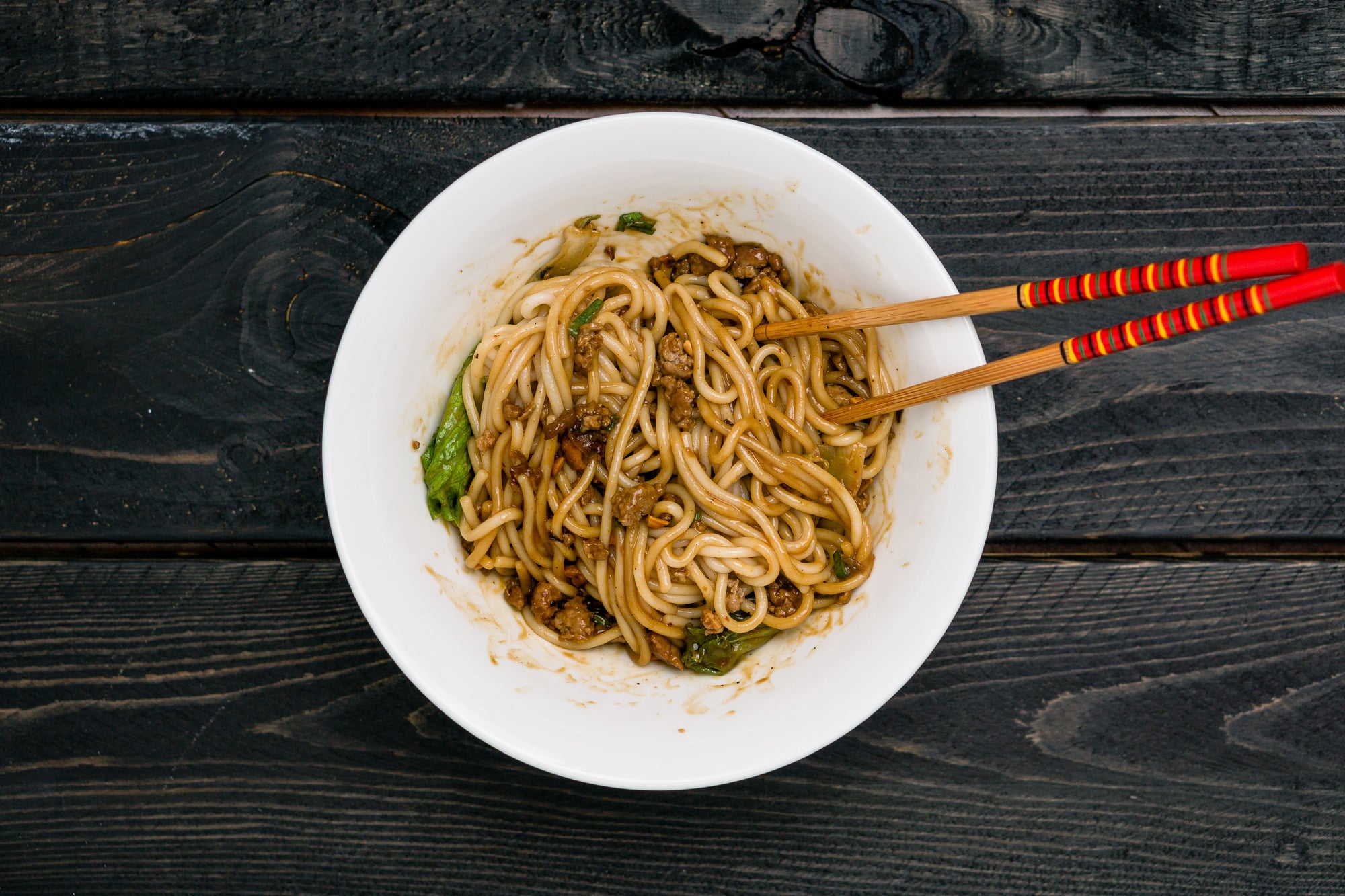
Sichuan street vendors don’t mess around with spice levels, and dan dan noodles prove that sometimes the best way to wake up your palate is with a controlled assault of heat and numbing Sichuan peppercorns.
The sauce builds in layers: sesame paste for richness, chili oil for heat, preserved vegetables for umami depth. Ground pork adds substance, while scallions provide a fresh counterpoint to all that intensity. The noodles themselves are just the delivery system for flavors that range from tingling to burning to deeply savory.
One bowl will clear your sinuses and probably change your understanding of what spicy food can accomplish.
A Feast for the Eyes and Soul
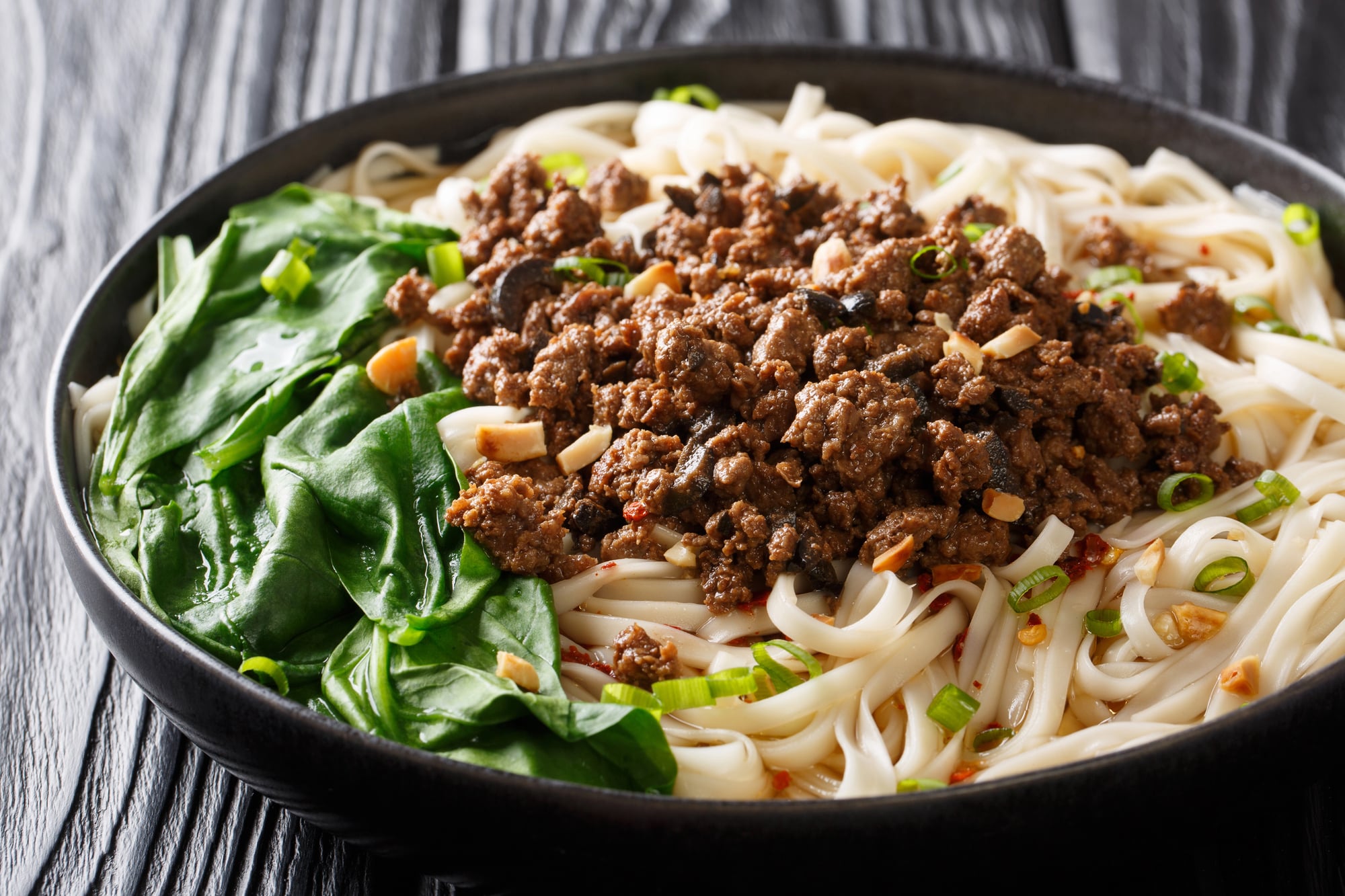
These dishes represent more than just different ways to prepare food—they’re windows into cultures that have perfected the art of creating extraordinary experiences from ordinary ingredients. Street vendors across Asia continue traditions that stretch back generations while adapting to modern tastes and circumstances. Each photograph captures not just a meal, but a moment in time where skill, tradition, and hunger converge into something that feeds both body and spirit. The next time you encounter one of these dishes, remember that you’re not just eating street food—you’re participating in a culinary heritage that has been refined through countless hands and countless years of dedication to the craft.
More from Go2Tutors!

- The Romanov Crown Jewels and Their Tragic Fate
- 13 Historical Mysteries That Science Still Can’t Solve
- Famous Hoaxes That Fooled the World for Years
- 15 Child Stars with Tragic Adult Lives
- 16 Famous Jewelry Pieces in History
Like Go2Tutors’s content? Follow us on MSN.