Historical Figures Who Were Secretly Rivals
History books love to celebrate great minds and their achievements.But what they often skip over are the bitter feuds, petty jealousies, and intense competitions that drove many of these famous people.
Behind the polished portraits and grand monuments, some of history’s most respected figures couldn’t stand each other.Let’s pull back the curtain on some of these hidden rivalries that shaped the world we live in today.
Thomas Edison and Nikola Tesla

The battle between these two inventors became known as the War of Currents, and it got nasty fast.Edison promoted direct current electricity while Tesla backed alternating current, and Edison went to extreme lengths to prove his point.
He even electrocuted animals in public demonstrations to show how dangerous Tesla’s system was.Tesla’s technology eventually won out, but Edison spent years making sure his former employee struggled to get any credit or funding for his brilliant ideas.
Coco Chanel and Elsa Schiaparelli
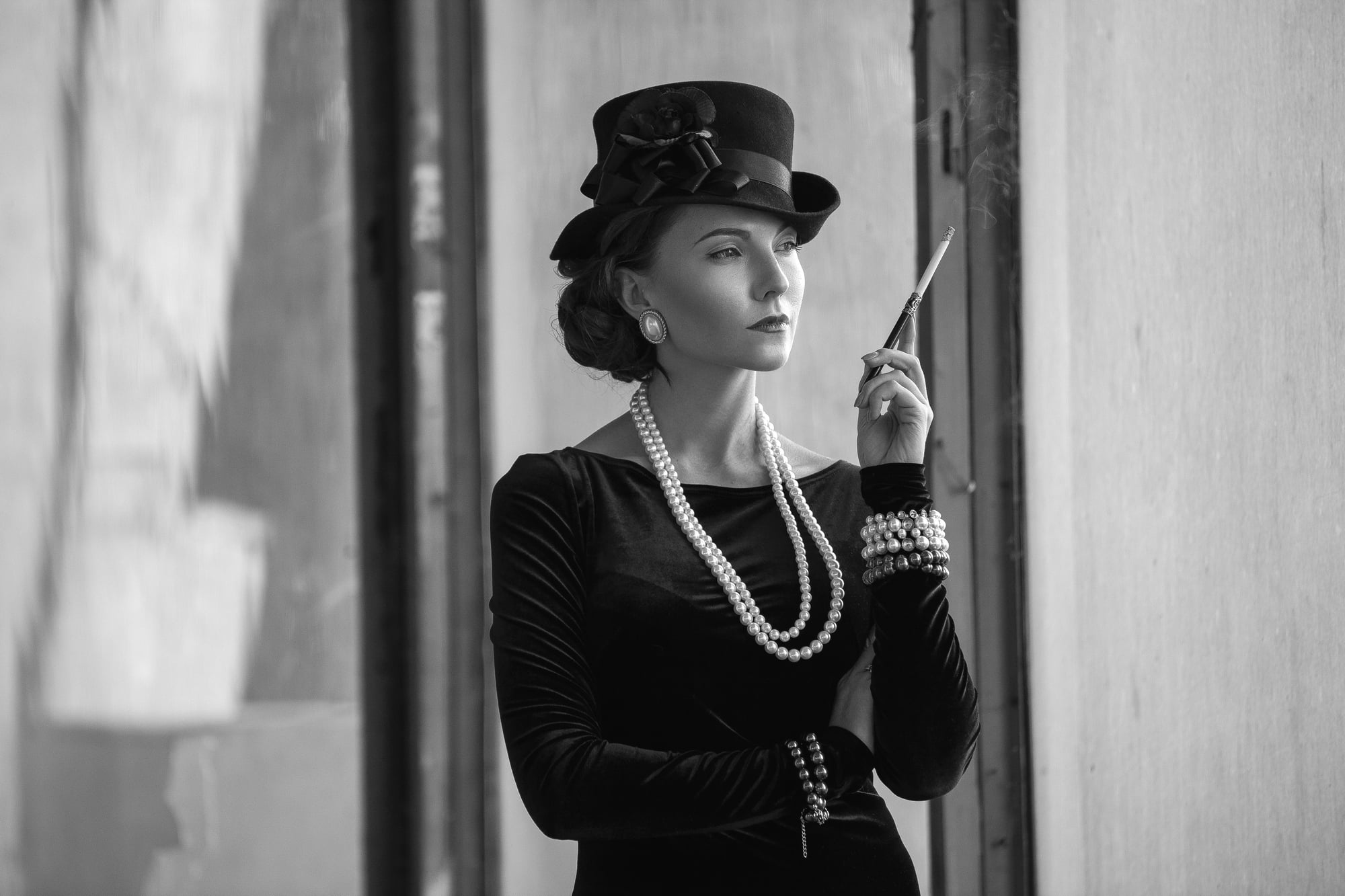
These fashion designers despised each other with a passion that burned through 1930s Paris.Chanel called Schiaparelli ‘that Italian artist who makes clothes,’ refusing to acknowledge her as a real designer.
Schiaparelli fired back by creating bold, surrealist designs that directly challenged Chanel’s simple, elegant style.When one launched a new collection, the other would rush to outdo it with something even more dramatic.
Babe Ruth and Ty Cobb

Baseball fans remember both as legends, but these players couldn’t stand being in the same stadium.Cobb represented the old way of playing with strategic bunts and stolen bases, while Ruth changed everything with his home run power.
Cobb publicly criticized Ruth’s approach as showing off and ruining what made the sport great.Ruth just kept breaking records and packing stadiums, which only made Cobb angrier about being pushed out of the spotlight.
Aldous Huxley and George Orwell

Both writers created terrifying visions of the future, but they disagreed strongly about which nightmare would actually happen.Orwell reviewed Huxley’s work harshly, and Huxley later wrote Orwell a letter basically saying he got it all wrong in 1984.
Huxley believed governments would control people through pleasure and distraction, not torture and fear.Their argument about how freedom dies played out through their books and kept going even after Orwell passed away.
Sigmund Freud and Carl Jung
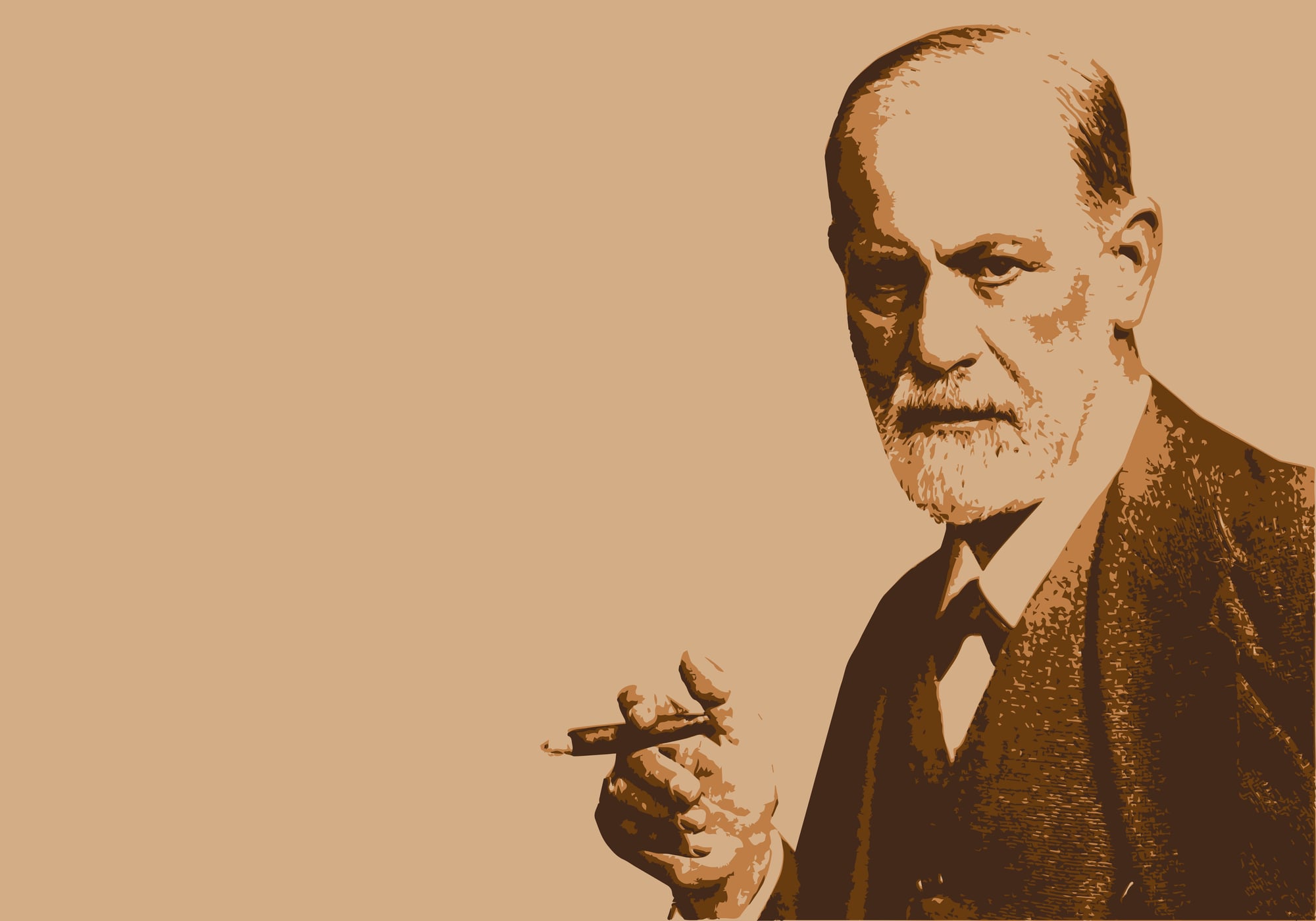
These two psychology pioneers started as mentor and student, but their relationship fell apart spectacularly.Freud treated Jung almost like a son and expected him to continue his work exactly as planned.
Jung had other ideas and started developing his own theories about dreams and the mind.Freud accused Jung of betraying everything he’d taught him, while Jung thought Freud was stuck on certain ideas and couldn’t see the bigger picture.
Mary Todd Lincoln and Kate Chase

The rivalry between these two political wives turned Washington social events into war zones during the Civil War.Chase was the daughter of Lincoln’s Treasury Secretary and genuinely believed she should be running White House social affairs instead of Mary.
Mary Lincoln fought back by excluding Chase from events and whispering unflattering stories about her around town.The whole mess got so public that newspapers covered their feud like a reality show, embarrassing everyone involved.
Michelangelo and Leonardo da Vinci
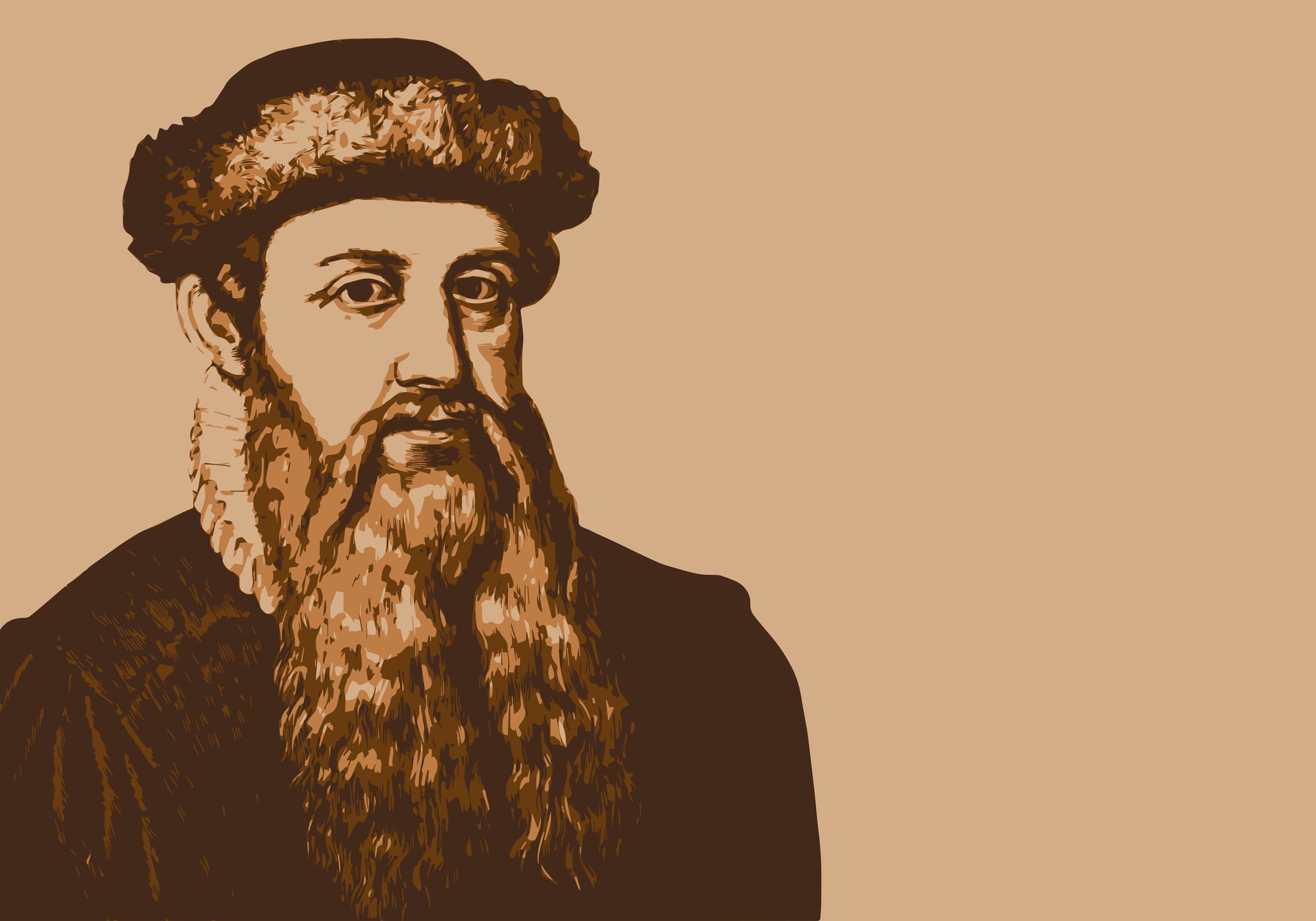
Renaissance Florence wasn’t big enough for both of these artistic geniuses, and they made sure everyone knew it.Leonardo was older and already famous when young Michelangelo showed up and started landing major commissions.
They traded insults in public squares, with Leonardo mocking Michelangelo’s overly muscular sculptures and Michelangelo calling Leonardo a quitter who never finished anything.At one point, the city council forced them to paint competing murals on opposite walls of the same room just to see who was better.
Thomas Jefferson and John Adams

These Founding Fathers started as friends but became bitter enemies over how America should be run.Their presidential campaigns got incredibly ugly, with supporters spreading vicious rumors that would make modern politics look tame.
Adams’s people called Jefferson a coward who hid during the war, while Jefferson’s camp said Adams wanted to make himself king.They went over a decade without speaking after Jefferson won, and it took them both becoming old men to patch things up.
Ernest Hemingway and William Faulkner

Hemingway couldn’t stand that critics loved Faulkner’s complicated writing style more than his own clean, simple sentences.He publicly claimed Faulkner used fancy words to hide the fact that he had nothing real to say.
Faulkner calmly suggested that Hemingway never learned enough words to write anything sophisticated.The back-and-forth continued in interviews and letters, with Hemingway getting increasingly worked up while Faulkner stayed cool and dismissive.
Hatshepsut and Thutmose III

This ancient Egyptian rivalry between stepmother and stepson lasted way beyond the grave.Hatshepsut declared herself pharaoh while Thutmose was still young, and she held onto power even after he grew up and could have ruled.
After she died, Thutmose ordered workers to chisel her name and face off every monument they could find across Egypt.Archaeologists still discover evidence of this massive erasure campaign, showing just how much resentment built up during those years.
Alexander Hamilton and Aaron Burr
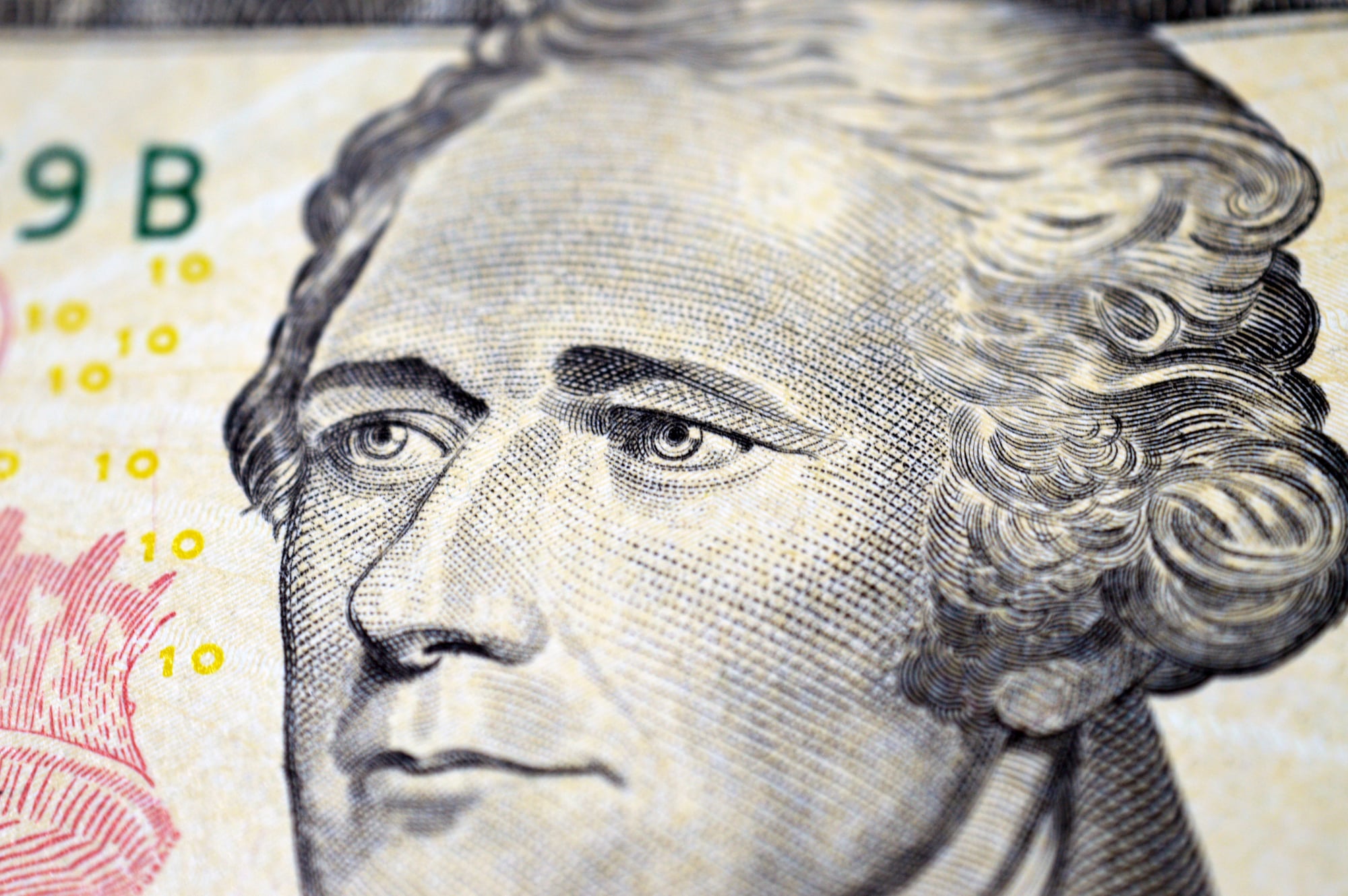
Everyone knows this rivalry ended with a fatal duel, but the tension simmered for years before that morning in New Jersey.Hamilton blocked Burr’s political ambitions again and again, and he wasn’t quiet about questioning Burr’s character and loyalty.
Burr tried to ignore it for a long time, but Hamilton’s constant attacks eventually became too much.Their final confrontation left Hamilton dying and Burr’s career completely destroyed, with neither man really winning anything.
Queen Elizabeth I and Mary Queen of Scots

These cousin queens never actually met in person, but their rivalry shaped British history for decades.Mary had a legitimate claim to Elizabeth’s throne, and Catholic conspirators kept cooking up plots to use her as a replacement.
Elizabeth kept Mary locked up for 19 years, struggling with whether to protect family or protect her crown.She finally signed Mary’s death warrant, a decision that weighed on her conscience for the rest of her life.
Joan Crawford and Bette Davis

Hollywood has seen plenty of feuds, but this one became legendary for lasting so long and getting so mean.The actresses competed for every good role, every award, and every bit of attention throughout their careers.
Things reached their worst during the filming of ‘Whatever Happened to Baby Jane,’ where they actively tried to ruin each other’s scenes.Years later, Davis said the best thing Crawford ever did for her career was die, which gives you an idea of how deep that hatred went.
Booker T. Washington and W.E.B. Du Bois

These civil rights leaders disagreed completely about how Black Americans should fight for equality and respect.Washington thought the path forward was through job training and gradual economic progress, while Du Bois demanded immediate political rights and academic education.
Their different approaches split the Black community down the middle and led to some harsh personal attacks in newspapers and speeches.Both men wanted the same end goal but couldn’t find any middle ground on how to get there.
Maria Callas and Renata Tebaldi

Opera houses became battlegrounds when these two sopranos competed for the best roles and the most applause.Callas brought incredible drama and emotion to every performance, while Tebaldi had this pure, gorgeous voice that could make audiences cry.
Their fans argued as loudly as the singers themselves, sometimes booing one performer to champion the other.Opera companies had to schedule performances carefully to avoid booking them anywhere near the same time and risking a scene.
Lillian Hellman and Mary McCarthy

This literary feud exploded on live television when McCarthy said that every word Hellman wrote was a lie, including ‘and’ and ‘the.’Hellman immediately sued her for millions of dollars, and the case dragged on and on through the courts.
Their beef went way beyond personal dislike into fundamental disagreements about truth, politics, and what writers owe their readers.Both women died before any judge could settle who was right, leaving the question hanging forever.
Walt Disney and Ub Iwerks

Disney built his empire partly on the incredible talent of Iwerks, who actually drew Mickey Mouse and animated those early cartoons everyone loved.Iwerks eventually left because he felt Walt took all the credit and didn’t pay him fairly, and he tried to start his own animation studio.
Disney used his growing influence in Hollywood to make sure Iwerks struggled to compete.Years later Iwerks came back to work for Disney, but by then Walt held all the power and Iwerks never got the recognition he probably deserved.
Amelia Earhart and Jackie Cochran

These pioneering aviators spent the 1930s trying to outdo each other with flight records and newspaper headlines.Cochran deeply resented all the attention Earhart got and worked obsessively to break every record with her name on it.
When Earhart disappeared over the Pacific, some people quietly suggested Cochran wasn’t exactly heartbroken about losing her main competition.Cochran went on to shatter tons of records and helped create women’s military aviation programs, always insisting she’d been the better pilot all along.
What These Feuds Tell Us

These rivalries show us something real about human nature that clean, polished history usually glosses over.Competition and jealousy drove many of these figures to accomplish things they might never have bothered with if they didn’t have someone to prove wrong.
The petty arguments and hurt feelings that seemed so critical at the time now look kind of ridiculous, but the actual work these people created while trying to one-up each other still matters.Knowing that even historical heroes could be jealous, spiteful, and competitive actually makes what they achieved more impressive, because they pushed through all those messy emotions to create something that outlasted their feuds.
More from Go2Tutors!

- The Romanov Crown Jewels and Their Tragic Fate
- 13 Historical Mysteries That Science Still Can’t Solve
- Famous Hoaxes That Fooled the World for Years
- 15 Child Stars with Tragic Adult Lives
- 16 Famous Jewelry Pieces in History
Like Go2Tutors’s content? Follow us on MSN.