Historical Figures with the Most Eccentric Hobbies
History remembers the grand gestures — the conquests, the discoveries, the revolutions that changed the world. But behind those monumental achievements, the most fascinating figures often revealed themselves through their peculiar private obsessions.
These weren’t casual pastimes or socially acceptable diversions. They were strange, consuming habits that would have raised eyebrows in their time and continue to perplex us today.
The eccentricities of brilliant minds offer a window into personalities far more complex than any textbook could capture.
Benjamin Franklin
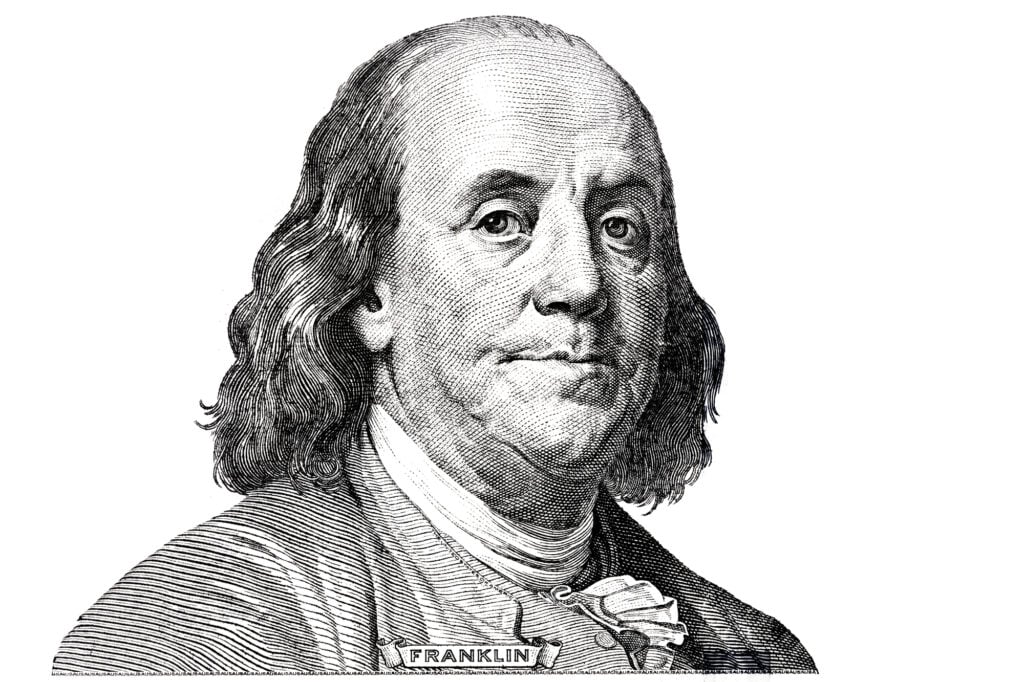
Franklin collected air baths. Not the relaxing kind you’re imagining — he sat unclothed by open windows for hours each morning, convinced that fresh air absorbed through the skin would cure all ailments.
Neighbors in Philadelphia grew accustomed to glimpsing America’s founding polymath in his birthday suit, communing with the dawn breeze like some sort of intellectual nudist.
The man who harnessed electricity believed clothing trapped harmful vapors against the body. So he designed his daily routine around strategic nakedness, timing his air baths to avoid scandalizing the early risers heading to market.
Theodore Roosevelt
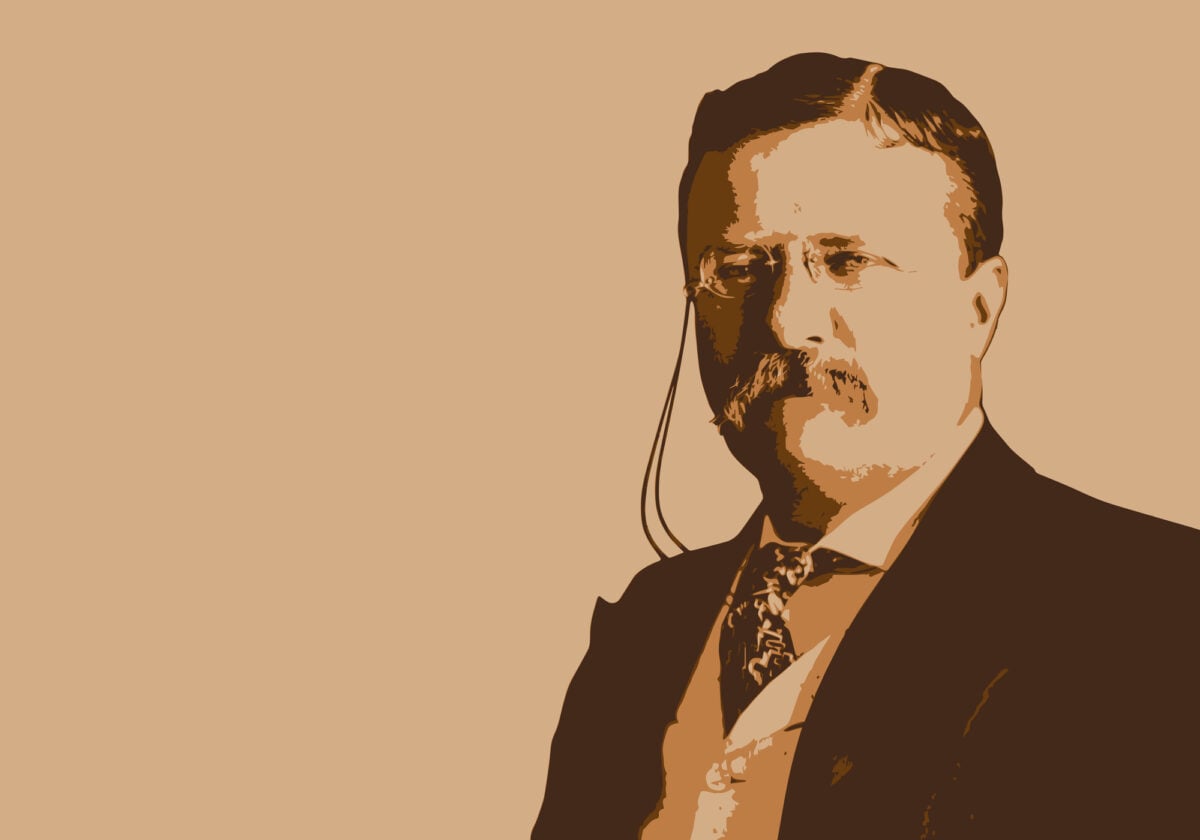
Roosevelt’s taxidermy obsession started in childhood and never stopped. The future president turned every family vacation into a specimen-gathering expedition, stuffing birds in Egypt, mounting elk heads in the Dakotas, and preserving anything that moved long enough for him to shoot it.
His family home resembled a natural history museum that had exploded.
By the time he reached the White House, Roosevelt had personally prepared thousands of animal specimens. He’d wake before dawn to hunt, spend afternoons skinning and preserving his kills, then host dinner parties surrounded by glassy-eyed creatures he’d murdered and mounted himself.
Salvador Dalí
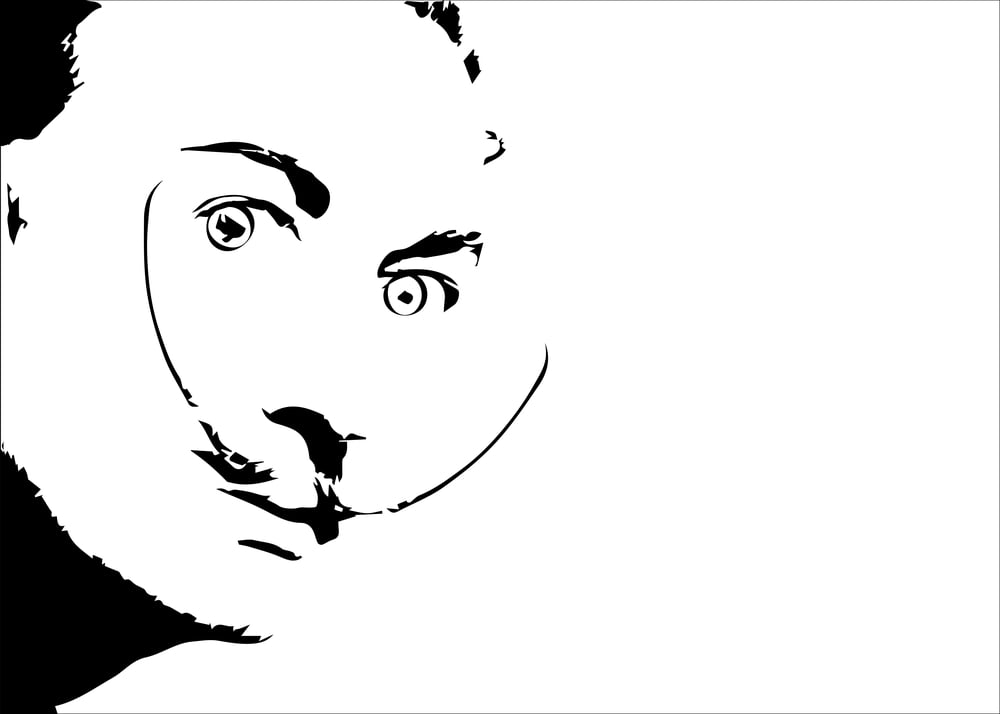
There’s something unsettling about a grown man who carries a live ocelot on a rhinestone leash to Manhattan restaurants, and Dalí knew it (which was, of course, exactly the point). Babou the ocelot became as much a part of Dalí’s public persona as his upturned mustache — a living, breathing extension of his surreal worldview that happened to have claws and unpredictable bathroom habits.
The artist treated Babou like a furry accessory, painting its spots with watercolors when the natural pattern struck him as insufficiently artistic. And when reporters asked about the wisdom of keeping a wild predator as a fashion statement, Dalí would stroke his mustache thoughtfully and reply that it was simply a house cat he’d painted to look exotic.
Nobody believed him. Nobody was supposed to.
Dinner guests at fancy establishments learned to keep their hands in their laps — not from politeness, but because Babou had strong opinions about strangers reaching for bread rolls. The ocelot’s presence transformed every meal into performance art, which was precisely what Dalí intended.
Normal dinner conversation becomes impossible when there’s a spotted wildcat eyeing your salmon.
Charles Dickens

Dickens walked London’s streets for twenty or thirty miles every night, often until dawn. Not a leisurely evening stroll — frantic, compulsive pacing through the city’s darkest neighborhoods.
He claimed the walking cured his insomnia, but the manic quality suggests something closer to an addiction.
The man who wrote about London’s underworld knew every alley, every shadow, every corner where respectable people feared to tread. His nocturnal wanderings took him through opium dens and brothels, past thieves and beggars who would later populate his novels.
Lord Byron
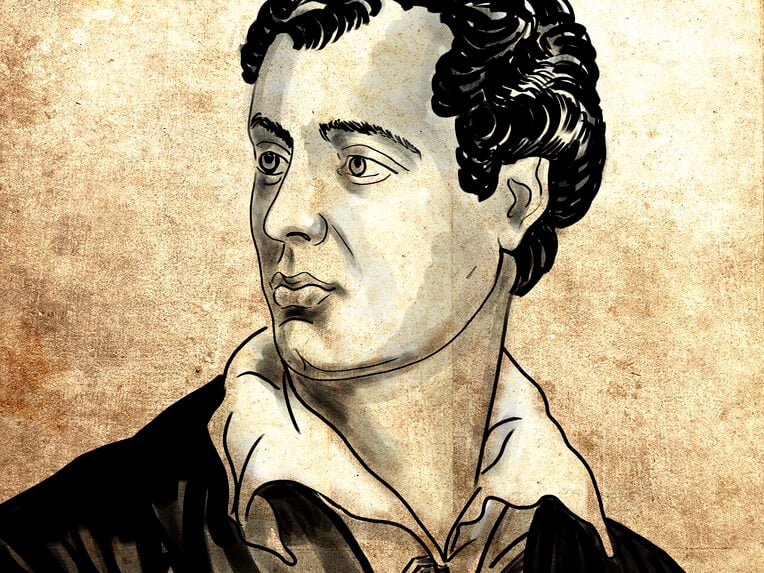
Byron kept a menagerie of exotic animals at his Cambridge dormitory — not because regulations allowed it, but because they explicitly didn’t. When the university banned dogs, Byron acquired a bear instead, reasoning that the rulebook had failed to specifically prohibit ursine companions.
The bear lived in his rooms and occasionally accompanied Byron to lectures, chained and muzzled but still capable of sending professors diving behind their podiums.
The bear was just the beginning. Byron’s later homes housed monkeys, peacocks, guinea hens, and an Egyptian crane that wandered freely through his dining room during dinner parties.
Andy Warhol
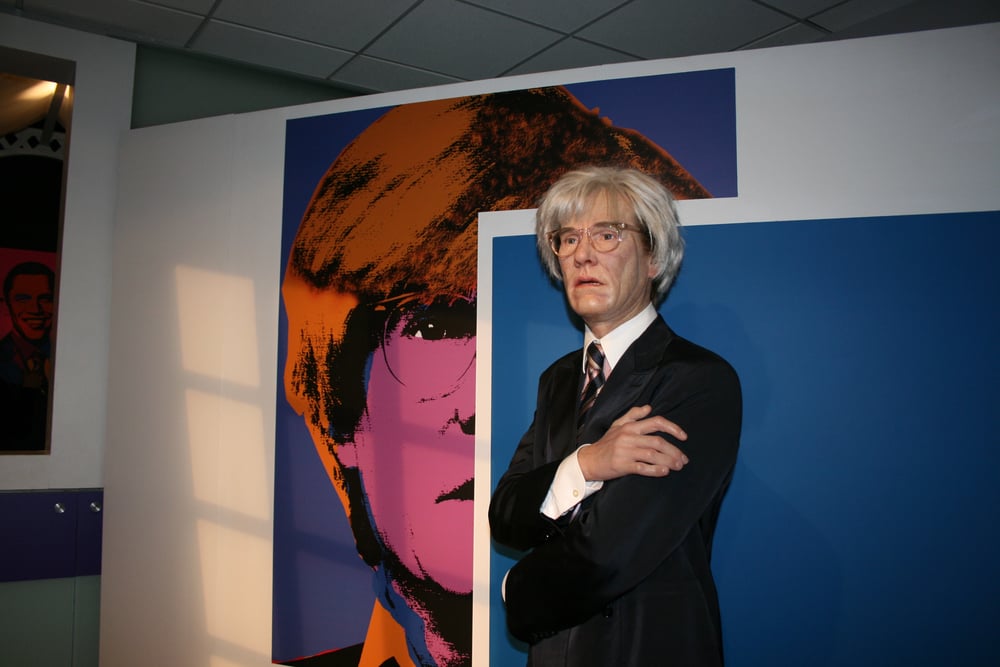
Warhol’s wig collection numbered in the hundreds, each one a slightly different shade of silver-white, arranged in his bedroom like a monochromatic rainbow of synthetic hair. He treated them as interchangeable parts of his public persona — grabbing whichever wig happened to be closest when rushing out to gallery openings or Factory meetings.
The obsession extended beyond mere vanity. Warhol believed his natural hair was a liability, something that connected him too directly to his authentic self.
The wigs created distance between Andy Warhol the person and Andy Warhol the brand. He’d rotate through several in a single day, changing wigs the way other people change shirts.
Most people wear disguises to hide their identity. Warhol wore his to create one.
Emily Dickinson
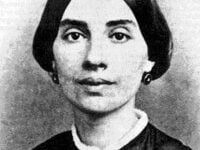
Dickinson wrote poems on scraps of paper — grocery lists, envelope backs, anything within reach when inspiration struck. But she also wrote them on chocolate wrappers, pressed flower petals, and the margins of newspaper clippings, as if her thoughts were too urgent to wait for proper stationery.
She kept these fragments in a wooden box beside her bed, adding to the collection daily. The box contained hundreds of partial verses, complete poems, and cryptic phrases that made sense only to her.
Friends who glimpsed the contents described it as organized chaos — Emily’s external brain, spilling over with half-formed brilliance.
Nikola Tesla

Tesla’s germophobia extended to an elaborate ritual around dining. He calculated the cubic contents of every food item before eating it, using mathematical formulas that existed only in his head.
A dinner roll had to be precisely measured, soup bowls required geometric analysis, and any meal that didn’t conform to his numerical standards went untouched.
He ate alone whenever possible, arranging his silverware according to invisible principles that somehow satisfied his need for electrical symmetry. Tesla claimed food consumed without proper mathematical preparation would interfere with his brain’s natural electrical patterns.
Howard Hughes
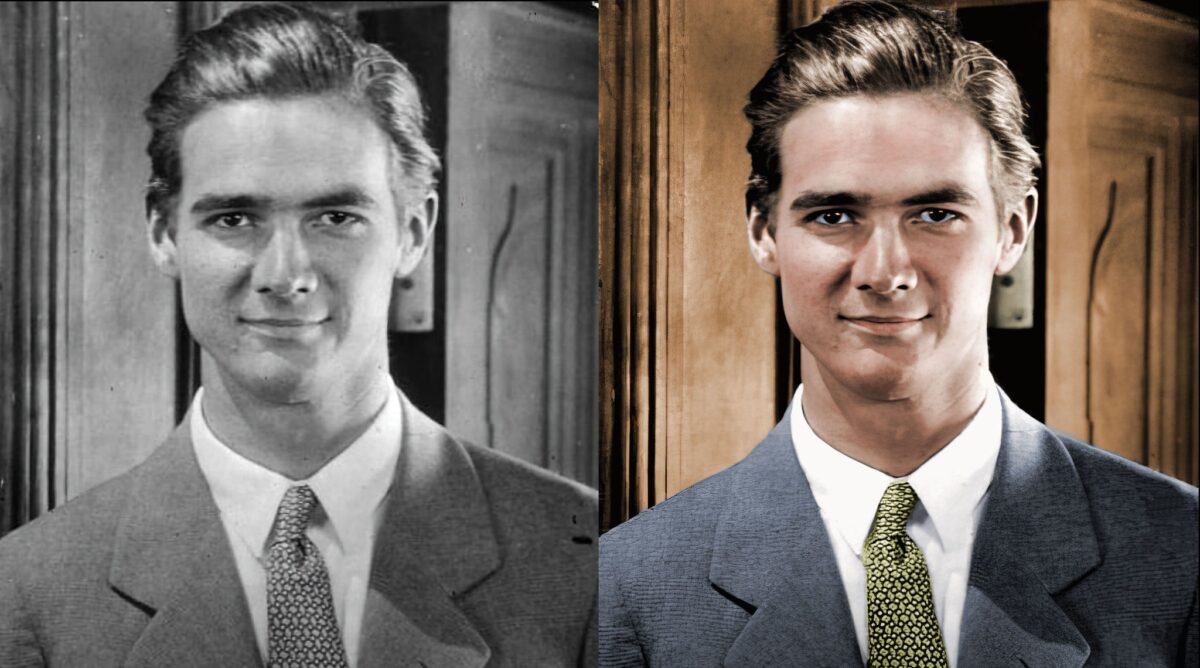
Hughes’s extreme OCD manifested in various hoarding behaviors, most notoriously storing his urine in jars. He also developed extremely long fingernails over time, refusing to trim them due to his intense germaphobia.
He treated his possessions and bodily outputs with the meticulous attention he’d once applied to engineering, though his specific obsessions involved preserving urine rather than fingernail clippings.
The collection served no apparent purpose beyond Hughes’ conviction that discarding any part of his body would somehow diminish his essential self. He treated fingernails like precious documents, cataloguing each one with the same meticulous attention he’d once applied to designing aircraft.
Virginia Woolf
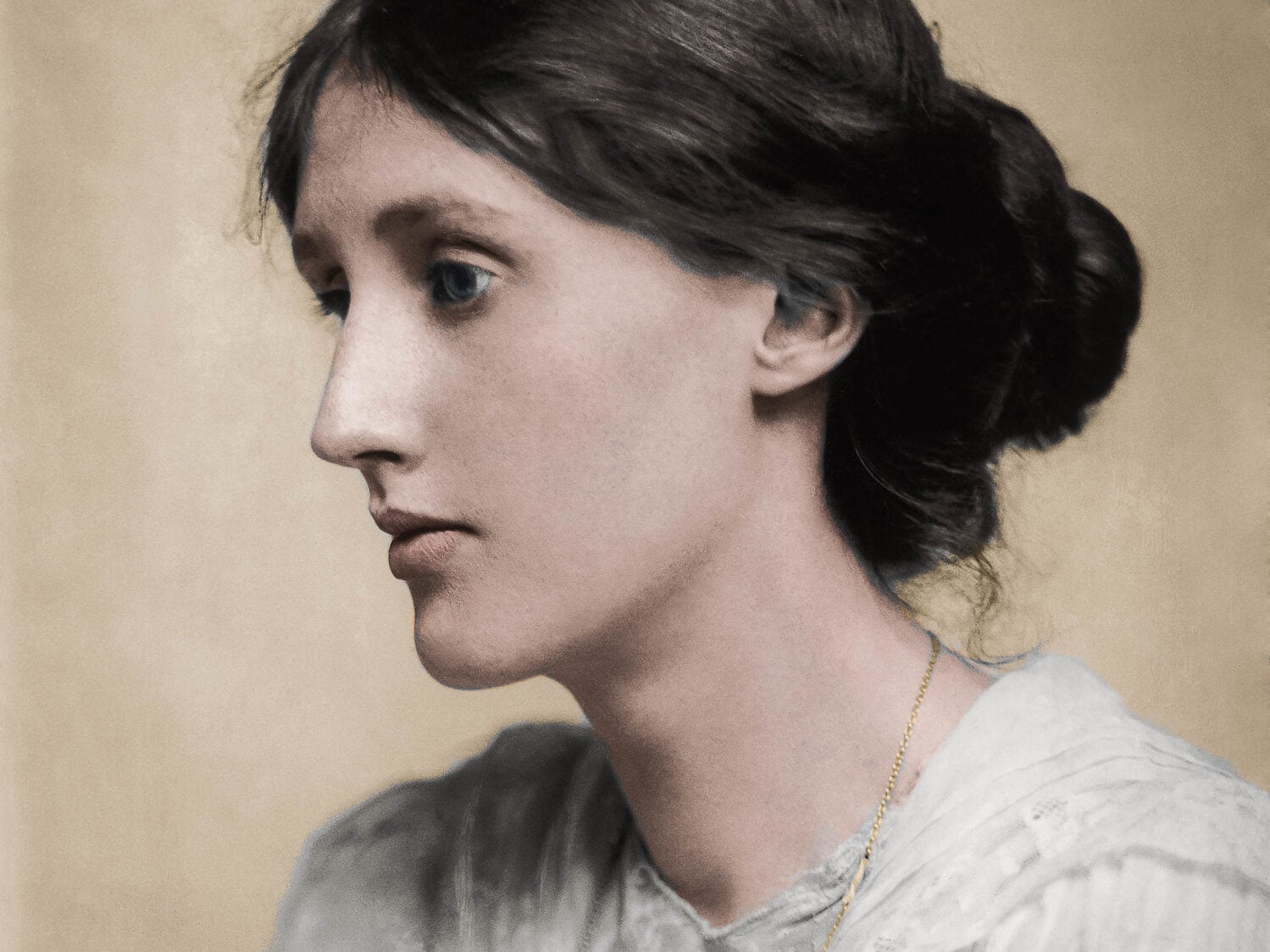
Woolf wrote standing up at a tall desk, pacing between sentences like a caged intellectual. She’d write a few words, walk to the window, return to scribble another line, then pace again.
Visitors to her study described watching her literally dance with language, moving her whole body as thoughts took shape on paper.
The physical movement seemed essential to her creative process. Sitting still trapped her ideas; standing freed them to flow through her pen onto the page.
Leonardo da Vinci
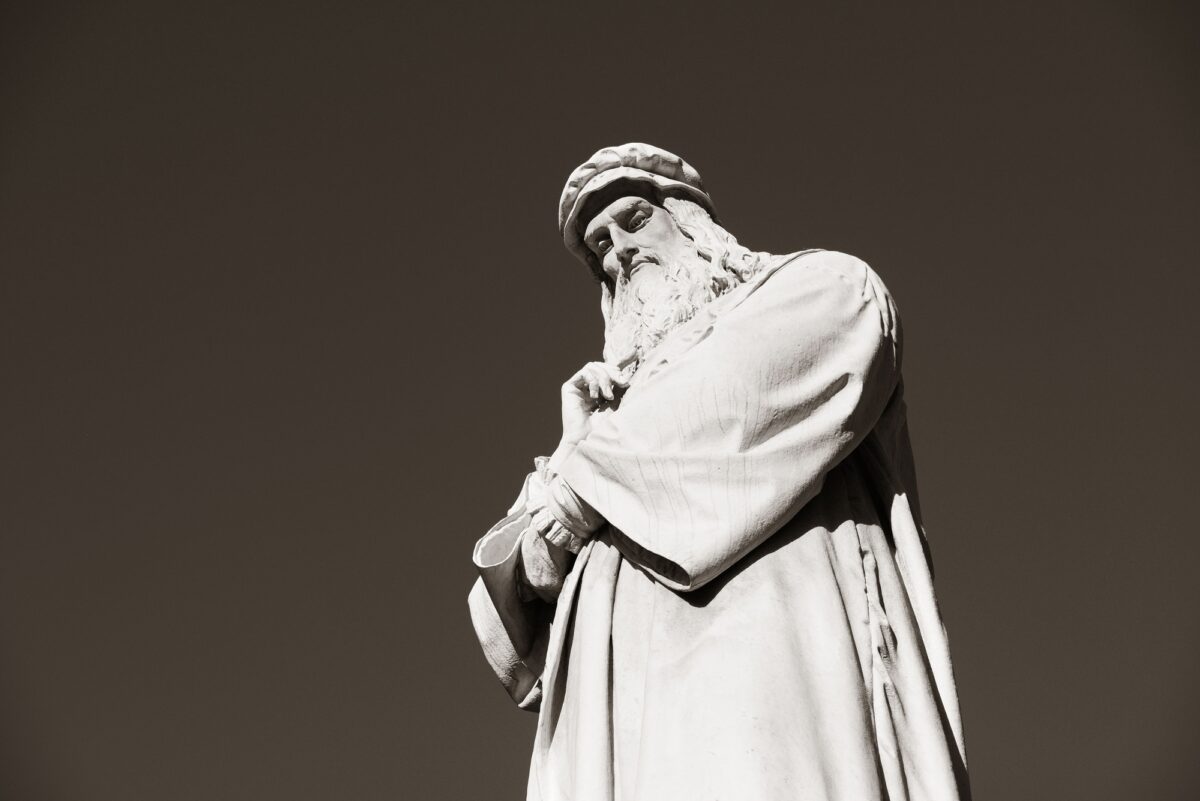
Leonardo dissected corpses in secret, studying human anatomy with the dedication of a medical student and the curiosity of an artist. But he took the practice further than necessary for artistic understanding, performing autopsies by candlelight and documenting his findings in backwards mirror writing that only he could easily read.
His notebooks contained detailed drawings of hearts, lungs, and muscle structures that wouldn’t be understood by mainstream medicine for centuries. Leonardo was essentially conducting graduate-level medical research during the Renaissance, alone in his workshop with borrowed bodies and homemade surgical tools.
Ernest Hemingway
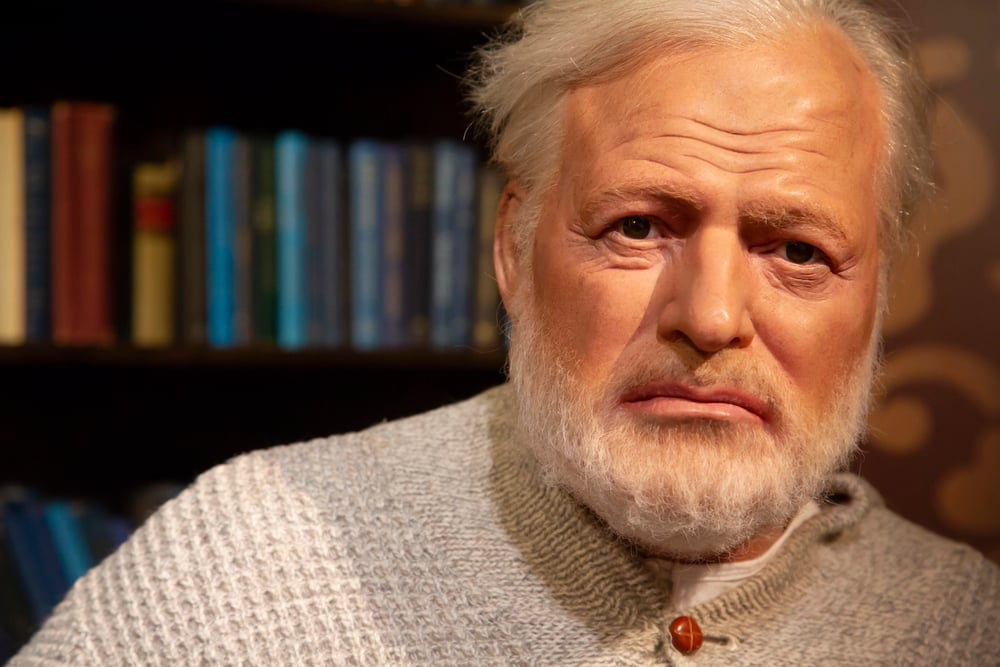
Hemingway wrote standing up at a chest-high bookshelf, using a typewriter balanced precariously on top of volumes of poetry and reference books. He claimed sitting down made his prose soft and comfortable, while standing kept his sentences lean and muscular.
The man who wrote about courage and physical endurance treated writing as a form of athletic training. He’d stand for hours, shifting his weight from foot to foot, crafting paragraphs with the same intensity he brought to deep-sea fishing or bullfighting.
Walt Disney

Disney’s miniature train obsession consumed entire weekends and a significant portion of his backyard. The Carolwood Pacific Railroad wasn’t a simple hobby train set — it was a fully operational miniature railway complete with tunnels, bridges, and a scale model of a 1950s passenger car that Disney had built to carry adult passengers around his property.
He’d spend Saturday mornings in engineer’s overalls, conducting friends and family members on scenic tours of his suburban rail line. Disney approached the railroad with the same attention to detail he brought to his animated films, down to authentic steam whistles and period-correct train car upholstery.
Agatha Christie
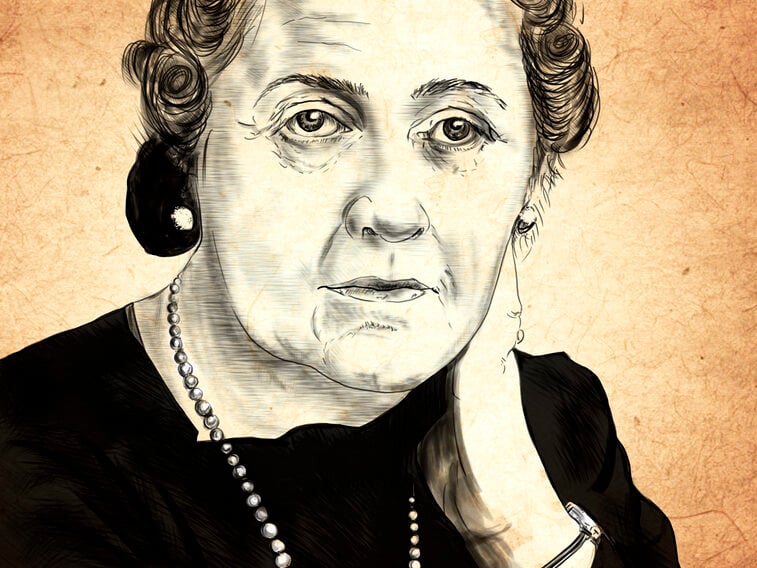
There’s something deeply appropriate about the queen of mystery novels developing an expertise in poisons that would have impressed professional assassins. Christie didn’t just write about arsenic and strychnine — she studied them with scientific precision, learning dosages, symptoms, and detection methods that made her murder mysteries disturbingly plausible.
Her poison knowledge came from working in hospital dispensaries during both world wars, where she had access to pharmaceutical references that most crime writers could only dream of consulting. She’d spend evenings researching exotic toxins the way other authors researched historical settings, building a personal library of lethal substances that would have raised serious questions if discovered by the wrong authorities.
Christie’s expertise was so thorough that real-life investigators occasionally consulted her novels when dealing with actual poisoning cases. Fiction had become so well-researched that it served as a reference manual for genuine detective work.
The woman who created Hercule Poirot had accidentally become one of the world’s leading experts on literary homicide methods.
When brilliance gets weird
Perhaps eccentricity is just what happens when exceptional minds refuse to be contained by ordinary expectations. These figures didn’t develop strange hobbies despite their genius — the obsessions and the brilliance seem to spring from the same restless source.
Their peculiar passions remind us that creativity rarely follows conventional rules, and the most interesting people in history were often the ones their neighbors found most puzzling.
More from Go2Tutors!

- The Romanov Crown Jewels and Their Tragic Fate
- 13 Historical Mysteries That Science Still Can’t Solve
- Famous Hoaxes That Fooled the World for Years
- 15 Child Stars with Tragic Adult Lives
- 16 Famous Jewelry Pieces in History
Like Go2Tutors’s content? Follow us on MSN.