Most Dangerous Beautiful Beaches in Southeast Asia
Southeast Asia’s coastlines hold a peculiar kind of magic — the same turquoise waters that make your breath catch can turn deadly without warning. These aren’t the safe, sanitized beaches of resort brochures.
They’re places where nature shows both faces at once: breathtaking beauty wrapped around genuine danger. The kind of beaches that make you understand why sailors used to believe in sirens.
Railay Beach, Thailand
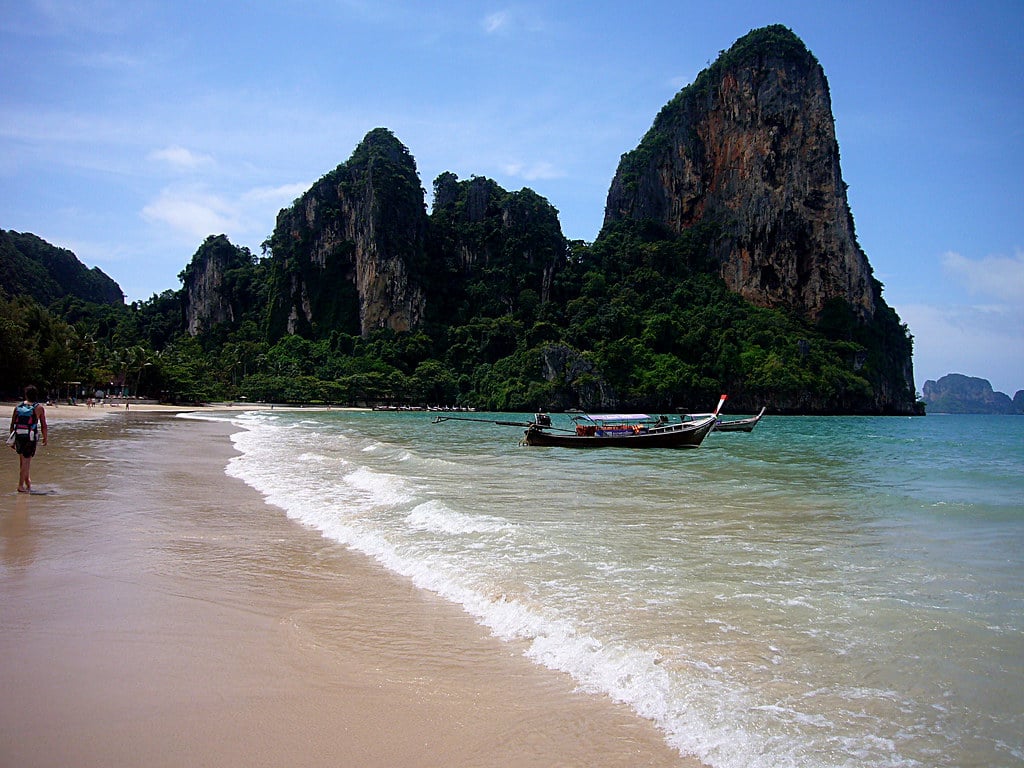
The limestone cliffs rise like ancient sentinels around this crescent of sand. Perfect, until the tide comes in during monsoon season and decides the narrow beach doesn’t need to exist for a few hours.
Maya Bay, Thailand
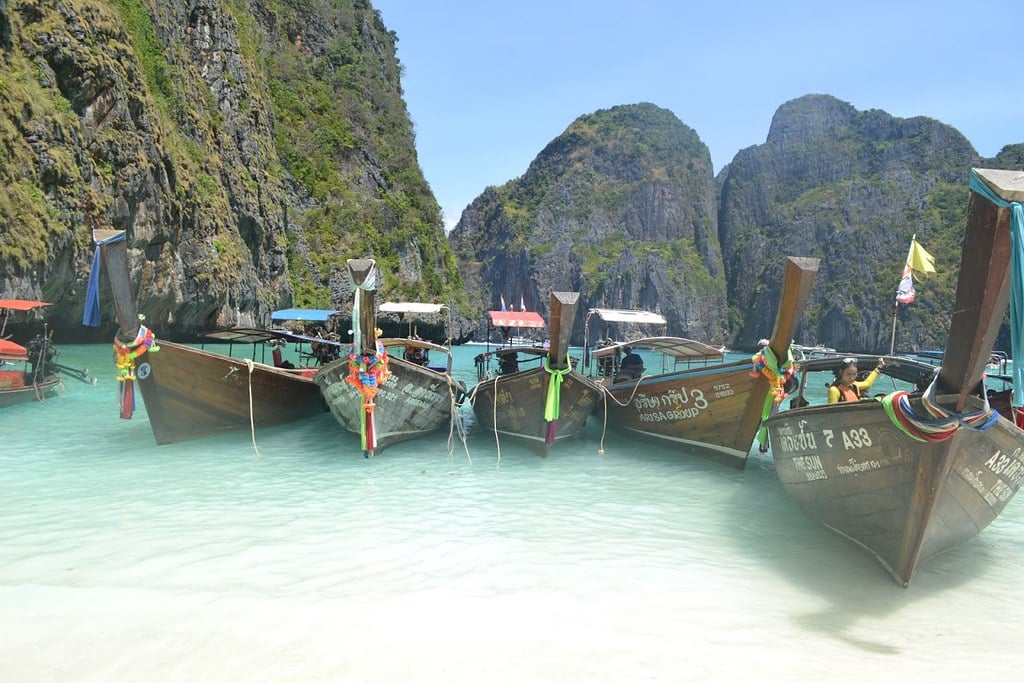
Made famous by a movie about paradise. Turns out paradise has a habit of trapping visitors when monsoon swells roll in and boat access becomes impossible.
The bay that looks like heaven can feel like purgatory when you’re stuck.
Kuta Beach, Bali
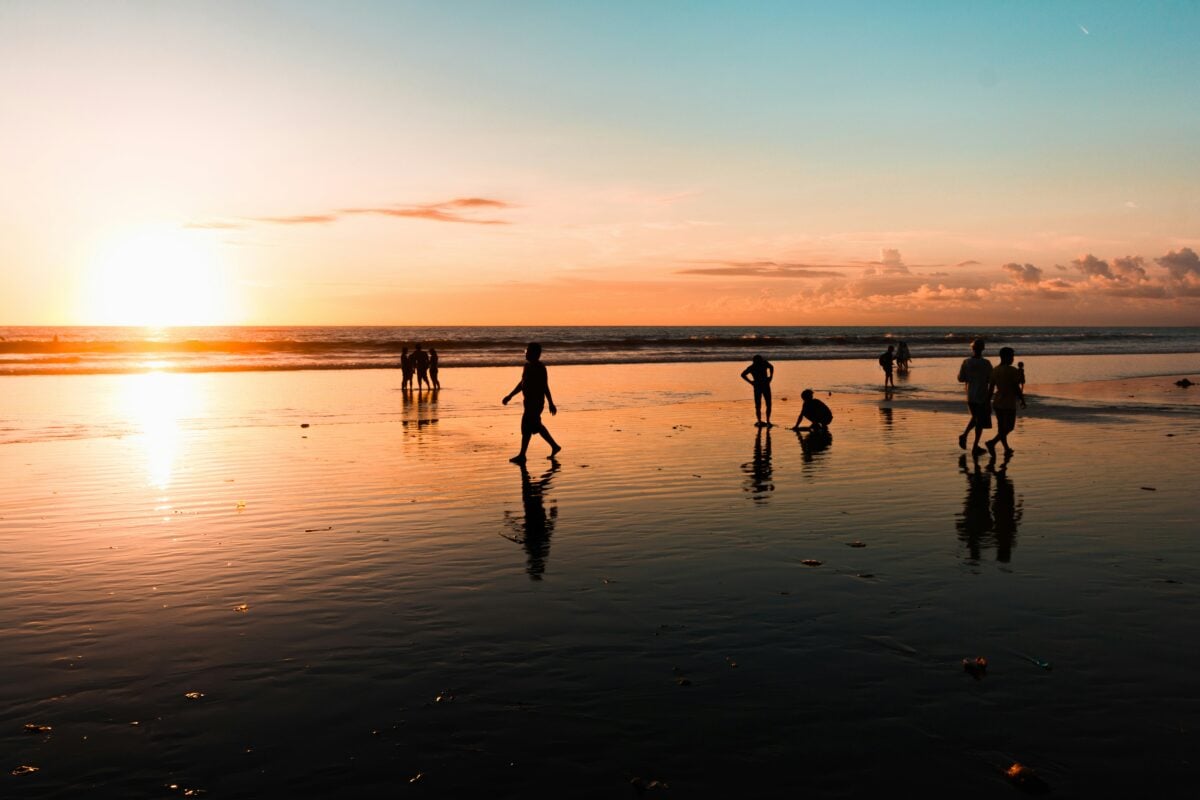
Here’s what travel guides won’t tell you about Bali’s most famous beach: the rip currents don’t care about your vacation plans. Every year, experienced swimmers get pulled out to sea by currents that appear without warning (and yes, some of them were stronger swimmers than you think you are).
The beach break looks gentle from the shore, but it’s deceptively powerful — waves that seem manageable when you’re on dry sand become something entirely different once you’re in the water, especially when the sets start building during afternoon storms. And those afternoon storms?
They arrive with the kind of lightning that makes standing on an exposed beach feel like a particularly poor life choice. The real issue isn’t the beach itself — it’s that Kuta feels so accessible, so developed, that people forget they’re still dealing with raw ocean.
But the Bali Sea doesn’t soften its currents just because there are beach bars nearby.
Secret Beach, Philippines
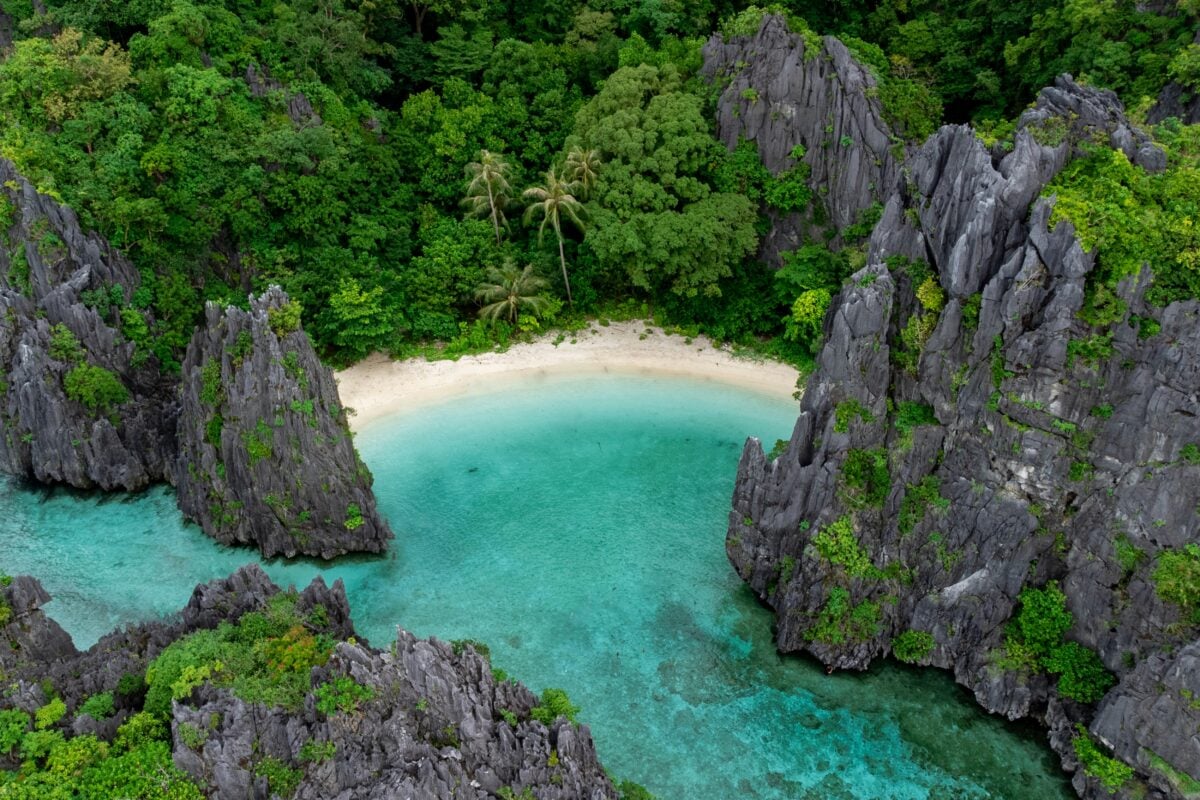
Secret beaches earn their names for good reasons. This one stays hidden because the currents around the rocky entrance don’t forgive navigation mistakes.
The beauty is real. So is the isolation when things go wrong.
Getting there requires timing the tide perfectly — miss your window, and the rocks that seemed passable an hour earlier become ship-killers. The locals who know this place also know exactly when to leave.
Sunset Beach, Philippines
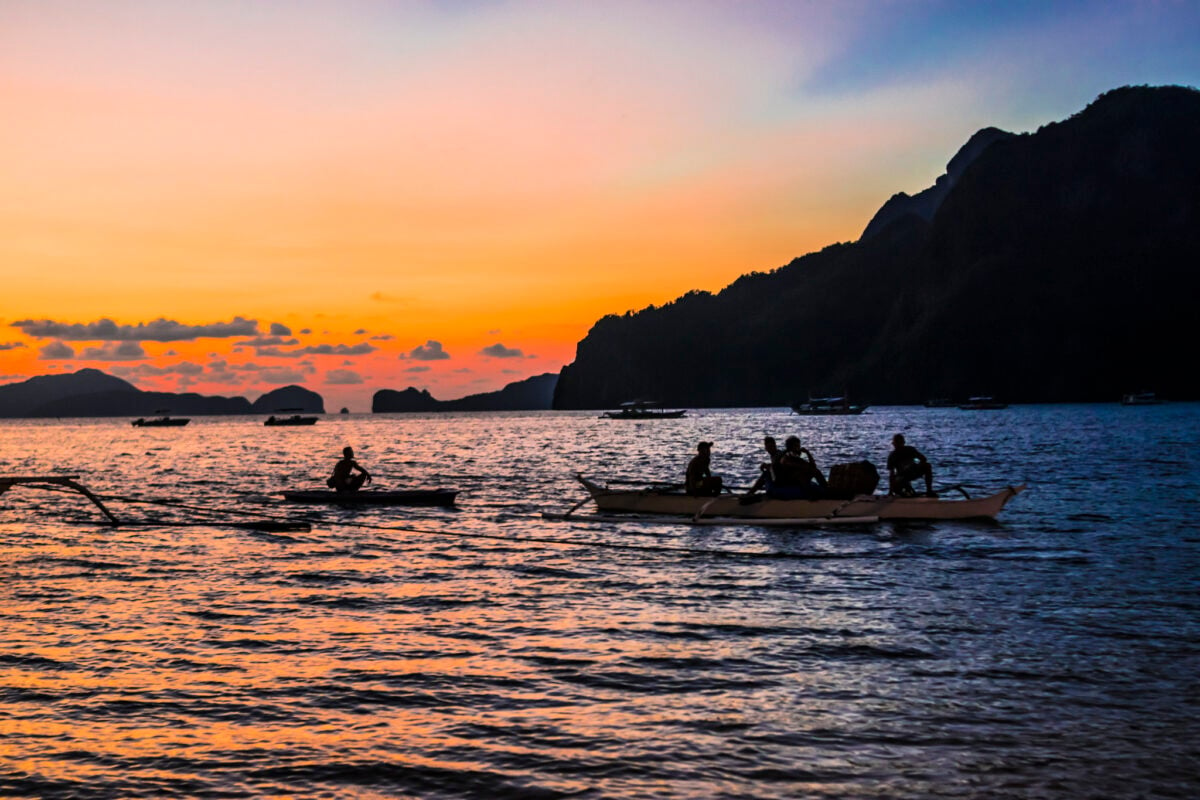
Sunset Beach earns its reputation as a photographer’s dream — until you realize why the locals rarely swim here. The beach sits at the convergence of two current systems, creating underwater conditions that shift without surface warning (the kind of place where the water can be calm one moment and pull you sideways the next).
Add to that the sharp coral formations just beneath the surface, invisible until you’re already too close, and the afternoon winds that can turn a peaceful swim into a fight back to shore. But here’s the thing that makes it particularly treacherous: the beach faces west, so that gorgeous sunset everyone comes for also means you’re swimming directly into the sun’s glare during the most popular hours — which makes it nearly impossible to spot the coral heads or gauge distances properly.
The photography is stunning. The swimming conditions are not.
Haad Rin Beach, Thailand
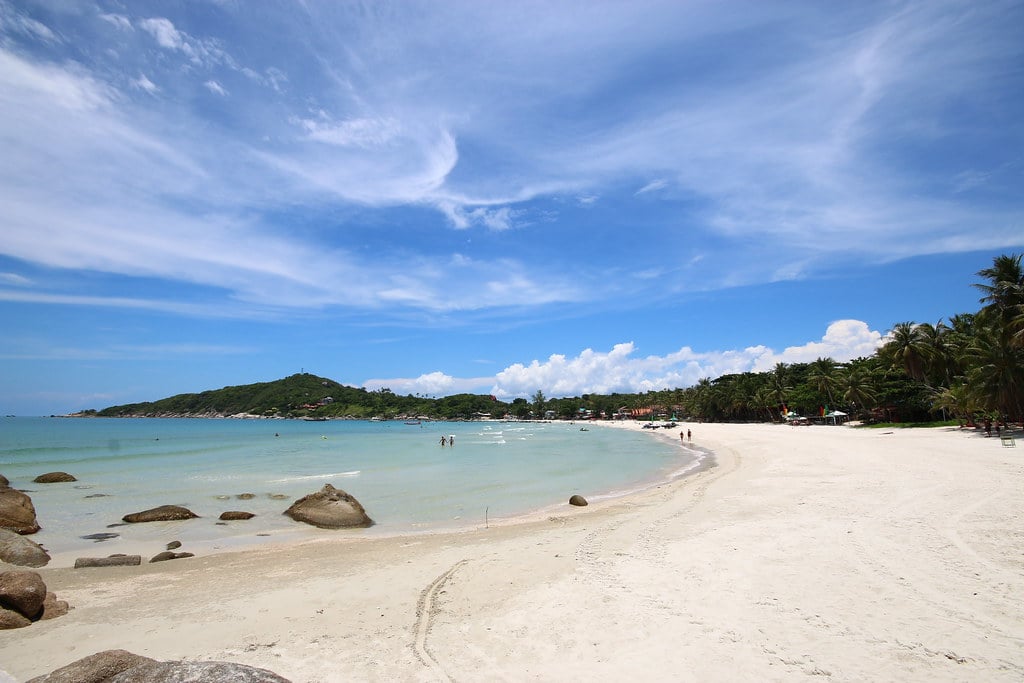
Full moon parties and dangerous swimming conditions make for predictable outcomes. The combination of alcohol, crowds, and unpredictable nighttime currents creates exactly the kind of situation emergency responders dread.
The party reputation overshadows the practical reality: this beach becomes genuinely hazardous after dark.
El Nido Beach, Philippines
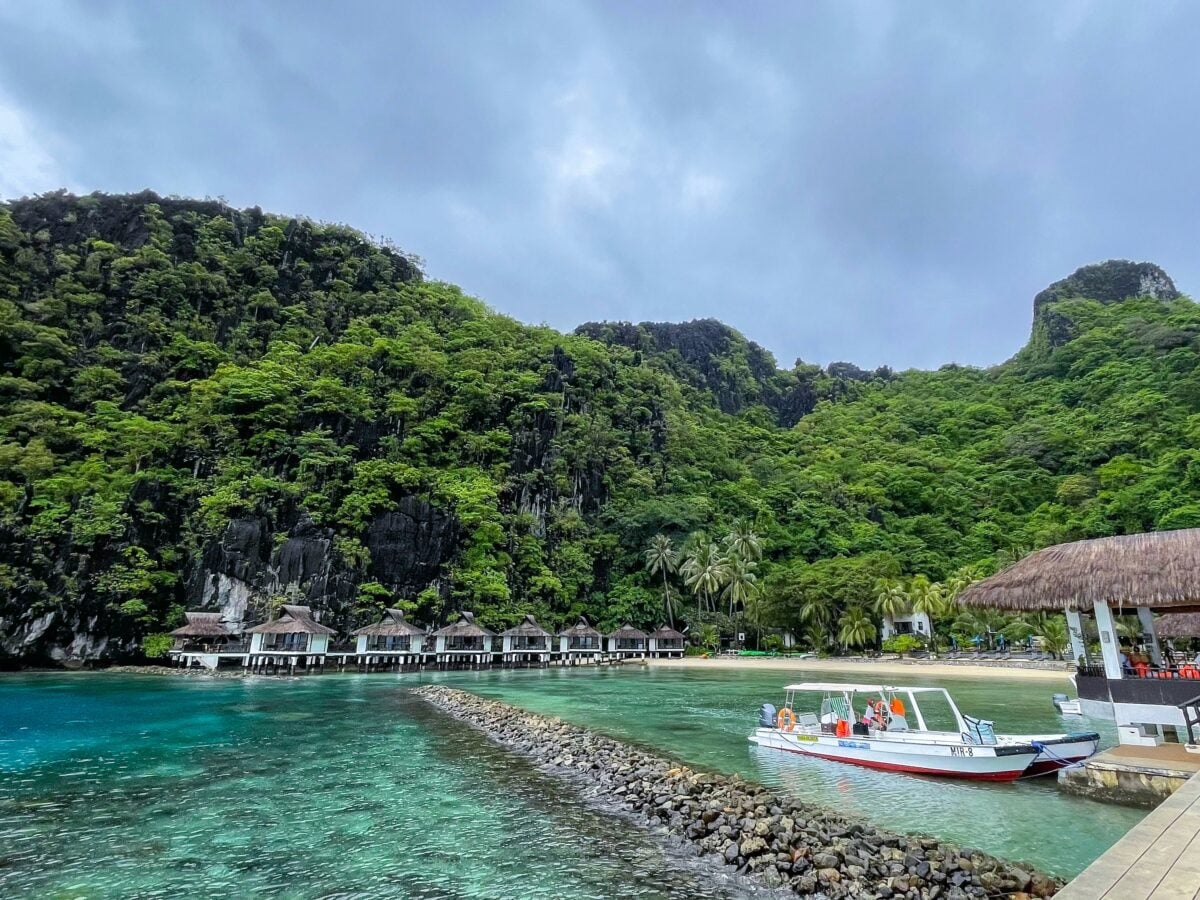
El Nido sits in a limestone amphitheater that funnels wind and waves in ways that seem almost designed to catch people off guard. The protected lagoons feel safe enough — they’re ringed by towering karst formations that seem to promise shelter from any serious weather.
But those same rock walls that make the place so photogenic also create wind tunnels that can whip up dangerous conditions with almost no warning. The water stays deceptively calm near shore while building serious chop further out, and the rocky underwater terrain means that once you’re in trouble, there aren’t many good places to take refuge.
Island hopping looks straightforward until the weather moves in. Then those paradise islands become potential death traps.
And the thing about limestone cliffs? They don’t provide many options for emergency exits once the weather turns.
Bingin Beach, Bali
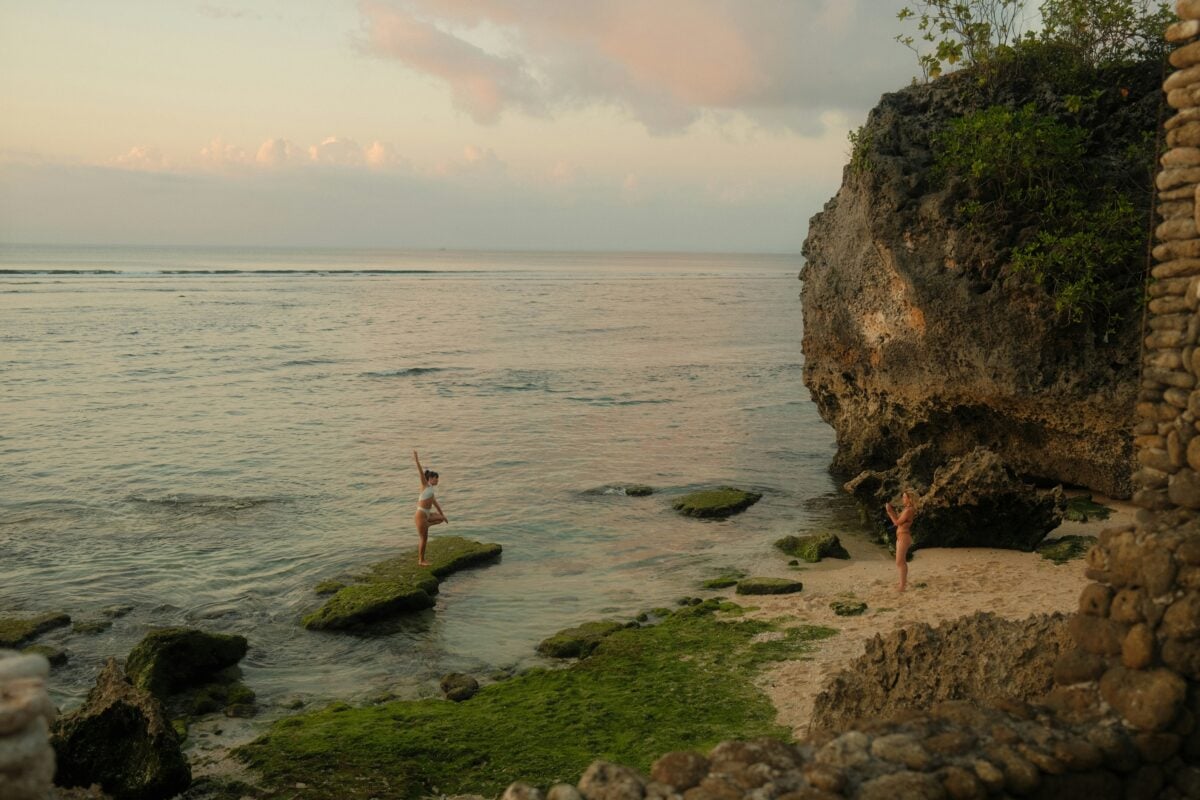
Surfers love Bingin for its consistent waves and dramatic cliff-side setting. The waves that make it perfect for surfing also make it deadly for anyone who isn’t an experienced ocean swimmer.
The cliff access means rescue operations become complicated quickly. Beautiful waves, limited escape routes.
White Beach, Philippines
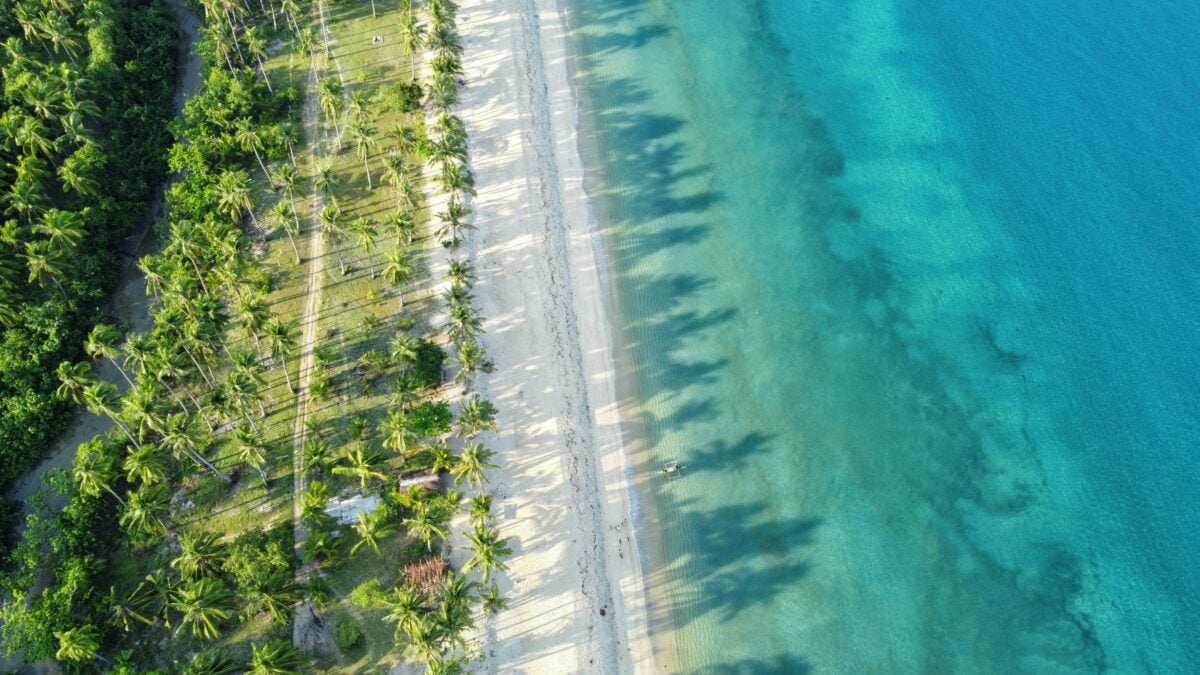
White sand like powdered sugar and water so clear it seems artificial. The offshore drop-off is dramatic enough that calm shallow water becomes deep ocean in just a few strokes, and the gentle-looking surface often masks strong currents that run parallel to the shore.
What makes White Beach particularly deceptive is how perfect it looks — the kind of place that makes people forget basic ocean safety because it feels more like a giant swimming pool than actual ocean (but swimming pools don’t have rip currents or sudden depth changes). The afternoon winds that make the palm trees sway so picturesquely also create surface chop that can disorient swimmers and make it difficult to gauge direction back to shore.
Perfect beaches have a way of making people forget that perfection doesn’t include safety guarantees.
Sunrise Beach, Thailand

The name promises gentle morning light and peaceful swimming conditions. The reality includes some of the strongest offshore currents on the island, particularly during the seasonal wind shifts that coincide with peak tourist season.
Early morning swimmers often discover that sunrise timing and safe swimming conditions don’t always align. The light is beautiful.
The currents are not forgiving.
Nacpan Beach, Philippines
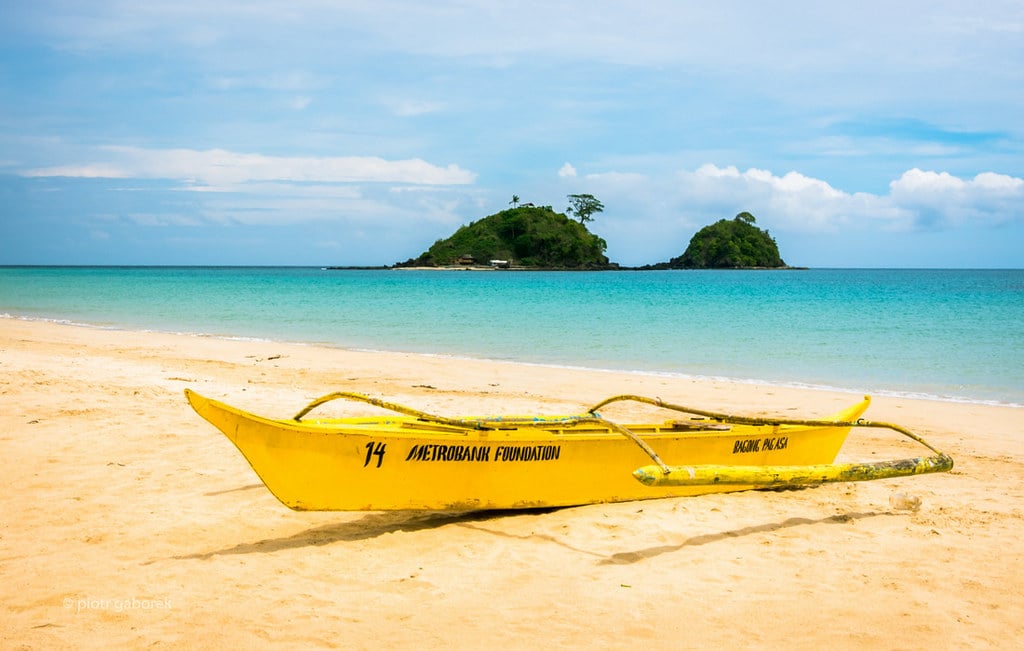
Four kilometers of pristine coastline with almost no development — which also means almost no safety infrastructure when things go wrong. The beach faces the open South China Sea, so weather conditions can change dramatically and quickly (afternoon storms that appear as distant clouds can become serious threats within minutes).
The long stretch of sand that makes Nacpan so appealing also means that help might be a very long walk away if you run into trouble. Swimming conditions vary dramatically depending on season and daily weather patterns, but the remote location means there’s no lifeguard service or nearby medical facilities to rely on.
Pristine beaches stay pristine partly because they’re harder to access safely. Solitude comes with real costs.
Boracay White Beach, Philippines
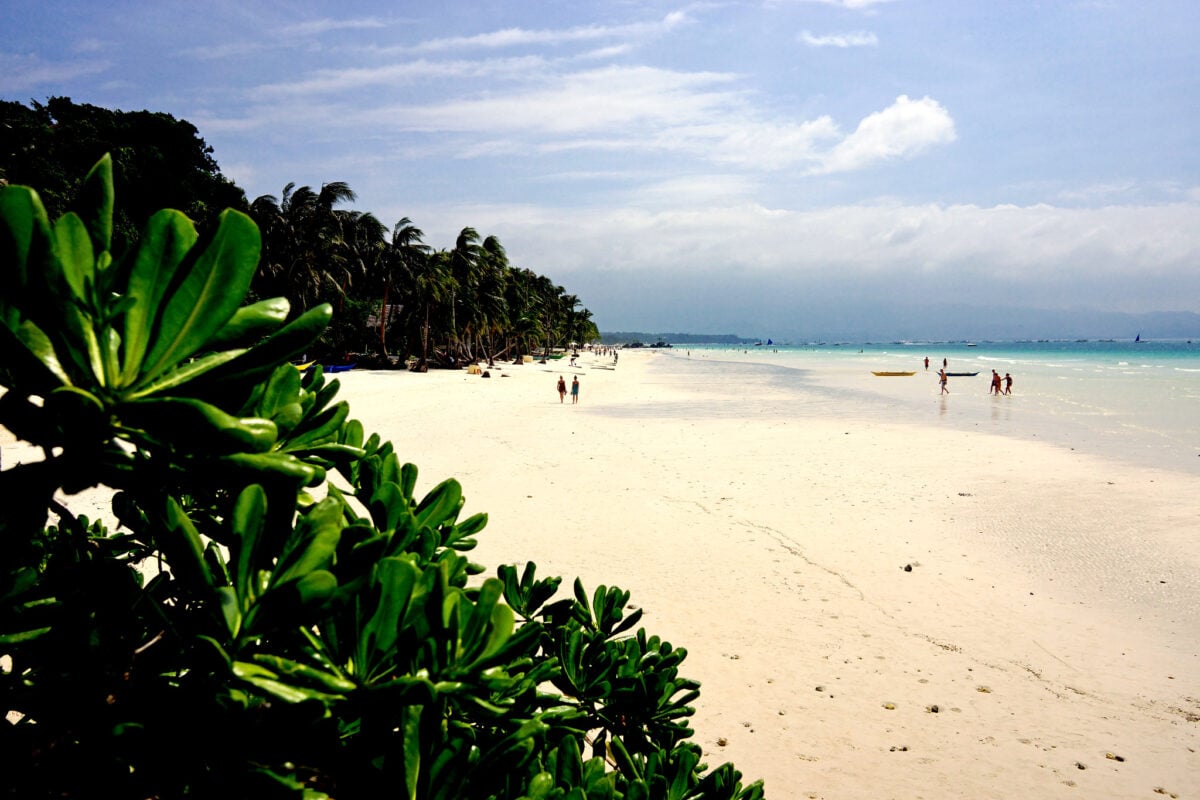
Despite its development and crowds, Boracay’s famous beach has underwater conditions that surprise even experienced swimmers. The powder-fine sand that makes walking so pleasant also creates deceptive underwater terrain — gentle slopes can give way to sudden drop-offs, and the famous white sand gets churned up by wave action, reducing visibility when you need it most.
The crowds create their own safety issues, but they also provide a false sense of security. Popular doesn’t mean safe.
Patong Beach, Thailand
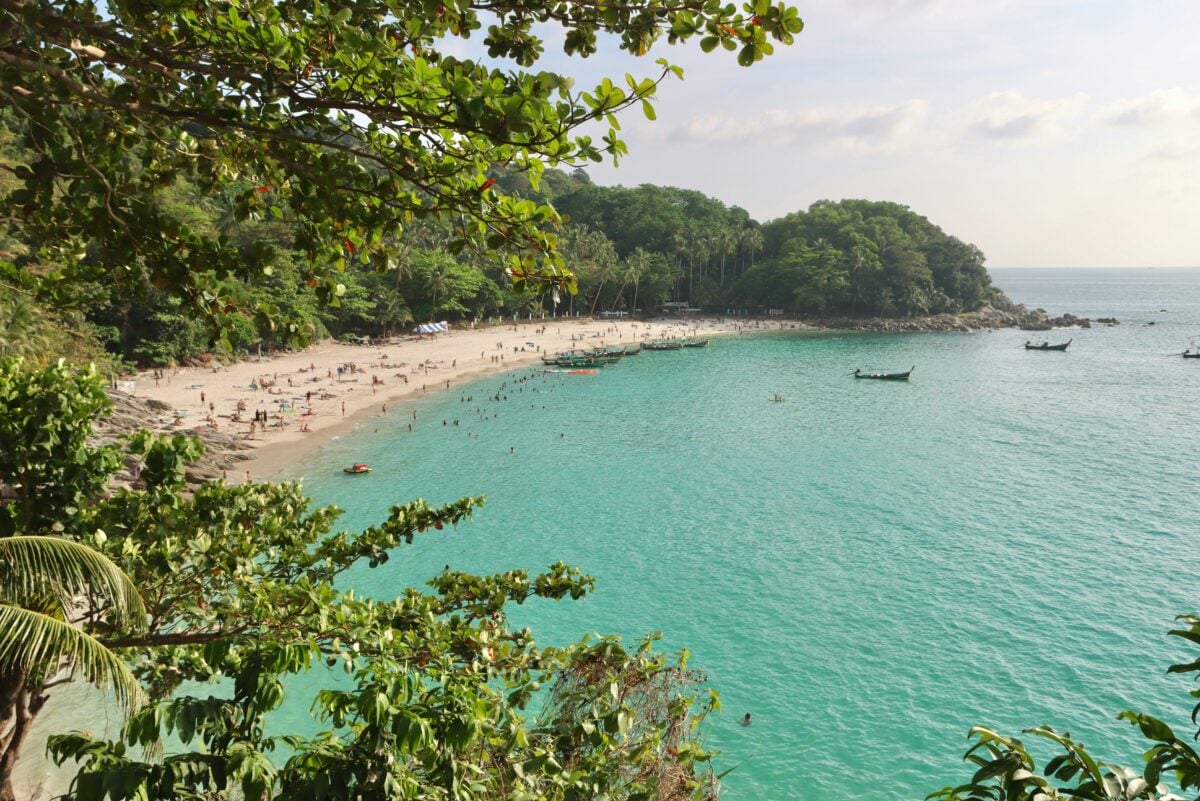
Thailand’s most developed beach resort area still deals with seasonal conditions that turn deadly without much warning. The monsoon season brings surf conditions that overwhelm casual swimmers, but the resort atmosphere makes it easy to underestimate the ocean’s power.
Development can’t eliminate natural hazards. It just makes them easier to ignore until it’s too late.
Where Beauty and Danger Dance
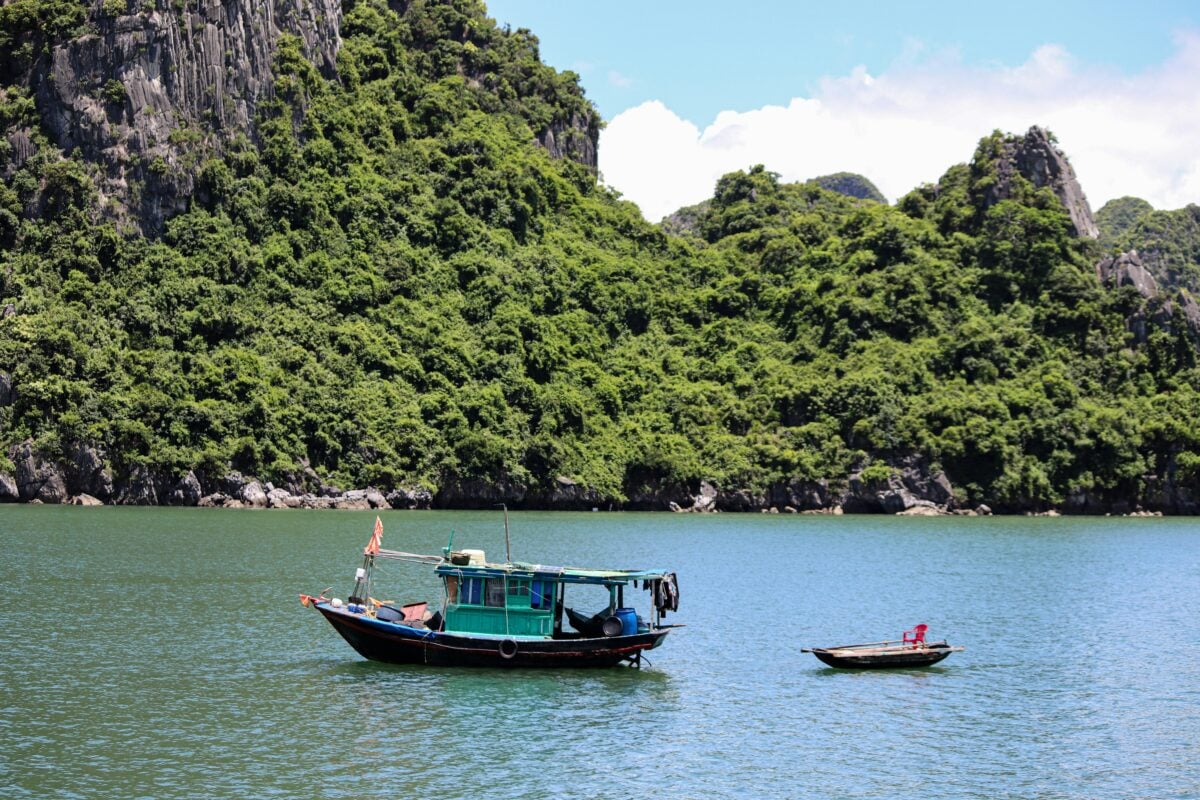
These beaches remind us that nature’s most stunning creations often come with the highest stakes. The same forces that carved those limestone cliffs and created that impossibly clear water don’t pause for tourist season or perfect lighting conditions.
Southeast Asia’s coastlines offer some of the world’s most beautiful swimming, but only for those who approach them with the respect they’ve always demanded. The smart travelers are the ones who return home with both incredible photos and all their original plans for future adventures.
More from Go2Tutors!

- The Romanov Crown Jewels and Their Tragic Fate
- 13 Historical Mysteries That Science Still Can’t Solve
- Famous Hoaxes That Fooled the World for Years
- 15 Child Stars with Tragic Adult Lives
- 16 Famous Jewelry Pieces in History
Like Go2Tutors’s content? Follow us on MSN.