15 Countries With the Fastest Growing Economies
Guyana
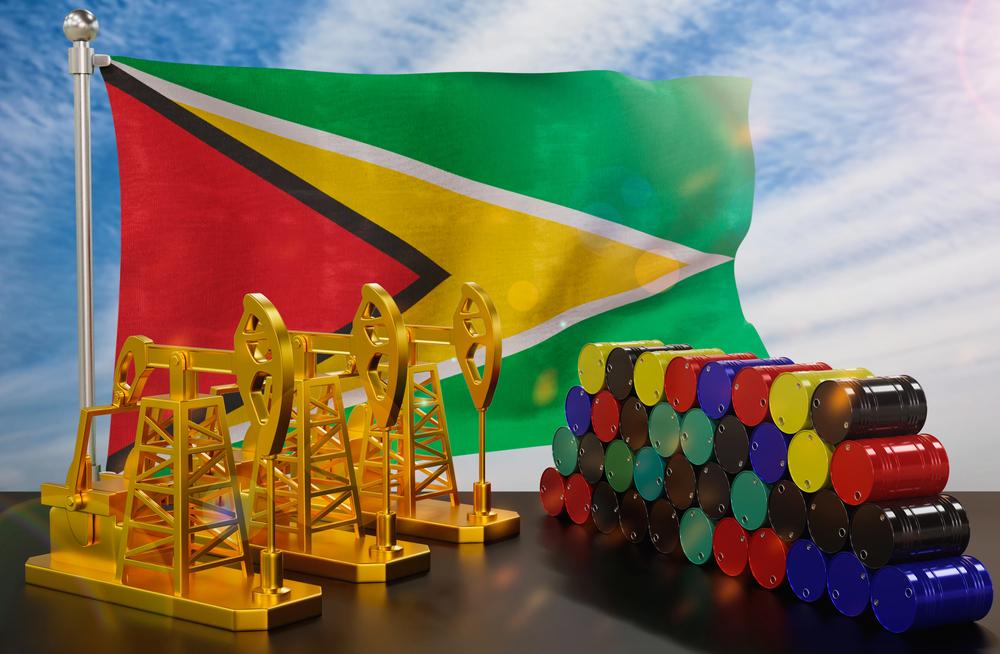
Guyana leads the world with an extraordinary 16.3% GDP growth rate in 2025, driven by an unprecedented oil boom. Oil production skyrocketed from virtually zero in 2019 to over 600,000 barrels per day by late 2024, with expectations to reach nearly 900,000 barrels by the end of 2025. This windfall is transforming one of South America’s poorest nations into a potential regional powerhouse, though experts warn about the ‘resource curse’ that has plagued other oil-dependent economies like Venezuela.
South Sudan
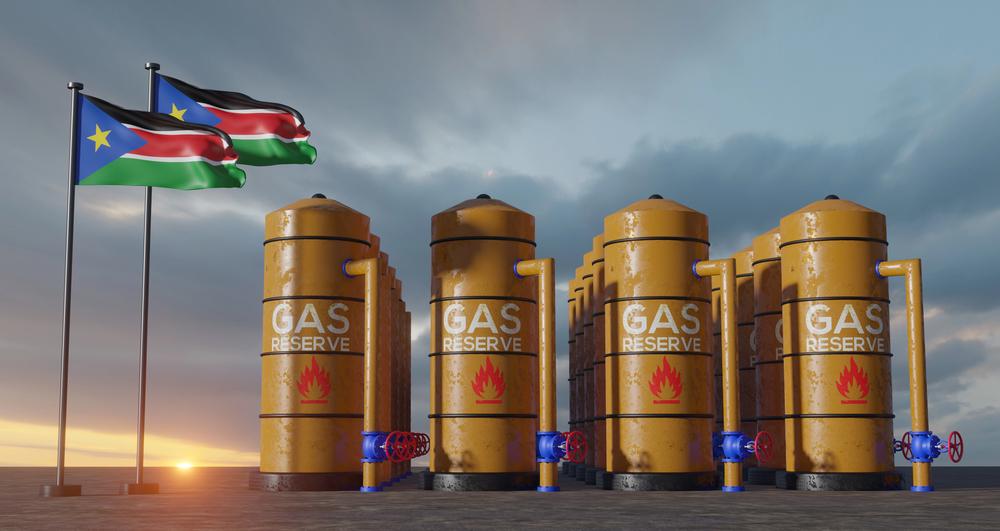
South Sudan claims the second spot with 14.6% growth. Still, this impressive figure masks a recovery story from severe economic contraction. The economy shrank over 20% in 2024 due to spillovers from the war in neighboring Sudan, which damaged crucial oil pipelines carrying two-thirds of the country’s oil exports. The projected bounce-back depends entirely on restoring oil flows through Sudan, making this growth prediction highly vulnerable to regional conflicts.
Libya
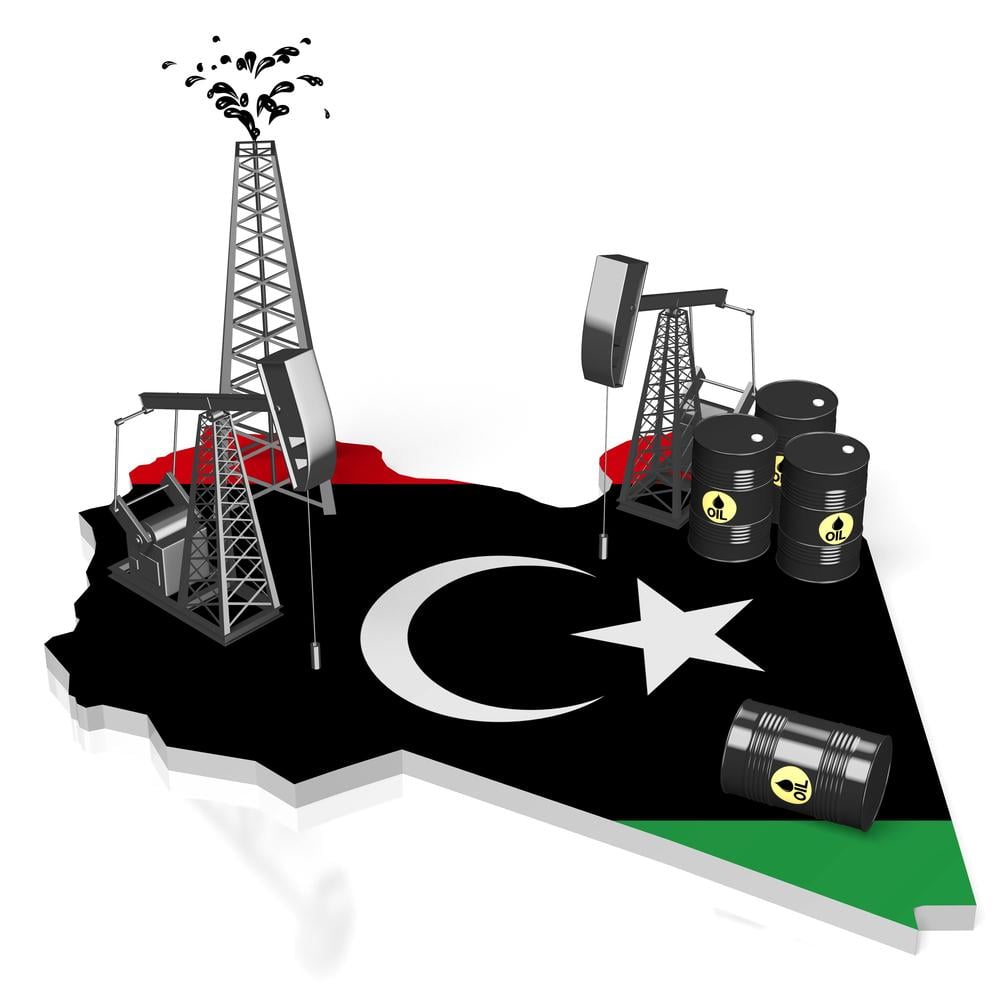
Libya’s 10.3% projected growth similarly reflects recovery from recent turmoil rather than sustainable expansion. The country has been plagued by armed conflict and political instability since 2011—it still has two competing governments controlling separate areas. Recent resolution of a power struggle over the Central Bank leadership and the resumption of oil production after months of suspension are driving this year’s optimistic projections.
Palau

This Pacific archipelago of just 18,000 people expects 8.5% growth as its tourism industry recovers from pandemic devastation. Tourism accounts for about 40% of Palau’s GDP. It suffered severe contractions from 2020-2022 before growth resumed. The ongoing recovery in tourist arrivals, combined with increased construction activity, is fueling the economic rebound, though visitor numbers remain well below pre-pandemic levels.
Niger

Niger’s 8.3% growth projection centers on the expansion of oil production and exports through the Niger-Benin pipeline, which represents a significant infrastructure achievement for the landlocked nation. This surge in the oil sector is expected to create widespread positive ripple effects throughout the economy, enhancing government spending and stimulating various industries. Agricultural improvements through expanded irrigation also contribute to the optimistic outlook, even so political instability following a 2023 coup poses significant risks.
Senegal

Fastest rate since the early 1980s. Senegal’s 7.9% growth represents exactly that, driven by its emerging energy sector that’s completely reshaping the country’s economic profile. The country began oil production in June 2024 with initial levels reaching 100,000 barrels per day, while gas production commenced in January 2025 from a field shared with Mauritania. These developments mark Senegal’s transformation from an aid-dependent economy to a potential energy exporter in West Africa.
Rwanda

Rwanda’s 6.8% growth continues its remarkable transformation, with GDP per capita rising more than tenfold since the 1994 genocide. The country’s stable political environment, lack of corruption, and strong state-led development plan have sustained this impressive trajectory. Growth comes from broad-based expansion including private spending, fixed investment, and exports, supported by the government’s ‘Made in Rwanda’ manufacturing initiative and plans for a new international airport designed to become a continental travel hub.
Ethiopia
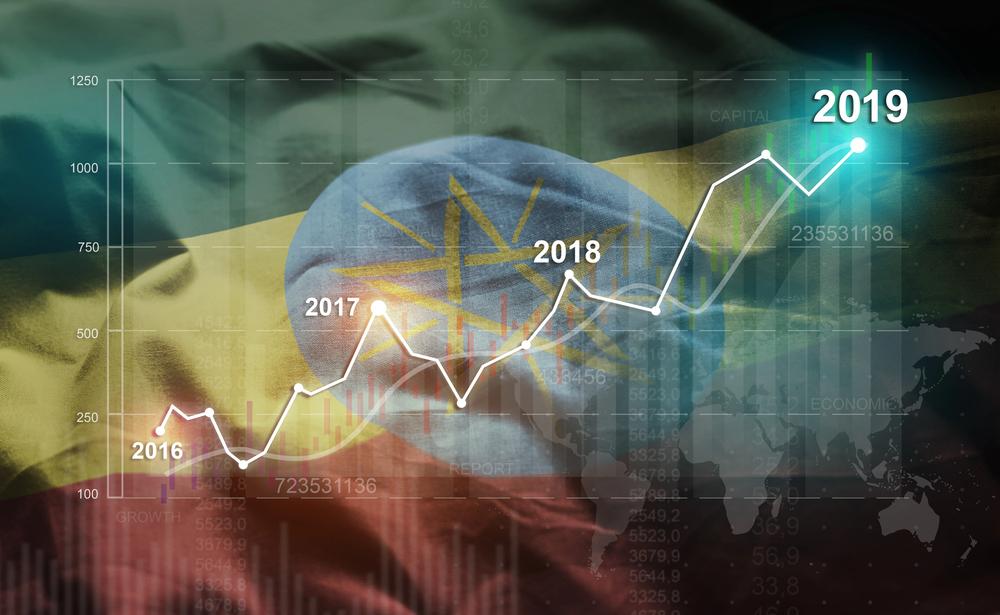
Ethiopia’s 6.7% growth reflects ongoing structural reforms and billions in support from international partners like the IMF and World Bank. After liberalizing its exchange rate in mid-2024, the government focuses on boosting domestic revenues, reforming state-owned enterprises, and restructuring debt. Still, elevated inflation and regional security challenges in Tigray, Amhara, and Oromia present significant downside risks to what’s otherwise a promising outlook.
India
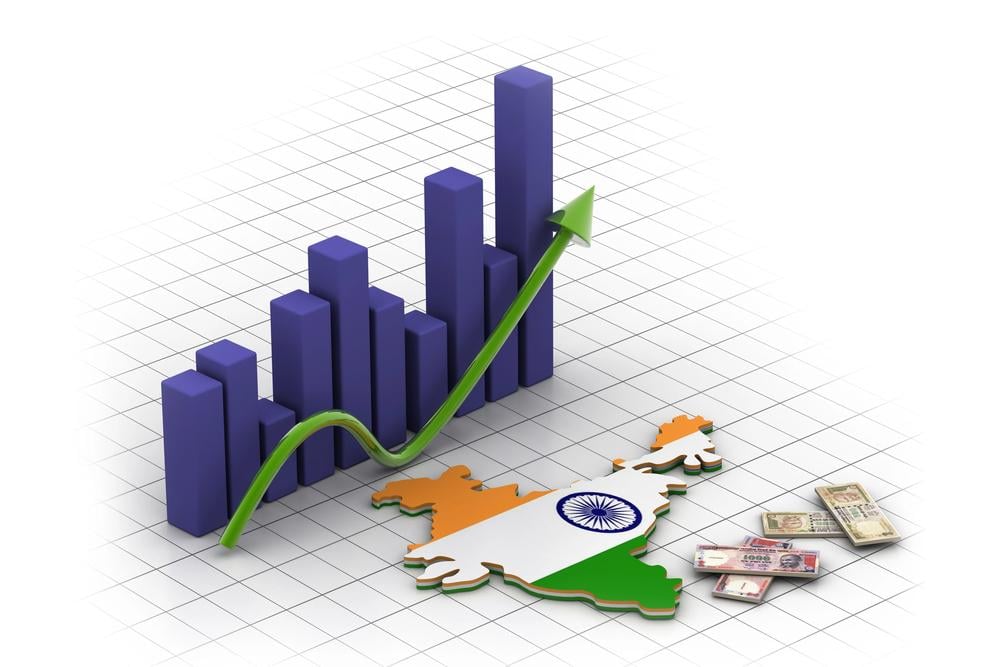
India’s 6.5% growth maintains its position as the fastest-growing major economy, driven by industry and services expansion. India has become a $4 trillion economy in 2025 and secured fourth place in global GDP rankings—quite an achievement for a country that was primarily agricultural just decades ago. The country benefits from its young population, manufacturing investment from companies diversifying away from China, interest rate cuts, and moderating inflation pressures.
Cote d’Ivoire

Cote d’Ivoire rounds out the top 10 with 6.5% growth, supported by multiple economic drivers including the Baleine oil field coming fully online. A new gold mine opening should boost exports, while improved weather conditions are lifting cocoa output after steep declines from poor growing conditions. So the country’s economy gets a boost from both new industries and recovery in traditional sectors.
Vietnam

Vietnam’s economy is expected to grow by 6.5% in 2025, continuing its role as Southeast Asia’s manufacturing powerhouse. Growth is driven by further foreign direct investment in high-tech manufacturing and renewable energy, expansion in e-commerce and digital services, and continued government investment in infrastructure. The country benefits from companies relocating supply chains away from China amid trade tensions—a trend that’s likely accelerating rather than slowing.
Philippines

The Philippines is projected to grow at 5.48% in 2025, maintaining its position among Asia’s fastest-growing economies. The country ranked second among ASEAN economies in Q1 2025 GDP growth at 5.4%, following only Vietnam and matching China. Strong domestic consumption, resilient services sector, and overseas worker remittances continue driving expansion in this archipelago nation of over 100 million people.
Bangladesh

Bangladesh has experienced robust post-pandemic growth with macroeconomic stability, a growing digital economy, and infrastructure improvements that are quite impressive for a country of its size and development level. The country’s focus on textile and garment exports has delivered rapid growth over recent decades, lifting millions out of poverty. Government investments in technology and manufacturing diversification are creating new growth engines beyond traditional industries.
Indonesia
Indonesia is set to accelerate to 5.2% GDP growth in 2025. Government incentives to boost industrialization and technology are paying off. A rising digital economy, expanding e-commerce landscape, stable domestic consumption, and growing middle class are fueling the expansion. As the world’s fourth most populous nation, Indonesia’s demographic advantages support sustained economic momentum across its thousands of islands.
Cambodia

Cambodia is projected to grow at 5.0% in 2025, driven by tourism expansion as the sector recovers fully from the pandemic. Increased investment in manufacturing and infrastructure, plus a strengthening export market particularly in textiles and agriculture, support the growth outlook. The country’s strategic location and competitive labor costs make it attractive for manufacturing relocation, especially as companies seek alternatives to more expensive regional options.
The New Economic Landscape

The fastest growing economies of 2025 are primarily located in Africa and Asia, reflecting a broader shift in global economic dynamics that’s been building for years. Many of these nations share common characteristics: young populations, natural resource discoveries, recovery from conflicts, or strategic positioning in global supply chains. Most countries in the top rankings remain poor in GDP per capita terms, which shouldn’t surprise since fast GDP growth is easiest when a country’s stock of human and physical capital is low. While these growth rates appear impressive, they also highlight the world’s persistent economic inequalities and the ongoing challenge of turning rapid expansion into lasting prosperity for ordinary citizens.
More from Go2Tutors!

- 16 Historical Figures Who Were Nothing Like You Think
- 12 Things Sold in the 80s That Are Now Illegal
- 15 VHS Tapes That Could Be Worth Thousands
Like Go2Tutors’ content? Follow us on MSN.



