How a Stack of Old Newspapers in a Garage Turned Out to Hold Editions Worth Real Money
There’s usually a reason people put off cleaning out a garage for twenty years, and it’s rarely a good one. Boxes get stacked, then stacked again, then forgotten under a layer of dust and good intentions, until one day someone finally hauls them into the light expecting nothing but mildew and regret.
That’s roughly how it goes for a lot of families who open up an old cardboard box, expecting spiders, and instead find a yellowed front page announcing something the whole country once stopped to read. What follows is a look at exactly the kind of newspapers that turn a garage cleanout into something closer to a small treasure hunt.
The Lincoln Assassination
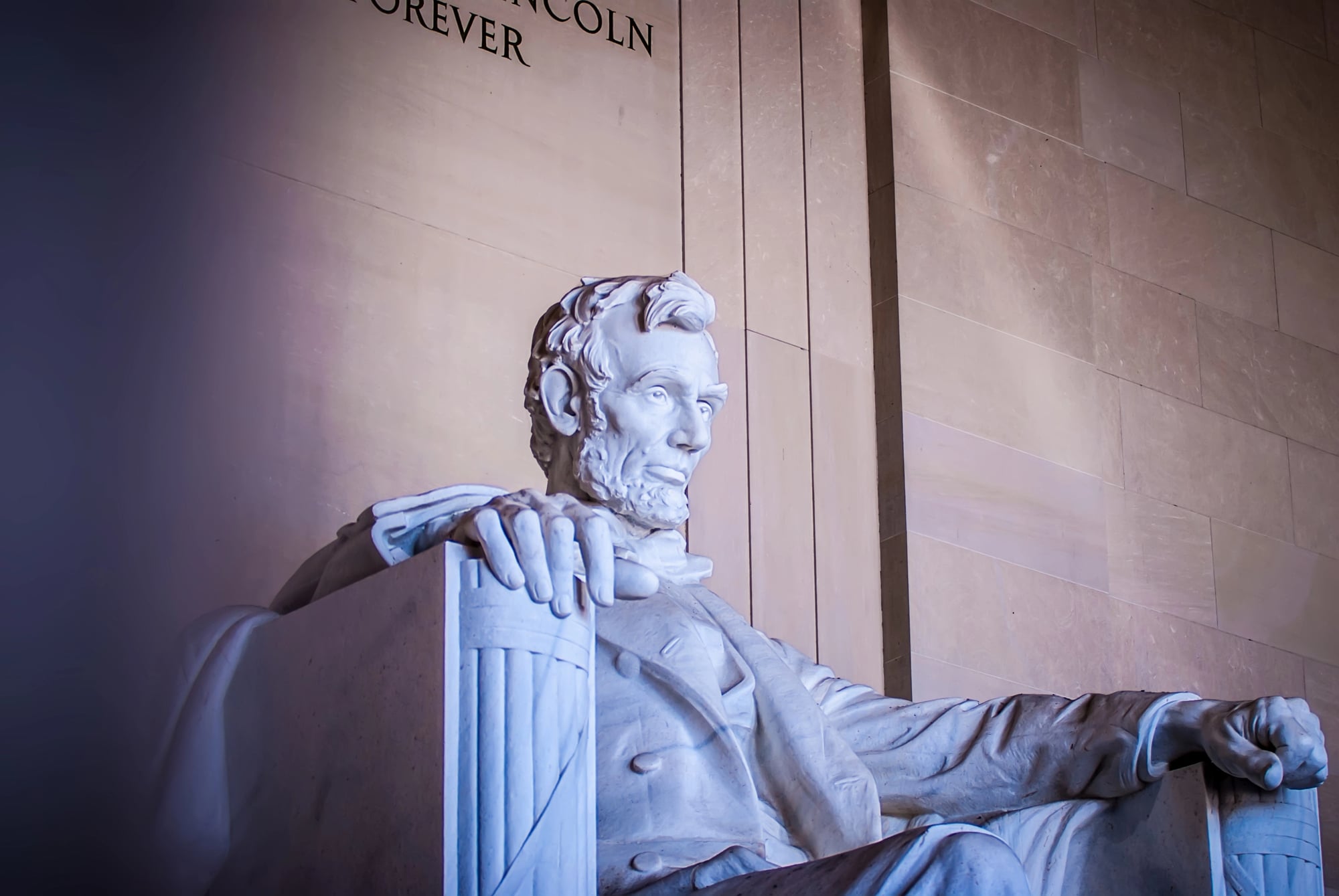
Papers from April 15, 1865 rank among the most sought-after in American history. The assassination of Abraham Lincoln stopped presses across the country, and outlets scrambled to print what little they knew.
A clean copy from that week can fetch thousands of dollars at auction. Most that survive are brittle, torn, or missing pages, and condition decides everything.
The Titanic Sinking
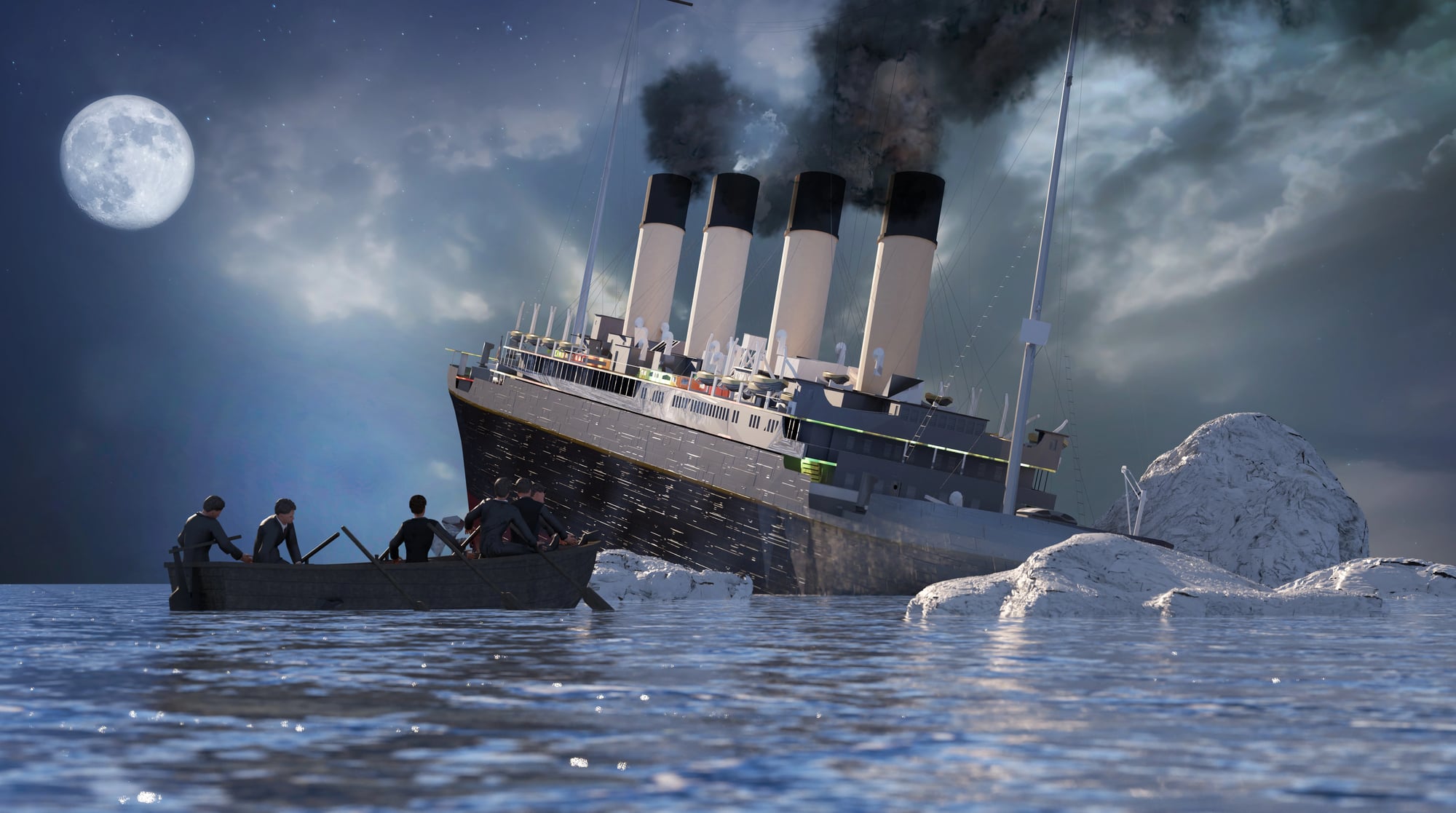
The Titanic sank in the early hours of April 15, 1912, and the first newspapers to cover it got it wrong — some early editions insisted the ship had been towed to safety, all passengers accounted for, which is exactly the kind of mistake that makes a copy valuable now. So a paper with the wrong headline can outsell one that got the story straight, and that logic only makes sense once you realize collectors are chasing the moment confusion still hung in the air, not the moment certainty arrived.
And a first-day report from a well-known daily, kept flat and out of sunlight for over a century, can bring anywhere from a few hundred dollars to well past a thousand: rarer regional papers sometimes do better than the famous names. There’s an odd comfort in owning the version of the story that was still, technically, wrong.
The Wright Brothers’ First Flight

A newspaper announcing sustained flight for the first time is a strange artifact, paper trying to describe something the language hadn’t caught up to yet. Most papers in December 1903 buried the Wright Brothers’ achievement in a few indifferent lines near the back, if they mentioned it at all, because nobody quite believed a bicycle shop from Dayton had solved what engineers with real funding could not.
That obscurity is exactly what makes a genuine, well-documented mention of it so stubborn to find and so valuable when it surfaces. Owning one is a little like holding proof that the world blinked and almost missed the moment it changed.
The End of World War I
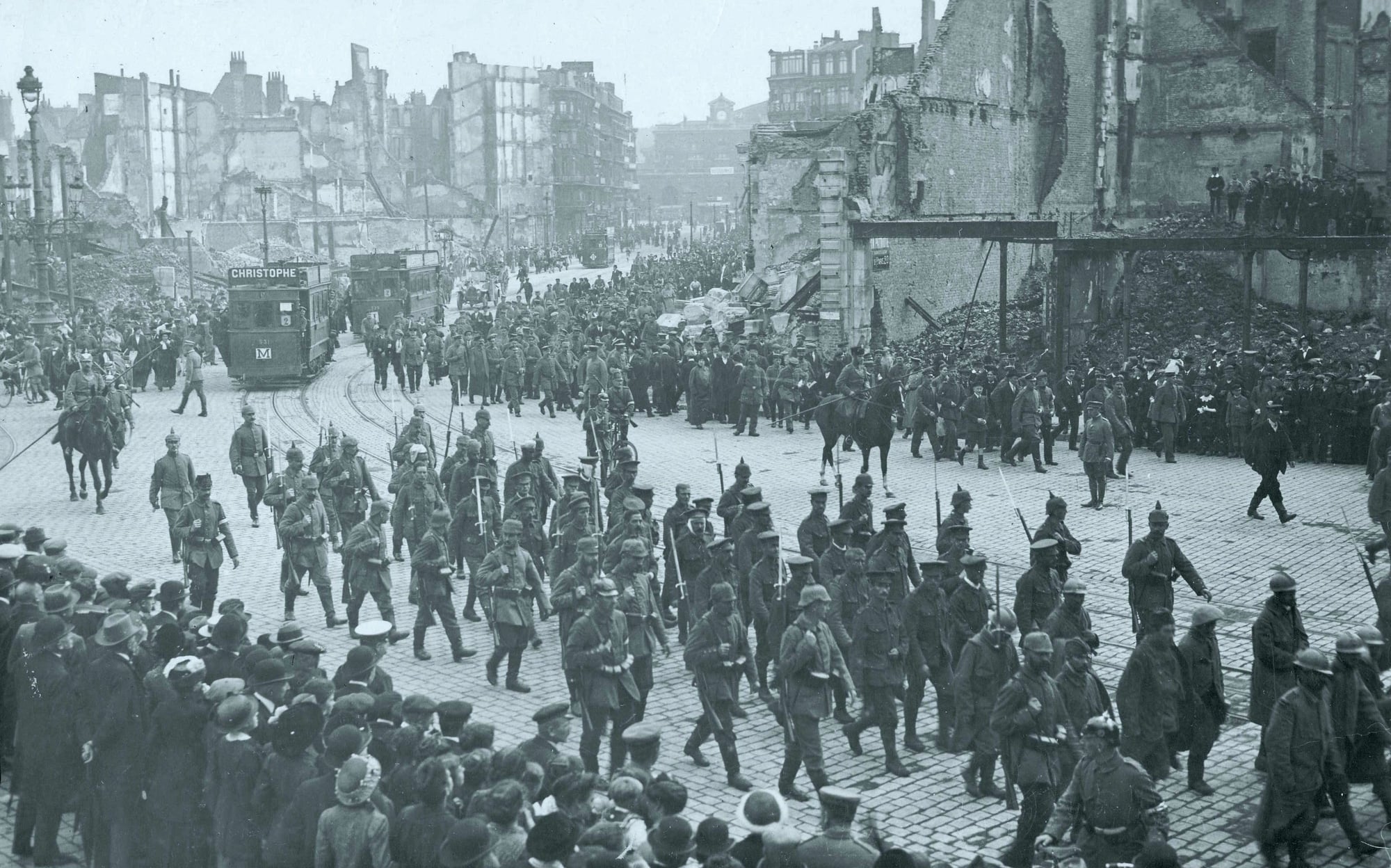
November 11, 1918 produced some of the most emotionally charged front pages ever printed, and most people still underestimate how many of them survive. Armistice editions are common enough that having one isn’t a retirement plan, which disappoints people every single time they bring one in for an appraisal.
To be fair, a pristine copy from a smaller paper, or one with an especially dramatic headline, can still bring a few hundred dollars. The truly big money in that war belongs to the earliest days of August 1914, not the ending, which is a fact that ruins a lot of family legends.
The 1929 Stock Market Crash
Black Tuesday papers from October 29, 1929 are surprisingly common. Every major daily covered it, and plenty of households kept a copy out of pure shock.
That abundance keeps prices modest, usually under a hundred dollars for most editions. The real money sits with papers that predicted the crash days earlier, which are far rarer and far stranger to read now.
Pearl Harbor
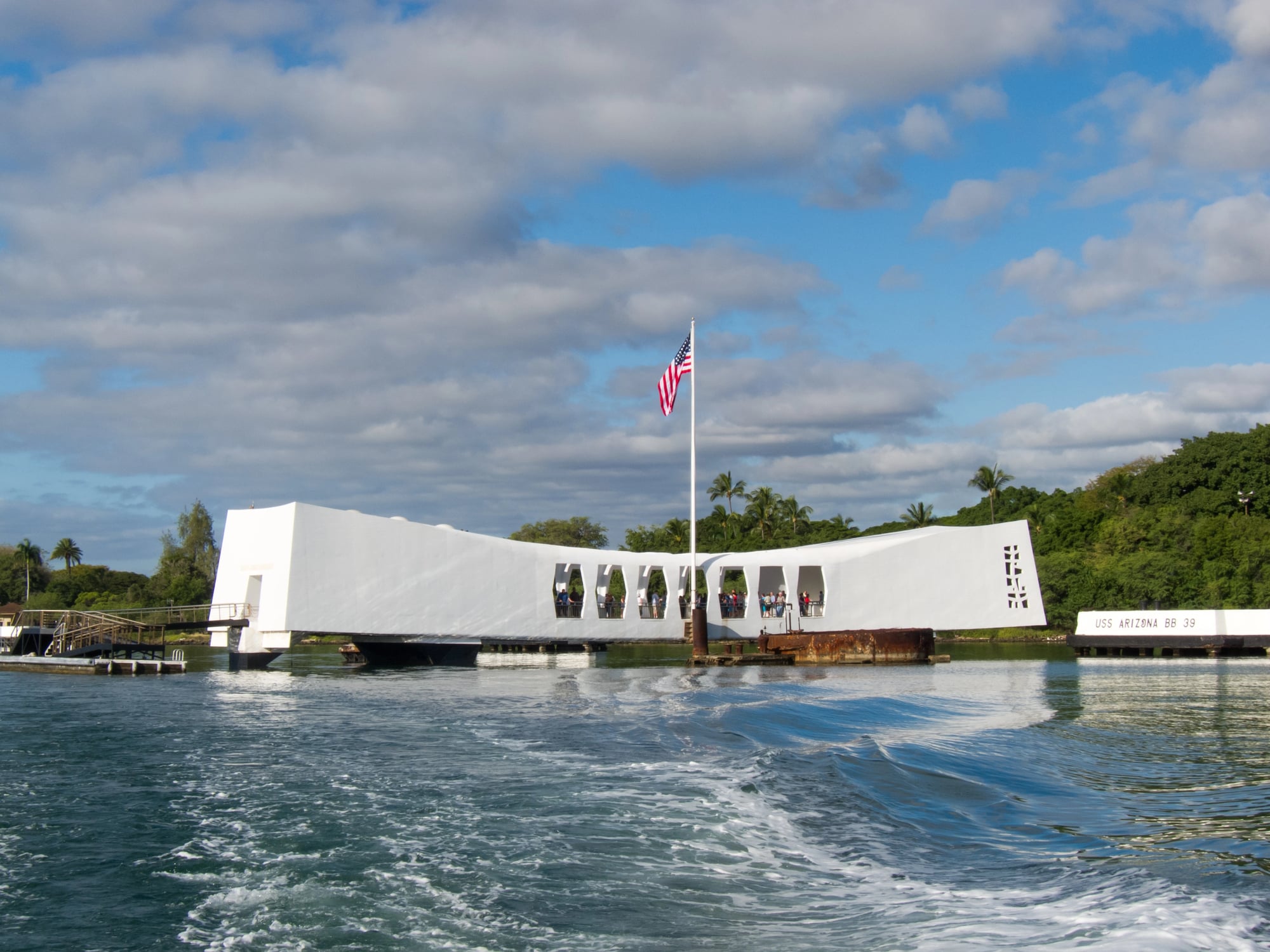
December 8, 1941 editions — the ones announcing the attack on Pearl Harbor happened the day before, since papers couldn’t get it into print same-day — are among the most collected pieces of American history, and there are a lot of them out there because nearly every paper in the country ran some version of the story. So common doesn’t mean worthless, it just means the price depends entirely on the headline, the photograph, and whether the paper is a major title or some small-town weekly nobody’s heard of.
And that’s the part people miss: a New York or Chicago paper with a bold, well-preserved front page can bring several hundred dollars, while a rural paper with a smaller headline barely clears fifty. Condition, as always, does the deciding, and a fold line through the headline can cut the value in half.
D-Day
June 6, 1944 arrived in newspapers like a held breath finally let out, headlines that had been waiting for this exact morning for years, and it shows in the size of the type. The best D-Day front pages don’t just report an invasion, they read like relief given a byline, and that emotional weight is part of what collectors are actually paying for.
A well-kept copy, especially one with a dramatic map or photograph, can be worth several hundred dollars, sometimes more depending on the paper. It’s one of the rare instances where a newspaper’s job wasn’t just to inform, it was to let an entire country exhale at once.
V-J Day
The papers from August 14 and 15, 1945 are, hands down, some of the most emotionally satisfying artifacts a person can own. Everybody printed something about the end of the war, so supply is high and prices reflect that, and nobody should expect to retire on one.
A copy featuring the iconic sailor-and-nurse photograph, if it’s an original print run and not a later reproduction, is worth chasing down specifically. Most people who think they have something rare from this date just have a very well-loved keepsake, which is still worth having, to be fair.
The Hindenburg Disaster

The Hindenburg burned over Lakehurst, New Jersey on May 6, 1937. Papers ran the story with genuine shock, since airship travel was supposed to be the future of flight.
First-day coverage, especially with strong photographs, sells for a few hundred dollars in good condition. Later reprints are common, so provenance matters more than the story itself.
Jackie Robinson Breaking the Color Line
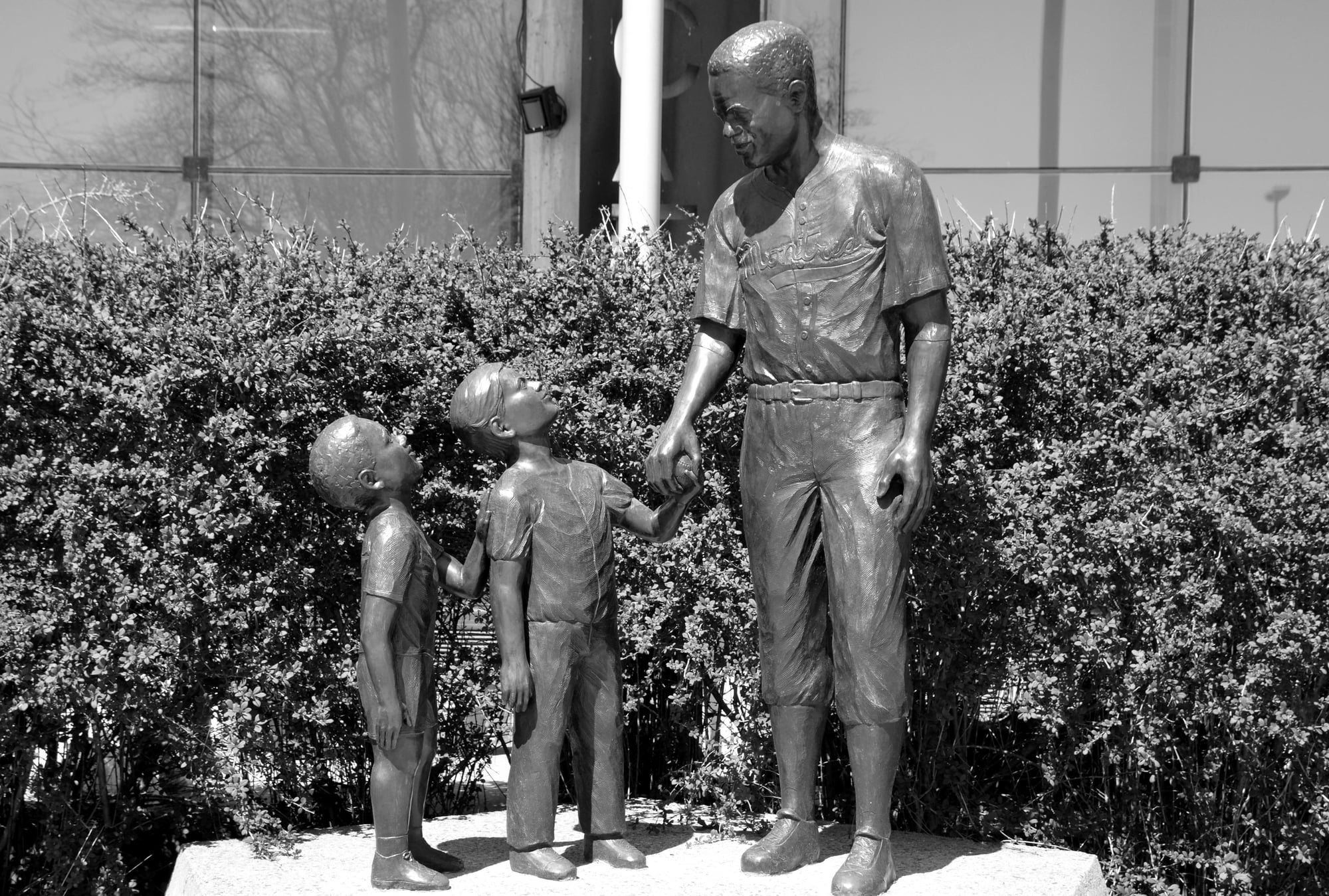
Jackie Robinson’s debut with the Brooklyn Dodgers on April 15, 1947 didn’t get the front-page treatment everywhere it should have, some major dailies buried it in the sports section like any other game, which says plenty about the country at the time. So papers that covered it seriously, with real space and real acknowledgment of what it meant, are worth considerably more than the ones that treated it as routine box scores.
And Black-owned newspapers, the ones that covered the moment with the weight it deserved from the start, are now some of the hardest and most expensive copies to find: history didn’t always agree with itself on what mattered that day. It’s a strange thing, paying more for the paper that got the significance right the first time.
The JFK Assassination
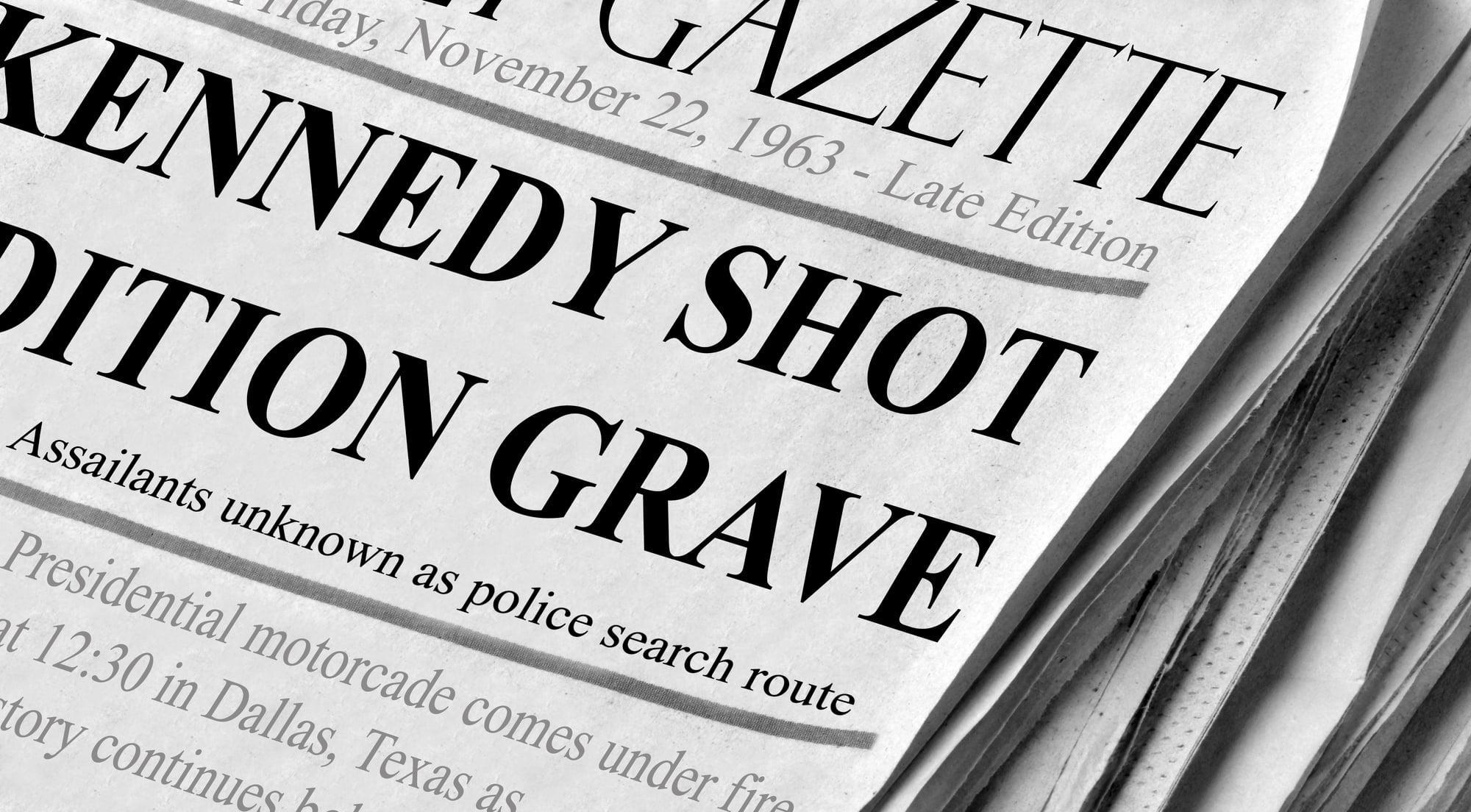
November 22, 1963 produced newspapers that people didn’t so much read as absorb, standing in kitchens and diners with the paper held a little too tightly. The sheer volume of copies printed that week means most aren’t rare, but the ones with the earliest, most tentative headlines, the ones written before anyone knew Kennedy had died, carry a different kind of weight.
Collectors chase those specifically, the editions still clinging to hope in print, because they capture a sliver of time that closed within the hour. A newspaper, in that case, becomes less a record of an event and more a fossil of the moment right before everyone knew.
The Moon Landing
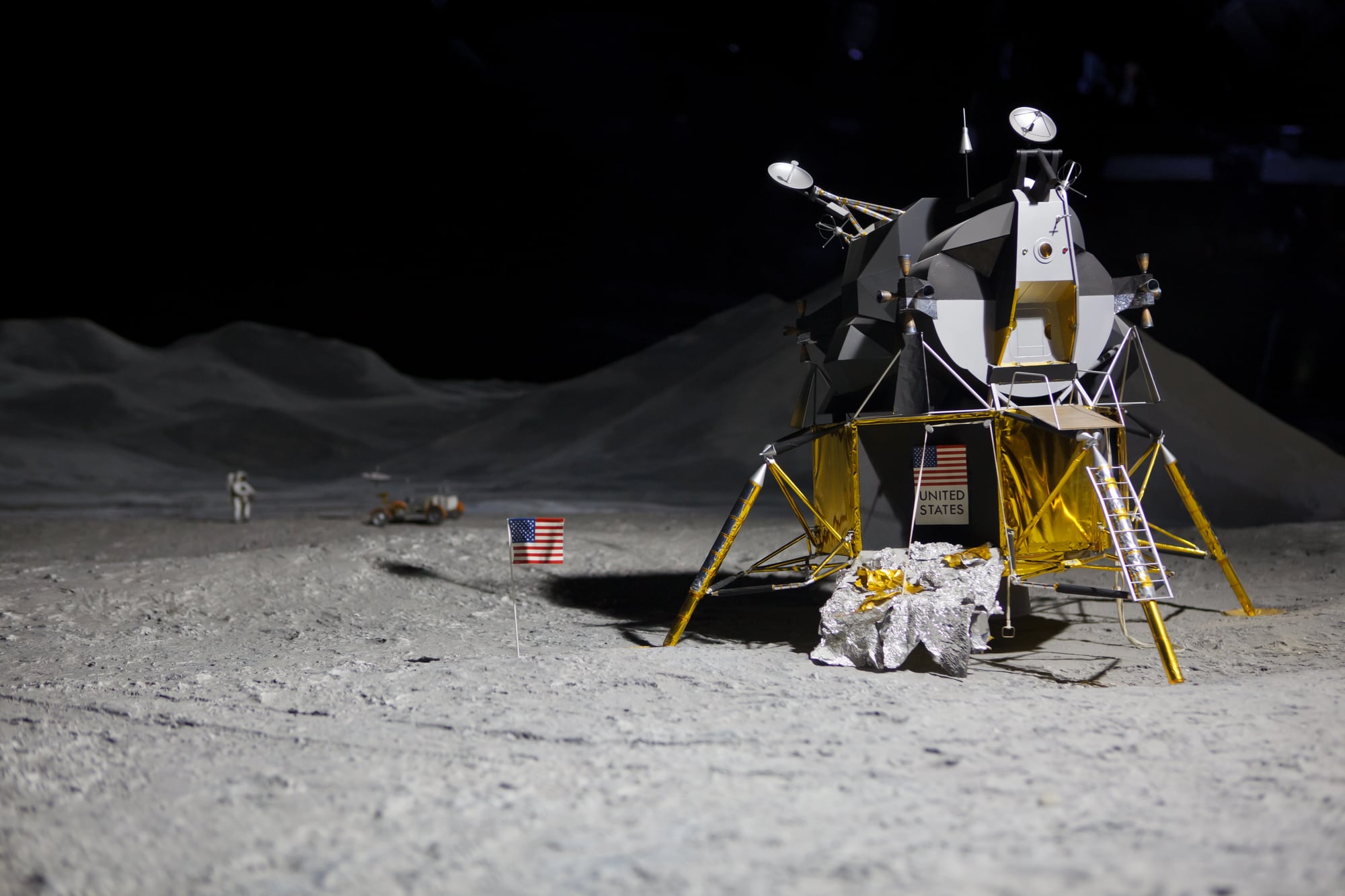
The moon landing on July 20, 1969 gave the world some of the best front pages ever assembled, and it’s honestly a shame more people don’t display them properly. Nearly every paper in the country ran some version of the same photograph, which keeps common copies affordable and the rare ones genuinely rare.
The New York Times edition with the full-width headline is the one everybody wants, and prices reflect exactly that kind of popularity. Anyone claiming their local paper’s moon landing coverage is worth a fortune is, to be blunt, usually wrong.
Nixon’s Resignation
Nixon resigned on August 9, 1974, and papers from that morning are plentiful. Nearly every American household could get a copy, and many did.
Prices stay modest, generally well under a hundred dollars for common titles. The exception is papers with strong photographs of Nixon boarding the helicopter, which command a noticeable premium.
The Death of Elvis Presley
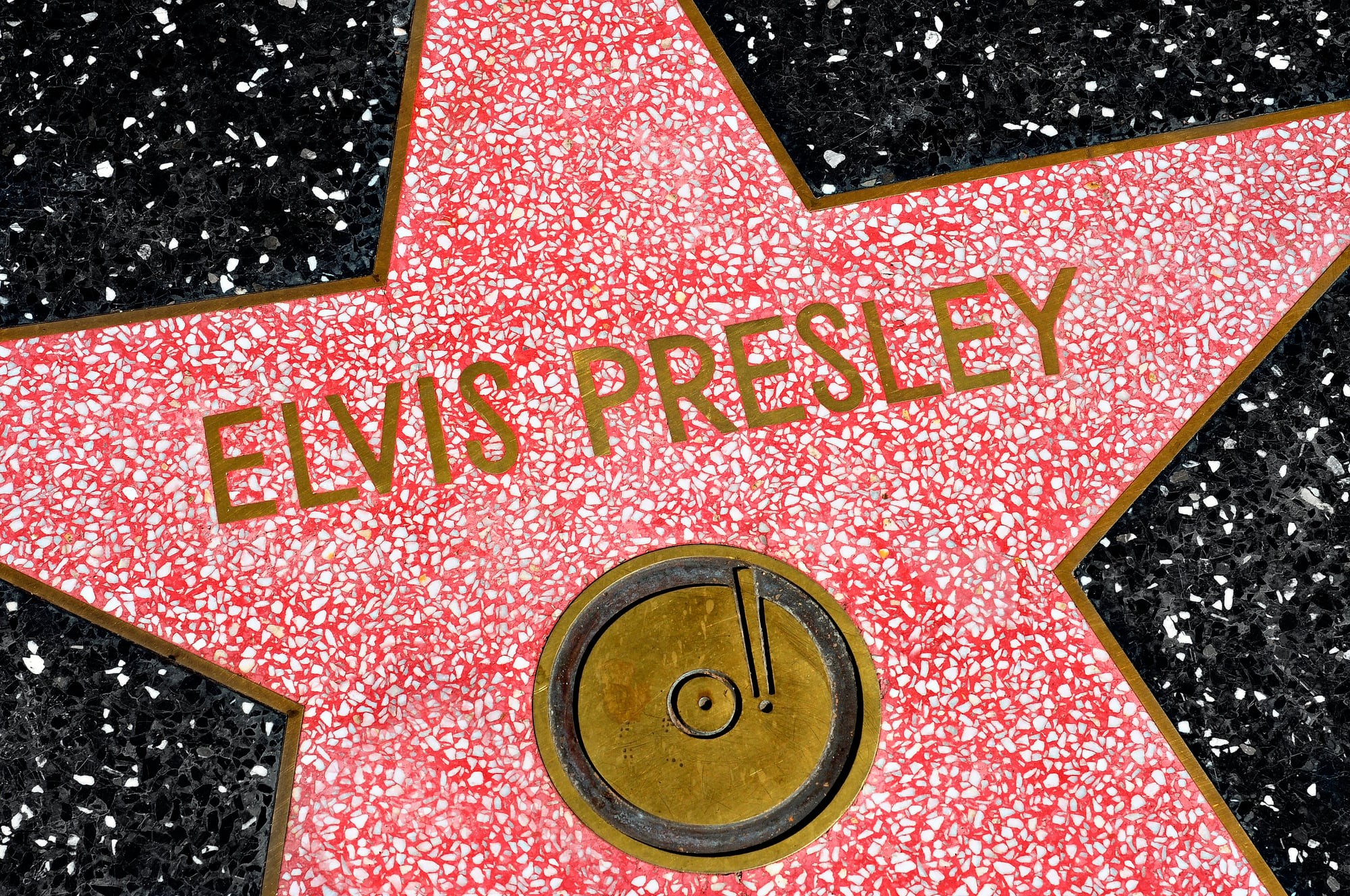
Elvis Presley died on August 16, 1977, and the newspapers that followed split into two very different categories, the serious dailies that treated it as a genuine loss, and the tabloids that leaned hard into spectacle, sometimes within the same week. So value now depends heavily on which kind you’re holding, since tabloid covers with especially outrageous headlines have become collectible in their own strange way.
And Memphis papers specifically, the ones printed in the city where it happened, tend to bring more than national editions: proximity, it turns out, still matters to collectors decades later. It’s a little unusual, paying extra for grief printed close to home.
The Fall of the Berlin Wall

The wall came down on November 9, 1989, and newspapers around the world reached for the same word without meaning to: unbelievable, printed in a dozen languages within a single news cycle. American papers that ran with striking photographs of people standing on top of the wall, hammers in hand, are the ones collectors return to again and again.
There’s something almost musical about how many different front pages landed on the same emotional note that week, all of them chasing the same disbelief. A good copy isn’t just a record of a wall falling, it’s a record of an entire generation exhaling.
The Challenger Disaster

The Challenger explosion on January 28, 1986 is one of the more heartbreaking front pages in modern American newspapers, and it deserves to be treated with some care rather than shoved in a drawer. Coverage was universal, so common copies aren’t worth much financially, which frankly feels appropriate given what the story actually is.
Papers with the launch photograph specifically, the one showing the fork of smoke splitting apart, hold a bit more value among collectors who focus on space history. Anyone expecting a windfall from this one should adjust their expectations accordingly.
September 11
September 12, 2001 editions exist by the millions. Nearly every paper on the planet ran some version of the towers burning.
That volume keeps prices low despite the historical weight, and most sell for under fifty dollars. Rarer are the September 11 afternoon editions, printed the same day, before anyone fully understood what had happened.
More Than Yesterday’s News
A stack of old newspapers rarely announces its own worth. It sits there looking like exactly what it is, paper gone soft at the edges, ink fading toward brown, until someone bothers to check the date instead of tossing the whole pile into a recycling bin.
What that garage really held wasn’t money so much as timing, a handful of mornings the whole country happened to be looking at once, saved by accident and held onto out of habit. Sometimes the most valuable thing in the house was never hidden. It was just old enough that nobody thought to look twice.
More from Go2Tutors!

- The Romanov Crown Jewels and Their Tragic Fate
- 13 Historical Mysteries That Science Still Can’t Solve
- Famous Hoaxes That Fooled the World for Years
- 15 Child Stars with Tragic Adult Lives
- 16 Famous Jewelry Pieces in History
Like Go2Tutors’s content? Follow us on MSN.



