How Baseball Stadiums Evolved With Urban Growth
Baseball has always had a close relationship with the cities that host it. From the old neighborhood parks to the modern stadiums with giant video boards and skyline views, the way these spaces have changed says a lot about how cities have grown and shifted over time.
Let’s take a look at how ballparks changed as neighborhoods, skylines, and city life kept moving forward.
The old parks were built right into neighborhoods
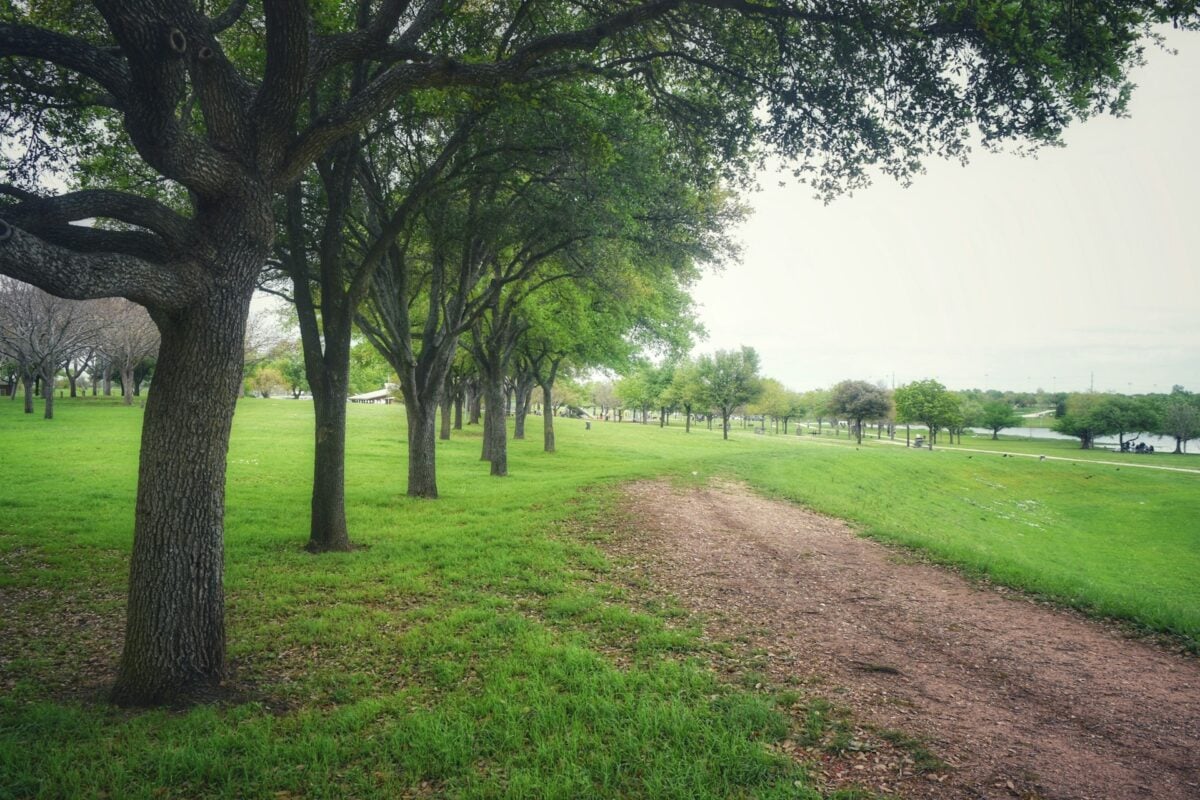
In the early days, stadiums were tucked right into the middle of the city. They were built with brick, had small seating areas, and sometimes even fit around odd-shaped streets.
Fans could walk there from nearby homes or grab a quick meal at a corner diner. It felt local and familiar, almost like part of the neighborhood itself.
like Ebbets Field and Fenway Park had that tight, homey feel.
Parking lots changed everything
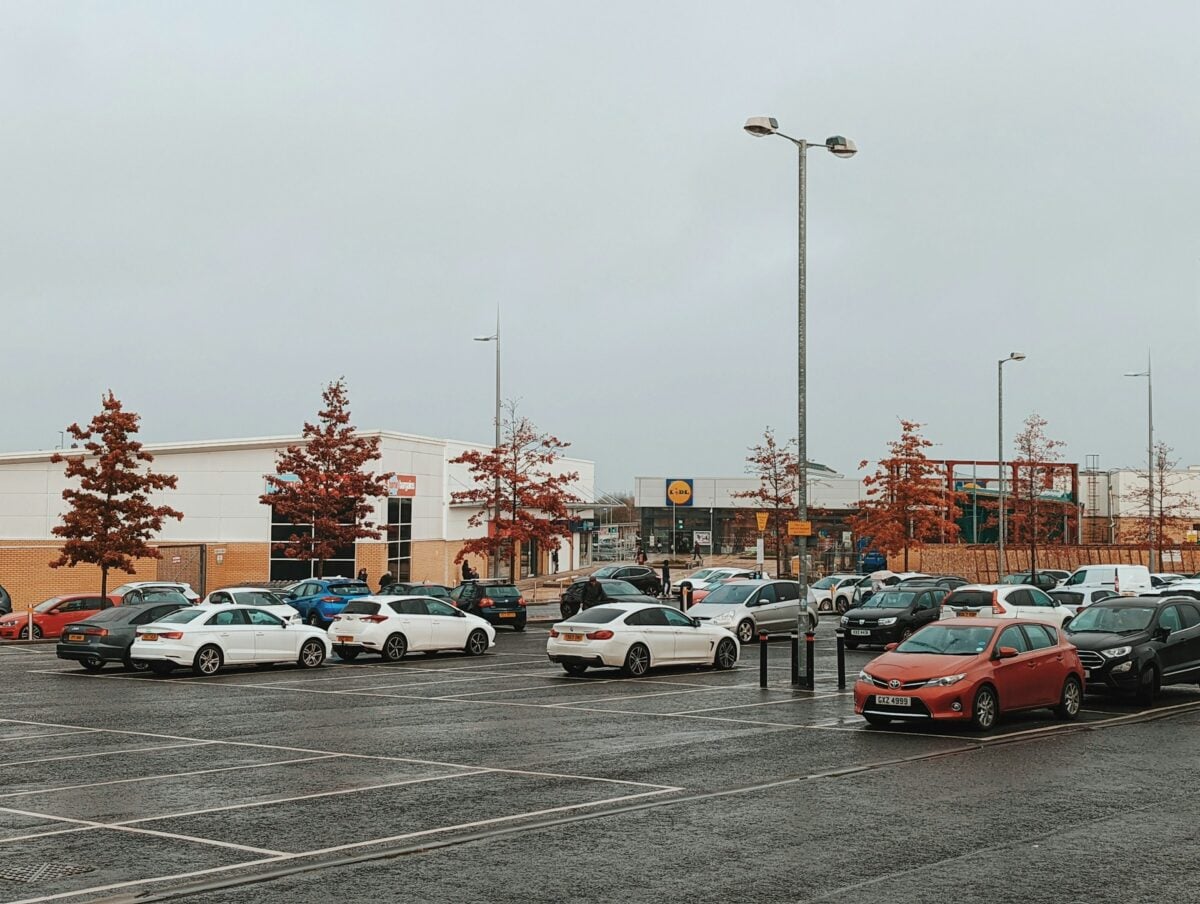
As cities grew and more people started driving, ballparks began adding massive parking lots. That changed where stadiums could be built, often pushing them farther from downtown.
These wide-open spaces made it easier to drive and park but pulled fans away from public transit and neighborhood life. The shift made game day feel more like a destination event and less like a casual drop-in.
Like Go2Tutors’s content? Follow us on MSN.
The move to multi-purpose stadiums
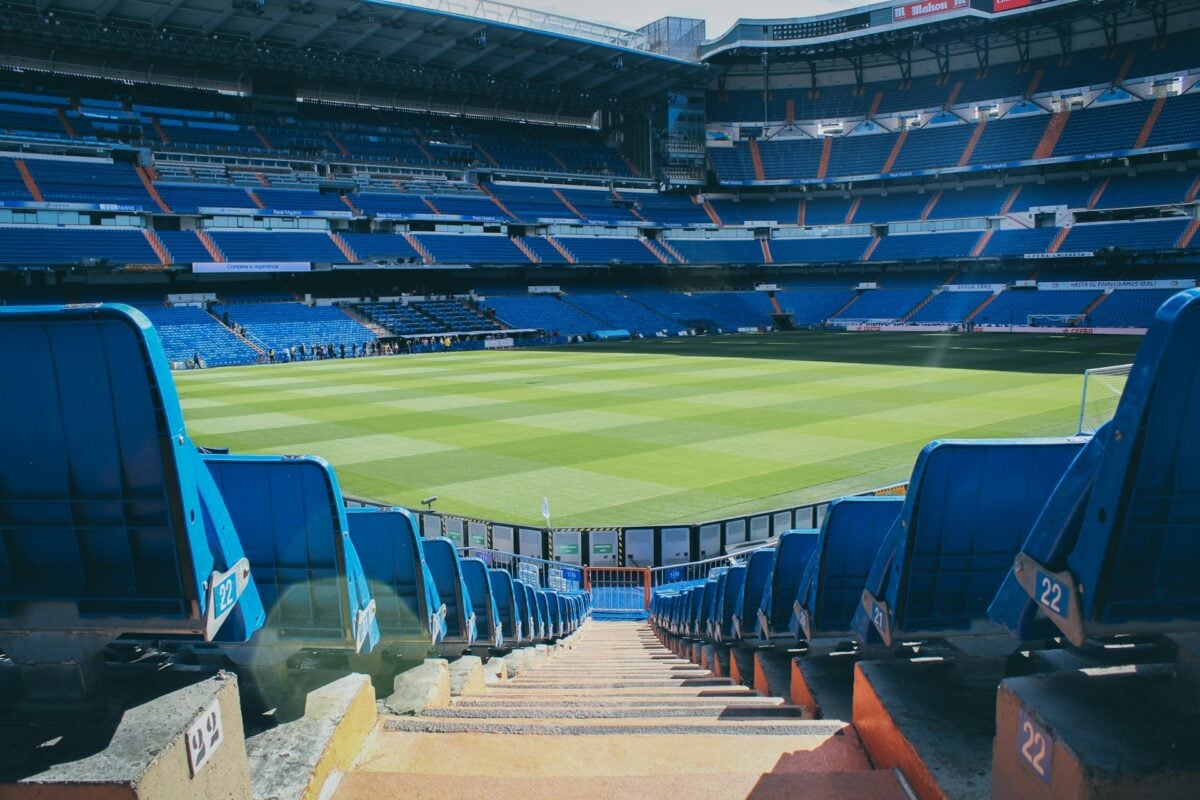
In the 60s and 70s, many cities built big, round stadiums meant to host more than just baseball. These concrete giants could hold football and concerts too.
While they made sense for city budgets, they didn’t always feel great for baseball fans. The fields were wide and the seats were far from the action.
They served a purpose, but they weren’t very loved.
Suburban stadiums became the new trend
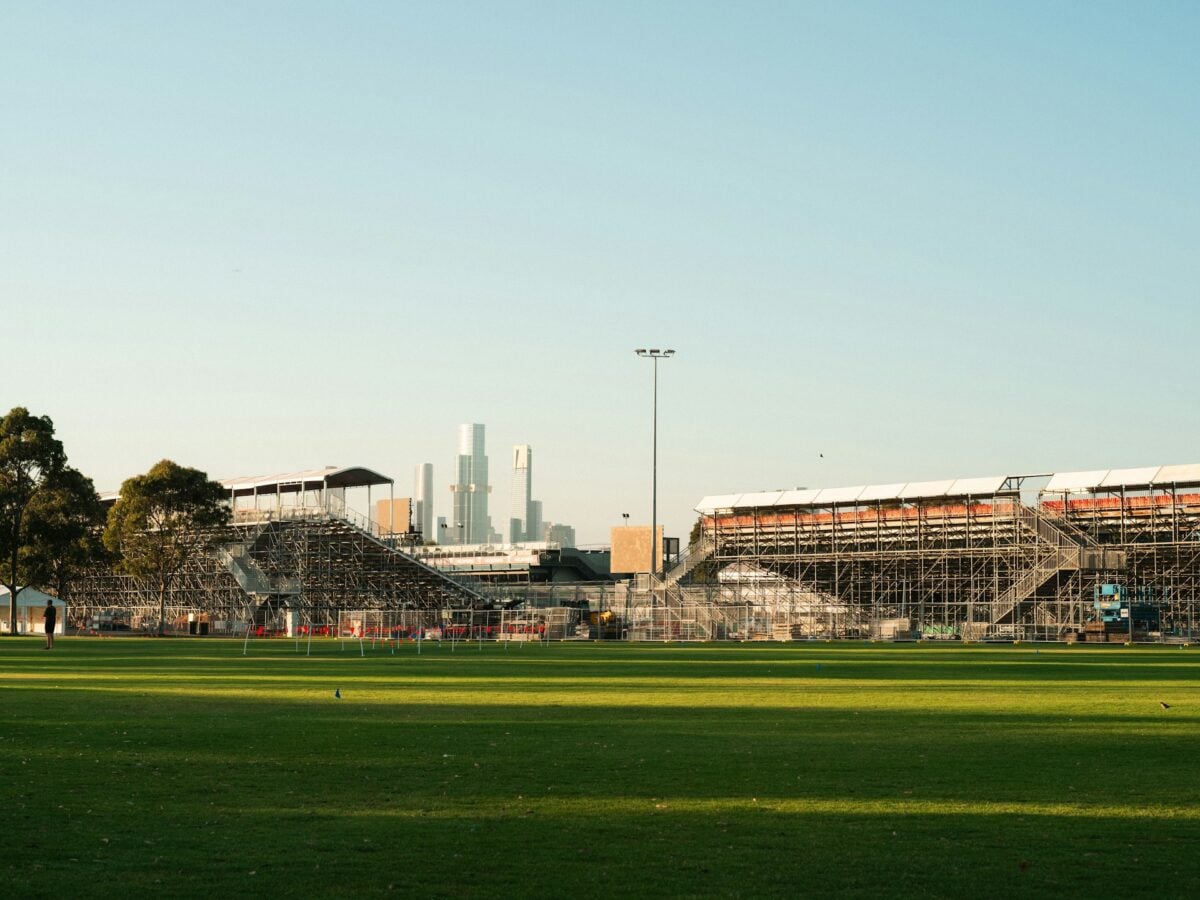
As city centers got more crowded, teams moved their stadiums to the suburbs. There was more space, and land was cheaper.
These parks offered easier access for fans with cars, but they lost the energy that came from being close to downtown. Some fans liked the convenience.
Others missed the buzz of the city streets before and after games.
Skyline views became a selling point
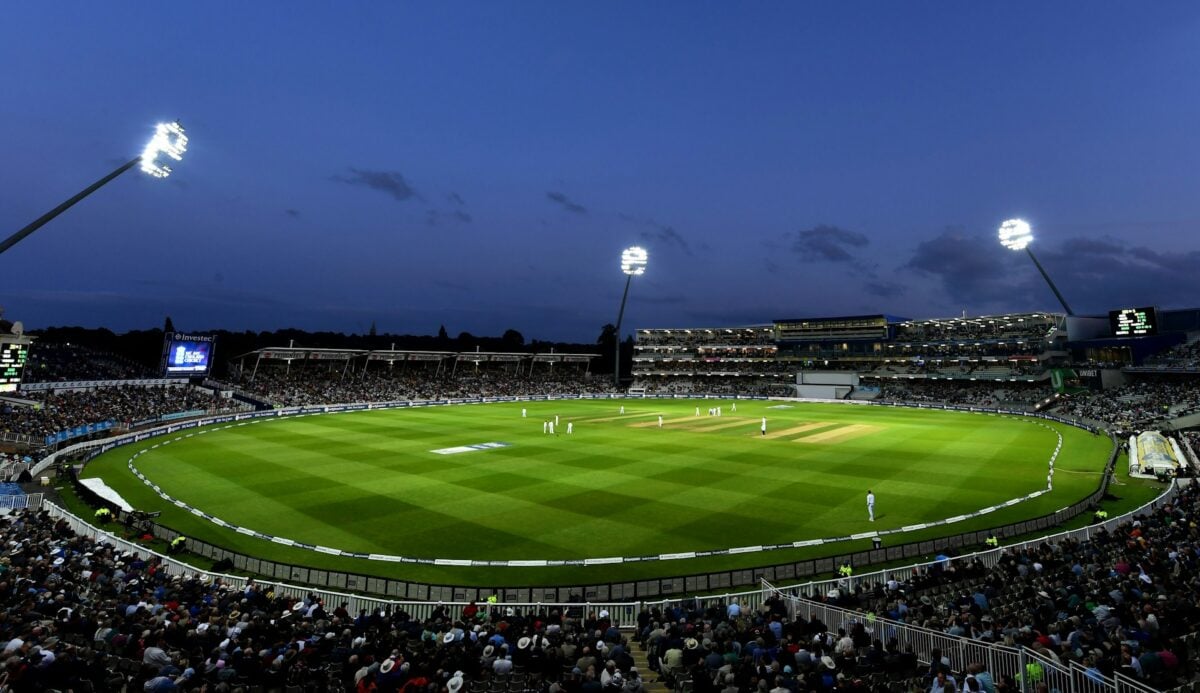
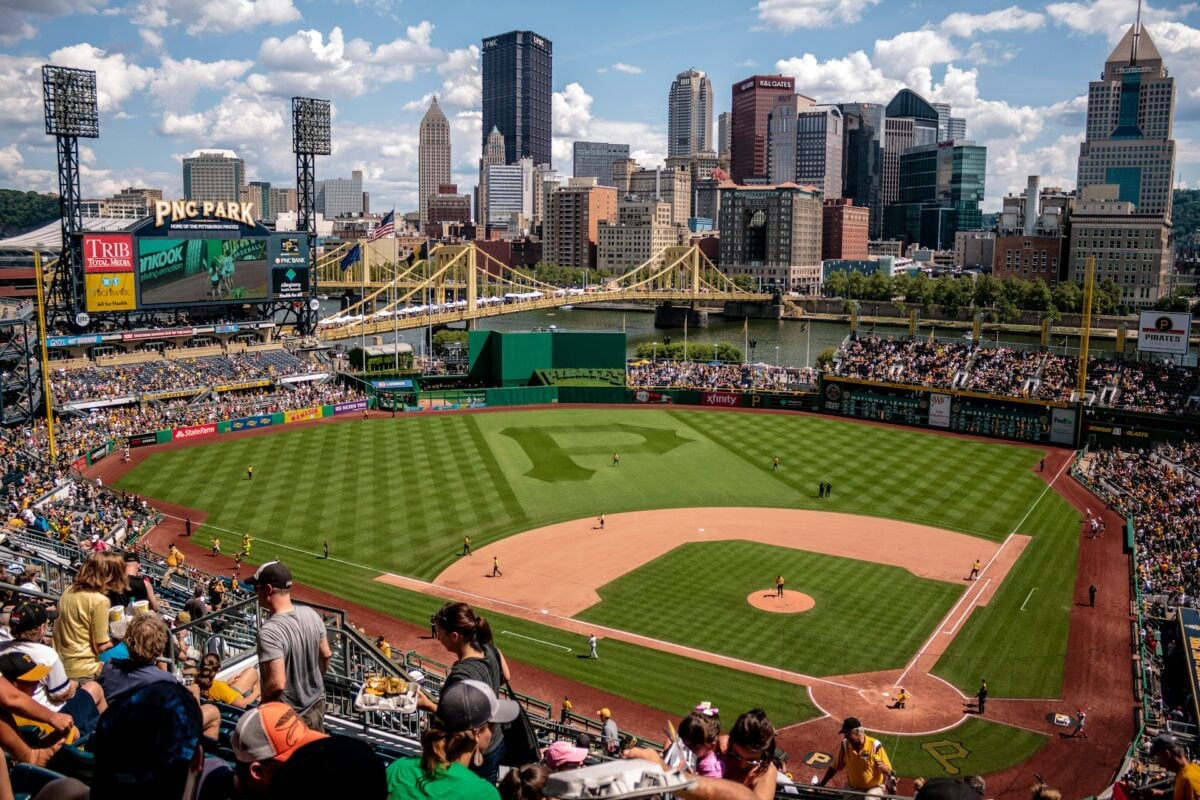
By the 90s, stadiums started returning to city centers—but this time, with a twist. Designers made sure to face the field toward the skyline, giving fans a view of the city while they watched the game.
It became part of the experience. People took photos of sunsets over buildings and shared them just as much as they talked about the score.
Like Go2Tutors’s content? Follow us on MSN.
Old-school charm made a comeback
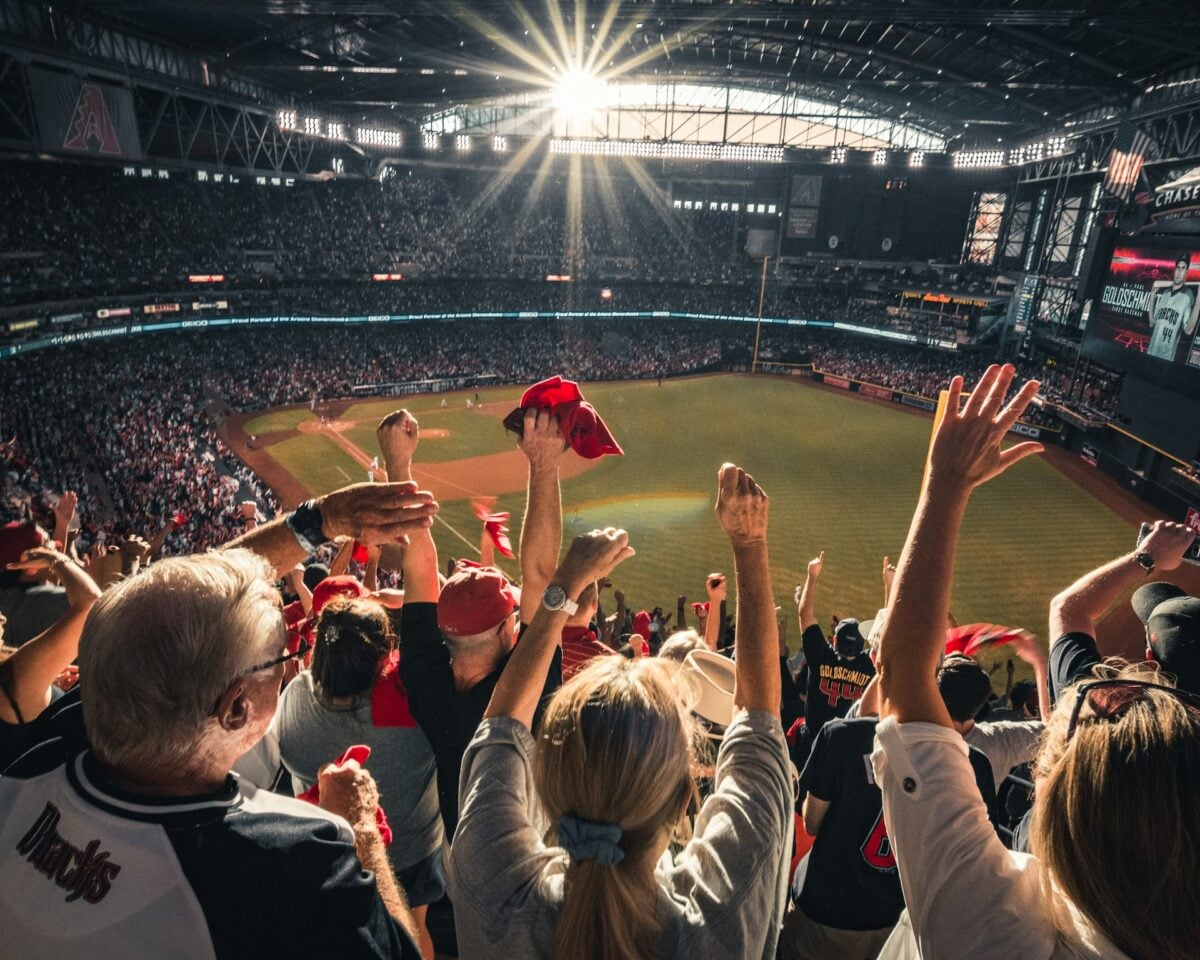
Camden Yards in Baltimore changed everything in 1992. It brought back brick walls, hand-operated scoreboards, and a layout that felt like the past.
But it was modern underneath. This park proved that fans didn’t want just big screens and bright lights—they wanted a place that felt special.
After that, more cities followed that mix of old and new.
Downtown development followed the stadiums
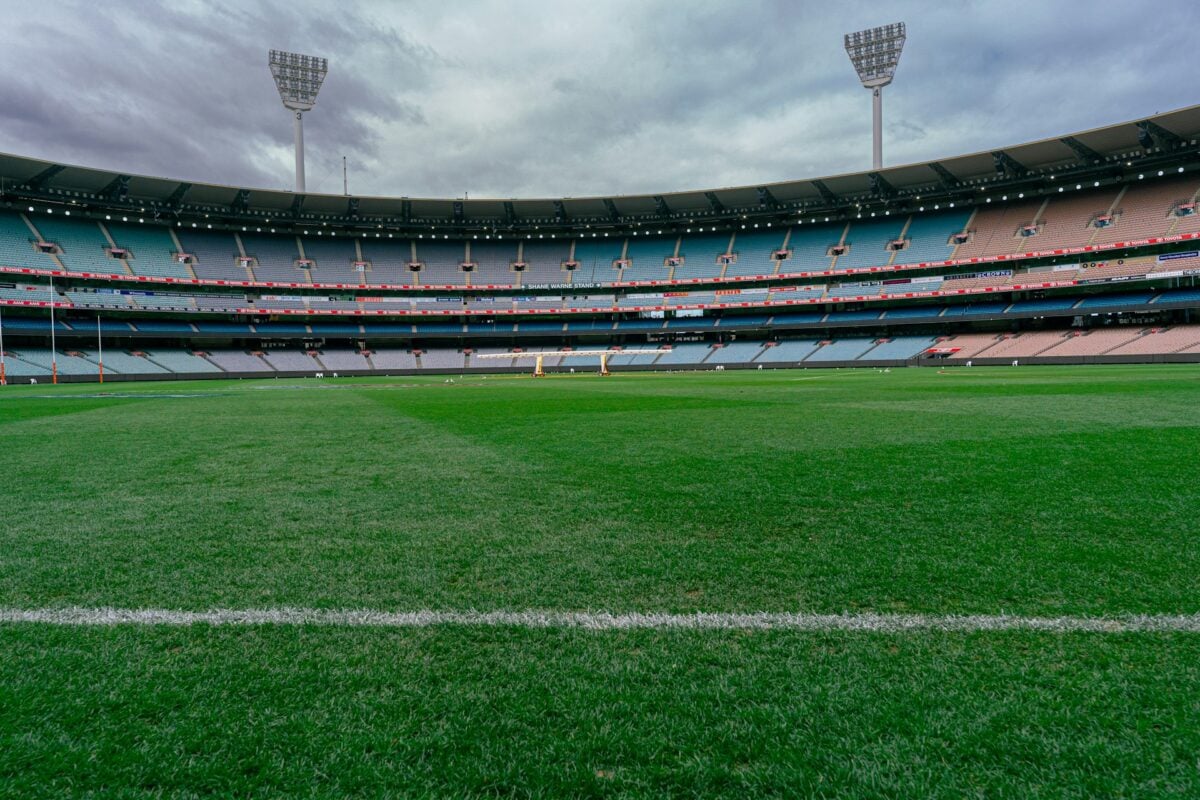
When new stadiums popped up in downtown areas, something interesting happened—new restaurants, shops, and apartments showed up too. Cities realized that a baseball park could jumpstart a neighborhood.
What started as a place for sports became a place for daily life. Some people even moved close by just to be near the action.
Public transit became a bigger factor
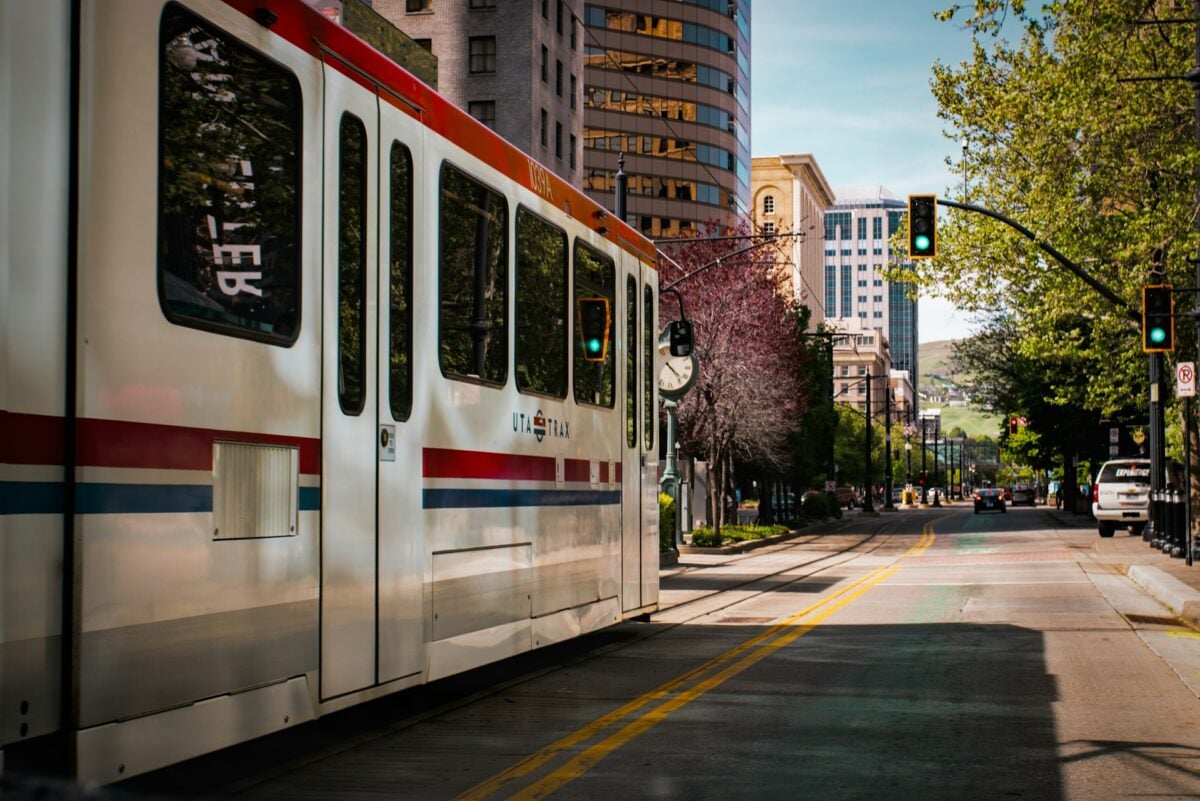
With traffic getting worse and city living on the rise, stadiums started focusing more on train and bus access. Planners made sure fans could get in and out without needing to drive.
Some parks even cut back on parking and used that space for green areas or food spots. It made game day feel more like part of the city instead of something separate.
Like Go2Tutors’s content? Follow us on MSN.
More walkable designs brought people in early
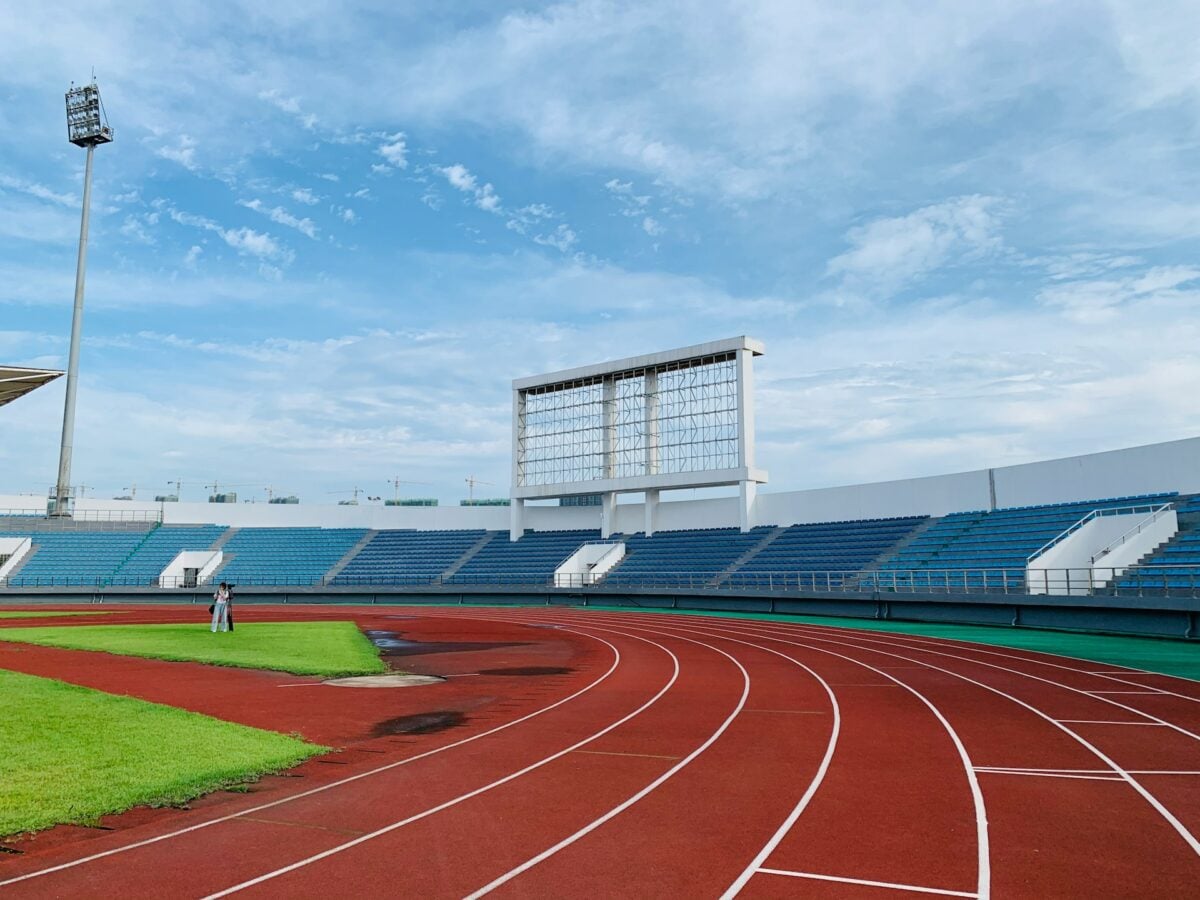
Modern parks now focus on walkability. Wide paths, open plazas, and nearby shops encourage fans to arrive early and stick around after the game.
It’s not just about watching baseball anymore. It’s about making a whole day out of it.
This helped teams connect with fans in a more relaxed, fun way.
Technology blended into the design
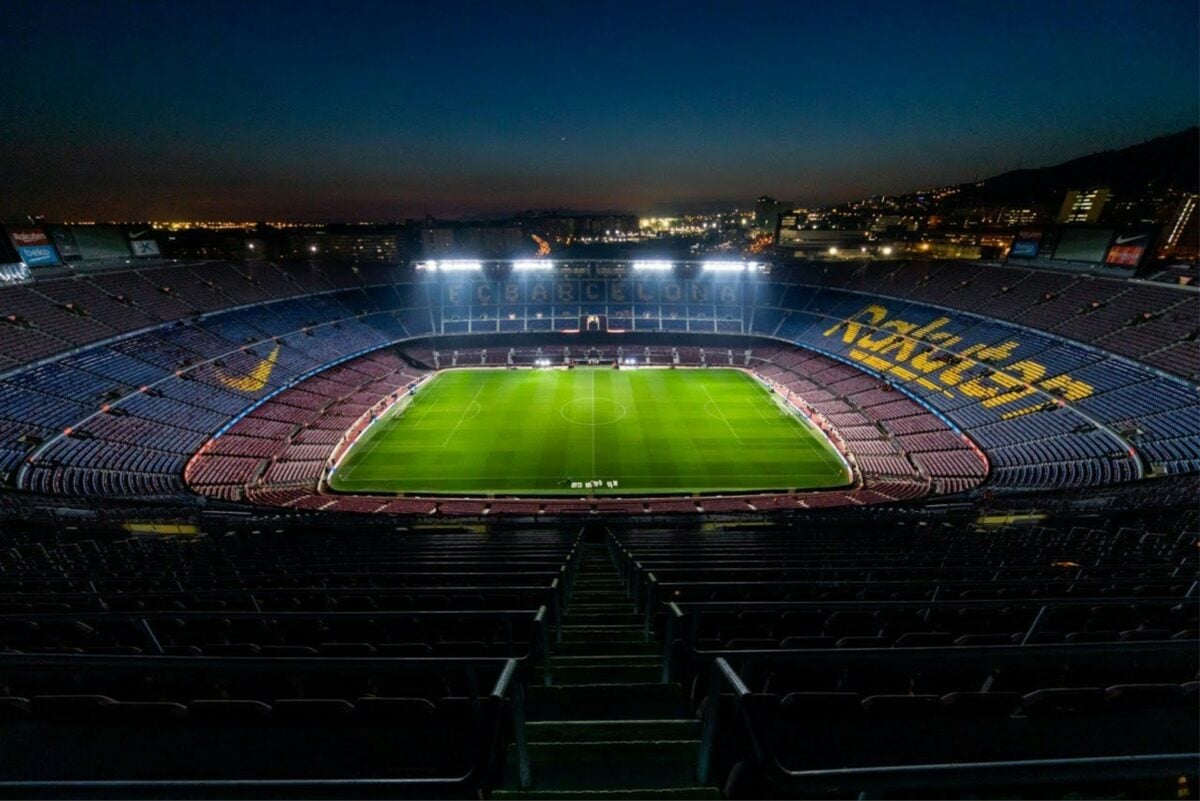
With big screens, Wi-Fi, and in-seat ordering, modern stadiums feel high-tech—but designers try not to make it feel cold or stiff. They build these features into the space without taking away from the game.
The goal is to let fans stay connected without pulling attention from the field. It’s a balance that has become part of the new standard.
Local food replaced standard menus

Forget the old days of only hot dogs and soda. Today’s stadiums serve up tacos, BBQ, and even local brews.
Cities are proud of their food, and stadiums started showing it off. Fans love being able to taste something that feels unique to that place.
It’s one more way stadiums became a bigger part of city culture.
Like Go2Tutors’s content? Follow us on MSN.
Team stores became full experiences
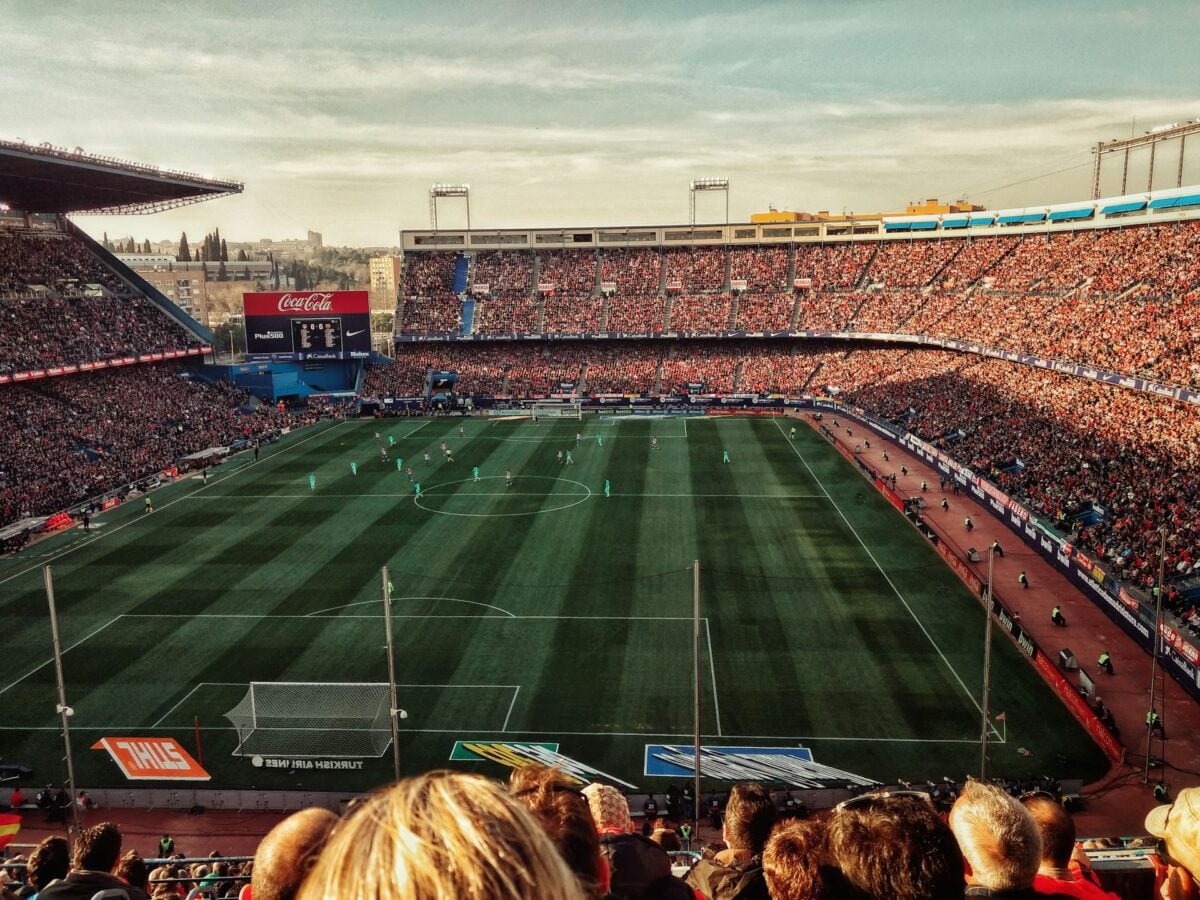
In the past, buying a shirt meant a quick stop at a small booth. Now, stadium stores feel more like mini shopping centers.
They sell everything from hats to home decor, with places to take photos or check out player gear. Fans get pulled in even if they weren’t planning to shop.
Kids’ zones and play areas brought in more families
To keep young fans happy, many parks added places just for kids. These zones have slides, batting cages, or video games.
It gives families more to do and makes the whole experience feel easier. Parents can watch the game while their kids burn off energy nearby.
Weather control became part of the build
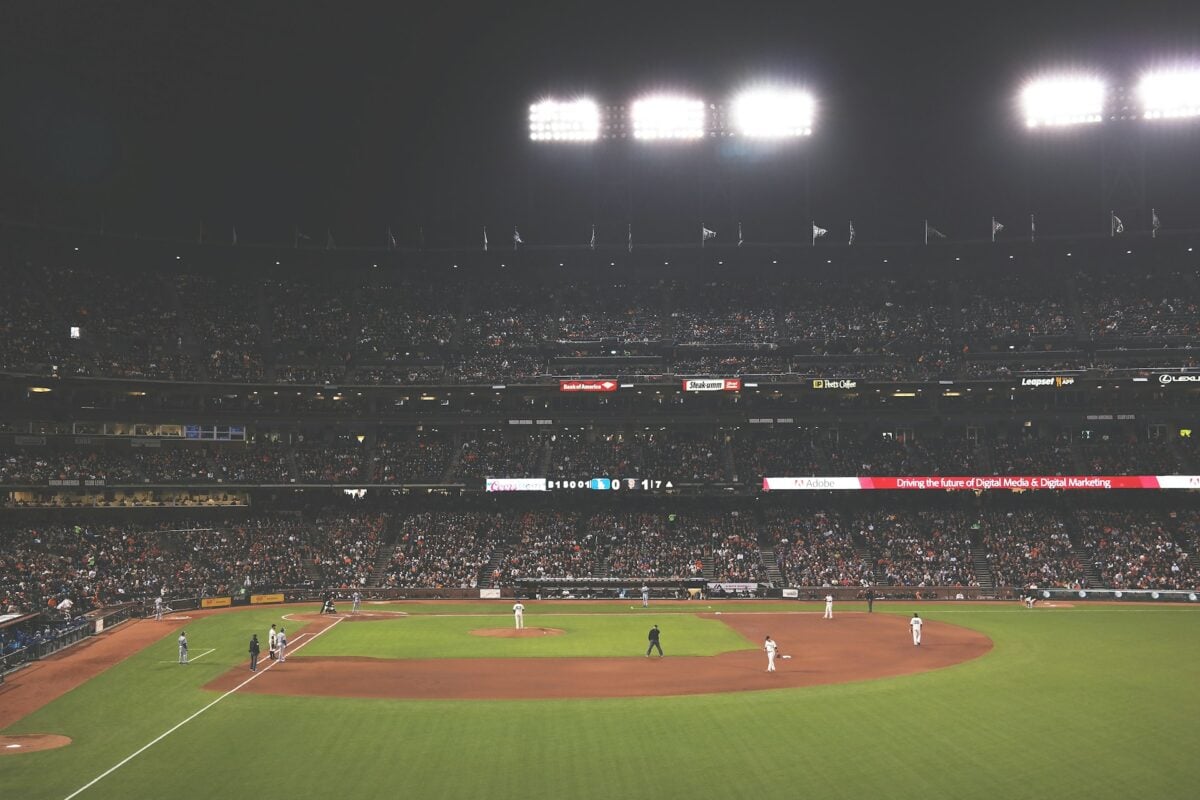
Some cities added retractable roofs or shade systems to help with rain or heat. This made game schedules more reliable and kept fans comfortable.
In hot or rainy cities, it’s a game changer. Fans don’t worry as much about the forecast anymore.
Like Go2Tutors’s content? Follow us on MSN.
Designs started reflecting city identity
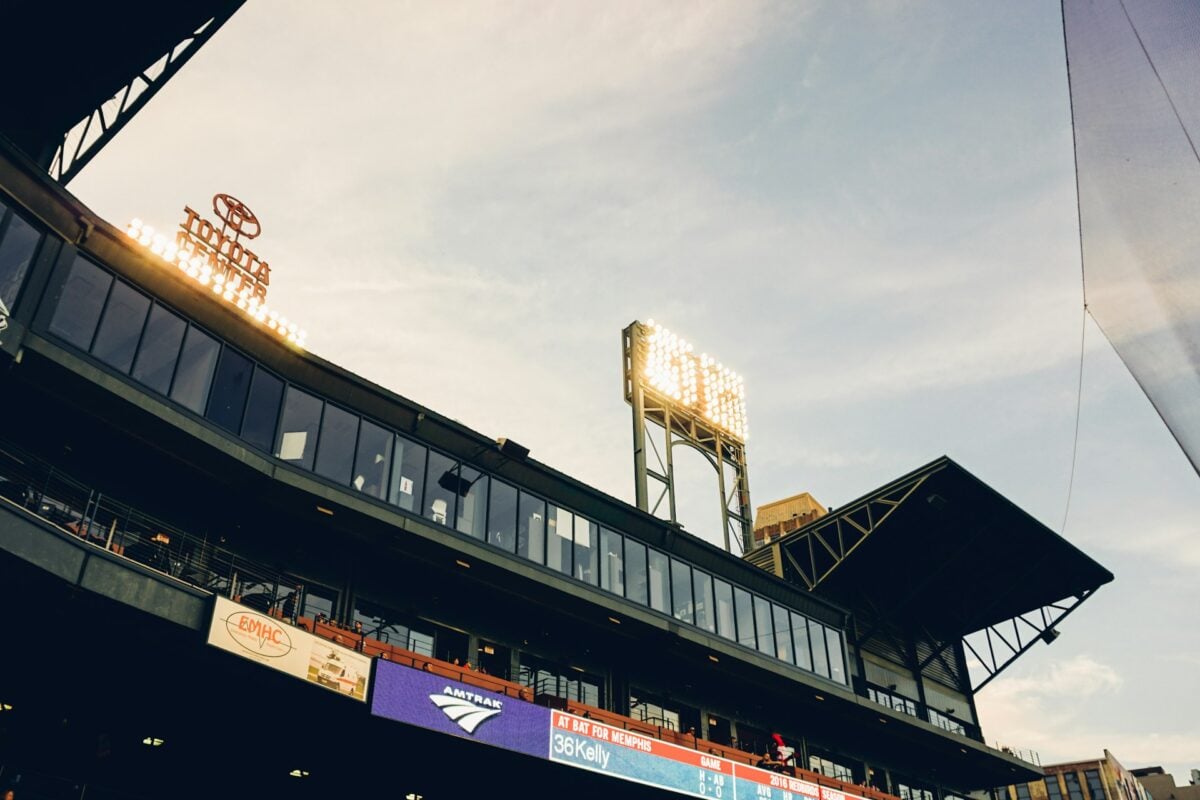
Modern stadiums don’t all look the same. Each one tries to reflect the personality of its city.
Some use local stone or design features that nod to nearby landmarks. It helps fans feel like the stadium belongs right where it is, not just dropped in from somewhere else.
Teams reconnected with the community
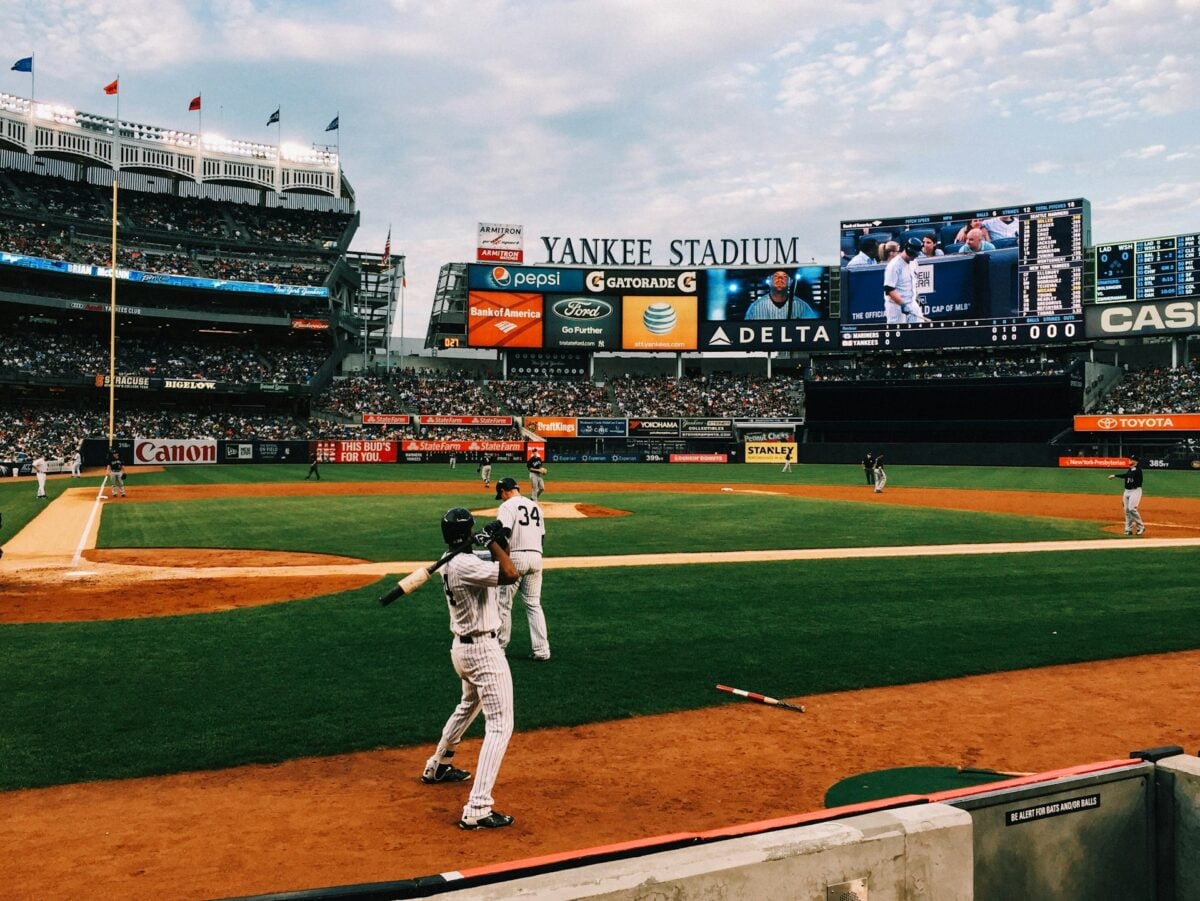
Beyond just the games, stadiums became places for concerts, farmers markets, or charity events. Cities began using them year-round.
It turned these huge buildings into something that gave back. Fans saw it as more than just a place to watch baseball.
What stadiums tell us about growing cities
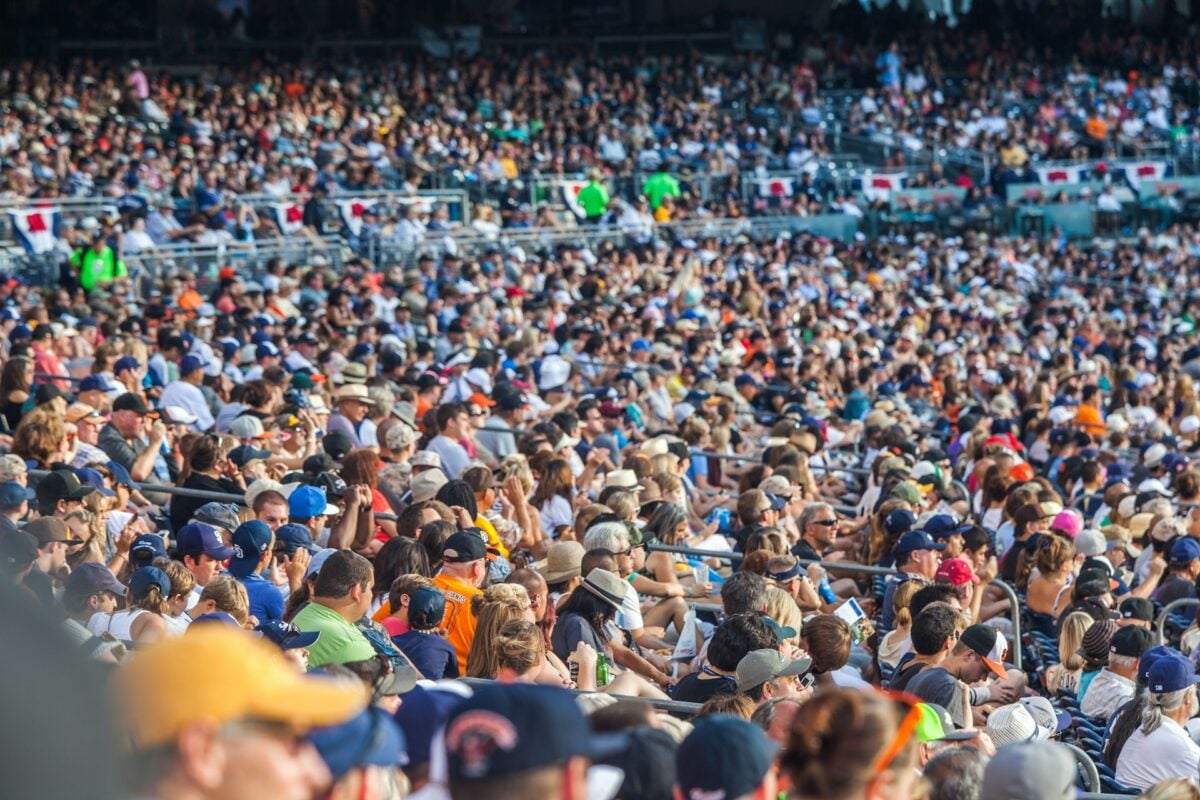
As cities expanded, ballparks had to grow and change with them. The way stadiums were built—and rebuilt—tells the story of how people moved, lived, and connected with their communities.
These changes weren’t just about sports. They were about making spaces where fans felt at home. Even today, a baseball stadium shows what a city values and how it sees itself.
More from Go2Tutors!

- 16 Historical Figures Who Were Nothing Like You Think
- 12 Things Sold in the 80s That Are Now Illegal
- 15 VHS Tapes That Could Be Worth Thousands
- 17 Historical “What Ifs” That Would Have Changed Everything
- 18 TV Shows That Vanished Without a Finale
Like Go2Tutors’s content? Follow us on MSN.