Incredible Ways Lost Pets Found Their Way Back Home
Anyone who has ever watched their pet disappear around a corner or slip through a gate knows that stomach-dropping moment of pure panic. You call their name, listen for the jingle of their collar, and wonder if you’ll ever see them again.
But pets have an almost supernatural ability to find their way back to the people they love, sometimes crossing impossible distances and overcoming unthinkable obstacles. These stories prove that the bond between pets and their families creates a kind of internal compass that defies explanation.
Some involve incredible journeys across states, while others showcase the remarkable intelligence of animals who refuse to give up on coming home.
Bobbie The Wonder Dog’s 2,500-Mile Journey
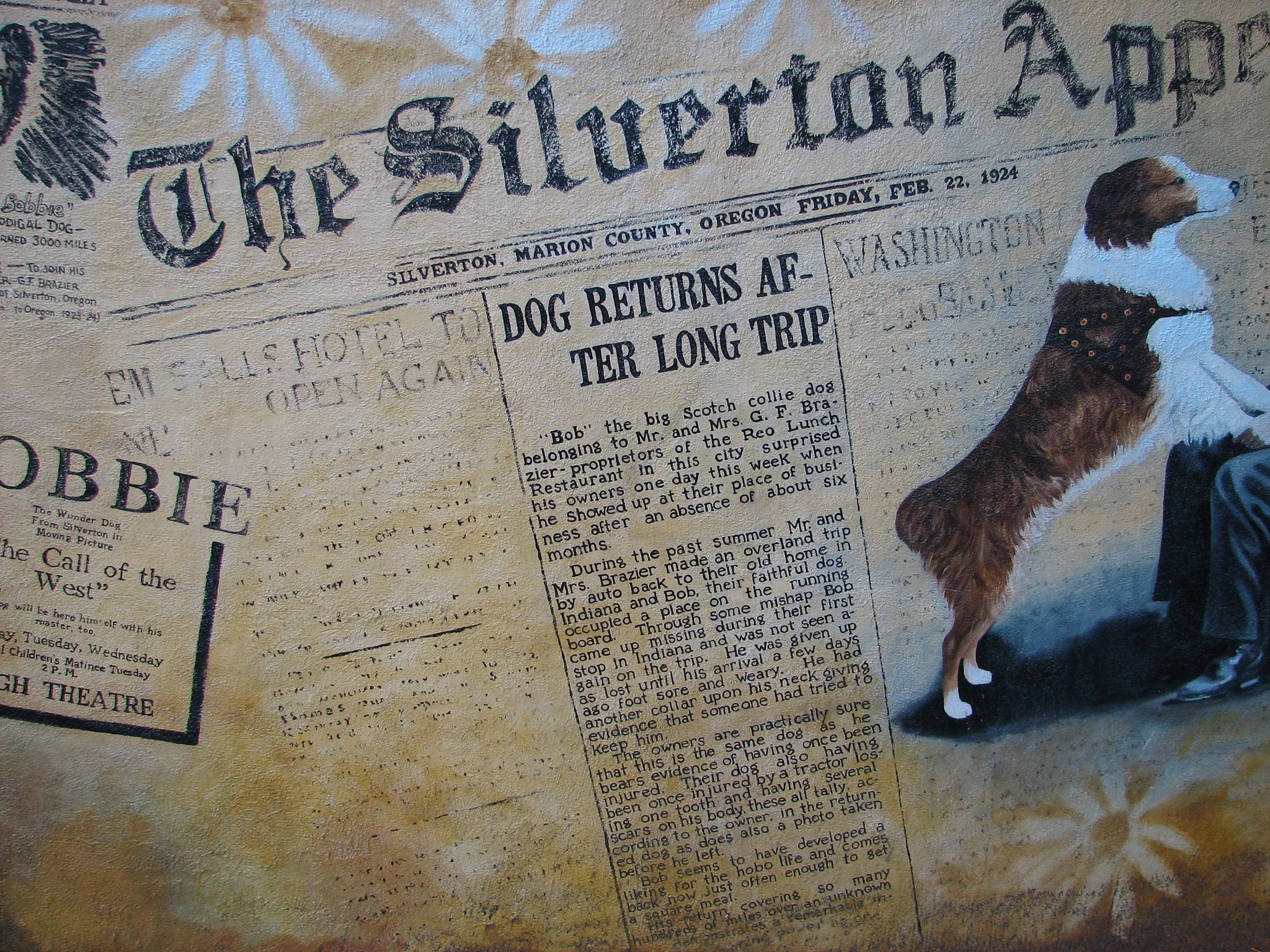
Bobbie traveled from Indiana back to Oregon in 1923. The collie mix had been separated from his family during a road trip and somehow navigated 2,500 miles of unfamiliar terrain to reach his front door.
Six months later, he showed up scratched, thin, but wagging his tail.
Homing Instinct Across State Lines
The science behind how pets navigate long distances remains largely mysterious, but their success rate suggests something far more sophisticated than luck. Dogs and cats appear to use a combination of scent trails, magnetic fields, and landmark recognition (much like migratory birds do when they traverse continents twice yearly, following invisible highways written in the earth’s magnetic signature).
And yet even researchers who study animal navigation admit that some of these journeys shouldn’t be possible — the distances are too great, the terrain too varied, the obstacles too numerous for any logical explanation to fully account for what these animals accomplish. So we’re left with stories that sound like folklore but happen to be true.
Which is exactly what makes them remarkable.
Holly The Hurricane Cat
Hurricane Sandy separated Holly from her family during a vacation in Daytona Beach. The indoor cat had never lived outside, never hunted for food, never navigated anything more challenging than a hallway.
Two months later, she appeared in her own backyard in West Palm Beach, 200 miles south, having somehow survived storms, highways, and predators to find her way home to a house she’d left only once before.
The Memory Map Theory
Most experts believe pets create detailed mental maps of their territory that extend far beyond what their owners realize. These maps include scent markers, visual landmarks, and even magnetic signatures that help animals orient themselves when they become lost.
Turns out your dog pays attention to a lot more than fire hydrants during those daily walks. The really impressive part isn’t that they remember routes — it’s that they can extrapolate from familiar territory into unknown areas and still find their way back.
Pero’s Cross-Country Adventure
When Pero’s family moved from California to Georgia and accidentally left him behind, the mixed breed spent a year walking across deserts, mountains, and plains to reach their new home. He appeared at their front door 2,000 miles later, thinner but determined, having somehow tracked them to a place he’d never been.
The family had given up hope months earlier, but Pero apparently hadn’t gotten that message.
Following Scent Trails Home
A dog’s nose contains roughly 300 million scent receptors compared to a human’s six million, which means they experience the world through smell the way we experience it through sight (and every walk becomes a detailed novel about who passed by, when they were there, what they ate for lunch, and whether they were nervous or excited). But the truly remarkable thing isn’t just their ability to detect scents — it’s how they layer those scents into three-dimensional maps that persist across time and weather.
So when a lost dog catches a familiar scent on the wind, they’re not just smelling home; they’re reading directions written in a language we can’t even perceive. This explains why some pets can navigate back across distances that should be impossible, following invisible highways that exist only in scent.
Princess The Traveling Persian
Princess was an indoor Persian cat who somehow made it from Boston to her family’s new home in Chicago after being left behind during a hurried move. Three months and 1,000 miles later, she showed up at their apartment door, having navigated cities, highways, and weather that should have been impossible for a pampered house cat to survive.
The family had searched for weeks before finally giving up and moving. Princess had other plans.
Using Landmarks And Magnetic Fields
Animals navigate using the same magnetic fields that guide migrating birds, but they also rely heavily on visual landmarks that humans barely notice — the angle of sunlight through trees, the shape of distant mountains, even the pattern of stars (which explains why some pets travel primarily at night, when celestial navigation becomes more reliable and human activity decreases enough for them to move safely). Researchers have discovered that many mammals have magnetite crystals in their brains that function like biological compasses, allowing them to sense magnetic north even when all other landmarks disappear.
But here’s what makes pet navigation different from wild animal migration: pets are navigating toward specific locations that hold emotional significance rather than following genetic programming. They’re not just going north — they’re going home.
Grumpy Cat’s Nine Lives Journey
Grumpy Cat disappeared from a campground in Colorado and turned up at his family’s house in New Mexico five weeks later. The elderly tabby had crossed mountain passes, rivers, and desert terrain that would challenge an experienced hiker.
He was thin and exhausted but otherwise healthy, having somehow avoided predators and found food and water across 400 miles of wilderness. His family had assumed he’d been killed by wildlife within days of his disappearance.
The Role Of Routine And Memory

Pets build incredibly detailed mental maps through daily routines — not just of their immediate neighborhood, but of everywhere their family regularly travels. Vet visits, trips to the park, even quick stops at the grocery store contribute to a complex understanding of their territory that can extend for miles in every direction.
When pets become lost, they often retrace these familiar routes first before venturing into unknown territory. The ones who make it home successfully seem to be the ones who can connect these known routes into longer journeys toward home.
Sugar’s Impossible Journey
Sugar was a cream-colored Persian whose family moved from California to Oklahoma and had to leave her behind due to her hip deformity. Fourteen months later, a cat matching her exact description appeared at their new home, complete with the same distinctive hip problem and personality quirks.
The family had never told anyone in Oklahoma about Sugar, making the identification even more remarkable. The odds of another cream Persian with an identical hip deformity showing up at their door were essentially zero.
Pack Animals Finding Single Pets
Sometimes the most remarkable rescues happen when other animals guide lost pets home. Dogs have been known to lead lost cats back to familiar territory, while farm animals have sheltered lost pets until rescue arrives.
There seems to be an unspoken animal network that kicks in when pets become separated from their families. Wild animals occasionally help too, though these stories sound so improbable that they rarely get reported.
Salem’s Winter Survival
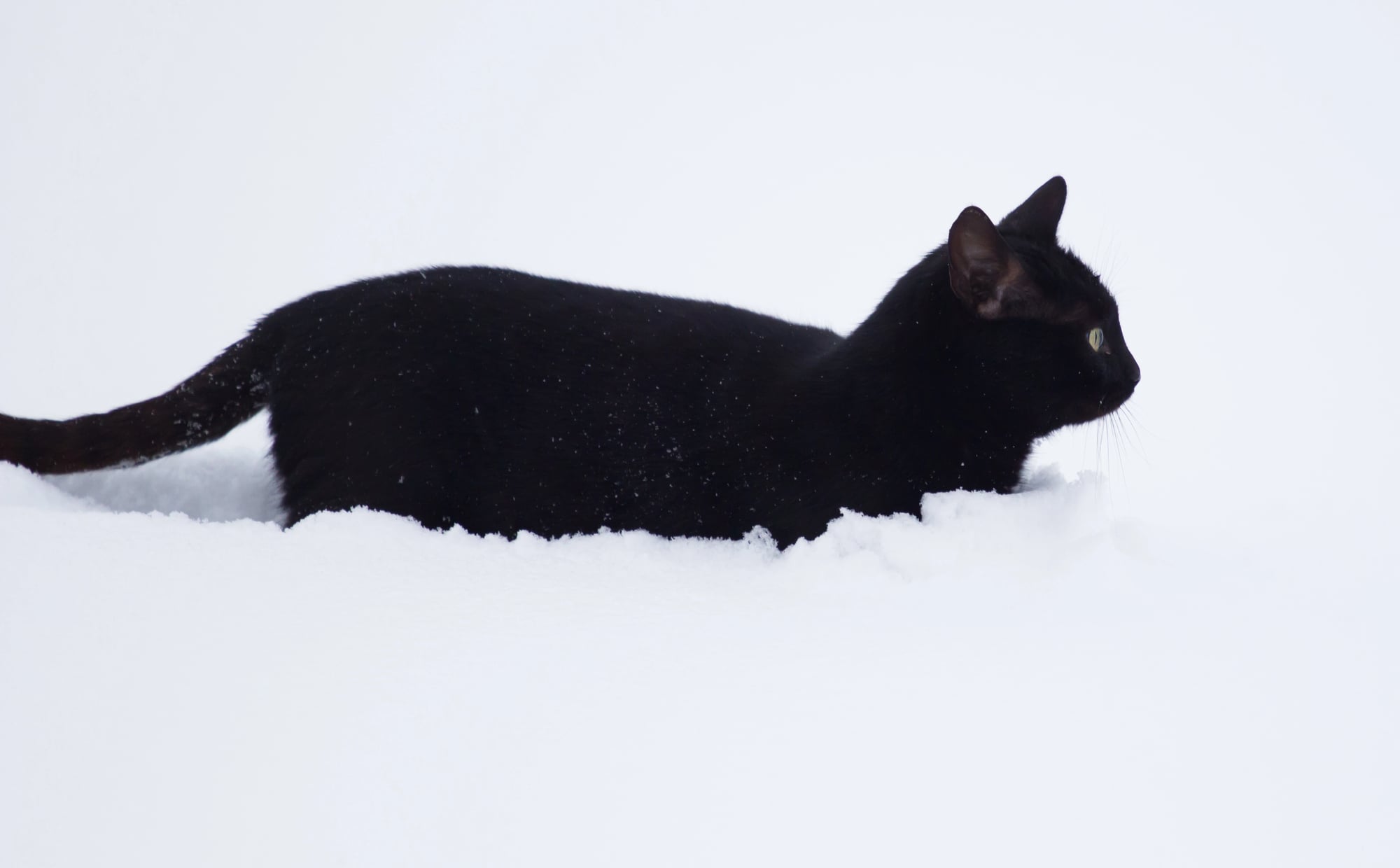
Salem was a black cat who disappeared during a blizzard and managed to survive three months of brutal winter weather before finding his way home. When he finally appeared, he’d clearly learned to hunt and avoid predators, skills that most indoor cats never develop.
His family had long since assumed he’d frozen or starved, but Salem had apparently figured out how to live wild while never giving up on coming home. The transformation from pampered house cat to survival expert happened in a matter of weeks.
Technology Meets Ancient Instinct

Modern GPS tracking has revealed that lost pets often travel in wide circles around their home territory, gradually expanding their search pattern until they either find familiar landmarks or give up entirely. The successful ones seem to combine this systematic searching with an underlying directional sense that keeps pulling them toward home.
Even when pets are taken hundreds of miles away, they often begin traveling in the correct general direction almost immediately, suggesting they’re using navigational tools that humans are only beginning to understand.
The Unbreakable Connection

These stories share something that statistics and science can’t quite capture — a kind of stubborn devotion that refuses to accept separation as permanent. Lost pets face starvation, predators, weather, traffic, and human indifference, yet some of them keep walking anyway, following an internal compass that points not just toward a place but toward the people who love them.
That determination turns impossible journeys into homecoming stories that restore your faith in the invisible bonds that connect us to the animals we’re lucky enough to call family.
More from Go2Tutors!

- The Romanov Crown Jewels and Their Tragic Fate
- 13 Historical Mysteries That Science Still Can’t Solve
- Famous Hoaxes That Fooled the World for Years
- 15 Child Stars with Tragic Adult Lives
- 16 Famous Jewelry Pieces in History
Like Go2Tutors’s content? Follow us on MSN.