14 Dangerous Jobs That No Longer Exist
Throughout history, people have taken on incredibly risky work to make a living. Before modern safety regulations and advanced technology, many jobs required workers to face deadly hazards on a daily basis.
From handling toxic materials without any protection to working in environments that would horrify today’s safety inspectors, these occupations claimed countless lives. Fortunately, most of these perilous professions have disappeared thanks to technological advances, automation, and stricter workplace safety standards.
Here is a list of 15 dangerous jobs that workers of the past endured but thankfully no longer exist today.
Radium Girls

During the early 1900s, young women painted watch dials with radium-based paint to make them glow in the dark. Factory supervisors encouraged workers to lick their brushes to create fine points — unknowingly exposing them to deadly radiation.
Many of these women developed severe health problems including jaw necrosis and bone cancer, which led to landmark lawsuits that established workers’ rights to safety protections.
Ice Cutters

Before refrigeration became widespread, workers harvested ice from frozen lakes and rivers during brutal winter months. They used heavy saws and tools while walking on unstable ice surfaces — with the constant threat of falling through into freezing water below.
Many ice cutters drowned, though others suffered severe injuries from the sharp cutting equipment and treacherous working conditions.
Chimney Sweeps
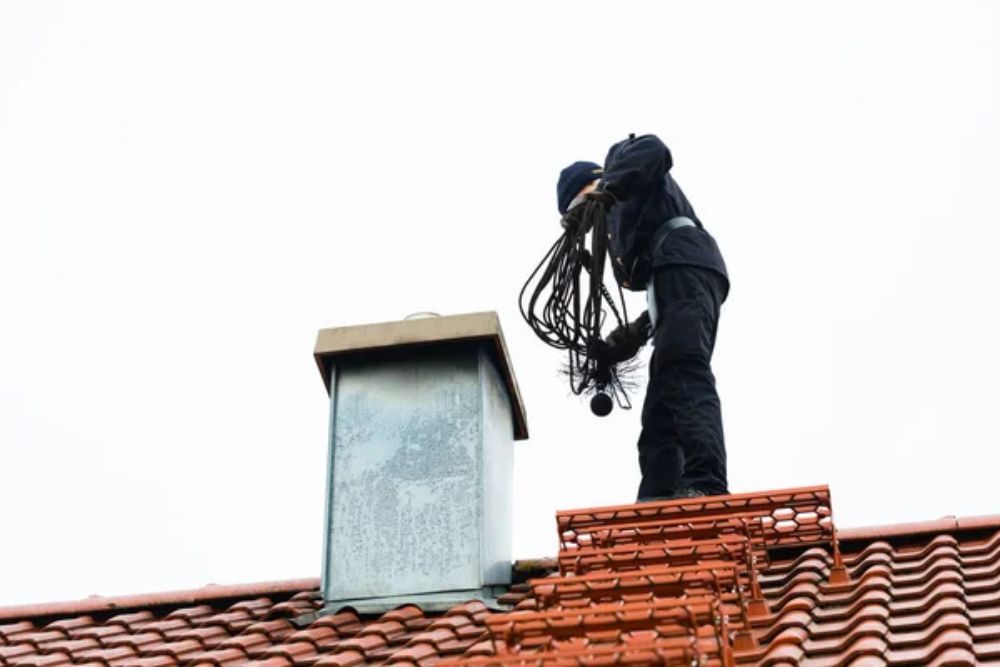
Victorian-era chimney sweeps, often young children, crawled through narrow soot-filled chimneys to clean them. They frequently suffered from respiratory diseases, burns, and cancer from constant exposure to toxic chemicals and hot surfaces — while the cramped spaces and poor ventilation made this work extremely hazardous.
Many workers died young from related illnesses.
Pin Boys

Before automatic pin-setting machines existed, young men worked as pin boys in bowling alleys manually resetting pins between frames. They had to dodge heavy bowling pins flying at high speeds while working in cramped spaces behind the lanes — yet serious injuries from flying pins and the constant risk of being struck made this job particularly dangerous.
Matchstick Makers

Factory workers who made matches faced exposure to white phosphorus, a highly toxic chemical that caused a condition called ‘phossy jaw.’ This painful disease caused workers’ jawbones to literally glow in the dark — and eventually rot away completely.
The toxic fumes also led to brain damage and other severe health complications among factory employees.
Knocker-Uppers

Before alarm clocks became common, knocker-uppers walked through neighborhoods tapping on windows with long sticks to wake people for work. They often worked in dangerous urban areas during early morning hours — facing risks from criminals, harsh weather, and unstable ladders.
The job required climbing to reach upper-story windows, leading to frequent falls and injuries.
Powder Monkeys
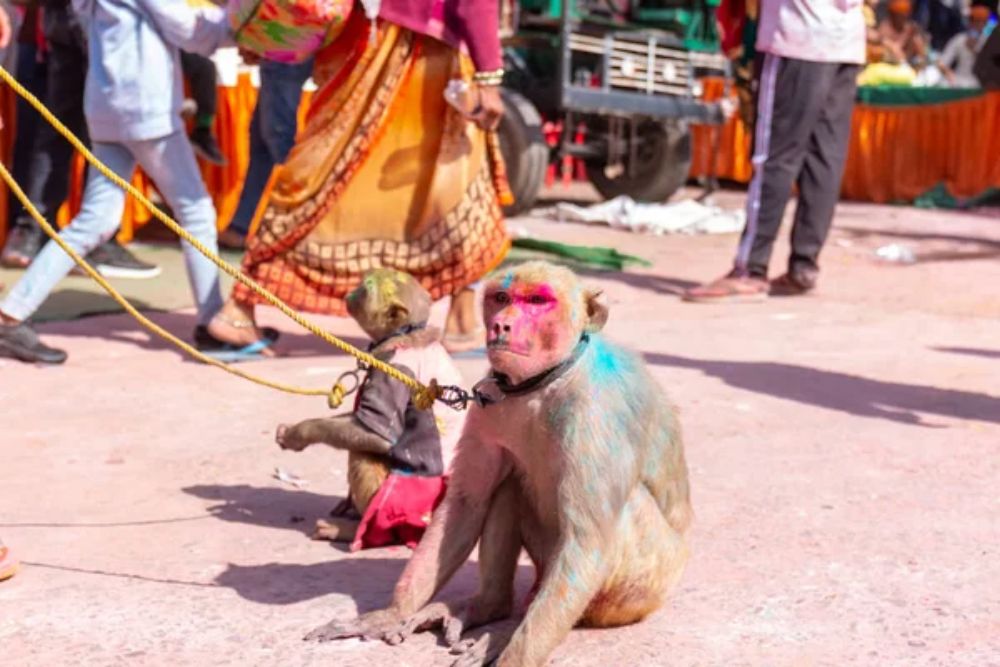
Young boys on naval ships during wartime carried gunpowder from storage areas to cannons during battle. They faced constant danger from enemy fire, explosions — and the risk of accidentally igniting the explosive materials they transported.
Many powder monkeys were killed or severely injured during naval battles due to their dangerous proximity to combat zones.
Resurrectionist
Before medical schools had legal access to cadavers, body snatchers illegally dug up fresh graves to supply anatomy classes. These workers faced disease from decomposing bodies, violence from angry families who discovered disturbed graves — and legal consequences if caught.
The unsanitary conditions and criminal nature of the work made it extremely perilous.
Toshers
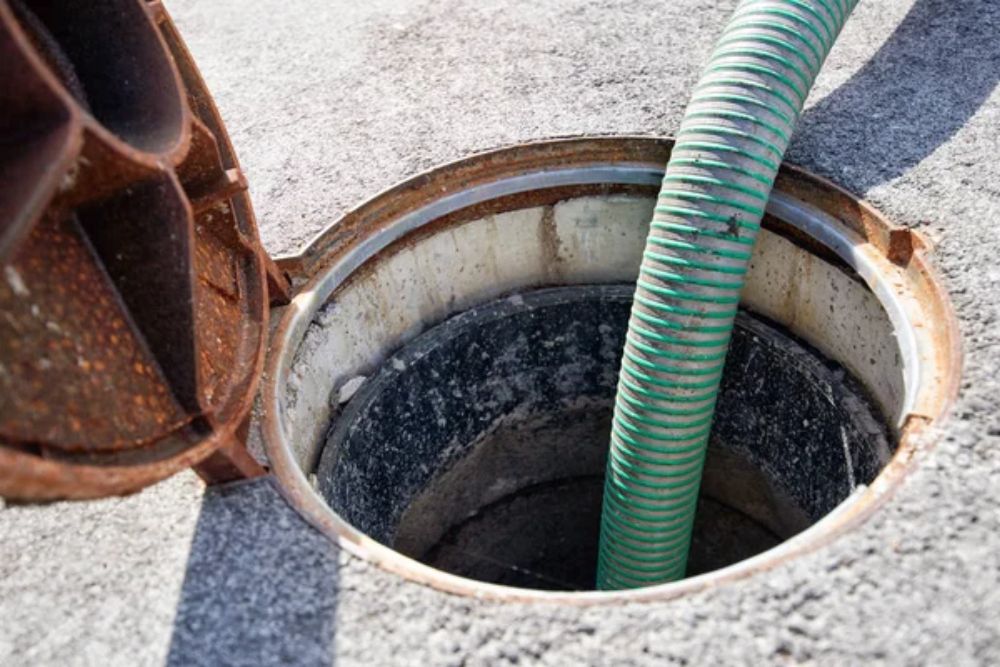
In London’s sewers, toshers scavenged for valuable items that had been flushed or fallen into the underground tunnels. They worked in toxic environments filled with dangerous gases, human waste — and the constant threat of drowning in rising water levels.
Many toshers died from disease, gas poisoning, or getting lost in the maze-like sewer systems.
Human Alarm Clocks

Some people made a living by memorizing the sleep schedules of multiple clients and waking them at specific times throughout the night. They walked dangerous city streets during dark hours, often becoming targets for robbery or violence.
The irregular sleep patterns combined with constant exposure to dangerous neighborhoods made this profession extremely risky.
Gong Farmers

Medieval workers called gong farmers cleaned human waste from public latrines and private homes, often working at night to avoid offending the public. They faced constant exposure to deadly diseases and toxic gases that could kill them instantly.
Many gong farmers died from methane poisoning, while others contracted fatal illnesses from direct contact with waste materials.
Leech Collectors
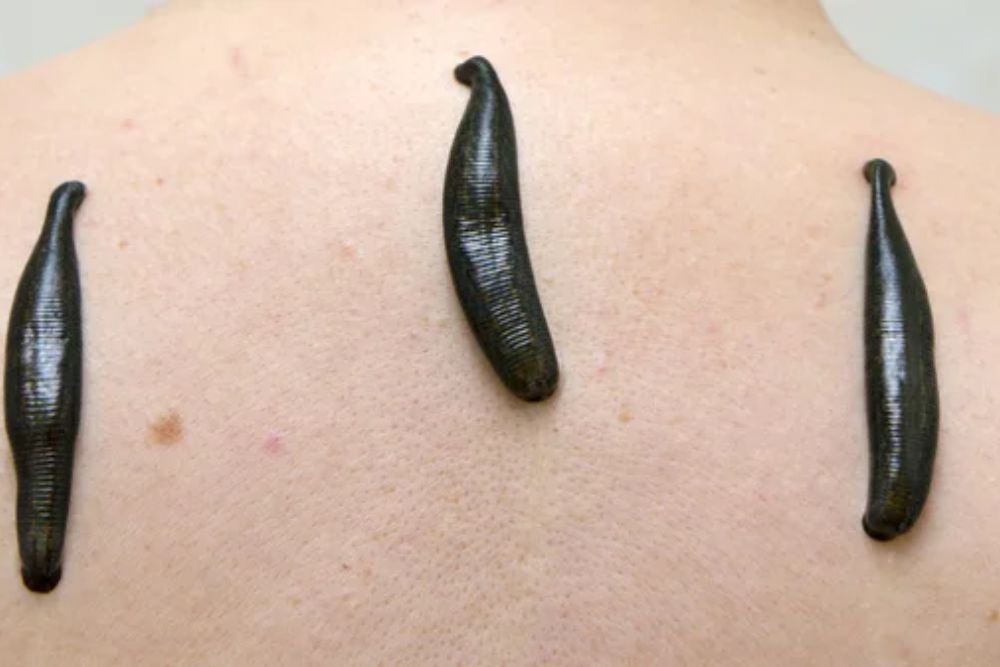
Medical leech collectors waded into swamps and ponds, using their own legs as bait to attract the bloodsucking creatures. They risked infections from numerous leech bites, exposure to waterborne diseases, and attacks from dangerous wildlife in wetland environments.
The constant blood loss combined with unsanitary conditions made this job particularly hazardous to workers’ health.
Human Cannonballs
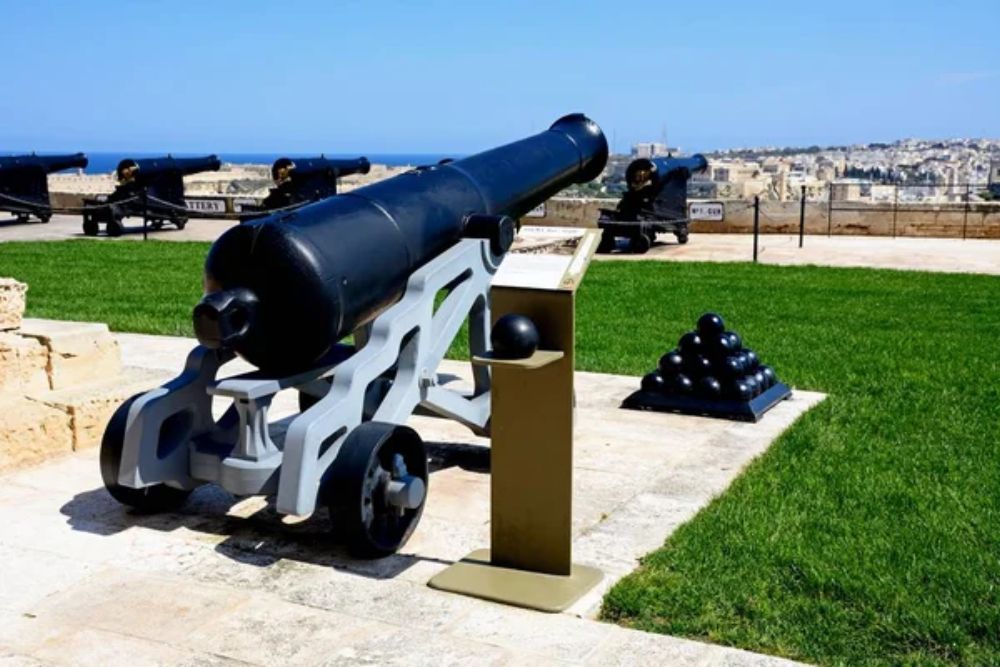
Circus performers were literally shot from cannons as entertainment, relying on precise calculations and timing to land safely in nets. Miscalculations often resulted in serious injuries or death, yet the physical stress of repeated launches caused long-term damage to performers’ bodies.
Many human cannonballs suffered broken bones, internal injuries, or fatal accidents during their brief careers.
Rat Catchers

Professional rat catchers worked in sewers, ships, and buildings infested with disease-carrying rodents. They faced constant exposure to plague, typhus, and other deadly diseases transmitted by rats and fleas.
The dangerous environments where rats thrived — such as ship holds and underground tunnels — added additional risks of drowning, poisoning, or structural collapse.
Progress Through Protection

These vanished occupations remind us how far workplace safety has advanced over the past century. Modern regulations, protective equipment, and technology have eliminated most jobs that routinely put workers’ lives at risk.
While dangerous work still exists today, the systematic protections now in place would’ve saved countless lives throughout history. The disappearance of these perilous professions represents genuine progress in valuing human life over profit margins.
More from Go2Tutors!

- The Romanov Crown Jewels and Their Tragic Fate
- 13 Historical Mysteries That Science Still Can’t Solve
- Famous Hoaxes That Fooled the World for Years
- 15 Child Stars with Tragic Adult Lives
- 16 Famous Jewelry Pieces in History
Like Go2Tutors’s content? Follow us on MSN.