How Chocolate Went from a Sacred Aztec Drink to a Dollar Candy Bar
There’s something almost absurd about grabbing a chocolate bar from a gas station checkout and tossing it onto the conveyor belt without a second thought. A few thousand years ago, the same substance — or something close to it — was being offered to gods, drunk by warriors before battle, and traded like currency across Mesoamerica.
The gap between those two moments in history is enormous, and the road between them is stranger and more interesting than the glossy wrapper on your Hershey bar might suggest.
The Olmec Beginning
Chocolate starts with the Olmec, not the Aztec. Evidence points to this ancient Mesoamerican civilization consuming cacao as far back as 1750 BCE — predating the Aztecs by well over a millennium.
They left no written records explaining exactly how they used it, but chemical residue found in pottery tells the story well enough.
The Maya And The Sacred Froth
The Maya refined cacao into something genuinely ritualistic, pouring a thick liquid from one vessel to another to build up a prized foamy head — and that foam wasn’t just aesthetic, it was the mark of a proper preparation. Cacao appeared in their creation mythology, showed up in burial sites alongside the dead, and was central to marriage ceremonies and agricultural rites.
So the Maya weren’t just drinking chocolate; they were using it to mark the boundaries between ordinary life and something larger.
What The Drink Actually Tasted Like
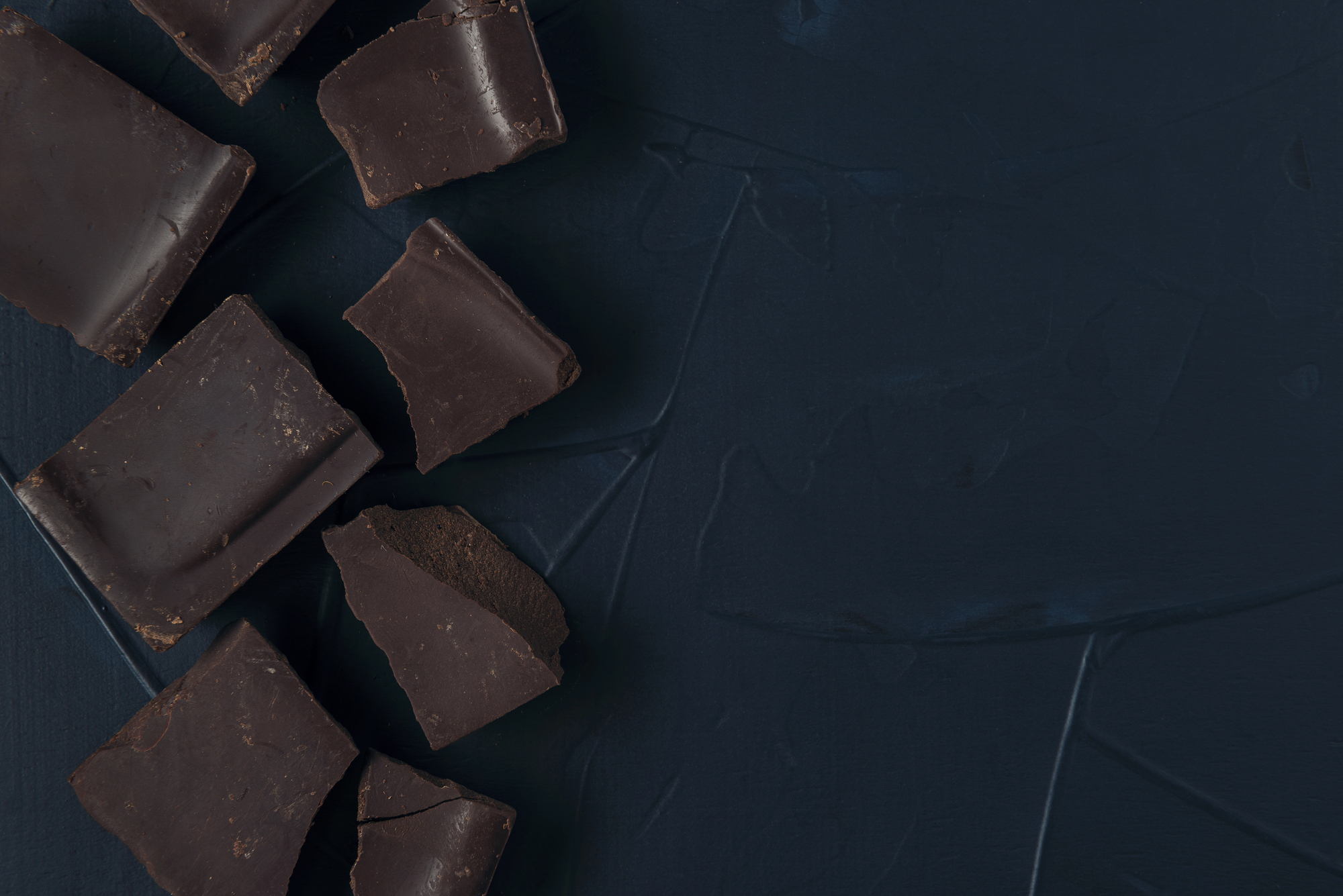
Nothing about the original cacao drink resembled what fills a candy bar today. It was bitter, often cold, and mixed with chili peppers, cornmeal, vanilla, and sometimes fermented pulp — a combination that would stop most modern chocolate lovers cold.
And yet that bitterness was the point: the drink wasn’t meant to be pleasant in the way a dessert is pleasant, it was meant to be potent.
The Aztec Obsession
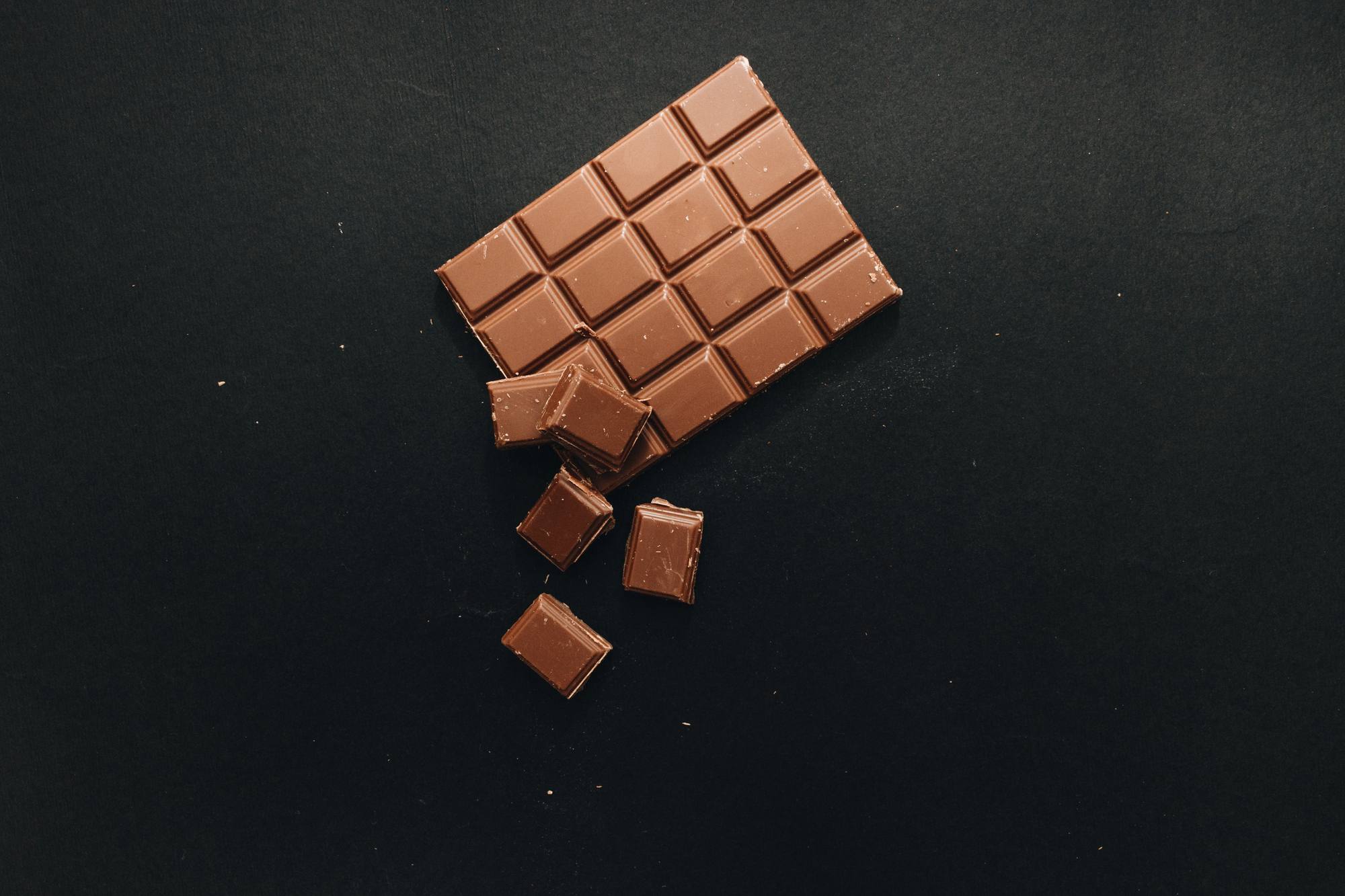
The Aztec relationship with chocolate reads like something between devotion and currency management. Cacao beans served as literal money — documented accounts describe porters being paid in beans and market prices set in them — and the drink itself, called xocolātl, was reserved largely for the elite, warriors, and priests.
Emperor Montezuma II reportedly consumed dozens of cups daily, a detail that has probably been embellished over time but still signals how seriously cacao was regarded.
Chocolate As A Commodity, Not A Treat
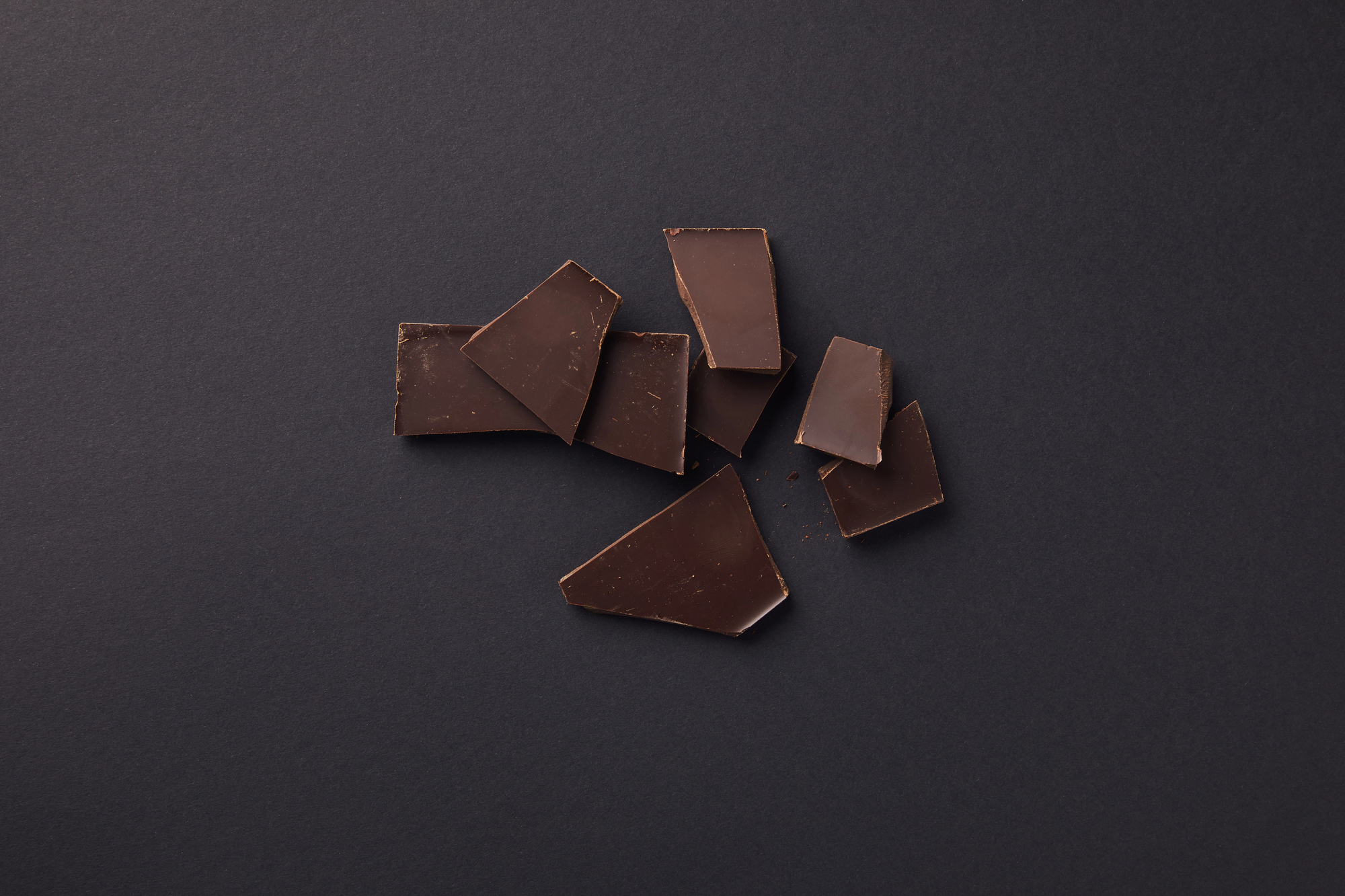
Cacao beans functioned as coins across multiple Mesoamerican cultures, which is a fact that deserves more astonishment than it typically gets. A turkey cost around 100 beans.
A small rabbit could be had for 30. An avocado, three.
The entire economic logic of cacao as currency depended on people genuinely wanting it — not just as a drink, but as a substance with real perceived value, the way gold works when everyone agrees it matters.
Spanish Encounter And The Long Silence
When Hernán Cortés and the Spanish arrived in the early sixteenth century, they encountered chocolate and were — by most accounts — not immediately impressed. The bitter, spiced drink didn’t map onto anything in the Spanish flavor vocabulary, and early descriptions were lukewarm at best.
But cacao came back to Spain anyway, and what followed was roughly a century of European experimentation conducted almost entirely in private — kept close by the Spanish court, documented in monastery records, slowly sweetened with cane sugar until it became something new.
Sugar Changes Everything
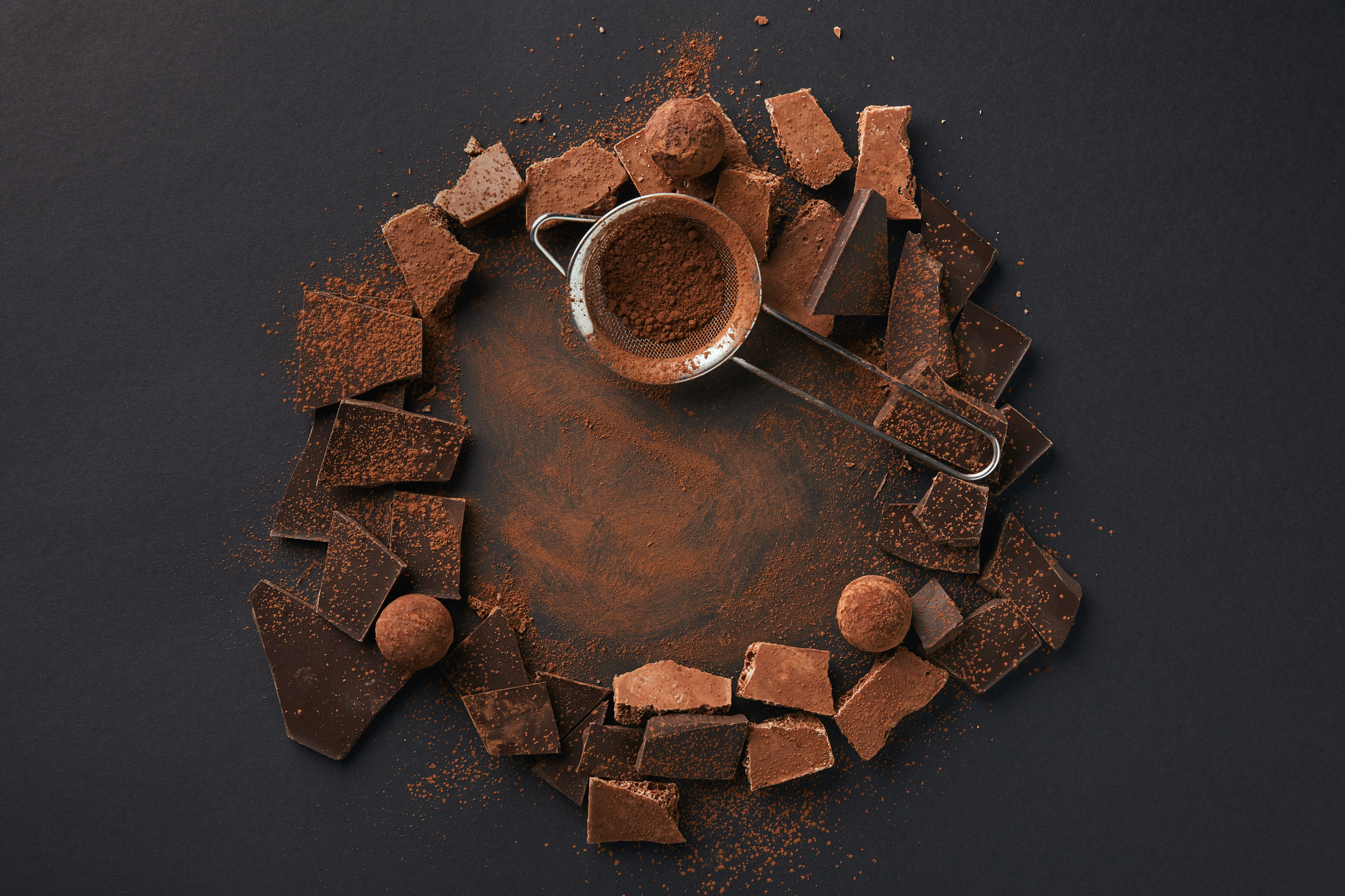
Sweetening chocolate was not a small tweak — it was a complete reinvention of what the substance was for. The original Mesoamerican drink was medicine, ritual, fuel; sugar made it pleasure, which meant it could be sold to anyone who could afford it.
And yet the transformation happened gradually enough that nobody declared a moment of invention: one generation’s bittersweet curiosity became the next generation’s fashionable drink, and the drink that arrived in London coffee houses in the 1650s was barely recognizable as the same thing Montezuma had consumed.
The Chocolate House Era
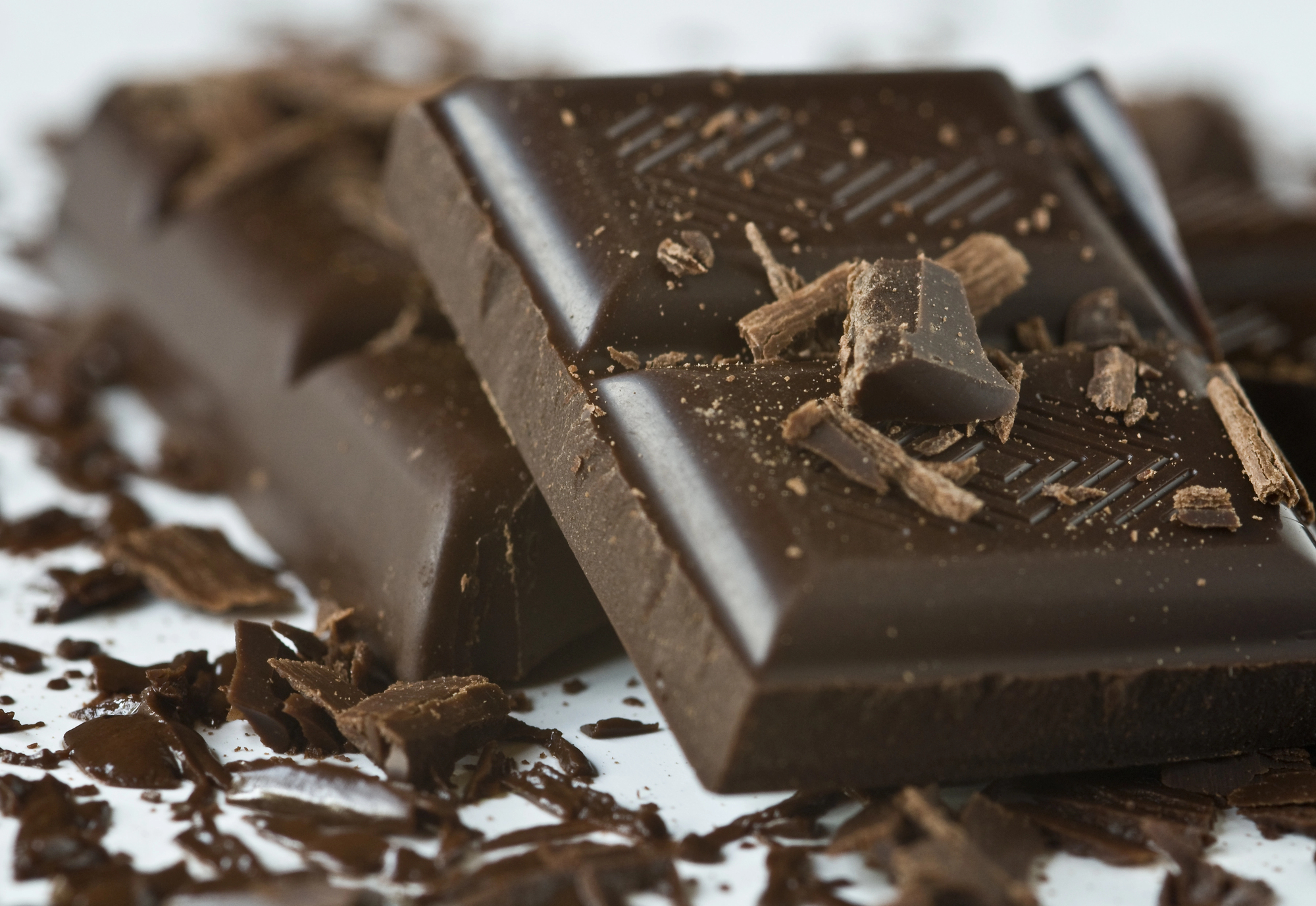
Chocolate houses appeared in London in the mid-seventeenth century and became, somewhat improbably, centers of political intrigue and social sorting. White’s Chocolate House — opened in 1693 — eventually evolved into one of Britain’s most exclusive private clubs, which tells you everything about who was drinking chocolate and under what circumstances.
It wasn’t a casual pleasure; it was a marker, the kind of thing that announced your position without requiring you to announce it yourself.
The Dutch Breakthrough
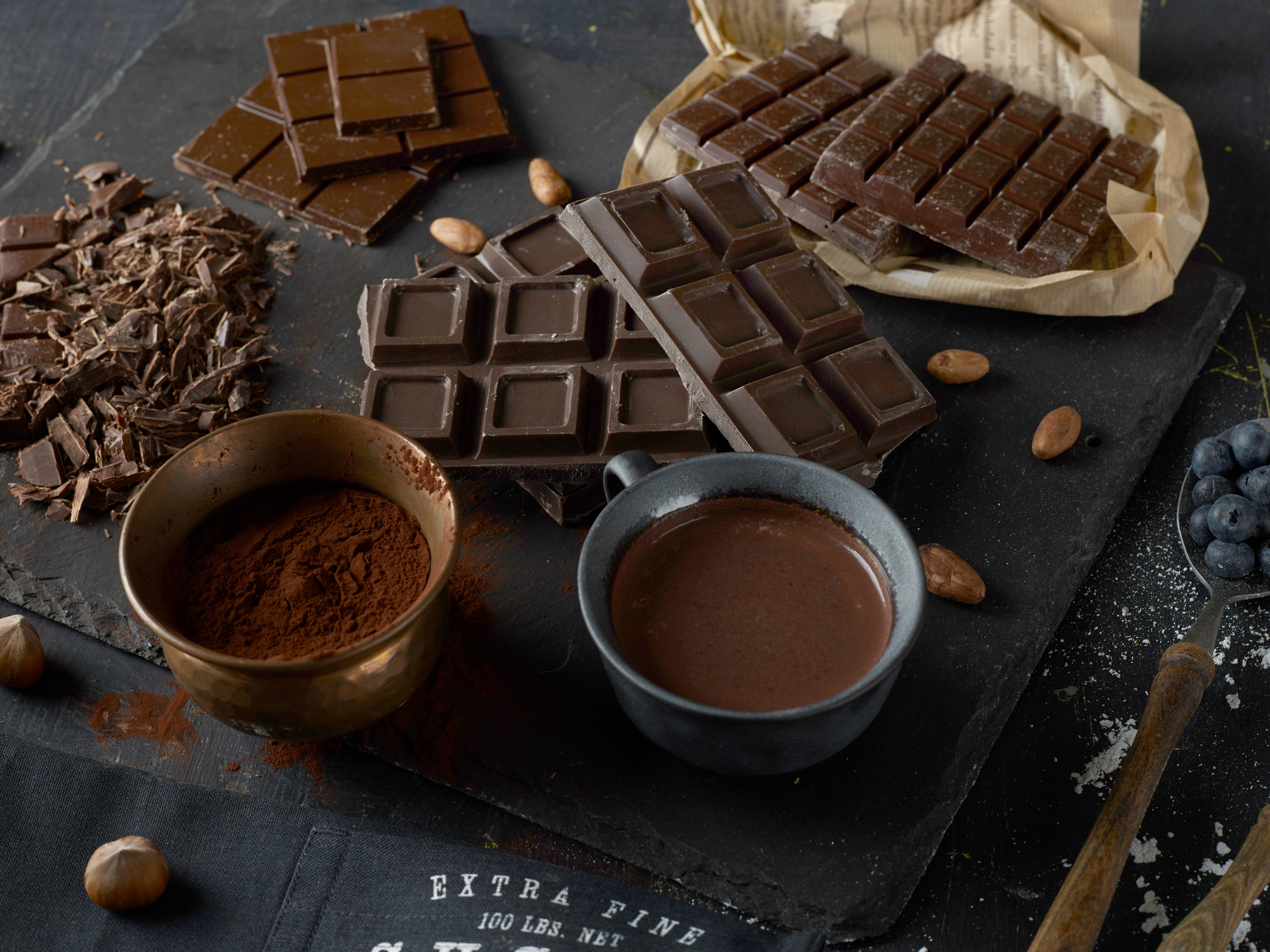
The Dutch chemist Coenraad van Houten patented a hydraulic press in 1828 that could separate cacao butter from the bean and produce a fine powder — and this single invention quietly dismantled everything that had kept chocolate rare and expensive. The powder was easier to mix, more stable to ship, and cheaper to produce in volume.
So the path from sacred drink to mass product runs directly through a Dutch press in the early nineteenth century, which is the kind of unglamorous pivot that history tends to underplay.
Solid Chocolate Arrives
Before Van Houten’s press, chocolate was almost exclusively a liquid. The separated cacao butter changed that: when recombined with chocolate liquor and sugar, it produced a paste that could be molded and set.
The British firm J.S. Fry & Sons is credited with producing the first solid eating chocolate in 1847, a product that was grainy and not especially refined by later standards but that established the basic concept. The candy bar, in its essential form, had arrived — even if it would take decades to look recognizable.
The Milk Chocolate Revolution
Daniel Peter, a Swiss chocolatier, spent years trying to add milk to chocolate and failing — the water content in regular milk caused the mixture to seize. The solution came from his neighbor Henri Nestlé, who had developed a condensed milk product, and the two eventually combined their efforts to produce milk chocolate in 1875.
What they made was softer, sweeter, and less bitter than anything before it, and it aimed itself directly at a mass market that dark chocolate had never fully captured.
Milton Hershey’s Industrial Vision
Milton Hershey was not a visionary in the artistic sense — he was a visionary in the factory sense, which turned out to matter more. After selling his Lancaster Caramel Company for a million dollars in 1900, he redirected everything toward chocolate, built an entire town in Pennsylvania around his factory, and figured out how to mass-produce milk chocolate cheaply enough that an ordinary American family could afford it.
The slight waxy quality and the particular sweetness of a Hershey bar aren’t accidents; they’re the taste of industrialization.
World War And The Ration Bar
The U.S. military approached Hershey during World War II with a specific request: a chocolate bar that could survive tropical heat, provide 600 calories, and — critically — taste just bad enough that soldiers wouldn’t eat it recreationally before an emergency demanded it. The result was the Field Ration D bar, a dense, bitter block that soldiers widely despised but that kept chocolate embedded in the American military and psychological imagination.
War turned chocolate into sustenance, and sustenance turned it into something people wanted again once the war was over.
Cadbury And The Gift Economy
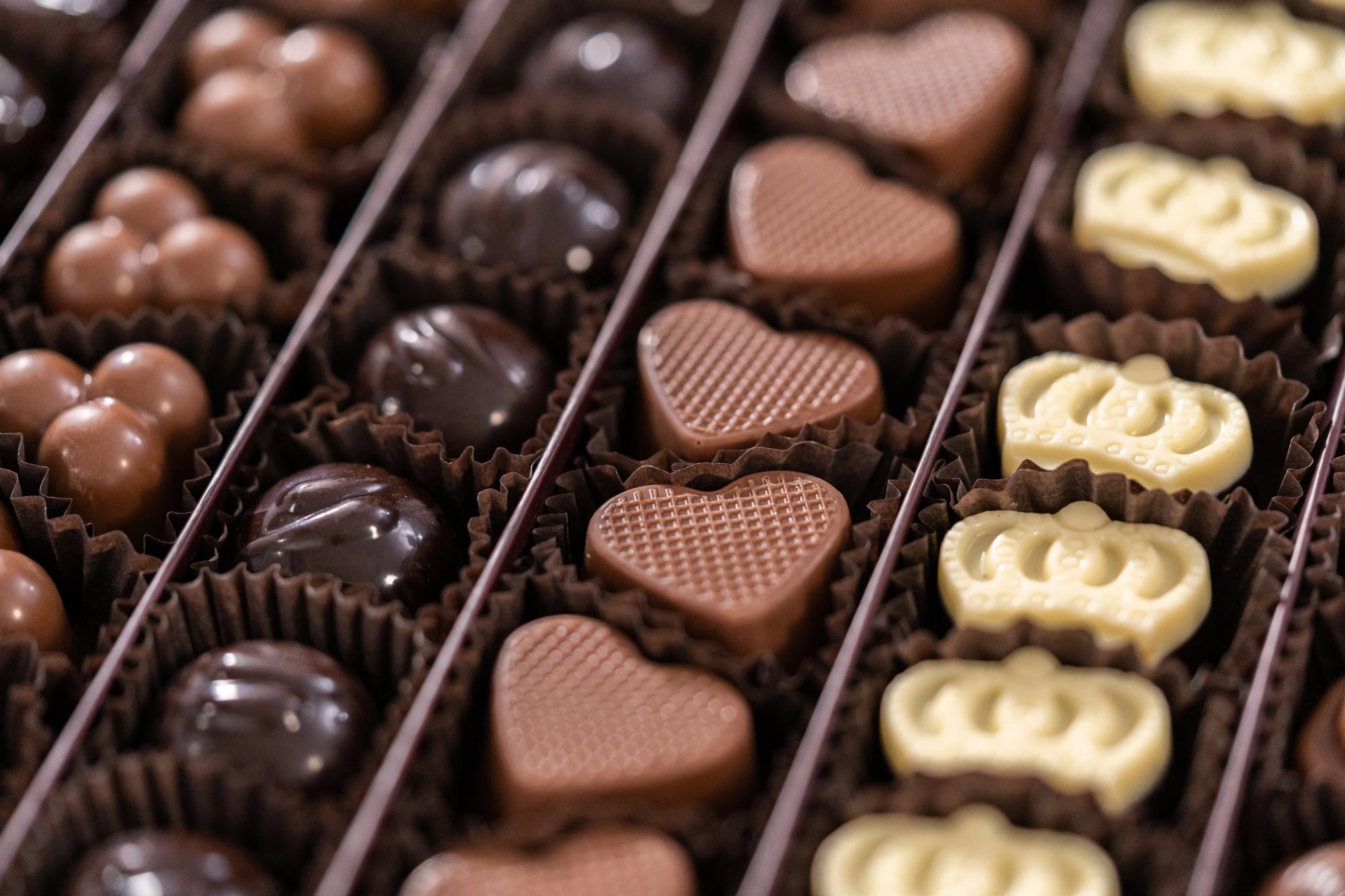
Cadbury did something in the nineteenth century that reshaped how chocolate is bought and given: they put their chocolates in decorated boxes and sold them as gifts. The heart-shaped Valentine’s Day box was a Cadbury invention from the 1860s, and it effectively created the gifting category that still dominates chocolate sales every February.
Chocolate didn’t just become food — it became a social language, a stand-in for emotion that was easier to purchase than to articulate.
Fair Trade And The Cost Nobody Sees
The cheapness of a dollar chocolate bar is not an accident of efficiency — it is, in large part, a consequence of labor conditions in West Africa, where roughly 60 percent of the world’s cacao is grown, much of it on small farms where poverty and child labor remain documented problems. The Fair Trade certification movement emerged in the late twentieth century specifically to address this, offering a price floor and labor standards in exchange for a label.
Whether that label has meaningfully changed the industry is a more complicated question than the packaging suggests.
Craft Chocolate’s Counterargument
The craft chocolate movement that took hold in the early 2000s is, in a sense, an argument with industrial chocolate conducted entirely through flavor. Small-batch makers began sourcing beans from specific farms, listing origin countries and cacao percentages on minimalist wrappers, and charging twenty dollars for a bar that most people would spend a minute eating.
It’s chocolate recast as wine — something with terroir, with a story, with the expectation that you’ll slow down and pay attention.
The Return Of Bitterness
Dark chocolate’s recent rehabilitation is one of the quieter cultural reversals of the last few decades. After more than a century of the industry racing toward maximum sweetness and minimum cacao content, consumers started moving in the opposite direction — toward 70 percent bars, then 85, then 100 percent with no sugar at all.
Whether this is driven by genuine taste preference or by the health claims that followed studies on flavanols is hard to say, but the Aztecs — who never sweetened the drink at all — would find the trend at least partially recognizable.
What The Dollar Bar Actually Is
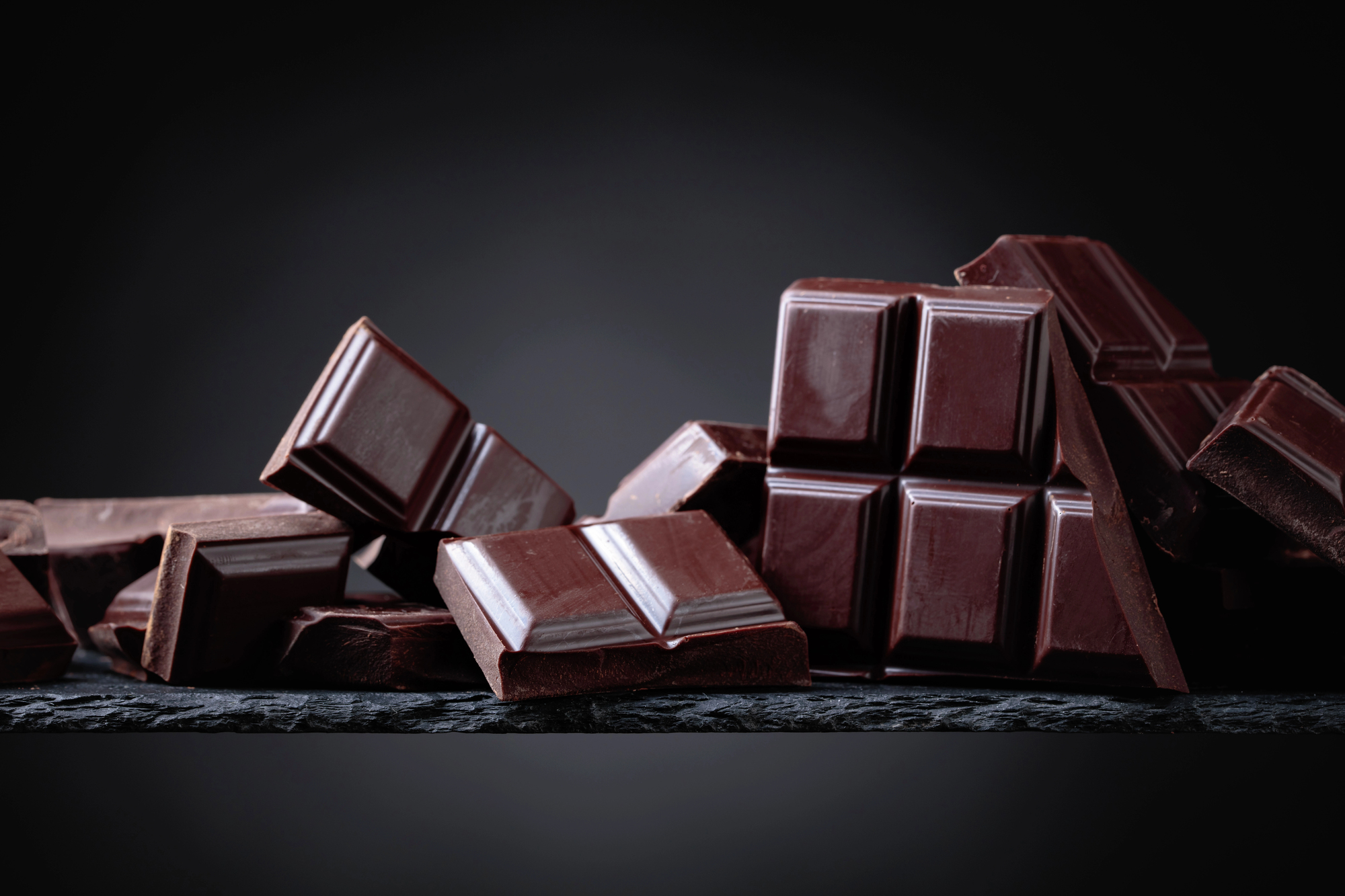
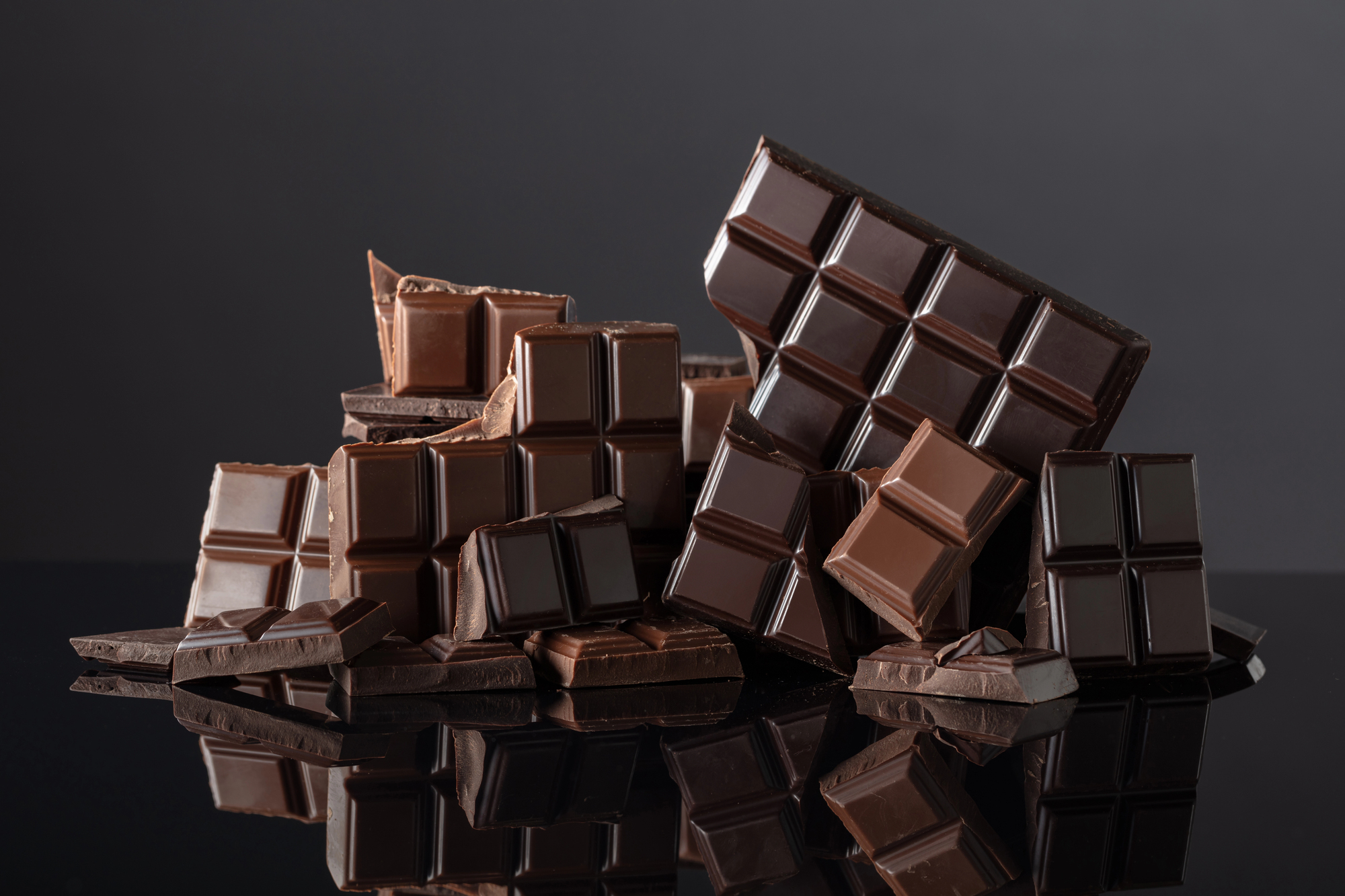
A dollar chocolate bar is an engineering achievement masquerading as a snack. It contains hydrogenated oils, artificial vanillin in place of real vanilla, milk solids, sugar calibrated to a precise sweetness threshold, and just enough cacao to legally call itself chocolate.
It is designed to be consistent, shelf-stable, and immediately satisfying — and it succeeds at all three with a thoroughness that actual craftsmanship rarely achieves.
The Branding That Replaced The Ritual
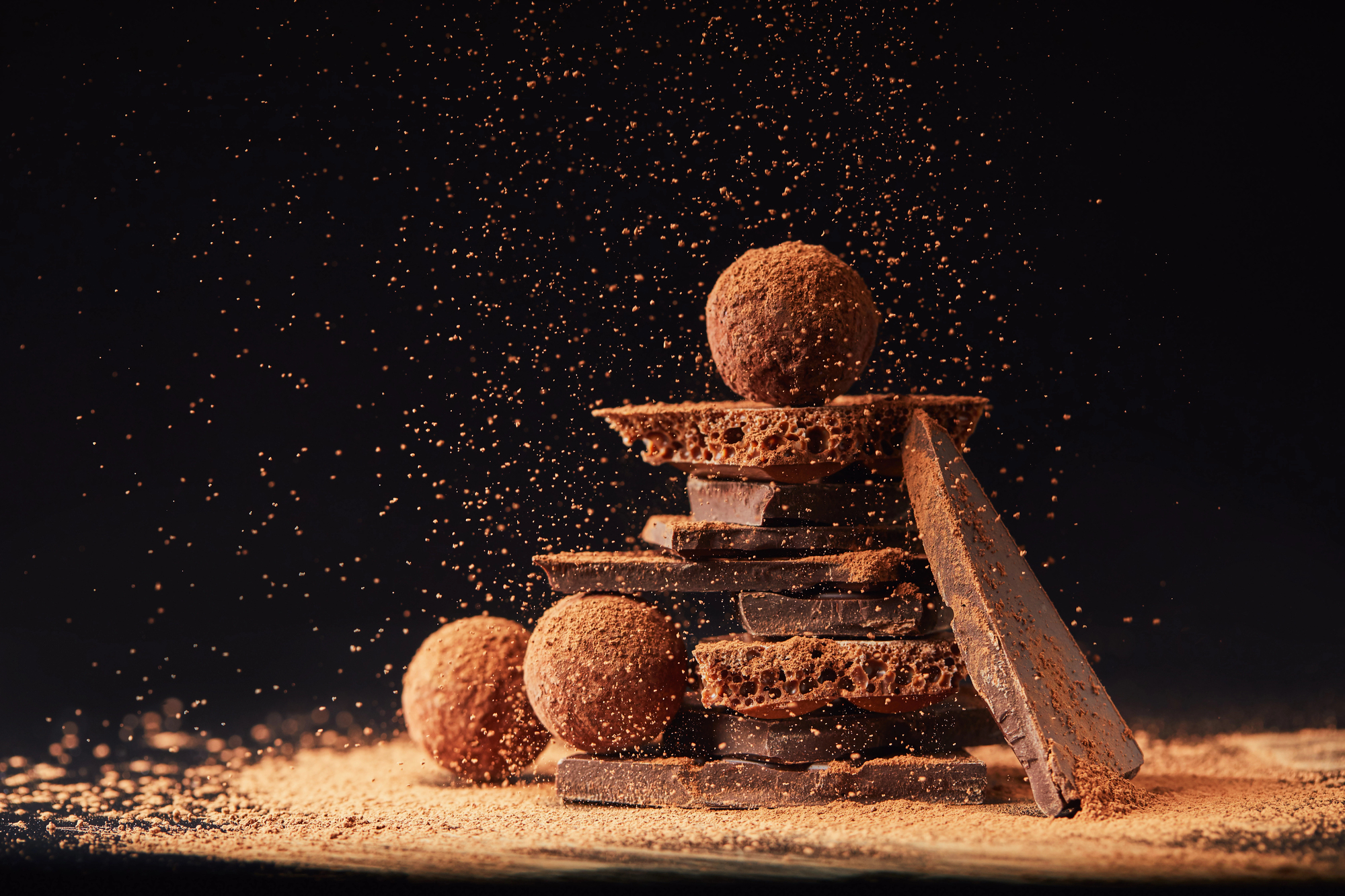
The ritual that once surrounded cacao — the preparation, the ceremony, the hierarchy of who could drink it and when — has been entirely replaced by branding. Snickers has a Super Bowl campaign.
Ferrero Rocher has a gold foil. A Russell Stover box carries a specific emotional weight that has been engineered into it over generations of Valentine’s Days.
The ritual is still there; it just speaks the language of marketing now instead of the language of priests.
From Sacred To Aisle Seven
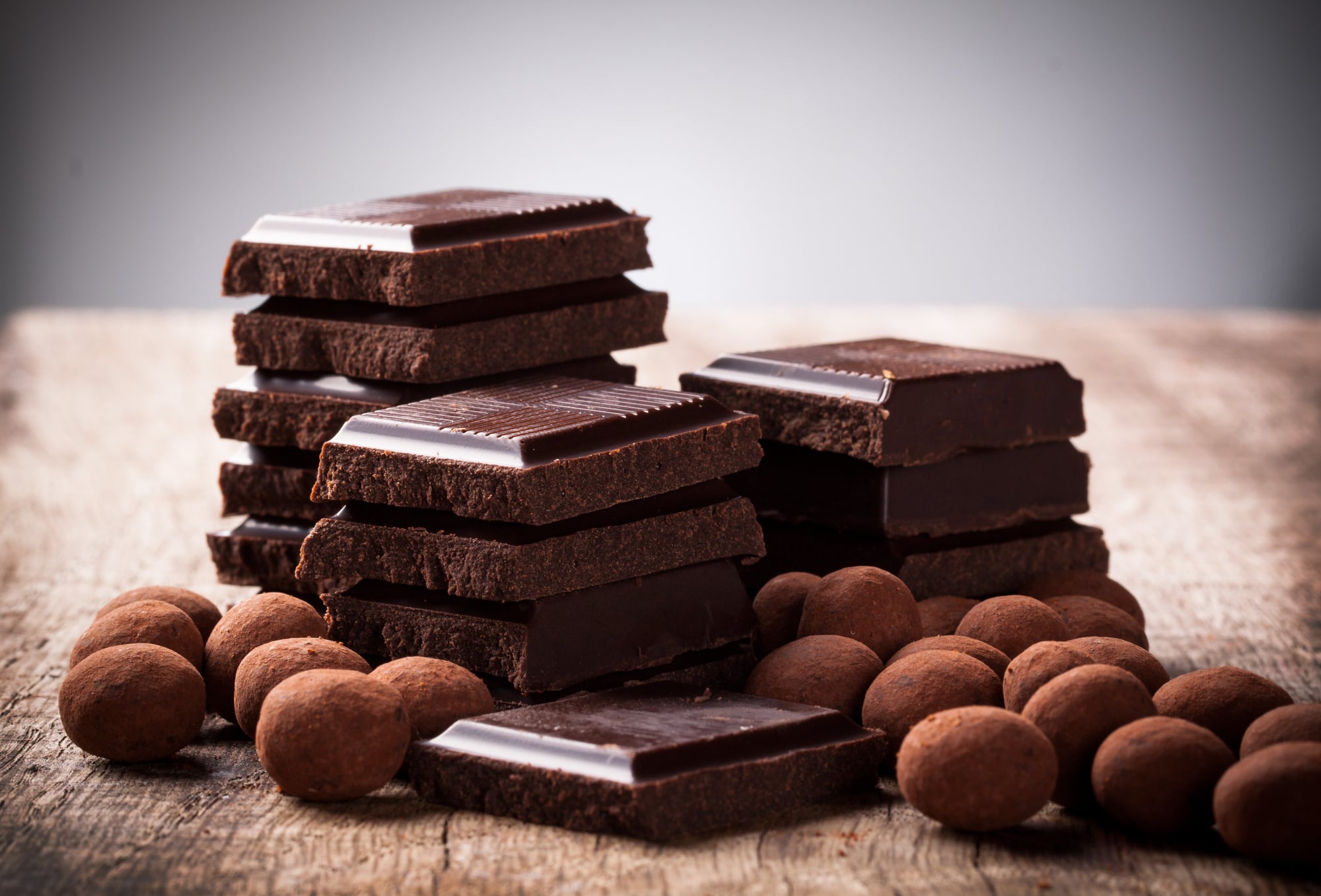
Somewhere between the Aztec temple and the checkout line, chocolate became ordinary — and ordinary, it turns out, is the most durable form of beloved. The sacred version existed for a small number of people under specific conditions with elaborate preparation; the ordinary version exists for almost everyone, costs almost nothing, and requires no ceremony at all.
That democratization is worth something, even if what was lost in the process is worth mourning a little too.
The Strange Persistence Of Cacao
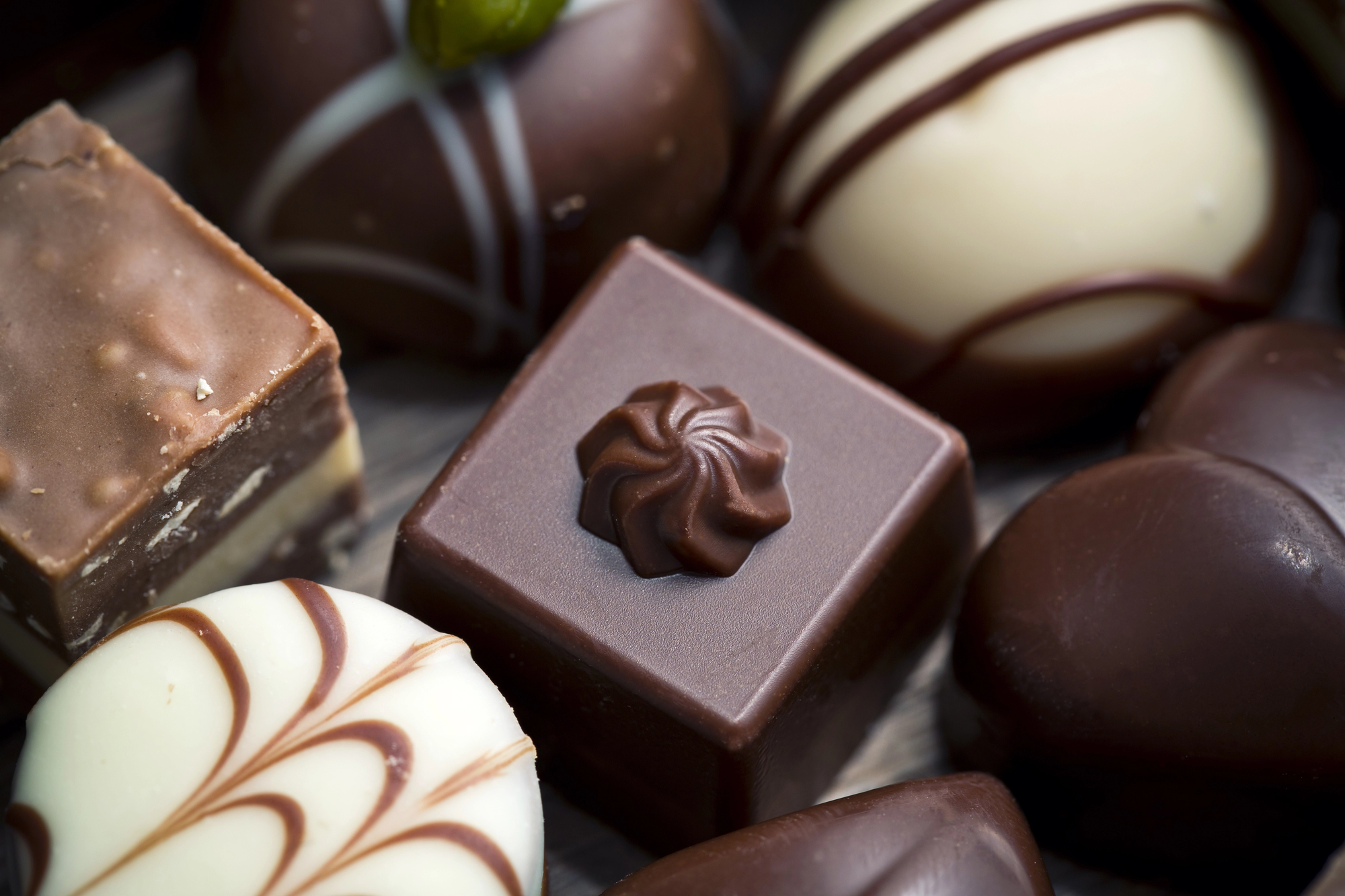
Cacao is still grown in the same parts of the world where it was first cultivated, still requires the same labor-intensive harvesting — pods cut by hand, beans fermented in the open air — and still takes the same two to four years for a newly planted tree to produce its first crop. The industrial machinery that surrounds it is entirely modern, but the bean itself is indifferent to all of it: stubborn, specific, and still needing the same conditions it needed three thousand years ago.
A Substance That Outlasted Its Origins
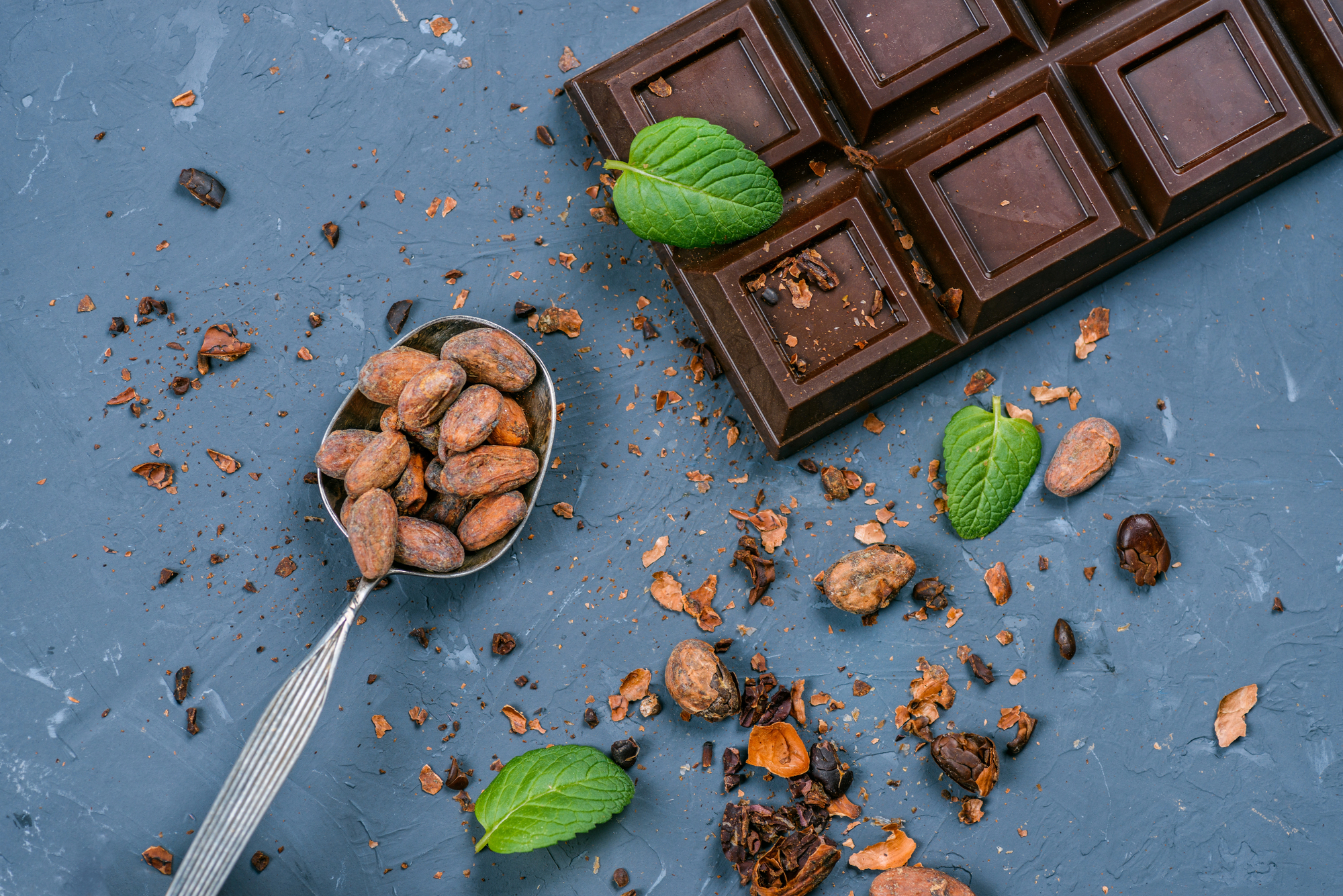
The empires that first gave chocolate its meaning — the Olmec, the Maya, the Aztec — are gone. The rituals are gone.
The gods the drink was offered to have no living worshippers. And yet cacao itself persists, transformed almost beyond recognition but still present, still generating billions of dollars and still carrying, in its darkest, least adulterated form, a bitterness that tastes almost exactly like the original.
Some things survive by adapting completely. Others survive by refusing to change at their core.
More from Go2Tutors!

- The Romanov Crown Jewels and Their Tragic Fate
- 13 Historical Mysteries That Science Still Can’t Solve
- Famous Hoaxes That Fooled the World for Years
- 15 Child Stars with Tragic Adult Lives
- 16 Famous Jewelry Pieces in History
Like Go2Tutors’s content? Follow us on MSN.