How Summer Vacations Used to Feel Like They Lasted Forever
How Summer Vacations Used to Feel Like They Lasted Forever There was a time when summer didn’t just arrive — it expanded. Three months that somehow held more living than the other nine combined.
You could spend an entire Tuesday doing nothing in particular and still feel like the summer had barely started. That feeling isn’t nostalgia playing tricks.
Something genuinely different was happening inside those long, unhurried days — and understanding what made them feel so vast is worth more than just a sentimental look back.
No Phones Meant No Clock

No Phones Meant No Clock Summer mornings had no agenda attached to them. You woke up, wandered outside, and the day arranged itself without a notification telling you what you’d missed or where you needed to be.
That absence of a device in your pocket didn’t just reduce distraction — it removed the constant reminder that time was passing at all.
The Novelty Effect

The Novelty Effect The brain stores time differently when it’s encountering new things. A week at a lake cabin with unfamiliar smells, new people, and unpredictable weather left more memory traces than three weeks of ordinary routine — and more memory traces means the mind perceives more time having passed.
Summer was, in practice, a novelty machine running at full speed.
Boredom Was the Point

Boredom Was the Point Boredom in childhood summer wasn’t a failure state — it was the whole engine. Sitting on a porch with nothing to do, staring at a yard, watching a beetle cross a sidewalk for twenty minutes: these weren’t wasted hours, they were the hours that eventually cracked open into something inventive and strange and yours.
The mind, left alone long enough, always finds something to do with itself.
Unstructured Time Had Physical Weight

Unstructured Time Had Physical Weight Summer time felt thick in a way that scheduled time never does — like the difference between walking through air and walking through water, where every step actually pushes against something. The afternoons had no particular shape, which meant they could stretch or compress based entirely on what you wanted from them.
Structured time vanishes; unstructured time leaves a mark.
The Role of Ritual

The Role of Ritual Every summer had its rituals — the same ice cream place every Friday, the same pool, the same neighbor’s yard where everyone gathered at dusk. Rituals don’t make time pass faster; they anchor it, and anchored time holds.
You can still remember those specific Fridays decades later, which is more than can be said for most modern Tuesdays.
Sleep Schedules Collapsed

Sleep Schedules Collapsed Staying up past midnight watching something on a small TV, then sleeping until ten, then eating cereal at noon — this wasn’t just indulgence, it was a complete restructuring of how a day felt. Days that start and end at unusual hours don’t feel like ordinary days.
They feel like a different category of time entirely, borrowed from somewhere else, slightly outside the normal rules.
The Outdoors Slowed Everything Down

The Outdoors Slowed Everything Down There’s something about being outside for hours — the shifting light, the way heat changes mid-afternoon, the fact that you can watch a cloud from start to finish — that places a person inside time rather than just moving through it. Summer days spent largely outdoors didn’t pass so much as they unfolded, one slow and specific hour at a time, each one slightly different from the last.
Other Kids Were Always Nearby

Other Kids Were Always Nearby Childhood summers were social without being scheduled — you didn’t make an appointment, you just went outside and someone appeared. The spontaneous quality of those encounters (the neighbor who showed up with a sprinkler, the friend who arrived on a bike with no particular reason) gave each day a texture that couldn’t be planned for.
Planned socializing is efficient; spontaneous socializing is alive.
Summer Reading Lists Were Actually Slow Time in Disguise

Summer Reading Lists Were Actually Slow Time in Disguise Getting lost in a book for three hours on a hot afternoon isn’t leisure in the passive sense — it’s an act of radical time expansion. A good story, genuinely inhabited, deposits you in a different world entirely and returns you hours later slightly disoriented, the way long travel does.
Summer reading didn’t just fill time; it multiplied it.
The Absence of School-Year Anxiety

The Absence of School-Year Anxiety The school year came with a low, persistent hum of pressure — tests, schedules, social hierarchies, the quiet dread of Monday morning. Summer lifted that entirely, and what replaced it wasn’t just relief but something closer to weightlessness.
Time that carries no dread moves differently. It opens up in ways that anxious time never can.
Weather Became an Event

Weather Became an Event A thunderstorm in August wasn’t an inconvenience — it was the afternoon’s main character. You watched it come in from the west, felt the air change, smelled the rain before it arrived, and sat on a covered porch while it passed.
Weather as spectacle rather than obstacle gave the days a dramatics that made them worth remembering, which is ultimately the same as making them last.
Distance From Home Sharpened Everything
Distance From Home Sharpened Everything Even a short road trip — three hours to a cousin’s house, five hours to a rented cabin — changed the quality of time in ways that had nothing to do with the destination. Distance from the familiar makes the brain pay attention again, the way it paid attention to everything when the world was still new and required close observation just to make sense of it.
Familiarity is the enemy of felt time; distance is the cure.
Summer Camp Operated on Its Own Calendar
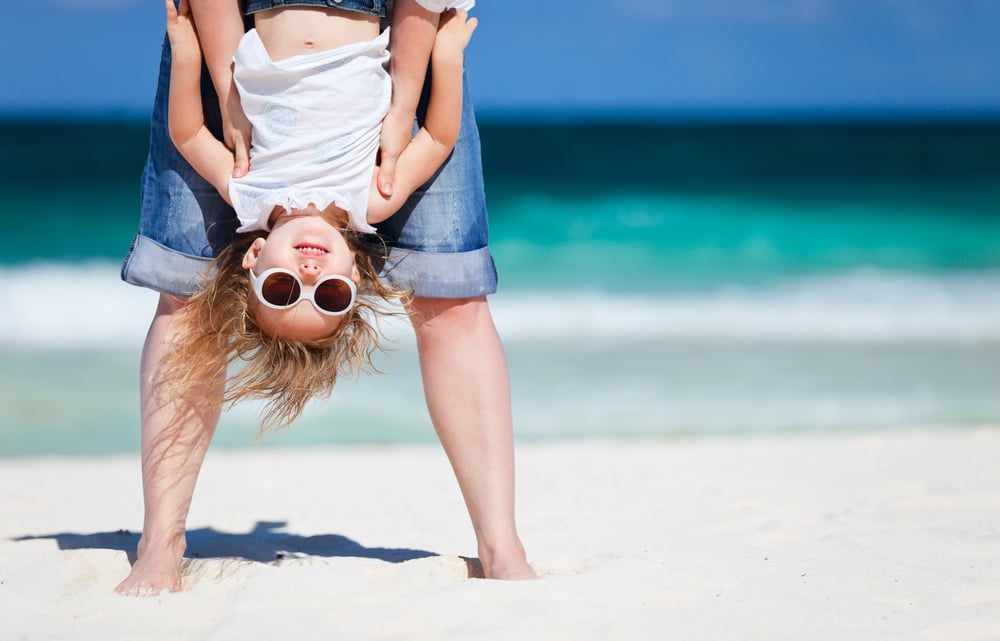
Summer Camp Operated on Its Own Calendar Two weeks at summer camp felt longer than a full month at home — partly because of the relentless novelty, partly because the days were structured around experience rather than productivity, but mostly because you were in a world that existed only for that purpose. Camp time was sovereign time: it obeyed no schedule from the outside world, and the outside world had no claim on it while it lasted.
The Slow Accumulation of Tan Lines and Bug Bites
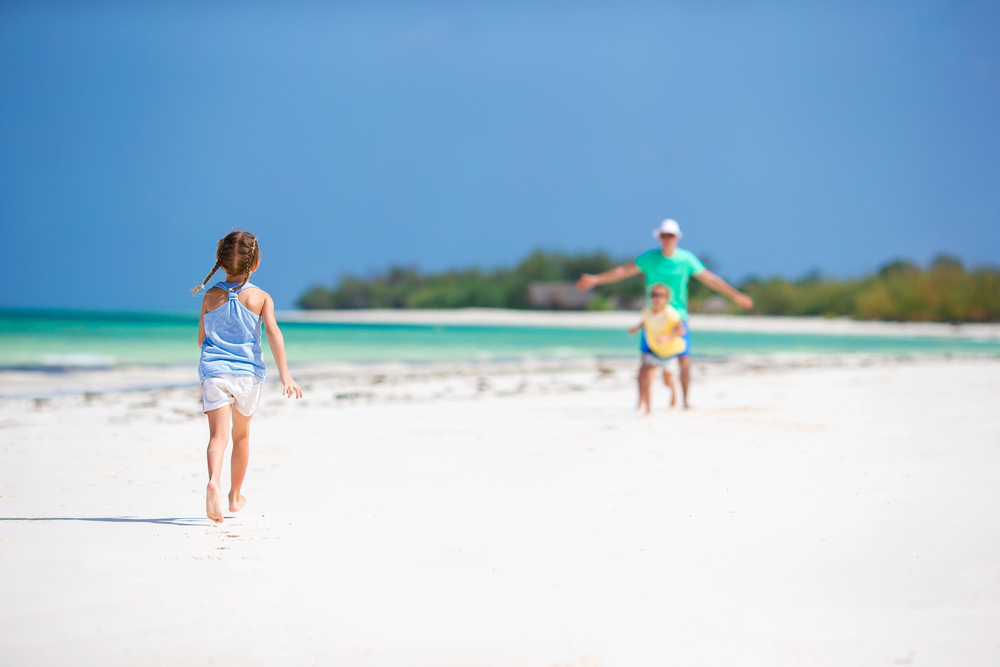
The Slow Accumulation of Tan Lines and Bug Bites A summer that left physical evidence was a summer that happened. The slight burn on your shoulders, the constellation of mosquito bites on your ankles, the grass stains that didn’t fully wash out — these were the receipts that time left behind.
You couldn’t argue with them, and you didn’t want to. They were proof that the days had been full enough to leave a mark.
Adults Seemed Different

Adults Seemed Different Parents and neighbors in summer moved at a different pace — slower, more available, occasionally just sitting in a yard chair doing nothing visible and not apologizing for it. That change in the adults around you wasn’t incidental.
When the people who set the tempo of a household collectively downshift, the whole day slows with them, and children absorb that rhythm the way they absorb everything: completely and without being told to.
Long Days Actually Were Longer

Long Days Actually Were Longer The sun didn’t set until nearly nine o’clock on a July evening in most of the continental United States, which meant the day had a stubborn refusal to end that felt almost personal. Daylight hours in midsummer run close to fifteen hours in places like Chicago or Denver, which is a meaningful difference from the ten or eleven you get in December.
More light isn’t just more light — it’s more invitation, more permission, more day.
The Magic of Doing the Same Thing Every Summer

The Magic of Doing the Same Thing Every Summer Going back to the same beach town year after year, the same lake, the same grandparents’ backyard — this repetition had a compounding quality. Each summer layered on top of the last, so that sitting in a particular spot felt like sitting in every version of yourself that had ever sat there before.
That layering didn’t collapse time; it deepened it, the way a river carves a canyon not by rushing but by returning.
When the Last Week Arrived
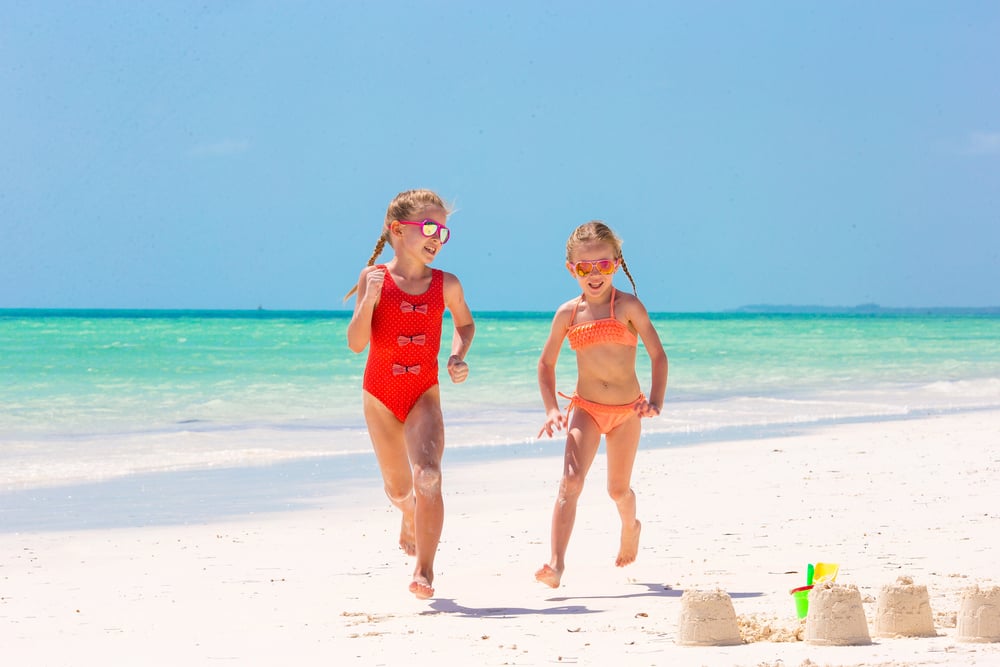
When the Last Week Arrived The final week of summer had a specific weight that the rest of the season didn’t carry — not dread exactly, but a heightened awareness, the kind that makes you suddenly notice the exact color of the late afternoon light or how the air smells at seven o’clock in August. Endings make the present vivid in a way that the middle never quite manages.
The last week felt long because you were finally, fully paying attention.
What the Clock Couldn’t Touch

What the Clock Couldn’t Touch Maybe the truest thing about childhood summers is that they weren’t measured in days at all — they were measured in experiences that had no official duration, no start time, no finish. A whole afternoon that orbited around a single backyard game.
A night that went long because no one wanted to be the first to say it was over. Time, it turns out, doesn’t actually expand or contract: what changes is how fully a person inhabits it, and children in summer were, without knowing it, masters of that particular art.
More from Go2Tutors!

- The Romanov Crown Jewels and Their Tragic Fate
- 13 Historical Mysteries That Science Still Can’t Solve
- Famous Hoaxes That Fooled the World for Years
- 15 Child Stars with Tragic Adult Lives
- 16 Famous Jewelry Pieces in History
Like Go2Tutors’s content? Follow us on MSN.