How Television Variety Shows Shaped US Entertainment
Families would be huddled around boxy sets in 1955, watching jugglers, dancers, comedians, and singers all packed into an hour. From the late 1940s until the middle of the 1970s, variety shows dominated American living rooms, essentially bringing vaudeville theaters into people’s homes.
With The Carol Burnett Show ending in 1978 and The Ed Sullivan Show ending in 1971, the traditional format had all but disappeared by the early 1980s. These shows served as cultural gatekeepers, determining which comedians became well-known, which musicians made their breakthrough, and what Americans discussed the following morning at work.
They were more than just entertainment. With hosts wearing tuxedos introducing random acts one after the other, the format now seems almost archaic.
However, variety shows radically altered the American entertainment industry and established models that are still used today. This is a list of 12 ways that American entertainment has been influenced by television variety shows.
Vaudeville Got a Second Life
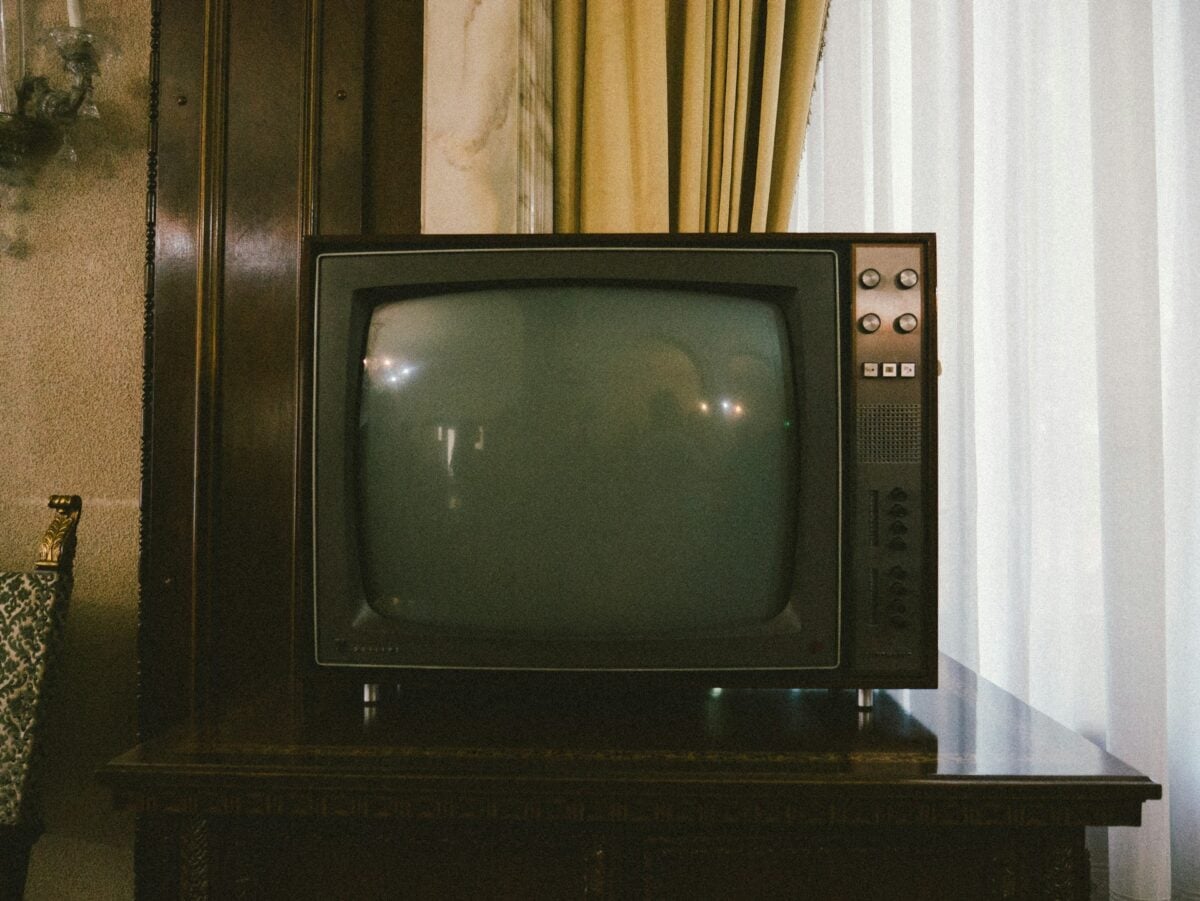
Variety shows literally transplanted the vaudeville format onto television screens. The structure was identical—a host introduced different performers doing short acts, mixing comedy sketches with musical numbers and specialty performances.
Performers like Milton Berle, who’d spent decades perfecting their timing in vaudeville theaters, suddenly had a massive new audience. This transition saved an entire generation of entertainers whose live venues were dying out, giving them careers for another two decades.
One Show Launched Entire Careers

Ed Sullivan couldn’t sing, dance, or tell jokes particularly well, but his eye for talent was unmatched. The Ed Sullivan Show ran from 1948 to 1971 and became the ultimate proving ground for performers.
If Sullivan booked you, you’d made it. The show introduced Americans to Elvis Presley, first filming him full-body in 1956, then famously only from the waist up during his January 1957 appearance after CBS censors deemed his hip movements too provocative.
Getting that Sullivan slot meant national exposure to millions of viewers when only three networks existed.
Like Go2Tutors’s content? Follow us on MSN.
The Beatles Changed Everything in One Night
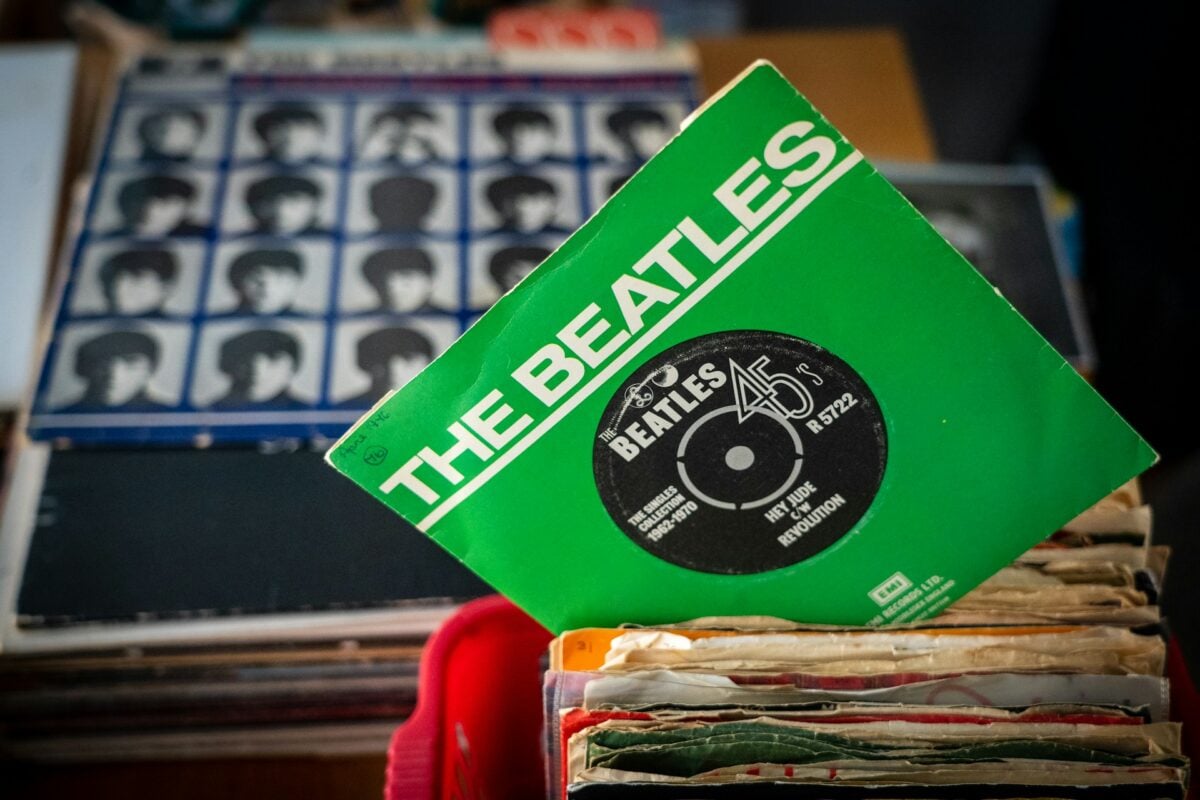
On February 9, 1964, roughly 73 million viewers—about 60 percent of US television households—watched the Beatles perform on The Ed Sullivan Show. The performance didn’t just launch Beatlemania in America, it kicked off the British Invasion and proved that variety shows could create cultural moments that defined generations.
Musicians like Bruce Springsteen, Billy Joel, and Gene Simmons have all said that watching that broadcast made them want to become rock stars.
Live TV Meant Anything Could Happen

These shows were genuinely live, which created an electricity that taped programs couldn’t match. Performers had one shot to nail their act in front of millions.
Mistakes happened on air, singers forgot lyrics, comedians bombed—and audiences loved the unpredictability. This live format trained performers to work without a net, developing skills that separated true professionals from amateurs.
Comedy Writers Got Their Big Break

Shows like Your Show of Shows with Sid Caesar had writing rooms stacked with future legends. The writers included Mel Brooks, Larry Gelbart, and Woody Allen—all learning their craft together.
Neil Simon later worked on Caesar’s Hour from 1954 to 1957, another Caesar vehicle that continued developing comedy talent. These variety shows became training grounds where comedy writers developed the skills they’d later use in film and television.
The collaborative writing room model pioneered here became standard across the industry.
Like Go2Tutors’s content? Follow us on MSN.
Political Satire Found Prime Time

The Smothers Brothers Comedy Hour pushed boundaries that other variety shows wouldn’t touch. Premiering in 1967, the show tackled Vietnam War opposition, civil rights, and counterculture themes that made network executives sweat.
CBS withheld multiple taped episodes from airing due to controversial content, leading to escalating battles over censorship. The network ultimately cancelled the show in April 1969 despite strong ratings, firing the brothers for refusing to tone down their political content and allegedly failing to deliver episodes on time for review.
Stars Were Made in One Performance

A single variety show appearance could transform an unknown into a star overnight. Joan Rivers got her breakthrough on The Ed Sullivan Show, while Steve Martin honed his absurdist comedy writing for The Smothers Brothers before becoming a stand-up sensation.
These platforms gave performers exposure to audiences numbering in the tens of millions—something impossible to achieve any other way in that era.
Musical Acts Got National Exposure

Before MTV or streaming, variety shows were how musicians reached mass audiences beyond radio. The Ed Sullivan Show alone featured breakthrough performances from The Doors, The Rolling Stones, The Supremes, and countless others.
These appearances sold records by the millions because Americans would hear a song on the show, then rush to buy it the next day.
Like Go2Tutors’s content? Follow us on MSN.
Sketch Comedy Found Its Format

The Carol Burnett Show ran from 1967 to 1978 and perfected the sketch comedy format that Saturday Night Live would later refine. Carol Burnett and her cast—Harvey Korman, Tim Conway, Vicki Lawrence—did parodies of movies, absurd character sketches, and physical comedy that demonstrated how sketch comedy could sustain an hour of television.
Their movie parodies, especially the Gone with the Wind spoof with Burnett descending stairs in a dress made from curtain rods, became legendary.
Families Actually Watched Together

Variety shows were designed for multi-generational appeal, with something for everyone crammed into each episode. Grandparents enjoyed the musical numbers from their era, parents liked the comedy, kids loved the novelty acts and physical humor.
These programs were among the last to command truly mass audiences before cable television and VCRs fragmented viewing habits in the 1980s. This created shared cultural experiences where entire families watched the same program simultaneously—something increasingly rare in modern media.
Variety Shows Faded But Never Died

By the late 1970s, the classic variety format was dying. Audiences fragmented with cable television and remote controls, making it harder to appeal to everyone simultaneously.
The Carol Burnett Show ended in 1978, and few successful variety shows launched afterward. However, the format didn’t disappear—it evolved into late-night talk shows, sketch comedy programs, and talent competitions that still dominate television.
Like Go2Tutors’s content? Follow us on MSN.
They Integrated Entertainment
Variety shows helped break down racial barriers in entertainment, though progress was uneven. The Flip Wilson Show, running from 1970 to 1974, made history as the first network variety program hosted by a Black entertainer to hit number one in Nielsen ratings.
The Ed Sullivan Show regularly featured Black performers like The Supremes, James Brown, and Stevie Wonder, exposing white audiences to Black artists in ways radio often didn’t. These appearances weren’t revolutionary on their own, but they normalized seeing diverse performers on mainstream television.
The Blueprint Still Works

Variety show DNA is a recurring theme in contemporary entertainment. In essence, Saturday Night Live is a variety show featuring a musical guest and host.
The format of late-night talk shows is the same: guests, musical performances, and host banter. The multi-act structure and live performance element are used in competition shows such as American Idol and The Voice.
In essence, award shows are variety shows. Fifty years later, entertainment still depends on the successful patterns set by the format that dominated from 1948 to 1978.
More from Go2Tutors!

- 16 Historical Figures Who Were Nothing Like You Think
- 12 Things Sold in the 80s That Are Now Illegal
- 15 VHS Tapes That Could Be Worth Thousands
- 17 Historical “What Ifs” That Would Have Changed Everything
- 18 TV Shows That Vanished Without a Finale
Like Go2Tutors’s content? Follow us on MSN.