Iconic Filming Spots for the World’s Biggest Movies
Walking into a theater, settling into the darkness, and watching a story unfold on screen creates something close to magic. But the spell becomes even stronger when you recognize the place where it all happened.
That park bench, that cliff overlooking the ocean, that distinctive building — suddenly the line between the movie world and the real world blurs in the most wonderful way.
These aren’t just backdrops. They’re characters in their own right, shaping how we remember entire films.
Some locations become so intertwined with their movies that visiting them feels like stepping directly into the story itself.
New Zealand (The Lord of the Rings trilogy)
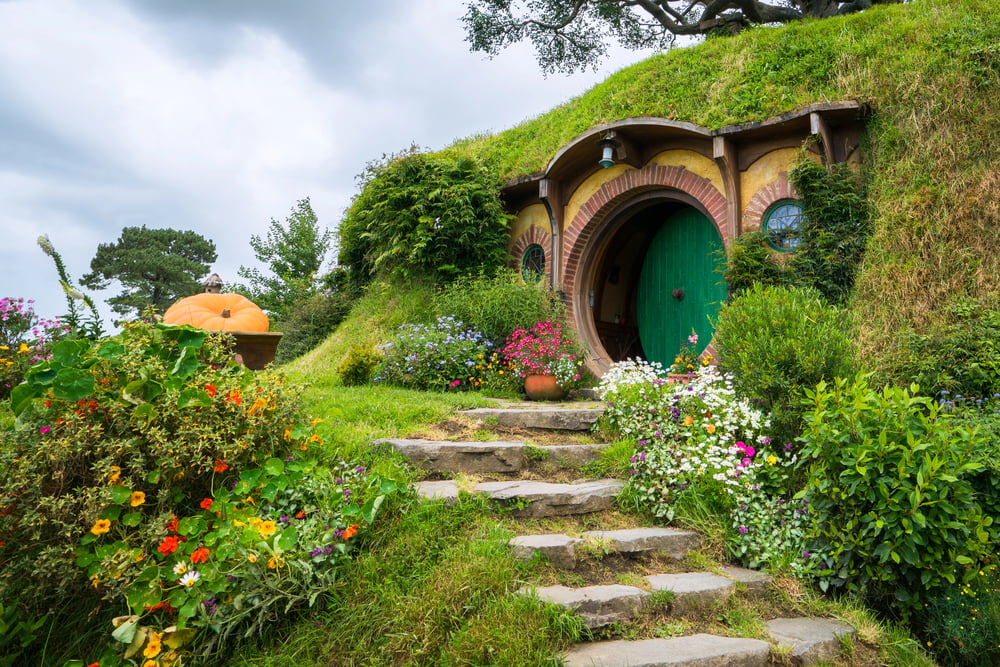
Peter Jackson turned an entire country into Middle-earth. The rolling green hills became the Shire.
Volcanic landscapes transformed into Mordor.
New Zealand didn’t just host the films — it became them. Every wide shot of hobbits walking through pastoral countryside, every sweeping view of riders crossing vast plains, every glimpse of snow-capped mountains in the distance carries the weight of the country’s natural drama.
Tourism boards dream of this kind of exposure.
Monument Valley, Utah (Multiple Western films)

Those towering red sandstone formations rising from the desert floor — you’ve seen them a hundred times without realizing it. John Ford made Monument Valley his personal outdoor studio, and Hollywood never looked back.
The landscape corrects you when you try to imagine the American West any other way. It’s stubborn in its perfection, indifferent to whether cameras are rolling or not.
The rocks were performing long before movies existed, and they’ll be performing long after the last film crew packs up and leaves.
Dubrovnik, Croatia (Game of Thrones)
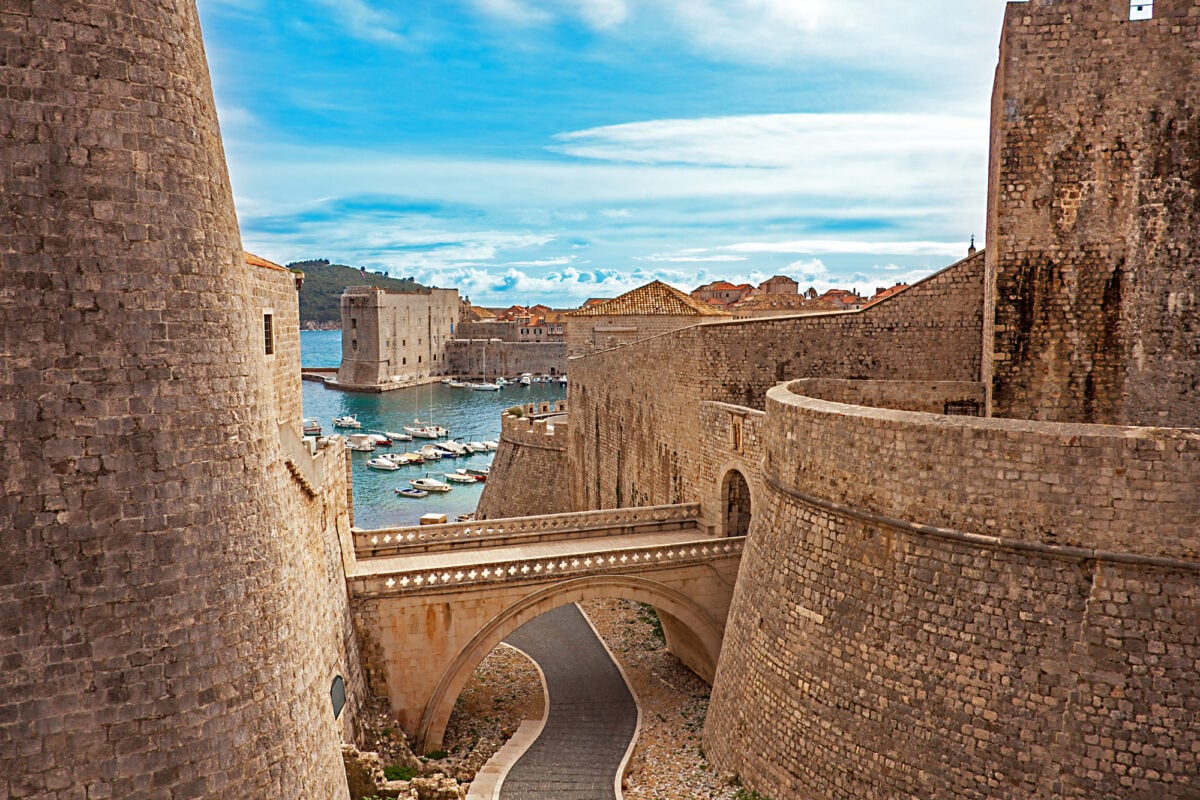
King’s Landing needed to feel ancient and lived-in, not like a movie set. Dubrovnik’s limestone streets and medieval walls delivered exactly that sense of weight and history.
The city’s tourism industry exploded after the show aired, which makes perfect sense — who wouldn’t want to walk the same cobblestones where dragons once (supposedly) flew overhead? But here’s the thing about Dubrovnik: it was already spectacular before HBO showed up.
The show just reminded everyone to pay attention.
Tokyo, Japan (Lost in Translation)
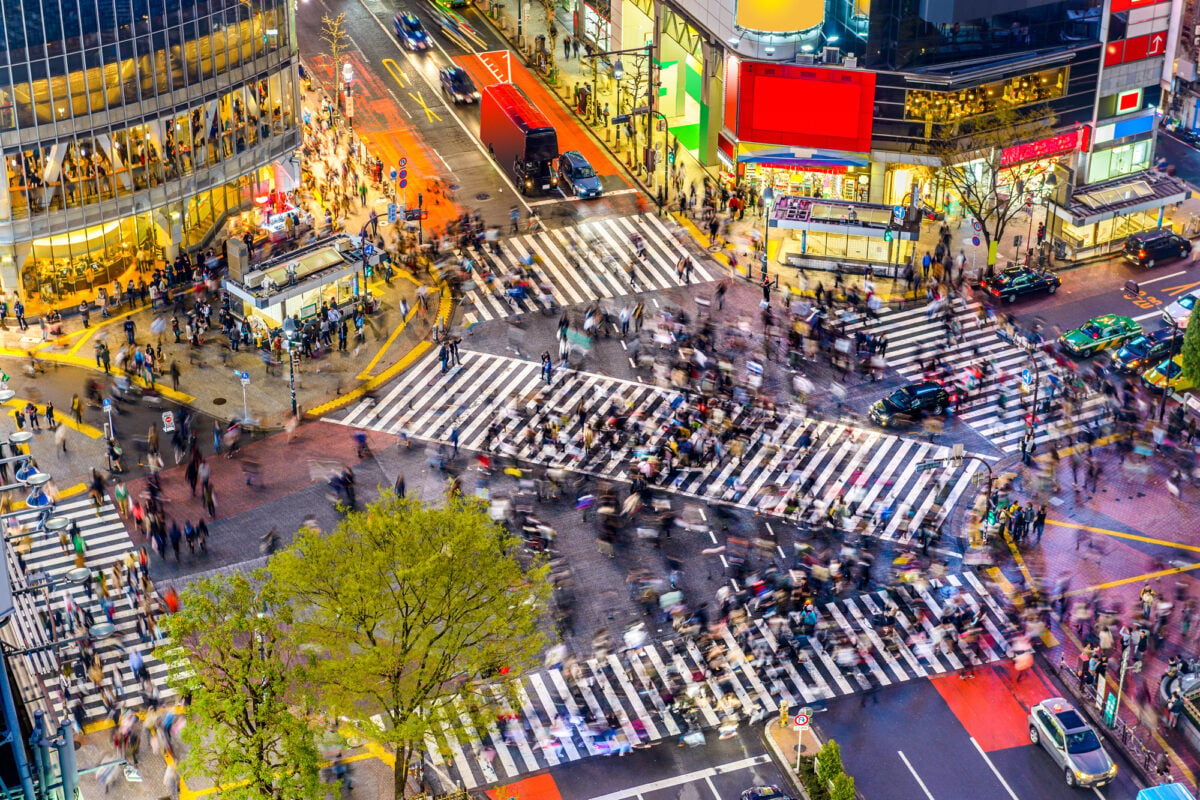
Sofia Coppola’s camera finds the loneliness inside neon-lit abundance, the quiet moments between the chaos of one of the world’s busiest cities.
Tokyo in the film becomes a character study in isolation — two people floating through crowds of millions, finding connection in hotel bars and arcade rooms and the strange intimacy of being foreigners together. The city doesn’t care about their story, which is exactly what makes their story possible. It’s the indifference that creates space for something genuine to grow.
Tatooine scenes (Star Wars) – Tunisia
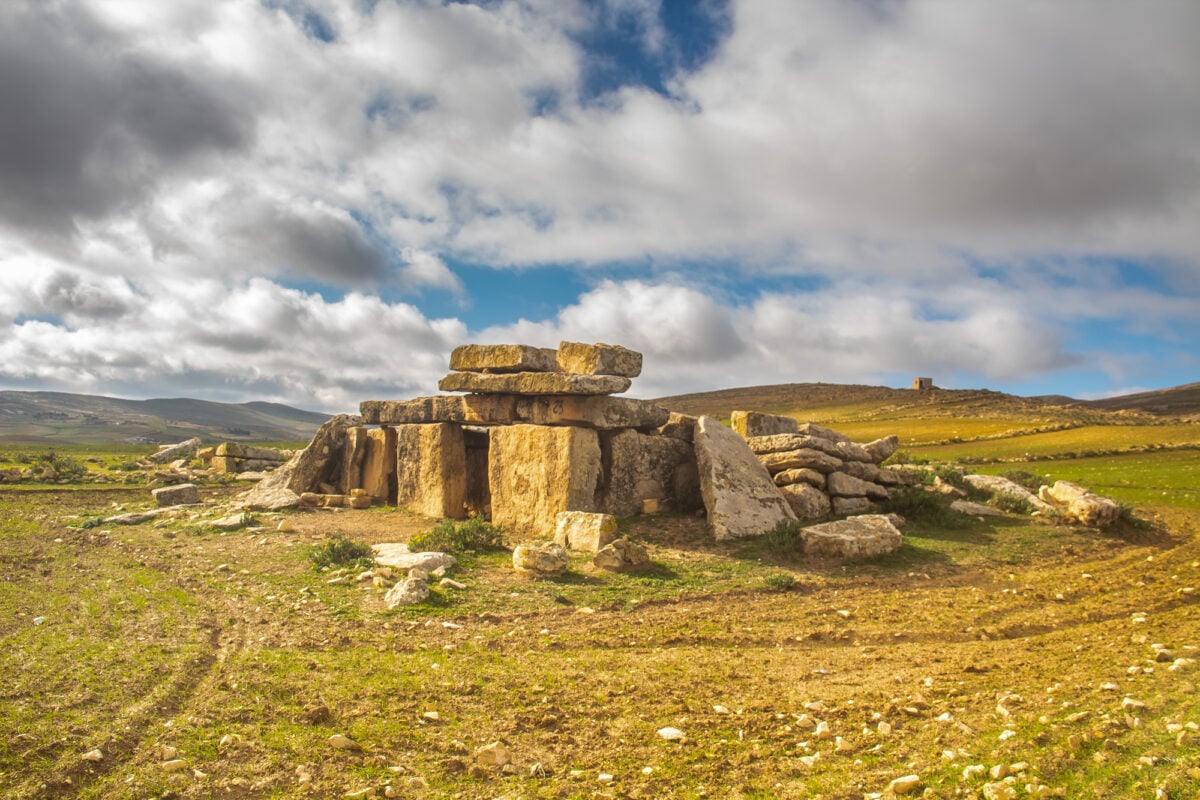
George Lucas needed a planet that felt like the edge of the universe. Tunisia’s desert landscapes provided that sense of endless, unforgiving space.
The locations are still there — Mos Eisley, Luke’s moisture farm, the cantina. Tourists make pilgrimages to stand where Luke stared at the twin suns, contemplating his future.
It’s worth noting that the desert doesn’t preserve movie magic the way you’d expect. Sand shifts, buildings weather, props disappear.
What remains is the landscape itself, still looking like somewhere dreams go to either die or take flight.
Forks, Washington (Twilight series)
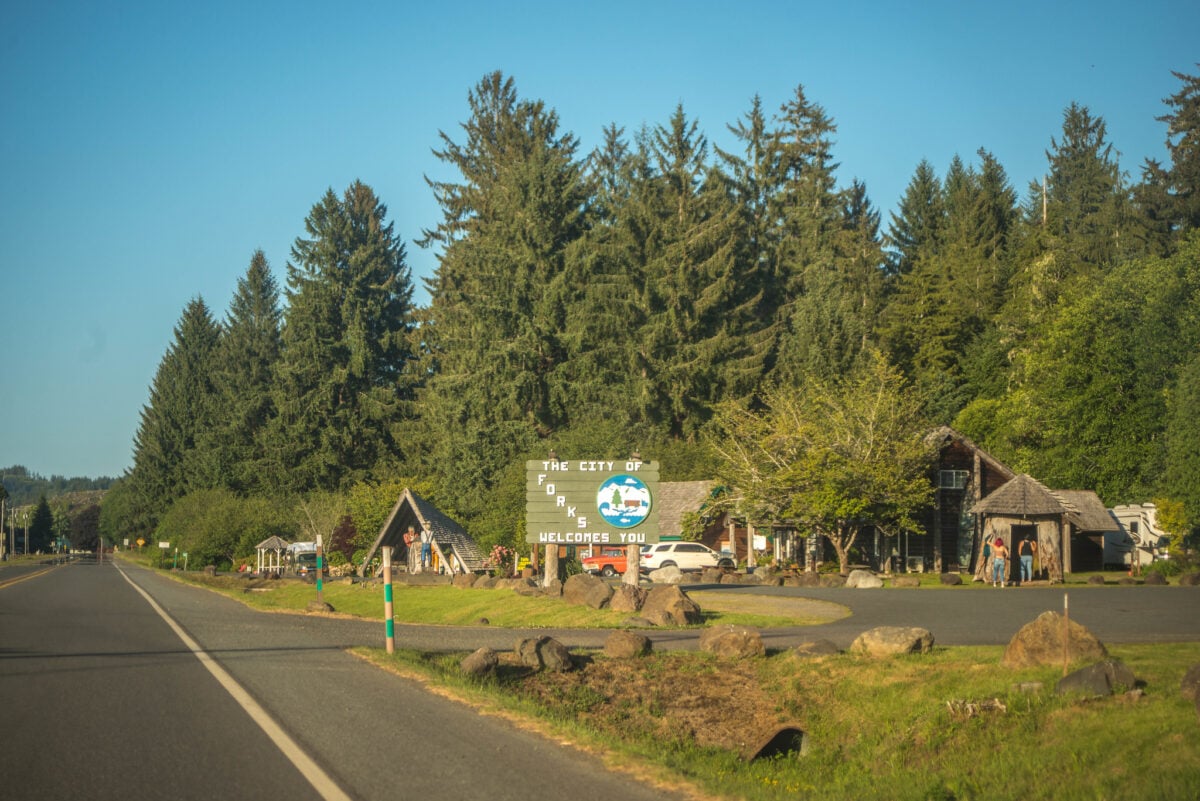
A small logging town became the center of the vampire universe, whether it wanted to or not. Forks went from population 3,000 to hosting thousands of visitors annually.
The town embraces its fictional fame with the good humor of a place that knows lightning doesn’t strike twice. Local businesses lean into the vampire theme without taking it too seriously, which turns out to be exactly the right approach.
Sometimes the best way to handle unexpected fame is to serve it with a smile and count your blessings.
Chicago (The Dark Knight)
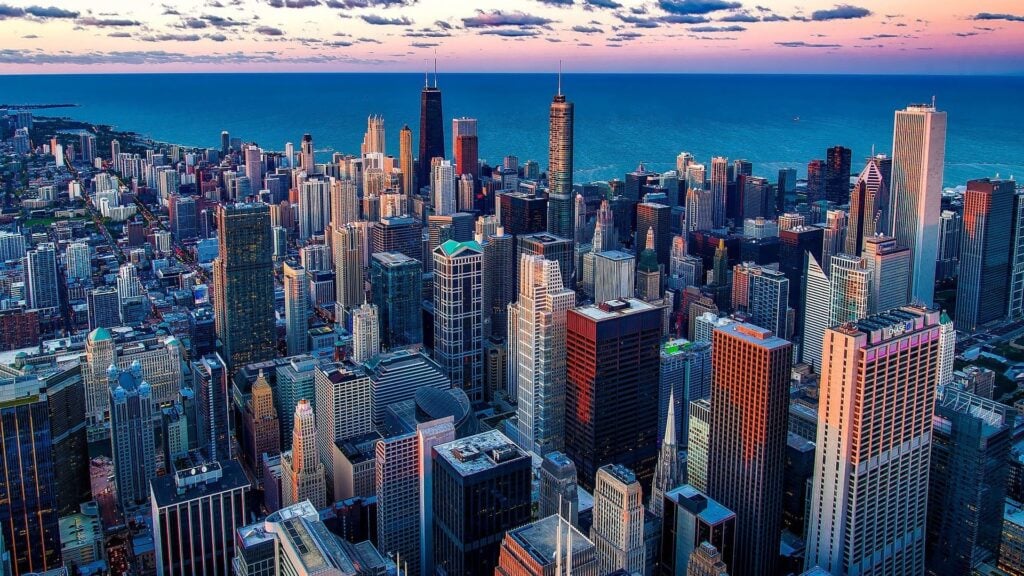
Christopher Nolan turned Chicago into Gotham, but he didn’t try to hide Chicago in the process. The city’s architecture — all that stone and steel and Art Deco grandeur — became Batman’s playground.
Lower Wacker Drive hosted the famous chase scene, but it’s the way Nolan used the entire city that matters (the underground streets, the soaring buildings, the sense of urban density that makes a masked vigilante feel not just possible but necessary). Chicago has always had a cinematic quality, but The Dark Knight proved it could carry the weight of a modern myth.
Salzburg, Austria (The Sound of Music)
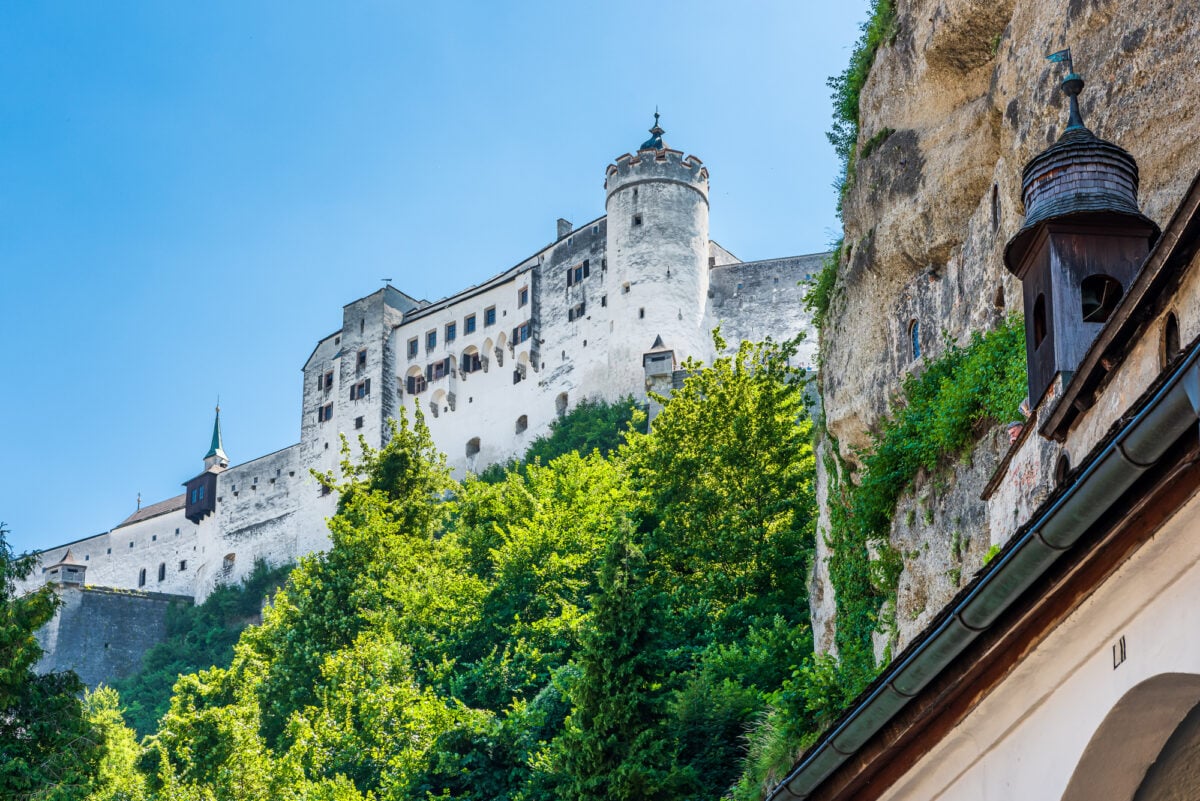
Julie Andrews spinning in that meadow, arms outstretched, mountains rising in every direction — it’s tourism gold, and Austria knows it.
The hills are indeed alive with the sound of tour buses, but somehow that doesn’t diminish the magic. The city’s baroque architecture and alpine setting create a fairy-tale backdrop that works even when you know you’re being sold something.
And let’s be honest: if you’re going to be sold something, it might as well be this beautiful.
Iceland (Multiple films including Interstellar)
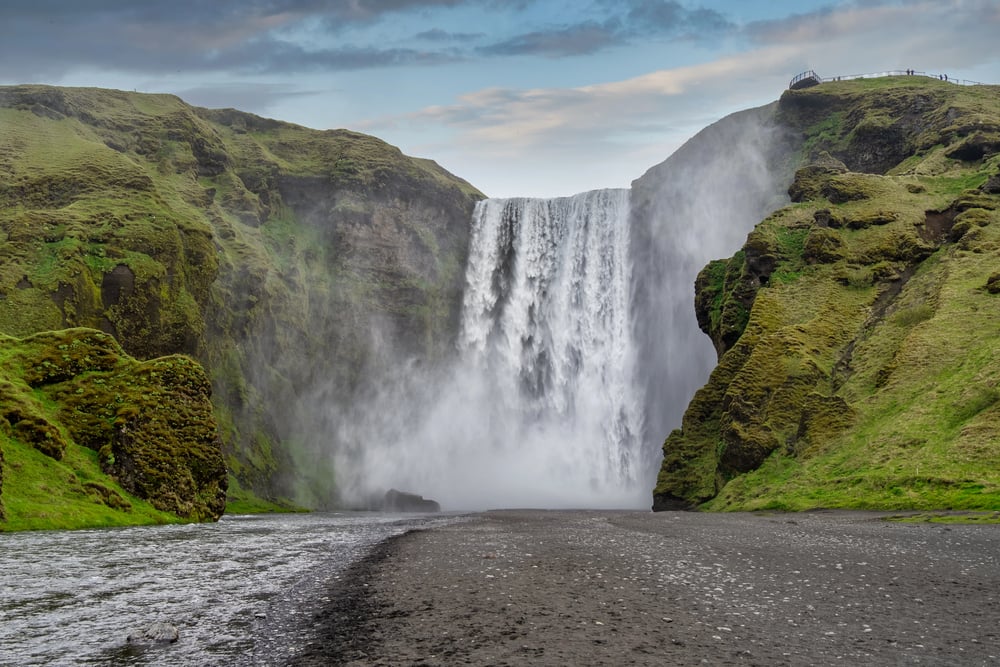
Iceland’s otherworldly landscapes have become Hollywood’s go-to location for alien planets, post-apocalyptic Earth, and anywhere else that needs to look like no place humans have seen before.
The irony, of course, is that these landscapes are very much of this Earth — they just happen to be so dramatic, so primordial, that they read as science fiction. Volcanic fields, massive glaciers, geysers shooting steam into empty sky: it’s a planet that doesn’t need special effects because it already looks impossible.
San Francisco (Vertigo)
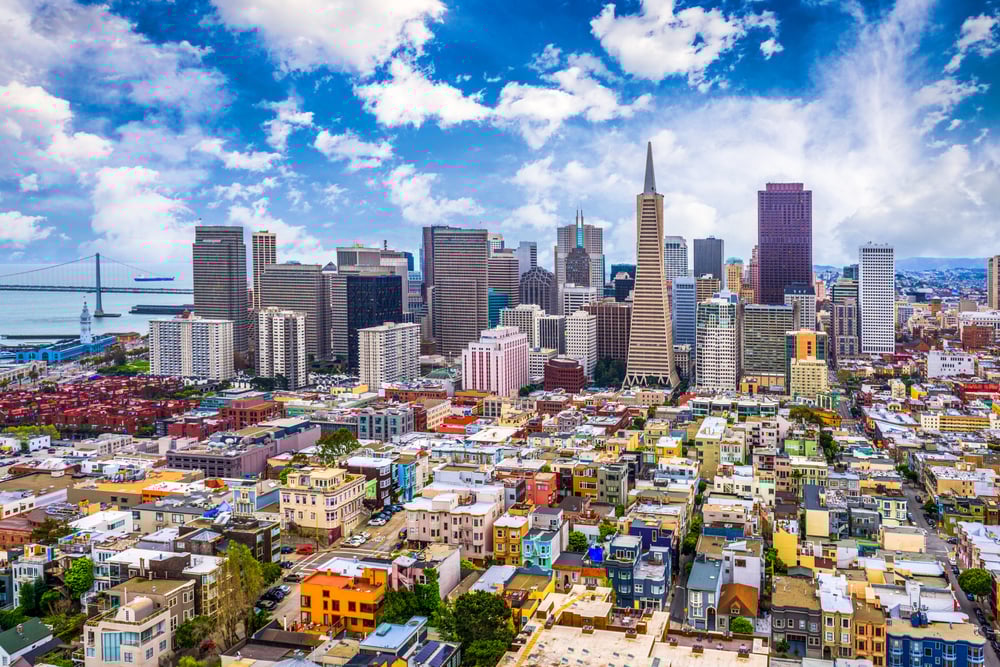
Alfred Hitchcock used San Francisco’s hills and fog and distinctive architecture to create a sense of psychological vertigo that matched his protagonist’s literal condition.
The city becomes maze-like in Hitchcock’s hands — all steep streets and sudden drops and views that seem to go on forever before disappearing into mist. Kim Novak’s character emerges from the fog like a ghost, and the city itself feels haunted.
San Francisco has hosted countless films, but none captured its particular brand of beautiful unease quite like Vertigo.
Petra, Jordan (Indiana Jones and the Last Crusade)
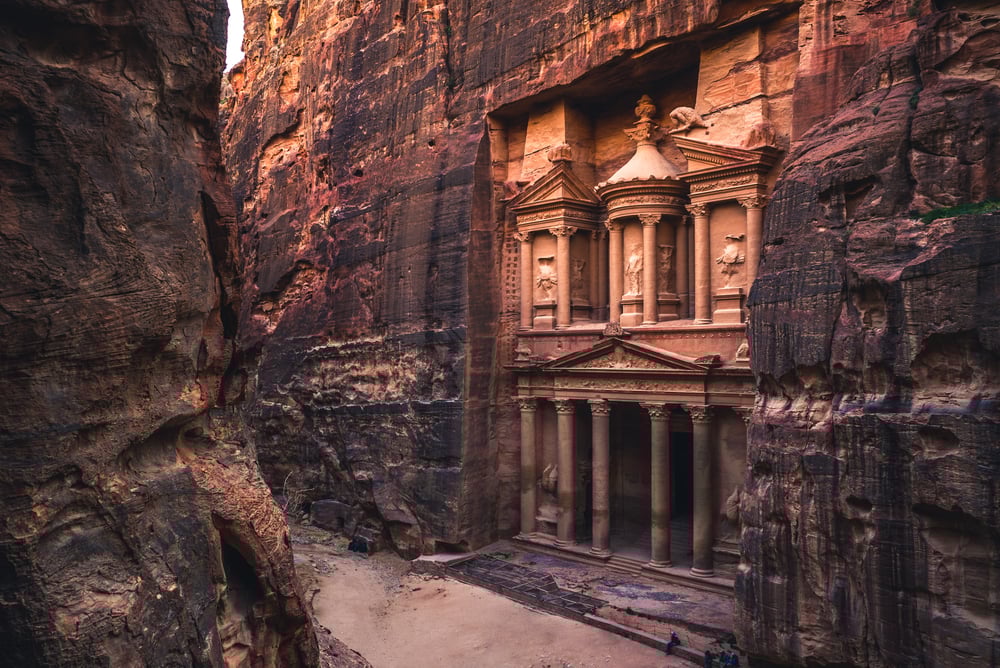
The Treasury building carved into rose-red sandstone became the entrance to the temple housing the Holy Grail. Indiana Jones needed a location that felt both ancient and mystical.
Petra delivers that sense of wonder — these elaborate facades carved directly into cliff faces by people whose civilization vanished centuries ago. The movie introduced millions of viewers to one of the world’s most spectacular archaeological sites, which seems like a fair trade.
Some places are so inherently dramatic that they make every story better just by existing.
Scotland Highlands (Braveheart)
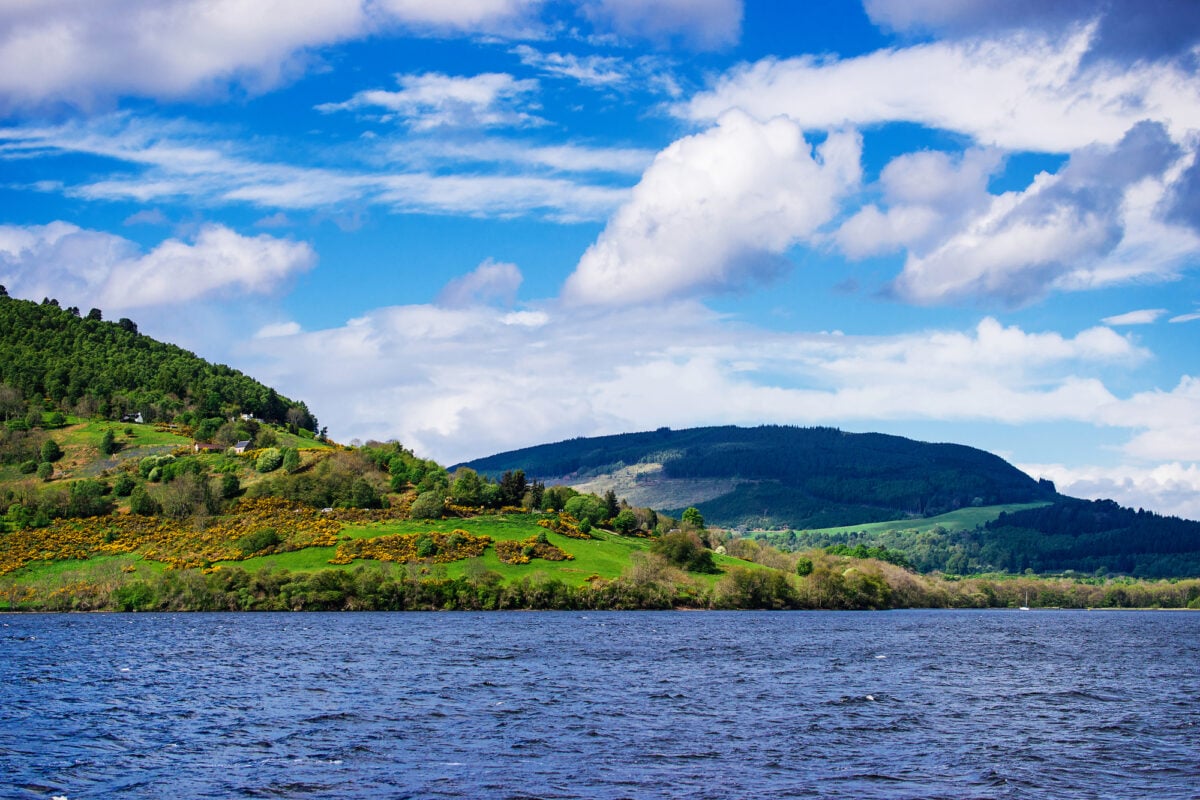
William Wallace’s Scotland needed to look wild, untamed, worth fighting for. The Scottish Highlands provided exactly that sense of fierce, unconquerable beauty.
Those rolling green hills stretching to the horizon, the sense of endless sky, the way morning mist clings to the valleys — it’s landscape as character development. You understand why someone would fight to protect this place before anyone says a word.
The tourism industry in Scotland certainly understood: Braveheart locations became pilgrimage sites for anyone wanting to feel connected to that kind of epic, mythic storytelling.
Morocco (Lawrence of Arabia)
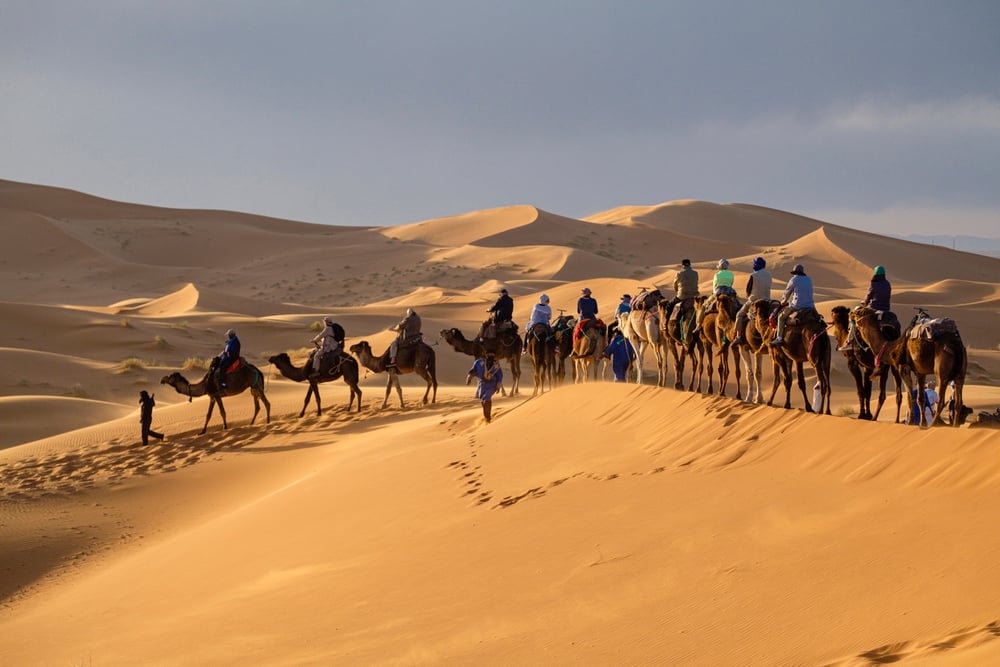
David Lean needed the desert to feel infinite, overwhelming, beautiful enough to seduce a British officer into abandoning everything he knew about himself.
The Moroccan desert provided that sense of vastness — sand dunes stretching beyond the horizon, the way heat creates mirages that make distance meaningless, the particular quality of light that makes everything look both harsh and gorgeous. Lawrence’s transformation happens in conversation with this landscape.
The desert doesn’t care about his internal conflict, but somehow that indifference creates the space where his conflict can resolve itself.
Where stories become places

These locations prove something interesting about the relationship between story and place. The best film locations don’t just provide pretty backdrops — they become part of the narrative DNA, inseparable from the characters and conflicts that play out against them.
Monument Valley is the Western, just as much as any cowboy or shootout. New Zealand is Middle-earth in a way that goes beyond clever camera work or digital effects.
And once that connection forms, it becomes permanent. These places carry their stories forward, hosting new visitors who come seeking some trace of the magic they remember from darkened theaters.
Sometimes the best souvenir from a great film isn’t a poster or a soundtrack — it’s a plane ticket.
More from Go2Tutors!

- The Romanov Crown Jewels and Their Tragic Fate
- 13 Historical Mysteries That Science Still Can’t Solve
- Famous Hoaxes That Fooled the World for Years
- 15 Child Stars with Tragic Adult Lives
- 16 Famous Jewelry Pieces in History
Like Go2Tutors’s content? Follow us on MSN.