Photos Of The World’s Most Isolated And Untouched Tribes
In a world where connectivity feels absolute and every corner of the earth seems mapped by satellites, photographed by tourists, and documented on social media, the idea of truly isolated communities can feel almost mythical. Yet scattered across remote rainforests, mountain ranges, and islands, small groups of people continue to live much as their ancestors did centuries ago.
Their stories come to us primarily through the lenses of anthropologists, journalists, and researchers who have spent years earning the trust necessary to document these vanishing ways of life.
These photographs offer more than just visual documentation — they provide windows into entirely different ways of understanding the world, organizing society, and relating to the natural environment. Each image carries the weight of cultures that have remained largely unchanged by modern civilization’s relentless march forward.
Sentinelese Of North Sentinel Island
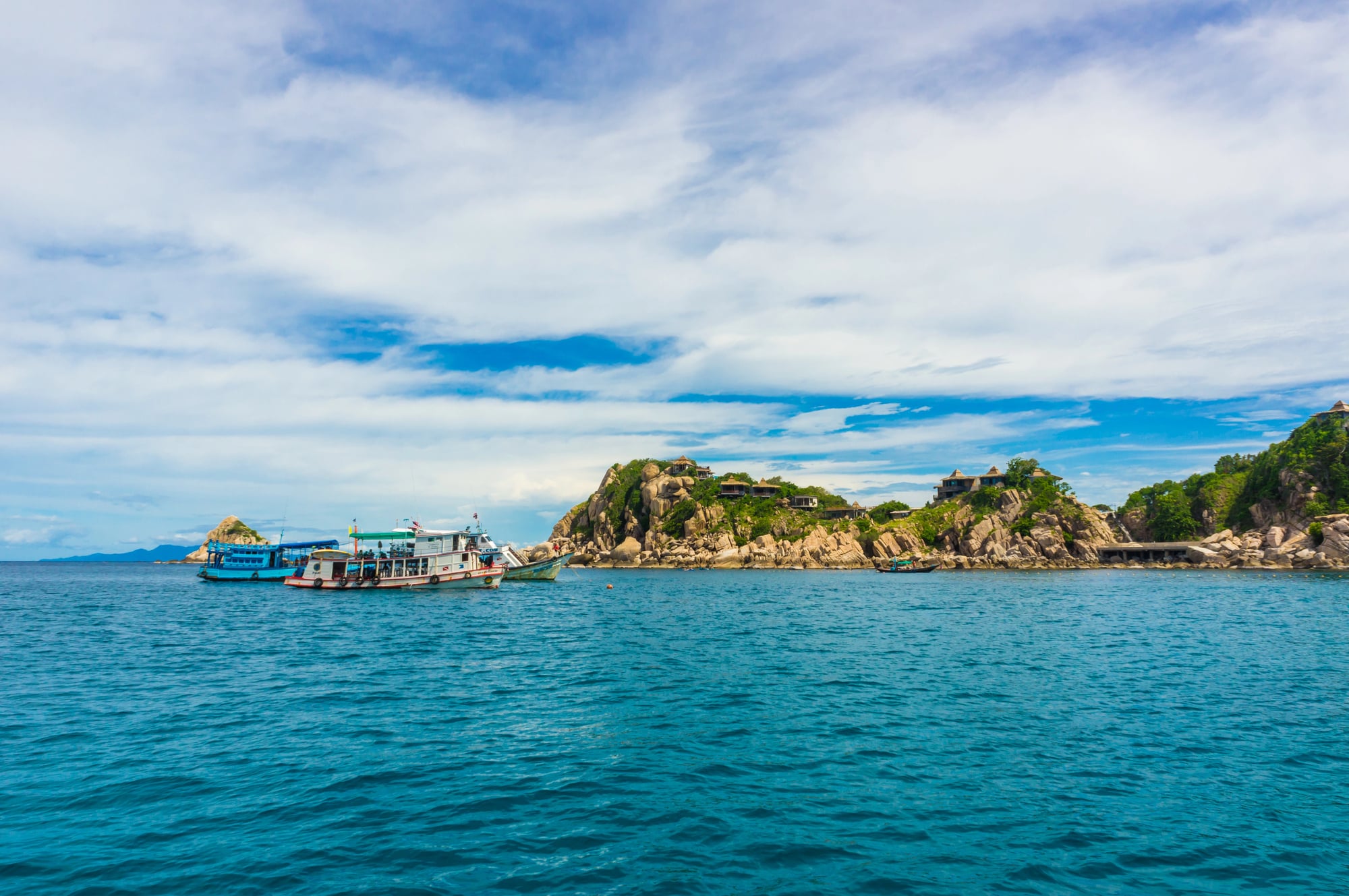
The Sentinelese remain one of the last truly uncontacted peoples on Earth. They’ve made their position clear through decades of hostility toward outsiders.
North Sentinel Island sits in the Bay of Bengal. The Indian government maintains a three-mile exclusion zone around it.
Good thing too — the Sentinelese shoot arrows at helicopters and boats that get too close.
Mashco-Piro Of Peru
When you spend your life moving through dense Amazonian forest, permanence becomes a foreign concept — settlements that might house a family for months can be abandoned overnight when food sources shift, when conflicts arise with neighboring groups, or when the forest itself seems to whisper that it’s time to move on.
The Mashco-Piro understand this rhythm better than almost any other group, and their recent emergence from complete isolation has been less like stepping into the modern world and more like carefully testing the temperature of unfamiliar water with a single toe.
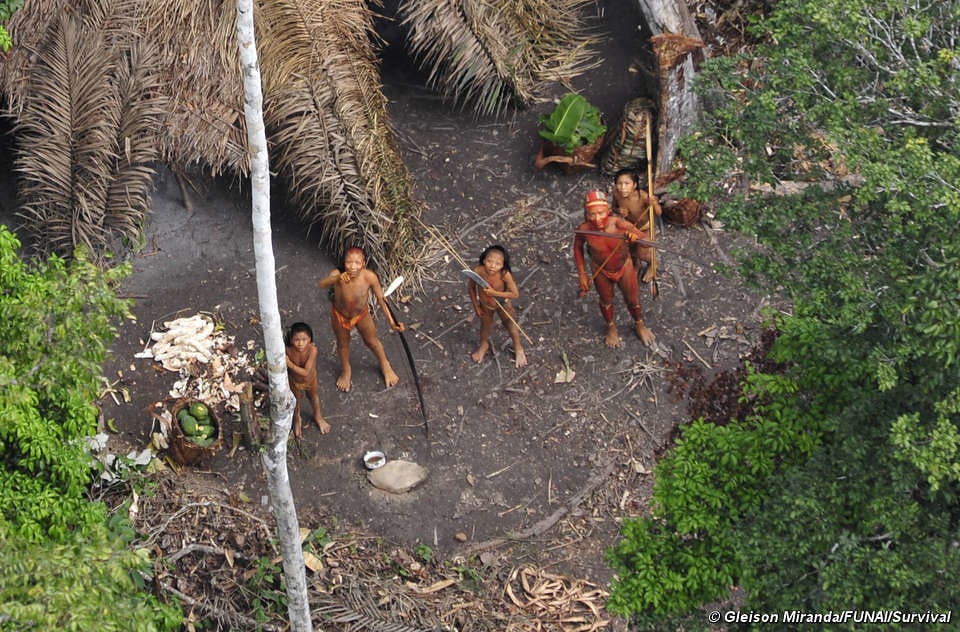
Their first documented contact came through blurry photographs taken from aircraft, showing figures on riverbanks who would vanish the moment they sensed observation.
And yet (because contact with the outside world rarely follows anyone’s careful plans), logging operations and drug trafficking have pushed deeper into their territory, forcing encounters that the Mashco-Piro never sought and creating a situation where isolation is no longer entirely their choice to make.
So what started as protective distance has evolved into something more complex: a people caught between worlds, neither fully isolated nor safely integrated, photographed now in moments that feel suspended between their past and an uncertain future.
Korowai Of Papua
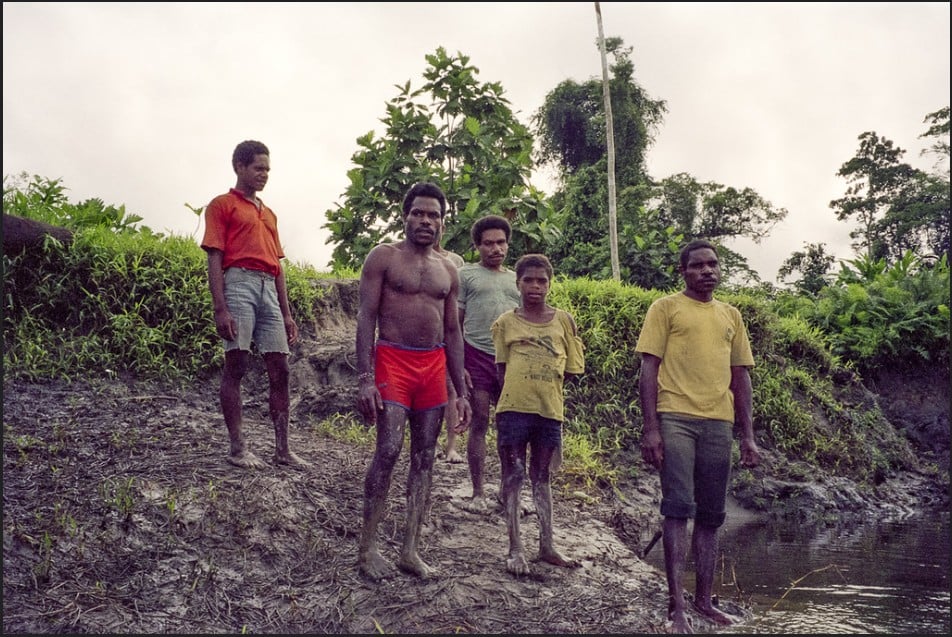
Tree houses aren’t quaint childhood fantasies when you’re living forty feet above ground to avoid both flooding and hostile neighbors.
The Korowai build their homes high in the rainforest canopy. Some dwellings reach 150 feet off the ground.
They’ve been doing this for centuries while the rest of the world figured out plumbing.
Yanomami Of Brazil And Venezuela
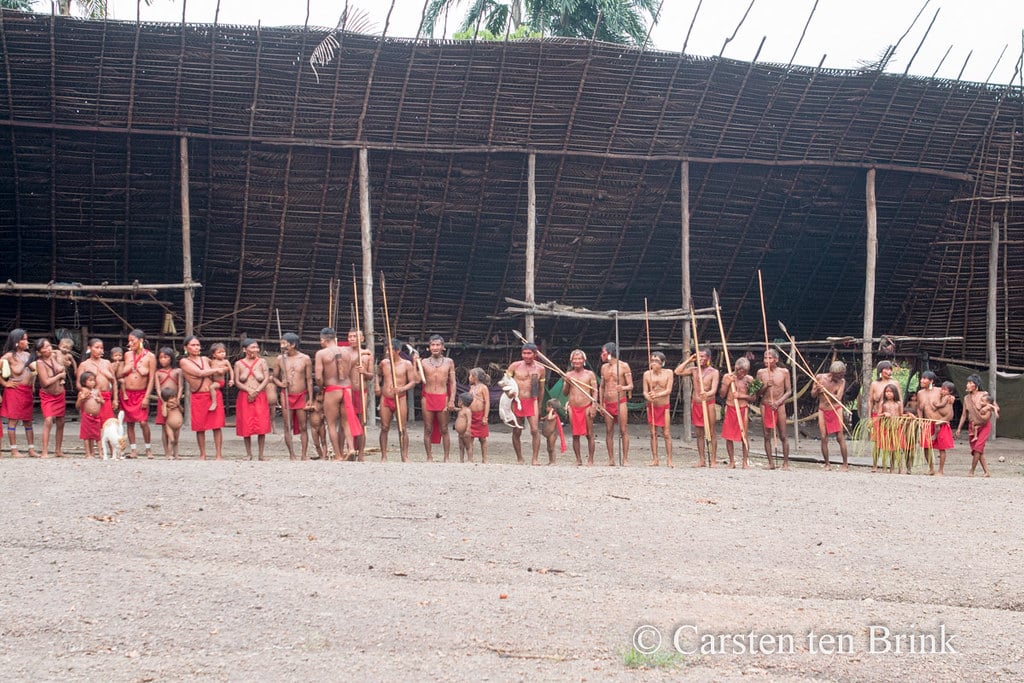
Photography among the Yanomami requires a peculiar kind of patience — the kind that recognizes when the camera should remain lowered, when the moment of trust hasn’t quite arrived, when what appears to be a perfect shot is actually an intrusion that could undo months of careful relationship-building.
Their villages exist in clearings that feel carved from the Amazon itself, circular communal houses called shabonos that can hold entire extended families under roofs made from forest materials that the Western eye might dismiss as primitive but which represent generations of accumulated knowledge about what the rainforest provides and how to work with rather than against its rhythms.
The most striking photographs of Yanomami life capture not exotic otherness but startling familiarity: children playing games that need no translation, elders whose expressions carry the weight of wisdom earned through decades of navigating both human relationships and forest dangers, moments of laughter that remind viewers that joy transcends cultural boundaries.
Even so, every image carries an undercurrent of fragility, because the Yanomami have been fighting for decades to maintain their territory against gold miners, cattle ranchers, and governments that see their lands as resources to be extracted rather than homes to be protected.
Surma Of Ethiopia
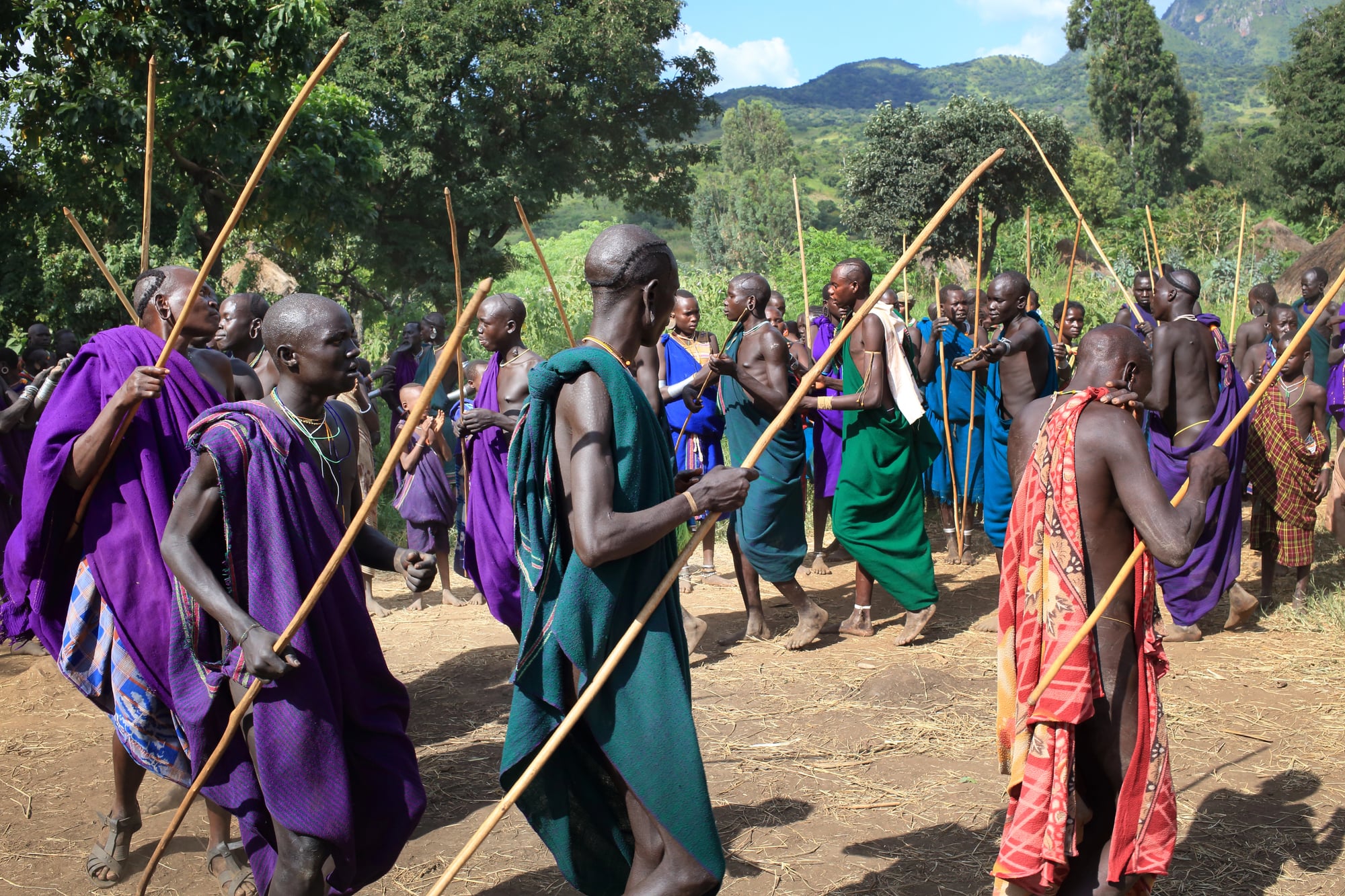
Body modification as art form reaches its peak with the Surma. The lip plates worn by women aren’t just decoration — they’re statements about beauty, identity, and social status that make fashion magazines look timid by comparison.
These aren’t tourist-friendly modifications either. The process begins in childhood and requires genuine commitment.
To be fair, anyone can get a tattoo. Few people are willing to reshape their entire appearance for their culture’s idea of beauty.
Dani Of Indonesia
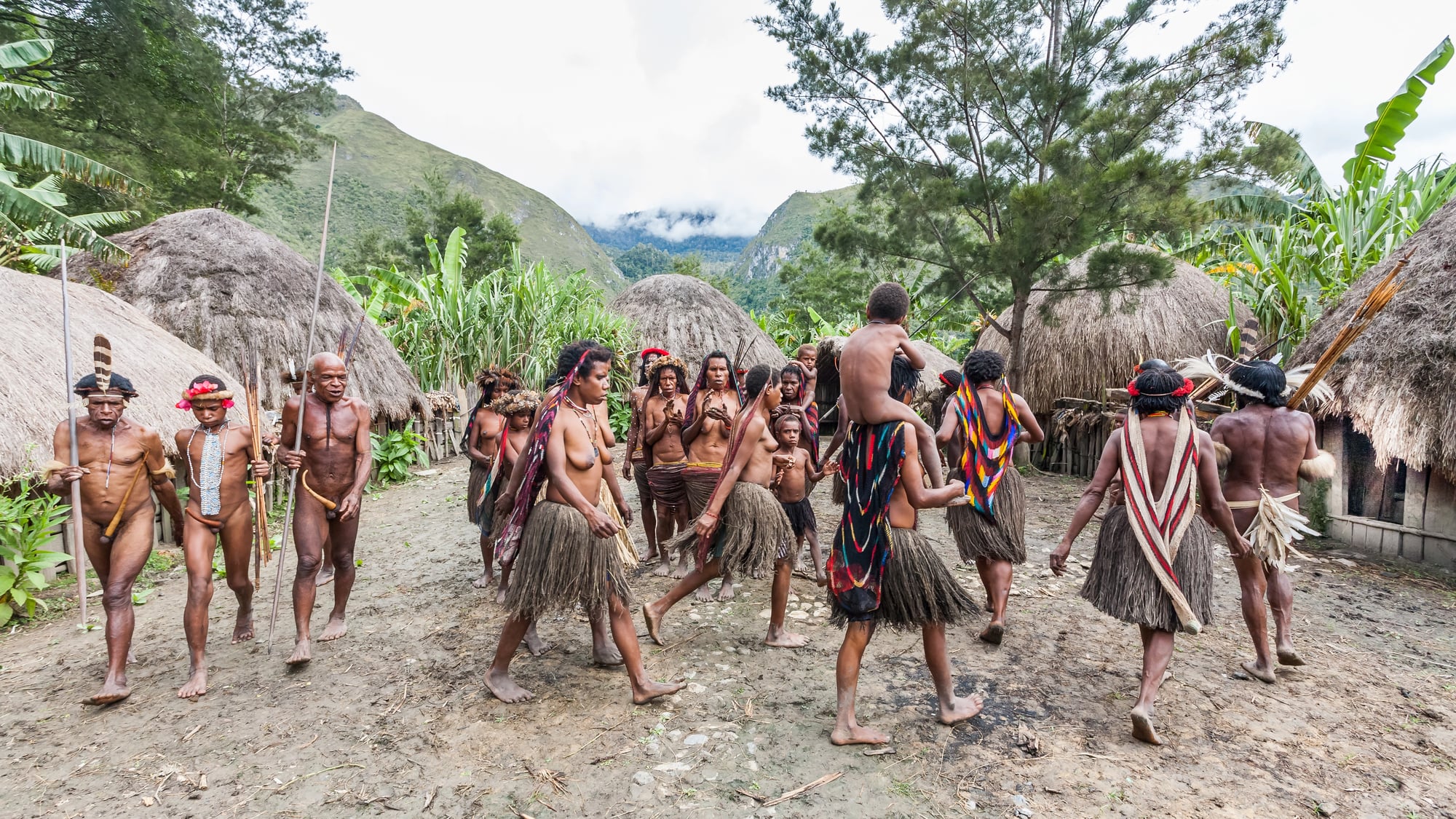
The Dani inhabit the Baliem Valley, tucked away in the mountains of Papua. Sweet potatoes form the foundation of their agriculture and their entire social structure.
Wars between villages used to be ritualized affairs. Not anymore.
The Indonesian government ended that tradition decades ago. The traditional dress and farming techniques persist though.
Photography captures what remains.
Hadza Of Tanzania
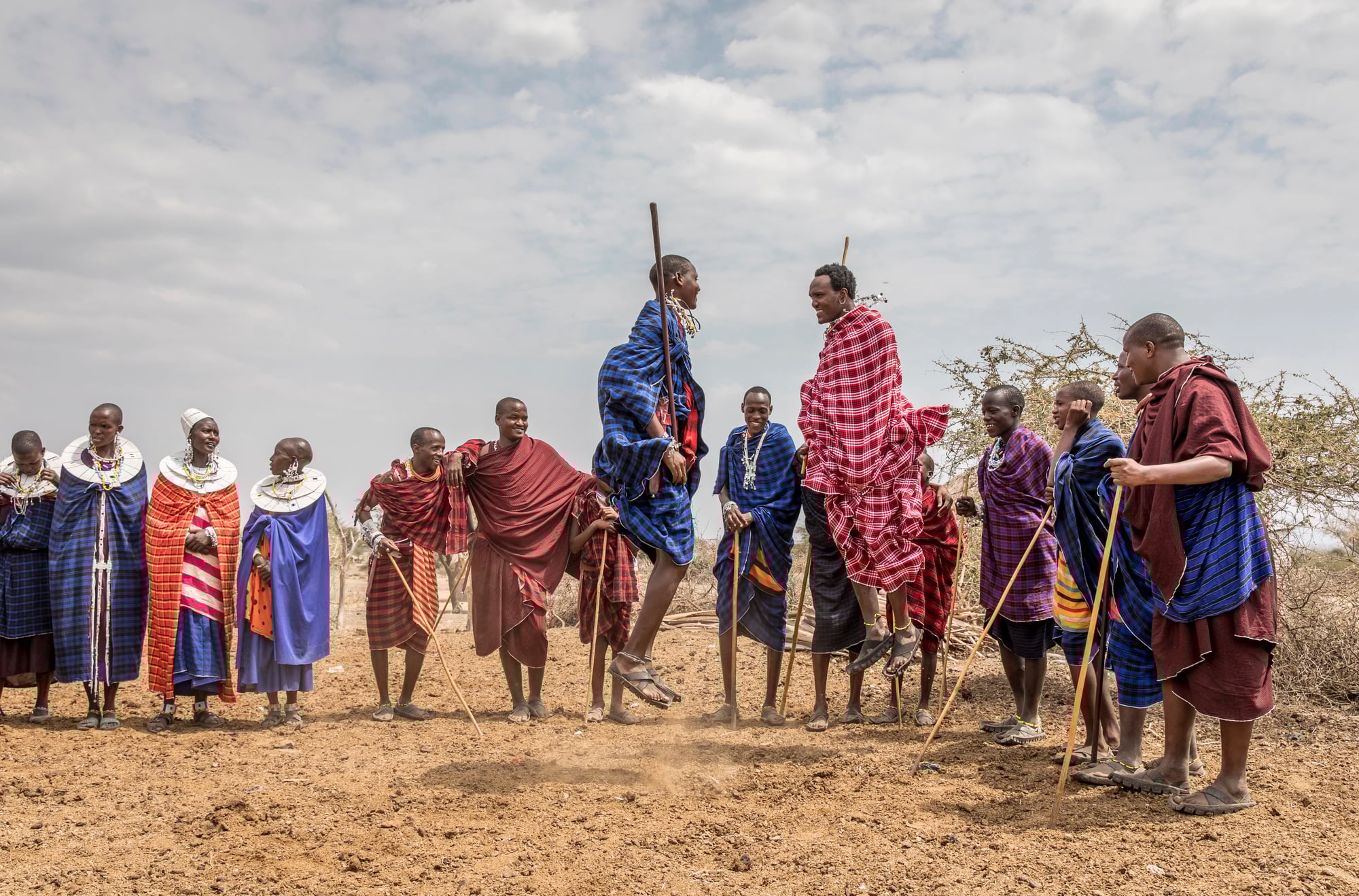
Hunting and gathering isn’t a lifestyle choice for the Hadza — it’s the only way they’ve ever organized their relationship with the East African landscape, and watching them track animals or identify edible plants reveals a depth of environmental knowledge that makes modern survival experts look like enthusiastic amateurs.
Their camps are temporary by design, small clusters of huts built from branches and grass that can be assembled or abandoned as game movements and seasonal patterns dictate, and photographing this mobility requires understanding that the Hadza don’t live on the land so much as they live with it.
What makes their photographs particularly compelling (beyond the obvious visual drama of people living without agriculture in the 21st century) is how they reveal the complexity hidden within apparent simplicity: the intricate social negotiations that determine who hunts when and where, the sophisticated understanding of animal behavior that allows successful tracking across vast territories, the oral traditions that carry ecological knowledge across generations without ever needing to be written down.
But the most powerful images aren’t the ones that emphasize their differences from modern life — they’re the ones that capture universal human moments happening within a completely different framework, reminding viewers that there are as many ways to be human as there are environments to inhabit.
Mentawai Of Indonesia
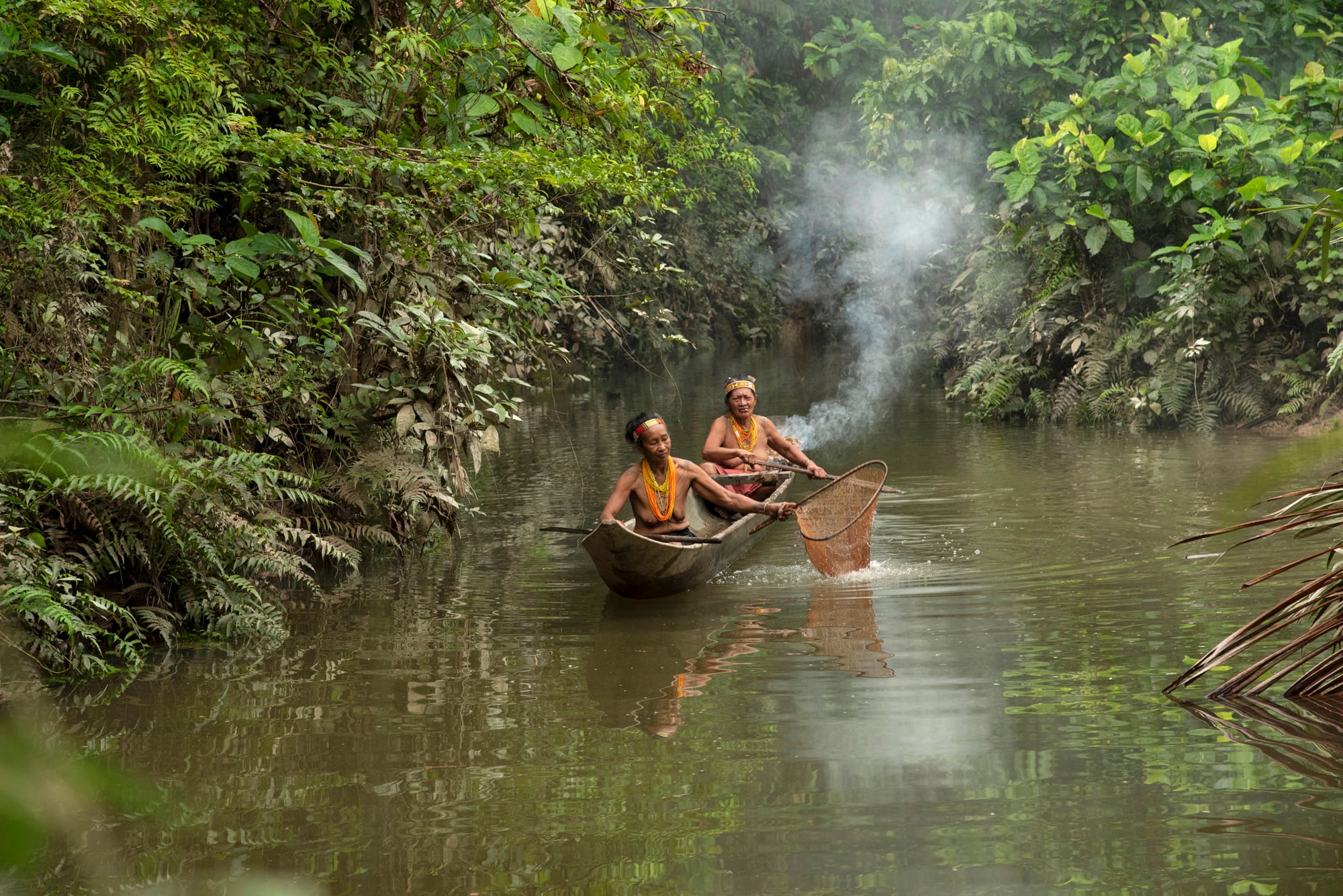
Tattoos tell stories across the Mentawai islands. Every mark carries meaning about spiritual beliefs, social position, and personal history.
The traditional tattooing process takes years to complete. It’s painful, expensive, and permanent.
Western tattoo culture borrowed the aesthetics but missed the deeper significance entirely. Which is saying something, given how seriously some people take their ink.
Awá Of Brazil
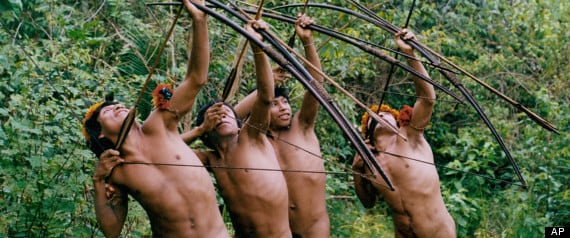
The Amazon rainforest becomes a different place entirely when viewed through Awá eyes — not a resource to be managed or a wilderness to be preserved, but a living system where human survival depends on reading subtle signs that outsiders wouldn’t even notice, where the difference between flourishing and starving comes down to understanding relationships between species that took generations to learn.
Their photographs often show people who appear to be doing very little, standing quietly in forest clearings or walking slowly along paths that seem to lead nowhere, but this apparent inactivity masks constant observation and decision-making about where to find food, how to avoid danger, and when to move to new territory.
The Awá live in small, mobile groups that leave barely any trace of their presence, and this lightness of impact isn’t environmental consciousness in the modern sense — it’s survival strategy refined over centuries by people who understood long before anyone coined the term sustainability that taking more than the forest could provide meant eventual starvation.
So their most powerful photographs aren’t the ones that emphasize their primitive tools or their lack of clothing, but the ones that capture the intense attention with which they observe their surroundings, the way they seem to listen to sounds that cameras can’t record and notice details that escape even trained photographers.
Even so, every image of Awá life now carries undertones of urgency, because their territory continues to shrink and their numbers continue to decline, making each photograph both documentation and elegy.
Himba Of Namibia
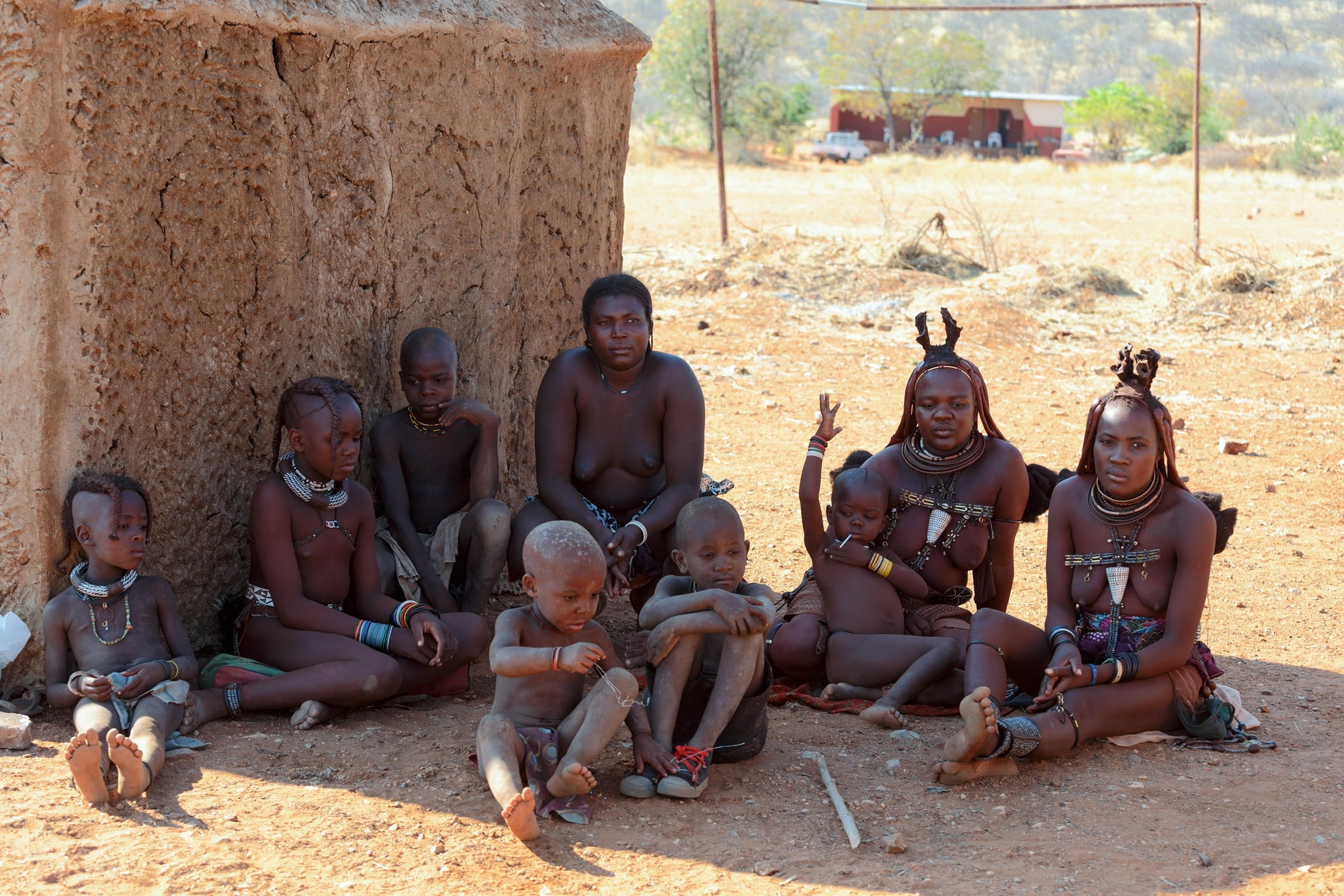
Red ochre and butterfat create the distinctive appearance of Himba women. It’s not makeup — it’s protection against the harsh desert sun and a statement about cultural identity that survives in one of Africa’s most unforgiving environments.
The mixture takes hours to apply properly. It stains everything it touches.
Modern conveniences would make the process unnecessary, but the Himba aren’t interested in modern conveniences that erase who they are.
Penan Of Borneo
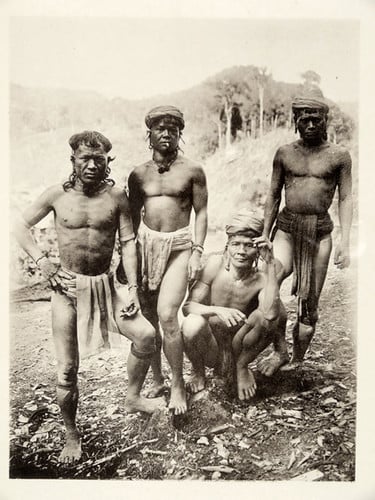
Nomadic life in the rainforest requires a kind of geographical intimacy that settled peoples rarely develop — every tree, every water source, every animal path becomes part of a mental map so detailed and so essential for survival that losing it would mean death, and the Penan have been creating and maintaining these maps for centuries without ever writing anything down.
Their knowledge of the forest runs so deep that they can identify individual trees by their bark patterns, predict weather changes from subtle shifts in animal behavior, and find food sources that would be invisible to outsiders even when pointed out directly.
What makes Penan photographs particularly poignant is how they document a way of life that’s disappearing not through choice but through force — logging operations have been destroying their forest home for decades, palm oil plantations continue to replace ancient trees with neat rows of cash crops, and the Malaysian government has been pressuring them to abandon nomadic life for permanent settlements where their forest knowledge becomes irrelevant overnight.
But the most striking images aren’t the ones that emphasize this loss directly; they’re the ones that capture moments of ordinary life lived with extraordinary skill, showing people who’ve achieved something close to perfect adaptation to their environment just as that environment is being systematically destroyed around them.
The irony cuts both ways: Penan photographs often reach audiences through the same global systems that are eliminating Penan territory, creating a situation where the more people learn about traditional forest life, the less forest remains to sustain it.
Tsaatan Of Mongolia
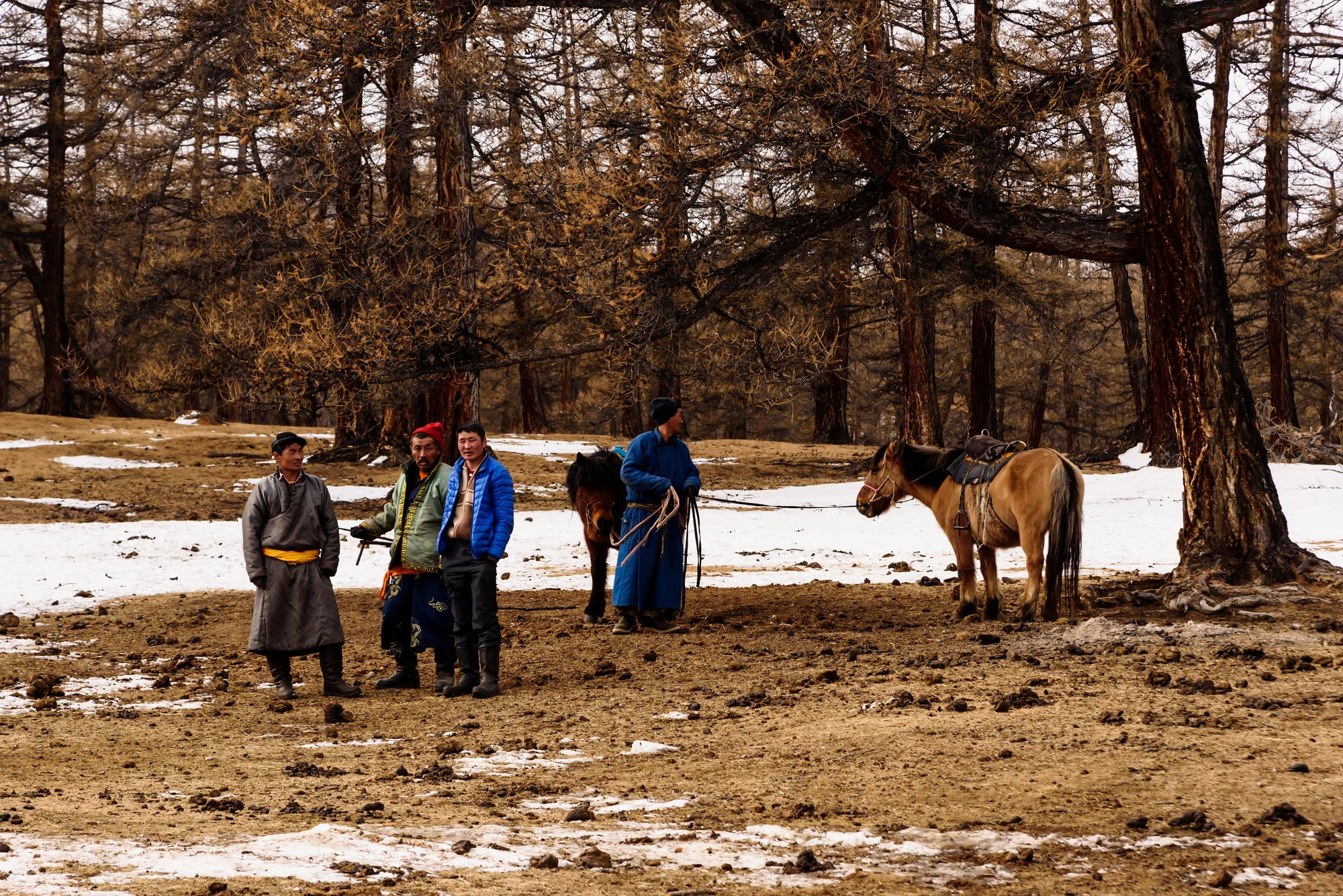
Reindeer herding in the mountains of Mongolia isn’t a romantic throwback to simpler times. It’s a specialized relationship with animals and landscape that requires knowledge most people couldn’t acquire in several lifetimes.
The Tsaatan follow reindeer migration patterns across terrain that would challenge experienced mountaineers. They do it with children, elderly relatives, and everything they own packed on animals.
Their photographs capture competence that makes adventure tourism look like amateur hour.
Kawahiva Of Brazil
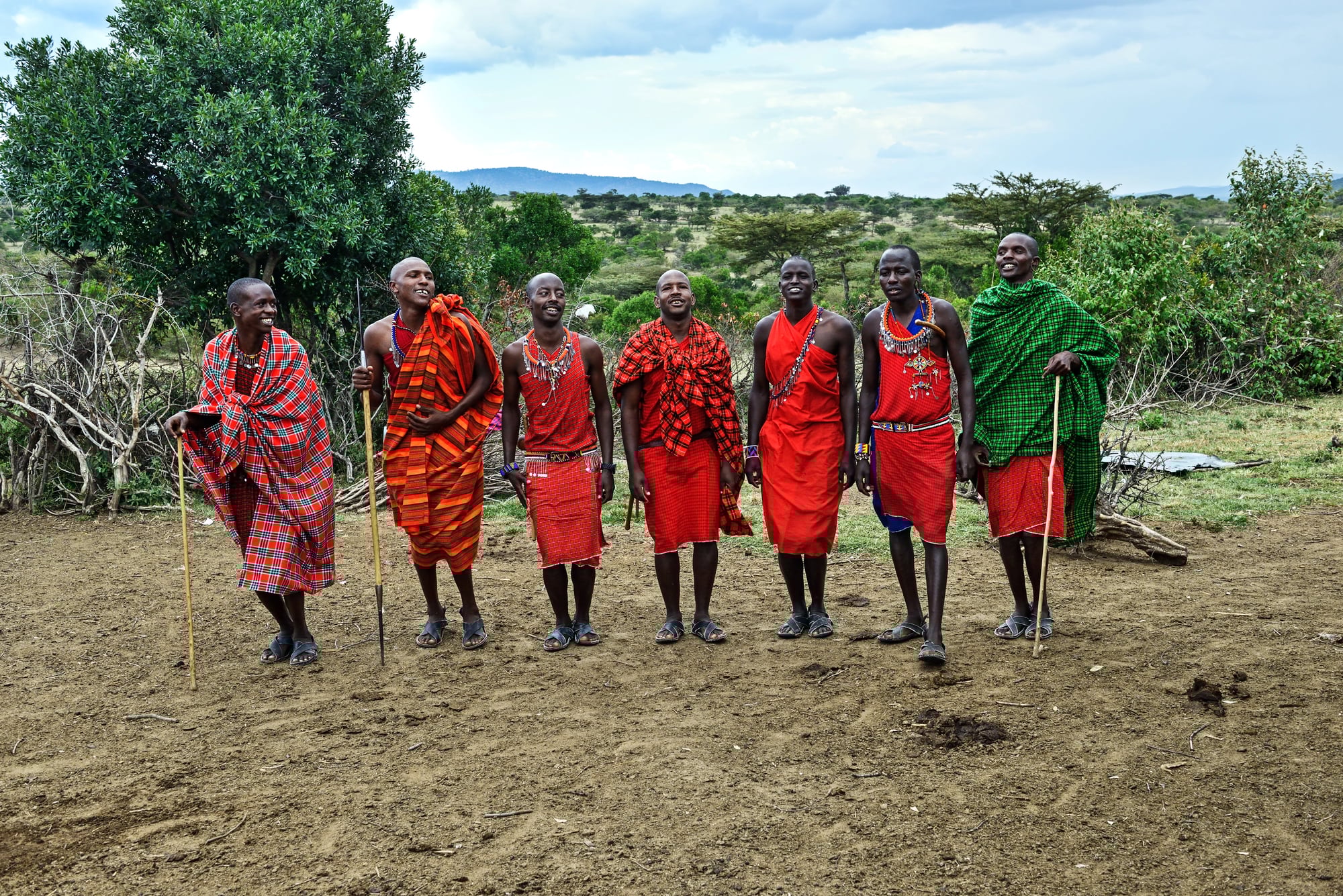
Contact with the Kawahiva remains so limited that their photographs feel more like evidence than documentation — grainy images captured by surveillance cameras or distant telephoto lenses, showing figures moving through forest clearings who remain largely unknown to the outside world despite decades of advocacy efforts on their behalf.
What little footage exists shows temporary shelters, fire sites, and paths that suggest a people living in constant movement, probably to avoid both hostile encounters with outsiders and conflicts with neighboring indigenous groups whose own territories have been compressed by deforestation and development.
Even so, these fragmentary images carry unusual weight because they represent one of the last truly uncontacted groups in the Amazon, people whose lives continue to unfold according to patterns that predate European arrival in the Americas and who’ve managed to maintain that continuity despite centuries of pressure to integrate or disappear.
Where The Photographs End
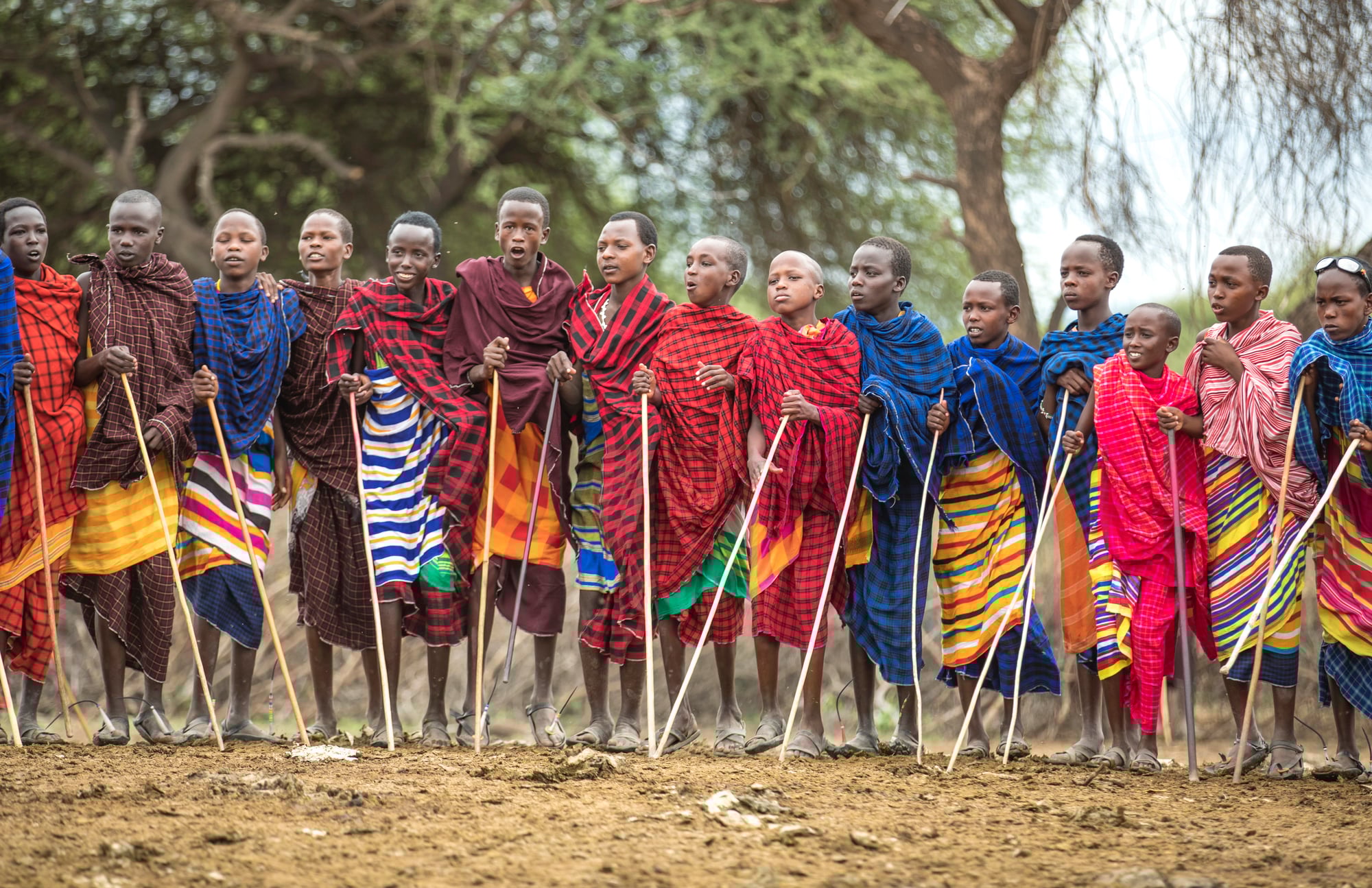
The camera’s limitation becomes most apparent when documenting people who never asked to be seen. Every photograph represents a choice — by the subject to allow the image, by the photographer to capture it, by editors to publish it, by viewers to look.
For isolated tribes, this chain of choices often begins with decisions they didn’t make and ends with consequences they can’t control.
These images preserve something invaluable: proof that humans have found countless ways to organize societies, solve problems, and create meaning. They also mark something irreplaceable disappearing.
The photographs remain after the villages have been abandoned, after the languages have gone silent, after the knowledge has been lost. In that sense, they’re both celebration and memorial, capturing ways of being human that the modern world struggles to make room for.
More from Go2Tutors!

- The Romanov Crown Jewels and Their Tragic Fate
- 13 Historical Mysteries That Science Still Can’t Solve
- Famous Hoaxes That Fooled the World for Years
- 15 Child Stars with Tragic Adult Lives
- 16 Famous Jewelry Pieces in History
Like Go2Tutors’s content? Follow us on MSN.