Iconic Hairstyles and the Stories Behind Them
Hair has always been more than just strands growing from our heads. Throughout history, the way people styled their hair became a form of rebellion, identity, creativity, and sometimes even political statements.
From royal courts to music stages, certain hairstyles captured the imagination of entire generations and refused to fade away. Some were born out of necessity, others from pure artistic vision, but all of them left a mark that still influences how we think about personal style today.
So let’s dive into the hairstyles that changed the game and the fascinating stories that brought them to life.
The Bob
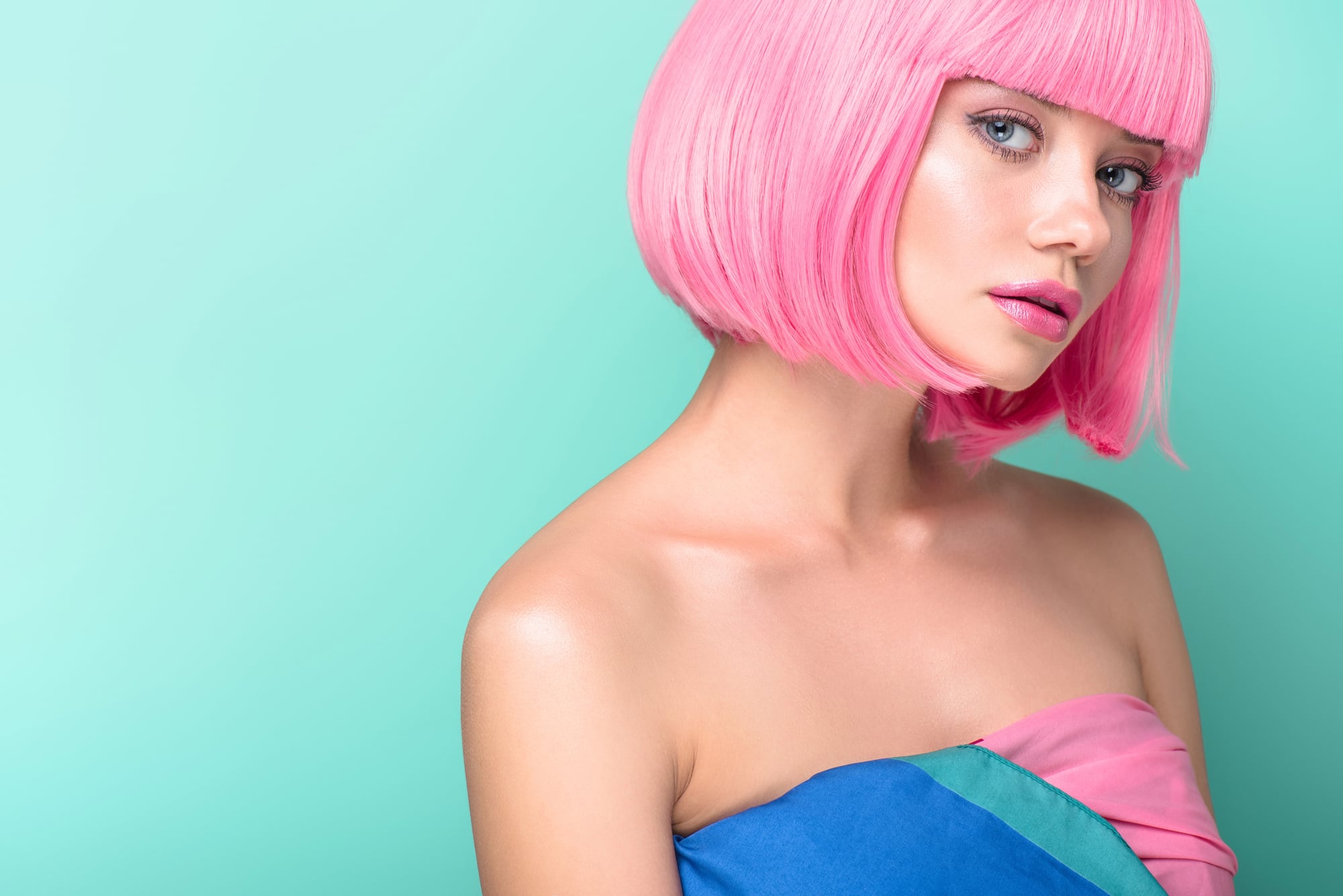
When French actress and dancer Irène Castle chopped off her long locks in 1915, she had no idea she was about to start a revolution. Women at the time were expected to keep their hair long and pinned up, but Castle needed something practical for her performances.
The short, chin-length cut she debuted shocked society and thrilled young women who were tired of spending hours managing their hair. By the 1920s, the bob had become the symbol of the flapper movement, representing women’s newfound freedom and independence after World War I.
Going to a barbershop instead of a salon became an act of defiance, and conservative groups actually called the style dangerous to traditional values.
Elvis Presley’s Pompadour
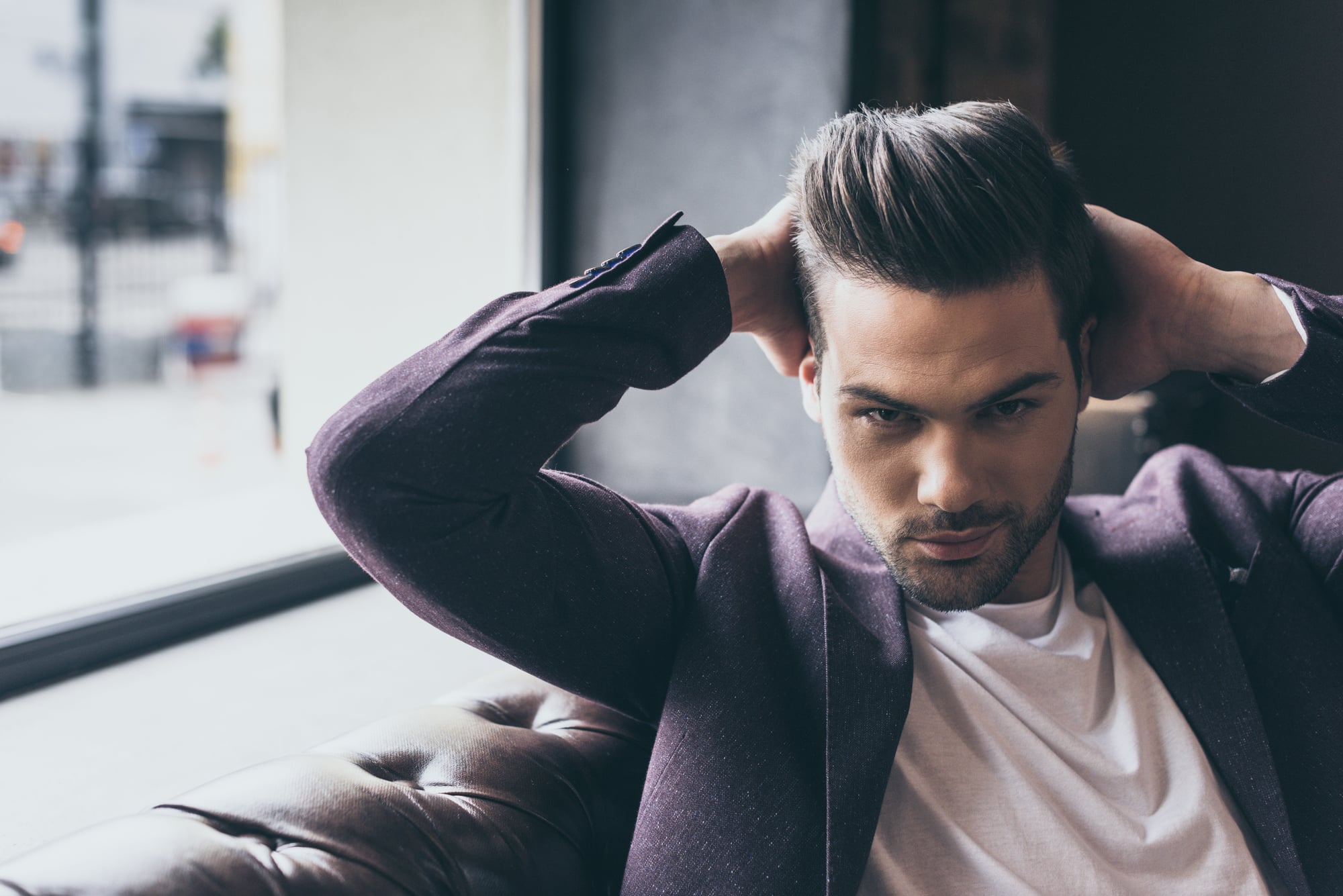
Elvis didn’t invent the pompadour, but he made it legendary. The King of Rock and Roll spent serious time perfecting his towering hairdo, which required heavy-duty products and constant maintenance throughout the day.
His look combined the rebellious spirit of 1950s youth culture with a touch of old Hollywood glamour. The style involved combing the hair up and back from the face, creating volume that seemed to defy gravity itself.
Young men across America started copying the look, much to the horror of their parents who saw it as a sign of juvenile delinquency and disrespect for authority.
Marie Antoinette’s Pouf
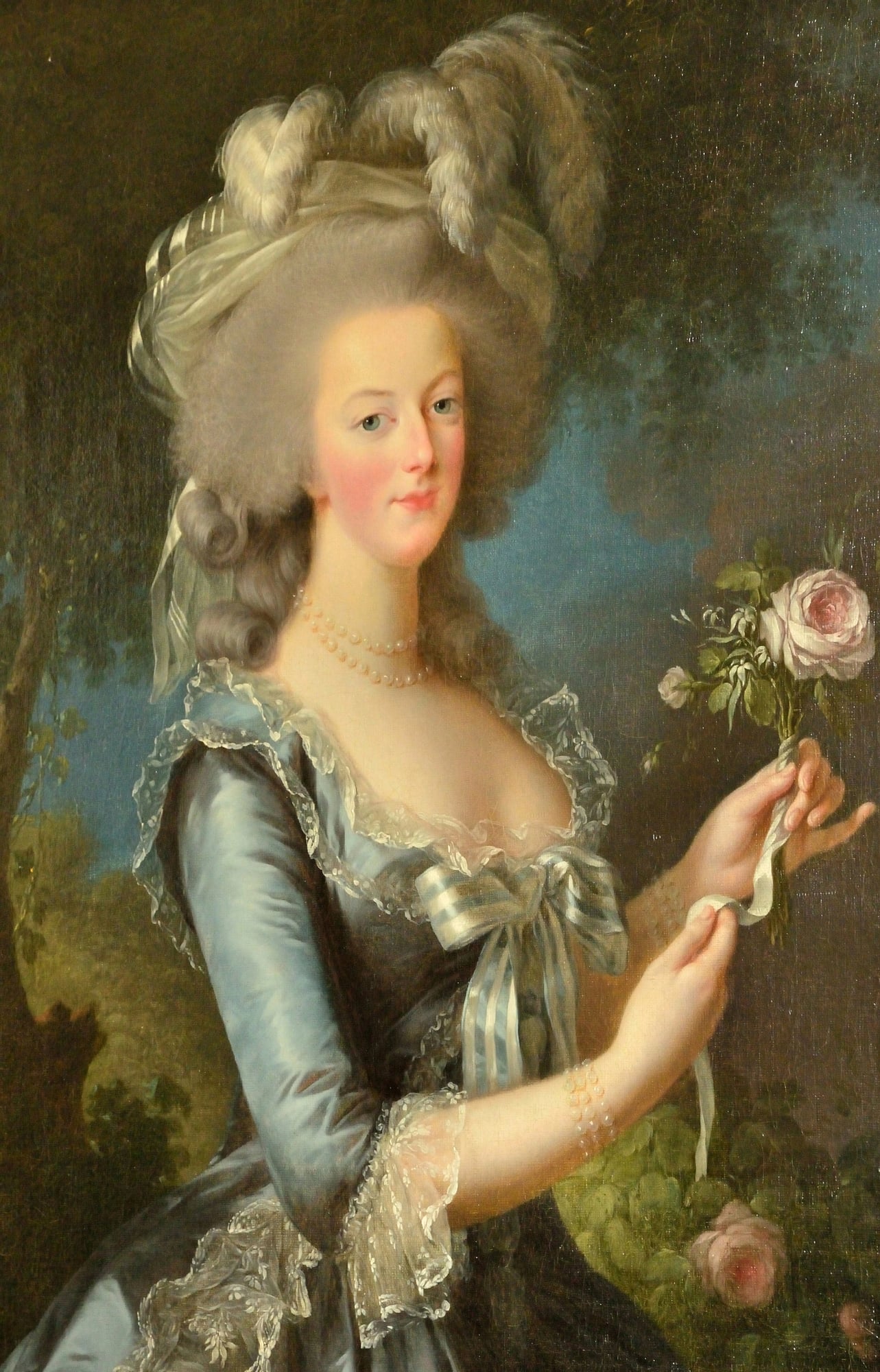
The French queen took hair to heights that literally required architectural planning. Her hairstylist, Léonard Autié, created towering structures that could reach three feet high and often included decorations like model ships, bird cages, and fruit arrangements.
These creations required wire frames, false hair, and sometimes took hours to construct. Women would keep these styles for weeks, leading to some pretty gross hygiene issues and even rumors of mice nesting in the elaborate designs.
The excessive nature of these hairstyles became a symbol of the royal family’s disconnect from ordinary French citizens, contributing to the anger that eventually led to the French Revolution.
The Afro
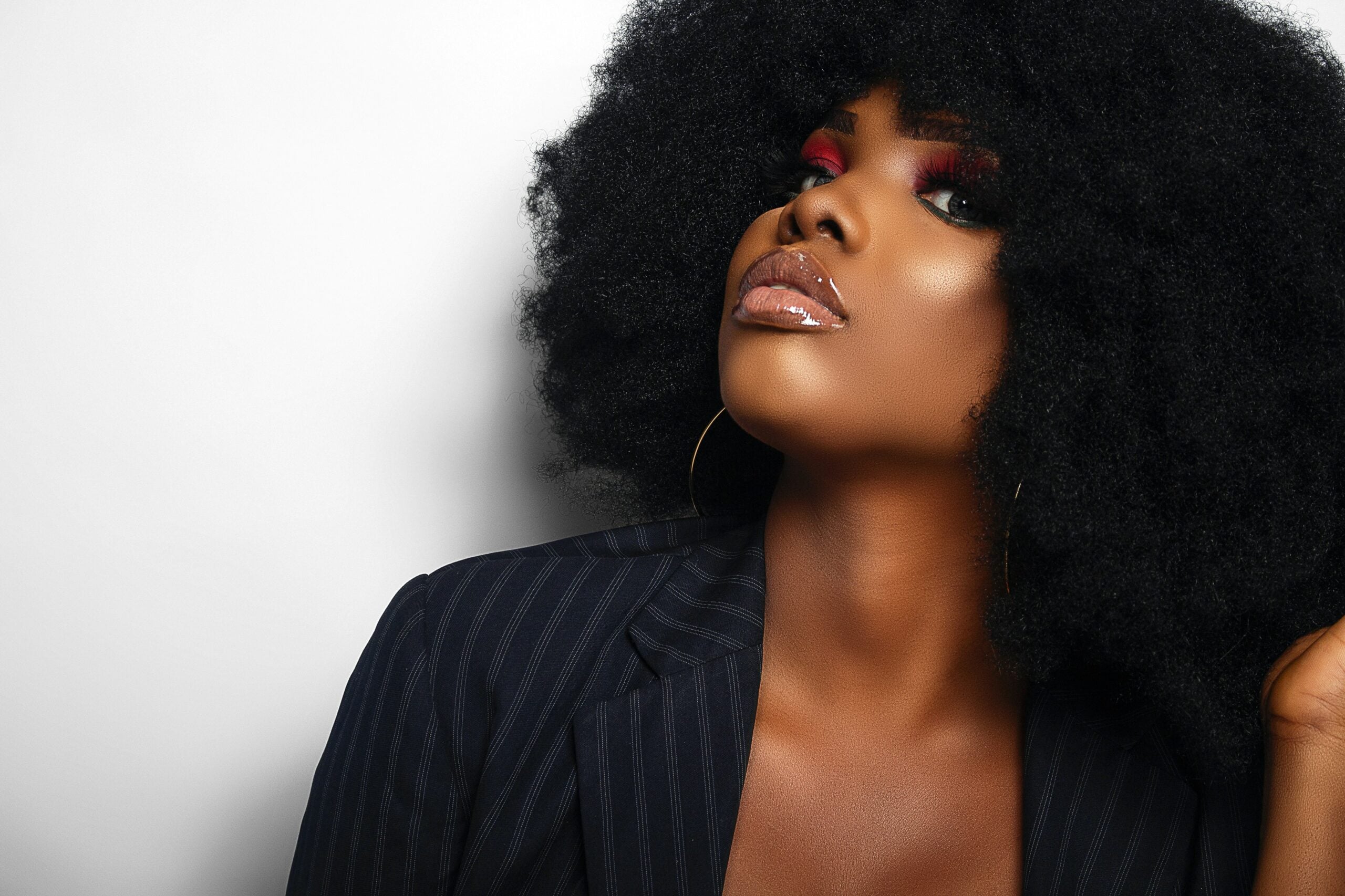
This natural hairstyle became a powerful symbol of Black pride and resistance during the 1960s and 1970s. For generations, Black Americans had been pressured to straighten their hair to conform to white beauty standards, but the civil rights movement sparked a change in thinking.
Activists like Angela Davis wore large, rounded Afros that celebrated African heritage and rejected assimilation. The style required letting hair grow out in its natural texture and shaping it into a rounded silhouette.
Despite being completely natural, the Afro was considered threatening by many in mainstream white society, and people faced discrimination in workplaces and schools for wearing their hair this way.
The Mullet

Business in the front, party in the back became the unofficial motto of this controversial cut. While the exact origins remain debated, the mullet gained massive popularity in the 1980s among rock musicians, athletes, and everyday people looking for an edgy style.
David Bowie rocked an early version in the 1970s, but it was stars like Billy Ray Cyrus and Andre Agassi who made it a cultural phenomenon. The practical appeal was that it looked professional from the front while still showing off long hair in the back, satisfying both workplace dress codes and personal expression.
Today it’s mostly remembered as a fashion mistake, though it has made ironic comebacks among younger generations.
Cleopatra’s Blunt Bangs

The Egyptian queen’s signature look has remained iconic for over two thousand years. Cleopatra wore her black hair cut straight across her forehead with the rest falling to her shoulders in a sleek, geometric style.
Egyptians valued symmetry and cleanliness in their appearance, and this hairstyle reflected those ideals perfectly. Rich Egyptians often wore wigs made from human hair or plant fibers because the desert heat made natural hair uncomfortable.
The distinctive bangs and shoulder-length cut became so associated with ancient Egypt that modern costume designers automatically reach for this style when depicting the era.
The Farrah Fawcett
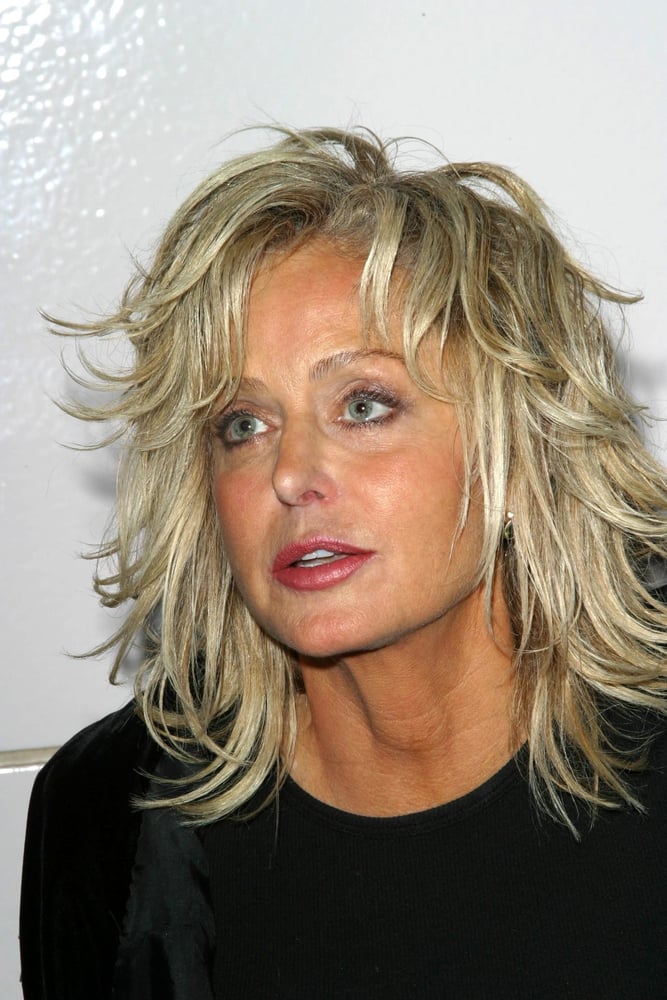
One poster changed hair trends across America in 1976. When Farrah Fawcett appeared on television in the show Charlie’s Angels, her feathered, layered hairdo sent millions of women running to salons.
The style featured layers that flipped outward away from the face, creating a windswept effect that looked effortlessly glamorous. Achieving the look required a specific cutting technique, round brushes, and lots of blow-drying time.
Fawcett herself grew tired of the style and wanted to be known for her acting, but the haircut overshadowed her career and became more famous than any role she ever played.
The Mohawk
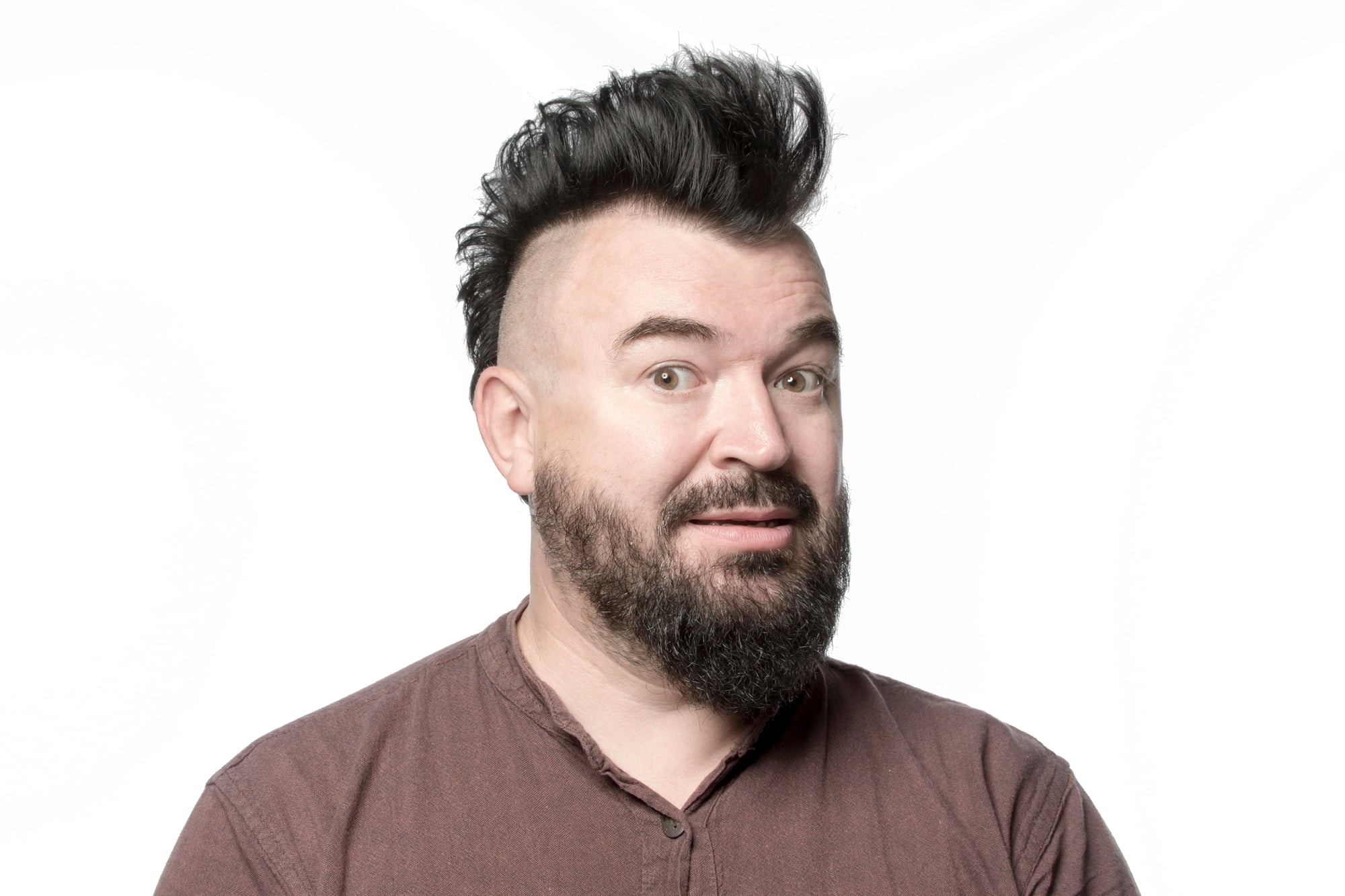
Contrary to popular belief, this dramatic style wasn’t invented by punk rockers in the 1970s. The Mohawk Nation and other Native American tribes had worn variations of this hairstyle for centuries, often as a warrior tradition.
When punk musicians adopted it in the late 1970s, they shaved the sides of their heads and styled the remaining strip of hair into tall spikes using glue, soap, or other stiffening agents. The look was meant to shock mainstream society and express rebellion against conventional values.
Despite its aggressive appearance, the style connected modern counterculture to ancient traditions in ways most wearers probably didn’t fully realize.
Victory Rolls
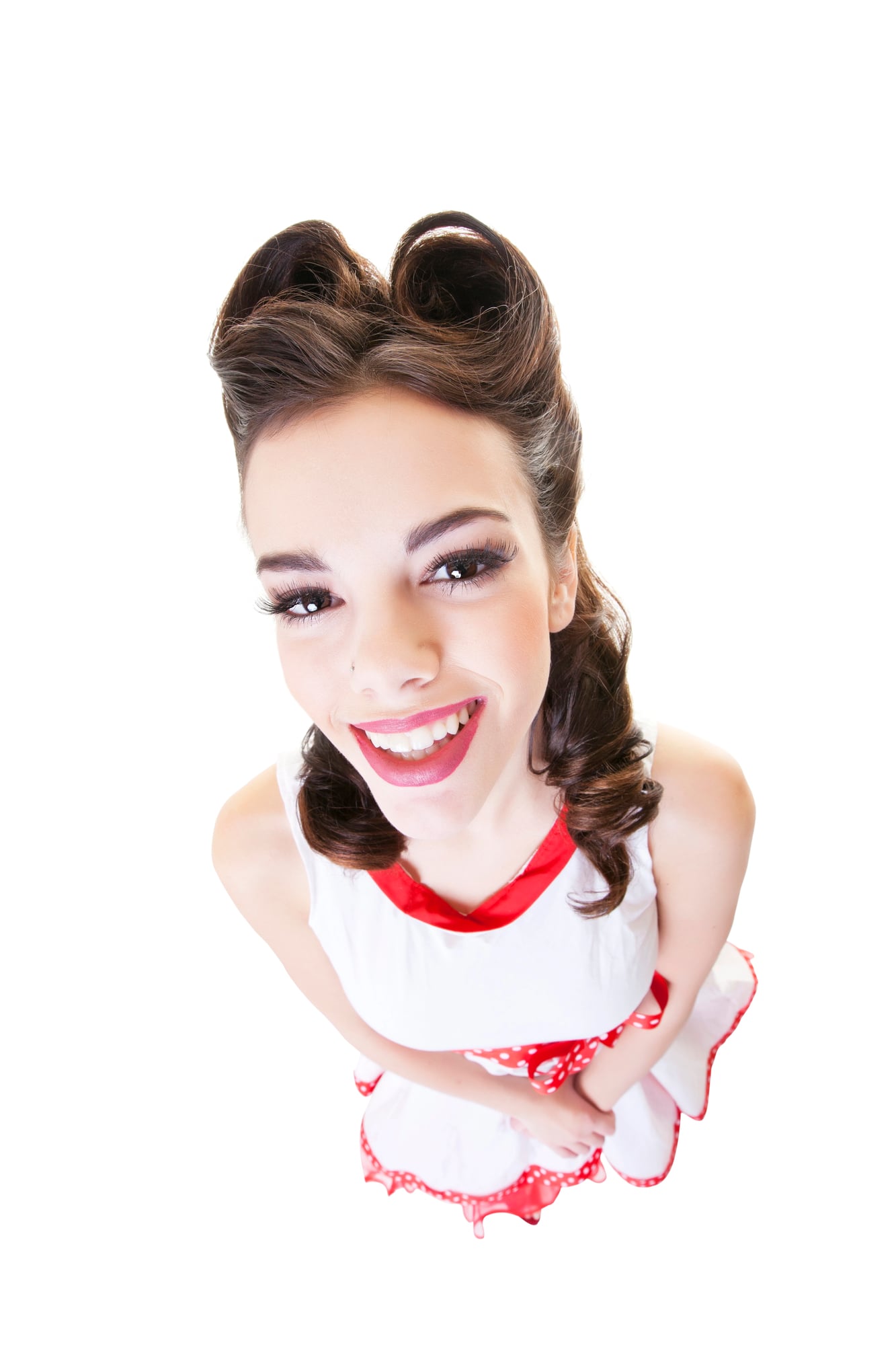
World War II created an unlikely beauty trend that defined 1940s glamour. With so many men away fighting, women entered the workforce in huge numbers and needed hairstyles that looked good but stayed out of the way in factories.
Victory rolls involved sectioning hair and rolling it inward toward the scalp, creating rounded shapes that framed the face. The name referenced the barrel rolls that fighter pilots performed in the air.
Women could create the style fairly quickly at home, and it used less hair product than other elaborate looks, which mattered during wartime rationing.
The Beehive
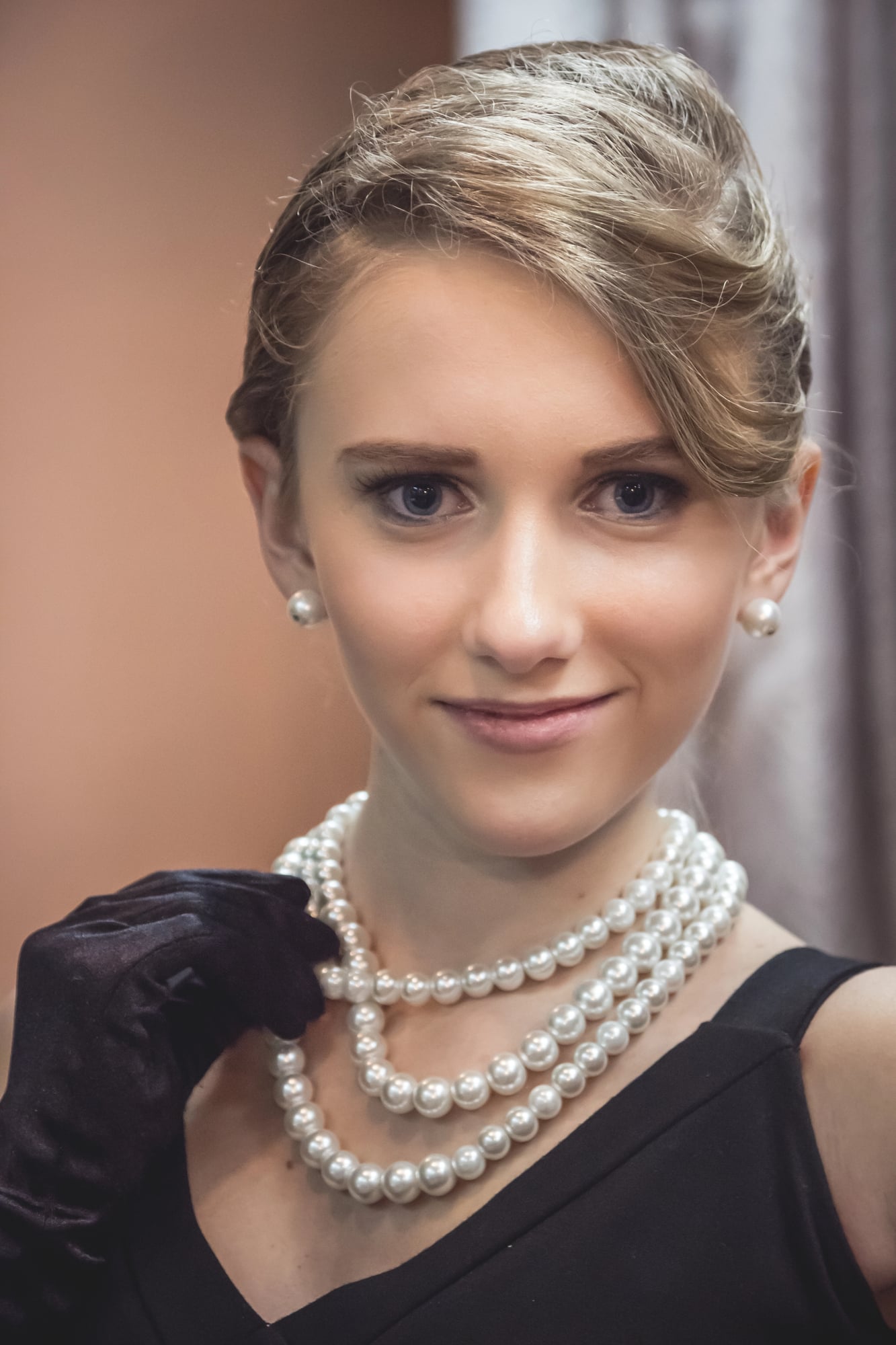
Margaret Vinci Heldt created this gravity-defying style in 1960 for a magazine photo shoot. The towering, cone-shaped hairdo required serious backcombing, hairspray, and sometimes padding or wire structures for support.
The beehive reached peak popularity in the mid-1960s and became associated with both high fashion and working-class women who wanted to look polished. Keeping the style intact meant sleeping carefully and avoiding situations that might crush the structure.
The name came from its resemblance to an old-fashioned straw beehive, and the look has remained a go-to reference for depicting 1960s culture.
Dreadlocks
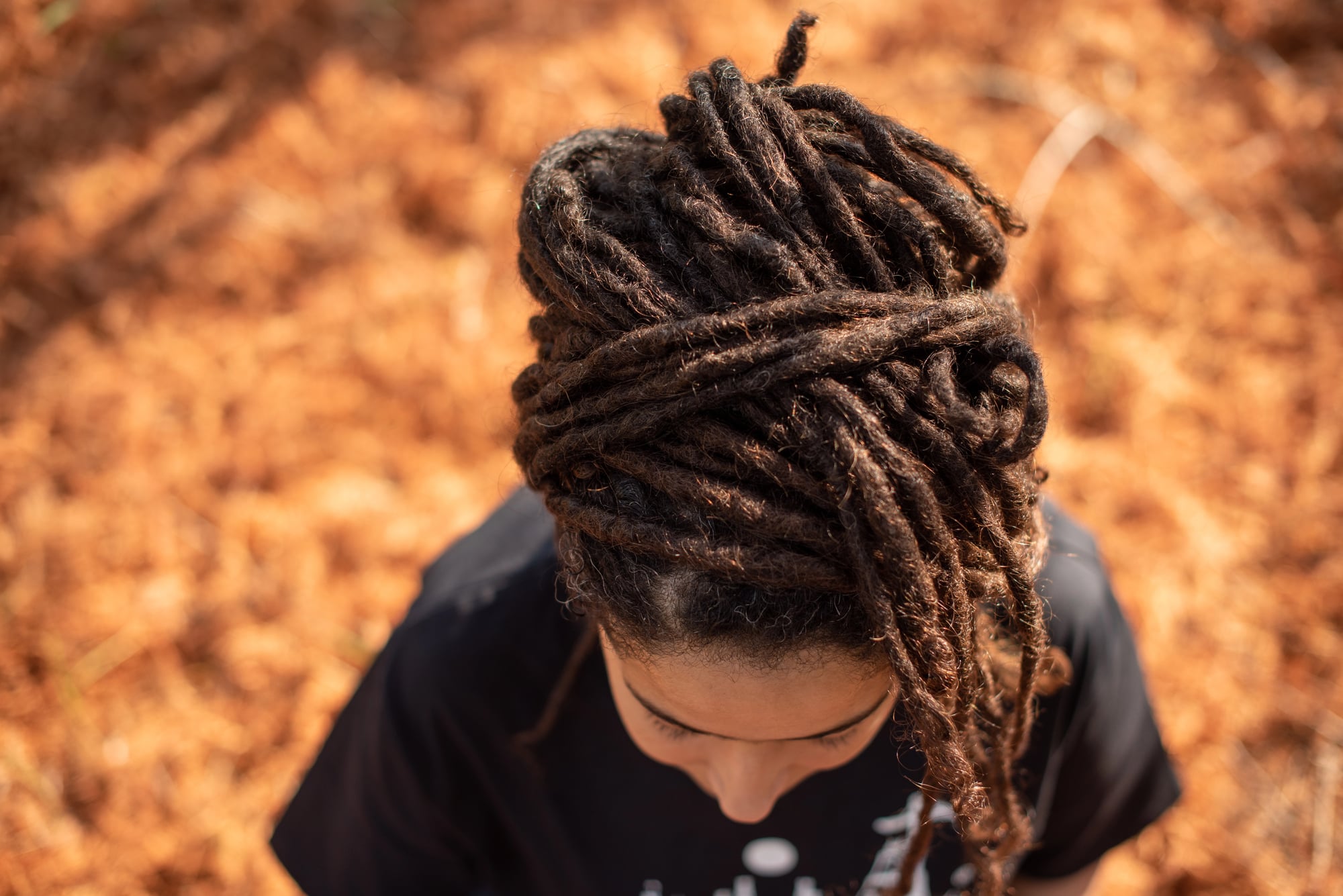
These rope-like strands of matted hair appear in cultures around the world, from ancient Egypt to India to Africa. In modern Western culture, dreadlocks became strongly associated with Rastafarian beliefs in Jamaica during the 1930s and 1940s.
Followers of this faith viewed locks as a connection to biblical Nazarite vows and African identity. Bob Marley brought the style to global attention in the 1970s through his music and activism.
The process of forming dreads involves letting hair mat naturally or using various techniques to encourage the hair to lock together. Despite being worn by many cultures throughout history, people with dreadlocks still face discrimination and stereotyping in professional environments.
The Rachel
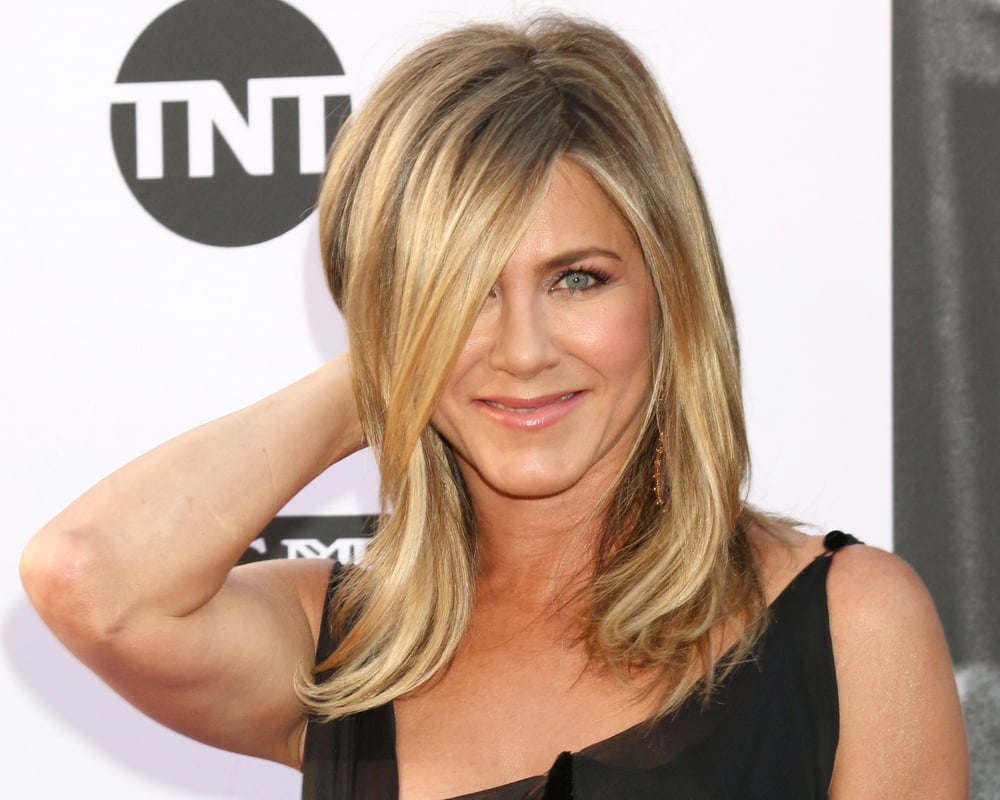
When Jennifer Aniston appeared on the television show Friends in 1994, her character’s layered, shoulder-length haircut sparked a frenzy. Women brought photos of Aniston to their stylists and demanded the exact same cut, which featured heavy layering and highlights that created movement and dimension.
Hairstylist Chris McMillan created the look, which required considerable styling time and the right hair texture to pull off successfully. Ironically, Aniston herself hated the haircut and found it difficult to maintain, but that didn’t stop it from becoming the most requested style of the 1990s and launching countless imitations.
The Cornrows
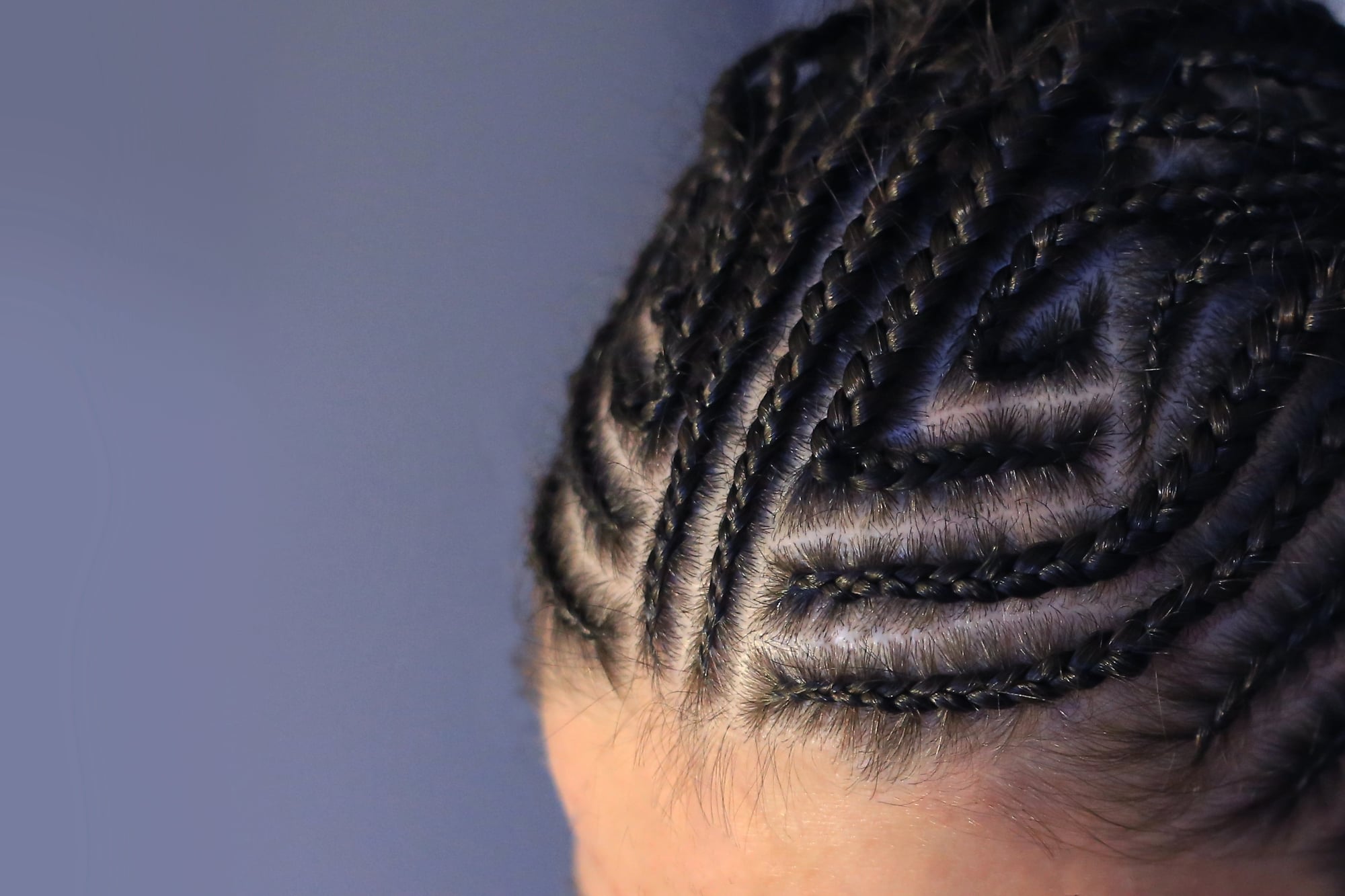
This traditional African braiding technique involves creating raised rows of braids tight to the scalp in straight lines or geometric patterns. The practice dates back thousands of years and served multiple purposes beyond appearance.
In some African cultures, cornrow patterns indicated a person’s tribe, age, religion, or social status. During slavery in America, people used cornrow patterns to communicate escape routes and hide seeds for planting after escaping.
The style keeps hair neat and protected for weeks at a time. Despite this rich cultural history, Black students and workers have faced punishment and discrimination for wearing cornrows, with authorities calling them unprofessional or distracting.
The Shag
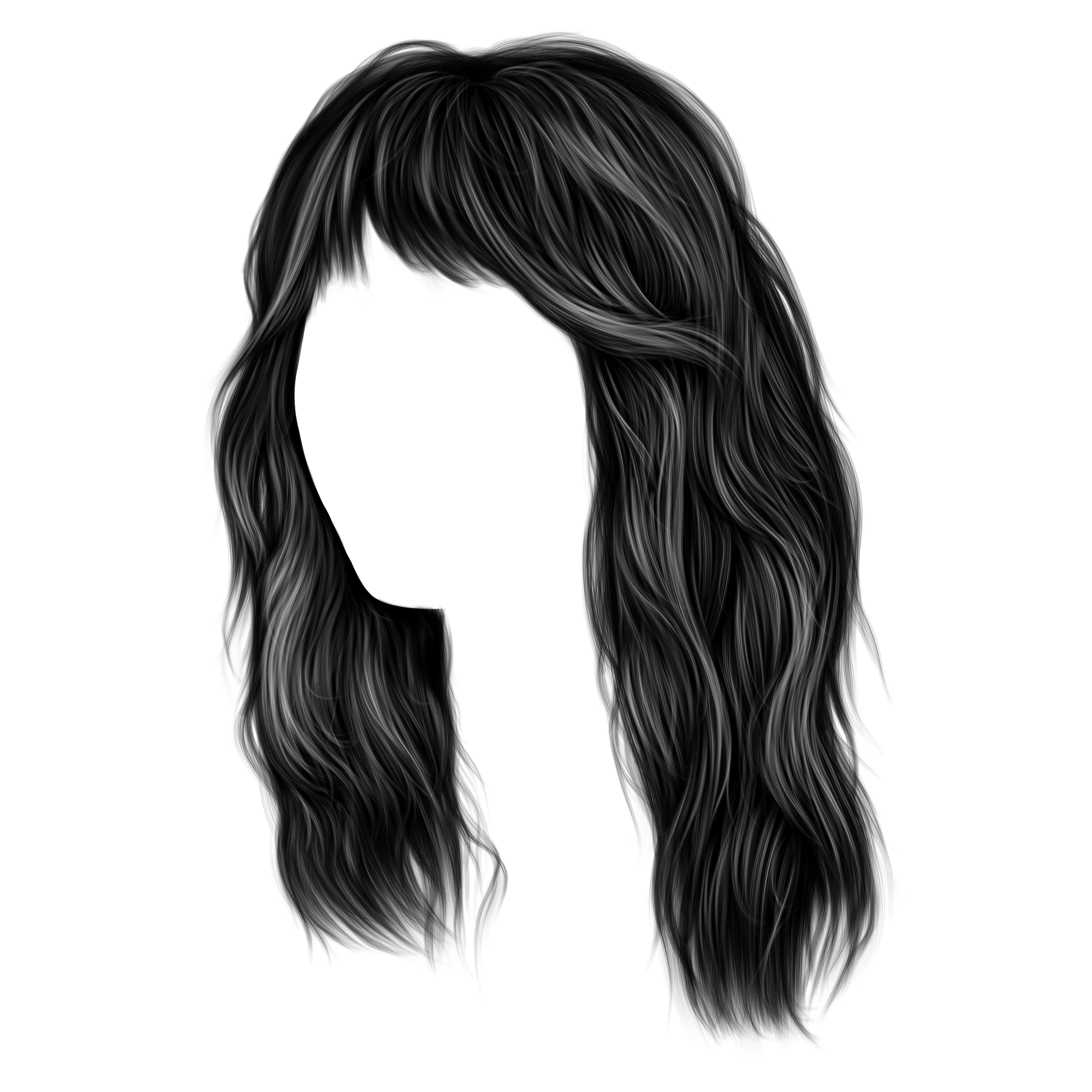
This heavily layered cut emerged in the early 1970s as a more relaxed alternative to structured styles. Hairstylist Paul McGregor created the modern shag for actress Jane Fonda, and it spread quickly through both men’s and women’s fashion.
The cut featured choppy layers throughout the hair, creating a messy, lived-in appearance that looked good without much styling. Rock musicians especially loved the shag because it projected a carefree, rebellious image while still having deliberate shape.
The style worked with different hair textures and lengths, making it accessible to people who couldn’t achieve other trendy looks of the era.
The Finger Waves

These sculpted S-shaped curves pressed into the hair defined 1920s and 1930s glamour. Creating finger waves required setting lotion, a comb, and considerable skill to mold wet hair into the desired pattern.
Each wave had to be pinned in place and allowed to dry completely before revealing the finished look. The style worked best on short hair and became the signature look of early Hollywood actresses.
Josephine Baker helped popularize the style internationally, and it became associated with sophistication and elegance. The technique requires so much skill that modern hairstylists often struggle to recreate authentic finger waves.
The Bowl Cut
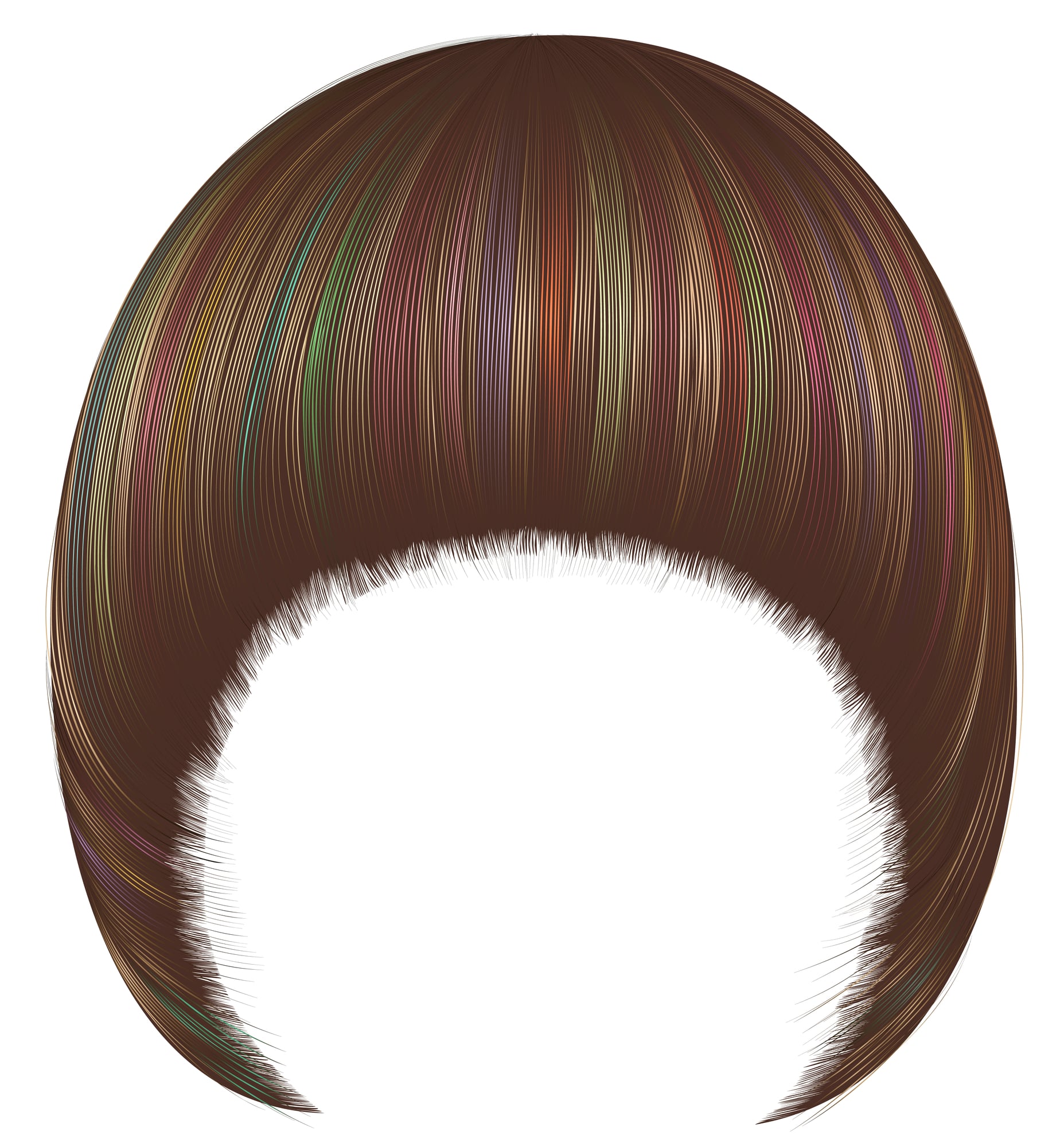
This simple cut gets its name from the literal method used to create it: placing a bowl on someone’s head and cutting around it. Medieval Europeans used this practical approach for children and peasants who needed functional haircuts without access to trained barbers.
The style disappeared from fashion for centuries before making an unexpected comeback in the 1960s as a mod look. Musicians like the Beatles initially wore bowl cuts that seemed fresh and youthful compared to the slicked-back styles of the 1950s.
Later variations in the 1990s became associated with awkward childhood photos that people now regret, though some fashion-forward individuals have recently attempted to reclaim it.
The Pixie Cut

Audrey Hepburn shocked and delighted audiences when she appeared in the 1953 film Roman Holiday with her short, cropped hair. The pixie cut involved cutting hair very short all over, with slightly longer pieces on top and around the face.
Hepburn’s stylist created the look partly because her hair had been damaged, but it became a sensation that represented elegance and confidence. The style required regular maintenance to keep its shape but freed women from time-consuming hair routines.
Other actresses like Mia Farrow and Twiggy adopted similar cuts, and the pixie became shorthand for a certain type of independent, artistic woman who didn’t follow conventional beauty rules.
The Ducktail
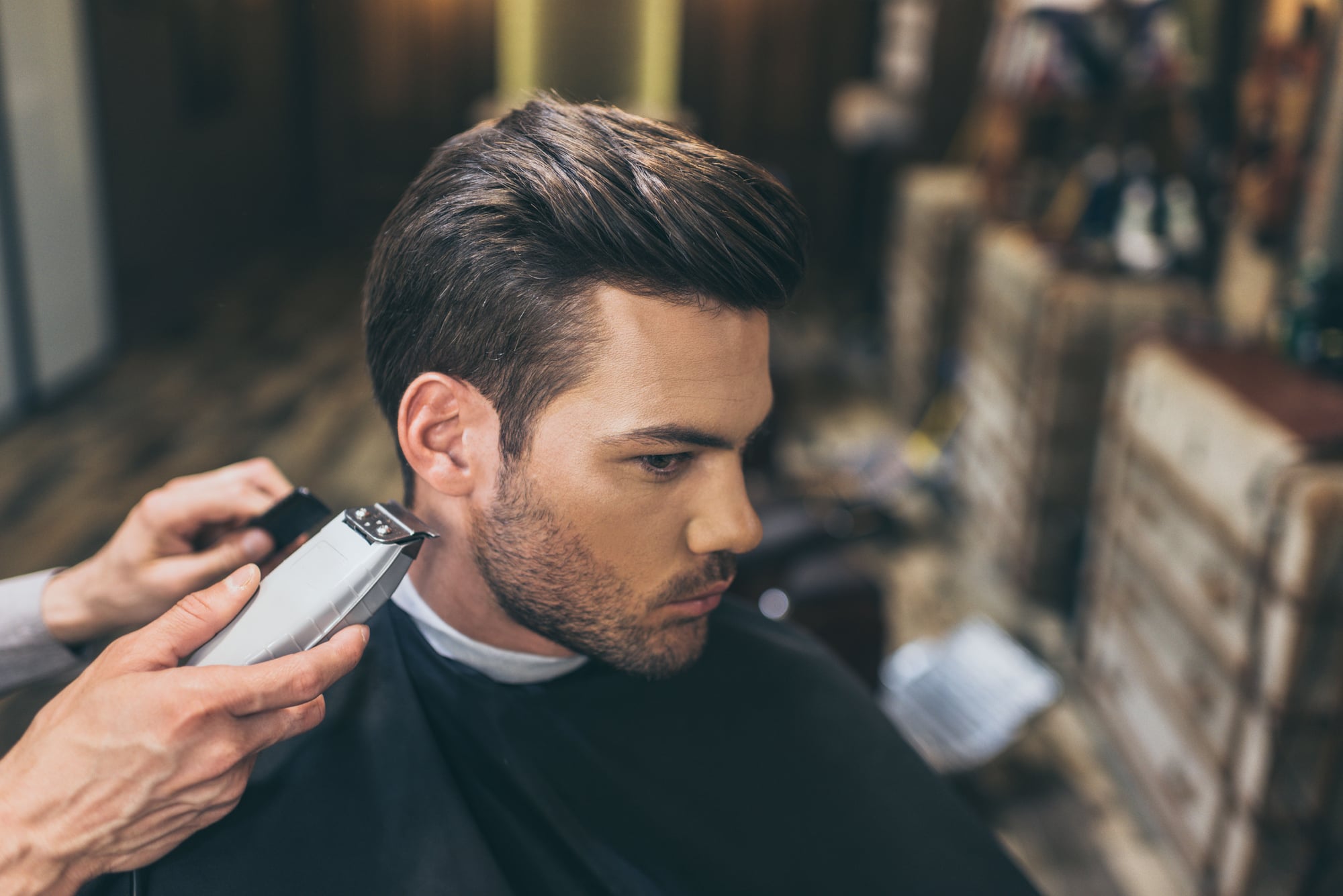
Teenage boys in the 1950s combed their hair back on the sides until it met at a point in the back of their heads, creating a shape that supposedly resembled a duck’s rear end. The look required generous amounts of pomade or hair grease to keep everything slicked into place.
Greasers, as they were called, wore this style as part of a working-class identity that embraced motorcycle culture and rock and roll music. Parents and school administrators hated the ducktail, seeing it as a sign of delinquency and disrespect.
The style appeared in countless movies depicting 1950s youth culture and remains an instant visual shorthand for that rebellious era.
Hair Today, Style Forever
These hairstyles prove that what we do with our hair goes way beyond looking good. Each cut, curl, and color choice connects to bigger stories about who we are, what we believe, and how we want the world to see us.
Some of these styles faced harsh criticism when they first appeared but later became beloved symbols of their time. Others started as practical solutions and accidentally turned into cultural movements.
Whether people were making political statements or just trying to look like their favorite celebrities, these iconic styles changed how we think about personal expression and continue influencing trends today.
More from Go2Tutors!

- The Romanov Crown Jewels and Their Tragic Fate
- 13 Historical Mysteries That Science Still Can’t Solve
- Famous Hoaxes That Fooled the World for Years
- 15 Child Stars with Tragic Adult Lives
- 16 Famous Jewelry Pieces in History
Like Go2Tutors’s content? Follow us on MSN.



