16 Legendary Inventions from Women
History books love telling you about Edison’s light bulb and Bell’s telephone. But they’re strangely quiet about the women who invented things you use every day.
The windshield wipers on your car? A woman. The technology that makes WiFi work? Also a woman.
That paper bag holding your groceries? You guessed it. These inventions didn’t just make life more convenient.
Many of them saved lives. Others changed entire industries.
Some created technologies that the modern world runs on. Yet the women behind them remain largely unknown, their contributions buried under decades of overlooked history.
The stories that follow aren’t just about inventions. They’re about persistence in the face of theft, creativity born from necessity, and brilliance that refused to be ignored.
Windshield Wipers That Actually Worked
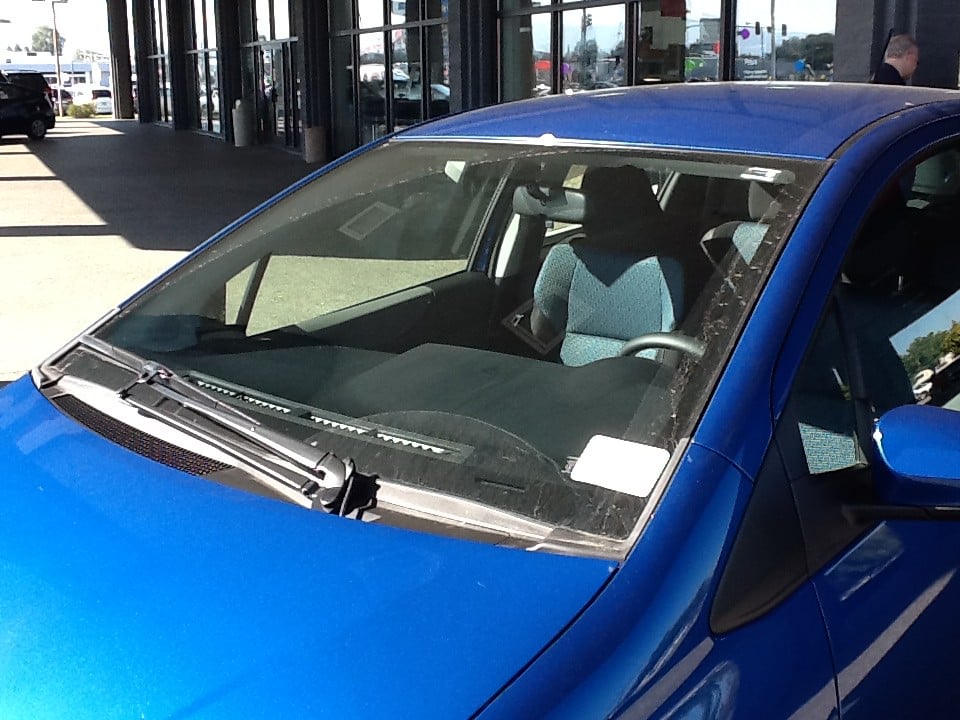
Mary Anderson watched a streetcar driver in New York City struggling to see through his snow-covered windshield in 1903. He kept stopping to get out and wipe the glass by hand.
Anderson thought there had to be a better way. She designed a swinging arm with a rubber blade that the driver could control from inside the vehicle.
A lever operated the arm, allowing it to sweep across the windshield and clear away rain, snow, or sleet. She patented her invention that same year.
Car manufacturers initially rejected the idea. They claimed it would distract drivers.
Within a decade, as automobiles became faster and more common, windshield wipers became standard equipment. Anderson’s patent had expired by then, so she never made money from one of the most essential safety features in every vehicle on the road.
The Fiber Stronger Than Steel
Stephanie Kwolek wanted to be a doctor. She took a temporary job as a chemist at DuPont in 1946 to save money for medical school.
The temporary job lasted her entire career. In 1965, while researching lightweight materials for car tires, Kwolek created a liquid crystalline polymer solution that looked different from anything she’d seen before.
It was cloudy and thin, like water. Most scientists would have thrown it away.
Kwolek insisted on testing it. The resulting fiber was five times stronger than steel by weight.
It was lightweight, heat resistant, and incredibly durable. DuPont named it Kevlar.
Today it’s in bulletproof vests, bike tires, building materials, and over 200 other applications. Kwolek’s accidental discovery has saved countless lives.
The Woman Who Taught Computers to Talk

Grace Hopper joined the Navy during World War II and got assigned to work on the Harvard Mark I computer. The machine weighed five tons and filled an entire room.
Programming it required understanding complex mathematical code. Hopper realized computers would never become widely useful if only mathematicians could operate them.
She invented the first compiler, a program that translated written language into computer code. This made programming accessible to people who didn’t speak in mathematical equations.
She also coined the terms “bug” and “debugging” after removing an actual moth from the computer that was causing malfunctions. Hopper helped develop COBOL, one of the first user-friendly programming languages.
Her work laid the foundation for modern computing.
Paper Bags With Flat Bottoms
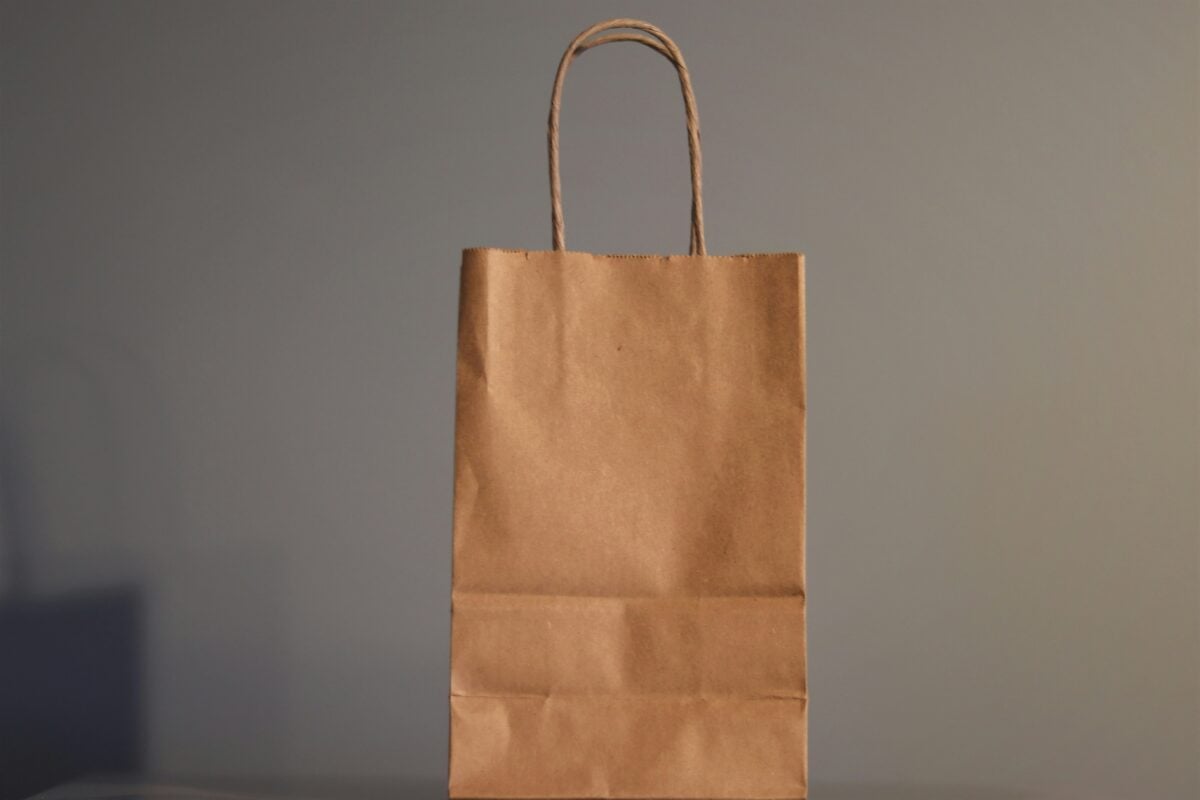
Before Margaret Knight, paper bags were basically useless envelopes. They couldn’t stand up or hold much weight.
Knight invented a machine in 1867 that could fold and glue paper to create bags with flat bottoms that actually stood upright. A man named Charles Annan saw her design and rushed to patent it himself.
He figured no one would believe a woman could invent something so mechanically complex. Knight took him to court for patent interference.
She won by presenting detailed drawings and notes proving she’d designed the machine. At 30 years old, she earned her patent rights.
Over her lifetime, Knight invented more than 100 machines and patented 20 of them. But the flat-bottomed paper bag remains in use everywhere, unchanged from her original design.
When China Kept Getting Chipped
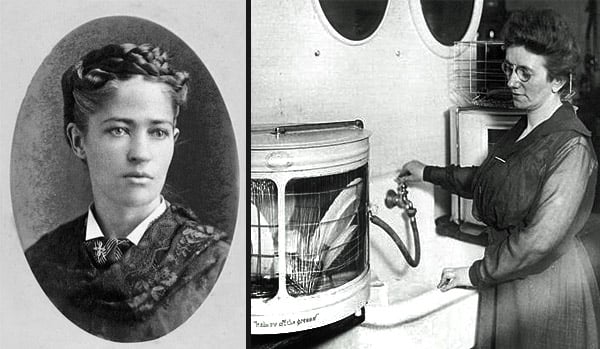
Josephine Cochrane was a wealthy socialite in Illinois who loved hosting dinner parties. Her servants kept chipping her expensive china while washing dishes by hand.
She decided to build a machine that could wash dishes without breaking them. In 1886, she patented a dishwasher that used water pressure instead of scrubbers.
Her design was more effective than previous attempts. When her husband died suddenly and left her in debt, Cochrane turned her invention into a business.
She marketed the dishwasher to hotels and restaurants, opened her own factory, and kept innovating until her death. Her company was later bought by KitchenAid.
Every modern dishwasher traces its design back to Cochrane’s original concept.
Life Rafts That Save Lives
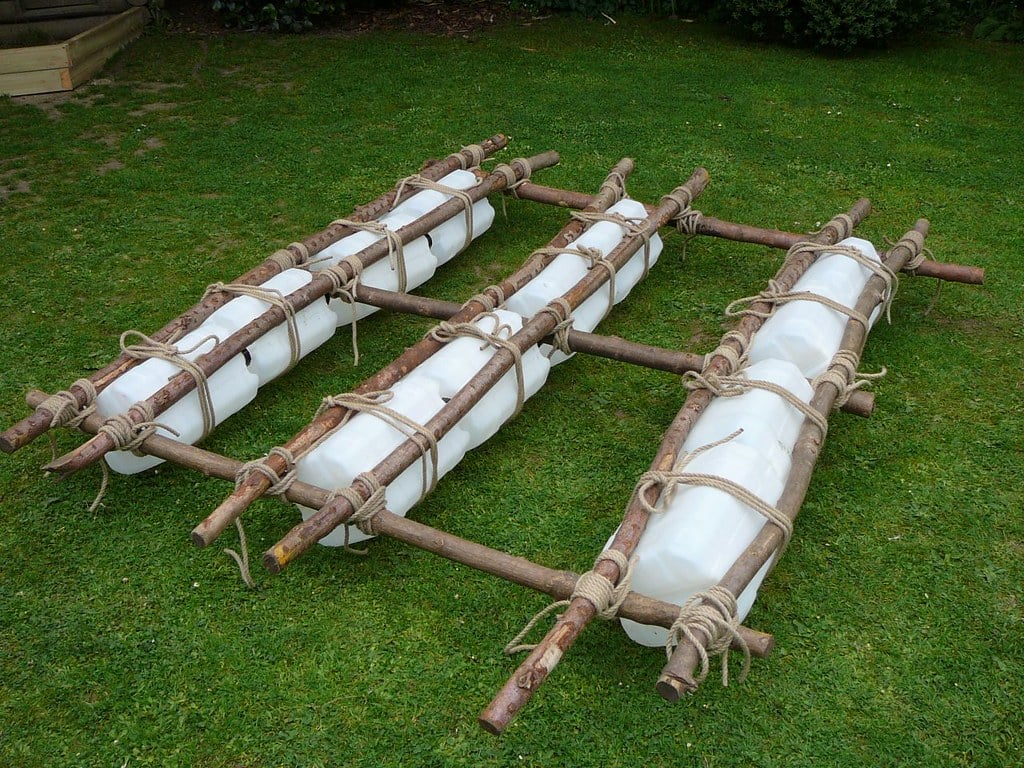
Maria Beasley was a serial inventor who patented at least 15 different inventions during her lifetime. She made a fortune from a barrel-making machine that earned her an estimated $20,000 a year when most working women made $3 a day.
But her most important invention was an improved life raft design patented in 1882. Previous life rafts were clumsy, difficult to launch, and often failed in emergencies.
Beasley’s design was fireproof, foldable, and equipped with guard rails. When the Titanic sank in 1912, approximately 706 people survived.
Many of them owed their lives to life rafts based on Beasley’s design. Her invention turned a mostly useless piece of safety equipment into something that actually worked when disaster struck.
Fire Escapes That Made Sense
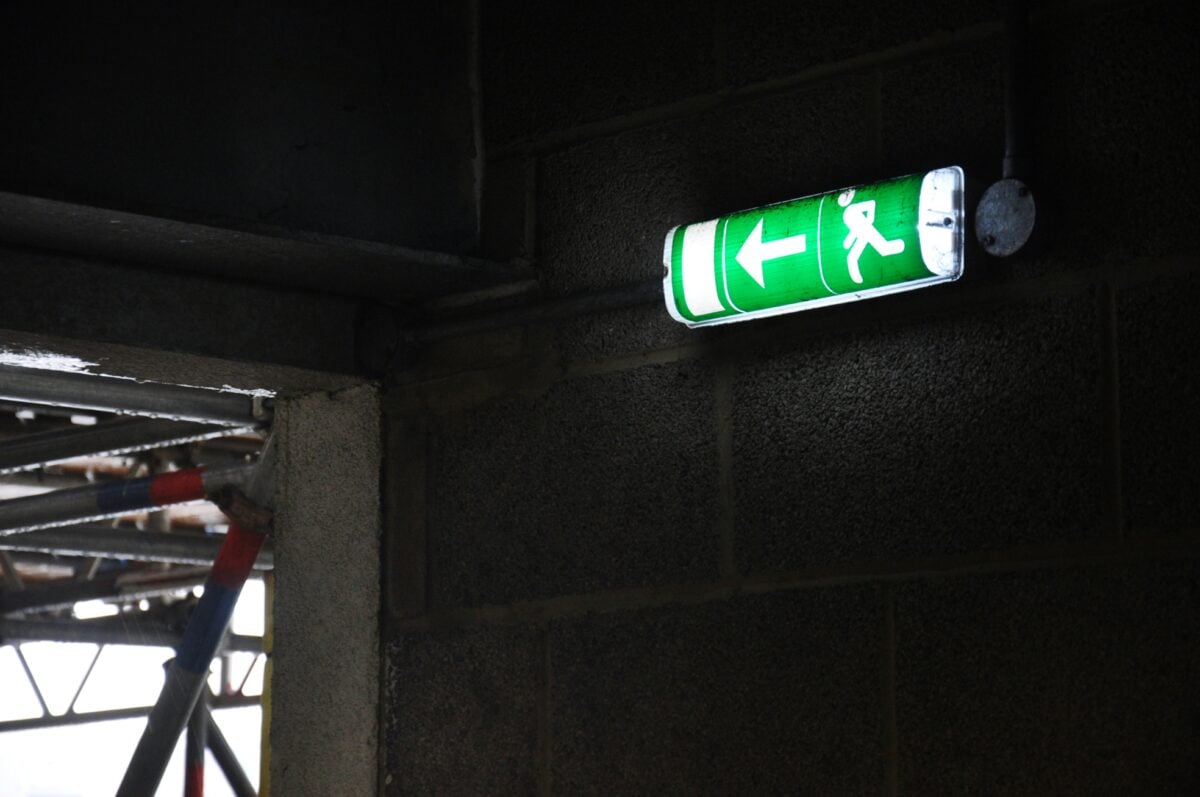
Anna Connelly received a patent in 1887 for an exterior fire escape that changed building safety forever. Before her design, fire escapes were inefficient and dangerous.
People often fell while trying to escape burning buildings. Connelly’s invention featured staircases with platforms between levels.
The platforms prevented falls and allowed people to rest during evacuation. The design didn’t require buildings to be remodeled, making it cost-effective and practical.
Her patent led to New York City’s first building codes requiring a second method of escape in case of fire. Firefighters could also use the fire escapes to reach upper floors more quickly.
The basic design is still used today.
The Actress Who Invented WiFi

Hedy Lamarr was a Hollywood star in the 1930s and 1940s. She was also an inventor.
During World War II, she learned that radio-controlled torpedoes could be jammed by enemy signals, rendering them useless. Lamarr and composer George Antheil developed a frequency-hopping system that made radio signals harder to intercept or jam.
The signal would randomly switch between different frequencies, making it nearly impossible to block. They patented the technology in 1942.
The Navy ignored it. Decades later, engineers realized the technology had wider applications. Lamarr’s frequency-hopping concept became the foundation for WiFi, Bluetooth, and GPS.
She received no money for it during her lifetime. Recognition came only near the end of her life.
Home Security When You’re Alone

Marie Van Brittan Brown was a nurse in New York City who worked irregular hours. She and her husband often came home late at night to their apartment in a neighborhood where police response times were slow.
Brown felt unsafe. In 1966, she invented a home security system with her husband Albert, an electronics technician.
The system used a camera that could slide to capture images through four different peepholes in the door. Television monitors inside displayed what the camera saw.
A two-way microphone allowed communication with whoever was outside. The system could also trigger an alarm and alert police immediately.
Brown patented it in 1969. Her design established the basic principles used in modern home security systems.
Monopoly Started as a Lesson

Elizabeth Magie created a board game in 1903 called “The Landlord’s Game.” The game was meant to teach people about the problems with monopolies and unchecked capitalism.
Players could see how accumulating wealth hurt others and made the game worse for everyone. She patented the game in 1904.
For years, people made handmade copies and played variations of it. In 1935, a man named Charles Darrow took a version of Magie’s game and sold it to Parker Brothers, calling it Monopoly.
He became wealthy. Parker Brothers eventually tracked down Magie and offered her $500 for her patent.
No royalties. No credit.
Darrow was celebrated as the inventor of Monopoly for decades. Only recently has Magie’s original role been acknowledged.
The game she created to criticize capitalism made a fortune for someone who stole it.
The Research Behind Your Phone Features

Dr. Shirley Ann Jackson was the first African American woman to earn a doctorate from MIT in any field. Her Ph.D. was in theoretical elementary particle physics. From 1976 to 1991, she conducted research at AT&T Bell Laboratories.
Her work in telecommunications led to breakthroughs that enabled several technologies people use constantly. Caller ID. Call waiting.
The touch-tone telephone. Portable fax machines.
Fiber optic cables. Solar cells.
The technology these features rely on came from Jackson’s research. She didn’t invent these products directly.
But her fundamental research into how signals travel and how information can be transmitted made them possible. Scientists and engineers used her work to create practical applications.
The Cookie That Wasn’t Supposed to Exist
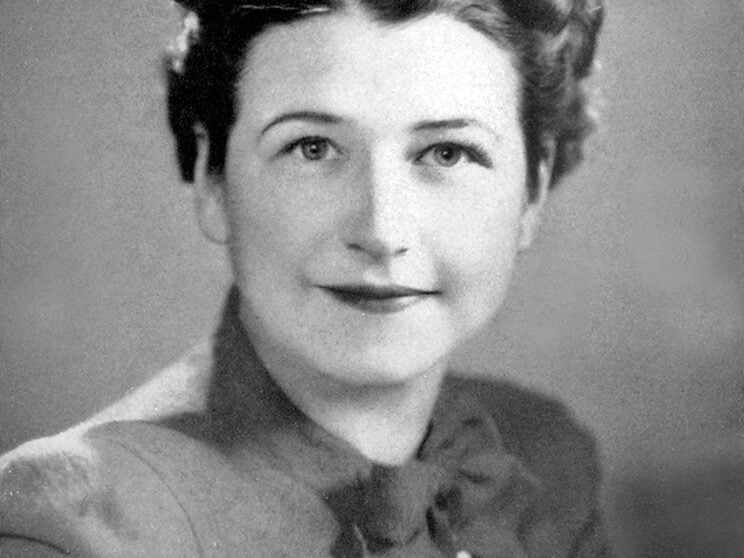
Ruth Wakefield was a dietician and lecturer who bought the Toll House Inn in Massachusetts with her husband in 1930. She did all the cooking for guests and became known for her desserts.
One day while making cookies, Wakefield wanted to add chocolate to her butterscotch recipe. She chopped up a Nestle chocolate bar and mixed the pieces into the dough, expecting them to melt and create chocolate cookies.
They didn’t melt. The chocolate stayed in chunks.
Guests loved them. Wakefield’s chocolate chip cookies became so popular that Nestle struck a deal with her.
They would print her recipe on their chocolate bar wrappers. In exchange, she received a lifetime supply of chocolate.
Not cash, not royalties. Just chocolate. The recipe made Nestle millions.
The Ice Cream Maker That Worked

Before Nancy Johnson patented her ice cream maker in 1843, making ice cream was difficult and time-consuming. You needed ice, salt, and constant manual stirring.
The results were inconsistent. Johnson designed a hand-cranked machine with a rotating paddle inside a container surrounded by ice and salt.
The crank turned the paddle, which kept the mixture moving while it froze. This constant motion prevented ice crystals from forming and created smooth ice cream.
Her design was simple and effective. It’s essentially the same mechanism used in hand-cranked ice cream makers today, more than 180 years later. Johnson sold the patent for $200.
She never saw another penny from an invention that launched an entire industry.
Fixing Mistakes With a Brush
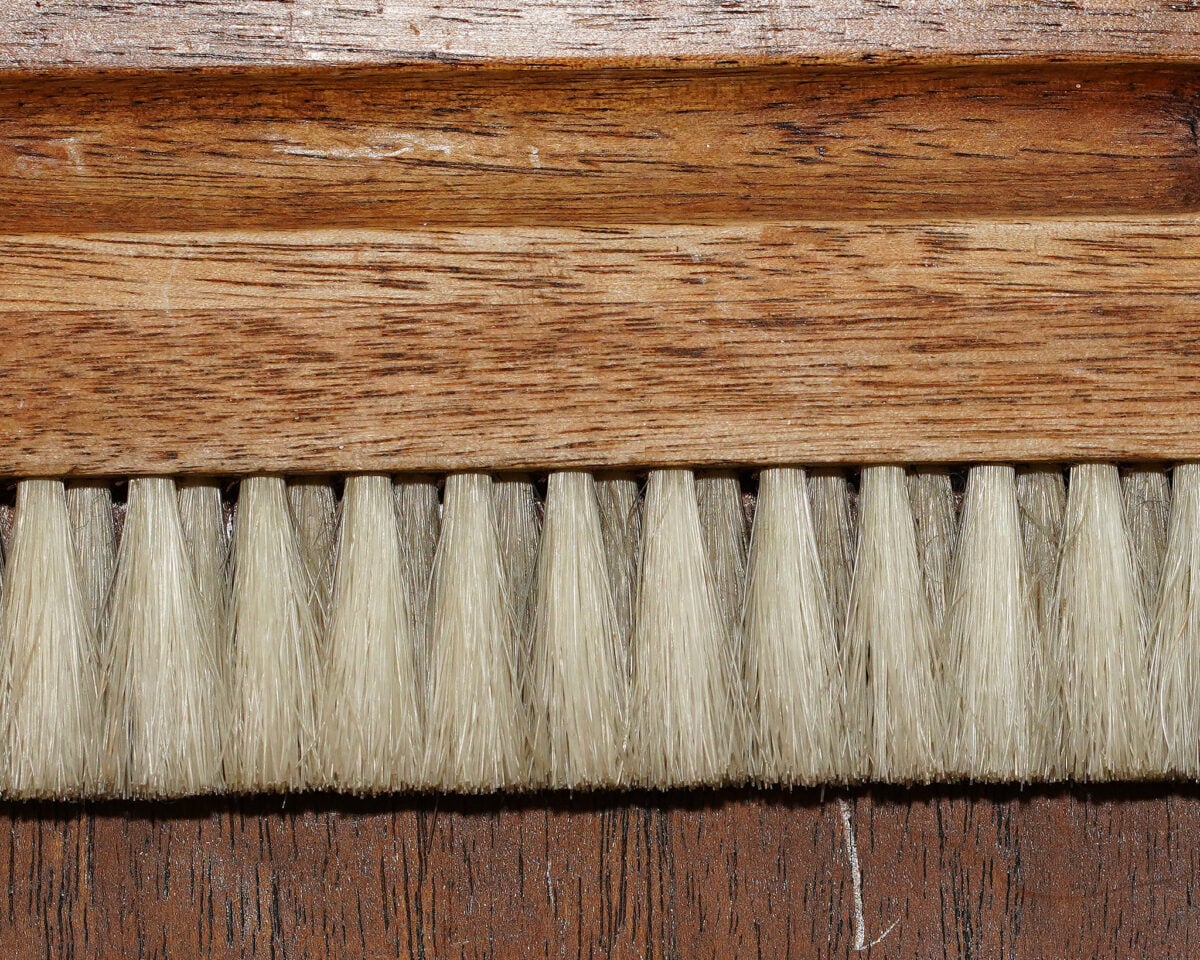
Bette Nesmith Graham was a single mother working as a secretary in Texas during the 1950s. Electric typewriters had just been introduced, and they used a new kind of ribbon that made errors difficult to correct.
Graham kept making mistakes and getting in trouble. She remembered watching painters work on the bank windows.
When they made mistakes, they painted over them. Graham mixed up a water-based paint in her kitchen that matched the color of typing paper.
She brought it to work in a bottle with a brush. Other secretaries wanted it.
Graham refined the formula with help from a chemistry teacher and started producing it in her kitchen. She called it Liquid Paper.
The company struggled for years before taking off. In 1979, she sold Liquid Paper to Gillette for $47.5 million.
One Minute After Birth

Dr. Virginia Apgar was an anesthesiologist at Columbia University in the 1950s. She noticed that doctors had no standardized way to quickly assess a newborn’s health immediately after birth.
Babies who needed intervention weren’t always identified fast enough. In 1952, Apgar developed a scoring system.
One minute after birth, medical staff would check five things: appearance (skin color), pulse (heart rate), grimace (reflexes), activity (muscle tone), and respiration (breathing). Each category got a score of 0, 1, or 2.
The total score indicated whether the baby needed immediate medical attention. The Apgar Score revolutionized newborn care.
It’s still used in hospitals worldwide exactly as Apgar designed it in 1952. The simple, fast assessment has saved countless infant lives by identifying problems in the crucial first minutes after delivery.
The Electric Refrigerator

Florence Parpart invented an improved electric refrigerator in 1914. Before her design, refrigerators were expensive, inefficient, and used dangerous chemicals as coolants.
They were too impractical for most homes. Parpart’s refrigerator design improved on existing technology in ways that made electric refrigeration more practical and safer for home use.
She patented it and successfully marketed her invention. She also invented an improved street cleaning machine, showing her range as an inventor.
But the electric refrigerator had the bigger impact, contributing to a technology that changed how people stored food and made fresh food accessible year-round.
The Hidden Pattern

Every rainy drive, every folded grocery sack torn apart at lunchtime, each glance toward a ringing device – all of it leans on hidden creations built long ago. Safety wraps around you without asking when wipers slice through downpour.
A simple tug splits packaging sealed by quiet genius decades past. Ringing phones hand choices: respond or wait until later.
Familiar things hide unfamiliar origins deep beneath routine. Most never pause mid-action to wonder who first imagined such ordinary help.
She met walls no inventor should face. Men took what she built, saying her mind could not grasp gears or circuits.
Cash vanished when banks refused to trust her name on paper. Recognition came late, if it came at all.
It stands out that most of these creations came from issues their makers lived through. A streetcar operator fumbling with snow caught Anderson’s eye.
Safety worries at night hit close to home for Brown. Cochrane’s dinnerware needed shielding, so she acted.
Fixing things drove them, not fame or money. A problem caught their eye, so they worked until it made sense.
Each of these 16 creations makes up just a sliver of women’s impact on tech and progress. Behind one name shared, countless others fade unseen.
Billions reach for the paper bag or load the dishwasher daily. With each use, those inventors should come to mind – quietly, firmly.
More from Go2Tutors!

- The Romanov Crown Jewels and Their Tragic Fate
- 13 Historical Mysteries That Science Still Can’t Solve
- Famous Hoaxes That Fooled the World for Years
- 15 Child Stars with Tragic Adult Lives
- 16 Famous Jewelry Pieces in History
Like Go2Tutors’s content? Follow us on MSN.



