Icons Celebrated for Perfect Discipline
Every generation produces figures who transcend their fields not through wild creativity or unpredictable genius, but through something far more rare: absolute discipline. These individuals didn’t just master their crafts — they rewrote what mastery looks like.
Their stories aren’t about talent alone, but about the relentless pursuit of perfection through unwavering self-control and methodical dedication.
Michael Jordan
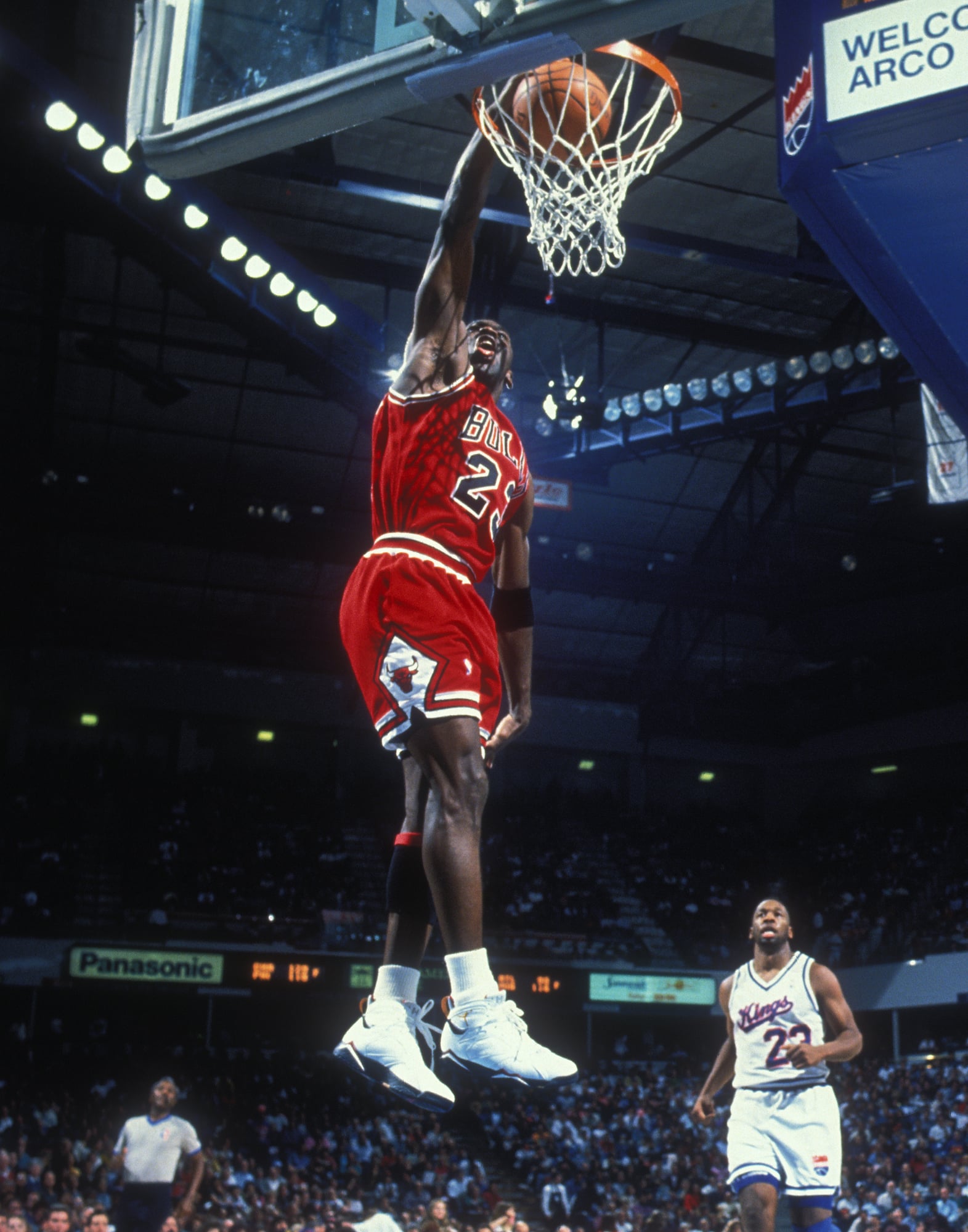
Jordan didn’t just practice. He practiced everything twice.
Teammates would find him in the gym at dawn, running the same drill he’d perfected the night before. The man who seemed to defy gravity on the court was actually the most grounded player in terms of routine and preparation.
His discipline extended beyond physical training into mental preparation. Every shot, every defensive stance, every game situation had been rehearsed until it became automatic.
Jordan’s famous competitiveness wasn’t just about winning — it was about executing his preparation flawlessly when it mattered most.
Serena Williams
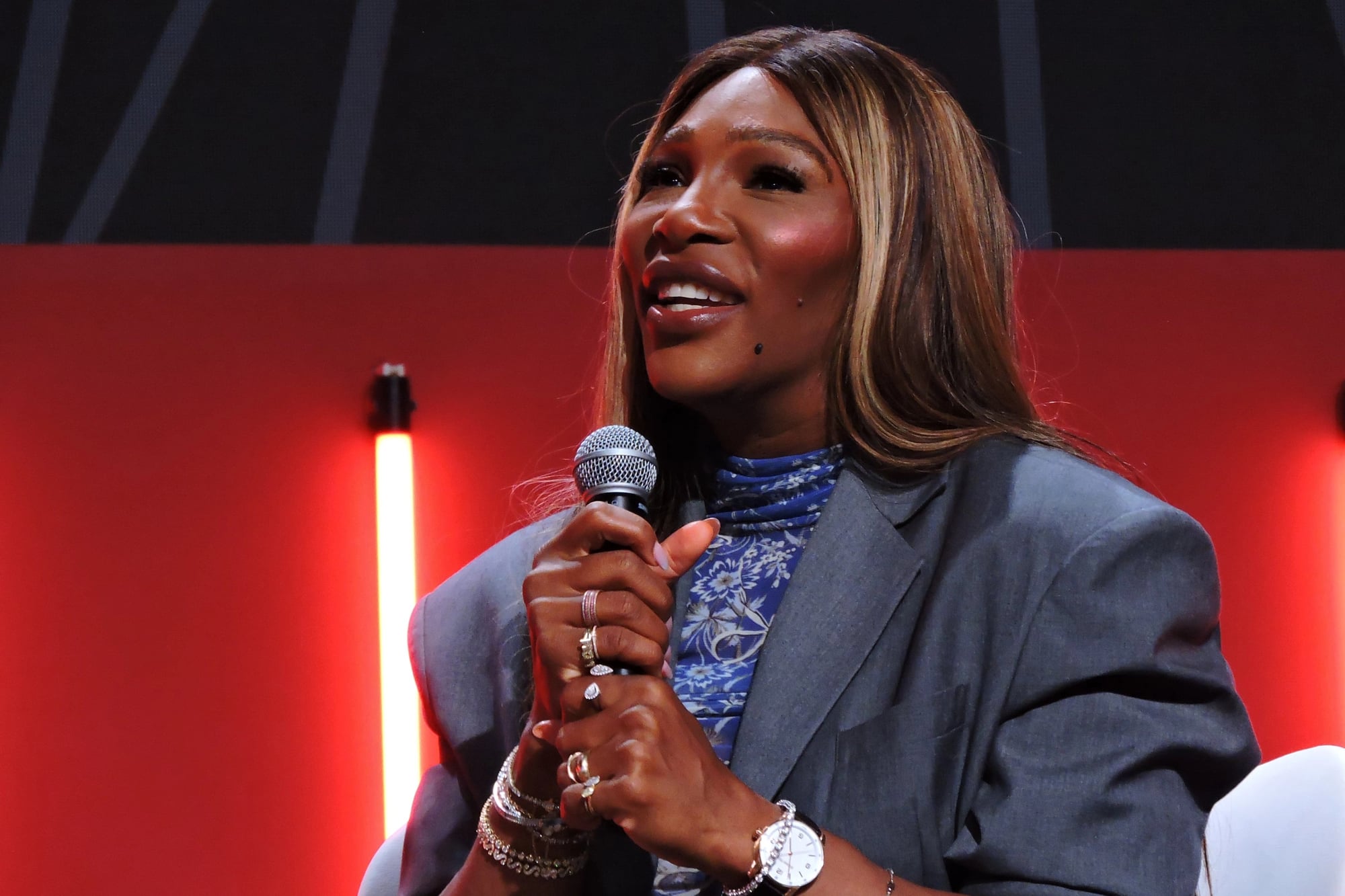
Williams approached tennis like a scientist approaches an experiment: with methodical precision and relentless testing of variables. Her training regimen became legendary not for its intensity alone, but for its consistency across decades.
While other players peaked and faded, Williams maintained her edge through disciplined attention to every detail of her preparation.
The mental side of her discipline might have been even more impressive. Williams developed an ability to channel pressure into focus that bordered on supernatural.
She didn’t just handle big moments — she seemed to expand in them, and that expansion was the result of years of disciplined mental conditioning.
Kobe Bryant
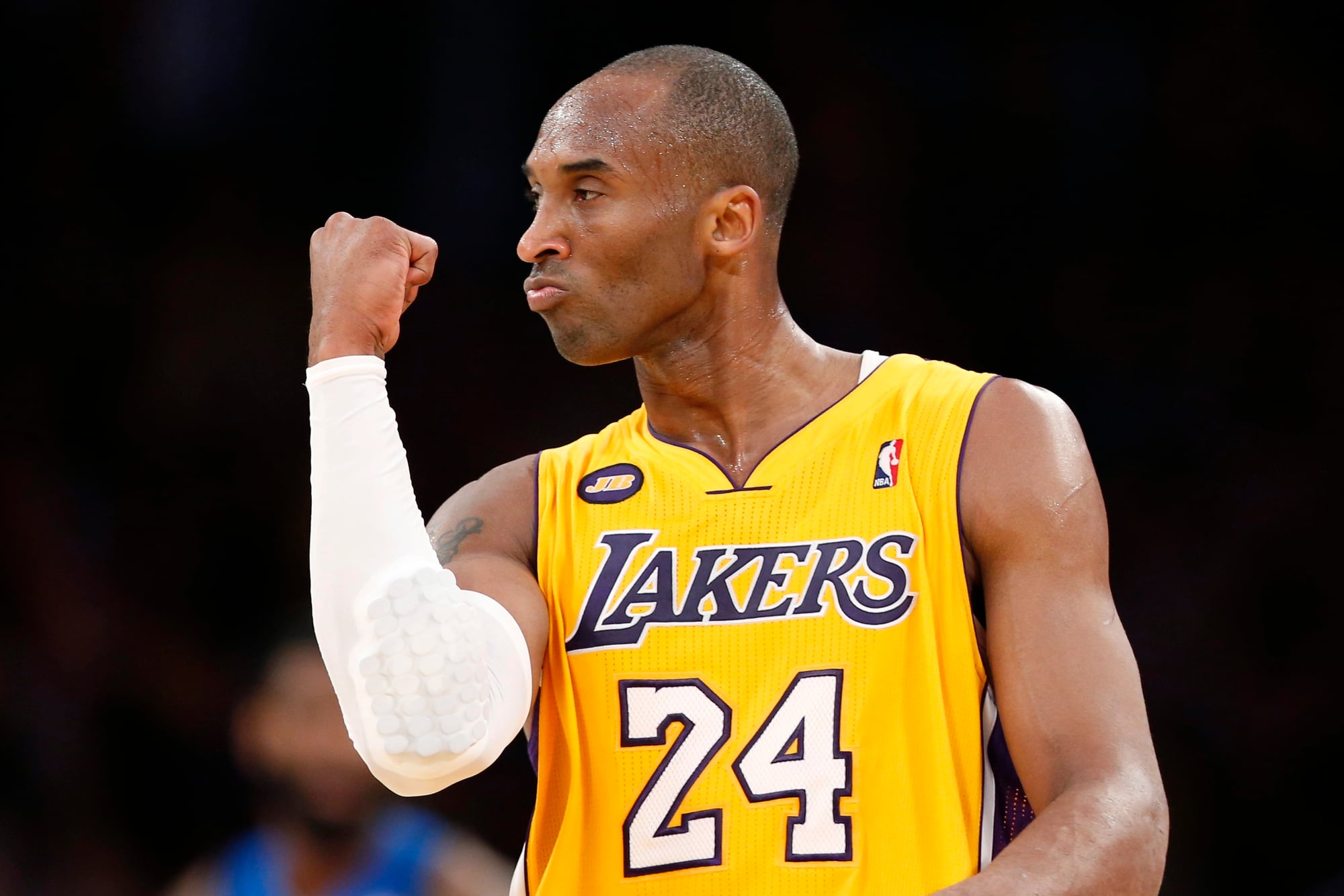
The “Mamba Mentality” wasn’t a marketing slogan; it was a philosophy built on obsessive preparation and an almost frightening level of self-discipline. Bryant would study game film like a doctoral student analyzing data, breaking down every movement until he could predict what opponents would do before they knew themselves.
His famous 4 AM workouts weren’t about showing off — they were about finding edges that others wouldn’t pursue.
Bryant understood something that separated him from equally talented players: discipline creates opportunities that talent alone cannot access. And he pursued those opportunities with a focus that made his peers uncomfortable.
Tiger Woods
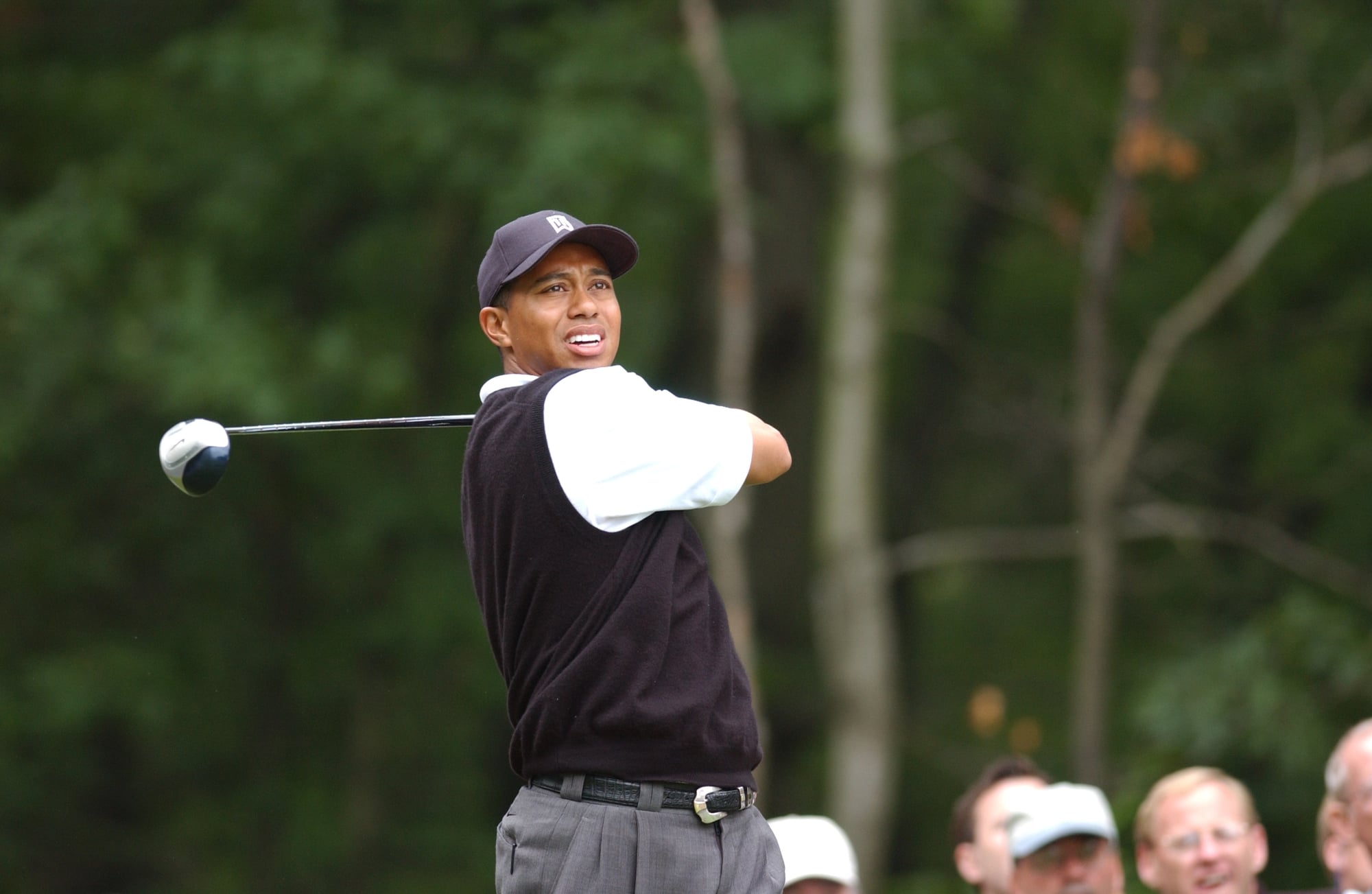
Woods turned golf into a laboratory where every variable could be controlled through preparation and discipline. His practice sessions weren’t just about hitting orbs; they were about recreating exact conditions he might face during competition, then drilling his responses until they became instinctive.
The discipline extended to his mental approach to competition. Woods developed an ability to shut out everything except the immediate task at hand — a skill that required years of mental training to perfect.
He didn’t just play golf; he engineered his mind to perform optimally under the specific pressures that championship golf creates.
Simone Biles

Biles redefined what human beings could do in gymnastics, but not through reckless abandon. Every gravity-defying routine was built on a foundation of disciplined repetition and methodical skill development.
She didn’t just attempt difficult moves — she perfected them through thousands of hours of precise practice.
Her mental discipline proved equally remarkable. Gymnastics requires split-second decisions at high speed, and Biles trained her mind to maintain clarity and control even while performing skills that seemed impossible.
The physical achievements were stunning, but the mental discipline required to execute them consistently was what truly set her apart.
Tom Brady
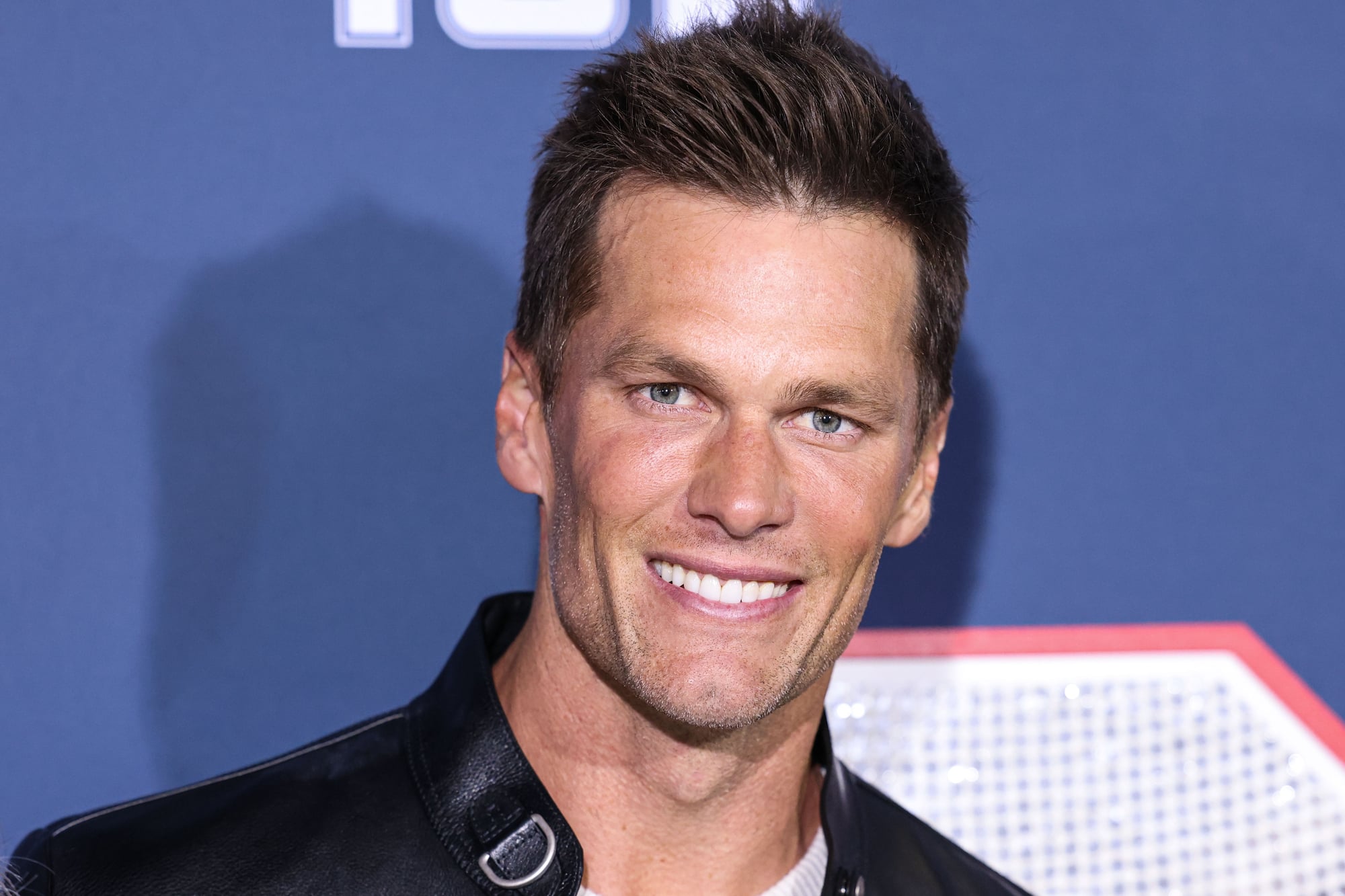
Brady’s longevity wasn’t accidental — it was the result of disciplined lifestyle choices that other players found too restrictive to maintain. His diet, sleep schedule, and training regimen were calibrated with scientific precision and followed with religious devotion.
The mental aspect of Brady’s discipline manifested in his preparation. He studied opponents with the thoroughness of a detective building a case, identifying weaknesses and tendencies that he could exploit.
Brady didn’t just play quarterback; he approached each game like a chess match where he’d already thought several moves ahead.
Usain Bolt
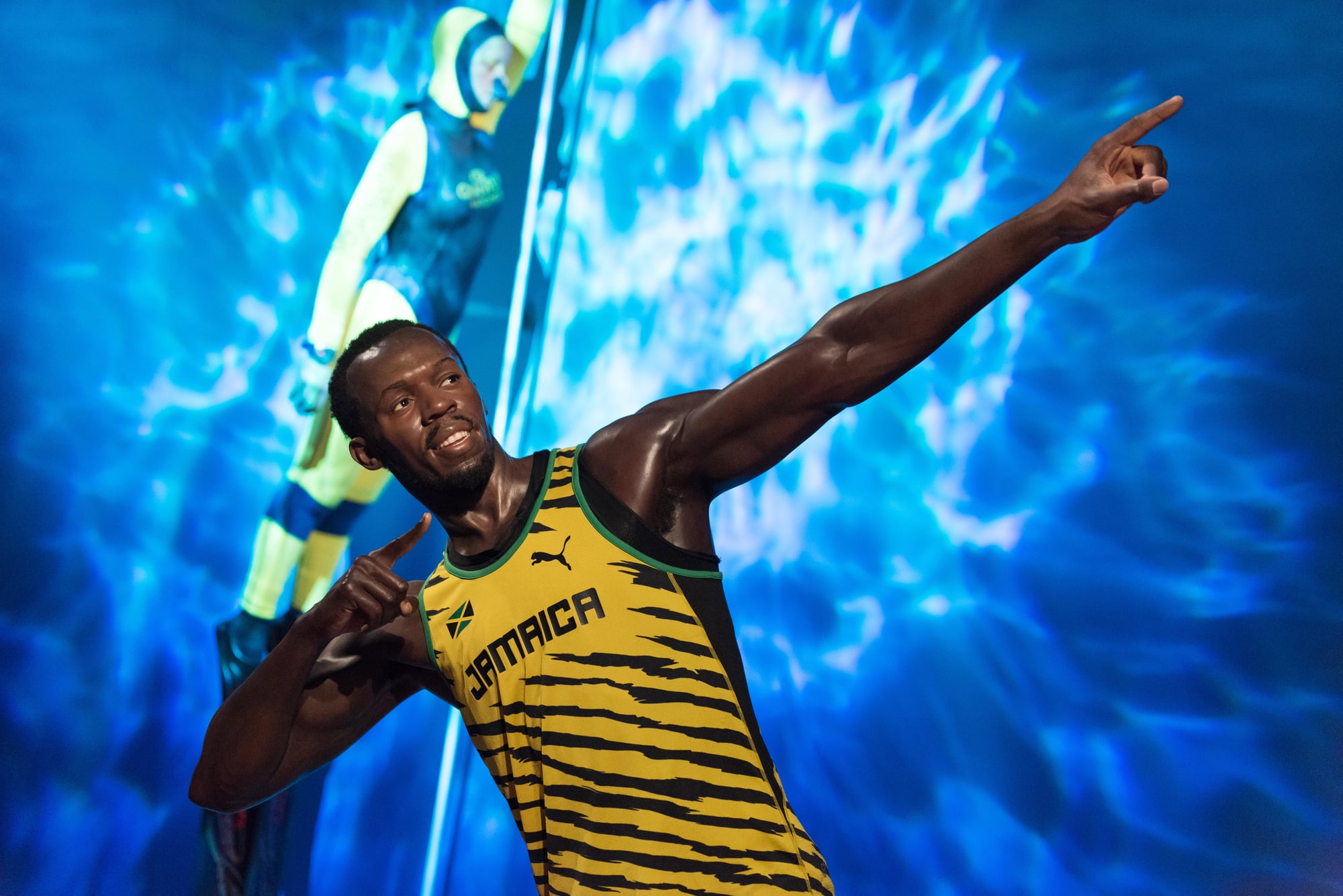
People remember Bolt’s speed, but his discipline in training created that speed. He approached sprinting like an engineer approaches a machine — every component had to be optimized and every movement refined until it achieved maximum efficiency.
His mental discipline was equally impressive. Sprinting at the highest level requires an ability to perform perfectly under enormous pressure, and Bolt trained his mind to embrace rather than resist that pressure.
He didn’t just run fast — he learned to run fastest when it mattered most.
Roger Federer
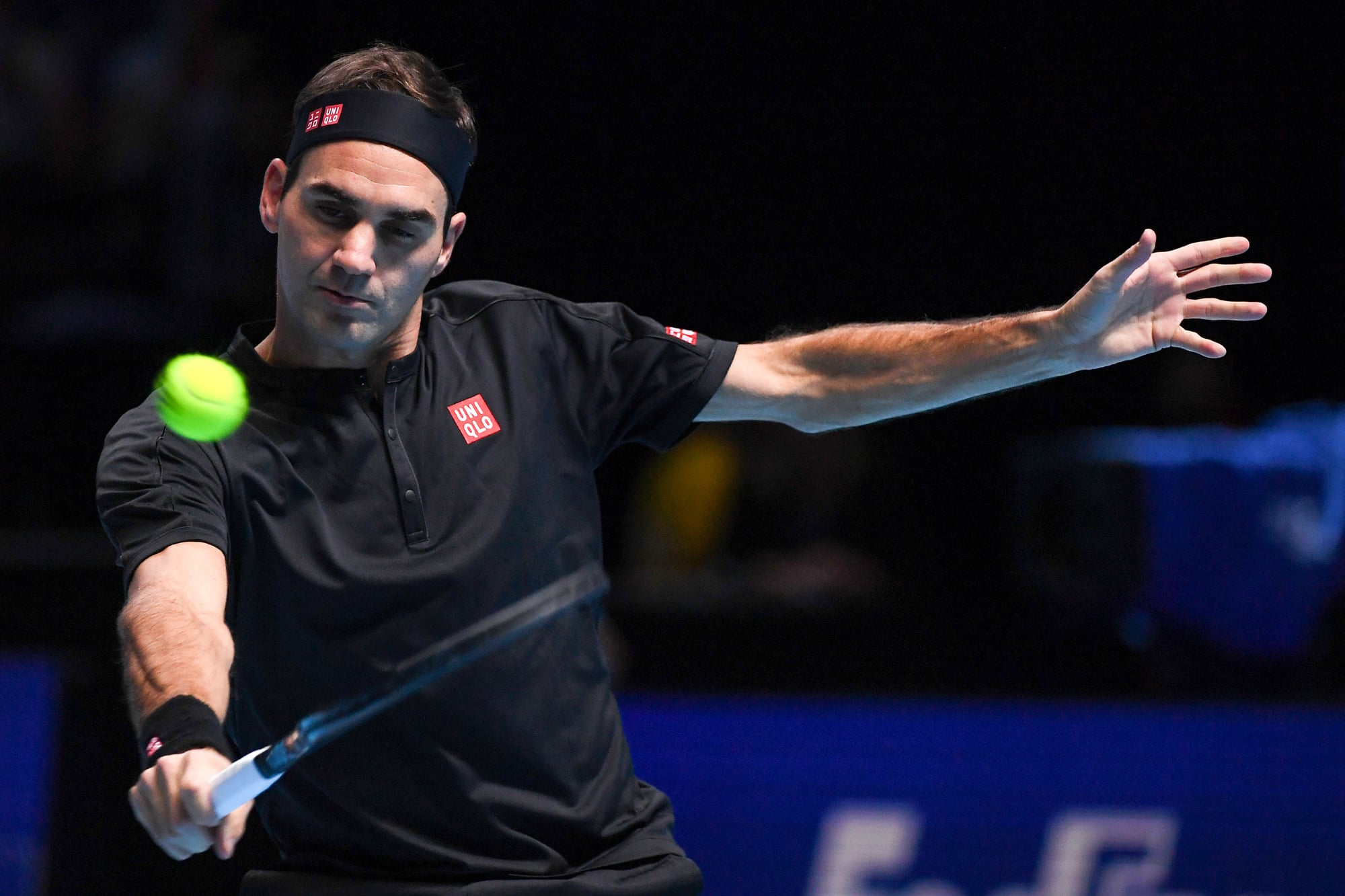
Federer made tennis look effortless, but that effortlessness was the product of relentless discipline in perfecting his technique. Every stroke was practiced until it became automatic, allowing him to focus on strategy and tactics rather than basic execution during matches.
His discipline extended to emotional control. Tennis is a mental battle as much as a physical one, and Federer developed an ability to maintain composure that frustrated opponents and inspired teammates.
He didn’t just hit perfect shots — he maintained perfect focus regardless of circumstances.
LeBron James
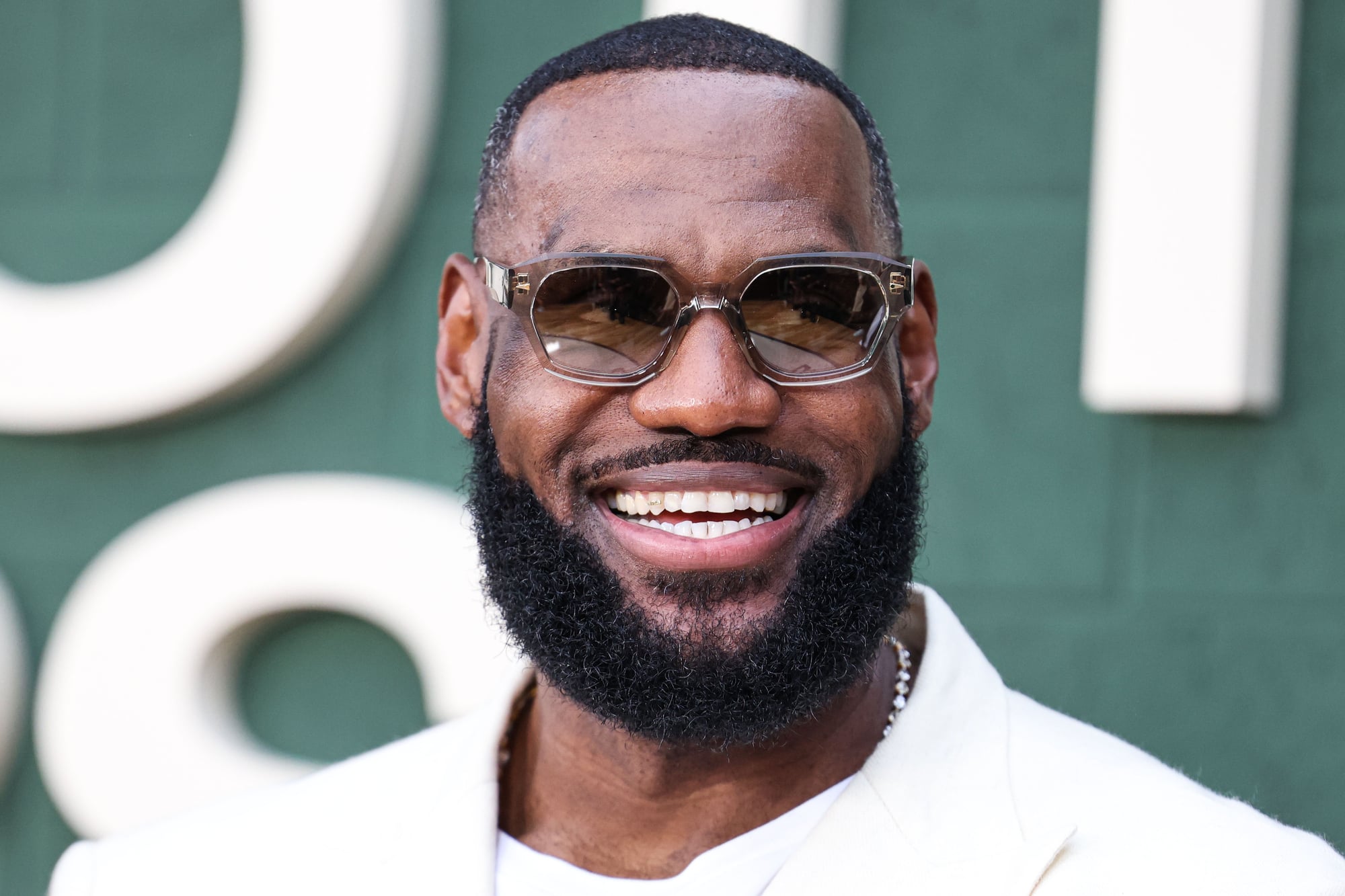
James treated his body like a precision instrument that required constant maintenance and calibration. His training regimen, diet, and recovery protocols were followed with scientific precision and adjusted based on detailed analysis of performance data.
The mental discipline was equally systematic. James studied opponents and game situations with academic thoroughness, developing an understanding of basketball strategy that allowed him to make optimal decisions in real time.
He didn’t just rely on physical gifts — he maximized them through disciplined preparation.
Wayne Gretzky
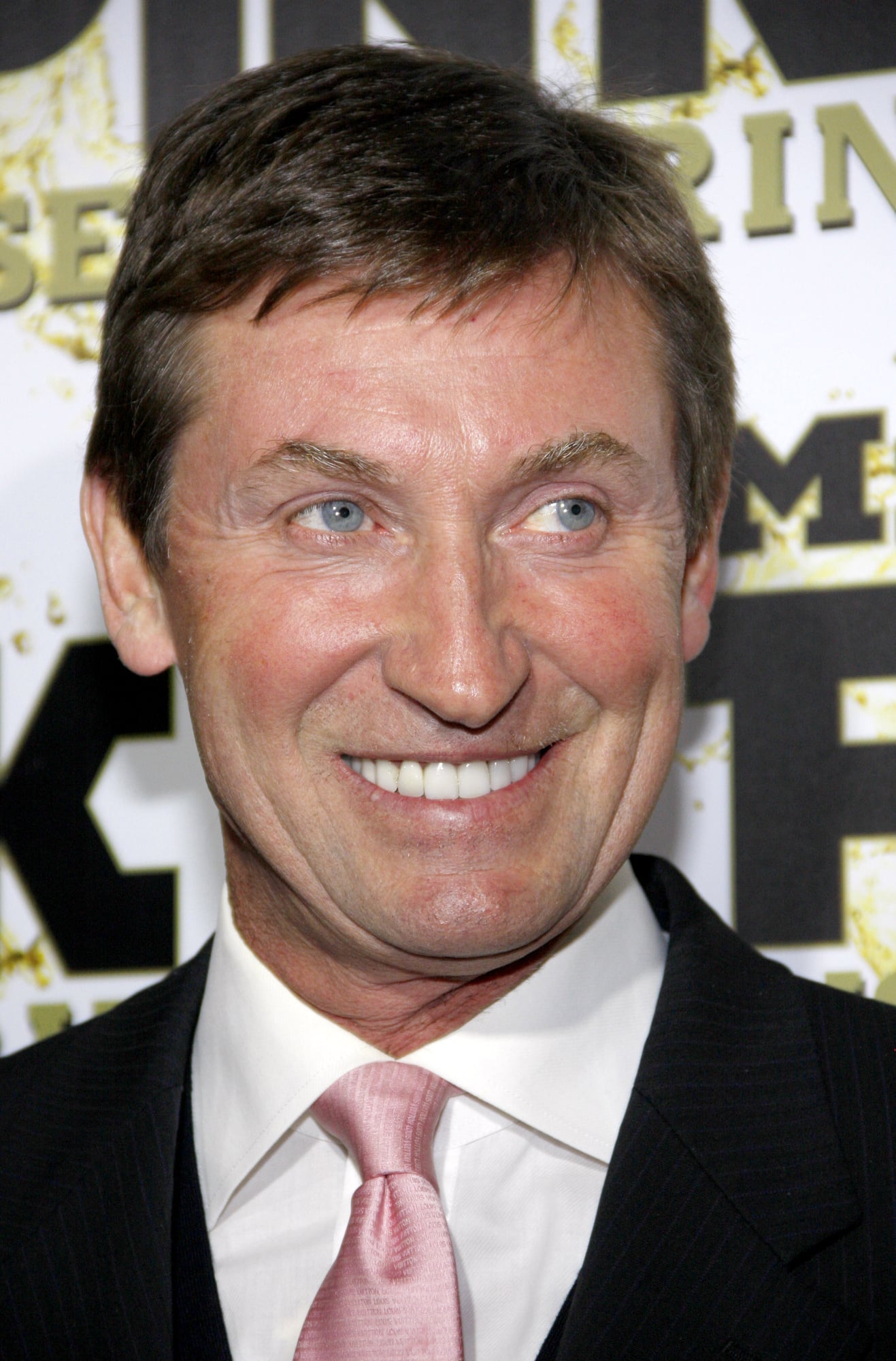
Gretzky wasn’t the biggest or strongest hockey player, but his discipline in studying the game gave him advantages that physical gifts couldn’t provide. He approached hockey like a chess master approaches a complex position — always thinking several moves ahead and positioning himself where the action would be rather than where it was.
His practice sessions focused on developing hockey intelligence rather than just physical skills. Gretzky disciplined himself to see patterns and anticipate developments that other players missed.
He didn’t just play hockey faster — he played it smarter through years of disciplined observation and analysis.
Muhammad Ali
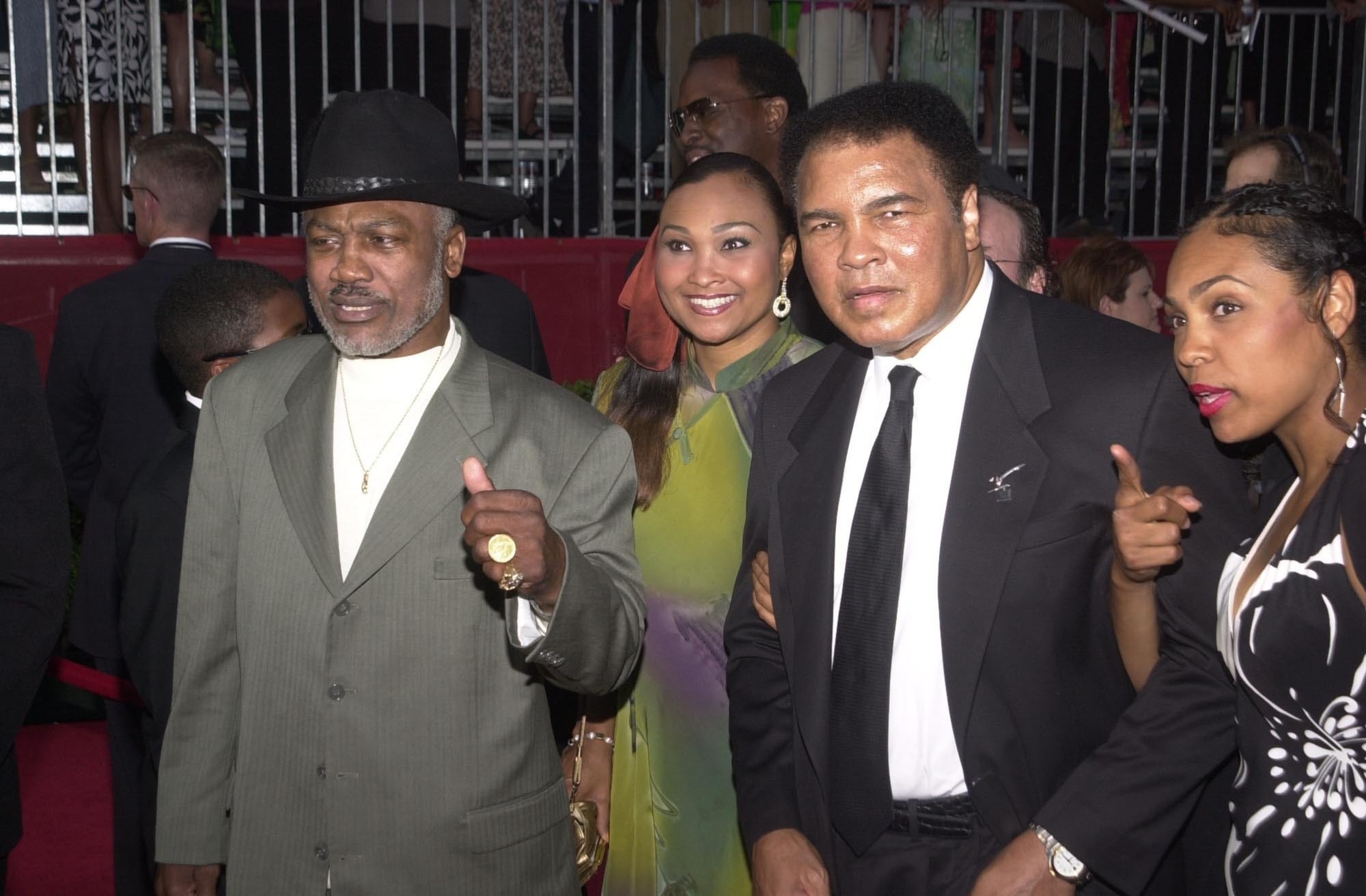
Ali’s discipline in training was legendary, but his mental discipline proved even more remarkable. He developed an ability to maintain confidence and focus despite enormous external pressures and personal challenges that would have broken lesser athletes.
The psychological warfare Ali became famous for wasn’t just showmanship — it was a disciplined strategy designed to gain mental advantages over opponents.
He studied the psychological aspects of competition with the same intensity that other fighters studied physical techniques, and that discipline gave him edges that pure boxing skill could not provide.
Diana Taurasi
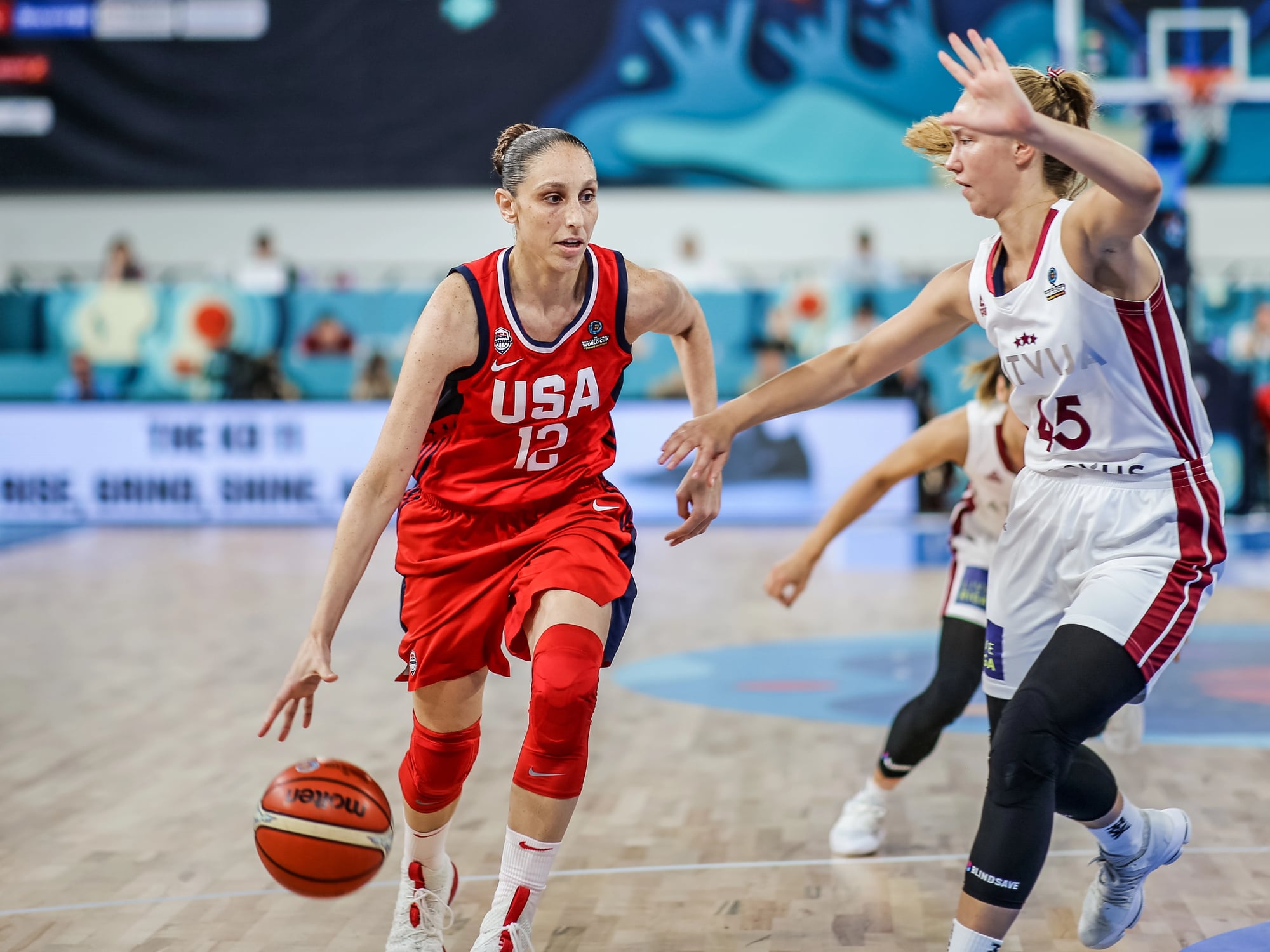
Taurasi approached basketball with the discipline of a craftsperson perfecting a trade. Her shooting ability didn’t develop through casual practice — it was forged through thousands of hours of repetitive drilling until muscle memory took over during competition.
Her mental discipline allowed her to perform consistently in high-pressure situations across different levels of competition. Taurasi didn’t just make shots — she made the shots that mattered most because her disciplined preparation had trained her to thrive under pressure rather than simply survive it.
Peyton Manning
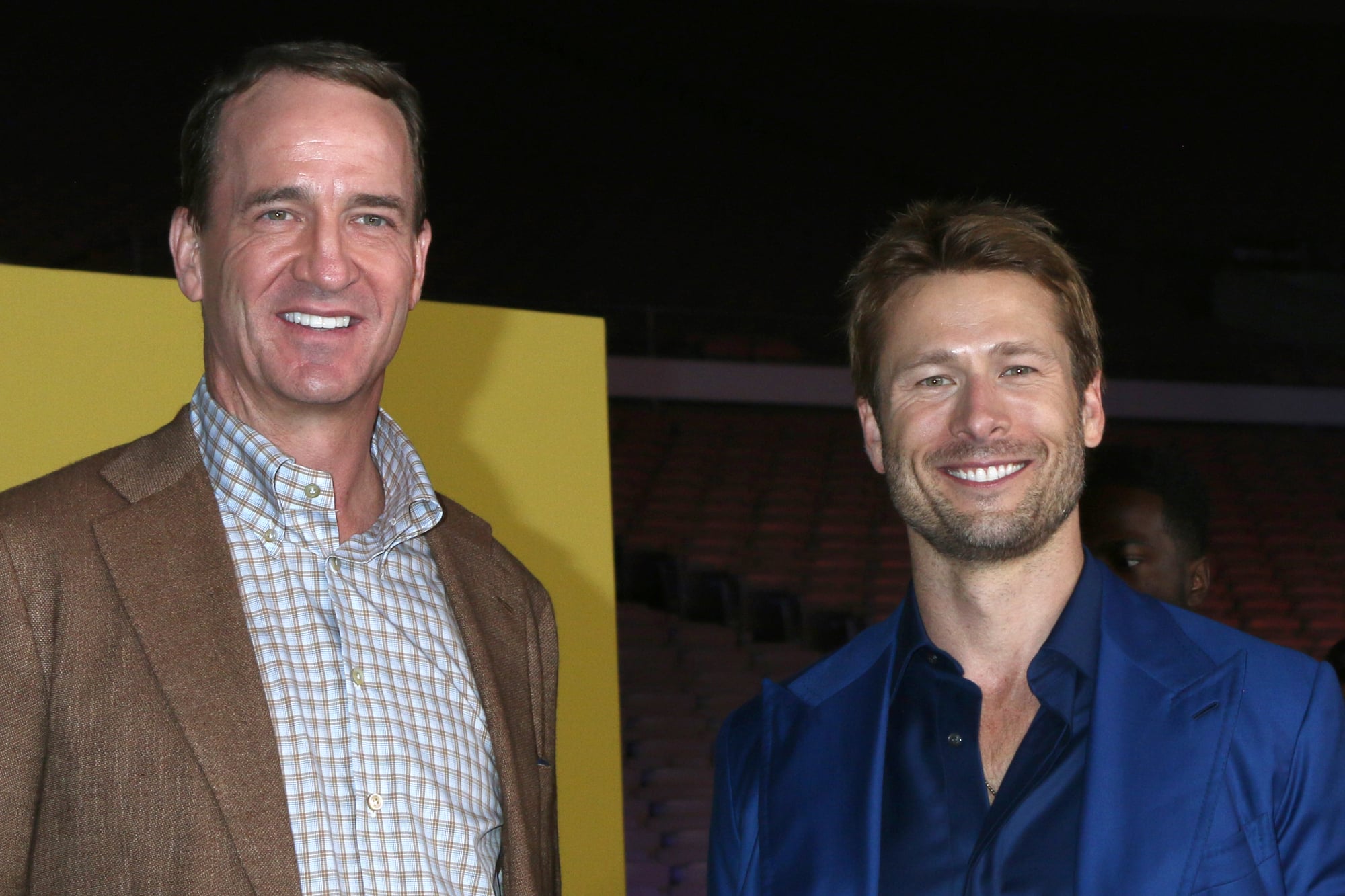
Manning turned football preparation into an art form. His discipline in studying game film and opponent tendencies was so thorough that he could often predict what defenses would do before they executed their plans.
This preparation gave him advantages that pure physical ability could never provide.
The mental discipline extended to his approach during games. Manning had trained himself to process information quickly and make optimal decisions under pressure.
He didn’t just throw passes — he solved defensive puzzles in real time because his disciplined preparation had given him the tools to do so.
The Thread That Connects Legends

These athletes didn’t just happen to be great — they engineered their greatness through disciplined choices that others found too demanding to sustain. Their achievements weren’t accidents of talent but the inevitable results of systematic preparation and unwavering commitment to excellence.
The discipline that made them champions didn’t just shape their careers; it defined what it means to pursue mastery in any field that matters.
More from Go2Tutors!

- The Romanov Crown Jewels and Their Tragic Fate
- 13 Historical Mysteries That Science Still Can’t Solve
- Famous Hoaxes That Fooled the World for Years
- 15 Child Stars with Tragic Adult Lives
- 16 Famous Jewelry Pieces in History
Like Go2Tutors’s content? Follow us on MSN.



